Managing Excessive Pet Hair in Your HVAC System (A Guide for New Orleans Dog Owners)
Living in New Orleans with pets means your HVAC system works overtime. The combination of high humidity and constant pet dander creates unique challenges that can reduce system efficiency and increase energy costs. This guide shows you how to protect your investment and keep your home comfortable for both you and your furry friends. Get Your New Orleans AC Running Again with Our 24-Hour Emergency Repair Service.
The Hidden Cost of Pet Hair in Your New Orleans Home
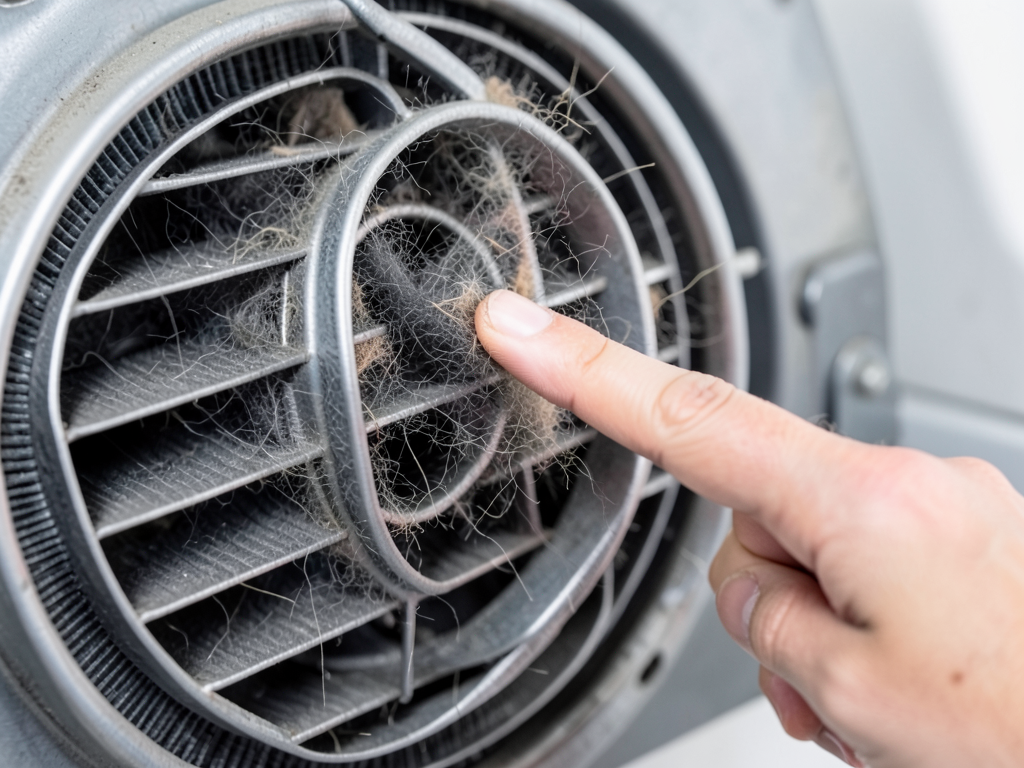
Pet owners in the Crescent City face a double challenge. Your dogs shed year-round, and the 90% humidity makes that dander stick to everything including your evaporator coils. When pet hair accumulates in your HVAC system it restricts airflow, forces your AC to work harder, and can lead to expensive repairs. EPA guide to air cleaners and air filters.
The problem goes beyond just filters. Pet dander mixed with New Orleans humidity creates a sticky residue that coats your evaporator coils. This buildup reduces cooling efficiency by up to 30% and creates the perfect environment for mold growth. Many homeowners don’t realize their AC struggles until they notice higher utility bills or uneven cooling throughout their home. Fighting New Orleans Humidity with a Professional Whole-Home Dehumidifier Installation.
5-Point Pet Owner Maintenance Checklist for New Orleans Homes
Regular maintenance prevents most pet-related HVAC issues. Here is your essential checklist:. Read more about Expert AC Maintenance for Large Family Homes in Destrehan and Luling.
- Filter Replacement Schedule
Change your air filter every 30-45 days if you have one dog, every 20-30 days for multiple pets. Standard fiberglass filters trap less dander than pleated filters rated MERV 8 or higher.
- Outdoor Unit Protection
Keep your condenser unit clear of pet urine which can corrode aluminum fins. Install a decorative barrier or plant barrier about 18 inches from the unit.
- Duct Inspection and Cleaning
Schedule professional duct cleaning every 2-3 years. Pet dander accumulates in ductwork and recirculates through your home. Emergency Ductwork Repair.
- Coil Cleaning
Have evaporator coils professionally cleaned annually. The sticky combination of pet dander and humidity requires specialized cleaning solutions.
- Condensate Drain Maintenance
Pour a cup of white vinegar down your condensate drain monthly to prevent bio-slime buildup from pet dander and humidity.
Choosing the Right Air Filter for Pet Owners
Not all air filters handle pet dander equally. Here is how different MERV ratings perform in New Orleans homes:
| Filter Type | MERV Rating | Pet Dander Capture | Airflow Impact | Best For |
|---|---|---|---|---|
| Basic Fiberglass | 1-4 | Poor | Minimal | Low dander homes |
| Standard Pleated | 8 | Good | Low | Single pet homes |
| High-Efficiency Pleated | 11 | Very Good | Medium | Multi-pet homes |
| Premium Pleated | 13 | Excellent | High | Severe allergy sufferers |
For most New Orleans dog owners MERV 11 provides the best balance. It captures pet dander effectively without restricting airflow in our humid climate. MERV 13 filters work well but may require more frequent changes to prevent system strain.
Indoor Air Quality Upgrades for Pet Owners
Standard filters only catch particles larger than 10 microns. Pet dander is typically 2.5 to 10 microns making it difficult to trap. Consider these IAQ upgrades:
UV Light Systems
Ultraviolet germicidal irradiation kills bacteria mold and viruses that thrive on pet dander in humid environments. Installation near your evaporator coil prevents biological growth and eliminates pet odors at the source.
Whole-Home Air Purifiers
Electronic air cleaners use electrostatic attraction to capture particles as small as 0.3 microns. These systems work continuously to remove pet dander from your indoor air.
Activated Carbon Filters
These specialized filters absorb pet odors volatile organic compounds and other gaseous pollutants. They work best when installed as part of a comprehensive IAQ system.
Safety First: Protecting Your Pets and Your System
Your HVAC system can pose risks to curious pets. Here are essential safety measures:
- Cover exposed wires and electrical connections to prevent chewing
- Secure outdoor units with protective fencing that allows airflow
- Check for refrigerant leaks regularly as these can be harmful to pets
- Set thermostats to energy-saving temperatures when you are away
- Install carbon monoxide detectors near sleeping areas
During New Orleans summers your pets depend on your AC. Never turn off your system completely when leaving pets home alone. Set thermostats to at least 78 degrees to prevent heat stress.
Understanding Your System’s Vulnerability
New Orleans homes face unique HVAC challenges. The high water table and frequent flooding mean many systems are installed in crawl spaces or on raised foundations. This creates additional entry points for pet hair and dander.
According to the International Mechanical Code Section 301.4 HVAC equipment must be installed with proper clearances and protection from moisture. In flood-prone areas like Gentilly and Mid-City this means elevated platforms and sealed ductwork.
The combination of pet hair and our humid climate creates a perfect storm for system failure. When dander accumulates on coils it acts like insulation preventing proper heat transfer. This forces your system to run longer increasing wear and energy consumption.
Professional Maintenance: When to Call the Experts
Some pet-related HVAC issues require professional attention. Watch for these warning signs:
- Musty odors when your AC runs
- Reduced airflow from vents
- AC running constantly but not cooling effectively
- Visible dust accumulation near vents
- Unusual noises from your air handler
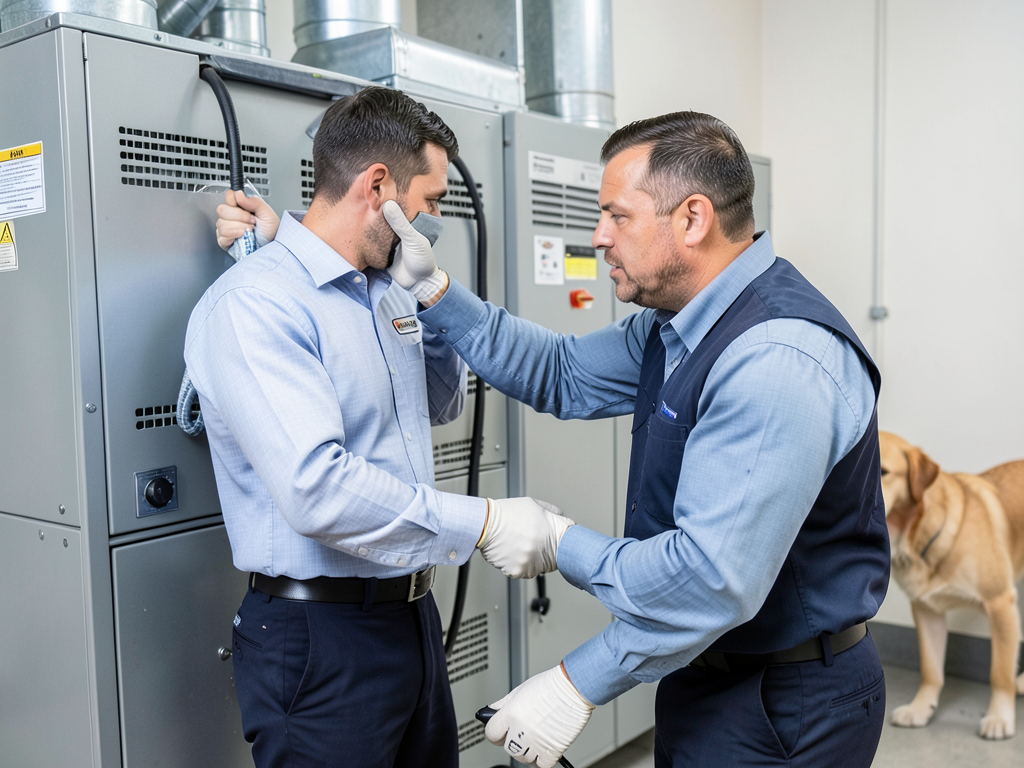
Professional cleaning involves more than just changing filters. Technicians use specialized equipment to clean coils ductwork and blower components. This deep cleaning restores system efficiency and extends equipment life.
Seasonal Considerations for New Orleans Pet Owners
New Orleans has a unique cooling season that runs from March through November. This extended runtime means your system processes more air and more pet dander than in other climates.
Spring is the critical time for pet owners. As temperatures rise and pets shed their winter coats your system faces maximum strain. Schedule professional maintenance in early March before the cooling season begins.
Fall maintenance is equally important. Even though temperatures cool your pets continue shedding and humidity remains high. This transitional period is when many systems experience failures.
Cost-Benefit Analysis of Pet Owner Upgrades
Investing in pet-specific HVAC solutions pays for itself through energy savings and extended equipment life. Here is what to expect:
| Upgrade | Initial Cost | Annual Energy Savings | Equipment Life Extension |
|---|---|---|---|
| MERV 11 Filters | $15-25 each | 5-10% | 1-2 years |
| UV Light System | $400-600 | 10-15% | 3-5 years |
| Whole-Home Purifier | $800-1500 | 15-20% | 5-7 years |
The most cost-effective approach combines regular filter changes with annual professional maintenance. This prevents the expensive repairs that result from neglected pet hair buildup.
DIY Maintenance Tips for Pet Owners
Between professional visits these simple steps keep your system running efficiently:
- Vacuum registers and return air vents weekly
- Keep pets groomed to reduce shedding
- Maintain a clean home to reduce airborne dander
- Check and replace filters monthly during peak shedding seasons
- Keep outdoor units clear of debris and pet waste
Regular brushing reduces the amount of hair your pets shed by up to 90%. This simple step dramatically reduces the load on your HVAC system.
The Future of Pet-Friendly HVAC Technology
New HVAC technologies specifically address pet owner concerns. Smart filters with pet hair sensors alert you when replacement is needed. Advanced filtration systems capture particles as small as 0.1 microns.
Emerging technologies include photocatalytic oxidation systems that break down pet odors at the molecular level. These systems work silently and require minimal maintenance.
Frequently Asked Questions
How often should I change my air filter with pets?
Change your filter every 30-45 days for one pet and every 20-30 days for multiple pets. During peak shedding seasons check filters every two weeks.
Can pet hair damage my AC compressor?
Pet hair itself does not damage the compressor but the dander and debris it carries can clog condenser coils reducing efficiency and potentially causing overheating.. Read more about Reducing Dust and Allergens in Your Folsom Home if You Live Near Horse Farms.
Are UV lights safe for pets?
UV lights installed in your HVAC system are completely safe for pets. The UV-C light is contained within the air handler and only affects airborne particles.
How do I know if pet dander is affecting my system?
Signs include reduced airflow musty odors frequent cycling and higher than normal energy bills. Professional inspection can confirm pet-related buildup.
Should I close vents in unused rooms with pets?
No. Closing vents creates pressure imbalances that can strain your system. Instead use zoned systems or close doors to contain pet areas.
Take Control of Your Home’s Air Quality Today
Your pets are part of your family but their hair does not have to compromise your comfort or your HVAC system. With proper maintenance and the right equipment you can enjoy clean air and efficient cooling year-round.
Call (504) 355-2955 today to schedule your pet-friendly HVAC inspection. Our technicians understand the unique challenges New Orleans pet owners face and can recommend solutions that protect both your system and your furry friends.
Pick up the phone and call (504) 355-2955 before the next heat wave hits. Your pets and your wallet will thank you. For more information, visit ASHRAE standards for indoor air quality.
You may also find this helpful. Why Your Bridge City Home Needs Better Ventilation to Stop Indoor Smoke and Lingering Odors.
{
“@context”: “https://schema.org”,
“@type”: “BlogPosting”,
“headline”: “Managing Excessive Pet Hair in Your HVAC System (A Guide for New Orleans Dog Owners)”,
“description”: “New Orleans dog owners need specialized HVAC maintenance to combat pet dander, humidity, and odors. Learn how to protect your system and improve indoor air quality.”,
“wordCount”: 1492,
“datePublished”: “2026-05-06T15:23:00.000Z”,
“dateModified”: “2026-05-06T15:23:00.000Z”,
“inLanguage”: “en-US”,
“mainEntityOfPage”: {
“@type”: “WebPage”,
“@id”: “https://pioneerhvacneworleans.com”
},
“publisher”: {
“@type”: “LocalBusiness”,
“name”: “Pioneer HVAC New Orleans”,
“url”: “https://pioneerhvacneworleans.com”
},
“author”: {
“@type”: “Organization”,
“name”: “Pioneer HVAC New Orleans”,
“url”: “https://pioneerhvacneworleans.com”
},
“image”: {
“@type”: “ImageObject”,
“url”: “https://pioneerhvacneworleans.com/wp-content/uploads/2026/03/managing-excessive-pet-hair-in-your-hvac-system-a-1.png”
}
}
{
“@context”: “https://schema.org”,
“@type”: “HVACBusiness”,
“name”: “Pioneer HVAC New Orleans”,
“url”: “https://pioneerhvacneworleans.com”,
“address”: {
“@type”: “PostalAddress”,
“addressLocality”: “New Orleans”
},
“areaServed”: {
“@type”: “City”,
“name”: “New Orleans”
}
}
{
“@context”: “https://schema.org”,
“@type”: “FAQPage”,
“mainEntity”: [
{
“@type”: “Question”,
“name”: “How often should I change my air filter with pets?”,
“acceptedAnswer”: {
“@type”: “Answer”,
“text”: “Change your filter every 30-45 days for one pet and every 20-30 days for multiple pets. During peak shedding seasons check filters every two weeks.”
}
},
{
“@type”: “Question”,
“name”: “Can pet hair damage my AC compressor?”,
“acceptedAnswer”: {
“@type”: “Answer”,
“text”: “Pet hair itself does not damage the compressor but the dander and debris it carries can clog condenser coils reducing efficiency and potentially causing overheating.”
}
},
{
“@type”: “Question”,
“name”: “Are UV lights safe for pets?”,
“acceptedAnswer”: {
“@type”: “Answer”,
“text”: “UV lights installed in your HVAC system are completely safe for pets. The UV-C light is contained within the air handler and only affects airborne particles.”
}
},
{
“@type”: “Question”,
“name”: “How do I know if pet dander is affecting my system?”,
“acceptedAnswer”: {
“@type”: “Answer”,
“text”: “Signs include reduced airflow musty odors frequent cycling and higher than normal energy bills. Professional inspection can confirm pet-related buildup.”
}
},
{
“@type”: “Question”,
“name”: “Should I close vents in unused rooms with pets?”,
“acceptedAnswer”: {
“@type”: “Answer”,
“text”: “No. Closing vents creates pressure imbalances that can strain your system. Instead use zoned systems or close doors to contain pet areas.”
}
}
]
}
{
“@context”: “https://schema.org”,
“@type”: “HowTo”,
“name”: “Pet Owner HVAC Maintenance Checklist”,
“step”: [
{
“@type”: “HowToStep”,
“position”: 1,
“name”: “Filter Replacement Schedule”,
“text”: “Change your air filter every 30-45 days if you have one dog, every 20-30 days for multiple pets. Standard fiberglass filters trap less dander than pleated filters rated MERV 8 or higher.”
},
{
“@type”: “HowToStep”,
“position”: 2,
“name”: “Outdoor Unit Protection”,
“text”: “Keep your condenser unit clear of pet urine which can corrode aluminum fins. Install a decorative barrier or plant barrier about 18 inches from the unit.”
},
{
“@type”: “HowToStep”,
“position”: 3,
“name”: “Duct Inspection and Cleaning”,
“text”: “Schedule professional duct cleaning every 2-3 years. Pet dander accumulates in ductwork and recirculates through your home. Emergency Ductwork Repair.”
},
{
“@type”: “HowToStep”,
“position”: 4,
“name”: “Coil Cleaning”,
“text”: “Have evaporator coils professionally cleaned annually. The sticky combination of pet dander and humidity requires specialized cleaning solutions.”
},
{
“@type”: “HowToStep”,
“position”: 5,
“name”: “Condensate Drain Maintenance”,
“text”: “Pour a cup of white vinegar down your condensate drain monthly to prevent bio-slime buildup from pet dander and humidity.”
}
],
“image”: “https://pioneerhvacneworleans.com/wp-content/uploads/2026/03/managing-excessive-pet-hair-in-your-hvac-system-a-1.png”
}
{
“@context”: “https://schema.org”,
“@type”: “BreadcrumbList”,
“itemListElement”: [
{
“@type”: “ListItem”,
“position”: 1,
“name”: “Home”,
“item”: “https://pioneerhvacneworleans.com”
},
{
“@type”: “ListItem”,
“position”: 2,
“name”: “Blog”,
“item”: “https://pioneerhvacneworleans.com/blog”
},
{
“@type”: “ListItem”,
“position”: 3,
“name”: “Managing Excessive Pet Hair in Your HVAC System (A Guide for New Orleans Dog Owners)”
}
]
}
{
“@context”: “https://schema.org”,
“@type”: “Service”,
“serviceType”: “HVAC”,
“provider”: {
“@type”: “LocalBusiness”,
“name”: “Pioneer HVAC New Orleans”,
“url”: “https://pioneerhvacneworleans.com”
},
“areaServed”: {
“@type”: “City”,
“name”: “New Orleans”
},
“description”: “New Orleans dog owners need specialized HVAC maintenance to combat pet dander, humidity, and odors. Learn how to protect your system and improve indoor air quality.”
}