




Slidell sits in a subtropical zone where humidity rarely drops below 70 percent. Your HVAC system runs nearly year-round, placing constant stress on compressors, coils, and condensers. Salt air drifting in from Lake Pontchartrain corrodes outdoor units faster than inland Louisiana cities experience. The clay soil common throughout St. Tammany Parish shifts with seasonal rain patterns, causing concrete pads to settle and units to tilt, which strains refrigerant lines and creates premature failures.
Freezes happen here. When temperatures drop into the 20s during January cold snaps, heating systems that sit idle for months suddenly get called into emergency duty. Cracked heat exchangers, failed ignitors, and pilot light problems surface when families need warmth most. Hurricane season brings another challenge. High winds damage condensers, flying debris punctures coils, and power surges from grid fluctuations fry circuit boards. Homes near the Pearl River and along Bayou Bonfouca face additional moisture exposure that breeds mold in ductwork and causes drain line clogs.
Your HVAC system works harder in Slidell than almost anywhere else in Louisiana. Understanding these local factors means faster diagnosis and longer equipment life.
We serve Slidell because we understand what breaks here and why. Our technicians carry parts specific to the Bryant, Carrier, Trane, and Lennox systems most common in St. Tammany Parish homes. When your compressor fails on a Saturday afternoon in July, we have the replacement in our truck. That first-visit fix rate matters when your family is sweating through a heat index of 110 degrees.
Pioneer HVAC New Orleans maintains response times under two hours for emergency calls across Slidell. We keep technicians stationed near Highway 190 and Interstate 10 corridors to reach Heritage Park, Oak Harbor, and Northshore subdivisions fast. Your call gets answered by our dispatch team, not an automated system or out-of-state call center. We quote honest prices before starting work and never surprise you with hidden fees after the job is done.
Our technicians receive ongoing training on coastal climate challenges that affect HVAC performance. We know how salt air degrades copper lines, how humidity creates biological growth in drain pans, and how clay soil movement stresses refrigerant connections. This expertise shows up in how we diagnose problems and which solutions we recommend. We focus on repairs that extend equipment life in this environment, not just quick fixes that fail again in six months.
We live in the communities we serve. Our families experience the same heat, humidity, and weather extremes yours does. That creates accountability you won't find with national chains or fly-by-night contractors.

When your AC fails during a Slidell heatwave, waiting until Monday is not an option. We dispatch technicians within two hours across St. Tammany Parish, arriving with diagnostic tools and common parts to restore cooling fast. Your comfort emergency gets treated like the urgent situation it is.

Our trucks carry parts for the systems installed throughout Slidell neighborhoods. We stock compressors, coils, motors, and circuit boards that fit Bryant, Carrier, Trane, and Lennox units. This preparation means we complete most repairs on the first visit without scheduling return trips or ordering parts.
Salt air, constant humidity, and clay soil create HVAC problems specific to this region. Our technicians train on these coastal challenges and recommend solutions that account for Lake Pontchartrain's proximity and seasonal flooding patterns. We understand what breaks here and how to prevent it.
We quote the full price before starting work and never add surprise charges after completion. You get a detailed explanation of what failed, what we recommend, and exactly what it costs. No pressure tactics, no inflated emergency rates, no hidden fees.
Pioneer HVAC New Orleans handles every air conditioning and heating need your Slidell home faces. We repair systems when they break, maintain them to prevent failures, and replace units that cost more to fix than replace. Our technicians work on central air systems, heat pumps, gas furnaces, and ductless mini-splits installed throughout St. Tammany Parish.
HVAC repair covers component failures like compressor burnouts, refrigerant leaks, blower motor replacements, and thermostat malfunctions. We diagnose the root cause instead of treating symptoms because coastal humidity and salt air create cascading problems if the initial failure goes unaddressed. AC service includes seasonal tune-ups, filter changes, coil cleaning, and drain line maintenance that extends equipment life in this harsh environment. System replacements involve load calculations, ductwork inspection, and equipment selection matched to your home's size and your family's comfort needs. We handle permit applications and coordinate inspections required by Slidell building codes.
Your AC quits during a July heatwave. Your heat fails when January temperatures hit 25 degrees. We dispatch technicians within two hours to diagnose the problem and restore comfort. Our trucks carry compressors, motors, coils, and circuit boards for common failures. We arrive prepared to fix refrigerant leaks, electrical failures, and mechanical breakdowns on the first visit. Emergency repair service covers systems that stopped working, reduced output below comfort levels, or created safety concerns like gas leaks or electrical shorts.
Humidity and salt air destroy HVAC systems faster in Slidell than inland cities. Our maintenance service includes coil cleaning to remove corrosion, drain line flushing to prevent clogs, refrigerant level checks, electrical connection tightening, and blower motor lubrication. We inspect for early warning signs like acid buildup in compressor oil, biological growth in condensate pans, and loose ductwork connections. Catching these problems early prevents emergency breakdowns during peak summer heat. Regular service extends equipment life by years and reduces monthly utility costs.
Systems older than 12 years often cost more to repair than replace, especially after major component failures like compressor burnout. We perform load calculations to size new equipment correctly for your home's square footage and insulation levels. Our replacement service includes removing old units, installing new systems, modifying ductwork if needed, and coordinating city inspections. We recommend high-efficiency equipment rated for coastal humidity and explain payback periods based on your current utility bills. Every installation meets Slidell building codes and manufacturer specifications.
Lake Pontchartrain sits eight miles south of Slidell, pushing humid, salt-laden air across every neighborhood. This constant moisture exposure creates HVAC problems rare in drier climates. Outdoor condenser coils corrode within five years without regular cleaning. Drain lines clog with biological growth because condensate pans never fully dry. Ductwork in unconditioned attics develops mold when humid air contacts cold surfaces. Clay soil throughout St. Tammany Parish shifts with seasonal rain, causing concrete pads to settle and refrigerant lines to stress at connection points.
Hurricane season brings wind damage to condensers, power surges that fry circuit boards, and flooding that ruins air handlers in low-lying areas near Bayou Bonfouca. Winter freezes expose heating systems that sat idle since March, revealing cracked heat exchangers and failed ignitors. Your HVAC system runs 10 months per year in this climate, creating wear patterns different from northern states where equipment rests half the year.
Salt air corrodes copper refrigerant lines faster than most homeowners expect. Pinhole leaks develop at connection points and along exposed sections of outdoor units. Your system runs constantly but never reaches the temperature you set. Repair involves finding the leak, fixing it properly, pressure testing the system, and recharging with the correct refrigerant type and amount.
Your AC removes gallons of moisture from indoor air every day. That water drains through PVC pipes that clog with algae, mold, and biological slime in Slidell's humid environment. When drains clog, water backs up into the air handler, triggering safety switches that shut down cooling. Regular drain line cleaning prevents these shutdowns during peak cooling season.
Compressors work harder in constant humidity and heat. Units sized incorrectly for your home or struggling with restricted airflow from dirty coils burn out prematurely. A failed compressor creates a loud grinding noise before the system stops cooling entirely. Replacement costs vary by system size and refrigerant type, but waiting too long damages other components.
Humid air contacts cold duct surfaces in unconditioned attics, creating condensation that breeds mold. You notice musty odors when the system runs or see dark stains around supply vents. Duct cleaning removes existing growth, but preventing future problems requires addressing the humidity source and improving attic ventilation. Indoor air quality suffers when ducts stay contaminated.
You call because something broke or stopped working right. Our dispatch team answers within three rings and asks specific questions to understand your situation. Is the system blowing warm air or not running at all? Do you hear unusual noises? When did you first notice the problem? These questions help us send the right technician with the correct parts.
We provide a two-hour arrival window for emergency calls and confirm the appointment by text message. Our technician calls 20 minutes before arrival so you know exactly when to expect us. We arrive in clearly marked trucks with your company name visible, wearing uniforms with name badges. You know who is entering your home. The diagnostic process starts with listening to your description of what happened, then moves to systematic testing of components. We explain what we find in plain language without technical jargon designed to confuse. The quote comes before any repair work begins, itemized so you understand what you are paying for and why.
You get updates throughout the service call. We explain what component failed, why it failed, and what options you have for fixing it. If we recommend replacement over repair, we walk you through the cost comparison and expected lifespan of both choices. You never feel pressured to make decisions before you are ready. We answer questions in detail and provide written quotes you can review with your family before authorizing expensive work.
Our trucks carry diagnostic equipment, common replacement parts, and specialty tools needed for coastal climate repairs. We stock capacitors, contactors, thermostats, motors, and other components that fail frequently in Slidell's environment. This preparation means most repairs finish on the first visit without waiting for parts delivery. When we do need to order something, we provide realistic timelines and priority status with suppliers serving St. Tammany Parish.
Every repair comes with a workmanship guarantee that covers the labor and parts we installed. If something we fixed fails again within the guarantee period, we return to make it right at no additional charge. We stand behind the quality of our work because we use proper repair techniques and quality replacement parts. You get documentation of all work performed, parts installed, and warranty coverage for your records.
We keep the process simple because you need your system fixed, not a complicated explanation of how we run our business. Three clear steps take you from initial call to restored comfort.
Reach our dispatch team at (504) 355-2955 when your system fails or performs poorly. We ask specific questions about the problem to send the right technician with appropriate parts. You receive a two-hour arrival window for emergency calls and scheduled appointments for non-urgent maintenance. Our confirmation text includes the technician's name and expected arrival time so you can plan your day.
The technician examines your system, tests components, and explains what failed in terms you understand. You get a detailed written quote before any repair work starts. We break down parts and labor separately and explain what each component does. If multiple options exist, we present them with honest recommendations about which choice makes the most sense for your situation and budget.
Once you approve the quote, we complete the repair using quality parts and proper techniques. After finishing the work, we test the system through multiple cooling or heating cycles to verify proper operation. You receive documentation of all work performed, parts installed with serial numbers, and warranty information. We clean up completely and remove all packaging materials and failed components.
HVAC repair in coastal Louisiana requires knowledge of specific codes, climate factors, and equipment standards. The Louisiana State Uniform Construction Code governs all mechanical system installations and major repairs in Slidell. Technicians must hold valid EPA Section 608 certification to handle refrigerants legally, with different certification levels required depending on system type and refrigerant amount. Type II certification covers most residential AC systems, while Type I applies to small appliances and Type III handles high-pressure commercial equipment.
Refrigerant handling follows strict protocols. R-22 refrigerant is no longer manufactured for new systems, making recharge costs high for older units. Most systems installed after 2010 use R-410A, which operates at higher pressures and requires different gauges, hoses, and recovery equipment. Cross-contamination between refrigerant types destroys compressors within hours. Proper diagnosis involves checking superheat and subcool values against manufacturer specifications, not just adding refrigerant until pressures look normal on gauges.
Load calculations determine correct system sizing using Manual J methodology. This calculation accounts for home square footage, insulation R-values, window types, ceiling heights, and occupancy patterns. An oversized system short-cycles, failing to remove humidity even though it cools the air to the set temperature. An undersized system runs constantly without reaching comfortable temperatures during peak heat. Both scenarios waste energy and reduce equipment life.
Ductwork design affects system performance more than most homeowners realize. The Air Conditioning Contractors of America publishes Manual D standards for duct sizing, which considers friction loss, velocity limits, and static pressure requirements. Undersized ducts create high static pressure that strains blower motors and reduces airflow across evaporator coils. This restricted airflow causes coils to freeze even when refrigerant levels are correct. In Slidell's humid climate, proper airflow prevents mold growth and maintains indoor air quality.
Electrical connections require attention in coastal areas. Salt air corrodes terminals, creating resistance that generates heat at connection points. We apply dialectic grease to outdoor connections and verify amperage draw matches nameplate ratings. High amperage indicates failing motors or compressors that will fail completely without intervention.
Federal law requires EPA Section 608 certification to purchase, handle, or install refrigerants. Our technicians maintain current certification and use proper recovery equipment to prevent refrigerant release into the atmosphere. We document refrigerant amounts added to your system and provide receipts showing compliance with environmental regulations. Proper refrigerant handling protects both equipment and the environment.
Correct equipment size depends on your home's heat gain and loss characteristics, not just square footage. We perform Manual J load calculations that account for insulation levels, window area, ceiling height, and occupancy. An oversized system wastes money on higher purchase prices and increased operating costs while failing to remove humidity. An undersized system runs constantly without reaching set temperatures during extreme weather.
Salt air accelerates corrosion on outdoor units, requiring protective coatings and more frequent maintenance than inland locations. High humidity demands attention to condensate drainage, coil cleanliness, and proper airflow to prevent mold growth. We recommend corrosion-resistant fasteners, elevated equipment pads in flood-prone areas, and surge protectors for the electrical components vulnerable to coastal lightning strikes and power fluctuations.
The City of Slidell requires mechanical permits for system replacements and major component changes like air handler or condenser installations. We handle all permit applications and coordinate required inspections with city building officials. Permits protect you by ensuring work meets Louisiana construction codes and provides documentation for insurance claims or future home sales. All our installations pass inspection on the first submission.
This video explains HVAC challenges specific to Slidell, Louisiana homes. Topics include how salt air from Lake Pontchartrain accelerates corrosion, why clay soil causes system failures, and how constant humidity affects equipment lifespan. Viewers learn maintenance strategies that prevent common breakdowns in coastal climates and understand when repair costs justify system replacement. The content covers refrigerant leak diagnosis, condensate drain maintenance, and equipment selection for humid subtropical environments.
Pioneer HVAC New Orleans serves the entire Slidell area from Lake Pontchartrain north to the Pearl River. We respond to calls in Oak Harbor, where homes near the water face increased salt air exposure that corrodes outdoor units faster than inland properties. Heritage Park subdivisions built in the 1990s often have original HVAC systems reaching end-of-life, requiring replacement decisions that balance cost against efficiency gains. The Northshore area between Highway 190 and Interstate 12 includes newer construction with modern high-efficiency equipment that needs different maintenance approaches than older systems.
Properties near Bayou Bonfouca and surrounding wetlands deal with higher humidity levels that strain dehumidification capacity and create frequent condensate drain problems. Homes in the Tammany Trace corridor often have ductwork in unconditioned attics where summer temperatures exceed 140 degrees, stressing insulation and creating condensation issues when humid air contacts cold surfaces. The Olde Town district includes historic homes with addition complications like undersized ductwork, insufficient return air, and aging systems that require creative solutions to improve comfort without major renovations.
We maintain response times under two hours across all Slidell neighborhoods by positioning service vehicles near major traffic corridors. Interstate 10 provides fast access to southern areas near Eden Isles and the Lakeshore, while Highway 190 serves as the main east-west route through central Slidell. Our familiarity with local streets means we navigate efficiently even during peak traffic or when interstate construction creates detours.
The clay soil common throughout St. Tammany Parish creates foundation movement that affects HVAC installations. We check outdoor unit level on every service call because even slight tilting stresses refrigerant lines and shortens compressor life. Homes built before 2000 often lack proper drainage around foundation perimeters, causing water to pool near outdoor units during heavy rain. This standing water accelerates corrosion and creates mosquito breeding grounds that homeowners associations cite as violations.
Hurricane preparedness matters in coastal communities. We help customers develop plans for securing outdoor units, protecting electrical connections from water intrusion, and documenting system condition before storms for insurance claims. Post-hurricane service includes checking for wind damage, clearing debris from condenser coils, and testing electrical systems for surge damage before attempting startup.
The $5000 rule helps you decide whether to repair or replace your HVAC system. Multiply the age of your unit by the repair cost. If the total exceeds $5000, replacement makes more financial sense. For example, a 12-year-old system needing a $500 repair equals $6000, so you should replace it. In Slidell's humid climate, older systems work harder against moisture and heat, losing efficiency fast. Systems older than 10 years often face compounding issues. This rule prevents throwing good money after bad on equipment nearing end of life.
A new HVAC system typically ranges based on size, efficiency rating, and installation complexity. Slidell homes need properly sized units to handle high humidity and summer heat loads. Single-stage systems cost less upfront but run inefficiently. Variable-speed systems cost more initially but deliver better humidity control and lower monthly bills. Your home's square footage, insulation quality, ductwork condition, and desired SEER rating all affect final pricing. Request load calculations to ensure proper sizing. Undersized units struggle in our climate, while oversized units short-cycle and fail to dehumidify properly.
Average HVAC jobs vary widely by scope. Simple repairs like capacitor replacement or thermostat fixes run lower. Compressor replacement or refrigerant leak repair costs more. Full system replacement represents the highest expense. In Slidell, factor in humidity-related issues like drain line clogs and coil corrosion that require routine attention. Emergency service calls outside business hours carry premium rates. Preventive maintenance visits cost less than reactive repairs. Get written estimates detailing parts, labor, and warranty coverage before authorizing work. Proper diagnosis prevents unnecessary repairs and wasted money.
The $5000 rule helps you decide whether to repair or replace your HVAC system. Multiply the age of your unit by the repair cost. If the total exceeds $5000, replacement makes more financial sense. For example, a 12-year-old system needing a $500 repair equals $6000, so you should replace it. In Slidell's humid climate, older systems work harder against moisture and heat, losing efficiency fast. Systems older than 10 years often face compounding issues. This rule prevents throwing good money after bad on equipment nearing end of life.
A new HVAC system typically ranges based on size, efficiency rating, and installation complexity. Slidell homes need properly sized units to handle high humidity and summer heat loads. Single-stage systems cost less upfront but run inefficiently. Variable-speed systems cost more initially but deliver better humidity control and lower monthly bills. Your home's square footage, insulation quality, ductwork condition, and desired SEER rating all affect final pricing. Request load calculations to ensure proper sizing. Undersized units struggle in our climate, while oversized units short-cycle and fail to dehumidify properly.
Average HVAC jobs vary widely by scope. Simple repairs like capacitor replacement or thermostat fixes run lower. Compressor replacement or refrigerant leak repair costs more. Full system replacement represents the highest expense. In Slidell, factor in humidity-related issues like drain line clogs and coil corrosion that require routine attention. Emergency service calls outside business hours carry premium rates. Preventive maintenance visits cost less than reactive repairs. Get written estimates detailing parts, labor, and warranty coverage before authorizing work. Proper diagnosis prevents unnecessary repairs and wasted money.
Slidell's climate creates specific HVAC challenges. Clogged condensate drains top the list due to constant humidity and algae growth. Refrigerant leaks develop from corrosion in our salt air near Lake Pontchartrain. Dirty air filters restrict airflow, forcing systems to overwork. Thermostat malfunctions cause temperature inconsistencies. Failed capacitors prevent compressors from starting. Frozen evaporator coils result from airflow restrictions or low refrigerant. Worn contactor switches create electrical issues. Duct leaks waste conditioned air in attics. Regular maintenance catches these problems early before they cause complete system failure or expensive damage.
A 2000 square foot home in Slidell typically needs a 3 to 4 ton unit, depending on insulation, window efficiency, ceiling height, and sun exposure. Costs vary by efficiency rating and features. Higher SEER ratings reduce operating costs in our long cooling season, which runs March through October. Two-stage or variable-speed systems provide better humidity control than single-stage units. Proper load calculations matter more than rules of thumb. Homes near water or with poor insulation need more capacity. Factor in ductwork modifications, electrical upgrades, and permit fees when budgeting.
The 3 minute rule protects your compressor from damage. After your air conditioner shuts off, wait at least 3 minutes before restarting it. This delay allows refrigerant pressure to equalize throughout the system. Restarting too quickly forces the compressor to start against high pressure, causing electrical stress and potential failure. Modern thermostats have built-in delay features. Never rapidly flip your thermostat on and off or kill power at the breaker and immediately restore it. In Slidell's heat, patience prevents expensive compressor replacement and extends equipment life.
HVAC systems last 12 to 15 years on average, but Slidell's climate shortens that span without proper care. High humidity, salt air from Lake Pontchartrain, and near-constant summer use accelerate wear. Systems running 8 to 9 months yearly age faster than those in milder climates. Quality installation matters tremendously. Units improperly sized or poorly maintained fail sooner. Regular filter changes, annual professional tune-ups, and keeping outdoor units clear of debris extend life. Coastal moisture corrodes components faster. Budget for replacement around year 12, even with good maintenance, to avoid emergency failures during summer heat.
A 1200 square foot house typically needs a 2 to 2.5 ton system in Slidell. Costs depend on efficiency ratings, system type, and installation factors. Smaller homes sometimes cost more per square foot because base installation expenses remain constant regardless of system size. Your home's age affects ductwork condition and electrical capacity. Older homes may need upgrades. Higher SEER units cost more upfront but deliver savings over our long cooling season. Single-story homes install easier than multi-story layouts. Get multiple quotes with written load calculations to ensure proper sizing for our humid climate.
October through March offers the best time to buy HVAC systems in Slidell. Demand drops after summer heat ends, giving you negotiating leverage and faster installation scheduling. Contractors offer off-season promotions to maintain steady work. You avoid emergency replacement during peak summer when prices rise and wait times extend. Installing during mild weather allows thorough testing before the next cooling season. Spring installations happen before the rush but miss winter deals. Never wait until failure forces emergency replacement in July heat. Planning ahead saves money and prevents suffering through breakdowns when technicians are swamped with calls.
Standard homeowners insurance rarely covers HVAC repairs from normal wear and tear or lack of maintenance. Policies typically cover only sudden, unexpected damage from covered perils like lightning strikes, fire, or vandalism. Gradual component failure does not qualify. Some policies exclude mechanical breakdown entirely. Review your specific policy declarations and exclusions. Home warranty plans or equipment breakdown endorsements may cover certain failures. Document regular maintenance to support any claims. In Slidell, hurricane damage gets covered differently than normal AC failure. Always file claims promptly and get written denial reasons if coverage gets rejected.
Slidell's climate creates specific HVAC challenges. Clogged condensate drains top the list due to constant humidity and algae growth. Refrigerant leaks develop from corrosion in our salt air near Lake Pontchartrain. Dirty air filters restrict airflow, forcing systems to overwork. Thermostat malfunctions cause temperature inconsistencies. Failed capacitors prevent compressors from starting. Frozen evaporator coils result from airflow restrictions or low refrigerant. Worn contactor switches create electrical issues. Duct leaks waste conditioned air in attics. Regular maintenance catches these problems early before they cause complete system failure or expensive damage.
A 2000 square foot home in Slidell typically needs a 3 to 4 ton unit, depending on insulation, window efficiency, ceiling height, and sun exposure. Costs vary by efficiency rating and features. Higher SEER ratings reduce operating costs in our long cooling season, which runs March through October. Two-stage or variable-speed systems provide better humidity control than single-stage units. Proper load calculations matter more than rules of thumb. Homes near water or with poor insulation need more capacity. Factor in ductwork modifications, electrical upgrades, and permit fees when budgeting.
The 3 minute rule protects your compressor from damage. After your air conditioner shuts off, wait at least 3 minutes before restarting it. This delay allows refrigerant pressure to equalize throughout the system. Restarting too quickly forces the compressor to start against high pressure, causing electrical stress and potential failure. Modern thermostats have built-in delay features. Never rapidly flip your thermostat on and off or kill power at the breaker and immediately restore it. In Slidell's heat, patience prevents expensive compressor replacement and extends equipment life.
HVAC systems last 12 to 15 years on average, but Slidell's climate shortens that span without proper care. High humidity, salt air from Lake Pontchartrain, and near-constant summer use accelerate wear. Systems running 8 to 9 months yearly age faster than those in milder climates. Quality installation matters tremendously. Units improperly sized or poorly maintained fail sooner. Regular filter changes, annual professional tune-ups, and keeping outdoor units clear of debris extend life. Coastal moisture corrodes components faster. Budget for replacement around year 12, even with good maintenance, to avoid emergency failures during summer heat.
A 1200 square foot house typically needs a 2 to 2.5 ton system in Slidell. Costs depend on efficiency ratings, system type, and installation factors. Smaller homes sometimes cost more per square foot because base installation expenses remain constant regardless of system size. Your home's age affects ductwork condition and electrical capacity. Older homes may need upgrades. Higher SEER units cost more upfront but deliver savings over our long cooling season. Single-story homes install easier than multi-story layouts. Get multiple quotes with written load calculations to ensure proper sizing for our humid climate.
October through March offers the best time to buy HVAC systems in Slidell. Demand drops after summer heat ends, giving you negotiating leverage and faster installation scheduling. Contractors offer off-season promotions to maintain steady work. You avoid emergency replacement during peak summer when prices rise and wait times extend. Installing during mild weather allows thorough testing before the next cooling season. Spring installations happen before the rush but miss winter deals. Never wait until failure forces emergency replacement in July heat. Planning ahead saves money and prevents suffering through breakdowns when technicians are swamped with calls.
Standard homeowners insurance rarely covers HVAC repairs from normal wear and tear or lack of maintenance. Policies typically cover only sudden, unexpected damage from covered perils like lightning strikes, fire, or vandalism. Gradual component failure does not qualify. Some policies exclude mechanical breakdown entirely. Review your specific policy declarations and exclusions. Home warranty plans or equipment breakdown endorsements may cover certain failures. Document regular maintenance to support any claims. In Slidell, hurricane damage gets covered differently than normal AC failure. Always file claims promptly and get written denial reasons if coverage gets rejected.
Pioneer HVAC New Orleans is proud to serve the entire New Orleans metropolitan area and surrounding parishes. Our central location allows our technicians to rapidly reach you, minimizing your wait time and ensuring quick service response for your heating and cooling needs. Invite us to your location by checking our service area map online or simply giving us a call today to confirm service availability at your specific address.
Address:
Slidell, LA, 70458
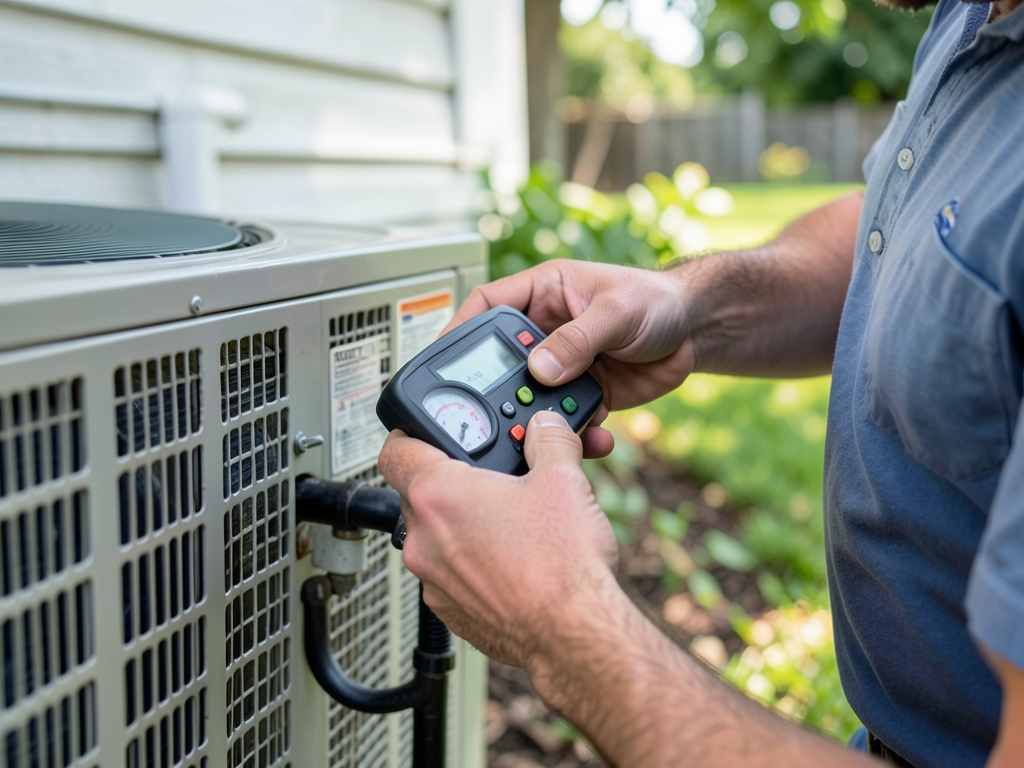
How to Read Your Entergy Bill to See if Your HVAC System is Failing You Louisiana’s heat and humidity push HVAC systems to their limits and when your Entergy bill suddenly jumps you might wonder…

Expert High-Velocity HVAC Installation & Repair in New Orleans\n\nTraditional ductwork can destroy the character of…
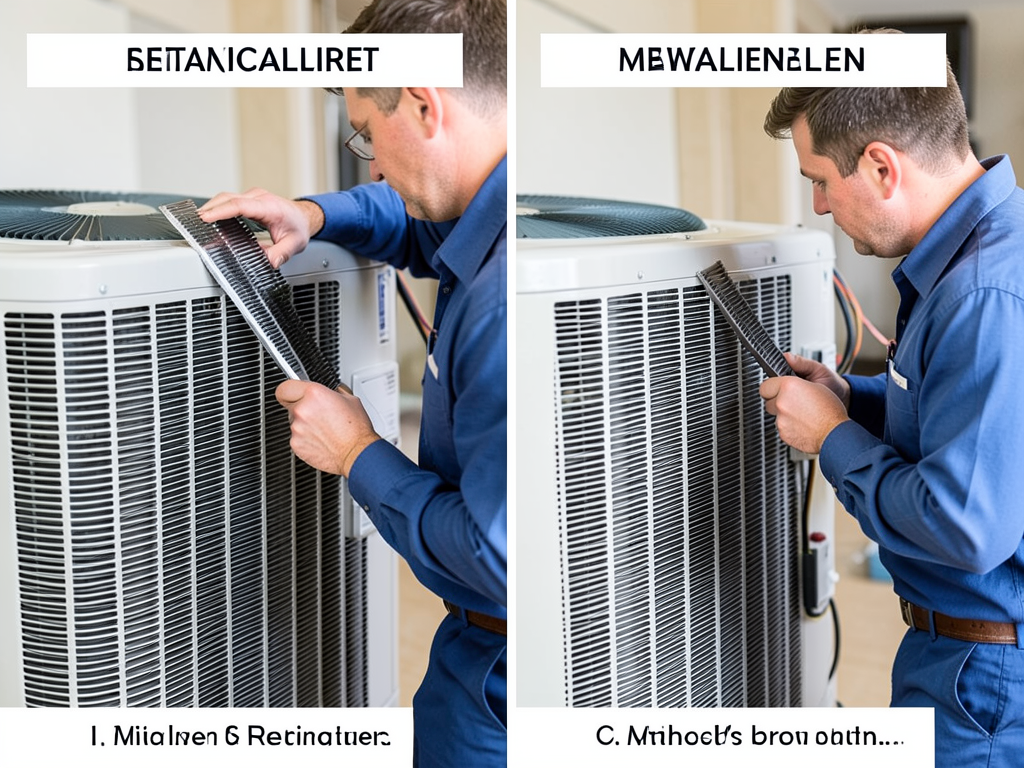
Why Magnolia Leaves and Crepe Myrtle Blooms are Secretly Killing Your Metairie AC Unit Your…
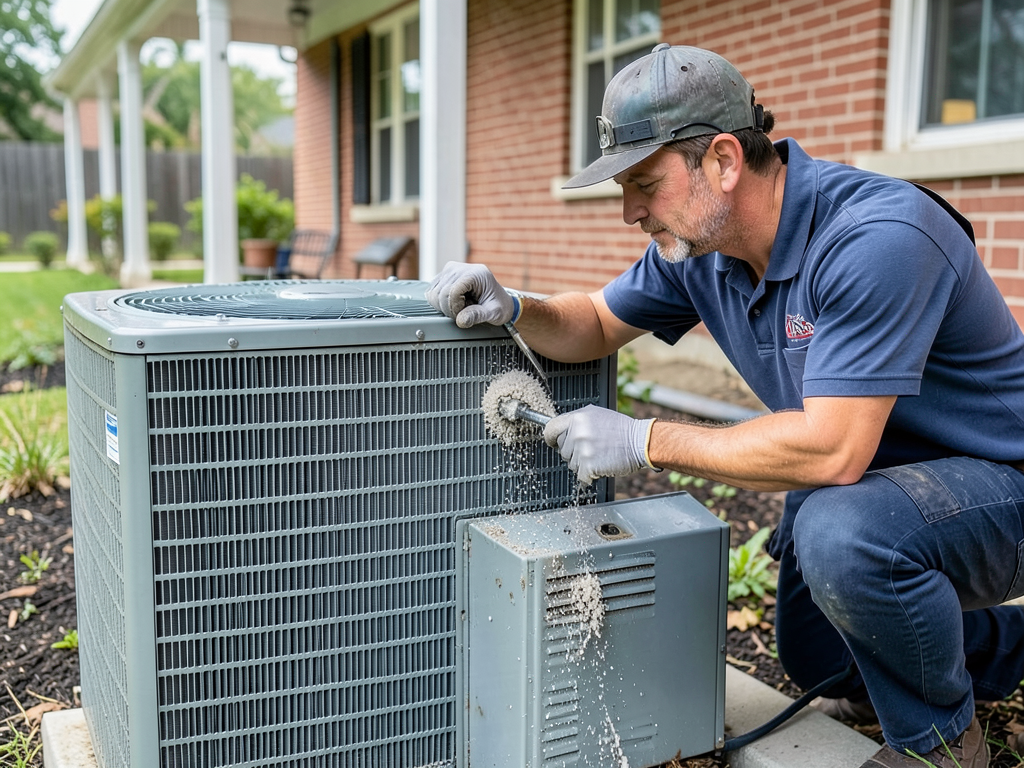
Keeping Parade Dust and Debris Out of Your Uptown Home HVAC System Uptown New Orleans…
Your system failed and your family needs comfort restored fast. Call Pioneer HVAC New Orleans at (504) 355-2955 for two-hour emergency response across Slidell. Our technicians arrive prepared with parts and expertise to fix your AC or heating system on the first visit.