




New Orleans sits in a subtropical climate zone where heat and humidity create relentless stress on cooling systems. Summer temperatures routinely hit 95 degrees with humidity levels exceeding 90 percent. Your air conditioner runs longer cycles than systems in drier climates, which means more wear on compressors, condensers, and blower motors.
The city's elevation near or below sea level brings unique challenges. Groundwater stays close to the surface, creating constant moisture around foundation slabs where ductwork often runs. This moisture leads to rust, mold growth in ducts, and accelerated deterioration of insulation. Salt air from Lake Pontchartrain corrodes outdoor condenser units faster than in inland cities.
Hurricane season from June through November means your HVAC system needs to withstand power surges, flooding risks, and extreme wind loads. Many older homes in neighborhoods like the Garden District and Uptown feature raised foundations and crawl spaces that require specialized duct installation. Shotgun houses and Creole cottages have narrow floor plans that challenge proper air distribution. Modern split systems must account for these historic architectural features while meeting current Louisiana mechanical codes for refrigerant handling and energy efficiency.
Pioneer HVAC New Orleans built its reputation fixing what other companies misdiagnose. Too many technicians rush through service calls, replace parts unnecessarily, or miss underlying problems that cause repeat breakdowns. We take a different approach. Every technician on our team completes ongoing training in refrigerant management, electrical troubleshooting, and airflow diagnostics. We don't guess at repairs. We test, measure, and verify before recommending solutions.
Our service area covers every neighborhood from Lakeview to Algiers Point. We keep trucks stocked with common parts for Carrier, Trane, Lennox, Rheem, and Goodman systems so most repairs finish in one visit. When we quote a price, that number stays firm. No surprise charges for weekend calls or after-hours emergencies. You get the same honest rate whether your system fails at noon on Tuesday or midnight on Saturday.
We understand how New Orleans homes work because we live here too. We know which systems handle humidity best in Gentilly's brick homes. We know why window units in French Quarter apartments freeze up during August. We know crawl space duct installations fail in Mid-City when contractors skip moisture barriers. This local knowledge prevents callbacks and ensures repairs last.
Pioneer HVAC New Orleans maintains relationships with property managers, home inspectors, and insurance adjusters across the metro. When storm damage affects your HVAC system, we document everything needed for insurance claims. We coordinate with electricians and roofers when repairs require multiple trades. Your comfort matters more than our schedule.

We dispatch technicians within two hours for emergency calls across New Orleans. Our trucks stay stocked with parts for the most common repairs, which means most customers get their systems running again the same day. No waiting days for relief from the heat while other companies juggle their schedules.

You know the total cost before work begins. We diagnose the problem, explain what needs fixing, and provide a firm price. That quote includes parts, labor, and cleanup. No hidden fees for nights, weekends, or holidays. You approve the price or we pack up and leave with no obligation.
Every installation follows manufacturer specifications and Louisiana mechanical code requirements. We properly size equipment using Manual J load calculations, not guesswork. Our duct installations include moisture barriers in crawl spaces and proper insulation in attics. We pull permits when required and schedule inspections so your warranty stays valid.
We design systems that handle extreme humidity and salt air corrosion common near the lake and river. Our technicians understand how historic home construction affects ductwork placement and airflow. We recommend equipment that survives New Orleans conditions instead of selling whatever earns the highest commission.
Pioneer HVAC New Orleans handles every aspect of climate control from emergency breakdowns to planned system replacements. Air conditioning repair, furnace service, heat pump maintenance, duct cleaning, and indoor air quality improvements all fall under our expertise. We service residential properties from single-family homes to apartment complexes, plus commercial spaces including restaurants, offices, and retail stores.
Our service categories address different needs and urgency levels. Emergency repairs get immediate attention when systems fail completely. Maintenance visits prevent breakdowns through scheduled inspections and tune-ups. Installation projects replace outdated equipment or add cooling to spaces that never had it. Each service category requires different skills, parts inventory, and project timelines. Understanding which service you need helps us respond appropriately and set accurate expectations for completion.
System failures need immediate attention. We dispatch technicians quickly for no cooling, no heat, refrigerant leaks, compressor failures, blower motor breakdowns, electrical issues, and thermostat malfunctions. Our trucks carry parts for common repairs so most fixes finish in one visit. You get back to comfortable temperatures as soon as possible without waiting days for special orders.
Regular maintenance catches small problems before they become expensive failures. Our tune-ups include refrigerant level checks, coil cleaning, electrical connection testing, blower wheel inspection, condensate drain clearing, and filter replacement. We service central air systems, heat pumps, ductless mini-splits, and packaged units. Maintenance customers get priority scheduling and discounted repair rates when issues arise.
Old systems waste energy and break down frequently. We install high-efficiency air conditioners, heat pumps, gas furnaces, and ductless systems sized correctly for your space. Every installation includes load calculations, proper refrigerant charging, ductwork modifications when needed, thermostat upgrades, and manufacturer warranty registration. We handle permits and inspections required by Orleans Parish building codes.
The combination of heat, humidity, and coastal weather creates specific HVAC challenges in New Orleans. Systems work harder here than in moderate climates, which accelerates wear on components. Salt air corrodes metal parts faster. Humidity promotes mold growth in ductwork and drain pans. Power surges from summer thunderstorms damage circuit boards and capacitors. Understanding these local issues helps homeowners recognize problems early and avoid complete system failures during the hottest months.
Many problems stem from deferred maintenance or improper initial installation. Contractors who skip load calculations install oversized equipment that cycles too frequently. Ductwork installed without moisture barriers in crawl spaces rusts through. Refrigerant leaks develop slowly and reduce cooling capacity before systems stop working entirely. These issues show up as higher electric bills, uneven temperatures, or excessive runtime before complete breakdowns occur.
Systems lose cooling power when refrigerant levels drop below specifications. Leaks develop at coil joints, valve connections, or corroded line sets. Your air conditioner runs constantly but never reaches the temperature you set. Ice forms on the outdoor unit. Energy bills climb because the system works harder to produce less cooling.
Air conditioners remove humidity from indoor air and drain water through plastic pipes. Algae and mold grow in drain lines and create blockages. Water backs up into the air handler and overflows onto ceilings, walls, or floors. The safety float switch shuts down your system to prevent flooding. This problem happens frequently during peak summer usage.
Condenser units near Lake Pontchartrain or along the river face constant salt air exposure. Coil fins corrode and block airflow. Cabinet panels rust through. Electrical connections deteriorate and cause short circuits. Fan motors seize from moisture intrusion. Regular coil cleaning and protective coatings extend equipment life in coastal areas.
Ductwork in unconditioned attics loses significant cooling capacity when connections leak or insulation deteriorates. Hot attic air heats up the metal ducts and warms the cool air traveling to your rooms. Gaps at register boots allow conditioned air to escape into wall cavities. Proper sealing and insulation improve comfort and reduce energy waste.
We respect your time and property from the first phone call through final cleanup. Our process starts with understanding your problem and scheduling a convenient appointment window. Emergency calls get priority dispatch with technicians arriving within hours. Routine maintenance and non-urgent repairs schedule around your availability. We confirm appointments the day before and call when the technician is on the way.
Technicians arrive in marked trucks with your service request details already loaded on tablets. We wear shoe covers inside your home and lay down floor protection in work areas. After diagnosing the problem, we explain what failed, why it happened, and what fixes will restore reliable operation. You receive a firm price quote before any repair work begins. No surprise charges appear later for overtime, mileage, or disposal fees.
You speak with knowledgeable staff when you call our office, not an answering service reading scripts. We gather details about your system and symptoms to prepare the right technician with appropriate parts. You receive appointment confirmations by text or email with the technician's name and photo. We update you if schedule changes occur and never leave you waiting without communication.
Our technicians diagnose problems using test instruments, not sales tactics. We measure refrigerant pressures, check electrical voltages, test capacitors, and inspect all system components. You receive photos of damaged parts and explanations of what needs repair. We present multiple options when appropriate. If your system only needs a capacitor, we replace the capacitor instead of pushing a full system replacement you don't need yet.
Every repair includes a warranty on parts and labor. If the same problem recurs within the warranty period, we return and fix it at no charge. New equipment installations carry manufacturer warranties plus our workmanship guarantee. We provide all warranty documentation in writing and keep records in our system so you don't need to save paperwork to get warranty service.
We designed our service process to eliminate confusion and wasted time. You know what to expect at each stage and what happens next. This systematic approach ensures consistent quality whether we're fixing a broken compressor or installing a complete system.
The technician inspects your system and tests all components to identify the root cause of the problem. We check refrigerant levels, test electrical circuits, measure airflow, and examine ductwork connections. Diagnostic tools provide accurate readings instead of guesswork. You get a clear explanation of what failed and why, along with a firm price quote for the recommended repair.
After you approve the quoted price, we complete the repair using quality parts and proper installation techniques. Refrigerant work follows EPA certification protocols. Electrical connections meet NEC standards. We test system operation under load to verify the repair solved the problem. Most service calls finish in one visit because trucks carry common parts for immediate installation.
Before leaving, the technician verifies your system operates correctly. We measure supply air temperature, check refrigerant pressures, confirm proper airflow at registers, and test thermostat response. You receive documentation of all work performed plus warranty information. We explain maintenance recommendations to prevent future problems and answer questions about system operation.
Professional HVAC service follows specific technical standards that many contractors ignore to save time or cut costs. Louisiana mechanical code requires permits for system replacements and major repairs. EPA Section 608 certification mandates proper refrigerant handling to prevent environmental releases. ACCA Manual J provides the industry standard for calculating cooling loads and sizing equipment correctly. These aren't optional guidelines. They represent minimum competency requirements that separate legitimate contractors from unlicensed operators.
Refrigerant work demands precision. R-410A systems operate at higher pressures than older R-22 equipment, which means connection failures cause dangerous leaks. Proper evacuation removes moisture from refrigerant lines before charging. Moisture inside the system reacts with refrigerant to form acids that corrode copper tubing and destroy compressors. We use micron gauges to verify evacuation levels below 500 microns, not the shortcut method of purging with refrigerant that wastes gas and leaves moisture behind.
Electrical connections kill more HVAC systems than mechanical failures. Loose wire terminals create resistance that generates heat. Undersized breakers trip repeatedly. Incorrect voltage supply damages compressor motors. We torque all electrical connections to manufacturer specifications using calibrated tools. Circuit amperage testing under full load verifies proper operation. Surge protectors prevent damage from the frequent lightning strikes that affect New Orleans during summer storms.
Ductwork installation affects comfort and efficiency more than equipment brand selection. Undersized ducts restrict airflow and reduce system capacity. Leaks at joints waste conditioned air in attics and crawl spaces. Missing insulation allows heat transfer that defeats the purpose of mechanical cooling. ACCA Manual D provides duct sizing calculations based on friction rates and velocity limits. We seal all duct joints with mastic, not the mesh tape that falls off in humid environments.
Manual J load calculations account for building orientation, insulation levels, window area, occupancy, and local climate. This determines the correct system size in tons of cooling capacity. Oversized equipment cycles too frequently, fails to dehumidify properly, and wears out faster. We calculate loads for every installation instead of guessing based on square footage rules that ignore critical variables.
Equipment efficiency ratings, system capacity, installation complexity, and warranty coverage affect total investment. High SEER ratings reduce operating costs but increase upfront price. Ductwork modifications, electrical upgrades, and permit fees add to installation costs. Repairs depend on which component failed and how much labor the replacement requires. We provide itemized quotes so you understand exactly what you're paying for.
Emergency repairs typically finish within hours if we stock the needed parts. Custom orders may require next-day delivery. Complete system replacements take one to three days depending on ductwork modifications and electrical upgrades. Permit processing adds time in Orleans Parish. We provide accurate completion estimates instead of promising impossible deadlines that require rushed work and compromised quality.
Louisiana requires mechanical contractor licenses for HVAC work. EPA certification is mandatory for any refrigerant handling. Legitimate contractors carry liability insurance and workers compensation coverage. We maintain all required credentials and provide proof of insurance when requested. This protects you from liability if accidents occur on your property.
This video explains common HVAC problems specific to New Orleans homes and why the local climate accelerates system failures. Topics include refrigerant leaks, compressor breakdowns, duct corrosion from humidity, electrical issues from power surges, and maintenance schedules that prevent emergency repairs. Pioneer HVAC New Orleans demonstrates diagnostic techniques and repair methods for central air systems, heat pumps, and ductless units serving the greater New Orleans metro area.
Pioneer HVAC New Orleans maintains service coverage across the entire metro area because climate control problems don't respect neighborhood boundaries. We dispatch technicians to homes in Lakeview where raised foundations and brick construction require specialized duct approaches. Properties in the Garden District and Uptown feature historic architecture with high ceilings, plaster walls, and limited attic access that complicate equipment placement. Our experience with these older structures ensures proper installation without damaging architectural details.
Mid-City and Gentilly neighborhoods contain mixed housing stock from post-war bungalows to modern builds. Each construction era presents different HVAC challenges. Homes from the 1950s often have undersized ductwork and electrical panels that need upgrades during system replacements. Newer construction in Lakeview East includes spray foam insulation and tighter building envelopes that require proper fresh air ventilation alongside mechanical cooling.
The French Quarter and Marigny areas feature multi-story buildings with limited exterior space for condenser placement. Ductless mini-split systems work well in these applications where running ductwork through historic buildings proves impossible. We install outdoor units on rooftops or mount them to exterior walls using brackets designed to withstand hurricane-force winds.
Across the river in Algiers Point and the West Bank, homes face similar humidity challenges but often sit on larger lots with better condenser placement options. The predominance of slab foundations eliminates crawl space duct concerns but requires careful planning for refrigerant line routing. Properties near the Mississippi River levee experience salt air corrosion similar to lake-front locations.
Commercial properties downtown and in the Warehouse District require different approaches than residential service. Restaurant kitchens generate tremendous heat loads. Office buildings need zone control for varied occupancy patterns. Retail spaces demand reliable cooling to protect merchandise and keep customers comfortable. We handle commercial HVAC requirements alongside residential service calls because the same technical fundamentals apply regardless of building type.
East New Orleans stretches from the Industrial Canal to the parish line, encompassing diverse neighborhoods from established communities to newer subdivisions. The distance from the central business district means faster response times from companies that actually service this area instead of treating it as an afterthought. We know the street layouts, typical construction methods, and equipment preferences common in different East New Orleans neighborhoods.
The $5000 rule is a guideline for deciding between repair and replacement. Multiply your system's age by the repair cost. If the total exceeds $5000, replacement often makes more sense than repair. For example, a 12-year-old unit needing a $500 repair equals $6000, suggesting replacement. In New Orleans' humid climate, older units lose efficiency fast due to constant moisture exposure and salt air near the coast. This rule helps you avoid throwing money at a system that will fail again soon. Always get a second opinion before major repairs.
HVAC job costs vary widely based on scope. Routine maintenance runs $75 to $200. Minor repairs like capacitor replacement cost $150 to $400. Compressor or evaporator coil replacement ranges $1200 to $2500. Full system replacement typically costs $5000 to $12000, depending on unit size, efficiency rating, and ductwork condition. New Orleans homes often need dehumidification upgrades and mold-resistant ductwork due to high humidity, which adds to installation costs. Get three written estimates from licensed contractors. Avoid the lowest bid, it usually means cut corners or inexperienced labor.
Installing central air in a 2000 square foot New Orleans home typically costs $6000 to $10000. This assumes existing ductwork in good condition. You need a 3 to 4 ton unit for proper capacity. Factors affecting price include SEER rating, brand, attic accessibility, and electrical panel upgrades. New Orleans' extreme humidity and heat demand higher SEER systems for efficiency. Homes in historic districts may need special permits or routing due to preservation rules. If ductwork needs replacement or installation, add $3000 to $5000. Get multiple quotes and verify proper load calculations before installation.
The $5000 rule is a guideline for deciding between repair and replacement. Multiply your system's age by the repair cost. If the total exceeds $5000, replacement often makes more sense than repair. For example, a 12-year-old unit needing a $500 repair equals $6000, suggesting replacement. In New Orleans' humid climate, older units lose efficiency fast due to constant moisture exposure and salt air near the coast. This rule helps you avoid throwing money at a system that will fail again soon. Always get a second opinion before major repairs.
HVAC job costs vary widely based on scope. Routine maintenance runs $75 to $200. Minor repairs like capacitor replacement cost $150 to $400. Compressor or evaporator coil replacement ranges $1200 to $2500. Full system replacement typically costs $5000 to $12000, depending on unit size, efficiency rating, and ductwork condition. New Orleans homes often need dehumidification upgrades and mold-resistant ductwork due to high humidity, which adds to installation costs. Get three written estimates from licensed contractors. Avoid the lowest bid, it usually means cut corners or inexperienced labor.
Installing central air in a 2000 square foot New Orleans home typically costs $6000 to $10000. This assumes existing ductwork in good condition. You need a 3 to 4 ton unit for proper capacity. Factors affecting price include SEER rating, brand, attic accessibility, and electrical panel upgrades. New Orleans' extreme humidity and heat demand higher SEER systems for efficiency. Homes in historic districts may need special permits or routing due to preservation rules. If ductwork needs replacement or installation, add $3000 to $5000. Get multiple quotes and verify proper load calculations before installation.
HVAC technicians in New Orleans earn $35000 to $65000 annually, depending on experience, certifications, and employer. Entry-level techs start around $15 to $18 per hour. Experienced technicians with EPA certification and specialty skills earn $25 to $35 per hour. Service managers and master technicians can exceed $70000 yearly. The New Orleans metro area offers steady work due to year-round cooling demands and humid conditions that stress systems. Technicians with commercial refrigeration or industrial chiller experience command higher wages. Overtime during summer months and hurricane season increases earnings for many techs in the region.
Yes. The federal Energy Star tax credit offers up to $2000 for qualifying high-efficiency heat pumps and central air systems installed through 2032. Your system must meet specific SEER2, EER2, and HSPF2 ratings to qualify. You claim the credit when filing your federal tax return using Form 5695. Louisiana does not currently offer additional state HVAC tax credits. Keep all receipts and manufacturer certification statements. The credit applies to primary residences only, not rental properties. Consult a tax professional to confirm eligibility. Installing a qualifying system in New Orleans' climate can cut cooling costs significantly while reducing your tax burden.
The 3 minute rule prevents compressor damage by requiring a minimum wait time between cooling cycles. Your AC compressor needs at least 3 minutes after shutting off before restarting. This allows refrigerant pressures to equalize throughout the system. Starting too soon causes excessive strain on the compressor motor, leading to premature failure. Most modern thermostats have built-in delay protection. In New Orleans, where units run almost constantly during summer, this safeguard prevents expensive breakdowns. If your system short cycles (starts and stops rapidly), call a technician immediately. Short cycling wastes energy and destroys components fast.
A 1200 square foot New Orleans home typically needs a 2 to 2.5 ton AC unit. Full system installation costs $4500 to $8000, assuming good ductwork. Factors affecting price include SEER rating, brand, attic access, and electrical work. New Orleans' humidity requires proper sizing, undersized units run constantly without dehumidifying, oversized units short cycle and leave air clammy. Shotgun houses and raised Creole cottages may need creative duct routing, adding labor costs. Include a programmable thermostat and annual maintenance plan. Proper installation matters more than brand name. Verify load calculations before signing any contract.
Standard homeowners insurance rarely covers HVAC repairs from normal wear and tear. Insurance may cover damage from covered perils like lightning strikes, fire, vandalism, or falling trees. If a hurricane damages your outdoor condenser unit, your policy might cover replacement minus your deductible. Flood insurance does not typically cover HVAC equipment unless the system was elevated above base flood elevation. In New Orleans, document hurricane and storm damage immediately with photos. Home warranty plans are separate products that may cover mechanical breakdowns, but read exclusions carefully. Maintenance neglect voids most coverage. Keep service records to prove proper upkeep.
HVAC systems last 12 to 18 years with proper maintenance. In New Orleans, expect closer to 12 to 15 years due to extreme humidity, salt air near the coast, and year-round use. Units run harder here than in moderate climates. Coastal areas see faster corrosion on outdoor condenser coils. Annual maintenance extends lifespan by preventing minor issues from becoming major failures. Change filters monthly during cooling season. Systems installed incorrectly or undersized fail sooner. Higher SEER units often have more complex components that may need earlier repairs. Budget for replacement after year 12, even with good maintenance.
Home Depot charges $2500 to $8000 for AC installation through their subcontractor network. Prices depend on unit size, brand, and installation complexity. They typically offer budget to mid-range brands like Goodman, Amana, and Frigidaire. Installation quality varies since they subcontract to local companies. You lose direct accountability with big box retailers. New Orleans homes often need custom solutions for historic architecture, tight crawlspaces, or flood elevation requirements that subcontractors may not handle well. Local licensed contractors provide better warranties, faster service, and knowledge of New Orleans building codes and climate challenges. Get multiple local quotes before choosing Home Depot's convenience.
HVAC technicians in New Orleans earn $35000 to $65000 annually, depending on experience, certifications, and employer. Entry-level techs start around $15 to $18 per hour. Experienced technicians with EPA certification and specialty skills earn $25 to $35 per hour. Service managers and master technicians can exceed $70000 yearly. The New Orleans metro area offers steady work due to year-round cooling demands and humid conditions that stress systems. Technicians with commercial refrigeration or industrial chiller experience command higher wages. Overtime during summer months and hurricane season increases earnings for many techs in the region.
Yes. The federal Energy Star tax credit offers up to $2000 for qualifying high-efficiency heat pumps and central air systems installed through 2032. Your system must meet specific SEER2, EER2, and HSPF2 ratings to qualify. You claim the credit when filing your federal tax return using Form 5695. Louisiana does not currently offer additional state HVAC tax credits. Keep all receipts and manufacturer certification statements. The credit applies to primary residences only, not rental properties. Consult a tax professional to confirm eligibility. Installing a qualifying system in New Orleans' climate can cut cooling costs significantly while reducing your tax burden.
The 3 minute rule prevents compressor damage by requiring a minimum wait time between cooling cycles. Your AC compressor needs at least 3 minutes after shutting off before restarting. This allows refrigerant pressures to equalize throughout the system. Starting too soon causes excessive strain on the compressor motor, leading to premature failure. Most modern thermostats have built-in delay protection. In New Orleans, where units run almost constantly during summer, this safeguard prevents expensive breakdowns. If your system short cycles (starts and stops rapidly), call a technician immediately. Short cycling wastes energy and destroys components fast.
A 1200 square foot New Orleans home typically needs a 2 to 2.5 ton AC unit. Full system installation costs $4500 to $8000, assuming good ductwork. Factors affecting price include SEER rating, brand, attic access, and electrical work. New Orleans' humidity requires proper sizing, undersized units run constantly without dehumidifying, oversized units short cycle and leave air clammy. Shotgun houses and raised Creole cottages may need creative duct routing, adding labor costs. Include a programmable thermostat and annual maintenance plan. Proper installation matters more than brand name. Verify load calculations before signing any contract.
Standard homeowners insurance rarely covers HVAC repairs from normal wear and tear. Insurance may cover damage from covered perils like lightning strikes, fire, vandalism, or falling trees. If a hurricane damages your outdoor condenser unit, your policy might cover replacement minus your deductible. Flood insurance does not typically cover HVAC equipment unless the system was elevated above base flood elevation. In New Orleans, document hurricane and storm damage immediately with photos. Home warranty plans are separate products that may cover mechanical breakdowns, but read exclusions carefully. Maintenance neglect voids most coverage. Keep service records to prove proper upkeep.
HVAC systems last 12 to 18 years with proper maintenance. In New Orleans, expect closer to 12 to 15 years due to extreme humidity, salt air near the coast, and year-round use. Units run harder here than in moderate climates. Coastal areas see faster corrosion on outdoor condenser coils. Annual maintenance extends lifespan by preventing minor issues from becoming major failures. Change filters monthly during cooling season. Systems installed incorrectly or undersized fail sooner. Higher SEER units often have more complex components that may need earlier repairs. Budget for replacement after year 12, even with good maintenance.
Home Depot charges $2500 to $8000 for AC installation through their subcontractor network. Prices depend on unit size, brand, and installation complexity. They typically offer budget to mid-range brands like Goodman, Amana, and Frigidaire. Installation quality varies since they subcontract to local companies. You lose direct accountability with big box retailers. New Orleans homes often need custom solutions for historic architecture, tight crawlspaces, or flood elevation requirements that subcontractors may not handle well. Local licensed contractors provide better warranties, faster service, and knowledge of New Orleans building codes and climate challenges. Get multiple local quotes before choosing Home Depot's convenience.
Pioneer HVAC New Orleans is proud to serve the entire New Orleans metropolitan area and surrounding parishes. Our central location allows our technicians to rapidly reach you, minimizing your wait time and ensuring quick service response for your heating and cooling needs. Invite us to your location by checking our service area map online or simply giving us a call today to confirm service availability at your specific address.
Address:
New Orleans, LA, 70130
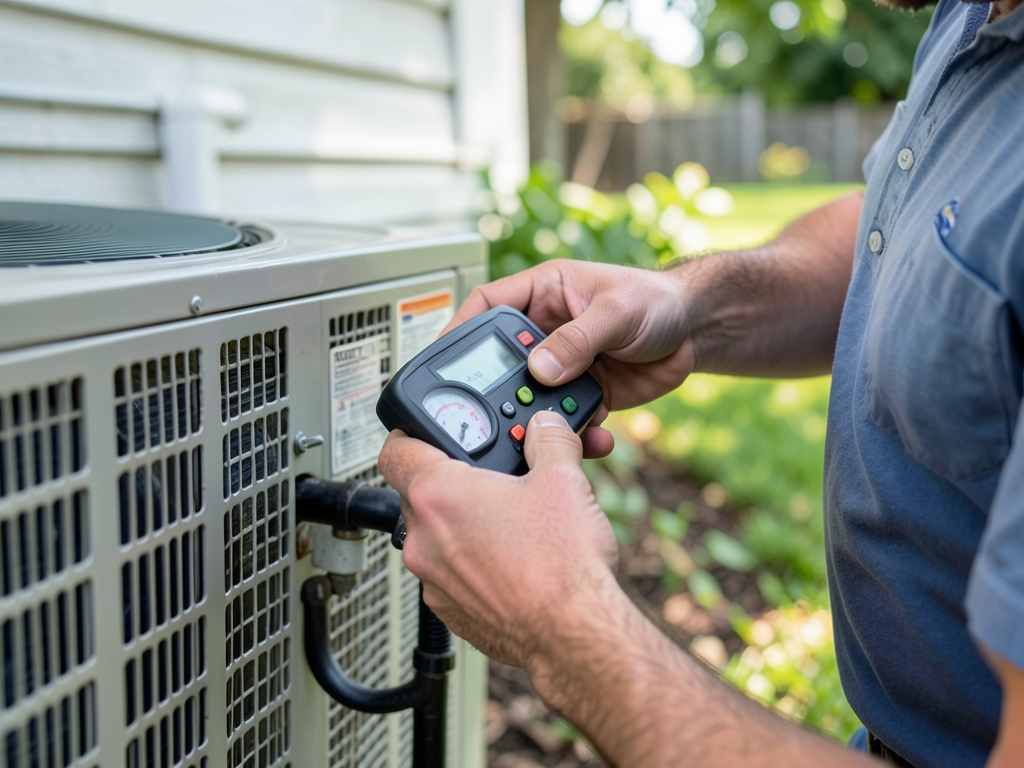
How to Read Your Entergy Bill to See if Your HVAC System is Failing You Louisiana’s heat and humidity push HVAC systems to their limits and when your Entergy bill suddenly jumps you might wonder…

Expert High-Velocity HVAC Installation & Repair in New Orleans\n\nTraditional ductwork can destroy the character of…
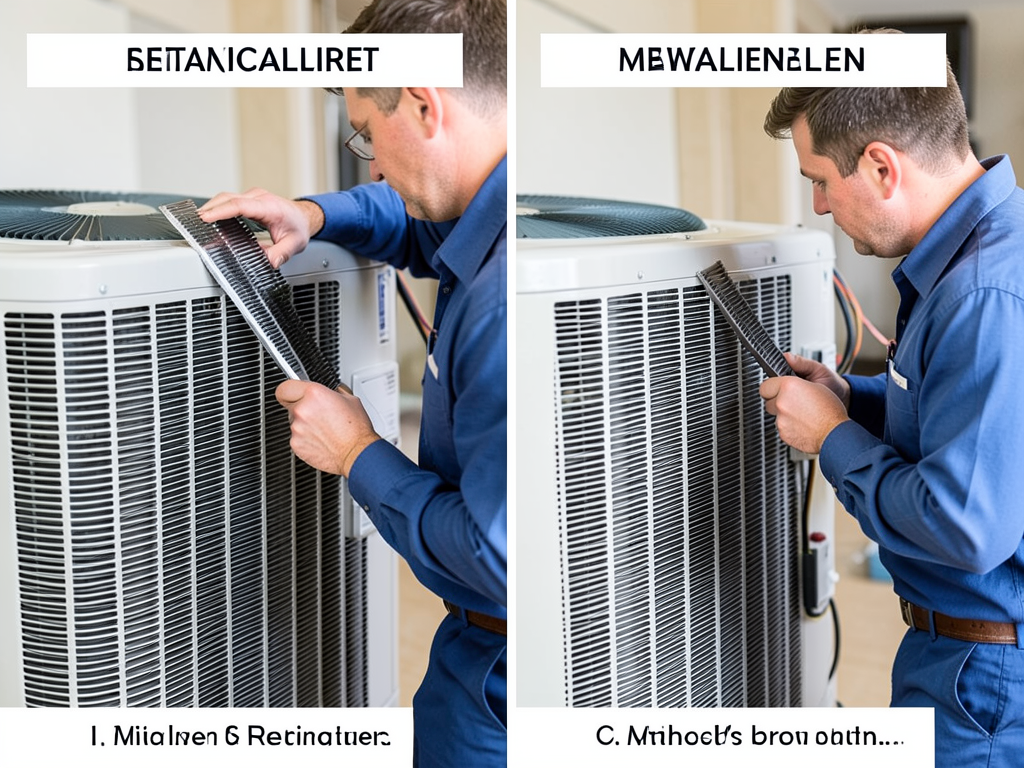
Why Magnolia Leaves and Crepe Myrtle Blooms are Secretly Killing Your Metairie AC Unit Your…
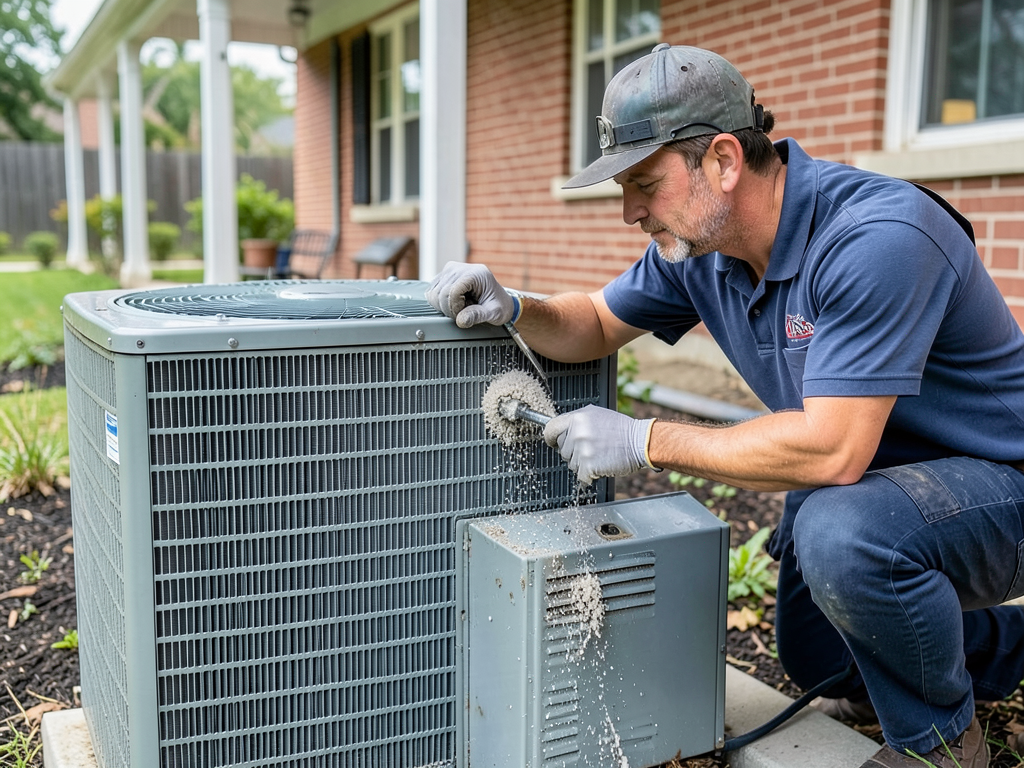
Keeping Parade Dust and Debris Out of Your Uptown Home HVAC System Uptown New Orleans…
Call Pioneer HVAC New Orleans at (504) 355-2955 right now for emergency repairs or to book a maintenance appointment. We answer phones 24 hours a day and dispatch technicians fast. Your comfort matters too much to wait.