



menu

Storm Damage HVAC Repair in New Orleans – Emergency Response Within Hours, Not Days

When hurricanes or severe thunderstorms tear through Southeast Louisiana, your heating and cooling system can't wait. We dispatch emergency HVAC storm repair teams across the New Orleans metro to restore climate control, prevent secondary water damage, and get you back online fast.

Slider Image 1
Slider Image 2
Slider Image 3
Slider Image 4
Slider Image 5
Slider Image 7
Slider Image 8
Slider Image 9
Slider Image 10
Slider Image 11

Why Storm Damage Hits New Orleans HVAC Systems Harder Than Most Cities

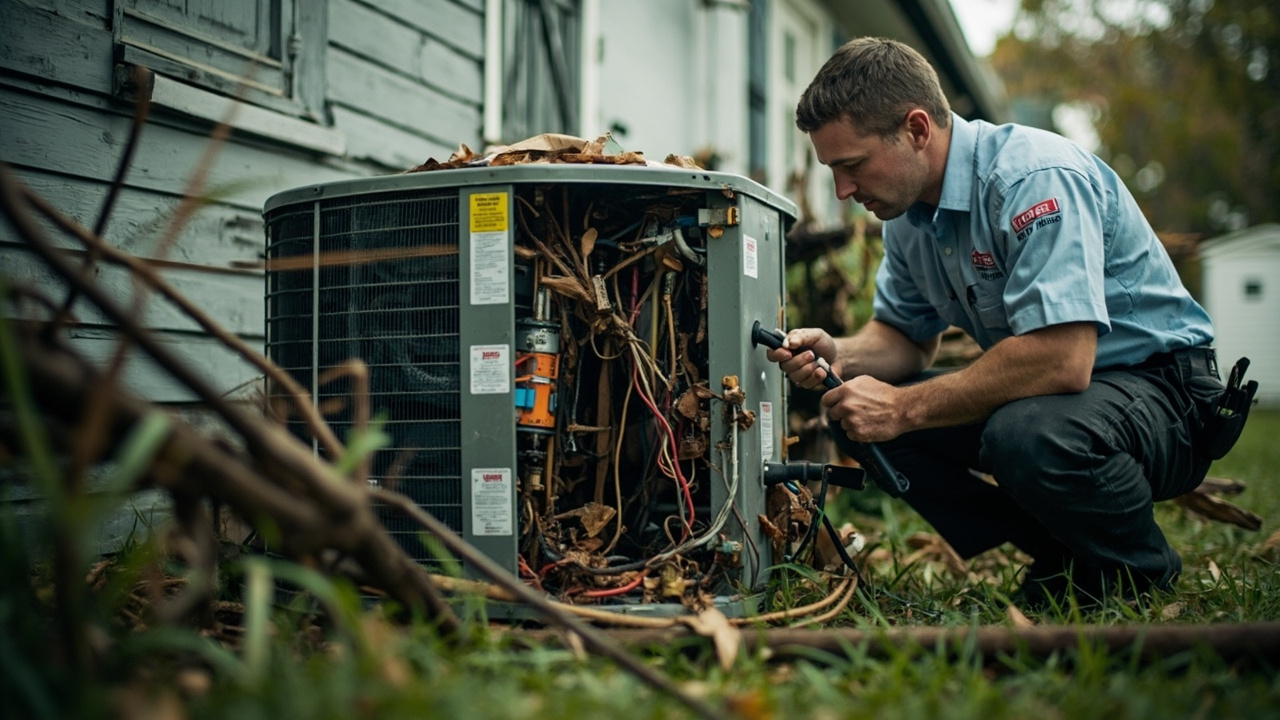
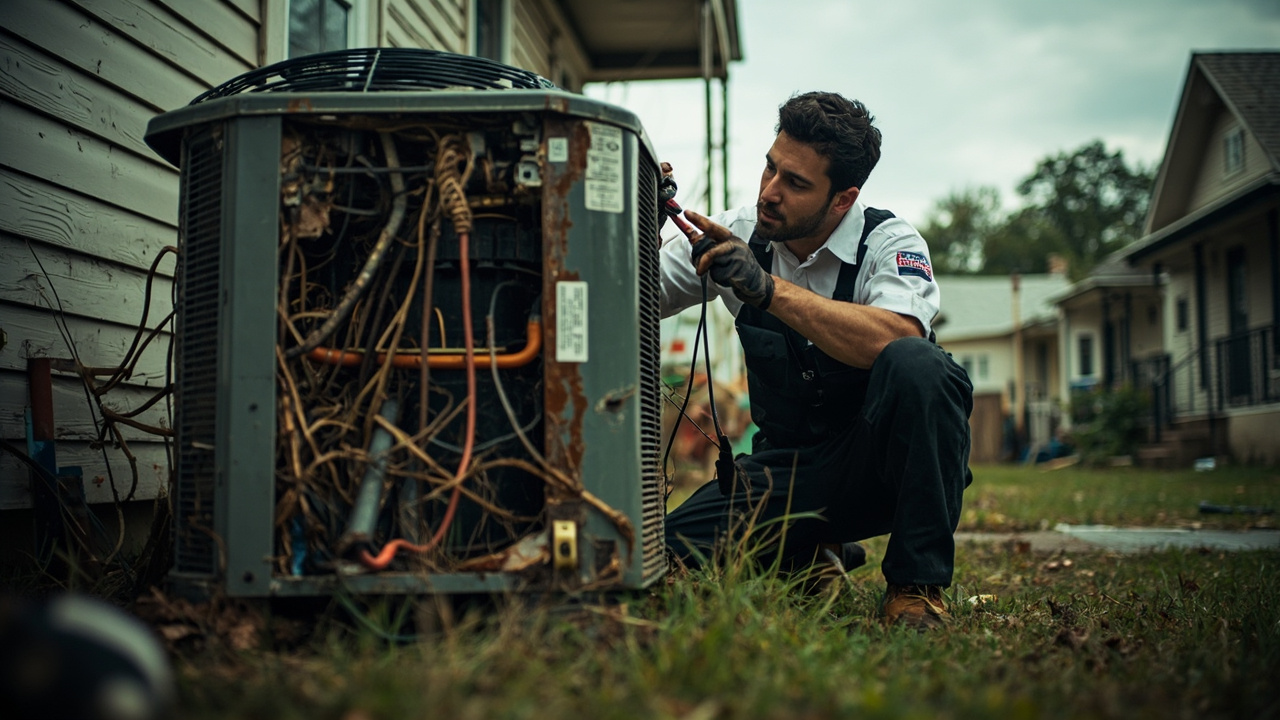
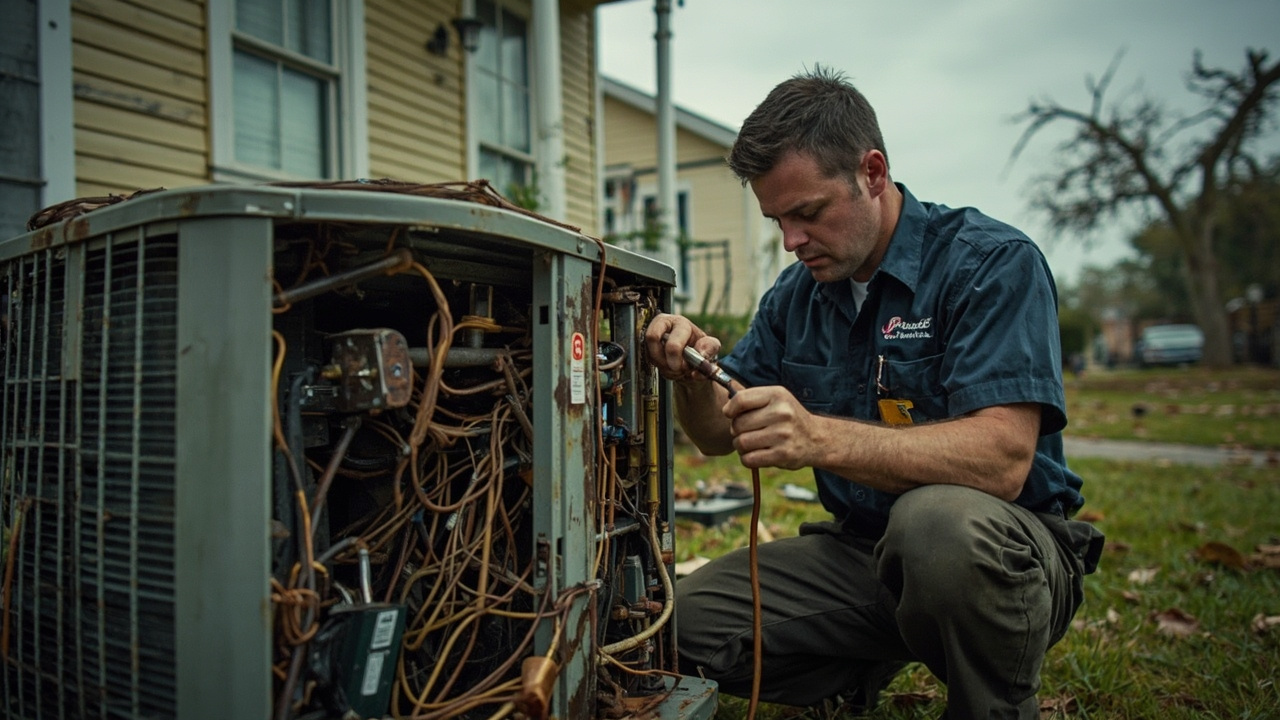
You already know what a tropical storm or hurricane can do to your property. What you might not realize is how vulnerable your HVAC system is to the unique conditions in Southeast Louisiana. High winds rip condensing units off mounting pads, shred condenser coils, and tear ductwork loose from rooflines. Flying debris punctures refrigerant lines and damages compressor housings. Torrential rain floods electrical panels and soaks insulation inside air handlers.

The combination of storm surge, wind-driven rain, and power surges creates a perfect storm for HVAC failure. Saltwater intrusion is particularly destructive in neighborhoods near Lake Pontchartrain or the Industrial Canal. Even minor flooding can corrode copper tubing, ruin circuit boards, and compromise your entire system within hours.

After the storm passes, high humidity and standing water accelerate mold growth inside ductwork and air handlers. If you delay emergency HVAC storm repair, secondary damage compounds fast. Your storm damaged AC unit repair needs to happen immediately to prevent total system replacement. Waiting even 24 hours can turn a repairable condensing unit into a complete loss.

Pioneer HVAC New Orleans responds to HVAC storm restoration services calls while other contractors are still assessing their own damage. We understand the urgency because we live here. We know what Category 2 winds do to rooftop units in Lakeview and how flash flooding affects ground-level equipment in Mid-City. When you need heating and cooling storm damage repair, you need a team that knows New Orleans and moves fast.

Why Storm Damage Hits New Orleans HVAC Systems Harder Than Most Cities
How We Stabilize and Restore Storm Damaged HVAC Systems

How We Stabilize and Restore Storm Damaged HVAC Systems

Our approach to fix storm damaged HVAC system calls starts with immediate triage. We arrive with portable generators, leak detection equipment, and refrigerant recovery tools. First priority is electrical safety. We disconnect power, assess circuit boards for water damage, and check for short circuits in the contactor and capacitor assemblies. If your electrical panel took on water, we isolate the HVAC circuits to prevent fire risk.

Next, we evaluate the compressor and condenser coil for physical damage. Wind-blown debris often bends fins, cracks tubing, or dislodges the fan motor. We check refrigerant pressures using manifold gauges to detect leaks in the line set or evaporator coil. If the system lost refrigerant, we perform a nitrogen pressure test to locate the breach before recharging.

For flooded air handlers, we remove soaked insulation, drain the condensate pan, and inspect the blower motor and control board for water intrusion. Mold starts growing within 48 hours in New Orleans humidity, so we treat all interior surfaces with antimicrobial solution and replace contaminated filters and insulation.

Ductwork damage requires immediate sealing. We re-secure loose sections, patch tears with mastic and reinforced tape, and verify airflow balance after repairs. If your rooftop curb adapter lifted or your mounting pad shifted, we re-level the unit and anchor it to code specifications to prevent future storm damage.

We document everything for your insurance claim with photos, equipment serial numbers, and detailed repair estimates. Most storm damaged AC unit repair qualifies for full or partial coverage, and our documentation speeds up your adjuster's approval process.

What Happens When You Call for Storm Damage HVAC Repair

Storm Damage HVAC Repair in New Orleans – Emergency Response Within Hours, Not Days
01

Immediate Dispatch and Assessment

We answer emergency HVAC storm repair calls 24/7 and dispatch a technician to your New Orleans property within hours, not days. Our team arrives with diagnostic tools, safety equipment, and temporary power sources. We perform a visual inspection of your condensing unit, air handler, ductwork, and electrical connections to identify all damage points. You get a verbal assessment on-site and a written estimate within the hour for insurance documentation.
02

Damage Mitigation and Repair

We stabilize your system first to prevent additional damage. This means securing loose components, covering exposed ductwork, and disconnecting compromised electrical circuits. Then we begin repairs based on priority and parts availability. For heating and cooling storm damage repair, we replace damaged contactors, capacitors, and fan motors on-site. Refrigerant line repairs, coil replacements, and compressor swaps happen as quickly as we source parts. We keep common storm damage components in stock during hurricane season.
03

System Testing and Restoration

After repairs, we pressure test for leaks, evacuate moisture from the refrigerant lines, and recharge the system to manufacturer specifications. We measure airflow at each register, check temperature differentials across the evaporator coil, and verify all safety controls function properly. Your HVAC storm restoration services include a full system startup to confirm cooling capacity, electrical draw, and thermostat operation. We leave you with a fully operational system and detailed repair documentation for your insurance claim.

Why New Orleans Residents Trust Pioneer HVAC for Storm Damage Repair

You need a contractor who understands both HVAC repair and the specific challenges of living in Southeast Louisiana. We've been responding to storm damage calls in New Orleans since before Katrina changed everything. We know which neighborhoods flood first, which power grids fail during high winds, and which HVAC components are most vulnerable to saltwater corrosion.

Our technicians live in the metro area. When a storm hits, we're not waiting for contractors to arrive from Baton Rouge or the Northshore. We're already here, already mobile, and already responding. We prioritize life safety issues first, then critical infrastructure like medical equipment cooling, then residential comfort. If your elderly parent needs AC restored for health reasons, we move that job to the front of the queue.

We work directly with every major insurance carrier operating in Louisiana. We know what documentation State Farm, Allstate, and USAA require for storm damage claims. We photograph everything, tag damaged components, and provide itemized estimates that match insurance industry standards. Our goal is to get your claim approved fast so you can focus on recovering from the storm, not fighting with adjusters.

Local code compliance matters after storm repairs. New Orleans requires specific wind load ratings for rooftop units and elevated mounting for ground-level equipment in flood zones. We pull permits when required and coordinate inspections with the City's Safety and Permits office. If your unit was damaged because it wasn't installed to code originally, we fix it right this time.

You're not getting a national franchise or a call center. You're getting a local team that answers the phone, shows up when promised, and treats your property like it's our own.

What to Expect During Emergency Storm Damage HVAC Repair

Response Time and Availability

We operate on storm protocols during hurricane season and severe weather events. That means expanded crews, extended hours, and prioritized dispatch for emergency calls. Most New Orleans metro customers get a technician on-site within 2 to 4 hours of calling, depending on road conditions and damage severity. If we're responding to widespread outages after a major storm, we triage calls based on safety risk and medical necessity. We stay in contact via text or phone to update you on arrival times. Our trucks carry the most common storm damage parts, so many repairs happen the same day without waiting for supply orders.

Damage Assessment and Documentation

Our initial assessment covers every component of your HVAC system, from the outdoor condensing unit to the indoor air handler and all connecting ductwork. We check for wind damage, water intrusion, electrical failure, refrigerant leaks, and structural issues like shifted mounting pads or torn roof curbs. You receive a detailed written estimate that separates repairable damage from components requiring replacement. We photograph all damage and tag failed parts with identification labels for your insurance adjuster. This documentation package includes equipment model numbers, serial numbers, and installation dates pulled from your system's data plate. Most adjusters approve our estimates without requiring additional inspection.

Repair Quality and System Performance

Storm damage repairs meet the same quality standards as new installations. We don't patch refrigerant leaks with temporary sealant or bypass safety controls to get your system running faster. If your condenser coil is damaged, we replace it with OEM parts matched to your system's tonnage and SEER rating. Compressor replacements include new filter driers, proper evacuation procedures, and refrigerant charging by weight, not pressure alone. We pressure test all repairs to 300 psi with nitrogen to verify zero leaks before recharging. Your system will cool as efficiently as it did before the storm, and we verify performance with temperature differential measurements and airflow testing at the registers.

Post-Repair Support and Monitoring

After we restore your system, we recommend a follow-up inspection within 30 days to check for latent issues like slow refrigerant leaks or electrical problems that develop after initial repairs. Storm damage sometimes causes hidden failures that only appear after the system runs under load for several weeks. We also provide guidance on preventing future storm damage, including upgraded mounting systems, surge protectors, and flood-resistant equipment placement. If you're rebuilding or relocating equipment to meet new flood elevation requirements, we help you navigate the permitting process and coordinate with your general contractor. Our relationship doesn't end when your AC starts blowing cold air again.

Frequently Asked Questions

You Have Questions,
We Have Answers

What is the $5000 rule for HVAC? +

The $5000 rule is a quick calculation to decide between repair and replacement. Multiply your HVAC system's age by the repair cost. If the total exceeds $5000, replacement is usually smarter. For example, a 12-year-old unit needing $500 in repairs equals $6000, so replace it. After major storms in New Orleans, damaged units often fail this test. High humidity and saltwater exposure from hurricanes accelerate wear. If your system took a direct hit from wind or flood damage, run this calculation immediately. Do not sink money into an aging system that will fail again during the next severe weather event.

Does insurance cover HVAC damage? +

Homeowners insurance typically covers HVAC storm damage caused by wind, hail, or falling debris. If a hurricane tears off your roof and rain destroys your air handler, you are covered. Flood damage is different. Standard policies exclude flooding, so you need separate flood insurance through FEMA. In New Orleans, where tropical systems bring both wind and water, verify your coverage now. Document everything with photos immediately after a storm. Insurance adjusters need proof. Call your carrier within 24 hours to start a claim. Do not delay repairs that prevent further damage. Most policies require you to mitigate additional losses.

How to fix a HVAC unit that was flooded? +

Stop. Do not turn on a flooded HVAC unit. Shut off power at the breaker immediately. Water and electricity kill. In New Orleans, floodwater carries sewage, chemicals, and debris that corrode components fast. Call a licensed technician for a full inspection. The compressor, blower motor, control boards, and refrigerant lines all need evaluation. Floodwater contaminates ductwork, spreading mold throughout your home. Most flooded systems require complete replacement, especially if submerged for hours. Document the damage with photos for your insurance claim. Speed matters. Mold starts growing within 24 to 48 hours in our humid climate. Professional assessment protects your family and your investment.

What is the 3 minute rule for AC? +

The 3-minute rule prevents compressor damage after power loss. Wait at least three minutes before restarting your AC after a shutdown. This allows refrigerant pressure to equalize between the high and low sides of the system. If you restart too quickly, the compressor works against unbalanced pressure and can burn out. After hurricanes knock out power in New Orleans, residents rush to restart units when electricity returns. Do not make this mistake. Let the system sit. If storms caused a brief power flicker, modern units have built-in delay timers. Older systems lack this protection. Patience saves your compressor and prevents emergency replacement costs.

What is the 2 foot rule for HVAC? +

The 2-foot rule requires outdoor condenser units to sit at least two feet away from walls, fences, or shrubs. Air needs clear space to flow freely around the unit for efficient heat exchange. Blocked airflow forces your system to work harder, raising energy bills and shortening equipment life. In New Orleans, tropical vegetation grows fast. Overgrown landscaping chokes condensers, especially after summer storms dump heavy rain. Inspect your unit quarterly. Trim back plants, remove debris, and clear storm wreckage immediately. Hurricane winds blow branches, trash, and roof shingles into condensers. Check clearances after every major weather event to protect efficiency and prevent overheating.

How much does it cost to replace an entire HVAC system? +

Full HVAC replacement in New Orleans ranges from budget to premium, depending on system size, efficiency rating, and ductwork condition. Costs vary based on your home's square footage, existing infrastructure, and equipment brand. After storm damage, insurance may cover part or all of the expense if wind or debris caused the failure. Flood damage complicates claims since standard policies exclude water intrusion. Get three written estimates from licensed contractors before filing your claim. Adjusters need documentation. Do not accept verbal quotes. Factor in our humid climate when selecting equipment. Higher SEER ratings save money long term but cost more upfront. Discuss options with your technician.

Which two are not usually covered by homeowners insurance? +

Homeowners insurance typically excludes flood damage and routine maintenance. Flooding requires separate FEMA flood insurance, which matters in New Orleans where tropical systems bring storm surge and heavy rain. If your HVAC fails from neglect or age, you pay out of pocket. Insurance covers sudden, unexpected events like wind damage or falling trees. Gradual deterioration is your responsibility. Keep maintenance records. After a hurricane, adjusters scrutinize claims to separate storm damage from pre-existing wear. Dirty filters, corroded coils, and skipped tune-ups give them ammunition to deny coverage. Protect yourself by scheduling annual inspections and documenting all service visits.

How much does it cost to fix a leak in your AC system? +

AC refrigerant leak repairs depend on location and severity. Simple seal replacements run less than complex evaporator coil leaks. Technicians locate leaks using electronic detectors or UV dye, then seal the breach and recharge the system. Costs include labor, refrigerant, and parts. Older R-22 refrigerant is expensive and phased out, making repairs on legacy systems pricey. If storm debris punctured your refrigerant lines, document it immediately for insurance. In New Orleans, saltwater corrosion from hurricanes accelerates leaks in coastal areas. Multiple leaks or coil damage usually mean replacement makes more financial sense than repeated repairs. Get a written diagnosis before authorizing work.

How quickly does mold grow after a flood? +

Mold starts growing within 24 to 48 hours after flooding in New Orleans. Our hot, humid climate accelerates spore development. Once water enters your HVAC system, mold spreads through ductwork and into every room. You breathe contaminated air without realizing it. This is why flooded systems require immediate professional attention. Do not wait. Shut off the unit, document damage, and call a technician. Mold remediation adds thousands to repair costs if you delay. Porous materials like insulation and drywall inside air handlers cannot be saved once contaminated. Speed is everything. The faster you act after storm flooding, the more you save and the safer your indoor air.

Who is liable for flooding? +

Liability for flooding depends on the cause. Natural disasters like hurricanes are no one's fault. You need flood insurance to cover damages. If a neighbor's poor drainage or broken pipe floods your property, they may be liable. Document everything with photos and timestamps. In New Orleans, aging infrastructure and below-sea-level geography complicate flood liability. Municipal drainage failures during storms are typically not actionable. Property owners are responsible for maintaining their systems. If your HVAC floods due to a roof leak you ignored, insurance may deny the claim. After storm damage, focus on mitigation first, then consult your insurance agent and possibly an attorney for complex liability questions.

Why Hurricane Season Makes Storm Damage HVAC Repair Critical in New Orleans

New Orleans sits in one of the most hurricane-prone regions in North America, with tropical storm or hurricane force winds hitting the metro area almost every season. Your HVAC equipment faces sustained winds that exceed design ratings, wind-driven rain that penetrates electrical enclosures, and storm surge that floods ground-level condensing units with saltwater. The city's location at the mouth of the Mississippi River and below sea level in many neighborhoods means even tropical storms can cause catastrophic flooding. Emergency HVAC storm repair becomes life-critical when temperatures spike back into the 90s within hours of a storm passing, turning homes without AC into health hazards for children and elderly residents.

We've been fixing storm damaged HVAC systems in New Orleans since before the levees failed in 2005. We understand the specific building codes for hurricane zones, the flood elevation requirements in VE and AE zones, and the wind load calculations required for rooftop unit installations. Our technicians know which equipment manufacturers hold up best in high humidity and saltwater environments, and we stock parts for the most common residential systems installed throughout Uptown, Lakeview, Gentilly, and the Westbank. When you need HVAC storm restoration services from a contractor who knows the difference between a Category 2 and Category 4 repair, you call a team that's been through every major storm since Betsy.

HVAC Services in The New Orleans Area

Pioneer HVAC New Orleans is proud to serve the entire New Orleans metropolitan area and surrounding parishes. Our central location allows our technicians to rapidly reach you, minimizing your wait time and ensuring quick service response for your heating and cooling needs. Invite us to your location by checking our service area map online or simply giving us a call today to confirm service availability at your specific address.

Address:
Pioneer HVAC New Orleans, 612 Andrew Higgins Dr, New Orleans, LA, 70130

Additional Services We Offer

Our news updates

Latest Articles & News from The Blogs

Expert High-Velocity HVAC Installation & Repair in New Orleans\n\nTraditional ductwork can destroy the character of historic New Orleans homes. High-velocity…

Why High-Velocity HVAC is the Secret to Cooling Historic Homes with No Closet Space

Expert High-Velocity HVAC Installation & Repair in New Orleans\n\nTraditional ductwork can destroy the character of historic New Orleans homes. High-velocity…

Why Magnolia Leaves and Crepe Myrtle Blooms are Secretly Killing Your Metairie AC Unit

Why Magnolia Leaves and Crepe Myrtle Blooms are Secretly Killing Your Metairie AC Unit Your Metairie air conditioner is under…

Keeping Parade Dust and Debris Out of Your Uptown Home HVAC System

Keeping Parade Dust and Debris Out of Your Uptown Home HVAC System Uptown New Orleans homes face unique challenges during…

Contact Us

Your AC won't fix itself, and waiting makes the damage worse. Call Pioneer HVAC New Orleans now at (504) 355-2955 for immediate dispatch. We answer 24/7, respond within hours, and work directly with your insurance company to get you back online fast.