




menu

Energy Saving Tips for Summer in New Orleans – Cut Your AC Bills by 30% Without Sacrificing Comfort

Learn proven ways to lower cooling costs in New Orleans's brutal summer heat. From smart thermostat settings to proper insulation, these summer energy efficiency ideas help you reduce air conditioning bills while keeping your home comfortable all season long.

Slider Image 1
Slider Image 2
Slider Image 3
Slider Image 4
Slider Image 5
Slider Image 7
Slider Image 8
Slider Image 9
Slider Image 10
Slider Image 11

Why New Orleans Homeowners Face the Highest Summer Cooling Costs in Louisiana

New Orleans summers punish both your comfort and your wallet. When humidity regularly hits 90 percent and temperatures climb into the mid-90s from June through September, your air conditioner runs nearly nonstop. The result? Electricity bills that double or triple compared to winter months.

The subtropical climate creates a perfect storm for high energy costs. Your AC doesn't just cool the air. It has to remove massive amounts of moisture from every cubic foot that enters your home. That dehumidification process consumes serious power. Add in the city's older housing stock, many homes built before modern insulation standards, and you understand why residents in the Garden District and Bywater neighborhoods see shocking utility bills each July.

The heat island effect makes it worse. Asphalt, concrete, and older roofing materials in Mid-City and Uptown absorb and radiate heat long after sunset. Your AC works overtime fighting both outdoor temperatures and trapped thermal energy. Many homeowners assume high bills come with the territory. They accept the pain as a cost of living in this city.

That acceptance costs you hundreds of unnecessary dollars each summer. The good news? Small changes to how you use and maintain your cooling system create measurable savings. Ways to lower cooling costs do not require expensive renovations or new equipment. They need smart decisions and proper system care.

Understanding how to save electricity in summer starts with knowing your enemy. New Orleans heat and humidity create unique challenges, but they also respond to specific solutions. When you align your cooling strategy with local climate realities, you stop wasting money on conditioned air that escapes through preventable gaps in your home's envelope.

Why New Orleans Homeowners Face the Highest Summer Cooling Costs in Louisiana
The Science Behind Reducing Air Conditioning Bills in High Humidity Climates

The Science Behind Reducing Air Conditioning Bills in High Humidity Climates

Your air conditioner operates on a simple principle. It removes heat and moisture from indoor air, then dumps that energy outside. Efficiency depends on how hard the system works to achieve your target temperature. The harder it works, the more electricity it consumes.

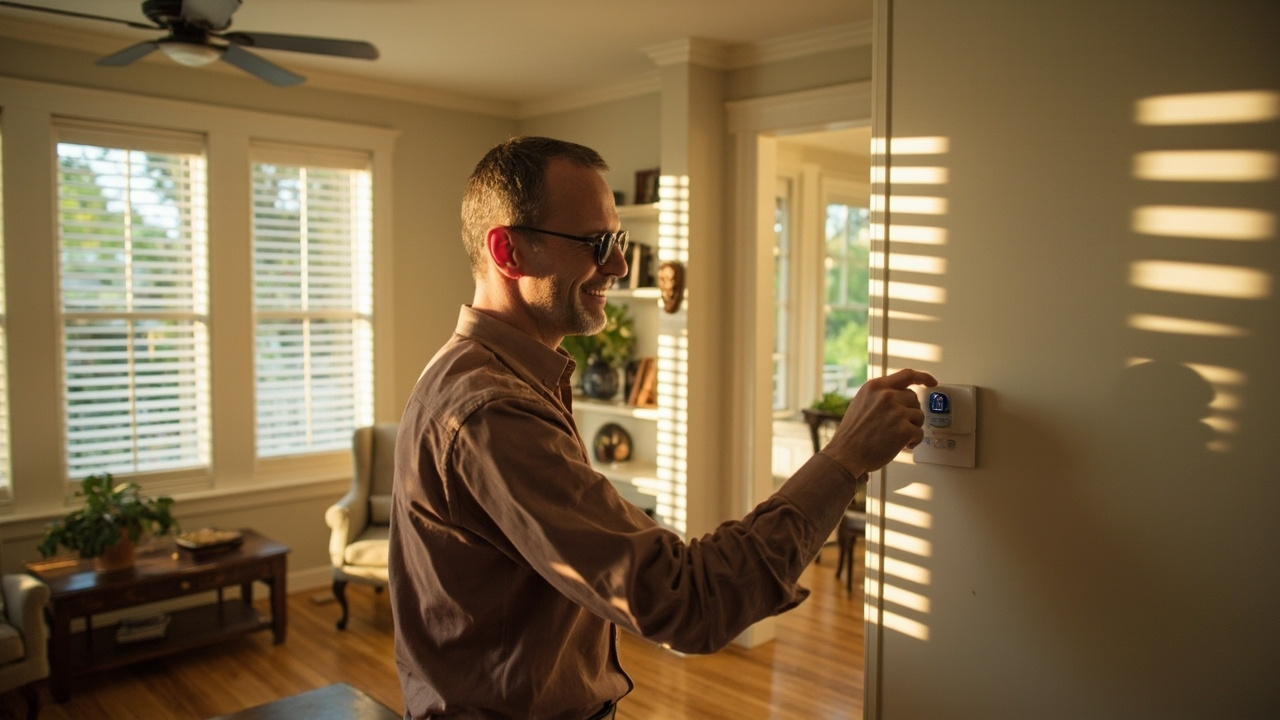
Summer energy efficiency ideas start with the thermostat. Every degree you raise the setpoint saves 3 to 5 percent on cooling costs. Set it to 78 degrees when you are home. Raise it to 85 when you leave. Your system cycles less frequently and runs shorter intervals. Those shorter run times add up to significant savings over a three-month summer.

Programmable thermostats automate these adjustments. Smart thermostats go further, learning your schedule and making micro-adjustments based on humidity levels and outdoor temperatures. They compensate for New Orleans's extreme moisture by running the fan longer to improve dehumidification without overcooling.

Air filter maintenance directly impacts efficiency. A clogged filter restricts airflow, forcing your blower motor to work harder. That increases electricity consumption and reduces cooling capacity. Check filters monthly during summer. Replace them when they show dirt buildup. Standard fiberglass filters need replacement every 30 days in heavy-use months.

Ductwork leaks waste 20 to 30 percent of conditioned air in many homes. Seal connections with mastic sealant, not duct tape. Duct tape fails in hot attics. Proper sealing keeps cool air moving to living spaces instead of heating your attic.

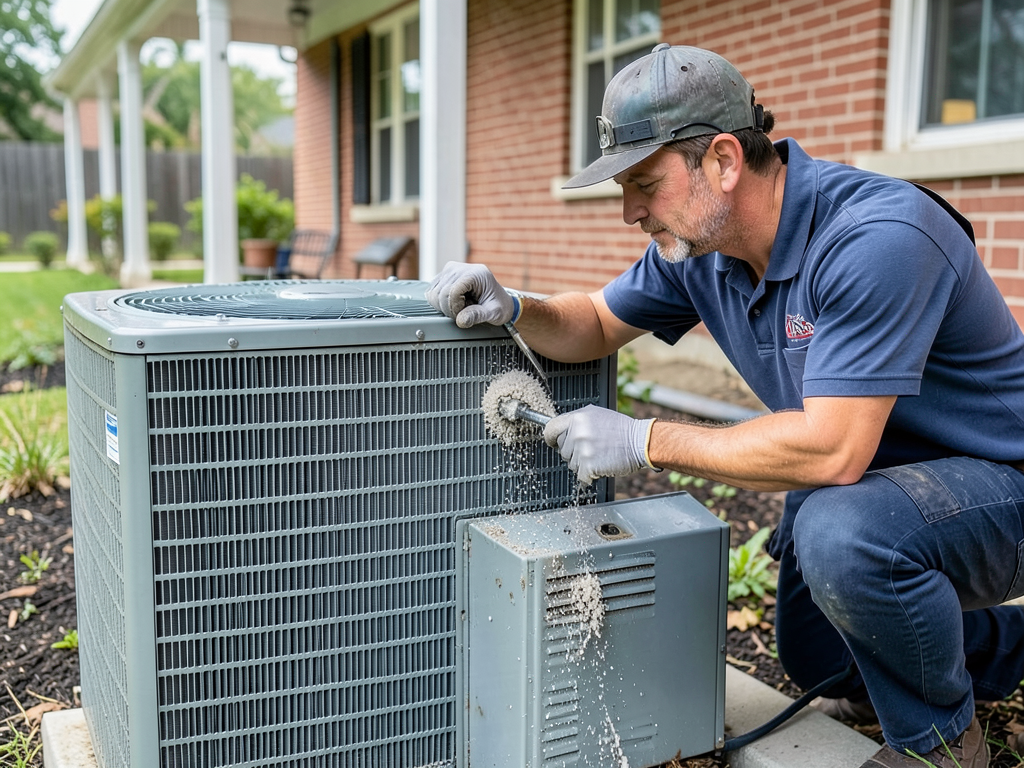
Outdoor unit maintenance matters too. Clean the condenser coils each spring. Remove leaves, grass clippings, and dirt that block airflow through the fins. Restricted airflow reduces heat transfer efficiency. Your compressor runs longer to achieve the same cooling effect. That extended runtime shows up as higher bills.

Lowering summer utility costs requires understanding heat gain sources. Windows, walls, and attics all transfer outdoor heat inside. Address these thermal bridges and your AC works less to maintain comfort.

Your Step-by-Step Summer Energy Savings Plan

Energy Saving Tips for Summer in New Orleans – Cut Your AC Bills by 30% Without Sacrificing Comfort
01

Assess Your Current Usage

Review your last three summer electricity bills. Identify your baseline consumption in kilowatt-hours. Walk through your home during the hottest part of the day. Feel for temperature differences between rooms. Check for warm spots near windows and exterior walls. Look at your thermostat settings and schedule. Document when your system runs most frequently. This baseline data reveals where you lose efficiency and helps you measure improvement after implementing changes.
02

Implement Quick Wins

Start with zero-cost changes that deliver immediate results. Adjust your thermostat up by two degrees. Close blinds on south and west-facing windows during afternoon hours. Switch ceiling fans to counterclockwise rotation to push air downward. Move furniture away from supply vents to improve air circulation. Check your air filter and replace it if dirty. These simple adjustments reduce your cooling load within 24 hours and cost nothing to implement.
03

Schedule Professional Optimization

Contact Pioneer HVAC New Orleans for a comprehensive efficiency evaluation. A trained technician measures refrigerant charge, tests airflow across the evaporator coil, and checks electrical connections for resistance that wastes energy. They identify duct leaks using pressure testing equipment. You receive specific recommendations ranked by cost and savings potential. Professional tune-ups typically pay for themselves within one cooling season through improved efficiency and prevented breakdowns.

Why Local HVAC Knowledge Matters for New Orleans Energy Efficiency

Generic energy advice fails in New Orleans because it ignores the city's unique climate challenges. Recommendations that work in Phoenix or Atlanta fall short here. You need strategies designed for subtropical humidity and year-round moisture concerns.

Pioneer HVAC New Orleans understands how local conditions affect cooling efficiency. We know that mold growth in ductwork reduces airflow and indoor air quality. We account for the fact that New Orleans homes built before 1970 often lack proper insulation and vapor barriers. Our technicians recognize how settling foundations in neighborhoods near Lake Pontchartrain create gaps that leak conditioned air.

We size equipment correctly for high humidity loads. Many national companies use rule-of-thumb calculations that oversimplify capacity needs. Oversized units short-cycle. They cool quickly but fail to remove moisture. You end up with a cold, clammy home that still feels uncomfortable. Undersized units run continuously without reaching setpoint. Both scenarios waste energy and money.

Our maintenance plans address seasonal challenges specific to the Gulf Coast. Spring tune-ups prepare your system for the brutal summer ahead. We check condensate drain lines for algae buildup, a constant problem in humid climates. We test capacitors that fail more frequently in high-heat environments. We verify refrigerant charge because even small leaks compound efficiency losses when outdoor temperatures exceed 95 degrees.

Local building codes in Orleans Parish require specific energy standards for HVAC installations. We stay current on these requirements and ensure your system meets compliance. That expertise protects you from failed inspections and costly retrofits.

We also understand the electrical infrastructure constraints in older neighborhoods. Grid capacity matters when you consider upgrade options. Our recommendations account for your home's electrical service and help you avoid expensive panel upgrades when they are not necessary.

Trust matters when you invest in energy efficiency improvements. We have served New Orleans families through hurricanes, floods, and heat waves. That local commitment means we stand behind our work and remain available when you need support.

What to Expect When You Implement These Energy Saving Strategies

Immediate Savings Timeline

Thermostat adjustments and filter changes produce measurable results within the first billing cycle. You should see a 10 to 15 percent reduction in electricity consumption within 30 days. Professional maintenance delivers additional savings that compound over the summer. Most homeowners recover service costs through reduced bills within 45 to 60 days. Track your kilowatt-hour usage month over month to measure actual improvement. Compare this summer to last summer for the clearest picture of savings. Peak efficiency occurs when you combine multiple strategies rather than relying on a single change.

Comfort Level Changes

You may notice slight temperature differences during the first week as your body adjusts to the new thermostat setting. Ceiling fans and improved air circulation compensate for the slightly warmer temperature. Most people adapt within three to five days. Proper humidity control matters more than raw temperature for comfort in New Orleans. A well-maintained system that removes moisture effectively feels comfortable at 78 degrees. A poorly maintained system feels clammy even at 72 degrees. Focus on humidity levels, not just temperature readings. Your comfort improves when your system operates at peak dehumidification efficiency.

System Performance Improvements

Professional maintenance extends equipment lifespan by reducing mechanical stress. Clean coils and proper airflow decrease compressor runtime. That reduced workload prevents premature component failure. You avoid costly emergency repairs during the hottest weeks of summer when HVAC companies face the highest demand. Your system operates more quietly after proper maintenance. Strange noises disappear when technicians tighten electrical connections and lubricate moving parts. You also notice more consistent temperatures throughout your home. Balanced airflow eliminates hot spots in rooms farthest from the air handler. These performance gains justify the modest investment in professional service.

Long-Term Value Protection

Regular maintenance prevents the gradual efficiency decline that occurs when systems go unchecked. Air conditioners lose approximately 5 percent efficiency each year without proper care. That loss accelerates in high-use climates like New Orleans. Annual tune-ups maintain factory efficiency ratings and protect your original investment. Documentation of regular maintenance also increases home resale value. Potential buyers value homes with well-maintained mechanical systems. Keep service records organized to demonstrate responsible homeownership. Many homeowners insurance policies offer discounts for documented HVAC maintenance. Check with your insurer about potential savings that offset service costs.

Frequently Asked Questions

You Have Questions,
We Have Answers

How can we save energy in summer? +

Save energy in summer by setting your thermostat to 78 degrees when home and higher when away. Use ceiling fans to circulate air, which lets you raise the thermostat by 4 degrees without losing comfort. Close blinds during peak sun hours to block heat gain. Replace air filters monthly in New Orleans' humid climate to maintain airflow efficiency. Seal air leaks around windows and doors to prevent cool air loss. Schedule annual AC maintenance before summer hits to ensure your system runs efficiently. Avoid running heat-generating appliances like ovens during the hottest parts of the day.

What are the 5 P's of energy conservation? +

The 5 P's of energy conservation are: Predict, Plan, Perform, Police, and Prevent. Predict your energy usage patterns by reviewing utility bills. Plan energy-saving strategies like upgrading to programmable thermostats or scheduling AC maintenance. Perform those actions consistently throughout the cooling season. Police your energy habits by monitoring consumption and identifying waste. Prevent energy loss by sealing ductwork, replacing worn weatherstripping, and addressing insulation gaps. In New Orleans' hot, humid climate, these principles help you control cooling costs while maintaining comfort. This framework helps you make strategic decisions about energy use rather than reacting to high bills.

Does keeping the AC at 72 save money? +

Keeping your AC at 72 degrees costs more than necessary. Each degree below 78 increases your cooling costs by 6 to 8 percent. In New Orleans' summer heat, a 72-degree setting forces your AC to run longer cycles to fight outdoor temperatures often exceeding 90 degrees with high humidity. You spend more on electricity and put extra strain on your system. Set your thermostat to 78 when home and 85 when away. Use ceiling fans to improve comfort at higher temperatures. This approach saves money without sacrificing livability in humid Gulf Coast conditions.

What runs your electric bill up the most? +

Your air conditioning system runs your electric bill up the most during New Orleans summers, consuming 40 to 60 percent of total energy use. Water heaters rank second, followed by washers, dryers, and refrigerators. High humidity forces AC units to work harder, removing moisture while cooling air. Older, inefficient systems or units with dirty filters and blocked coils consume even more power. Leaky ductwork in attics wastes cooled air before it reaches living spaces. Poor insulation and air sealing allow hot, humid outdoor air to infiltrate constantly. Address these issues to reduce consumption and lower monthly costs.

What is the 3 minute rule for AC? +

The 3 minute rule for AC means waiting three to five minutes before restarting your system after shutting it down. This allows compressor pressure to equalize and prevents electrical strain on the motor. Restarting too quickly can trip breakers, damage the compressor, and shorten equipment life. The rule applies when cycling your thermostat or after power outages, which happen frequently during New Orleans thunderstorms. Modern systems often include built-in delay timers for protection. If your breaker trips repeatedly when the AC starts, you need a technician to check for compressor issues or electrical problems before damage worsens.

What are 10 ways to save energy? +

Ten ways to save energy: Set your thermostat to 78 degrees or higher. Use ceiling fans to improve air circulation. Replace air filters monthly. Seal air leaks around windows and doors. Close blinds during peak sun hours. Schedule annual AC maintenance. Upgrade to a programmable thermostat. Insulate ductwork in unconditioned spaces. Replace old appliances with energy-efficient models. Run dishwashers and laundry during off-peak evening hours. In New Orleans' climate, focus first on cooling system efficiency since AC dominates your summer electric bill. Small changes add up to significant savings over the cooling season.

What are 10 examples of conservation of energy? +

Ten examples of conservation of energy: Raising thermostat settings reduces cooling demand. Switching to LED bulbs cuts lighting energy by 75 percent. Unplugging devices eliminates phantom power draw. Air-drying dishes saves dishwasher heat cycles. Washing clothes in cold water reduces water heater use. Taking shorter showers conserves hot water. Using a microwave instead of an oven reduces heat gain. Closing vents in unused rooms redirects conditioned air. Installing a tankless water heater eliminates standby heat loss. Adding attic insulation reduces heat transfer. These actions directly reduce consumption and lower bills in New Orleans' energy-intensive climate.

What are 5 ways to save electricity? +

Five ways to save electricity: Raise your thermostat setting to 78 degrees during summer. Replace incandescent bulbs with LEDs throughout your home. Turn off lights and electronics when not in use. Run major appliances like dishwashers and dryers during evening hours when rates may be lower. Seal air leaks around doors, windows, and ductwork to prevent conditioned air loss. In New Orleans, AC efficiency makes the biggest impact on your electric bill. Focus on reducing cooling load first, then address other consumption sources. These changes require minimal investment but deliver measurable monthly savings.

What appliances use the most energy? +

Air conditioning uses the most energy in New Orleans homes, consuming 40 to 60 percent of summer electricity. Water heaters rank second at 14 to 18 percent of annual use. Washers and dryers together account for 10 to 13 percent. Refrigerators use 6 to 8 percent, running continuously to fight kitchen heat. Lighting consumes 5 to 7 percent, though LEDs reduce this significantly. Dishwashers, televisions, and computers add smaller amounts. In Gulf Coast climates, cooling dominates consumption. Upgrading to efficient AC equipment and improving insulation delivers better savings than replacing smaller appliances.

What is the $5000 AC rule? +

The $5000 AC rule refers to the age-times-repair-cost formula for replacement decisions. Multiply your AC unit's age by the repair estimate. If the result exceeds $5000, replace the system instead of repairing it. For example, a 12-year-old unit needing $450 in repairs equals $5400, suggesting replacement makes financial sense. This guideline helps you avoid throwing money at aging equipment with declining efficiency and increasing failure risk. In New Orleans' demanding climate, systems older than 10 to 12 years often consume 30 to 40 percent more energy than new models, making replacement cost-effective.

How New Orleans Humidity Doubles Your Cooling Challenge and Energy Costs

New Orleans sits at the convergence of Lake Pontchartrain and the Mississippi River, creating some of the highest humidity levels in the continental United States. That moisture-saturated air forces your air conditioner to work twice as hard as systems in dry climates. Your AC must remove gallons of water from indoor air every day while simultaneously lowering temperature. This dual workload explains why summer energy efficiency ideas matter more here than in cities with lower dewpoints. The sensible heat load, what you feel as temperature, only represents half the story. The latent heat load, energy required to condense water vapor, often equals or exceeds the sensible load during peak summer months. Systems optimized for New Orleans conditions balance these competing demands.

Pioneer HVAC New Orleans has served the greater metro area for years, developing expertise specific to Gulf Coast cooling challenges. We understand that Historic District homes with high ceilings and single-pane windows require different strategies than newer construction in Metairie or Kenner. Our technicians know which neighborhoods face chronic drainage issues that create moisture problems in crawlspaces and affect indoor humidity control. We work with local building inspectors and stay current on Orleans Parish energy codes. That local knowledge helps you avoid generic solutions that waste money without delivering results. When you choose a company rooted in this community, you get recommendations based on actual experience with New Orleans homes, not textbook theory.

HVAC Services in The New Orleans Area

Pioneer HVAC New Orleans is proud to serve the entire New Orleans metropolitan area and surrounding parishes. Our central location allows our technicians to rapidly reach you, minimizing your wait time and ensuring quick service response for your heating and cooling needs. Invite us to your location by checking our service area map online or simply giving us a call today to confirm service availability at your specific address.

Address:
Pioneer HVAC New Orleans, 612 Andrew Higgins Dr, New Orleans, LA, 70130

Additional Services We Offer

Our news updates

Latest Articles & News from The Blogs

HVAC Red Flags to Look for Before Buying a Home in Belle Chasse \n\n Buying a home in Belle Chasse…

HVAC Red Flags to Look for Before Buying a Home in Belle Chasse

HVAC Red Flags to Look for Before Buying a Home in Belle Chasse \n\n Buying a home in Belle Chasse…

Why Your New Orleans Home is Settling and Pulling Your Ductwork Apart

Why Your New Orleans Home is Settling and Pulling Your Ductwork Apart New Orleans homes face a unique challenge that…

Cleaning Your AC System After a Major Home Renovation in Arabi

Cleaning Your AC System After a Major Home Renovation in Arabi \n\n Construction dust sawdust and drywall debris can infiltrate…

Contact Us

Call Pioneer HVAC New Orleans at (504) 355-2955 right now. Schedule your efficiency evaluation before the summer heat peaks. Our technicians identify specific ways to lower your electricity bills while improving comfort. Same-day service available for New Orleans area residents.