Why Your Bridge City Home Needs Better Ventilation to Stop Indoor Smoke and Lingering Odors
Bridge City’s humid air traps cooking odors and smoke making them linger for hours. When steam from pasta and grease from fried foods hang in your kitchen you have a ventilation problem that affects your comfort and health.
Bridge City homes face unique challenges due to high humidity levels that amplify indoor air quality issues. Steam doesn’t just disappear. It mixes with grease particles creating sticky residue on cabinets and providing perfect conditions for mold growth. Without mechanical ventilation this moisture builds up causing damage to your home.
Many homeowners try portable air purifiers only to find the problem worsens. Purifiers filter particles but cannot remove heat steam or grease. You need extraction ventilation that pulls contaminated air outside before it spreads through your home.
The International Residential Code requires kitchen exhaust systems for homes with gas ranges and recommends them for electric ranges. In Bridge City’s climate this protects your walls from moisture damage and keeps your family’s air healthy. National Fire Protection Association.
Bridge City’s Climate Makes Ventilation Critical
Bridge City experiences relative humidity levels that routinely exceed 85 percent. When you add cooking steam to this saturated air moisture cannot escape naturally. The result is condensation on windows warped wood flooring and musty smells in poorly ventilated kitchens.. Read more about Why Your Home in East New Orleans Smells Like Sulphur or Industrial Exhaust.
During summer months your air conditioner works overtime to remove latent heat. When you cook without proper ventilation you add both sensible heat from the stove and latent heat from steam. This forces your AC to run longer increasing your energy bills and wearing out your equipment faster. ENERGY STAR ventilation products.
The soil composition in Bridge City affects indoor humidity. The area’s clay-rich soil retains moisture and can create higher indoor humidity levels especially in homes with crawl spaces. Without mechanical ventilation this moisture migrates upward creating a continuous cycle of dampness.
Kitchen Exhaust Fans vs Air Purifiers
Understanding the difference between extraction and filtration matters for Bridge City homeowners. Kitchen exhaust fans remove air from your home while air purifiers clean the air that already exists inside. This fundamental difference determines which device actually solves your ventilation problems.. Read more about How to Choose a Vent Hood That Actually Works with Your New Orleans AC System.
Exhaust fans operate on cubic feet per minute or CFM ratings. A typical gas range requires 100 CFM of exhaust per 10000 BTU of burner output. If you have a 40000 BTU range you need at least 400 CFM to properly ventilate. This removes not just odors but the heat steam and combustion byproducts that purifiers leave behind.
Air purifiers measure effectiveness in Clean Air Delivery Rate or CADR. While CADR tells you how quickly a purifier filters particles it does not address the source of the problem. When you sear a steak at 500 degrees the smoke and grease particles are already in the air. A purifier can only catch what has already escaped.
The key difference shows up in moisture removal. Exhaust fans can remove several gallons of water vapor per hour during heavy cooking. Purifiers do not remove any moisture at all. In Bridge City’s climate this means exhaust fans actively combat the humidity problem while purifiers simply recirculate it.
The Hidden Dangers of Gas Cooking Without Proper Ventilation
Many Bridge City homes still use gas ranges for precise temperature control. What most homeowners do not realize is that gas cooking produces nitrogen dioxide carbon monoxide and ultrafine particles that can penetrate deep into your lungs.
Without exhaust ventilation these pollutants accumulate to levels that exceed EPA outdoor air quality standards. A study by the Lawrence Berkeley National Laboratory found that cooking with gas for one hour without ventilation can produce NO2 levels that would be illegal if found outdoors. EPA indoor air quality guidelines.
The combustion process also adds significant moisture to your indoor air. Each therm of natural gas burned produces about 1.25 gallons of water vapor. In a tightly sealed modern home this moisture has nowhere to go without mechanical ventilation creating perfect conditions for mold growth behind your cabinets.
Bridge City’s older homes often have gas lines dating back decades. These lines can develop small leaks that add another layer of indoor air quality concerns. Proper ventilation becomes even more critical when you factor in these potential gas leaks that could be circulating through your home.
Make-up Air: The Missing Piece in Ventilation Systems
When you install a high-powered exhaust fan you create a pressure imbalance in your home. The fan pulls air out but if your house is tightly sealed nothing replaces it. This negative pressure can cause backdrafting in your water heater or furnace pulling carbon monoxide into your living spaces. Expert Furnace Repair in Gretna to Keep Your Family Warm on Chilly Delta Nights.
Make-up air systems solve this by providing replacement air equal to what your exhaust fan removes. For every 400 CFM your range hood exhausts you need 400 CFM coming in. Without this balance you risk creating dangerous pressure differentials that affect your entire HVAC system.
In Bridge City’s climate make-up air often needs conditioning. Pulling in 95 degree humid outside air defeats the purpose of removing hot humid cooking air. Modern make-up air systems include heat exchangers and dehumidification to maintain your home’s comfort while providing proper ventilation. Why Your Lakeview Home Needs a High-Efficiency AC Unit to Combat Swampy Humidity.
The International Residential Code now requires make-up air for exhaust fans over 400 CFM in new construction. Many Bridge City homes built before this requirement struggle with pressure imbalances that cause doors to slam shut when the range hood turns on or create drafts around windows and doors.
Choosing the Right Ventilation System for Your Bridge City Kitchen
The size and layout of your kitchen determines what ventilation system works best. Open concept kitchens in newer Bridge City homes need higher capacity systems because cooking odors spread more easily through larger spaces. Traditional galley kitchens can often use smaller fans but may need additional ventilation in adjacent rooms.
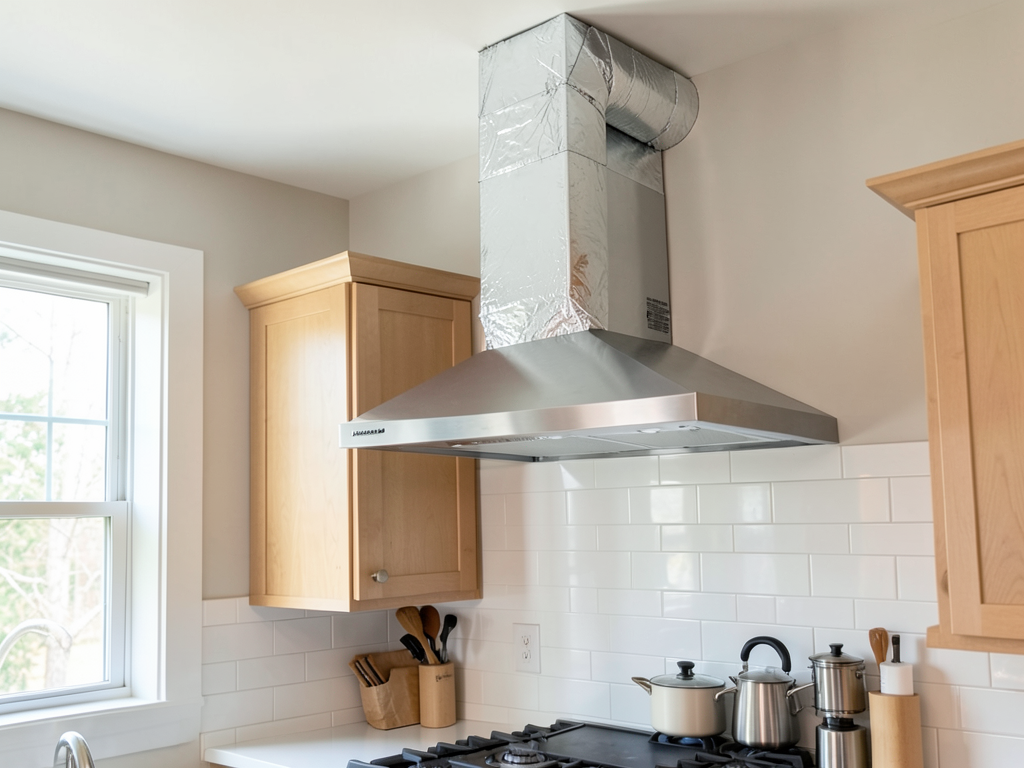
Ducted range hoods remain the gold standard for ventilation. These systems capture smoke and steam at the source and exhaust it outside through ductwork. The key is proper duct sizing. Undersized ducts create back pressure reducing fan effectiveness and increasing noise levels. Emergency Ductwork Repair.
For homes without duct access recirculating hoods offer a compromise. These units filter air through charcoal and capture some grease but they do not remove heat or moisture. In Bridge City’s climate they are better than nothing but they will not solve humidity problems or remove combustion byproducts from gas cooking.
Island cooktops present unique challenges. Without a wall to mount a hood against you need overhead canopy hoods that capture rising steam and smoke. These require higher CFM ratings often 600 or more to overcome the open space around the cooking surface.
Installation Considerations for Bridge City Homes
Bridge City’s construction methods affect how you install ventilation systems. Many homes have limited attic space making vertical duct runs difficult. In these cases you may need to run ducts through walls or even under the home if you have a raised foundation.
The area’s high humidity means you must use insulated ductwork to prevent condensation. Uninsulated metal ducts sweat profusely in Bridge City’s climate creating water damage in your attic or walls. Class 1 fire rated flexible duct with R-6 insulation provides the best combination of performance and moisture control.
Roof penetrations require special attention in hurricane-prone areas. Your vent cap needs to withstand 150 mph winds and prevent water intrusion during tropical storms. Look for caps with reinforced mounting and built-in dampers that close during high winds to prevent backdrafting.
Many Bridge City homes have decorative kitchen cabinets that extend to the ceiling. Installing ductwork in these situations requires creative solutions like remote blowers mounted in attic spaces or cabinet modifications to accommodate the ventilation system.
Maintenance Requirements for Effective Ventilation
Even the best ventilation system fails without proper maintenance. Grease filters on range hoods need cleaning every one to three months depending on your cooking habits. In Bridge City’s humid climate grease builds up faster creating a sticky residue that reduces airflow and becomes a fire hazard.
Ductwork requires inspection annually. The humid air in Bridge City promotes mold growth inside ducts especially in horizontal runs where condensation collects. Look for signs of moisture staining around vent caps or reduced airflow which indicates blockages.
Carbon filters in recirculating hoods need replacement every three to six months. These filters absorb odors but they become saturated over time especially in kitchens where strong-smelling foods are common. A saturated filter actually makes air quality worse by trapping pollutants that should be exhausted.
Check your make-up air system seasonally. The dampers that control air intake can stick in humid conditions causing pressure imbalances. Listen for unusual noises when your exhaust fan operates. Whistling or rattling sounds often indicate duct problems that reduce system effectiveness.
When Air Purifiers Make Sense as Supplements
While air purifiers cannot replace exhaust fans they serve valuable roles in comprehensive indoor air quality strategies. Portable HEPA purifiers excel at removing fine particles that escape your range hood including smoke from searing meat and microscopic grease particles that settle on surfaces.
The key is using purifiers to address what exhaust fans miss. Place a HEPA purifier with activated carbon in your kitchen during and after cooking to capture residual odors and particles. This combination approach removes both the source of pollution and the lingering effects.
Bridge City’s pollen season creates additional air quality challenges. When you open windows for ventilation you let in allergens that purifiers can remove. During mild weather when cooking produces less smoke a purifier can maintain air quality without running your HVAC system. Get Your New Orleans AC Running Again with Our 24-Hour Emergency Repair Service.
Consider a whole-house air purifier integrated with your HVAC system for year-round protection. These units filter all air circulating through your home removing dust pollen and other particles that accumulate even with good kitchen ventilation. In Bridge City’s climate this extra filtration helps control the constant dust and allergens common in our area.
Cost Considerations and Energy Efficiency
Professional ventilation installation in Bridge City typically ranges from $800 to $3000 depending on complexity. Basic ducted hoods cost less but may not provide adequate ventilation for serious cooking. High-end commercial-style systems with make-up air can exceed $5000 but offer superior performance. Reliable Commercial AC Repair and Maintenance for Businesses in Kenner.
Energy costs vary significantly based on your system design. Standard exhaust fans use 100 to 300 watts while commercial-style systems with make-up air can use 1000 watts or more. However the energy savings from reduced AC runtime often offset the fan’s electrical consumption especially during summer months.
Look for ENERGY STAR certified ventilation products. These fans use 65 percent less energy than conventional models while maintaining performance. Variable speed controls also help by allowing you to use lower airflow for light cooking and only ramping up for heavy-duty tasks.
The long-term cost of poor ventilation often exceeds installation expenses. Moisture damage to cabinets and walls moisture remediation and health impacts from poor air quality create ongoing expenses that proper ventilation prevents. In Bridge City’s climate investing in adequate ventilation typically pays for itself within three to five years through energy savings and damage prevention.
Frequently Asked Questions
How do I know if my current ventilation is adequate?
Hold a tissue near your range hood while it is running. If the tissue is strongly pulled toward the hood your airflow is probably adequate. If it barely moves or flutters you likely have insufficient ventilation. Also check for lingering cooking odors more than 30 minutes after cooking or moisture on windows during cooking.
Can I install a ventilation system myself?
While DIY installation is possible range hood installation requires electrical work duct cutting and potentially gas line modifications. Professional installation ensures proper duct sizing fire safety compliance with local building codes and optimal performance. In Bridge City’s climate improper installation can lead to moisture damage that costs far more than professional installation.
What is the difference between CFM and Sones?
CFM measures airflow volume while Sones measure noise level. A fan with high CFM but low Sones moves lots of air quietly. In open concept Bridge City homes noise matters because loud fans can disrupt conversation. Look for fans with sound ratings below 3 Sones for quiet operation.
Take Control of Your Home’s Air Quality Today
Lingering smoke and persistent cooking odors are not just annoying. They are signs of a ventilation problem that is affecting your home’s comfort and your family’s health. In Bridge City’s humid climate proper kitchen ventilation is not optional. It is essential for preventing moisture damage controlling odors and maintaining healthy indoor air quality.
Every day you wait is another day your home accumulates moisture damage and air quality issues. Whether you need a complete ventilation system or just want to understand your options we are here to help. Our team understands the unique challenges Bridge City homes face from high humidity to hurricane-resistant installations.
Call (504) 355-2955 today to schedule your ventilation assessment. We will evaluate your current setup identify problems and recommend solutions that fit your cooking habits and budget. Do not let another meal create another layer of smoke and moisture in your home. Take the first step toward cleaner air and a more comfortable living space now.
Pick up the phone and call (504) 355-2955 before the next time you burn something in the kitchen. Your cabinets your walls and your lungs will thank you.
You may also find this helpful. Converting Your Historic Fireplace into a Modern HVAC Feature Without Losing the Charm.
{
“@context”: “https://schema.org”,
“@type”: “BlogPosting”,
“headline”: “Why Your Bridge City Home Needs Better Ventilation to Stop Indoor Smoke and Lingering Odors”,
“description”: “Bridge City’s humid climate makes proper kitchen ventilation essential. Learn how to eliminate smoke and odors while protecting your home from moisture damage.”,
“wordCount”: 2275,
“datePublished”: “2026-05-29T08:00:00.000Z”,
“dateModified”: “2026-05-29T08:00:00.000Z”,
“inLanguage”: “en-US”,
“mainEntityOfPage”: {
“@type”: “WebPage”,
“@id”: “https://pioneerhvacneworleans.com”
},
“publisher”: {
“@type”: “LocalBusiness”,
“name”: “Pioneer HVAC New Orleans”,
“url”: “https://pioneerhvacneworleans.com”
},
“author”: {
“@type”: “Organization”,
“name”: “Pioneer HVAC New Orleans”,
“url”: “https://pioneerhvacneworleans.com”
},
“image”: {
“@type”: “ImageObject”,
“url”: “https://pioneerhvacneworleans.com/wp-content/uploads/2026/03/why-your-bridge-city-home-needs-better-ventilation-1.png”
}
}
{
“@context”: “https://schema.org”,
“@type”: “HVACBusiness”,
“name”: “Pioneer HVAC New Orleans”,
“url”: “https://pioneerhvacneworleans.com”,
“address”: {
“@type”: “PostalAddress”,
“addressLocality”: “New Orleans”
},
“areaServed”: {
“@type”: “City”,
“name”: “New Orleans”
}
}
{
“@context”: “https://schema.org”,
“@type”: “FAQPage”,
“mainEntity”: [
{
“@type”: “Question”,
“name”: “How do I know if my current ventilation is adequate?”,
“acceptedAnswer”: {
“@type”: “Answer”,
“text”: “Hold a tissue near your range hood while it is running. If the tissue is strongly pulled toward the hood your airflow is probably adequate. If it barely moves or flutters you likely have insufficient ventilation. Also check for lingering cooking odors more than 30 minutes after cooking or moisture on windows during cooking.”
}
},
{
“@type”: “Question”,
“name”: “Can I install a ventilation system myself?”,
“acceptedAnswer”: {
“@type”: “Answer”,
“text”: “While DIY installation is possible range hood installation requires electrical work duct cutting and potentially gas line modifications. Professional installation ensures proper duct sizing fire safety compliance with local building codes and optimal performance. In Bridge City’s climate improper installation can lead to moisture damage that costs far more than professional installation.”
}
},
{
“@type”: “Question”,
“name”: “What is the difference between CFM and Sones?”,
“acceptedAnswer”: {
“@type”: “Answer”,
“text”: “CFM measures airflow volume while Sones measure noise level. A fan with high CFM but low Sones moves lots of air quietly. In open concept Bridge City homes noise matters because loud fans can disrupt conversation. Look for fans with sound ratings below 3 Sones for quiet operation.”
}
}
]
}
{
“@context”: “https://schema.org”,
“@type”: “BreadcrumbList”,
“itemListElement”: [
{
“@type”: “ListItem”,
“position”: 1,
“name”: “Home”,
“item”: “https://pioneerhvacneworleans.com”
},
{
“@type”: “ListItem”,
“position”: 2,
“name”: “Blog”,
“item”: “https://pioneerhvacneworleans.com/blog”
},
{
“@type”: “ListItem”,
“position”: 3,
“name”: “Why Your Bridge City Home Needs Better Ventilation to Stop Indoor Smoke and Lingering Odors”
}
]
}
{
“@context”: “https://schema.org”,
“@type”: “Service”,
“serviceType”: “HVAC”,
“provider”: {
“@type”: “LocalBusiness”,
“name”: “Pioneer HVAC New Orleans”,
“url”: “https://pioneerhvacneworleans.com”
},
“areaServed”: {
“@type”: “City”,
“name”: “New Orleans”
},
“description”: “Bridge City’s humid climate makes proper kitchen ventilation essential. Learn how to eliminate smoke and odors while protecting your home from moisture damage.”
}