




menu

Furnace Maintenance Checklist New Orleans – Prevent Breakdowns Before Winter Returns

Stop emergency repairs before they start with a comprehensive furnace maintenance checklist designed for New Orleans's humid climate and unpredictable cold snaps that stress aging heating systems.

Slider Image 1
Slider Image 2
Slider Image 3
Slider Image 4
Slider Image 5
Slider Image 7
Slider Image 8
Slider Image 9
Slider Image 10
Slider Image 11

Why New Orleans Furnaces Need Year-Round Attention

You run your furnace maybe three months a year. The rest of the time, it sits dormant in an attic or closet, collecting dust and moisture from the humidity that never really leaves. When that first cold front rolls through, you flip the switch and hope it fires up.

New Orleans's humid subtropical climate creates unique stress on heating systems. The high humidity causes corrosion on electrical components, rust on heat exchangers, and condensation buildup in flue pipes. The long dormant periods between heating seasons allow dust to cake inside blower assemblies and bugs to nest in pilot light openings. When temperatures swing from 75 degrees to 38 degrees overnight, your furnace has to go from zero to full capacity with no warm-up period.

Most homeowners follow a simple preventative heating maintenance guide: check the filter once in a while. That misses the real problems. A complete annual furnace inspection list covers ignition systems, gas pressure, electrical connections, airflow measurements, and carbon monoxide testing. These are not DIY tasks. They require calibrated instruments and knowledge of what normal readings look like for your specific unit.

The seasonal furnace service schedule matters because small issues compound. A dirty flame sensor causes hard starts, which stress the ignition control board, which eventually fails and leaves you without heat. The heating system maintenance steps we follow catch those problems before they cascade. That is the difference between a $120 tune-up and a $900 emergency repair on Christmas Eve.

Why New Orleans Furnaces Need Year-Round Attention
What a Real Furnace Tune-Up Checklist Includes

What a Real Furnace Tune-Up Checklist Includes

A proper furnace tune-up checklist is not a visual inspection and filter change. It is a diagnostic process that measures actual performance against manufacturer specifications.

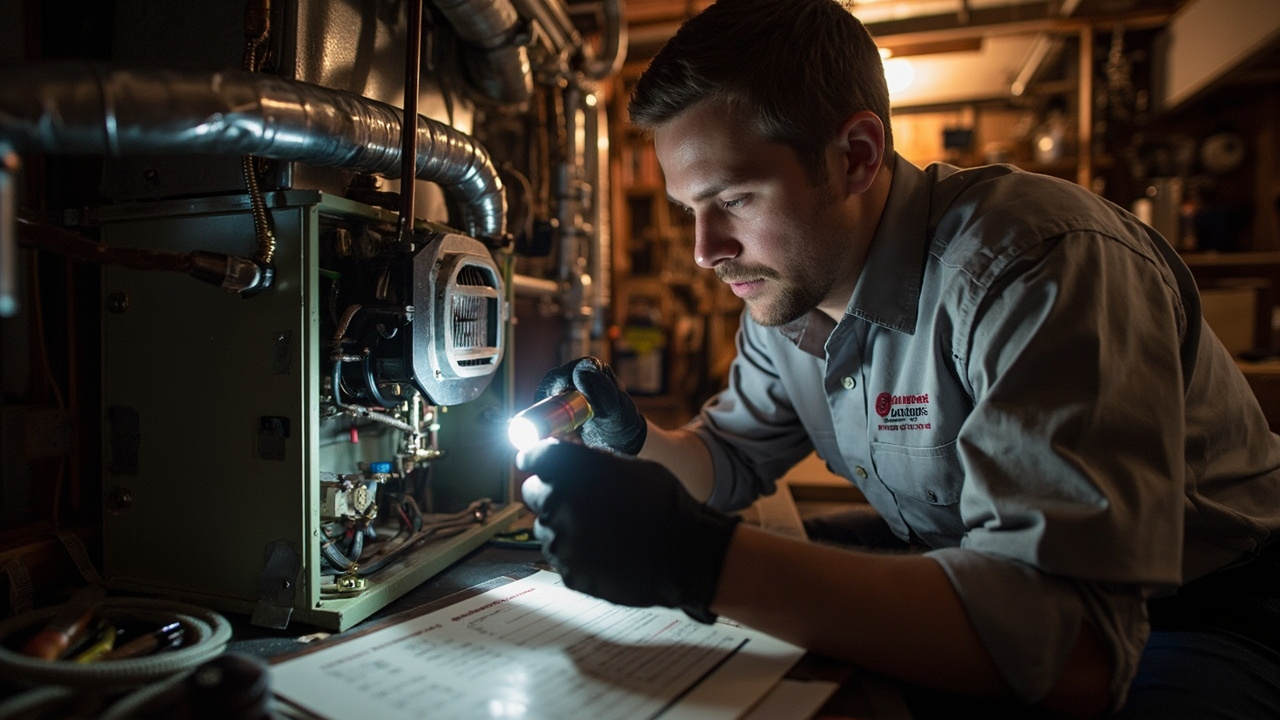
We start with combustion analysis. We measure flue gas temperature, oxygen content, and carbon monoxide levels at the heat exchanger outlet. High CO readings indicate cracks or incomplete combustion. Low oxygen percentages suggest overfiring, which shortens the heat exchanger lifespan. These readings tell us if your furnace is burning cleanly or creating safety risks.

Next comes electrical testing. We check voltage and amperage at the blower motor, check for voltage drops across connections, and test the capacitor for proper microfarad rating. A failing capacitor causes the blower to pull excessive amps, which trips breakers or burns out the motor. We catch it before that happens.

Gas pressure testing follows. We verify manifold pressure matches the rating plate specifications, check for pressure drops during operation, and confirm the gas valve modulates correctly if you have a variable-speed system. Incorrect gas pressure causes yellow flames, sooting, and incomplete combustion.

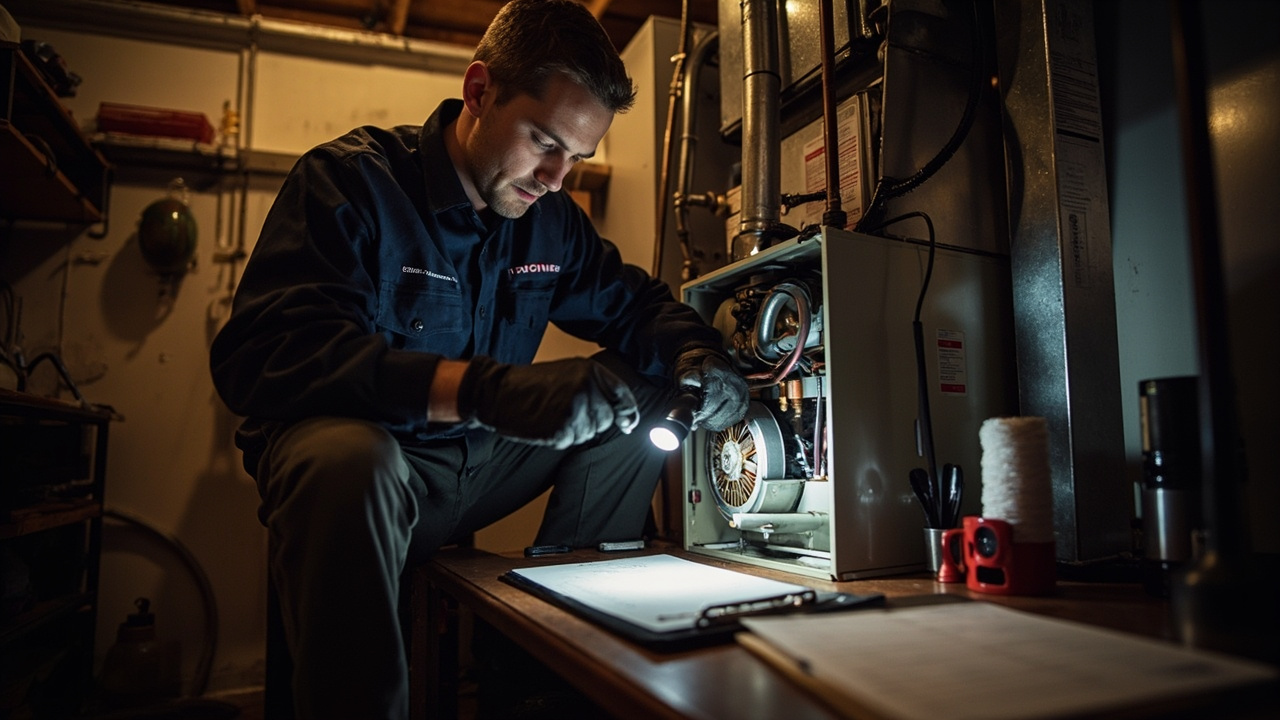
The blower assembly gets pulled and cleaned. We remove years of dust buildup from the wheel fins, check the motor bearings for noise or resistance, and verify the belt tension on belt-drive systems. Poor airflow reduces efficiency by 15 to 20 percent and causes the limit switch to cycle the burners on and off.

We document every reading. You get a report showing what we found, what we fixed, and what you should watch. That paper trail matters when you sell the house or file an insurance claim.

How We Complete Your Annual Furnace Service

Furnace Maintenance Checklist New Orleans – Prevent Breakdowns Before Winter Returns
01

Initial System Assessment

We run your furnace through a complete heating cycle while monitoring startup sequence, ignition timing, and burner flame characteristics. We check thermostat calibration, verify proper cycling, and note any unusual sounds or smells. This baseline assessment identifies immediate safety concerns and establishes performance benchmarks for comparison during future maintenance visits.
02

Component Testing and Cleaning

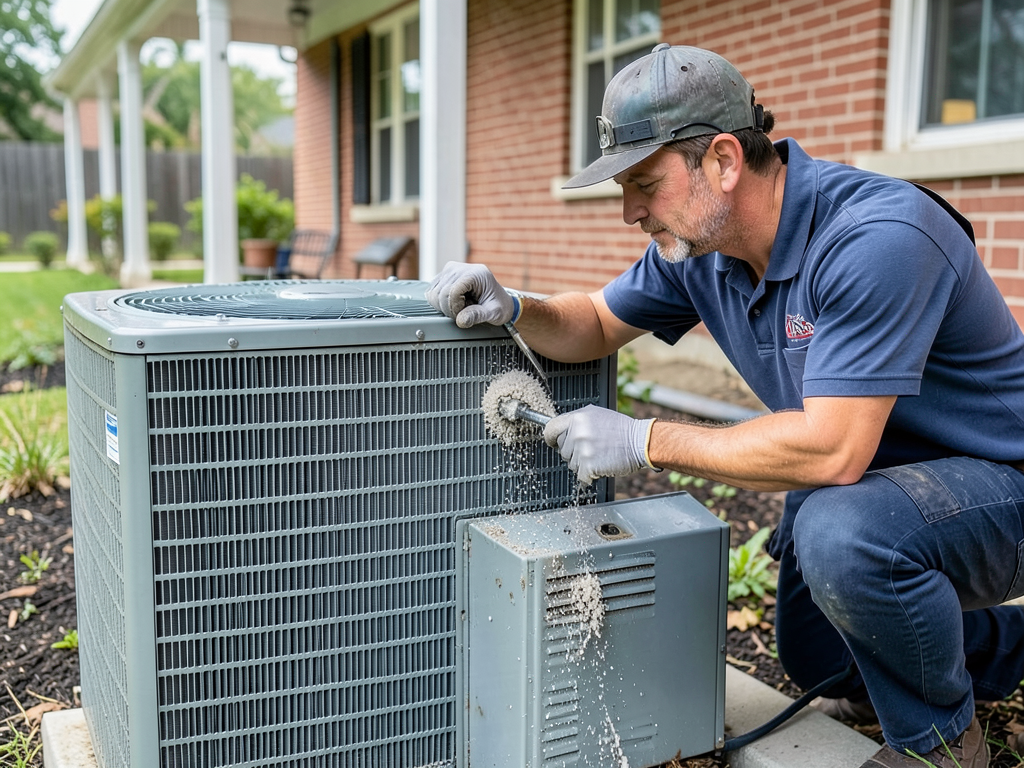
We disassemble and clean the burner assembly, flame sensor, and blower wheel. We test the ignitor for proper resistance, check the pressure switch for correct activation, and verify the flame rollout switch operation. All electrical connections get tightened, corroded terminals get cleaned or replaced, and we lubricate motor bearings where applicable. This hands-on work prevents 90 percent of mid-season failures.
03

Performance Verification and Documentation

We take final readings after cleaning and adjustments. We measure temperature rise across the heat exchanger, verify proper airflow in cubic feet per minute, and retest combustion efficiency. You receive a detailed service report showing before and after measurements, photos of any issues found, and specific recommendations for repairs or upgrades. This documentation proves proper maintenance for warranty claims and home sales.

Why New Orleans Homeowners Trust Pioneer HVAC for Furnace Maintenance

You need a technician who understands what humidity does to heating equipment over eight months of non-use. New Orleans furnaces fail differently than furnaces in colder climates. The problems are not frozen condensate lines or cracked heat exchangers from constant cycling. The problems are corroded flame sensors, seized blower bearings, and control boards damaged by moisture intrusion.

We see the same issues every year because the climate creates predictable failure patterns. Electrical connections corrode from humidity. Condensation drips onto circuit boards. Dust mixed with moisture creates a conductive paste that causes short circuits. These are not problems you diagnose with a flashlight and screwdriver. They require experience with how equipment behaves in this specific environment.

Pioneer HVAC New Orleans has maintained heating systems through enough mild winters and sudden freezes to know what breaks first on every major brand. We stock parts for the most common failures because waiting three days for a flame sensor when it is 32 degrees outside is not acceptable. Our technicians carry combustion analyzers, manometers, and multimeters because proper diagnosis requires measurement, not guesswork.

We also understand local installation practices. Many New Orleans furnaces sit in unconditioned attic spaces where summer temperatures hit 140 degrees. That heat stress ages components faster. We check for heat-related failures that technicians from other regions would not think to look for. We know which brands hold up in attics and which ones fail prematurely.

The difference shows in callback rates. Our maintenance customers rarely need emergency service because we catch problems during tune-ups. When you pay for preventative maintenance, you should get actual prevention.

What to Expect During Your Furnace Maintenance Visit

Service Timing and Scheduling

We schedule furnace maintenance from September through November, before heating season starts. The service takes 90 minutes to two hours depending on your system age and condition. We offer same-week appointments during the fall maintenance season, with morning or afternoon time windows. If we find problems requiring immediate repair, we discuss options before proceeding with any additional work. You never get surprised with unauthorized charges.

Comprehensive System Inspection

The inspection covers every component that affects safety, efficiency, and reliability. We check heat exchanger integrity with visual inspection and combustion analysis. We test safety controls including the limit switch, rollout switch, and pressure switches. We verify proper venting and check for backdrafting or flue obstructions. All gas connections get leak-tested with soap solution. The thermostat gets calibrated for accurate temperature control. Nothing gets skipped to save time.

Detailed Service Report

You receive a written report documenting all test results, including combustion efficiency percentages, temperature rise measurements, and electrical readings. We photograph any issues found, label them clearly, and explain what they mean in plain language. The report includes a priority ranking for recommended repairs, so you know what needs immediate attention versus what can wait. This documentation becomes part of your home maintenance records.

Ongoing Maintenance Support

We keep detailed service records in our system, so every technician who visits your home knows your equipment history. We send maintenance reminders each fall so you do not forget to schedule your annual service. If problems develop between tune-ups, we reference your last service report to diagnose issues faster. Maintenance customers get priority scheduling during peak season and preferred pricing on repairs. The relationship does not end when we leave your house.

Frequently Asked Questions

You Have Questions,
We Have Answers

What maintenance should be done on a furnace? +

A complete furnace maintenance includes inspecting and cleaning the burners, checking the heat exchanger for cracks, testing the thermostat calibration, and examining all electrical connections. Technicians replace or clean the air filter, lubricate moving parts, and test the blower motor. They also check gas pressure, inspect the flue pipe for blockages, and verify proper venting. In New Orleans, high humidity makes condensate drain line inspection critical to prevent water backup. The technician tests safety controls, measures airflow, and checks for carbon monoxide leaks. This preventive work catches small issues before they become expensive repairs during our cold snaps.

What is included in a furnace maintenance? +

Furnace maintenance covers a thorough system inspection that addresses safety, efficiency, and performance. This includes filter replacement, burner cleaning, heat exchanger inspection, and thermostat testing. Technicians check electrical connections, test the ignition system, and measure gas pressure. They inspect the blower assembly, lubricate bearings, and clean the flame sensor. Ductwork gets checked for leaks. In New Orleans, moisture control is vital, so drain lines and condensate pans receive extra attention. The technician also tests all safety switches, examines the venting system, and verifies proper combustion. You receive a detailed report showing system performance and any recommended repairs.

What is included in a furnace tune up? +

A furnace tune-up is similar to maintenance and includes cleaning burners, inspecting the heat exchanger, replacing filters, and testing all safety controls. The technician checks gas connections, measures supply voltage, and tests the blower motor capacitor. They clean the flame sensor, inspect the inducer fan, and verify proper venting. In New Orleans, where furnaces sit idle most of the year, tune-ups catch rust and corrosion from humidity. The service includes thermostat calibration, airflow measurement, and carbon monoxide testing. You get improved efficiency, lower utility bills, and confidence your system will work when cold weather arrives. Most tune-ups take 60 to 90 minutes.

Can I do my own furnace maintenance? +

You can handle basic tasks like changing filters monthly and keeping vents clear, but professional maintenance requires specialized tools and training. Checking gas pressure, testing heat exchangers for cracks, and measuring combustion efficiency need diagnostic equipment. In New Orleans, humidity creates unique challenges like mold growth in ductwork and corroded electrical connections that homeowners often miss. You risk carbon monoxide exposure if you mishandle gas connections or fail to spot a cracked heat exchanger. Modern furnaces have complex electronic controls that require proper testing. Annual professional service costs less than emergency repairs and protects your family from safety hazards.

What is the $5000 rule? +

The $5000 rule is an industry formula to determine if you should repair or replace your furnace. Multiply the repair cost by your furnace age. If the result exceeds $5000, replacement makes better financial sense. For example, a $400 repair on a 10-year-old furnace equals $4000, so repair it. A $600 repair on a 12-year-old unit equals $7200, so replace it. This formula considers that older furnaces need increasingly expensive repairs and run less efficiently. In New Orleans, where high humidity accelerates corrosion, furnaces often fail earlier than their northern counterparts. The rule helps you avoid throwing money at equipment nearing its end.

What's the average cost of a furnace tune-up? +

Furnace tune-up costs in the New Orleans area typically range based on system complexity and service package scope. Basic maintenance runs lower than comprehensive diagnostics with repairs. Prices vary by company, season, and whether you have a service agreement. Emergency or weekend service costs more than scheduled appointments. The investment pays for itself through improved efficiency, lower energy bills, and avoided emergency repairs. Many companies offer seasonal specials or maintenance plans that reduce per-visit costs. Geographic factors like accessibility and travel time within the greater New Orleans metro can affect pricing. Get quotes from multiple licensed contractors to compare value and services included.

Do you really need to have your furnace serviced every year? +

Yes, annual furnace service is necessary even in New Orleans where heating season is brief. Furnaces sitting idle for months develop problems. High humidity causes corrosion on electrical connections, rust in heat exchangers, and mold in ductwork. Dust and debris accumulate on burners, reducing efficiency and creating safety hazards. Annual maintenance catches small issues before they fail during the coldest days. Manufacturers often require yearly service to maintain warranties. Neglected furnaces consume more energy, produce carbon monoxide risks, and fail prematurely. The service cost is minimal compared to emergency repairs or early replacement. Regular maintenance extends equipment life and ensures your family stays safe and comfortable.

How much does it cost for someone to check your furnace? +

The cost for a professional furnace inspection in New Orleans varies by service scope and company. A basic safety check costs less than a comprehensive diagnostic evaluation. Most companies offer inspection pricing that includes filter replacement, visual examination of components, and safety testing. Prices differ between independent contractors and larger HVAC companies. Some offer free inspections hoping to sell repairs or replacements, but these may lack thoroughness. Service agreements often include annual inspections at reduced rates. Geographic location within the metro area and scheduling flexibility affect pricing. Expect higher costs for same-day or emergency inspections. Always verify the technician is licensed and insured before authorizing work.

Can I clean my furnace myself? +

You can clean accessible parts like replacing filters and vacuuming around the unit, but deep cleaning requires professional equipment and knowledge. Burners need specific brushes and compressed air. The blower assembly must be disassembled properly to avoid damaging the motor or wheel. In New Orleans, moisture causes mold growth in hard-to-reach areas that needs antimicrobial treatment. Cleaning flame sensors incorrectly damages them. You risk gas leaks if you disturb connections without proper tools. Heat exchangers crack easily during amateur cleaning attempts. Professional cleaning includes inspection that spots developing problems. The modest service cost prevents expensive mistakes and ensures thorough, safe cleaning that maintains efficiency and warranty coverage.

What is the most expensive part to fix on a furnace? +

The heat exchanger is the most expensive furnace component to replace. This metal chamber transfers heat from combustion gases to your home air. Heat exchangers crack from age, corrosion, or thermal stress. In New Orleans, high humidity accelerates rust that weakens the metal. Replacement requires extensive labor because technicians must disassemble most of the furnace. The part itself costs several hundred dollars, and labor adds significantly more. Cracked heat exchangers leak carbon monoxide, creating immediate safety hazards. Most contractors recommend full furnace replacement instead of heat exchanger replacement on units over 12 years old. Regular maintenance spots early stress cracks before they become dangerous.

How New Orleans Humidity Accelerates Furnace Component Failure

New Orleans averages 75 percent relative humidity year-round. That moisture infiltrates every unsealed opening in your furnace cabinet. Electrical connections oxidize, creating resistance that generates heat and eventual failure. Flame sensors develop a coating that prevents proper flame detection, causing nuisance shutdowns. Circuit boards suffer from electrolytic corrosion that shorts out control circuits. The long idle periods between heating seasons give moisture time to do maximum damage. A comprehensive furnace maintenance checklist must address humidity-related deterioration that you do not see in drier climates. We clean, protect, and test components specifically vulnerable to moisture damage.

Local HVAC contractors understand these patterns because we see the same failures year after year. National chain technicians rotate through the city every few months. They follow generic checklists that miss New Orleans-specific problems. Pioneer HVAC New Orleans has maintained heating systems in Lakeview, Uptown, Mid-City, and the surrounding metro for years. We know which brands rust out prematurely in attic installations and which control boards fail from humidity exposure. That local knowledge prevents repeat service calls and extends equipment life. When you hire someone who knows this city, you get maintenance that actually prevents problems instead of just documenting them.

HVAC Services in The New Orleans Area

Pioneer HVAC New Orleans is proud to serve the entire New Orleans metropolitan area and surrounding parishes. Our central location allows our technicians to rapidly reach you, minimizing your wait time and ensuring quick service response for your heating and cooling needs. Invite us to your location by checking our service area map online or simply giving us a call today to confirm service availability at your specific address.

Address:
Pioneer HVAC New Orleans, 612 Andrew Higgins Dr, New Orleans, LA, 70130

Additional Services We Offer

Our news updates

Latest Articles & News from The Blogs

Expert High-Velocity HVAC Installation & Repair in New Orleans\n\nTraditional ductwork can destroy the character of historic New Orleans homes. High-velocity…

Why High-Velocity HVAC is the Secret to Cooling Historic Homes with No Closet Space

Expert High-Velocity HVAC Installation & Repair in New Orleans\n\nTraditional ductwork can destroy the character of historic New Orleans homes. High-velocity…

Why Magnolia Leaves and Crepe Myrtle Blooms are Secretly Killing Your Metairie AC Unit

Why Magnolia Leaves and Crepe Myrtle Blooms are Secretly Killing Your Metairie AC Unit Your Metairie air conditioner is under…

Keeping Parade Dust and Debris Out of Your Uptown Home HVAC System

Keeping Parade Dust and Debris Out of Your Uptown Home HVAC System Uptown New Orleans homes face unique challenges during…

Contact Us

Do not wait until your furnace fails on the coldest night of the year. Call Pioneer HVAC New Orleans at (504) 355-2955 to schedule your annual furnace tune-up. We will catch problems before they leave you without heat.