




menu

Furnace Blowing Cold Air in New Orleans – Expert Diagnosis and Same-Day Repair

When your furnace blows cold air instead of heat, we pinpoint the exact cause fast and restore warm airflow the same day across the greater New Orleans metro.

Slider Image 1
Slider Image 2
Slider Image 3
Slider Image 4
Slider Image 5
Slider Image 7
Slider Image 8
Slider Image 9
Slider Image 10
Slider Image 11

Why Your Furnace Blows Cold Air in New Orleans Homes

You turn up the thermostat and wait. The blower kicks on, but cold air pours through your vents. In New Orleans, a heater blowing cold air is not just uncomfortable. It is dangerous during the handful of winter nights when temperatures drop into the 30s and your home loses heat fast in older housing stock with minimal insulation.

Several causes trigger this problem. The pilot light may have extinguished on gas furnaces common in Uptown and Mid-City homes built before 1980. The flame sensor could be coated in carbon buildup from high humidity and poor combustion. The limit switch may have tripped because your air filter is clogged with mold spores and dust, a constant battle in our damp climate. You might face a failed ignitor, a malfunctioning gas valve, or low refrigerant in a heat pump system, which many newer homes in Lakeview and Algiers use as dual cooling and heating units.

When your furnace blows cool air or your heating system blows unheated air, the root cause matters. A furnace not blowing hot air because of a dirty filter is a simple fix. A cracked heat exchanger leaking carbon monoxide into your living space is a life-threatening emergency. You cannot diagnose this yourself. You need a technician who knows the difference between a tripped safety switch and a failing blower motor capacitor.

The longer you wait, the harder your system works. Components overheat. Energy bills spike. Your family stays cold. You need the problem identified and fixed now.

Why Your Furnace Blows Cold Air in New Orleans Homes
How We Diagnose and Fix Furnaces Blowing Cold Air

How We Diagnose and Fix Furnaces Blowing Cold Air

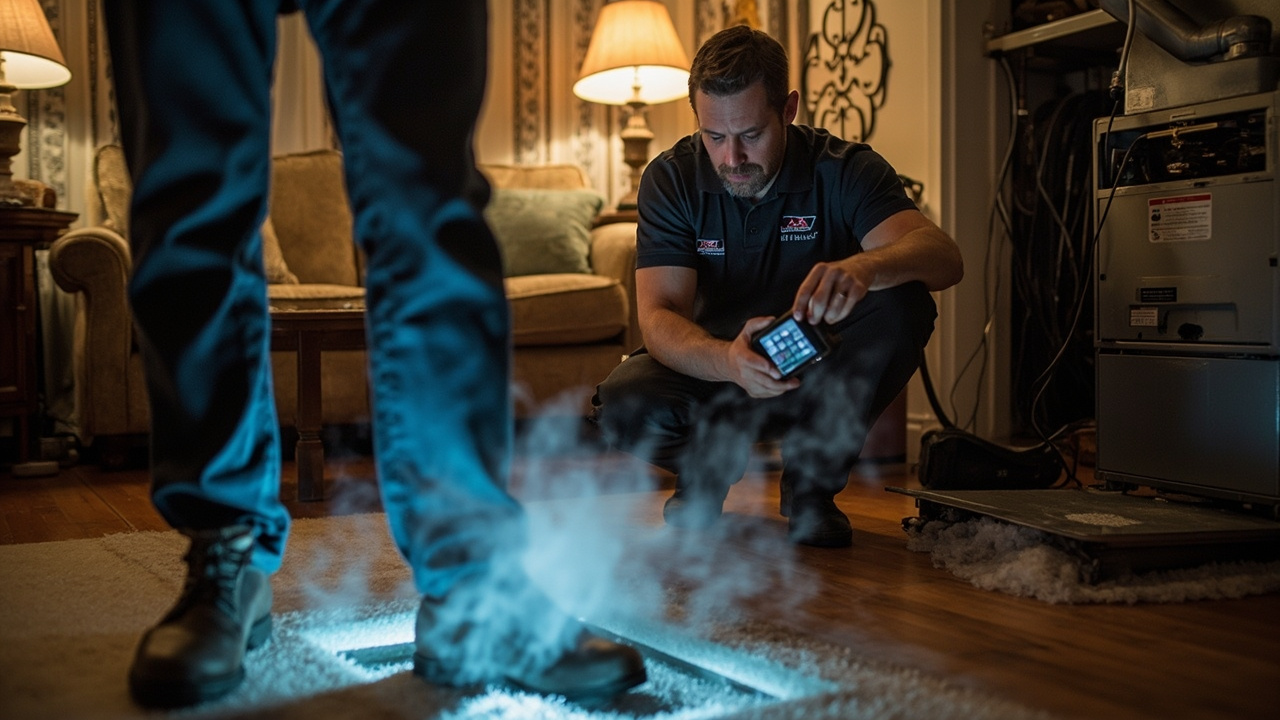
We do not guess. We test. When you call Pioneer HVAC New Orleans for a furnace blowing cold air, we arrive with diagnostic tools that measure voltage, amp draw, gas pressure, and airflow. We check the thermostat first. A misconfigured or failing thermostat sends incorrect signals to your furnace, triggering the blower without igniting the burners. We verify the thermostat is set to heat mode, the fan is set to auto (not on), and the temperature setting exceeds the current room temperature.

Next, we inspect the air filter and the flame sensor. A clogged filter starves your furnace of airflow, causing the limit switch to trip and shut down the burners while the blower keeps running. A dirty flame sensor fails to detect the burner flame, so the gas valve closes and you get cold air. We clean the sensor with an emery cloth and replace the filter if needed.

We test the ignitor with a multimeter. If the ignitor does not glow bright orange or draw proper amperage, it cannot ignite the gas. We check the gas valve for proper voltage and listen for the click of the solenoid opening. We inspect the heat exchanger for cracks using a flashlight and a mirror. A cracked heat exchanger requires immediate furnace replacement because it exposes your family to carbon monoxide.

We measure the temperature rise across the heat exchanger to confirm proper combustion and airflow. We test the blower motor capacitor, which often fails in humid climates like New Orleans and causes weak airflow or intermittent operation. If your system is a heat pump, we check refrigerant levels and reversing valve operation. We fix the problem the same day in most cases, restoring heat and your peace of mind.

What Happens When You Call for Cold Air Repair

Furnace Blowing Cold Air in New Orleans – Expert Diagnosis and Same-Day Repair
01

Immediate Dispatch and Arrival

You call (504) 355-2955 and speak to a live person, not a voicemail system. We dispatch a technician to your New Orleans home within two hours during business hours. We carry common parts like flame sensors, igniters, capacitors, and thermostats on every truck. You get an arrival window, not an all-day wait. We call 15 minutes before we arrive so you do not waste your day waiting.
02

Systematic Diagnostic Testing

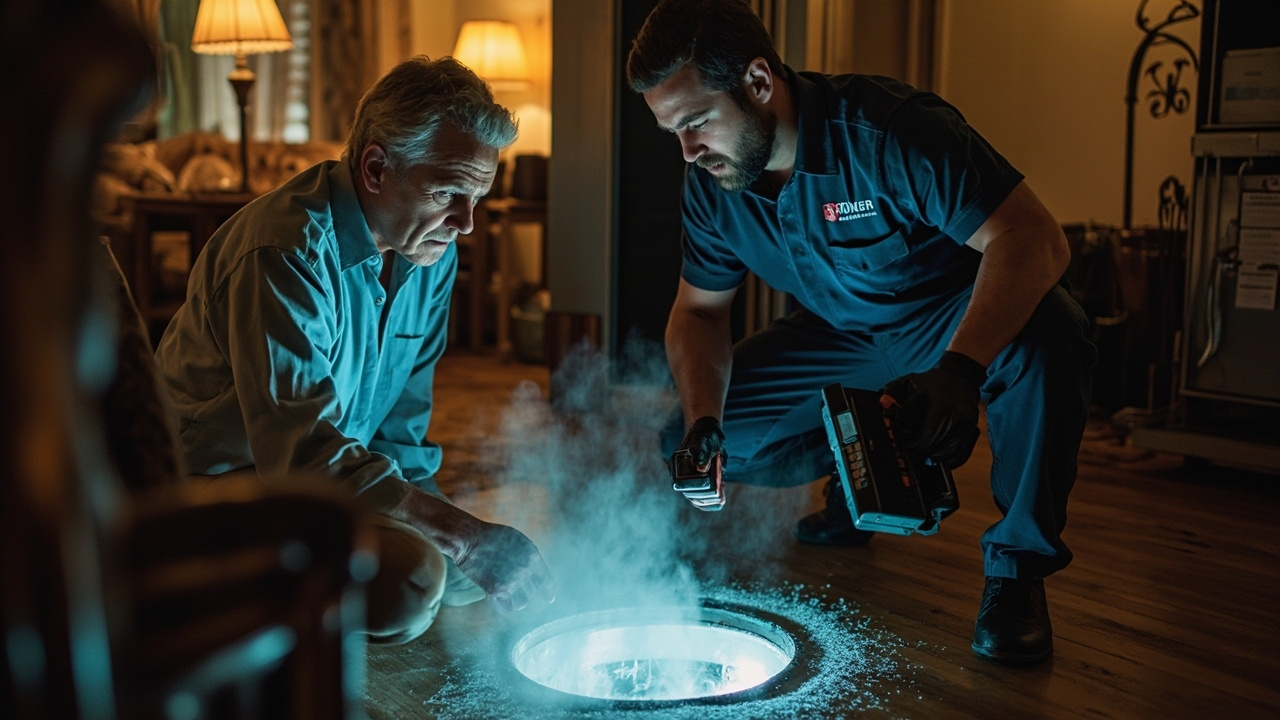
We test every component in the ignition sequence and airflow path. We measure voltage at the thermostat, the control board, the gas valve, and the ignitor. We check gas pressure at the manifold. We inspect the heat exchanger for cracks and the flue for blockages. We identify the exact failure point and explain what failed, why it failed, and what it takes to fix it. You get a written estimate before we start repairs.
03

Repair and Verification

We replace the failed component, reassemble the furnace, and restore power. We cycle the system through multiple heating cycles to confirm proper ignition, flame stability, and temperature rise. We measure supply air temperature at the registers to verify you are getting heat. We reset the thermostat and show you how to prevent future issues with filter changes and annual maintenance. Your furnace heats your home again.

Why New Orleans Homeowners Choose Pioneer HVAC for Furnace Repairs

We live here. We understand the HVAC challenges unique to New Orleans. High humidity corrodes electrical connections and rusts heat exchangers faster than in dry climates. Mold and dust clog filters in weeks, not months. Many homes in the French Quarter, Marigny, and Garden District still run 40-year-old furnaces with standing pilot lights and no modern safety controls. We know how to work on these older systems when other companies refuse to touch them.

We also understand the building codes and permit requirements in Orleans Parish. If your furnace needs replacement, we pull the proper permits and schedule inspections with the city. We know which systems meet current efficiency standards and which rebates you qualify for through Entergy New Orleans. We do not sell you equipment you do not need. We give you options based on your budget and your home's ductwork, insulation, and square footage.

Our technicians train on the specific brands common in New Orleans: Trane, Carrier, Lennox, Rheem, and Goodman. We stock parts for these systems. We do not order parts and make you wait three days in the cold. We fix it today. We also understand the urgency. When a cold snap hits and temperatures drop into the 20s or 30s, your furnace is not optional. Pipes freeze. Families suffer. We prioritize emergency calls and dispatch technicians after hours and on weekends.

You get transparency. We show you the failed part. We explain why it failed. We give you a fixed price before we start work. No surprises. No upselling. Just honest, skilled repair work from technicians who know furnaces and know New Orleans.

What to Expect When You Schedule Furnace Repair

Fast Response and Flexible Scheduling

We offer same-day service for furnace emergencies across New Orleans, Metairie, Kenner, and the surrounding parishes. Call before noon and we arrive the same day in most cases. We schedule evening and weekend appointments because furnace failures do not wait for business hours. You get a two-hour arrival window, not an eight-hour block. We respect your time and your schedule. If you need emergency service after hours, we answer the phone and dispatch a technician. You pay a standard trip charge plus labor and parts. No hidden fees.

Thorough Diagnostic and Transparent Pricing

We charge a diagnostic fee that covers the technician's time and testing. If you approve the repair, we apply the diagnostic fee to the total cost. We test every component in the heating cycle and explain what we find in plain language. You get a written estimate before we touch a wrench. We break down labor and parts costs so you know exactly what you pay for. If we find multiple issues, we prioritize them by safety and urgency. You decide what to fix now and what can wait. No pressure. No upselling.

Quality Repairs That Last

We use OEM parts or high-quality aftermarket equivalents that meet or exceed manufacturer specifications. We do not use cheap parts that fail in six months. We torque gas connections to specification and test for leaks with a manometer and soapy water. We verify proper combustion with a flue gas analyzer. We test safety switches and limit controls to confirm they trip at the correct temperatures. Your furnace heats efficiently and safely. You get a repair that lasts, not a bandaid that fails next month.

Post-Repair Support and Maintenance Plans

We stand behind our work. If the same component fails within the warranty period, we return and fix it at no additional labor charge. We offer annual maintenance plans that include two tune-ups per year, priority scheduling, and discounts on repairs. Regular maintenance prevents most furnace failures. We clean flame sensors, test igniters, check gas pressure, measure airflow, and replace filters. We catch small problems before they become expensive emergencies. You get peace of mind and lower energy bills.

Frequently Asked Questions

You Have Questions,
We Have Answers

How do you reset a furnace that blows cold air? +

First, locate the power switch near your furnace and turn it off. Wait 60 seconds. This clears the system. Next, check your thermostat settings. Set it to heat mode and raise the temperature 5 degrees above room temp. Turn the power back on and wait 3 to 5 minutes for the burners to ignite. If cold air continues, check your air filter. A clogged filter restricts airflow and triggers safety shutoffs. Replace it if dirty. If the problem persists after these steps, your ignitor or flame sensor may have failed and needs professional diagnosis.

Why is cold air blowing when the heat is on? +

Your furnace blows cold air during the ignition cycle. This is normal for 30 to 60 seconds after startup. If cold air continues, the pilot light or electronic ignitor likely failed. The blower runs, but burners never light. In New Orleans homes with older gas furnaces, high humidity can corrode flame sensors, preventing ignition. A tripped limit switch from a clogged filter also causes this. The blower motor operates, but the heat exchanger stays cold. Check your filter first. If it looks clean, your burner assembly needs inspection by a technician.

Should I turn off my heater if it's blowing cold air? +

Yes, turn it off if cold air blows for more than 5 minutes after startup. Continuous operation wastes electricity and can worsen underlying problems. If your ignitor is cracked, running the blower without heat stresses components. In New Orleans, where furnaces run less frequently than northern climates, sudden failures happen when systems sit idle during mild winters. Turn the system off at the thermostat and the power switch. Check your circuit breaker and filter. If both look fine, leave the system off and call for service. Running it longer will not fix the issue.

Why is my furnace blowing cold air but no heat? +

This happens when your blower motor works but your burners do not ignite. Common causes include a failed ignitor, bad flame sensor, or no gas supply. Check if your gas valve is fully open. Listen for the click of the ignitor trying to light. If you hear clicking but no ignition, the ignitor is weak or broken. A dirty flame sensor also causes this. The sensor detects a flame, but carbon buildup prevents proper signal. New Orleans humidity accelerates this corrosion. If you smell gas, leave immediately and call your gas company before calling for furnace repair.

Why is my furnace running but not heating? +

Your thermostat calls for heat, the blower runs, but no warm air comes out. This points to ignition failure or a broken heat exchanger. The blower circulates air, but the burners never fire. Check your thermostat batteries first. Dead batteries send weak signals. Verify the thermostat is set to heat mode, not fan only. Check your circuit breaker. A tripped breaker cuts power to the ignition system while the blower runs on backup. In older New Orleans homes with original wiring, voltage drops can prevent igniters from reaching proper temperature. This requires electrical and HVAC troubleshooting together.

Is it safe to run a furnace blowing cold air? +

Running it briefly is safe, but prolonged use is not. If burners fail to ignite, your furnace may cycle repeatedly, stressing electrical components. A cracked heat exchanger is dangerous. It can leak carbon monoxide even when burners are off if the blower pulls exhaust into your ductwork. This is rare but serious. If you smell gas, shut off the furnace immediately and evacuate. For non-emergency cold air, turn the system off to prevent damage. New Orleans homes with minimal attic insulation lose heat quickly, so address the problem fast to avoid frozen pipes during rare freezes.

How do you fix your heater when it's blowing out cold air? +

Start by replacing your air filter. A dirty filter is the most common cause. Next, check your thermostat. Replace batteries and confirm heat mode is active. Inspect your circuit breaker. Reset it if tripped. If these steps do not work, your ignitor or flame sensor needs replacement. These parts fail from age and corrosion. In New Orleans, high humidity accelerates wear on electrical components. Do not attempt to disassemble the burner assembly yourself. Gas furnaces require proper combustion adjustments. Call a licensed technician to inspect the ignition system, gas valve, and flame sensor for safe, reliable repairs.

What is the most expensive part to fix on a furnace? +

The heat exchanger is the most expensive component, costing $1,200 to $2,000 in parts and labor. This metal chamber transfers heat from burning gas to your air. Cracks develop from thermal expansion over years. When a heat exchanger fails, replacement often costs more than a new furnace. The second most expensive repair is the blower motor assembly, especially variable-speed models. Control boards also run high. In New Orleans, where furnaces cycle less than northern climates, component failures happen from inactivity and humidity corrosion rather than overuse. Regular maintenance catches problems before expensive failures occur.

How can I tell if my heat pump is low on refrigerant? +

Your heat pump struggles to keep up during cold snaps. It runs constantly but delivers lukewarm air. Ice buildup on the outdoor coil that does not melt during defrost cycles signals low refrigerant. You may hear hissing near the outdoor unit, indicating a leak. In New Orleans, heat pumps are common and efficient most of the year, but our humid air makes refrigerant leaks harder to detect. Higher electric bills without temperature changes also suggest low charge. The system works harder to move less heat. Refrigerant does not get used up. A leak exists and needs repair before recharging.

What are signs of furnace failure? +

Watch for these warning signs. Yellow or flickering burner flames instead of steady blue indicate incomplete combustion. Unusual smells like sulfur or burning dust that persist beyond startup suggest overheating components. Loud banging or screeching noises point to blower motor or ignition problems. Frequent cycling on and off signals a failing limit switch or thermostat. Visible rust or corrosion on the heat exchanger is dangerous. Soot buildup near registers means combustion issues. Rising energy bills without increased use show declining efficiency. In New Orleans, where systems sit idle for months, sudden failure when you finally need heat is common.

Why New Orleans Humidity Causes Furnace Failures Faster Than Dry Climates

New Orleans averages 75 percent relative humidity year-round, and that moisture accelerates corrosion on flame sensors, ignitors, and heat exchangers. When your furnace sits idle for eight months during our long cooling season, condensation forms inside the cabinet and rusts electrical connections. The flame sensor develops a white oxidation layer that prevents it from detecting the burner flame, causing your heating system to blow cold air. Mold spores and dust combine with humidity to create a thick coating on blower wheels and heat exchangers, restricting airflow and triggering limit switches. This is why furnaces in New Orleans fail more often than furnaces in Phoenix or Denver. The environment is harder on HVAC equipment.

Pioneer HVAC New Orleans has repaired furnaces in every neighborhood from Algiers to Lakeview for years. We understand the quirks of older homes with undersized ductwork, homes in flood zones with elevated equipment, and historic properties with outdated systems that still use standing pilot lights. We work with local building inspectors and pull permits when code requires it. When you hire us, you hire a team that knows New Orleans construction, New Orleans weather, and the brands and models common in this market. You do not get a generic national chain sending an undertrained technician. You get experienced local professionals who fix it right the first time.

HVAC Services in The New Orleans Area

Pioneer HVAC New Orleans is proud to serve the entire New Orleans metropolitan area and surrounding parishes. Our central location allows our technicians to rapidly reach you, minimizing your wait time and ensuring quick service response for your heating and cooling needs. Invite us to your location by checking our service area map online or simply giving us a call today to confirm service availability at your specific address.

Address:
Pioneer HVAC New Orleans, 612 Andrew Higgins Dr, New Orleans, LA, 70130

Additional Services We Offer

Our news updates

Latest Articles & News from The Blogs

Expert High-Velocity HVAC Installation & Repair in New Orleans\n\nTraditional ductwork can destroy the character of historic New Orleans homes. High-velocity…

Why High-Velocity HVAC is the Secret to Cooling Historic Homes with No Closet Space

Expert High-Velocity HVAC Installation & Repair in New Orleans\n\nTraditional ductwork can destroy the character of historic New Orleans homes. High-velocity…

Why Magnolia Leaves and Crepe Myrtle Blooms are Secretly Killing Your Metairie AC Unit

Why Magnolia Leaves and Crepe Myrtle Blooms are Secretly Killing Your Metairie AC Unit Your Metairie air conditioner is under…

Keeping Parade Dust and Debris Out of Your Uptown Home HVAC System

Keeping Parade Dust and Debris Out of Your Uptown Home HVAC System Uptown New Orleans homes face unique challenges during…

Contact Us

Do not spend another night in the cold. Call Pioneer HVAC New Orleans at (504) 355-2955 now. We diagnose the problem fast and restore heat the same day in most cases.