




Gretna sits in Jefferson Parish where subtropical humidity and heat create brutal conditions for cooling systems. Your air conditioner runs nearly year-round, cycling constantly from March through November. Summer temperatures push 95 degrees with humidity levels above 80 percent, forcing AC units to work harder than systems in drier climates.
The Mississippi River proximity adds moisture to the air. Salt from brackish water accelerates corrosion on outdoor condenser units. Afternoon thunderstorms spike electrical loads across the grid, causing voltage fluctuations that damage compressors and control boards.
Clay soil common throughout Terrytown and McDonoghville shifts during wet seasons, stressing ductwork connections in crawl spaces. Homes near the Harvey Canal face additional moisture infiltration that promotes mold growth in air handlers. Older properties in historic neighborhoods like Mechanicham and Belle Chasse Highway corridor were built before modern efficiency standards, creating cooling loads that strain undersized equipment.
These conditions mean your HVAC system faces more stress in one Louisiana summer than systems in moderate climates face in three years. Equipment fails faster here. Response time matters when indoor temperatures climb into dangerous ranges within hours.
We built our reputation on speed and competence. When your cooling system fails during a heat advisory, you need technicians who arrive fast and fix it right the first time. We keep fully stocked service trucks stationed across Jefferson Parish, cutting response time to under an hour for emergency calls in Gretna, Terrytown, and Harvey.
Our technicians carry diagnostic equipment and common replacement parts on every truck. We stock compressors, blower motors, capacitors, contactors, and control boards for major residential brands. This means we complete most repairs during the first visit instead of ordering parts and scheduling return trips while you suffer in the heat.
We understand Louisiana construction methods and how humidity affects ductwork, insulation, and drainage systems. Our technicians know the difference between repairing a system and engineering a proper fix that accounts for local conditions. We check condensate drain lines for algae buildup, inspect outdoor units for corrosion damage, and verify electrical connections can handle startup surge current.
Every repair includes system testing under load. We measure airflow, check refrigerant charge, verify temperature split across coils, and confirm the system maintains setpoint during peak afternoon heat. You get documentation of what we found, what we fixed, and what needs attention before the next failure occurs.
We answer our phones 24/7 because air conditioning emergencies happen at midnight, on weekends, and during holidays. No answering service, no voicemail. You talk directly to our dispatch team who coordinates the closest available technician.

We dispatch technicians within 60 minutes for emergency calls across Jefferson Parish. Our trucks stay positioned throughout Gretna so we reach you fast when your system fails. No waiting until tomorrow while indoor temperatures become dangerous.

Our service vehicles carry diagnostic tools and replacement parts for major residential brands. We complete most repairs during the first visit instead of ordering parts and scheduling callbacks. This gets your comfort system running faster.
We understand how Gulf Coast humidity affects HVAC performance and equipment longevity. Our technicians account for moisture loads, salt air corrosion, and electrical grid issues specific to Jefferson Parish when diagnosing problems and designing repairs.
Call anytime and talk directly to our dispatch team, not an answering service. We handle midnight emergencies, weekend failures, and holiday breakdowns because we know Louisiana heat does not wait for business hours.
We handle everything from emergency breakdowns to planned system replacements. Our technicians diagnose and repair all residential cooling and heating equipment regardless of brand or age. We service central air systems, heat pumps, gas furnaces, package units, and ductless mini-splits.
Emergency repair work focuses on getting your system operational fast. Maintenance services keep equipment running efficiently and catch problems before they cause failures. Installation projects replace worn-out systems with properly sized equipment matched to your home's cooling load and duct capacity.
Each service category requires different expertise. Emergency repairs demand fast diagnosis and immediate parts availability. Maintenance work requires methodical inspection and testing protocols. New installations need load calculations, equipment selection, and proper commissioning. We staff technicians trained specifically for each type of work so you get specialists instead of generalists.
Your system fails and indoor conditions become unbearable within hours during Louisiana summers. We dispatch technicians immediately to diagnose the failure, source the necessary parts, and restore operation. Our trucks carry common components so we fix most problems during the first visit. We handle compressor failures, refrigerant leaks, blower motor burnouts, control board damage, and electrical faults. Every repair includes full system testing to verify performance under load.
Regular maintenance catches problems before they cause breakdowns during peak summer heat. We inspect electrical connections, measure refrigerant charge, clean condenser coils, check condensate drainage, test capacitors, and verify airflow across evaporator coils. Our technicians document system performance and identify components showing wear. This prevents emergency failures and extends equipment life in harsh Gulf Coast conditions where units run nearly year-round.
Old systems lose efficiency and require constant repairs. We calculate your home's actual cooling load, evaluate existing ductwork capacity, and recommend properly sized replacement equipment. Our installers remove old units, modify ductwork if needed, install new systems, and commission equipment to manufacturer specifications. We handle permits, coordinate inspections, and verify the new system maintains comfortable temperatures during Louisiana's hottest days.
Louisiana's climate creates specific failure patterns. High humidity promotes mold growth in air handlers and clogs condensate drain lines. Constant operation wears out compressor components faster than normal. Afternoon thunderstorms cause voltage spikes that damage control boards and contactors. Salt air from the river corrodes outdoor unit cabinets and coil fins.
Most failures happen during peak demand periods when systems run continuously for days. A weak capacitor that functions adequately in spring fails completely during July heat. Refrigerant leaks become critical when outdoor temperatures exceed 90 degrees and the system cannot maintain indoor setpoint. Understanding these patterns helps identify problems before they cause complete system failure.
These issues compound in older homes with undersized ductwork or inadequate insulation. Your air conditioner runs constantly but never cools properly because the system fights against building envelope problems. Proper diagnosis separates equipment failure from installation deficiencies.
High humidity causes air handlers to produce gallons of condensation daily. Drain lines clog with algae and mold, causing water to back up into the air handler or overflow into your home. This triggers safety switches that shut down the system. Regular cleaning prevents water damage and keeps your AC running.
Capacitors wear out from constant cycling in hot outdoor temperatures. When capacitors fail, compressors struggle to start or refuse to run. High electrical loads during peak demand periods stress compressor windings. These failures happen suddenly during the hottest days when you need cooling most. Quick replacement restores system operation.
Vibration and corrosion cause refrigerant leaks at connection points and coil joints. Low refrigerant charge reduces cooling capacity and causes the system to run continuously without reaching setpoint. Ice forms on indoor coils. The compressor overheats. Proper repair requires locating the leak, fixing it, evacuating the system, and recharging to manufacturer specifications.
Voltage fluctuations from grid instability and lightning strikes damage control boards, contactors, and transformers. Corroded wiring connections create resistance that generates heat and causes failures. Electrical problems require careful diagnosis because symptoms mimic mechanical failures. We test voltage, check connections, and verify control sequences before replacing components.
We run emergency service calls differently than maintenance visits. When your system fails and you need immediate help, speed matters more than scheduling convenience. Our process prioritizes getting a qualified technician to your location fast, diagnosing the problem accurately, and restoring comfort quickly.
You talk directly to our dispatch team when you call. We gather information about your system and symptoms, identify the closest available technician, and provide an accurate arrival window. Our technicians call before arriving so you know exactly when to expect them.
The repair process focuses on diagnosis first. We test the system, measure performance parameters, and identify the root cause before recommending repairs. You get clear explanation of what failed, why it failed, and what the repair involves. No surprise charges, no upselling unnecessary work.
Call our emergency line and talk to our dispatch team within minutes. We locate the nearest available technician and provide a realistic arrival window based on current location and traffic conditions. Your assigned technician calls 20 minutes before arrival so you know exactly when we will be there. No vague four-hour windows or missed appointments.
Our technicians test your system systematically to identify the actual problem. We measure voltages, check refrigerant pressures, verify airflow, and inspect components before diagnosing the failure. You get clear explanation of what broke, why it failed, and what repair options exist. We provide upfront pricing before starting work so you make informed decisions.
We fix the problem and test the entire system under operating conditions. This means running the equipment through complete cooling cycles while measuring temperatures, checking airflow, and verifying all safety controls function properly. You get documentation showing the system performs to specifications. We explain what we found, what we fixed, and what maintenance will prevent future failures.
We streamlined emergency service to eliminate delays and get your comfort system running fast. This process works because we stock trucks properly and train technicians to diagnose accurately.
Call our 24/7 emergency line at (504) 355-2955. Our dispatch team answers immediately and gathers information about your system and the problem. We identify your location in Gretna, locate the closest available technician, and provide an accurate arrival time. Your assigned technician has your information before leaving and calls 20 minutes before arrival. Most emergency calls get technician arrival within one hour.
The technician inspects your system and runs diagnostic tests to identify the failure. We check electrical components, measure refrigerant pressures, test capacitors, inspect ductwork, and verify control sequences. Once we identify the problem, we explain what failed and provide upfront pricing for the repair. Most repairs use parts we carry on the truck, so we complete the work during this visit and restore your system to operation.
After completing repairs, we test the system under full load. We measure supply and return air temperatures, verify proper airflow, check refrigerant charge, and confirm the system maintains your thermostat setpoint. You receive documentation showing what we found, what we repaired, system performance measurements, and recommendations for preventing future problems. We guarantee our repair work and remain available if issues develop.
Proper HVAC repair requires understanding manufacturer specifications, refrigerant handling regulations, and electrical codes. Louisiana requires technicians to hold EPA Section 608 certification for refrigerant work. This certification verifies proper training in refrigerant recovery, system evacuation, and charging procedures that prevent environmental damage and ensure system performance.
Air conditioning systems must meet AHRI (Air Conditioning, Heating, and Refrigeration Institute) efficiency standards. Modern units carry SEER ratings indicating cooling efficiency. Higher SEER numbers mean lower operating costs, but installation quality affects actual performance. Ductwork leaks, improper refrigerant charge, and inadequate airflow reduce efficiency regardless of equipment ratings.
Electrical work must comply with National Electrical Code standards and local amendments. Air conditioner disconnects must be located within sight of the outdoor unit. Circuit breakers must match equipment specifications. Wiring must be sized appropriately for startup current draw, which exceeds running current by three to five times. Improper electrical installation causes nuisance breaker trips and compressor damage.
Refrigerant charge must match manufacturer specifications exactly. Overcharging reduces efficiency and damages compressors. Undercharging reduces capacity and causes coil freezing. We charge systems by weight or superheat/subcooling method depending on system type and outdoor temperature. This requires calibrated gauges and accurate temperature measurement.
Condensate drainage must slope continuously to prevent standing water where mold and algae grow. Louisiana building codes require overflow protection on air handlers installed in attics or other locations where drain line clogs could cause water damage. We install safety switches that shut down the system if the primary drain clogs.
Federal law requires EPA Section 608 certification for anyone handling refrigerants. This ensures technicians understand proper recovery procedures, leak repair standards, and charging protocols. Only certified technicians can legally purchase refrigerant or work on sealed cooling systems. We maintain current certifications for our entire service team.
Repair costs depend on failed component complexity, refrigerant type, system age, and labor time required. Compressor replacement costs more than capacitor replacement. R-410A refrigerant costs less than older R-22. Systems requiring extensive disassembly for component access increase labor time. We provide upfront pricing before starting work so you understand total investment.
Most emergency repairs take two to four hours including diagnosis, repair, and testing. Simple fixes like capacitor replacement take less time. Complex repairs requiring refrigerant recovery, component replacement, system evacuation, and recharging take longer. We complete most repairs during the first visit because our trucks carry common parts. Custom components may require ordering and return visits.
Electrical installations must meet National Electrical Code requirements and local amendments. This includes proper wire sizing, appropriate circuit protection, correctly rated disconnects, and adequate grounding. Non-compliant electrical work causes system failures and creates safety hazards. We verify electrical compliance during repairs and correct deficiencies that threaten system reliability or safety.
This video explains common HVAC failures in Gretna, Louisiana and emergency repair procedures. Topics include air conditioning system diagnosis, refrigerant leak detection, electrical component testing, compressor failure, capacitor replacement, condensate drain cleaning, and preventive maintenance for Gulf Coast climate conditions. Pioneer HVAC New Orleans technicians demonstrate proper diagnostic techniques and repair standards for residential cooling systems in Jefferson Parish.
We provide emergency HVAC repair and maintenance across Gretna and surrounding Jefferson Parish communities. Our service area extends throughout the West Bank, covering residential neighborhoods from the Mississippi River south to Oakwood Center and west toward the Intracoastal Waterway.
Gretna's historic downtown near Huey P. Long Avenue features older homes built before modern HVAC standards became common. These properties often have undersized ductwork and aging equipment that requires frequent service. We understand the construction methods used in these homes and how to upgrade comfort systems without major renovations.
The Terrytown area along Terry Parkway includes newer subdivisions with modern air conditioning systems. These neighborhoods experience fewer equipment failures but benefit from preventive maintenance that extends system life in Louisiana's harsh climate. Homeowners near Behrman Highway and the Harvey Canal face additional moisture challenges that affect indoor air quality and ductwork condition.
McDonoghville's residential streets between the river and Lapalco Boulevard mix older and newer construction. Properties near Stumpf Boulevard often need duct sealing and insulation upgrades to improve efficiency. The Belle Chasse Highway corridor toward the Parish line includes commercial properties and larger homes requiring commercial-grade equipment and specialized service.
Harvey's neighborhoods around Manhattan Boulevard and Westbank Expressway feature ranch-style homes common to 1970s and 1980s construction. These properties typically use package units or split systems reaching the end of their service life. We help homeowners decide between major repairs and complete system replacement based on equipment condition and remaining useful life.
Our technicians know these communities and understand how location affects HVAC performance. Homes near the river face higher humidity and salt air corrosion. Properties in older neighborhoods deal with outdated electrical service and ductwork issues. New construction in developing areas may have installation deficiencies that reduce comfort and efficiency. We account for these local factors when diagnosing problems and designing solutions.
The $5000 rule helps you decide between repair and replacement. If your system is over 10 years old and the repair cost multiplied by the age exceeds $5000, replace it. For example, if your 12-year-old unit needs a $500 repair, that equals $6000 (12 x 500), so replacement makes financial sense. In Gretna's humid climate, older systems lose efficiency fast. High humidity puts extra strain on compressors and coils, accelerating wear. This rule saves you from throwing money at an aging system that will fail again soon.
HVAC jobs in Gretna vary by scope. Basic repair calls typically run a few hundred dollars for minor fixes like capacitor replacement or refrigerant top-offs. Full system replacements cost significantly more, depending on home size and equipment efficiency. Ductwork repairs or modifications add to the total. Seasonal maintenance visits are the most affordable service, preventing expensive breakdowns. Gretna's hot, humid summers increase cooling demands, so proper sizing matters. Get multiple quotes and ensure contractors account for local climate factors like humidity control and ventilation needs specific to the Gulf Coast.
Replacing HVAC in a 2000 square foot Gretna home depends on system type, efficiency rating, and existing ductwork condition. A mid-efficiency split system costs less than a high-efficiency heat pump or zoned system. Homes in older Gretna neighborhoods may need duct sealing or insulation upgrades to handle Louisiana's humidity. Factor in removal of old equipment, permits, and potential electrical upgrades. Higher SEER ratings reduce monthly bills but increase upfront investment. Request load calculations to ensure proper sizing. Undersized units run constantly in summer heat, while oversized systems short-cycle and fail to dehumidify properly.
The $5000 rule helps you decide between repair and replacement. If your system is over 10 years old and the repair cost multiplied by the age exceeds $5000, replace it. For example, if your 12-year-old unit needs a $500 repair, that equals $6000 (12 x 500), so replacement makes financial sense. In Gretna's humid climate, older systems lose efficiency fast. High humidity puts extra strain on compressors and coils, accelerating wear. This rule saves you from throwing money at an aging system that will fail again soon.
HVAC jobs in Gretna vary by scope. Basic repair calls typically run a few hundred dollars for minor fixes like capacitor replacement or refrigerant top-offs. Full system replacements cost significantly more, depending on home size and equipment efficiency. Ductwork repairs or modifications add to the total. Seasonal maintenance visits are the most affordable service, preventing expensive breakdowns. Gretna's hot, humid summers increase cooling demands, so proper sizing matters. Get multiple quotes and ensure contractors account for local climate factors like humidity control and ventilation needs specific to the Gulf Coast.
Replacing HVAC in a 2000 square foot Gretna home depends on system type, efficiency rating, and existing ductwork condition. A mid-efficiency split system costs less than a high-efficiency heat pump or zoned system. Homes in older Gretna neighborhoods may need duct sealing or insulation upgrades to handle Louisiana's humidity. Factor in removal of old equipment, permits, and potential electrical upgrades. Higher SEER ratings reduce monthly bills but increase upfront investment. Request load calculations to ensure proper sizing. Undersized units run constantly in summer heat, while oversized systems short-cycle and fail to dehumidify properly.
The 3 minute rule prevents compressor damage. After your AC shuts off, wait at least 3 minutes before restarting it. This allows refrigerant pressure to equalize throughout the system. Restarting too quickly forces the compressor to work against high pressure, causing electrical overload and potential burnout. In Gretna's sweltering climate, homeowners often frantically toggle thermostats during peak heat. Avoid this. Modern thermostats have built-in delay protections, but manual overrides can bypass them. Protect your compressor by respecting this cooldown period. Compressor replacement is one of the costliest HVAC repairs you will face.
New HVAC system costs vary by equipment type, efficiency, and home size. Basic split systems cost less than multi-zone ductless units or geothermal installations. SEER rating impacts price. Higher efficiency units reduce operating costs in Gretna's long cooling season but require larger upfront investment. Factor in installation complexity, ductwork condition, and permit fees. Homes near the Mississippi River may have different ventilation needs due to elevated moisture levels. Quality installation matters as much as equipment choice. Poor installation voids warranties and causes premature failure. Always verify proper load calculations and refrigerant charge after installation.
The 2 foot rule requires clearance around outdoor condenser units. Keep plants, fences, and debris at least 2 feet away on all sides for proper airflow. Restricted airflow makes your system work harder, reducing efficiency and lifespan. In Gretna's humid environment, condensers need maximum ventilation to reject heat effectively. Overgrown landscaping traps hot air around the unit, forcing the compressor to run longer cycles. This increases energy bills and accelerates wear. Trim vegetation regularly and avoid stacking items near the unit. Also ensure 5 feet of vertical clearance above the condenser for optimal performance.
HVAC systems last 15 to 20 years with proper maintenance. In Gretna's climate, expect shorter lifespans due to year-round humidity and extended cooling seasons. Coastal moisture accelerates corrosion on coils and electrical components. Systems that run 8 months per year wear faster than those in temperate climates. Regular filter changes, annual tune-ups, and prompt repairs extend equipment life. Neglected systems fail early, often around 10 to 12 years. Watch for rising energy bills, frequent repairs, and uneven cooling. These signal declining efficiency. Replace before catastrophic failure occurs during peak summer heat.
Homeowners insurance rarely covers routine HVAC repairs or normal wear and tear. Policies typically cover only sudden, accidental damage from covered perils like lightning strikes, falling trees, or vandalism. If a storm damages your outdoor unit, you may have coverage after meeting your deductible. Flood damage requires separate flood insurance, relevant for Gretna properties near the river or in low-lying areas. Maintenance-related failures are your responsibility. Review your policy and document any storm damage immediately with photos. Some contractors help navigate claims, but insurance will not cover neglected maintenance or aging equipment.
Gretna HVAC systems commonly need refrigerant recharges, capacitor replacements, and drain line clearing. High humidity clogs condensate drains with algae, causing water damage. Capacitors fail frequently due to heat stress from constant operation. Dirty evaporator coils reduce airflow and freeze up. Contactor failure prevents the compressor from starting. Thermostat malfunctions cause erratic cycling. Blower motor bearings wear out from continuous use. Air filter neglect leads to restricted airflow and system strain. Many repairs stem from deferred maintenance. Annual tune-ups catch small issues before they become expensive failures during peak cooling season.
HVAC replacement costs in 2025 depend on inflation, supply chain factors, and equipment availability. Expect prices similar to recent years with potential increases due to refrigerant regulations and efficiency standard changes. Gretna homeowners should budget for system-specific factors like humidity control features and proper sizing for Louisiana's climate. Installation costs include labor, permits, and potential electrical upgrades. Financing options spread the investment. Spring and fall offer better pricing than peak summer when demand surges. Get quotes from multiple licensed contractors. Focus on total value, including warranty coverage and installation quality, not just lowest price.
The 3 minute rule prevents compressor damage. After your AC shuts off, wait at least 3 minutes before restarting it. This allows refrigerant pressure to equalize throughout the system. Restarting too quickly forces the compressor to work against high pressure, causing electrical overload and potential burnout. In Gretna's sweltering climate, homeowners often frantically toggle thermostats during peak heat. Avoid this. Modern thermostats have built-in delay protections, but manual overrides can bypass them. Protect your compressor by respecting this cooldown period. Compressor replacement is one of the costliest HVAC repairs you will face.
New HVAC system costs vary by equipment type, efficiency, and home size. Basic split systems cost less than multi-zone ductless units or geothermal installations. SEER rating impacts price. Higher efficiency units reduce operating costs in Gretna's long cooling season but require larger upfront investment. Factor in installation complexity, ductwork condition, and permit fees. Homes near the Mississippi River may have different ventilation needs due to elevated moisture levels. Quality installation matters as much as equipment choice. Poor installation voids warranties and causes premature failure. Always verify proper load calculations and refrigerant charge after installation.
The 2 foot rule requires clearance around outdoor condenser units. Keep plants, fences, and debris at least 2 feet away on all sides for proper airflow. Restricted airflow makes your system work harder, reducing efficiency and lifespan. In Gretna's humid environment, condensers need maximum ventilation to reject heat effectively. Overgrown landscaping traps hot air around the unit, forcing the compressor to run longer cycles. This increases energy bills and accelerates wear. Trim vegetation regularly and avoid stacking items near the unit. Also ensure 5 feet of vertical clearance above the condenser for optimal performance.
HVAC systems last 15 to 20 years with proper maintenance. In Gretna's climate, expect shorter lifespans due to year-round humidity and extended cooling seasons. Coastal moisture accelerates corrosion on coils and electrical components. Systems that run 8 months per year wear faster than those in temperate climates. Regular filter changes, annual tune-ups, and prompt repairs extend equipment life. Neglected systems fail early, often around 10 to 12 years. Watch for rising energy bills, frequent repairs, and uneven cooling. These signal declining efficiency. Replace before catastrophic failure occurs during peak summer heat.
Homeowners insurance rarely covers routine HVAC repairs or normal wear and tear. Policies typically cover only sudden, accidental damage from covered perils like lightning strikes, falling trees, or vandalism. If a storm damages your outdoor unit, you may have coverage after meeting your deductible. Flood damage requires separate flood insurance, relevant for Gretna properties near the river or in low-lying areas. Maintenance-related failures are your responsibility. Review your policy and document any storm damage immediately with photos. Some contractors help navigate claims, but insurance will not cover neglected maintenance or aging equipment.
Gretna HVAC systems commonly need refrigerant recharges, capacitor replacements, and drain line clearing. High humidity clogs condensate drains with algae, causing water damage. Capacitors fail frequently due to heat stress from constant operation. Dirty evaporator coils reduce airflow and freeze up. Contactor failure prevents the compressor from starting. Thermostat malfunctions cause erratic cycling. Blower motor bearings wear out from continuous use. Air filter neglect leads to restricted airflow and system strain. Many repairs stem from deferred maintenance. Annual tune-ups catch small issues before they become expensive failures during peak cooling season.
HVAC replacement costs in 2025 depend on inflation, supply chain factors, and equipment availability. Expect prices similar to recent years with potential increases due to refrigerant regulations and efficiency standard changes. Gretna homeowners should budget for system-specific factors like humidity control features and proper sizing for Louisiana's climate. Installation costs include labor, permits, and potential electrical upgrades. Financing options spread the investment. Spring and fall offer better pricing than peak summer when demand surges. Get quotes from multiple licensed contractors. Focus on total value, including warranty coverage and installation quality, not just lowest price.
Pioneer HVAC New Orleans is proud to serve the entire New Orleans metropolitan area and surrounding parishes. Our central location allows our technicians to rapidly reach you, minimizing your wait time and ensuring quick service response for your heating and cooling needs. Invite us to your location by checking our service area map online or simply giving us a call today to confirm service availability at your specific address.
Address:
Gretna, LA, 70058
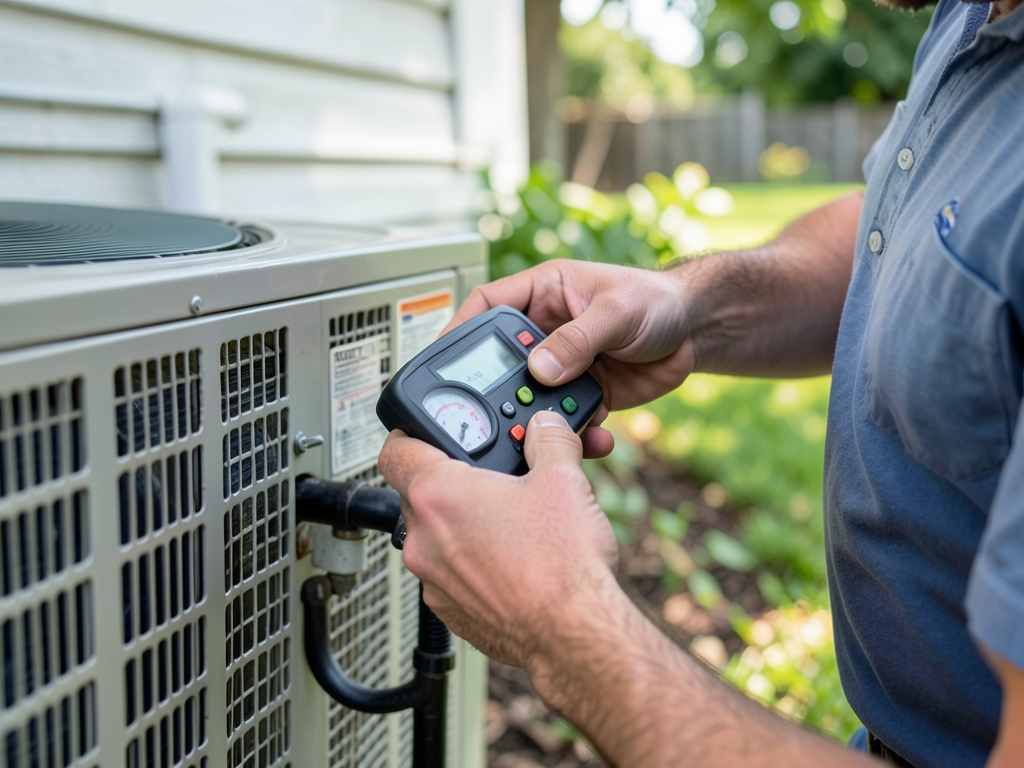
How to Read Your Entergy Bill to See if Your HVAC System is Failing You Louisiana’s heat and humidity push HVAC systems to their limits and when your Entergy bill suddenly jumps you might wonder…

Expert High-Velocity HVAC Installation & Repair in New Orleans\n\nTraditional ductwork can destroy the character of…
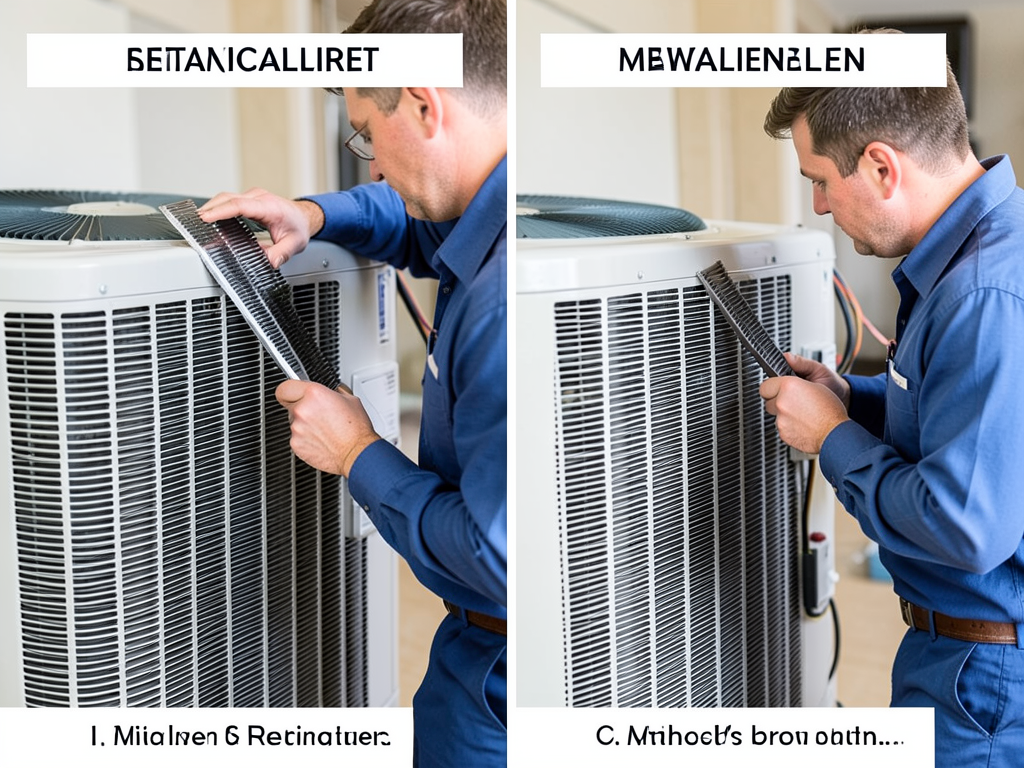
Why Magnolia Leaves and Crepe Myrtle Blooms are Secretly Killing Your Metairie AC Unit Your…
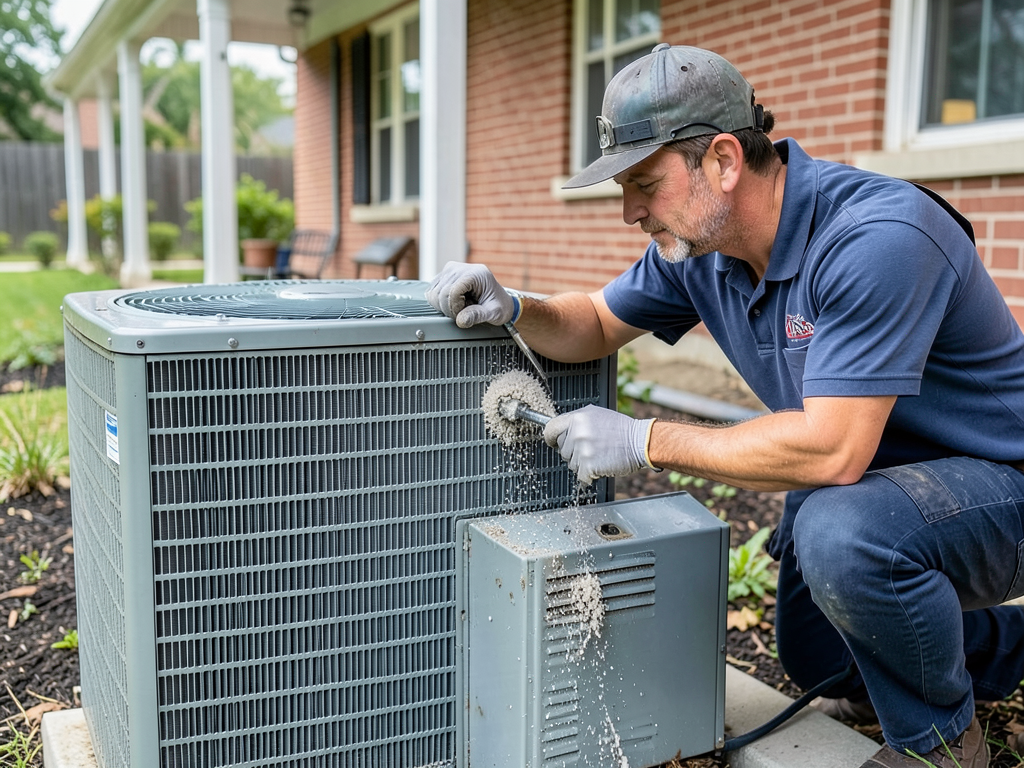
Keeping Parade Dust and Debris Out of Your Uptown Home HVAC System Uptown New Orleans…
Your comfort system failed and indoor temperatures are climbing. Call Pioneer HVAC New Orleans at (504) 355-2955 for immediate dispatch. We answer 24/7, respond within the hour, and carry parts to complete most repairs during the first visit. Stop suffering in the heat.