




menu

Commercial Heating Services in New Orleans | Industrial-Grade Systems That Keep Operations Running

Pioneer HVAC New Orleans delivers commercial heating solutions engineered for continuous operation in Gulf Coast conditions, minimizing downtime and maintaining employee comfort across warehouses, retail spaces, and industrial facilities.

Slider Image 1
Slider Image 2
Slider Image 3
Slider Image 4
Slider Image 5
Slider Image 7
Slider Image 8
Slider Image 9
Slider Image 10
Slider Image 11

Why New Orleans Commercial Heating Systems Face Unique Operational Demands

New Orleans commercial properties operate under conditions most heating contractors never encounter. The Gulf Coast humidity creates constant moisture intrusion into ductwork and air handling units. One cold snap in January can expose weaknesses in systems that sat idle for eight months. Your heating equipment must cycle from zero demand to full capacity within hours, stressing components designed for gradual transitions.

Commercial heating companies serving the Greater New Orleans metro understand the building stock here. Warehouses in the Port of New Orleans Industrial District deal with massive cubic footage and minimal insulation. Historic buildings along Magazine Street have steam radiator systems installed in 1920. Retail spaces in the Central Business District require zone control to manage glass storefront heat loss while maintaining back-of-house comfort.

The cost of heating failure in commercial operations is not measured in comfort. You lose productivity when warehouse workers cannot function in 40-degree indoor temperatures. You risk inventory damage when temperature-sensitive products sit in unheated storage. You face liability when customers walk into frigid retail environments.

Industrial heating services for New Orleans businesses must account for specific failure modes. Condensate drainage freezes in exposed piping during rare hard freezes. Gas burners corrode from moisture exposure during cooling months. Rooftop units suffer accelerated wear from salt air in facilities near the Mississippi River or Lake Pontchartrain.

Commercial HVAC heating services require different expertise than residential work. The equipment is larger, the stakes are higher, and the systems are engineered for continuous duty cycles that residential units never see. Your heating contractor must understand commercial building codes, load calculations for large spaces, and the operational realities of keeping businesses functional.

Why New Orleans Commercial Heating Systems Face Unique Operational Demands
How Pioneer HVAC Approaches Commercial Heating Solutions

How Pioneer HVAC Approaches Commercial Heating Solutions

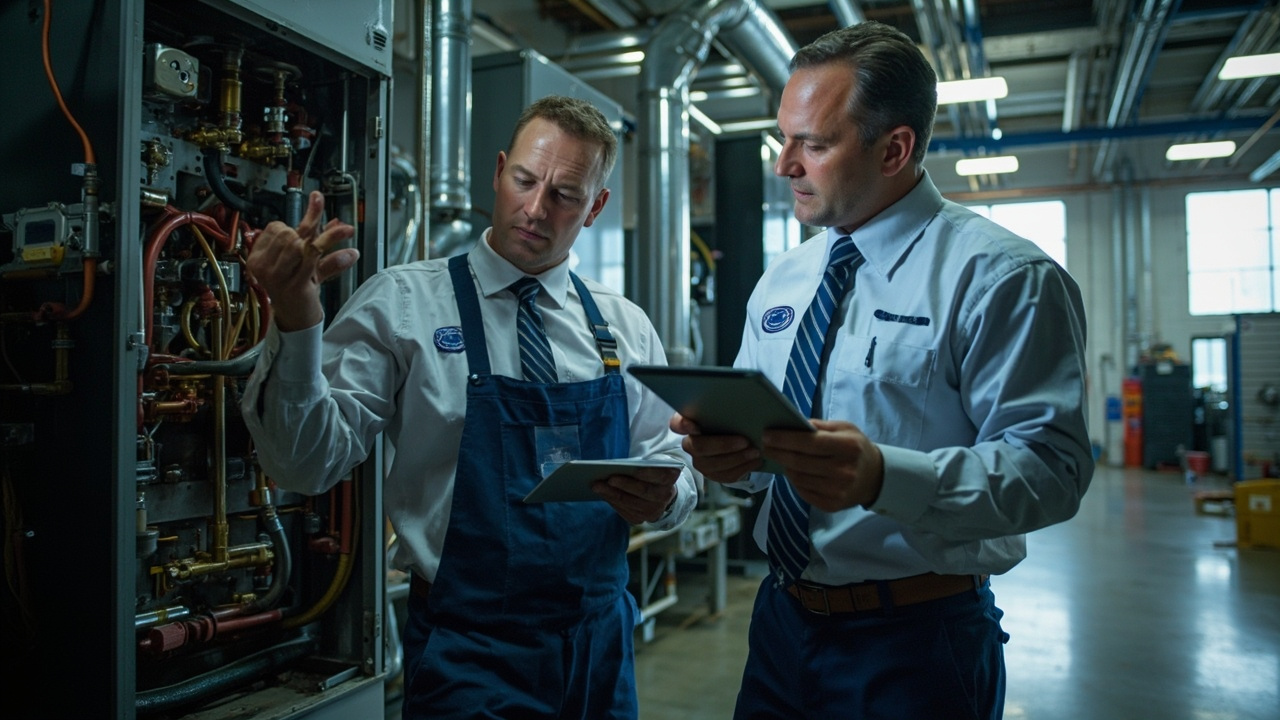
Commercial heating contractors must diagnose system performance under actual load conditions, not theoretical scenarios. Pioneer HVAC New Orleans begins every commercial engagement with operational testing. We measure supply air temperatures at full fire. We verify static pressure across filter banks. We test safety interlocks and combustion efficiency. We log thermostat demand cycles against actual unit response times.

Our commercial heating services focus on the components that fail first in Gulf Coast conditions. Heat exchangers crack from thermal cycling stress. Condensate pans overflow when drain lines clog with biological growth. Outdoor air dampers seize from corrosion. Gas valves fail from moisture intrusion. These are not theoretical failures. These are the service calls we run every week during heating season.

We size replacement equipment based on actual building usage, not outdated load calculations. A warehouse that now stores electronics instead of dry goods has different humidity control requirements. A restaurant that expanded its kitchen needs additional makeup air heating. An office building that increased occupancy density requires more ventilation air, which directly impacts heating load.

Industrial heating services require coordination with building operations. We schedule installations during off-hours to avoid disrupting business. We stage equipment replacements to maintain partial heating capacity throughout the project. We provide temporary heating solutions when existing equipment fails mid-season.

Our commercial HVAC heating services include combustion analysis on all gas-fired equipment. We measure oxygen content, carbon monoxide levels, and flue gas temperature. We adjust burner settings for optimal efficiency. We verify proper venting and fresh air supply. These procedures prevent equipment failures and reduce operational costs.

Pioneer HVAC maintains relationships with commercial equipment suppliers for same-day parts availability. When a rooftop unit fails at a retail location, we do not wait three days for a replacement inducer motor. We stock commercial-grade components for the equipment types common in New Orleans commercial buildings.

What Happens During Your Commercial Heating Assessment

Commercial Heating Services in New Orleans | Industrial-Grade Systems That Keep Operations Running
01

On-Site System Evaluation

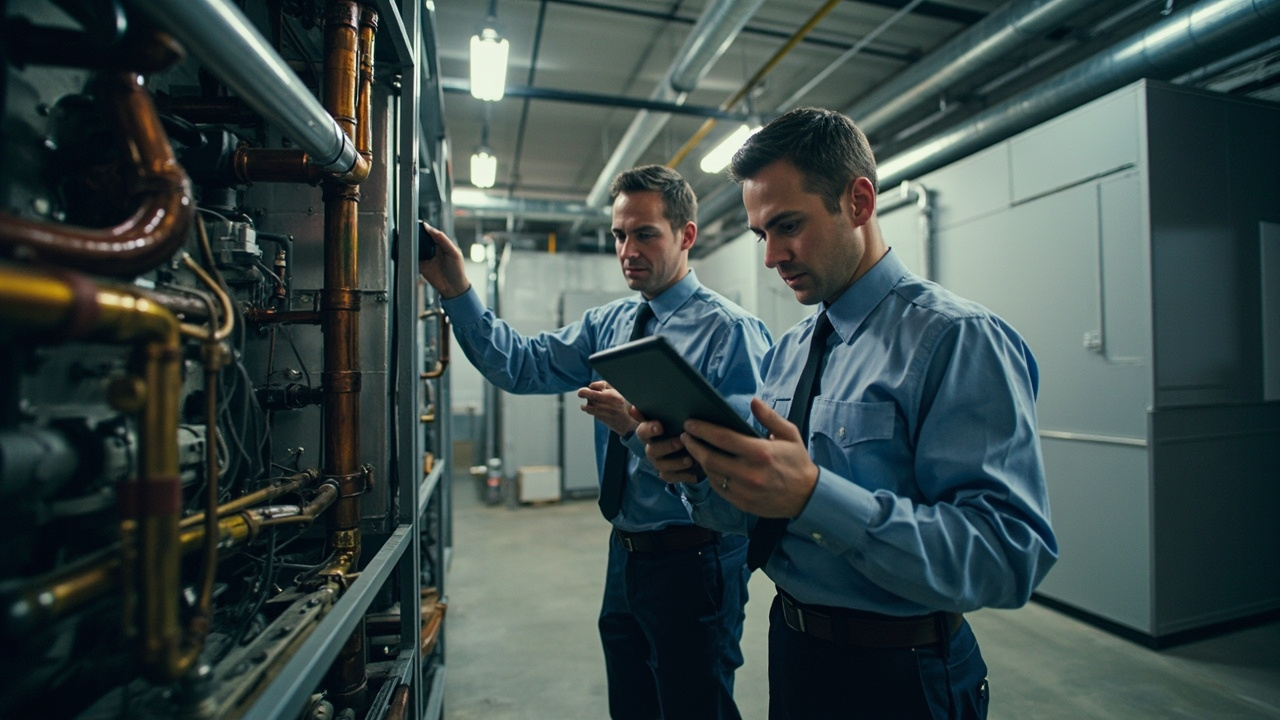
We inspect all heating equipment during operating conditions. Our technicians test each zone for temperature consistency, verify thermostat calibration, measure supply air temperatures, and check safety controls. We document equipment age, maintenance history, and any deferred repairs. You receive a written assessment identifying immediate failures, components nearing end-of-life, and efficiency improvement opportunities. This evaluation takes 2-4 hours depending on facility size.
02

Solutions and Budget Planning

We present repair versus replacement analysis with projected operational costs for each option. Our proposals include equipment specifications, installation timelines, and business disruption mitigation plans. We explain which repairs buy you another season versus which represent throwing money at failing equipment. You get straightforward recommendations based on your facility's operational requirements and budget constraints. We prioritize solutions that keep your business running while addressing underlying system deficiencies.
03

Installation and Commissioning

We execute installations during agreed-upon schedules, coordinate with your facility management team, and maintain partial heating capacity whenever possible. After equipment installation, we perform full system commissioning including airflow verification, combustion testing, control sequence verification, and load testing under actual operating conditions. You receive operator training, maintenance schedules, and emergency contact procedures. We follow up within 30 days to verify system performance and address any operational concerns.

Why New Orleans Businesses Choose Local Commercial Heating Expertise

Commercial heating contractors who understand New Orleans building stock provide better service outcomes. Pioneer HVAC New Orleans has worked on the steam systems in French Quarter hotels, the rooftop units serving Warehouse District lofts converted to office space, and the industrial heaters in Almonaster Avenue manufacturing facilities.

We know the equipment installed in New Orleans commercial buildings. We have replacement heat exchangers for the Carrier rooftop units common in strip mall construction from the 1990s. We stock ignition modules for the Lennox package units installed across medical office buildings. We maintain relationships with suppliers who can source obsolete parts for older commercial heating systems still operating in historic properties.

Local expertise matters when equipment fails on the coldest night of the year. A national service chain dispatches whoever is available. Pioneer HVAC responds with technicians who have repaired similar systems in similar buildings. We know which parts fail on specific equipment models. We carry common failure components on our service vehicles.

Commercial heating solutions require understanding local codes and inspection requirements. New Orleans enforces specific combustion air requirements for gas-fired equipment. The city requires permits for rooftop unit replacements. Orleans Parish has inspection protocols for commercial HVAC installations. We handle permitting, coordinate inspections, and ensure compliance without delaying your project.

Our commercial HVAC heating services include relationships with local engineering firms, mechanical contractors, and building inspectors. When a project requires engineered drawings or coordination with other trades, we work within established local networks. This speeds project completion and prevents the delays that occur when out-of-area contractors navigate unfamiliar local requirements.

We maintain service history on commercial accounts. When you call with a heating failure, we access previous service records, equipment specifications, and building-specific notes. We know your system history, what repairs we have completed, and what components are due for replacement. This institutional knowledge improves diagnostic speed and repair accuracy.

What to Expect from Professional Commercial Heating Services

Response Time and Availability

Commercial heating failures cannot wait until next week. Pioneer HVAC New Orleans provides priority response for established commercial accounts. Emergency service calls receive same-day dispatch during business hours. After-hours heating failures get next-morning response unless you face immediate business disruption, which triggers emergency dispatch. We schedule planned maintenance and equipment replacements around your operational requirements, working nights and weekends when necessary to avoid business interruption. Seasonal maintenance contracts include guaranteed response times and priority scheduling during peak heating season when service demand exceeds capacity.

Diagnostic Process and Repair Authorization

Our technicians diagnose heating failures systematically. We test thermostats, verify power supply, check safety controls, measure gas pressure, test ignition systems, and analyze combustion efficiency. You receive clear explanation of the failure mode, required repairs, and cost before we proceed with work. We provide repair versus replacement recommendations based on equipment age, repair cost as percentage of replacement cost, and projected remaining service life. For major repairs requiring parts ordering, we discuss temporary heating solutions to maintain business operations while equipment is down.

Quality and Performance Standards

Commercial heating installations must perform reliably under continuous operation. We install equipment per manufacturer specifications and local code requirements. All gas connections undergo leak testing. Electrical connections receive voltage verification. Ductwork modifications include proper sealing and insulation. We commission new equipment under load conditions, verifying temperature rise, combustion efficiency, and control sequence operation. You receive complete documentation including equipment specifications, warranty information, and recommended maintenance schedules. Our installations pass inspection on first submittal because we understand local code requirements and inspector expectations.

Maintenance and Long-Term Support

Commercial heating equipment requires preventive maintenance to avoid mid-season failures. Our maintenance contracts include pre-season system testing, burner cleaning and adjustment, heat exchanger inspection, safety control testing, and filter replacement. We identify failing components before they cause system shutdown. Maintenance visit reports document system condition, recommend repairs, and track equipment performance over time. This documentation supports budgeting decisions for equipment replacement and provides service history for building sales or refinancing. Contract customers receive priority scheduling and discounted repair rates.

Frequently Asked Questions

You Have Questions,
We Have Answers

What is the $5000 rule for HVAC? +

The $5000 rule refers to a tax guideline where commercial HVAC repairs under $5000 can often be deducted as maintenance expenses in the same tax year, while costs above that threshold may need to be capitalized and depreciated over time. This applies to repair work that restores existing function rather than upgrades. In New Orleans, where high humidity and salt air accelerate corrosion, frequent smaller repairs often stay below this threshold. Consult your CPA to classify expenses correctly, as misclassification can trigger audits. Document all work thoroughly to support your deduction claims during tax season.

How much does a commercial HVAC maintenance cost? +

Commercial HVAC maintenance in New Orleans typically runs between $150 and $500 per visit for basic quarterly service, with annual contracts ranging from $2000 to $8000 depending on system size and complexity. Multi-zone rooftop units common in New Orleans commercial buildings require more labor than single-zone systems. Contracts usually include filter changes, refrigerant checks, coil cleaning, and calibration. Given the region's humidity and salt exposure, quarterly maintenance prevents costly breakdowns and maintains efficiency. Larger facilities with multiple units or specialized requirements like clean rooms will pay more. Proactive maintenance reduces emergency repair costs significantly.

What is the best way to heat a commercial building? +

The best heating method for commercial buildings in New Orleans depends on building size, occupancy patterns, and existing infrastructure. Gas furnaces remain cost-effective for large spaces, while heat pumps offer efficient heating and cooling in our mild winters. Variable refrigerant flow systems provide zone control for multi-tenant buildings. Many New Orleans commercial properties use rooftop package units that handle both functions. Given our high cooling demands and brief heating season, prioritize systems that excel at dehumidification. Energy recovery ventilators improve indoor air quality while reducing load. Evaluate your operational hours and square footage before selecting equipment.

How much do HVAC installers charge per hour? +

Commercial HVAC installers in New Orleans charge between $75 and $150 per hour for labor, with licensed technicians at the higher end. Complex commercial installations involving rooftop units, ductwork modifications, or multi-zone systems require multiple technicians and specialized equipment, increasing total labor costs. Emergency service calls after hours or weekends command premium rates of $150 to $250 per hour. Project-based pricing is more common for new installations, where labor represents roughly 30 to 40 percent of total costs. Always request detailed quotes that separate labor from materials to compare contractors accurately and avoid surprise charges.

How much does a new HVAC system cost 4000 square feet? +

A new commercial HVAC system for 4000 square feet in New Orleans ranges from $20,000 to $50,000 depending on equipment type, zoning requirements, and ductwork condition. Rooftop package units common in commercial applications cost more than residential systems due to higher capacity and durability standards. Buildings in the French Quarter or historic districts may face installation constraints that increase labor costs. Multi-zone systems with precise temperature control run higher than single-zone configurations. Factor in electrical upgrades, condensate drainage modifications, and local permit fees. High-efficiency units reduce operating costs but carry higher upfront investment.

What is the 2 foot rule for HVAC? +

The 2 foot rule requires maintaining at least 2 feet of clearance around outdoor HVAC condenser units for proper airflow and service access. In New Orleans commercial settings, rooftop units need this space on all sides to prevent recirculation of hot exhaust air, which reduces efficiency and causes premature failure. Vegetation, storage items, and debris blocking airflow force systems to work harder in our humid climate. Technicians also need clearance to perform maintenance safely. This spacing applies to wall-mounted units and ground-level equipment. Violating this clearance voids warranties and increases operating costs substantially.

What is the life expectancy of a commercial HVAC system? +

Commercial HVAC systems in New Orleans last 15 to 20 years with proper maintenance, though our humid, salt-laden coastal environment can shorten lifespan compared to drier climates. Rooftop units exposed to Gulf weather deteriorate faster than indoor equipment. Systems running year-round for climate control experience more wear than those with seasonal breaks. Regular coil cleaning, refrigerant management, and component replacement extend operational life. Poor maintenance can reduce lifespan to 10 years or less. Buildings near the river or lake see accelerated corrosion. Plan for replacement when repair costs exceed 50 percent of new equipment value.

What is the 3 minute rule for AC? +

The 3 minute rule prevents compressor damage by requiring at least 3 minutes between system shutdowns and restarts. Commercial HVAC compressors need time for refrigerant pressure to equalize after shutdown. Restarting too quickly forces the compressor to start against high head pressure, causing electrical stress and premature failure. Modern commercial systems have built-in delay timers that enforce this interval automatically. In New Orleans, where power fluctuations during storm season can cause rapid cycling, this protection is critical. Manual thermostats without delay circuits risk compressor burnout. Never override safety delays to speed up temperature adjustments.

What is the most expensive HVAC repair? +

Compressor replacement represents the most expensive commercial HVAC repair, ranging from $3000 to $15,000 depending on system size and refrigerant type. In New Orleans, compressor failure often results from inadequate maintenance in our harsh climate, where coils clog with humidity-related buildup and force compressors to overwork. Heat exchanger cracks in gas furnaces also rank among costly repairs. For older systems, total replacement may be more cost-effective than major component repairs. Evaluate equipment age and overall condition before authorizing expensive repairs. Compressor warranties vary, so verify coverage before paying out of pocket for replacement.

How New Orleans Climate and Building Stock Affect Commercial Heating Services

Commercial heating systems in New Orleans face operational challenges uncommon in traditional heating climates. Equipment sits idle for eight to nine months annually, then must deliver full capacity during brief cold periods. This cycling pattern causes seals to dry out, lubricants to degrade, and corrosion to accelerate. The high humidity environment promotes biological growth in condensate pans and drain lines. Salt air near the Mississippi River and Lake Pontchartrain corrodes outdoor components. Buildings constructed for cooling prioritize often have undersized heating equipment because design temperatures rarely drop below 35 degrees. When temperatures hit the low 20s, these undersized systems run continuously without satisfying demand.

Pioneer HVAC New Orleans understands the commercial building types common across Orleans Parish. We service the mixed-use developments in the French Quarter with centuries-old infrastructure. We maintain the big-box retail heating in New Orleans East. We repair industrial heating systems in the Michoud area manufacturing facilities. This local experience means we stock parts for the equipment actually installed in New Orleans commercial buildings, understand the permitting requirements specific to Orleans Parish, and maintain relationships with local inspectors who review commercial HVAC installations. When you hire local commercial heating contractors, you get faster service, better parts availability, and expertise specific to Gulf Coast conditions.

HVAC Services in The New Orleans Area

Pioneer HVAC New Orleans is proud to serve the entire New Orleans metropolitan area and surrounding parishes. Our central location allows our technicians to rapidly reach you, minimizing your wait time and ensuring quick service response for your heating and cooling needs. Invite us to your location by checking our service area map online or simply giving us a call today to confirm service availability at your specific address.

Address:
Pioneer HVAC New Orleans, 612 Andrew Higgins Dr, New Orleans, LA, 70130

Additional Services We Offer

Our news updates

Latest Articles & News from The Blogs

Expert High-Velocity HVAC Installation & Repair in New Orleans\n\nTraditional ductwork can destroy the character of historic New Orleans homes. High-velocity…

Why High-Velocity HVAC is the Secret to Cooling Historic Homes with No Closet Space

Expert High-Velocity HVAC Installation & Repair in New Orleans\n\nTraditional ductwork can destroy the character of historic New Orleans homes. High-velocity…

Why Magnolia Leaves and Crepe Myrtle Blooms are Secretly Killing Your Metairie AC Unit

Why Magnolia Leaves and Crepe Myrtle Blooms are Secretly Killing Your Metairie AC Unit Your Metairie air conditioner is under…

Keeping Parade Dust and Debris Out of Your Uptown Home HVAC System

Keeping Parade Dust and Debris Out of Your Uptown Home HVAC System Uptown New Orleans homes face unique challenges during…

Contact Us

Do not let heating equipment failure disrupt business operations. Pioneer HVAC New Orleans provides commercial heating solutions engineered for reliability and performance. Call (504) 355-2955 now to schedule your system evaluation and receive straightforward recommendations for keeping your facility operational.