




menu

Commercial HVAC Contractors in New Orleans – Minimizing Downtime for Industrial Facilities and Business Operations

Pioneer HVAC New Orleans delivers industrial-grade mechanical solutions designed to keep your operations running. We understand that every hour of downtime costs you revenue, productivity, and competitive advantage in the greater New Orleans metro.

Slider Image 1
Slider Image 2
Slider Image 3
Slider Image 4
Slider Image 5
Slider Image 7
Slider Image 8
Slider Image 9
Slider Image 10
Slider Image 11

New Orleans Climate Demands Commercial-Grade HVAC Reliability

New Orleans operates under unique environmental stress that commercial mechanical contractors must account for. The combination of 90 percent humidity, salt-laden Gulf air, and thermal loads that peak during six-month cooling seasons creates aggressive corrosion on rooftop units, condenser coils, and ductwork. Your facility cannot afford failures during peak business hours.

Industrial HVAC contractors working in the Port of New Orleans district, warehouses along the Industrial Canal, or medical complexes in the Central Business District face constant equipment strain. The subtropical climate accelerates wear on compressors, fan motors, and control boards. When your RTU fails during a 98-degree afternoon, your tenants complain, your inventory spoils, or your clean room loses compliance.

Commercial heating and cooling services in this region require contractors who understand salt air's effect on aluminum fins, how to properly size equipment for high latent loads, and the importance of redundancy in mission-critical applications. You need commercial HVAC service providers who can respond within hours, not days, and who stock parts for Trane, Carrier, and Lennox commercial platforms. Business continuity depends on contractors who understand that your system is not just equipment, it is the backbone of your operation. Your team cannot afford generic residential expertise applied to commercial applications.

New Orleans Climate Demands Commercial-Grade HVAC Reliability
How Commercial HVAC Companies Deliver Uptime and Compliance

How Commercial HVAC Companies Deliver Uptime and Compliance

Commercial HVAC contractors assess your facility's thermal load, occupancy patterns, and code requirements before recommending solutions. We perform psychrometric analysis to calculate sensible and latent cooling loads specific to New Orleans humidity. This determines whether your existing tonnage is adequate or if your system is short-cycling due to improper sizing.

We evaluate your air distribution network using static pressure measurements and airflow testing. Many commercial properties suffer from duct leakage rates exceeding 20 percent, which wastes energy and creates hot spots. We identify leaks in concealed plenums, verify damper operation, and test economizer functionality to reduce operating costs.

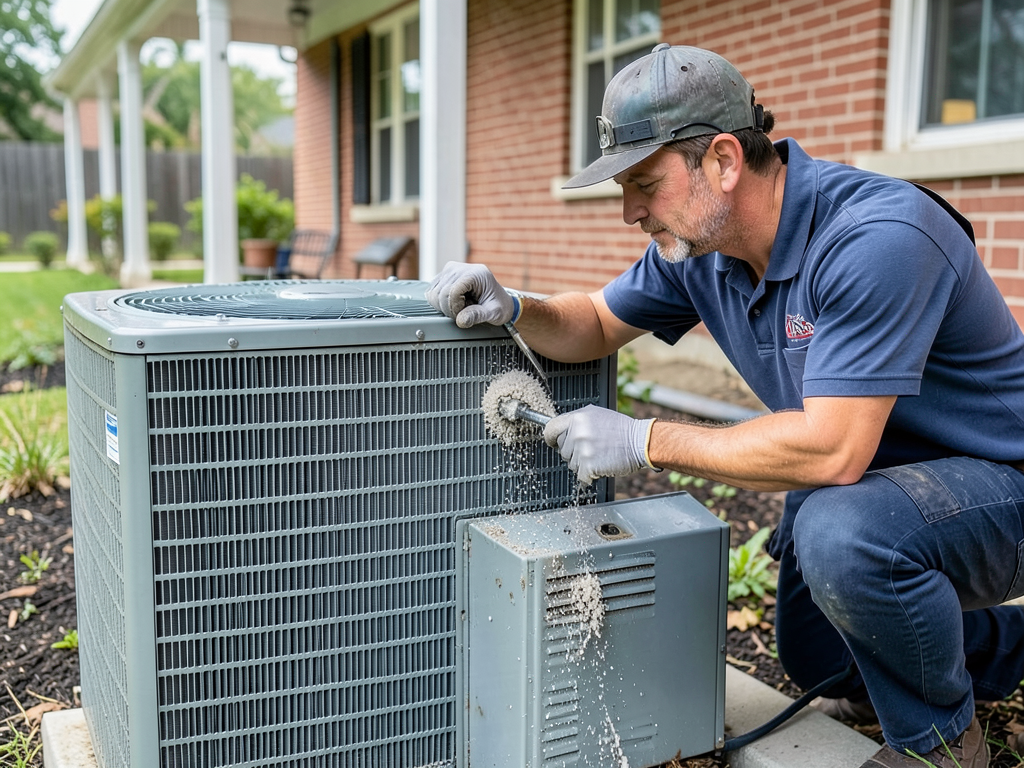
Our preventive maintenance contracts include quarterly inspections of rooftop units, chiller systems, and boiler plants. We clean condenser coils using biodegradable solutions that remove salt buildup without damaging fins. We test refrigerant charge using subcooling and superheat measurements, not guesswork. We verify that your building automation system communicates properly with zone controllers and that your economizers are not stuck in the wrong position.

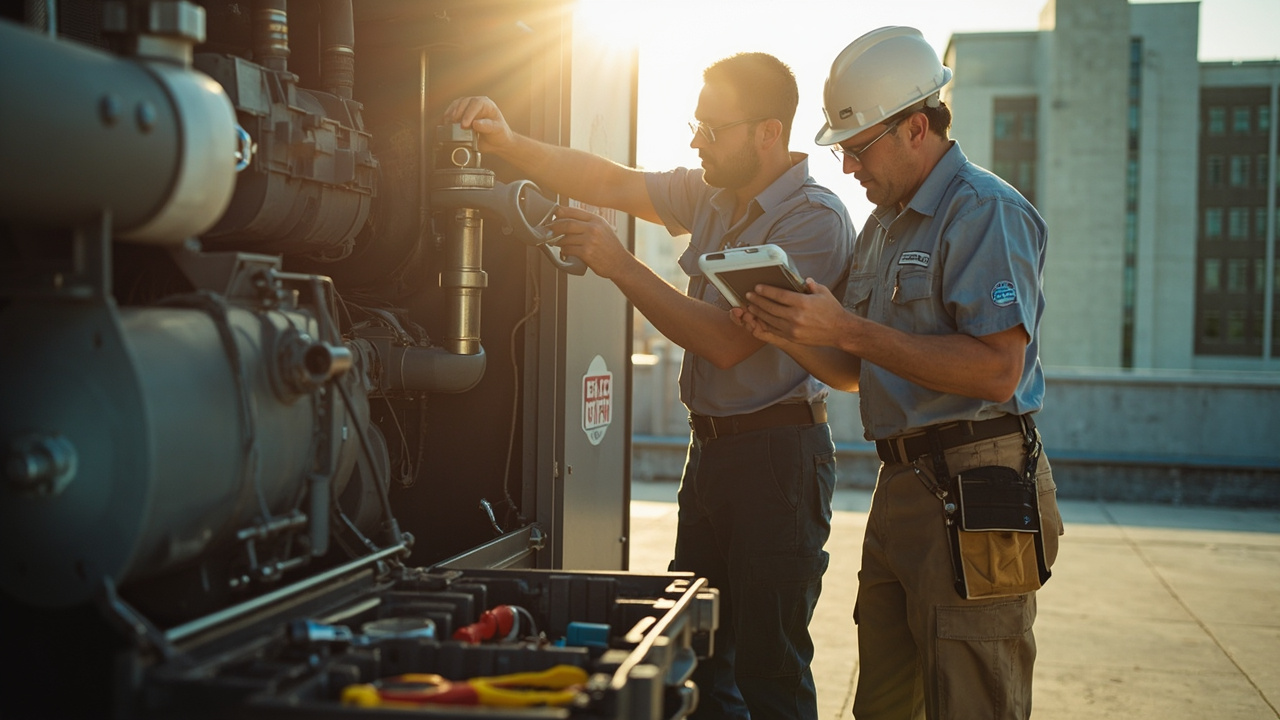
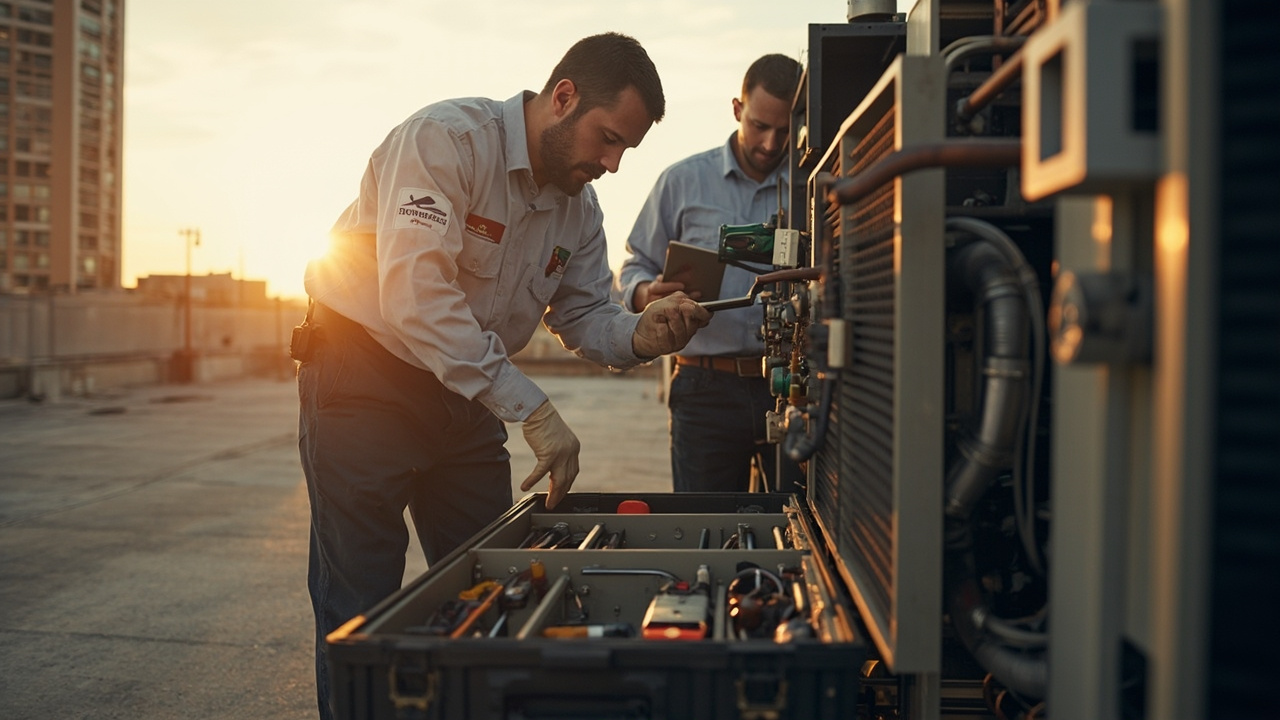
When emergencies occur, commercial mechanical contractors dispatch technicians with commercial van stock, including contactors, capacitors, and control boards for major brands. We carry refrigerant recovery equipment and leak detection tools to diagnose issues quickly. Our team understands that your facility cannot wait until Monday morning. We provide after-hours service because downtime is not an option for warehouses, hospitals, or data centers operating around the clock.

The Commercial HVAC Service Protocol

Commercial HVAC Contractors in New Orleans – Minimizing Downtime for Industrial Facilities and Business Operations
01

Facility Assessment and Load Analysis

We begin with a site survey documenting all mechanical equipment, reviewing maintenance history, and identifying immediate compliance gaps. Our technicians measure voltage at disconnect boxes, inspect electrical connections for signs of overheating, and photograph equipment nameplates. We calculate your building's cooling load using ACCA Manual N procedures, accounting for window orientation, insulation values, and internal heat gains from machinery or lighting. This data drives equipment recommendations and identifies efficiency opportunities.
02

System Repair or Replacement Execution

Once you approve the scope, we coordinate equipment delivery, crane access if needed for rooftop installations, and any required electrical or structural upgrades. Our crews arrive with rigging equipment, refrigerant recovery machines, and torches for brazing copper linesets. We pull permits through the City of New Orleans Department of Safety and Permits, schedule inspections, and ensure all work meets Louisiana mechanical code. Installation includes startup, commissioning, and verifying that airflow meets design specifications across all zones.
03

Ongoing Maintenance and Monitoring

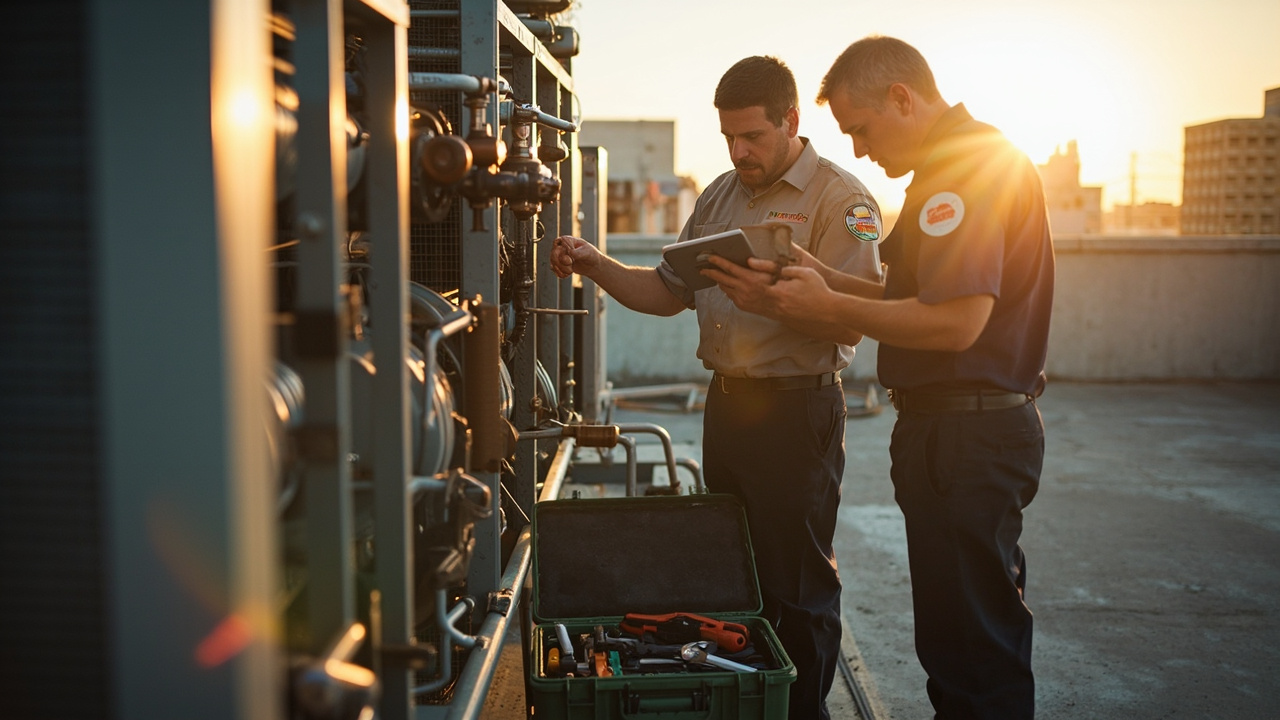
After installation or repair, we establish a preventive maintenance schedule aligned with your operational needs. Quarterly visits include filter changes, belt inspections, lubrication of bearings, and refrigerant checks. We document all findings in a digital maintenance log accessible to your facilities manager. If your building uses a BAS, we integrate with Tridium, Johnson Controls, or Siemens platforms to monitor system performance remotely. This proactive approach catches small issues before they escalate into costly failures.

Why New Orleans Businesses Choose Local Commercial HVAC Service Providers

You need contractors who understand New Orleans building stock. Many commercial properties in the Warehouse District or along Magazine Street occupy structures built before modern energy codes. These buildings often have undersized ductwork, inadequate insulation, and outdated split systems that struggle in our climate. Commercial heating and cooling services must account for these realities when designing retrofits or replacements.

Local commercial mechanical contractors also understand permitting through the City of New Orleans. We know which projects require mechanical permits, how to navigate the inspection process, and what documentation the fire marshal requires for tenant improvements. Out-of-state contractors unfamiliar with local procedures cause delays that extend your downtime.

Pioneer HVAC New Orleans stocks parts for the commercial equipment brands most common in this region. When a compressor fails on your Carrier 50-ton rooftop unit, we have replacement components in our warehouse, not on a truck three states away. This parts availability reduces your mean time to repair and keeps your facility operational.

We also understand the operational rhythms of New Orleans businesses. Restaurants in the French Quarter need service completed before dinner service. Medical clinics near Tulane Avenue cannot have HVAC work disrupt patient appointments. Warehouses along the Industrial Canal need repairs scheduled around shipping schedules. We coordinate our work around your business, not the other way around. This operational awareness separates local industrial HVAC contractors from national chains that treat every job identically.

What to Expect When You Partner with Commercial HVAC Contractors

Response Time and Availability

Commercial HVAC service providers must respond quickly to minimize business disruption. We dispatch technicians within two hours for emergency calls and schedule non-urgent service within 48 hours. Our trucks carry diagnostic tools, refrigerant, and common replacement parts to resolve many issues on the first visit. For after-hours emergencies, our on-call technicians carry commercial van stock and have authority to make repair decisions without waiting for office approval. We understand that your facility cannot afford extended downtime, so we prioritize rapid response and first-call resolution.

Comprehensive System Evaluation

Your initial consultation includes a thorough inspection of all HVAC equipment, controls, and distribution systems. We test airflow at supply registers, measure static pressure in ductwork, and verify refrigerant charge using manufacturer specifications. Our technicians inspect electrical connections, contactors, and capacitors for signs of wear. We review your utility bills to identify efficiency opportunities and compare your energy usage against similar facilities. This diagnostic process produces a detailed report outlining current conditions, code compliance issues, and recommended repairs prioritized by urgency and ROI.

System Performance and Efficiency

Commercial mechanical contractors deliver systems that meet your operational requirements while minimizing energy costs. We verify that your equipment achieves design airflow and maintains temperature setpoints across all zones. For new installations, we conduct commissioning procedures including startup, control calibration, and performance testing. We document baseline energy consumption so you can track efficiency improvements over time. Your system will maintain consistent comfort, reduce callbacks, and operate reliably through New Orleans summers when cooling demands peak and equipment failures carry the highest business cost.

Maintenance Plans and Service Agreements

Preventive maintenance contracts protect your investment and extend equipment lifespan. Our agreements include quarterly inspections, priority emergency response, and discounted repair rates. Each visit includes filter replacement, coil cleaning, refrigerant checks, and control system testing. We document all findings and provide trend analysis showing how your equipment performs over time. This data helps you budget for replacements and avoid unexpected failures. Maintenance agreements also give you preferential scheduling during peak seasons when contractors are busiest and emergency response times increase.

Frequently Asked Questions

You Have Questions,
We Have Answers

What is the $5000 rule for HVAC? +

The $5000 rule applies when you face a major HVAC repair decision. If the repair cost multiplied by your system's age exceeds $5000, replacement makes more financial sense than repair. For commercial properties in New Orleans, factor in humidity-related corrosion and salt air exposure from proximity to Lake Pontchartrain or the Mississippi River. These accelerate equipment degradation. A 12-year-old rooftop unit needing a $600 compressor replacement equals $7200 under this formula, signaling replacement. This rule helps you make data-driven decisions that minimize downtime and control operating costs rather than throwing money at aging equipment.

How much do commercial HVAC contractors make? +

Commercial HVAC contractors in New Orleans earn between $45,000 and $85,000 annually depending on certification level and specialization. Licensed technicians with EPA certifications and expertise in large tonnage systems command higher wages. The climate demands year-round service work, creating stable employment. Contractors specializing in humidity control systems or working on historic commercial buildings in the French Quarter or Warehouse District often earn premium rates. Business owners and master technicians with established client bases can exceed $100,000. The commercial sector pays better than residential due to system complexity, liability requirements, and after-hours emergency work expectations.

How much does a new commercial HVAC cost? +

A new commercial HVAC system in New Orleans ranges widely based on building square footage, system type, and tonnage requirements. A small retail space may need a 5-ton packaged rooftop unit, while warehouses near the Industrial Canal require multi-zone systems with dehumidification capabilities. Factors affecting cost include ductwork modifications, humidity control features required for our subtropical climate, and equipment access challenges in multi-story buildings. Replacing a system in a historic commercial property downtown often costs more due to structural limitations and code compliance requirements. Request detailed load calculations and lifecycle cost analysis before committing to equipment selection.

What do most HVAC companies charge per hour? +

Commercial HVAC contractors in New Orleans charge $95 to $150 per hour for service work, with emergency and after-hours rates reaching $200 per hour. Commercial rates exceed residential pricing due to equipment complexity, liability insurance requirements, and technician expertise needed for large tonnage systems. Preventive maintenance contracts often reduce hourly rates by bundling services. Jobs in the CBD or historic districts may include higher trip charges due to access challenges and parking constraints. Multi-technician jobs, like rooftop unit replacements on buildings along Poydras Street, are billed differently. Always request flat-rate quotes for defined scope work to control costs.

What is the 2 foot rule for HVAC? +

The 2-foot rule requires maintaining 24 inches of clearance around all sides of HVAC equipment for service access, airflow, and code compliance. For commercial rooftop units common in New Orleans, this clearance prevents airflow restriction and allows technicians safe access during maintenance. This rule applies to outdoor condensers, air handlers, and electrical disconnects. Violations reduce system efficiency, void warranties, and create fire code issues during inspections. In tight mechanical rooms or rooftops cluttered with exhaust fans and piping, maintaining this clearance becomes challenging but remains mandatory. Proper clearance extends equipment life and reduces service costs by simplifying routine maintenance.

Can HVAC make 200K? +

Yes, experienced commercial HVAC professionals in New Orleans can earn $200,000 annually through business ownership, specialized expertise, or high-volume service operations. Pathways include owning a commercial-focused contracting firm with multiple crews, specializing in complex controls or building automation systems, or holding manufacturer certifications for high-end equipment. The commercial market in New Orleans supports this income level due to continuous demand from hospitality properties, medical facilities, and industrial clients along the river corridor. Success requires business acumen, proper licensing, strong client relationships, and expertise in large-scale system design and energy management. Technician wages alone do not reach this threshold.

How can I make $100,000 a year in HVAC? +

Reaching $100,000 in HVAC requires strategic career positioning in New Orleans' commercial sector. Obtain EPA Universal certification, master technician status, and specialized training in building automation or energy management systems. Focus on commercial clients with recurring maintenance contracts rather than one-off residential calls. Target high-value markets including hospitals, hotels in the French Quarter, or industrial facilities. Alternatively, start a focused service business with low overhead and premium pricing for specialized work like clean room environments or server room cooling. Develop relationships with property management companies overseeing multiple commercial buildings. Consistent performance and technical expertise command premium compensation.

Is owning a HVAC business profitable? +

Commercial HVAC businesses in New Orleans remain profitable due to year-round demand driven by humidity and heat. Successful operations focus on preventive maintenance contracts that generate predictable monthly revenue, reducing reliance on emergency calls. Profit margins improve with specialization in commercial-only work, avoiding low-margin residential competition. High humidity accelerates equipment degradation, creating consistent replacement and repair demand. Challenges include labor costs, insurance expenses, and equipment inventory requirements. Businesses serving the hospitality sector, medical facilities, or industrial clients along the Mississippi River Industrial Corridor achieve better margins due to system complexity and service urgency. Profitability requires operational efficiency and client retention.

What is the highest paid HVAC job? +

The highest-paid HVAC positions in New Orleans are commercial service managers, controls specialists, and commissioned sales engineers for large commercial projects. Service managers overseeing multiple technicians and client accounts earn $90,000 to $120,000 plus bonuses. Building automation specialists programming and troubleshooting BACnet or Tridium systems command premium rates due to technical complexity. Project managers coordinating new construction installations for hotels or medical facilities earn similar compensation. Manufacturer representatives selling and supporting large tonnage equipment to mechanical contractors also reach top compensation levels. These roles require extensive technical knowledge, business development skills, and proven ability to manage complex commercial client relationships.

What is the lifespan of a commercial HVAC unit? +

Commercial HVAC units in New Orleans last 10 to 15 years on average, shorter than national averages due to high humidity, salt air exposure, and continuous cooling demands. Rooftop units face accelerated corrosion from weather exposure and poor drainage. Systems in climate-controlled environments or with aggressive preventive maintenance programs reach 20 years. Key factors affecting lifespan include installation quality, maintenance frequency, and runtime hours. Buildings near the lake or river experience faster deterioration. Deferred maintenance compounds in our climate. Proactive filter changes, coil cleaning, and addressing refrigerant leaks extend equipment life. Budget for replacement at year 12 to avoid unexpected failures during peak cooling season.

How New Orleans Humidity and Salt Air Impact Commercial HVAC Longevity

New Orleans sits 15 miles from the Gulf of Mexico, placing commercial facilities in a corrosive coastal environment. Salt particles carried by prevailing winds settle on outdoor condenser units, accelerating corrosion on aluminum fins and copper tubing. The 90 percent average humidity creates condensation that traps salt against metal surfaces, forming galvanic cells that pit through coil material within years. Commercial HVAC companies working in this region must specify corrosion-resistant coatings, implement aggressive coil cleaning schedules, and monitor refrigerant leaks caused by pinhole failures. Facilities near the Mississippi River or Industrial Canal face even more aggressive conditions requiring specialized maintenance protocols.

Local building codes and energy regulations also shape commercial mechanical system design. The City of New Orleans adopted the 2015 International Mechanical Code with local amendments addressing flood zone requirements and hurricane wind loads. Commercial heating and cooling services must ensure that rooftop equipment meets wind uplift standards and that electrical disconnects sit above base flood elevation. Industrial HVAC contractors familiar with these requirements prevent costly redesigns during permit review. Working with local commercial HVAC service providers ensures your project complies with city inspectors' expectations and avoids delays that extend your project timeline.

HVAC Services in The New Orleans Area

Pioneer HVAC New Orleans is proud to serve the entire New Orleans metropolitan area and surrounding parishes. Our central location allows our technicians to rapidly reach you, minimizing your wait time and ensuring quick service response for your heating and cooling needs. Invite us to your location by checking our service area map online or simply giving us a call today to confirm service availability at your specific address.

Address:
Pioneer HVAC New Orleans, 612 Andrew Higgins Dr, New Orleans, LA, 70130

Additional Services We Offer

Our news updates

Latest Articles & News from The Blogs

Expert High-Velocity HVAC Installation & Repair in New Orleans\n\nTraditional ductwork can destroy the character of historic New Orleans homes. High-velocity…

Why High-Velocity HVAC is the Secret to Cooling Historic Homes with No Closet Space

Expert High-Velocity HVAC Installation & Repair in New Orleans\n\nTraditional ductwork can destroy the character of historic New Orleans homes. High-velocity…

Why Magnolia Leaves and Crepe Myrtle Blooms are Secretly Killing Your Metairie AC Unit

Why Magnolia Leaves and Crepe Myrtle Blooms are Secretly Killing Your Metairie AC Unit Your Metairie air conditioner is under…

Keeping Parade Dust and Debris Out of Your Uptown Home HVAC System

Keeping Parade Dust and Debris Out of Your Uptown Home HVAC System Uptown New Orleans homes face unique challenges during…

Contact Us

Downtime costs you money every hour your system is offline. Call Pioneer HVAC New Orleans at (504) 355-2955 to schedule a facility assessment. We provide same-day emergency response and comprehensive maintenance agreements designed to keep your operation running.