




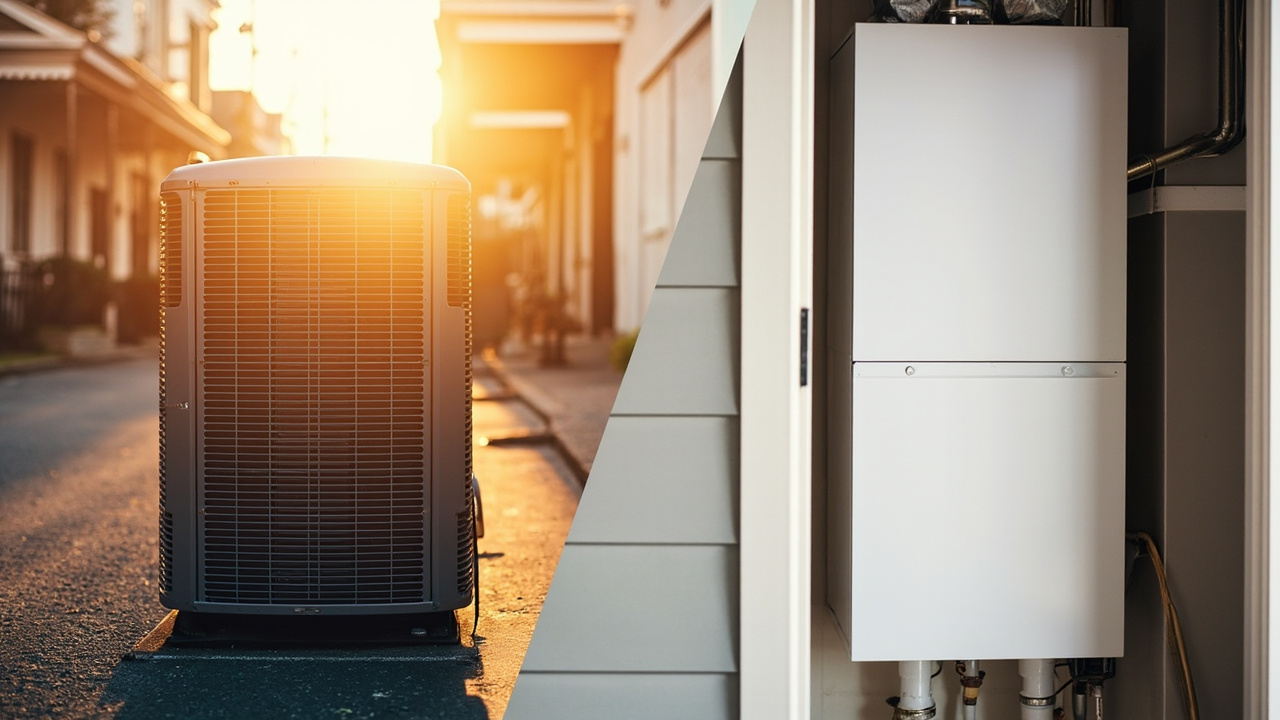
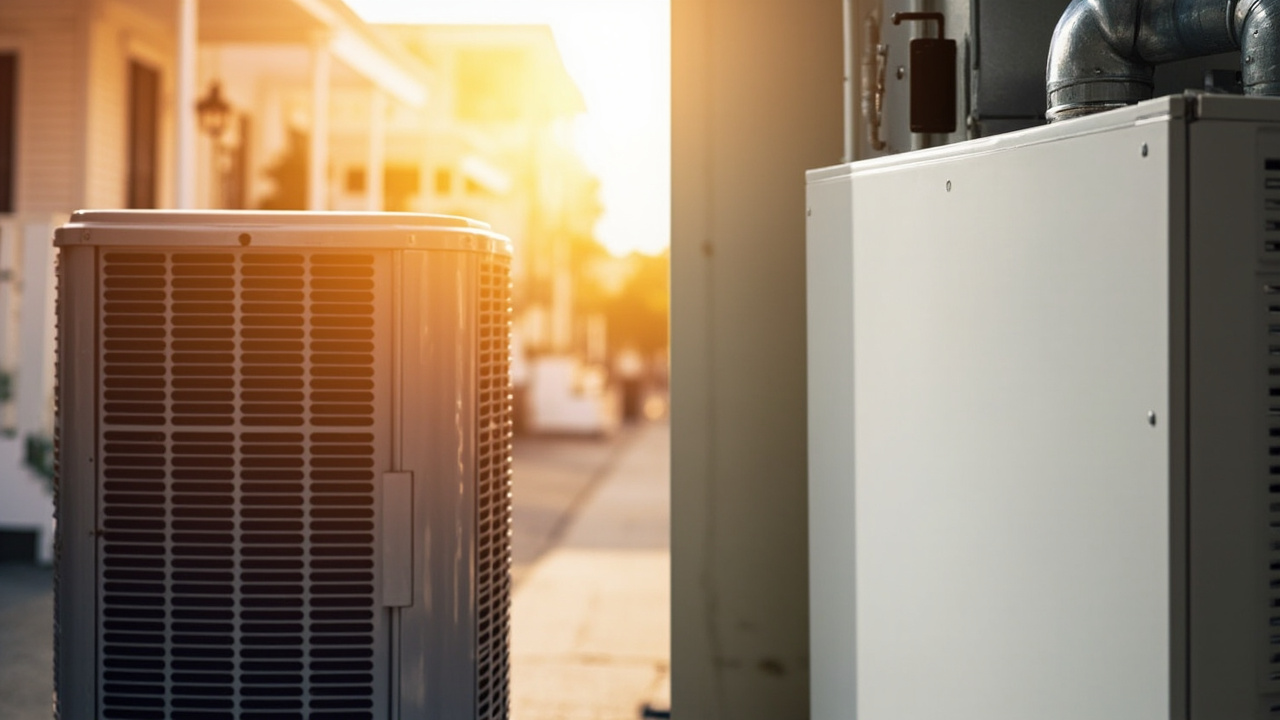
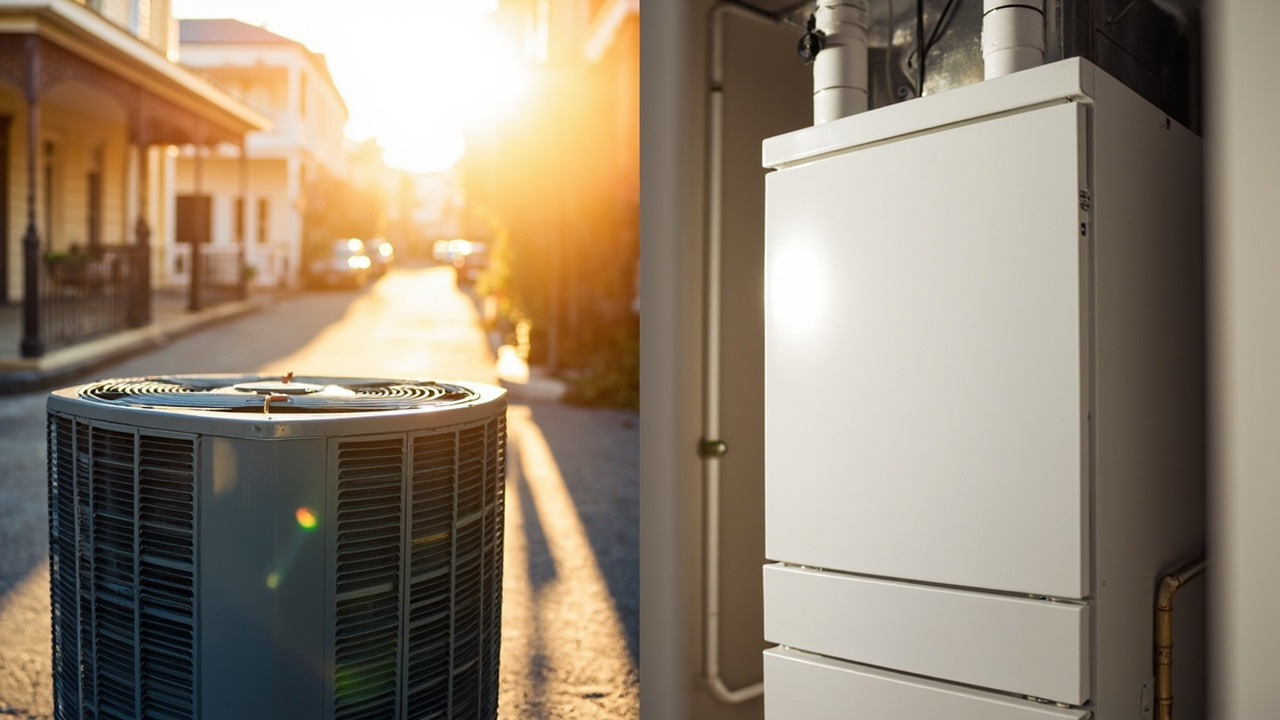
New Orleans receives 62 inches of rain annually and maintains dew points above 65°F from May through September. Heat pumps handle latent cooling loads better than furnaces paired with standard air conditioners because variable-speed heat pump compressors run longer cycles at lower speeds. This extended runtime pulls more moisture from indoor air. Homes in Gentilly and Lakeview near the lake see higher humidity infiltration than Uptown properties on higher ground. The difference between heat pump and furnace performance includes humidity control, not just temperature management. A properly sized heat pump maintains 45-50% indoor humidity without a separate dehumidifier, protecting your home from mold growth that thrives above 60% relative humidity.
New Orleans experiences fewer than 10 days per year below 32°F, making heat pump vs gas furnace economics favor heat pumps in most installations. Local contractors familiar with Gulf Coast climate design systems differently than technicians trained in northern markets. We account for cooling-dominated loads and size equipment to prevent short-cycling during mild weather. The City of New Orleans Building Code requires HVAC permits for system replacements, and inspectors check refrigerant line sizing, electrical disconnects, and condensate drain routing specific to local flood risk. Choosing a contractor who navigates these local requirements prevents installation failures and permit delays that extend project timelines.