



Westwego sits in one of the most punishing environments for HVAC systems in North America. The combination of extreme humidity, salt air from the Gulf, and temperatures that regularly exceed 95 degrees from May through September creates a perfect storm for equipment failure. Your air conditioner runs nearly year-round here, accumulating operational hours that would take a decade in cooler climates.
The area's proximity to the Mississippi River and Bayou Segnette adds moisture to already humid air, forcing AC systems to work overtime removing humidity while cooling. This constant dehumidification stresses compressors and evaporator coils. Salt carried inland from coastal breezes corrodes outdoor condenser units, eating through coils and electrical connections. Homes in neighborhoods like Segnette Heights and along Sala Avenue face additional challenges from poor drainage that keeps ground moisture high, affecting ductwork in crawl spaces.
Westwego's mix of older housing stock and newer construction means HVAC systems range from aging units struggling to keep up with modern insulation standards to newer high-efficiency systems requiring specialized service. The area's building codes require 14 SEER minimum ratings now, but many older homes still operate units installed before these standards existed.
Pioneer HVAC New Orleans has serviced Jefferson Parish homes for over two decades, building a reputation on rapid response and accurate diagnosis. We understand what breaks first in Westwego's climate because we see it every day. Our technicians recognize the difference between a failing capacitor and a struggling compressor within minutes of arrival, saving you diagnostic time and money.
We maintain relationships with suppliers throughout the New Orleans metro, which means we source replacement parts for both common residential units and older systems that other companies abandon. When a homeowner in Ames Boulevard calls with a failed condenser on a discontinued model, we locate the part and complete repairs while competitors are still making phone calls.
Our service vehicles stock the components that fail most frequently in Gulf Coast conditions: capacitors rated for high heat, contactors resistant to moisture corrosion, and refrigerant for both legacy and modern systems. This preparation eliminates the "we need to order that part" conversation that extends other companies' repair timelines by days or weeks.
We price every job before starting work. No surprises, no padding, no "we found another problem" upsells. You approve the repair cost or you pay nothing except the diagnostic fee. This transparency has earned us repeat customers throughout Westwego, from the industrial areas near the Harvey Canal to residential neighborhoods around Segnette State Park.

We dispatch technicians to Westwego homes within two to four hours of your call during business hours. After hours and weekend emergency calls receive response within the same timeframe because we know Louisiana heat does not wait for Monday morning. Our trucks stay stocked and our technicians stay ready.

Our service vehicles carry the capacitors, contactors, thermostats, and refrigerant that fail most often in Westwego's climate. This means most repairs complete during the first visit. You get cool air restored today, not after waiting three days for parts delivery while your home becomes uninhabitable.
We diagnose the problem, quote the repair cost, and wait for your approval before touching your system. The price we quote is the price you pay. No hidden fees, no surprise charges, no discovering additional problems that mysteriously require immediate attention. You control the decision and the budget.
We service the specific brands and models common to Westwego homes, from builder-grade units in newer subdivisions to older systems in established neighborhoods. Our experience with local housing stock, construction methods, and climate challenges means faster diagnosis and more accurate repairs than companies learning your area on the job.
Pioneer HVAC New Orleans handles every aspect of heating and cooling for Westwego properties. Our services cover emergency repairs when your system fails, preventive maintenance to avoid those failures, and complete installations when repair no longer makes financial sense. We service residential homes from single-family properties to multi-unit buildings, plus commercial spaces requiring climate control.
Our technicians hold EPA Section 608 certification for refrigerant handling and complete annual training on emerging technologies and efficiency standards. We work on central air systems, heat pumps, ductless mini-splits, and package units. Whether you need a failed compressor replaced, ductwork repaired, or a full system upgrade to meet rising energy costs, we provide the service with the same commitment to speed and transparency.
We separate our services into three core categories because your needs differ based on urgency, system age, and budget. Understanding which service category fits your situation helps you make better decisions about repairs versus replacement, emergency response versus scheduled maintenance, and short-term fixes versus long-term investments in comfort and efficiency.
Your AC stopped working and your home is getting hotter by the hour. We dispatch technicians immediately to diagnose and repair failed compressors, burned contactors, refrigerant leaks, and seized fans. Our trucks carry the parts that fail most often in Gulf Coast heat, which means we complete most emergency repairs during the first visit. You call, we arrive, we fix it, you get cool air restored.
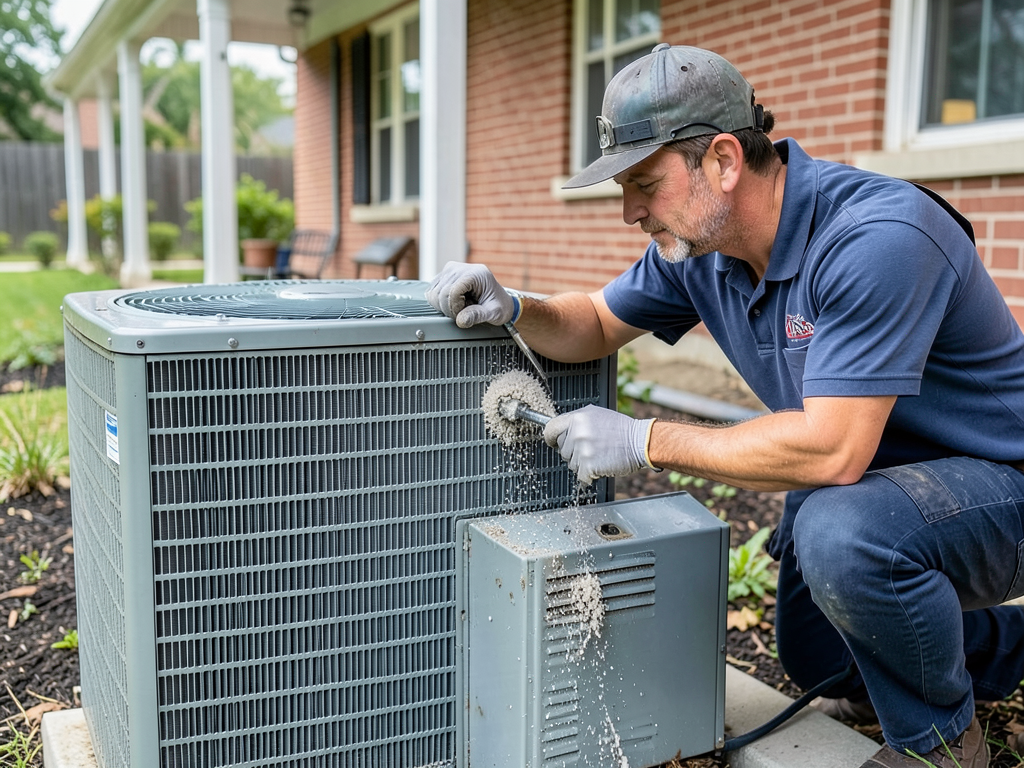
Regular maintenance extends equipment life and prevents emergency failures during the hottest weeks of summer. We clean coils, test capacitors, check refrigerant levels, inspect electrical connections, and verify airflow. This service identifies components beginning to fail so you can replace them on your schedule instead of during a heat emergency. Most Westwego homes need service twice annually due to extended cooling seasons and constant system operation.
When repair costs approach replacement costs, or your system can no longer keep up with Westwego heat, we install new high-efficiency units sized correctly for your home. We calculate actual cooling loads based on insulation, windows, and orientation, then install equipment that matches those needs. Poor sizing wastes money and shortens equipment life. Proper installation includes ductwork inspection, thermostat upgrades, and airflow balancing for consistent temperatures throughout your home.
Westwego's coastal location and subtropical climate create specific failure patterns we see repeatedly. High humidity puts extra load on evaporator coils, which freeze when airflow becomes restricted by dirty filters. Salt air corrodes outdoor units faster than inland locations, causing refrigerant leaks and electrical failures. Constant operation throughout extended cooling seasons wears compressors and fan motors at accelerated rates.
Homes near industrial areas along the Harvey Canal face additional challenges from airborne particulates that clog filters and coat condenser coils. Properties in older neighborhoods often have undersized ductwork from when homes were smaller, forcing systems to work harder to push adequate airflow. Understanding these local factors helps identify problems faster and recommend solutions that address root causes instead of symptoms.
Westwego's extreme humidity forces your AC to remove massive amounts of moisture while cooling. When filters get dirty or airflow slows, the evaporator coil temperature drops below freezing and ice forms. This blocks airflow completely and your system stops cooling. Regular filter changes and annual coil cleaning prevent this common failure.
Salt carried inland from the Gulf corrodes aluminum fins and copper coils on outdoor condenser units. This corrosion eventually creates refrigerant leaks and damages electrical connections. Units near the coast fail faster than those inland. Annual cleaning and inspection catch corrosion early, before it causes refrigerant loss or complete failure.
Your air conditioner runs nearly year-round in Westwego, accumulating operational hours that wear compressors faster than in temperate climates. Compressors fail from overheating, electrical stress, or lubrication breakdown. Failed compressors make loud grinding or buzzing sounds before stopping completely. Replacement requires refrigerant recovery, compressor swap, and system recharge.
Many Westwego homes have ductwork running through crawlspaces with poor moisture control. Humid air condenses on cold ducts, promoting mold growth and deteriorating connections. Leaking ducts waste cooled air and force your system to run longer. We test duct integrity, seal leaks, and recommend insulation improvements that reduce energy waste.
We built our service process around speed and transparency because those matter most when your AC fails in Louisiana heat. You call, we listen, we dispatch, and we arrive ready to fix the problem. Our technicians carry diagnostic tools and common repair parts, which means assessment and repair happen during the same visit in most cases.
We explain what failed, why it failed, and what the repair costs before starting work. You decide whether to proceed. If you approve, we complete the repair and test system operation before leaving. You receive documentation of work performed and recommendations for preventing future failures. This straightforward approach eliminates confusion and builds trust through clear communication and predictable outcomes.
When you call with an air conditioning emergency, we dispatch the nearest available technician to your Westwego location. You receive a call confirming arrival time within minutes. Most emergency calls receive technician arrival within two to four hours. We understand that waiting days for service is not acceptable when indoor temperatures are climbing into the 90s. Your comfort emergency gets treated like the urgent situation it is.
Our technician diagnoses the problem using testing equipment to verify the failure instead of guessing. You receive a clear explanation of what failed and why. We quote the complete repair cost including parts and labor before starting work. This quote does not change unless you approve additional work. No hidden fees appear on your final bill. The price we quote is the price you pay.
After you approve the repair, we complete the work and test full system operation before leaving your property. We verify airflow, check refrigerant levels, measure temperature drop, and confirm the thermostat controls the system correctly. You receive documentation of the repair and recommendations for maintenance that prevents future failures. Your system works properly when we leave, not "probably" or "mostly."
We designed our service process to eliminate waiting, confusion, and surprise costs. You call, we respond, we fix it. These three steps get your Westwego home comfortable again.
Call (504) 355-2955 and describe your problem. Our dispatcher asks questions to help the technician arrive prepared. We immediately send the nearest available technician to your location. You receive confirmation of arrival time within minutes. Our trucks stay stocked with common repair parts, so we arrive ready to fix the most frequent failures without ordering parts or scheduling return visits.
The technician tests your system to identify the exact failure. You receive a clear explanation of what broke and why. We quote the complete repair cost and wait for your approval before starting work. You control the decision. If the repair cost exceeds the value of fixing an aging system, we discuss replacement options. No pressure, no upsells, just honest assessment and transparent pricing.
After completing the repair, we test full system operation to verify proper cooling, airflow, and thermostat control. Your AC runs correctly before we leave. You receive documentation of work performed and maintenance recommendations. We answer questions about preventing future failures and explain warning signs that indicate developing problems. Your home gets comfortable again and stays that way.
Louisiana and Jefferson Parish enforce specific codes for HVAC installations to ensure safety, efficiency, and proper operation in Gulf Coast conditions. These requirements affect both new installations and replacement systems. The current minimum efficiency standard is 14 SEER for split systems and 14 SEER for package units, though many homeowners choose higher efficiency ratings to reduce operating costs in our extended cooling season.
All refrigerant work requires EPA Section 608 certification. This federal requirement ensures technicians handle refrigerants safely and minimize environmental releases. Refrigerant types have changed significantly, with R-22 (Freon) phased out for new equipment. Modern systems use R-410A or newer refrigerants like R-32. Mixing refrigerants or adding the wrong type destroys compressors and voids warranties.
Jefferson Parish requires permits for system replacements and new installations. Permit requirements ensure proper sizing, adequate condensate drainage, correct electrical connections, and compliant ductwork. Installations without permits create problems during home sales and may void manufacturer warranties. Inspectors verify refrigerant lines are pressure-tested before charging, electrical disconnects are properly installed, and condensate drains terminate correctly to prevent water damage.
Proper system sizing requires Manual J load calculations based on home square footage, insulation levels, window area and orientation, ceiling height, and occupancy. Oversized systems short-cycle and fail to dehumidify properly. Undersized systems run constantly and never reach comfortable temperatures. Gulf Coast humidity makes proper sizing even more critical because systems must remove moisture while cooling.
Seasonal Energy Efficiency Ratio measures cooling output versus energy consumed. Jefferson Parish requires minimum 14 SEER for new installations. Higher SEER units cost more upfront but reduce monthly operating costs significantly in Westwego's extended cooling season. A 16 SEER system typically uses 15 percent less electricity than a 14 SEER unit while providing the same cooling.
System size, efficiency rating, refrigerant type, and installation complexity determine replacement costs. Larger homes need bigger units. Higher efficiency costs more but saves on monthly bills. Difficult installations requiring extensive ductwork modifications or electrical upgrades increase costs. Repair costs depend on which component failed and labor time required. Compressor replacement costs significantly more than capacitor replacement.
Most emergency repairs complete within two to four hours after technician arrival. Complex repairs requiring specialized parts may need equipment ordering, extending timelines by one to three days. Complete system replacements typically require one to two days for standard installations. Complex installations with ductwork modifications or electrical upgrades may require three to five days. Permit approval adds one to two days to installation timelines.
Federal law requires EPA Section 608 certification for anyone handling refrigerants. This ensures proper recovery, recycling, and charging procedures. R-22 refrigerant is phased out and extremely expensive. Systems using R-22 eventually need replacement because refrigerant availability continues declining. Modern systems use R-410A, which operates at higher pressures and requires different components than older refrigerants.
This video explains why HVAC systems fail faster in Westwego, Louisiana due to Gulf Coast humidity, salt air, and extended cooling seasons. It covers common air conditioning problems specific to Jefferson Parish homes, including frozen evaporator coils, corroded condenser units, and compressor failures from constant operation. Viewers learn warning signs of system failure and preventive maintenance strategies for coastal climates.
Pioneer HVAC New Orleans provides fast air conditioning repair and installation throughout Westwego and surrounding Jefferson Parish communities. Our service area extends from the established residential neighborhoods along Sala Avenue and Victory Drive to newer developments near Segnette State Park. We regularly service homes in Segnette Heights, where older construction presents unique ductwork challenges, and properties along Ames Boulevard, where salt air from nearby waterways accelerates outdoor unit corrosion.
The industrial corridor near the Harvey Canal requires commercial HVAC expertise we provide for warehouses, manufacturing facilities, and office spaces dealing with heat loads from equipment and high occupancy. Residential areas closer to Bayou Segnette face moisture management challenges that affect crawlspace ductwork and outdoor unit placement. We understand these neighborhood-specific issues because we see them daily across hundreds of service calls.
Our technicians know the quickest routes through Westwego's street layout, from the older grid pattern near downtown to the curved residential streets in newer subdivisions. This local knowledge means faster response times when you call with an emergency. We service properties along both sides of the Harvey Canal, throughout the Westbank communities, and into adjacent areas of Harvey and Marrero when customers need our expertise.
Many Westwego homes were built during specific construction booms that used particular HVAC brands and installation methods. We recognize these patterns instantly. A 1980s home near Sala Avenue likely has ductwork sized differently than a 2010 construction in Segnette Heights. This historical knowledge speeds diagnosis and helps us arrive with the right parts already on the truck.
Commercial properties along Fourth Street and industrial facilities near the canal require different expertise than residential service. We handle both, understanding that a failed AC in a business means lost productivity and revenue, not just discomfort. Our commercial services cover retail spaces, restaurants, offices, and light industrial facilities throughout the Westwego business district. Whether you need emergency repair for a home near Bayou Segnette or system replacement for a commercial building downtown, we respond with the same commitment to speed and quality that built our reputation across Jefferson Parish.
HVAC replacement expenses in Westwego vary based on system size, efficiency ratings, and your home's needs. A standard residential system typically requires an investment of several thousand dollars. Higher SEER ratings increase upfront expenses but lower monthly energy bills. Your total investment includes equipment, installation labor, permits, and any ductwork modifications. Homes over 2,000 square feet need larger systems. Get multiple quotes from local contractors. Ask about financing options and available rebates from energy providers. The right system pays for itself through lower utility bills and fewer repairs over 15-20 years.
Your home size determines AC capacity measured in tons. Westwego homes need proper sizing to handle humidity. A 1,500 square foot home typically needs a 2-3 ton unit. Homes from 1,800-2,500 square feet need 3-4 tons. Larger homes over 2,500 square feet require 4-5 tons. Ceiling height, insulation quality, window count, and sun exposure affect these numbers. Oversized units cycle on and off too quickly and fail to remove humidity. Undersized units run constantly and wear out faster. A professional load calculation ensures proper sizing for comfort and efficiency.
Schedule AC maintenance twice yearly in Westwego's humid climate. Spring tune-ups prepare your system for summer heat. Fall maintenance keeps heat pumps ready for winter. Regular service includes filter changes, coil cleaning, refrigerant checks, and electrical inspections. Westwego's moisture promotes mold growth and accelerates wear on components. Twice-yearly maintenance catches small problems before they become expensive failures. Change your air filter monthly during peak cooling season. Clean outdoor units quarterly to remove debris. Professional maintenance extends system life by 5-10 years and maintains peak efficiency.
HVAC replacement expenses in Westwego vary based on system size, efficiency ratings, and your home's needs. A standard residential system typically requires an investment of several thousand dollars. Higher SEER ratings increase upfront expenses but lower monthly energy bills. Your total investment includes equipment, installation labor, permits, and any ductwork modifications. Homes over 2,000 square feet need larger systems. Get multiple quotes from local contractors. Ask about financing options and available rebates from energy providers. The right system pays for itself through lower utility bills and fewer repairs over 15-20 years.
Your home size determines AC capacity measured in tons. Westwego homes need proper sizing to handle humidity. A 1,500 square foot home typically needs a 2-3 ton unit. Homes from 1,800-2,500 square feet need 3-4 tons. Larger homes over 2,500 square feet require 4-5 tons. Ceiling height, insulation quality, window count, and sun exposure affect these numbers. Oversized units cycle on and off too quickly and fail to remove humidity. Undersized units run constantly and wear out faster. A professional load calculation ensures proper sizing for comfort and efficiency.
Schedule AC maintenance twice yearly in Westwego's humid climate. Spring tune-ups prepare your system for summer heat. Fall maintenance keeps heat pumps ready for winter. Regular service includes filter changes, coil cleaning, refrigerant checks, and electrical inspections. Westwego's moisture promotes mold growth and accelerates wear on components. Twice-yearly maintenance catches small problems before they become expensive failures. Change your air filter monthly during peak cooling season. Clean outdoor units quarterly to remove debris. Professional maintenance extends system life by 5-10 years and maintains peak efficiency.
Frozen AC coils result from restricted airflow or low refrigerant. Dirty air filters block airflow and cause ice buildup on evaporator coils. Clogged condensate drains create moisture problems. Low refrigerant from leaks drops coil temperature below freezing. Weak blower motors fail to move enough air across coils. Dirty evaporator coils reduce heat exchange. Turn off your system immediately when you notice ice. Let ice melt completely before restarting. Replace filters monthly. Schedule professional inspection to check refrigerant levels and clean coils. Running a frozen unit damages your compressor.
Modern AC systems remove humidity during normal operation. Westwego's extreme moisture levels sometimes exceed standard AC dehumidification capacity. Homes near the Mississippi River or bayous face higher humidity. If indoor humidity stays above 60% with AC running, add a whole-home dehumidifier. These units integrate with your HVAC system and automatically maintain 40-50% humidity. Proper humidity prevents mold growth, protects furniture, and improves comfort. Check humidity with an inexpensive hygrometer. Dehumidifiers work independently from cooling, saving energy during mild weather. Your home feels cooler at lower humidity levels.
Full AC replacement takes 1-2 days for most Westwego homes. Single-story homes with accessible ductwork need one day. Two-story homes or complex installations require two days. The timeline includes removing old equipment, installing new indoor and outdoor units, connecting refrigerant lines, updating thermostats, and testing system performance. Ductwork modifications add time. Electrical panel upgrades extend the project. Permit inspections add scheduling time. Weather delays outdoor work. Plan for limited cooling during installation. Most contractors complete basic installations in 8-12 hours. Ask your contractor for a specific timeline before work begins.
Choose a SEER rating between 15-18 for Westwego's climate. Higher SEER units cost more upfront but save money on energy bills. Westwego's long cooling season makes efficiency important. A SEER 16 unit uses 37% less energy than older SEER 10 systems. SEER 14 meets current minimum standards. SEER 18-20 units offer maximum savings for homes with high usage. Your savings depend on runtime hours and electricity rates. Calculate payback period before choosing premium efficiency. Energy Star certified units qualify for utility rebates. Match SEER rating to your budget and expected ownership period.
Many Westwego HVAC companies offer emergency repair services. Same-day availability depends on contractor schedules and parts inventory. Call early in the day for better same-day chances. Common repairs like capacitor replacement, thermostat fixes, or breaker resets take 1-2 hours. Complex repairs requiring special parts need multiple visits. Keep your HVAC contractor's number accessible. Emergency services during evenings, weekends, and holidays come at premium rates. Regular maintenance reduces emergency breakdowns. Have a backup cooling plan for extreme heat. Portable fans and staying hydrated help until repairs finish.
Prevent mold by controlling moisture in your ductwork. Change air filters monthly to maintain airflow. Keep drain pans clean and condensate lines clear. Seal duct leaks that pull humid air into the system. Insulate ducts in unconditioned spaces to prevent condensation. Run your AC fan continuously during humid months to prevent stagnant air. Schedule professional duct cleaning every 3-5 years. Install UV lights in return ducts to kill mold spores. Maintain indoor humidity below 50%. Address water leaks immediately. Proper ventilation in bathrooms and kitchens reduces whole-home humidity.
AC units run constantly when cooling demand exceeds system capacity. Undersized units struggle during Westwego's 95-degree summer days. Dirty air filters restrict airflow and reduce cooling power. Low refrigerant from leaks decreases capacity. Failing compressors lose efficiency. Poorly insulated homes gain heat faster than AC removes it. Leaky ductwork wastes cooled air. Thermostat placement in direct sunlight causes false readings. Set your thermostat to 72-76 degrees for realistic expectations. Replace filters monthly. Schedule maintenance to check refrigerant and clean coils. Add insulation to reduce heat gain. Shade outdoor units from afternoon sun.
Frozen AC coils result from restricted airflow or low refrigerant. Dirty air filters block airflow and cause ice buildup on evaporator coils. Clogged condensate drains create moisture problems. Low refrigerant from leaks drops coil temperature below freezing. Weak blower motors fail to move enough air across coils. Dirty evaporator coils reduce heat exchange. Turn off your system immediately when you notice ice. Let ice melt completely before restarting. Replace filters monthly. Schedule professional inspection to check refrigerant levels and clean coils. Running a frozen unit damages your compressor.
Modern AC systems remove humidity during normal operation. Westwego's extreme moisture levels sometimes exceed standard AC dehumidification capacity. Homes near the Mississippi River or bayous face higher humidity. If indoor humidity stays above 60% with AC running, add a whole-home dehumidifier. These units integrate with your HVAC system and automatically maintain 40-50% humidity. Proper humidity prevents mold growth, protects furniture, and improves comfort. Check humidity with an inexpensive hygrometer. Dehumidifiers work independently from cooling, saving energy during mild weather. Your home feels cooler at lower humidity levels.
Full AC replacement takes 1-2 days for most Westwego homes. Single-story homes with accessible ductwork need one day. Two-story homes or complex installations require two days. The timeline includes removing old equipment, installing new indoor and outdoor units, connecting refrigerant lines, updating thermostats, and testing system performance. Ductwork modifications add time. Electrical panel upgrades extend the project. Permit inspections add scheduling time. Weather delays outdoor work. Plan for limited cooling during installation. Most contractors complete basic installations in 8-12 hours. Ask your contractor for a specific timeline before work begins.
Choose a SEER rating between 15-18 for Westwego's climate. Higher SEER units cost more upfront but save money on energy bills. Westwego's long cooling season makes efficiency important. A SEER 16 unit uses 37% less energy than older SEER 10 systems. SEER 14 meets current minimum standards. SEER 18-20 units offer maximum savings for homes with high usage. Your savings depend on runtime hours and electricity rates. Calculate payback period before choosing premium efficiency. Energy Star certified units qualify for utility rebates. Match SEER rating to your budget and expected ownership period.
Many Westwego HVAC companies offer emergency repair services. Same-day availability depends on contractor schedules and parts inventory. Call early in the day for better same-day chances. Common repairs like capacitor replacement, thermostat fixes, or breaker resets take 1-2 hours. Complex repairs requiring special parts need multiple visits. Keep your HVAC contractor's number accessible. Emergency services during evenings, weekends, and holidays come at premium rates. Regular maintenance reduces emergency breakdowns. Have a backup cooling plan for extreme heat. Portable fans and staying hydrated help until repairs finish.
Prevent mold by controlling moisture in your ductwork. Change air filters monthly to maintain airflow. Keep drain pans clean and condensate lines clear. Seal duct leaks that pull humid air into the system. Insulate ducts in unconditioned spaces to prevent condensation. Run your AC fan continuously during humid months to prevent stagnant air. Schedule professional duct cleaning every 3-5 years. Install UV lights in return ducts to kill mold spores. Maintain indoor humidity below 50%. Address water leaks immediately. Proper ventilation in bathrooms and kitchens reduces whole-home humidity.
AC units run constantly when cooling demand exceeds system capacity. Undersized units struggle during Westwego's 95-degree summer days. Dirty air filters restrict airflow and reduce cooling power. Low refrigerant from leaks decreases capacity. Failing compressors lose efficiency. Poorly insulated homes gain heat faster than AC removes it. Leaky ductwork wastes cooled air. Thermostat placement in direct sunlight causes false readings. Set your thermostat to 72-76 degrees for realistic expectations. Replace filters monthly. Schedule maintenance to check refrigerant and clean coils. Add insulation to reduce heat gain. Shade outdoor units from afternoon sun.
Pioneer HVAC New Orleans is proud to serve the entire New Orleans metropolitan area and surrounding parishes. Our central location allows our technicians to rapidly reach you, minimizing your wait time and ensuring quick service response for your heating and cooling needs. Invite us to your location by checking our service area map online or simply giving us a call today to confirm service availability at your specific address.
Address:
Westwego, LA, 70094
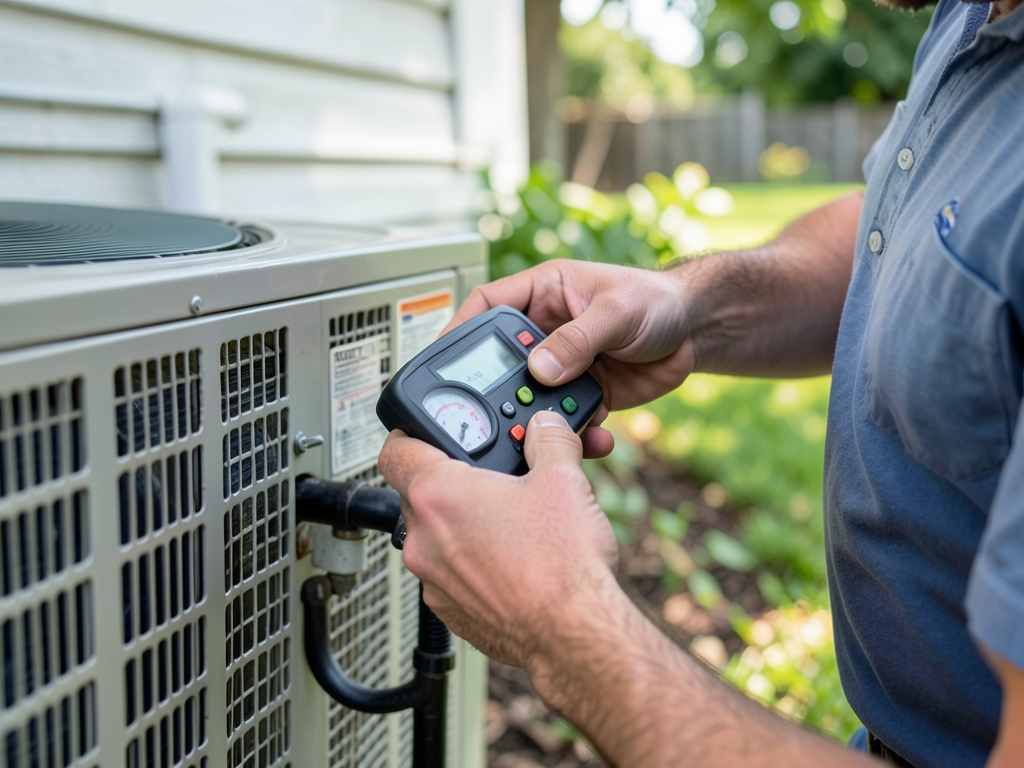
How to Read Your Entergy Bill to See if Your HVAC System is Failing You Louisiana’s heat and humidity push HVAC systems to their limits and when your Entergy bill suddenly jumps you might wonder…

Expert High-Velocity HVAC Installation & Repair in New Orleans\n\nTraditional ductwork can destroy the character of…
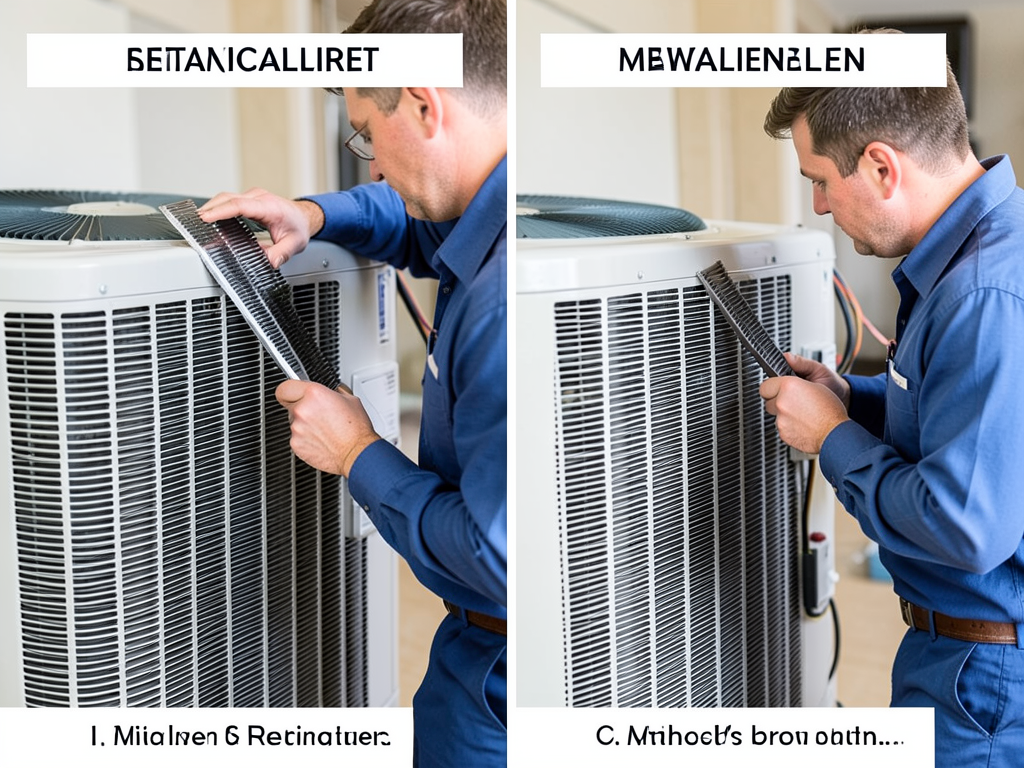
Why Magnolia Leaves and Crepe Myrtle Blooms are Secretly Killing Your Metairie AC Unit Your…
Keeping Parade Dust and Debris Out of Your Uptown Home HVAC System Uptown New Orleans…
Your home is getting hotter while you read this. Call Pioneer HVAC New Orleans now at (504) 355-2955 and we dispatch a technician to your location immediately. Most emergency repairs complete the same day. Stop sweating and start cooling your home again.