





menu

HVAC Maintenance & Tune-Ups in New Orleans – Prevent Breakdowns Before They Happen

Regular HVAC preventative maintenance keeps your system running through New Orleans's brutal summers and humid winters, reducing emergency repair costs and extending equipment life by years.

Slider Image 1
Slider Image 2
Slider Image 3
Slider Image 4
Slider Image 5
Slider Image 7
Slider Image 8
Slider Image 9
Slider Image 10
Slider Image 11

Why New Orleans HVAC Systems Need Year-Round Maintenance

Your air conditioner does not get a break in New Orleans. The subtropical climate means your system runs harder and longer than units in most other parts of the country. High humidity corrodes electrical connections, clogs condensate drains, and accelerates refrigerant leaks. Salt air from the Gulf compounds the problem, eating away at outdoor condenser coils and shortening compressor life.

Most New Orleans homes run AC eight to ten months per year. That constant operation creates wear patterns you will not find in cooler climates. Dust and pollen from oak trees mix with moisture to form a paste inside your ductwork. Mold grows in evaporator coils. Blower motors strain under the load. Without seasonal HVAC check ups, small problems compound into system failures that happen at the worst possible time.

A heating and cooling tune up is not optional maintenance here. It is the difference between a system that lasts 10 years and one that fails at year 6. The cost of reactive repairs far exceeds the investment in AC and furnace maintenance. You replace capacitors, compressors, and blower motors when they fail unexpectedly. Or you catch them during an HVAC system inspection and replace them on your schedule.

Pioneer HVAC New Orleans sees the same failures repeat across the metro area. Clogged drain lines in Mid-City. Corroded contactors in Lakeview. Refrigerant leaks in the French Quarter. These failures are predictable and preventable with consistent attention.

Why New Orleans HVAC Systems Need Year-Round Maintenance
How Professional HVAC Maintenance Protects Your Investment

How Professional HVAC Maintenance Protects Your Investment

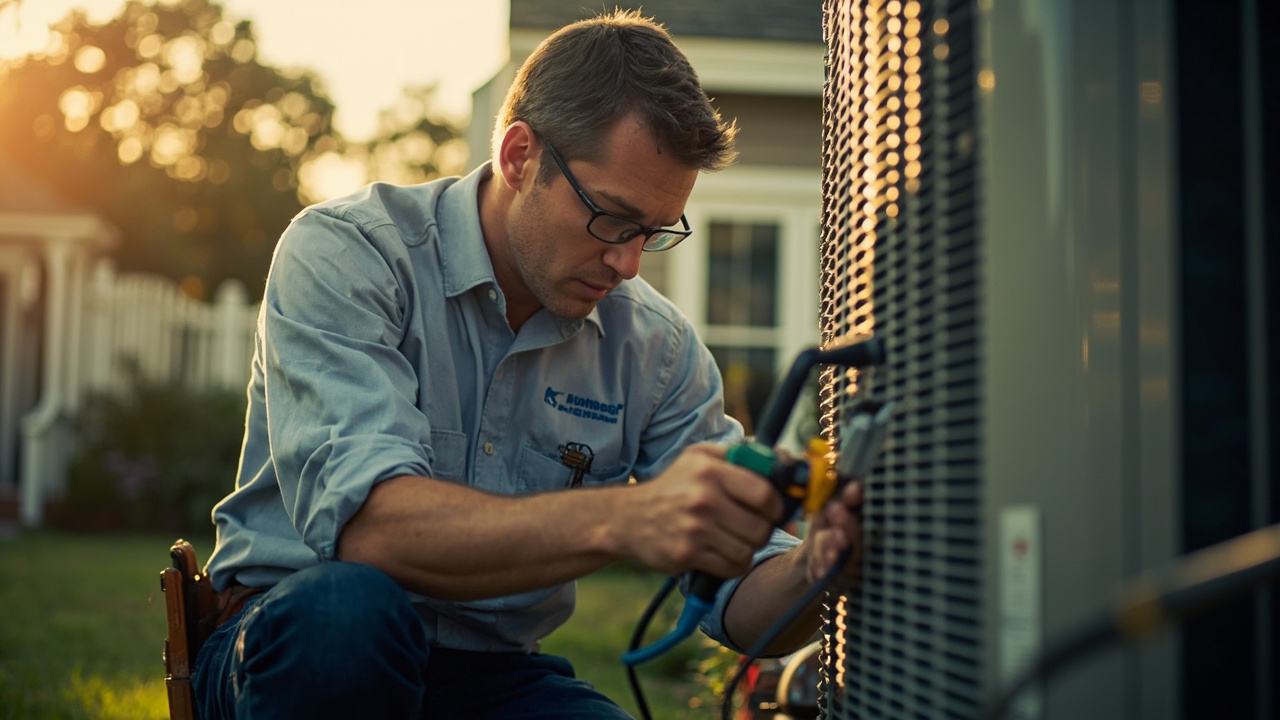
A proper HVAC preventative maintenance visit is not a quick visual check. It is a methodical inspection of every component that affects system performance and reliability. We start with electrical readings at the disconnect, measuring voltage and amperage to identify issues before they cause failures. Loose connections create heat. Heat creates resistance. Resistance burns out contactors and capacitors.

We pull and inspect the blower assembly, checking motor bearings and cleaning the wheel. A dirty blower wheel reduces airflow by 30 percent or more, forcing your compressor to work harder and run longer. We measure static pressure in the ductwork to confirm your system moves the air volume it was designed to deliver. High static pressure from closed vents or undersized returns shortens compressor life and spikes your power bill.

Refrigerant charge gets verified with superheat and subcooling measurements, not guesswork. Low refrigerant means you have a leak. We find it, repair it, and recharge to manufacturer specifications. Overcharge is just as damaging, causing liquid slugging that destroys compressor valves. We check for acid in the oil, a sign of moisture contamination or compressor failure in progress.

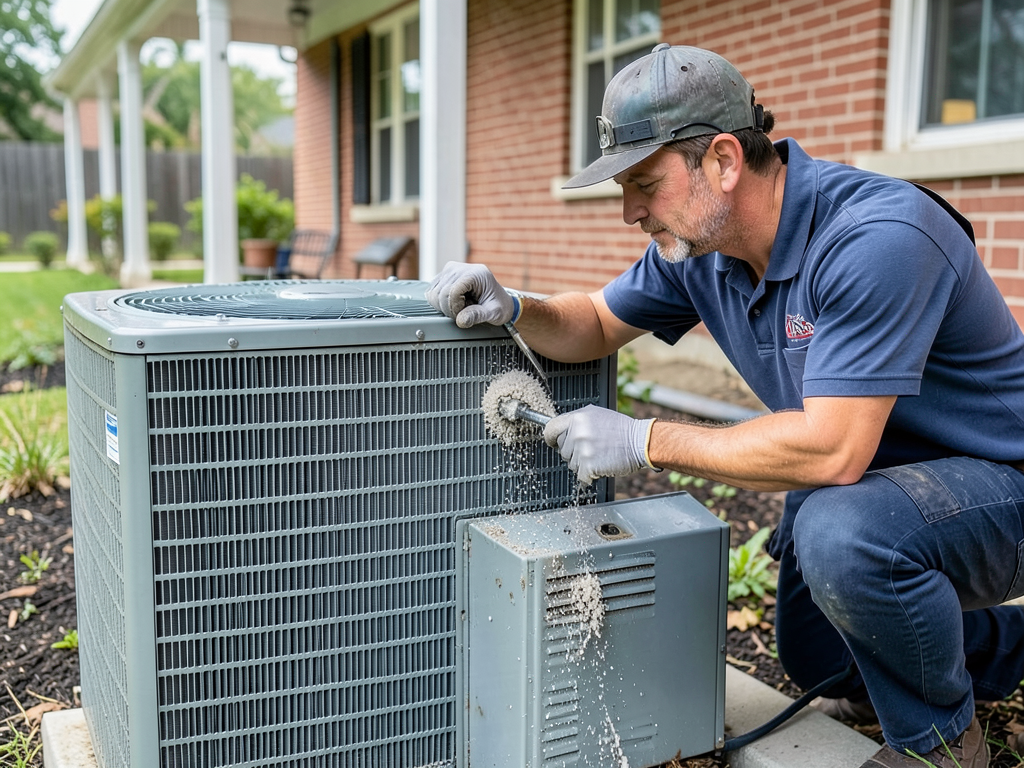
Condensate drains get flushed with a wet vacuum and treated with tablets that prevent algae growth. In New Orleans humidity, a clogged drain line will flood your home. We inspect the evaporator coil for biological growth and check the drain pan for rust. We clean condenser coils with coil cleaner and a soft brush, removing the layer of dirt and pollen that acts as insulation. A clean coil rejects heat efficiently. A dirty coil raises head pressure and kills compressors.

What Happens During Your Maintenance Visit

HVAC Maintenance & Tune-Ups in New Orleans – Prevent Breakdowns Before They Happen
01

Complete System Diagnostics

We arrive with calibrated meters and tools to measure electrical performance, refrigerant charge, and airflow. You get a full report on system health, not a checklist with boxes marked. We identify components nearing end of life and explain what needs attention now versus what can wait. This prevents surprise breakdowns and lets you budget for repairs on your timeline.
02

Cleaning and Adjustments

We clean blower wheels, evaporator coils, and condenser coils. We lubricate motor bearings and inspect belts for wear. We tighten electrical connections and check capacitor microfarad ratings. We flush condensate drains and verify proper drainage. We adjust flame sensors and check ignition sequences on furnaces. Every adjustment improves efficiency and extends component life.
03

Performance Verification

We run the system through a full cycle and verify temperature split across the evaporator coil. We confirm proper staging on two-stage systems and test safety controls. You get documentation showing your system operates within manufacturer specifications. This record proves maintenance history if you need warranty service or when you sell your home. Your system runs cleaner, cooler, and more reliably.

Why New Orleans Homeowners Trust Pioneer HVAC

HVAC systems in New Orleans face conditions that do not exist in drier climates. We understand how salt air corrodes outdoor units in neighborhoods near Lake Pontchartrain. We know which systems handle the humidity load in Garden District homes with high ceilings and poor insulation. We have seen what happens to ductwork in Uptown crawl spaces after a heavy rain season.

This knowledge comes from years of service across Orleans Parish. We do not learn your local challenges from a manual. We learn them by maintaining hundreds of systems in Metairie, Gentilly, Algiers, and the CBD. We know which brands hold up in our climate and which ones fail early. We know how to size equipment for homes with minimal attic insulation and single-pane windows. We know what works here because we work here.

Our technicians carry the tools and parts needed for New Orleans systems. We stock capacitors for the brands installed throughout the metro. We carry condensate treatment tablets and coil cleaner. We do not need to order parts for common repairs discovered during maintenance visits. We fix problems the same day when possible.

Pioneer HVAC New Orleans schedules maintenance around your availability, not ours. We offer same-week appointments year-round. We show up on time with a fully stocked truck. We explain what we find in terms that make sense, and we prioritize repairs based on safety and reliability. You will not get upsold on services you do not need. You get honest assessments and options that fit your budget.

What You Can Expect From Our Maintenance Service

Scheduled Appointments That Fit Your Day

We schedule seasonal HVAC check ups in advance and confirm the day before. Most maintenance visits take 60 to 90 minutes depending on system size and configuration. We arrive in a marked truck with your technician's name and photo sent to your phone. You can schedule around work, school pickups, or other obligations. We do not leave you waiting with a four-hour window. You get a specific arrival time and we honor it.

Thorough Inspection With Clear Explanations

Your technician walks you through findings before and after the visit. We show you dirty components, explain how they affect performance, and recommend solutions with clear reasoning. You get photos of problem areas and documentation of all measurements. We never pressure you into same-day repairs. You get the information you need to make informed decisions. If something needs immediate attention for safety reasons, we explain why and show you the issue.

Systems That Run Cooler and Last Longer

After an AC and furnace maintenance visit, you will notice improved airflow and lower run times. Your system cycles less frequently because it cools more efficiently. Your power bill drops because clean coils and proper refrigerant charge reduce compressor workload. You avoid emergency breakdowns during heat waves because we catch failing components during inspections. Your equipment lasts years longer than units that never receive professional attention. Regular maintenance is the single best investment in system longevity.

Priority Service and Maintenance Tracking

Maintenance customers get priority scheduling if you need emergency service. We keep detailed records of every visit, tracking component replacements and system history. We send reminders when your next seasonal check up is due. You do not have to remember to call. We handle the scheduling and make it easy to keep your system maintained. If you need warranty service, we provide complete documentation showing consistent maintenance history. Your investment stays protected with records that prove proper care.

Frequently Asked Questions

You Have Questions,
We Have Answers

What does an HVAC tune up include? +

An HVAC tune-up includes a thorough inspection of your system's critical components. A technician checks and cleans the condenser coils, tests refrigerant levels, inspects electrical connections, calibrates the thermostat, and examines the blower motor and fan blades. They also clean or replace air filters, check ductwork for leaks, and test system cycling. In New Orleans, technicians pay special attention to condensate drain lines because high humidity causes frequent clogs. They also inspect outdoor units for corrosion from salt air near Lake Pontchartrain. The goal is to catch small problems before they become expensive breakdowns during peak cooling season.

What is the average cost of an HVAC tune up? +

HVAC tune-up pricing varies based on your system type and service provider. Most homeowners in New Orleans pay between industry-standard rates for a single-unit tune-up. The price typically covers labor, standard cleaning, and basic adjustments. You may pay more if you have a dual-fuel system or need refrigerant added. Some companies offer maintenance plans that bundle tune-ups with priority service and discounts on repairs. Given the strain that year-round humidity and frequent AC use put on systems in the greater New Orleans area, regular tune-ups often prevent costlier emergency repairs during summer heat waves.

What is the $5000 rule for HVAC? +

The $5000 rule helps you decide between repairing or replacing your HVAC system. Multiply the age of your unit by the repair cost estimate. If that number exceeds $5000, replacement usually makes more financial sense than repair. For example, if your 12-year-old AC needs a $500 compressor replacement, that equals $6000, suggesting replacement is smarter. This rule accounts for efficiency losses in older units. In New Orleans, where AC systems run nearly year-round and humidity accelerates wear, older units often operate at reduced efficiency. A new system can cut energy bills substantially while providing better dehumidification.

What is the difference between HVAC tune up and maintenance? +

HVAC tune-up and maintenance refer to the same service. Both terms describe preventive care that keeps your system running efficiently. Some contractors use tune-up for annual spring or fall checkups and maintenance for ongoing care plans. Regardless of terminology, the work includes inspecting, cleaning, and adjusting system components to prevent breakdowns. In New Orleans, where AC systems face constant demand from March through November, regular maintenance prevents failures during peak heat. Whether you call it a tune-up or maintenance visit, the technician performs the same critical tasks to extend equipment life and maintain energy efficiency.

What is the average cost of a full tune-up? +

A full HVAC tune-up typically costs the same as a standard tune-up because most tune-ups are comprehensive by default. The price covers inspection and service of your entire heating and cooling system. If you have separate furnace and AC units, you might pay for two tune-ups. Some companies charge extra for dual-fuel systems or commercial equipment. In New Orleans, where most homes rely primarily on cooling, your tune-up focuses heavily on AC components, condensate management, and dehumidification performance. Ask if the quoted price includes both heating and cooling system service to avoid surprises on your invoice.

Is a HVAC tune-up worth it? +

Yes, an HVAC tune-up delivers measurable value for New Orleans homeowners. Annual maintenance improves energy efficiency by up to 15 percent, reduces utility bills, and extends equipment lifespan by several years. Technicians catch minor issues before they become expensive emergency repairs. In New Orleans, where AC systems run constantly and high humidity strains components, tune-ups prevent condensate drain backups, compressor failures, and refrigerant leaks. You also maintain manufacturer warranty coverage, which often requires proof of annual professional maintenance. The cost of one tune-up is far less than replacing a failed compressor or paying for emergency service during a July heat wave.

What is the 3 minute rule for AC? +

The 3-minute rule protects your AC compressor from damage. After your system shuts off, wait at least three minutes before restarting it. This allows refrigerant pressure to equalize throughout the system. Restarting too quickly forces the compressor to start against high pressure, which strains the motor and can cause premature failure. In New Orleans, where frequent afternoon thunderstorms cause power fluctuations and brownouts, this rule becomes even more important. Power interruptions can trigger rapid cycling. Modern thermostats often have built-in delay timers, but manually controlling your thermostat still requires respecting this three-minute waiting period.

What is the lifespan of an HVAC system? +

A well-maintained HVAC system typically lasts 15 to 20 years, but location matters. In New Orleans, expect the lower end of that range due to year-round use and harsh operating conditions. High humidity, salt air near the lake and river, and constant cycling accelerate wear on compressors, coils, and electrical components. Systems without annual maintenance often fail after 10 to 12 years. Coastal homes experience faster corrosion on outdoor units. Regular tune-ups, prompt repairs, and quality installation extend lifespan. If your system exceeds 15 years and needs frequent repairs, replacement usually makes more financial sense than continued fixes.

What does HVAC maintenance include? +

HVAC maintenance includes comprehensive inspection and servicing of your heating and cooling equipment. Technicians clean condenser and evaporator coils, check refrigerant levels and pressures, inspect electrical connections and controls, lubricate moving parts, test thermostat calibration, and examine ductwork. They clean or replace air filters, clear condensate drain lines, and test system startup and shutdown cycles. In New Orleans, maintenance emphasizes condensate management because blocked drains cause frequent water damage. Technicians also inspect outdoor units for corrosion from humidity and check that your system adequately dehumidifies indoor air. This preventive care reduces breakdowns and maintains efficiency throughout our extended cooling season.

Is a new HVAC system tax deductible in 2025? +

HVAC system tax treatment depends on the installation type and current federal incentives. As of 2025, energy-efficient systems may qualify for federal tax credits under clean energy legislation. High-efficiency heat pumps and systems meeting specific SEER2 ratings often qualify for credits. Standard replacements typically do not qualify as deductions on personal tax returns. However, if you install the system in a rental property, you may depreciate it as a capital improvement. New Orleans homeowners should consult a tax professional about current incentives, as programs change annually. Keep all receipts and manufacturer certifications documenting efficiency ratings to support any credit claims.

How New Orleans Humidity and Salt Air Shorten HVAC Lifespan Without Regular Maintenance

New Orleans sits 6 feet below sea level with humidity that stays above 75 percent most of the year. This moisture attacks HVAC systems in ways that do not happen in dry climates. Condensate drains clog faster. Evaporator coils grow mold within months. Electrical connections corrode and create resistance. Outdoor units near the lake or river face additional damage from salt-laden air that eats through aluminum fins and copper tubing. An HVAC system inspection catches this corrosion before it causes refrigerant leaks or compressor failure. Without regular heating and cooling tune ups, your system works harder, costs more to run, and fails years earlier than it should.

Local building codes and the reality of New Orleans construction mean your HVAC system faces challenges unique to this region. Many homes have ductwork in unconditioned attics where temperatures reach 140 degrees in summer. Others have undersized returns or supply runs that create pressure imbalances. We understand these local installation patterns and how they affect long-term performance. Pioneer HVAC New Orleans works with systems installed by contractors who are no longer in business and equipment that pre-dates modern efficiency standards. Our experience across the metro area means we know what works in your neighborhood and what does not.

HVAC Services in The New Orleans Area

Pioneer HVAC New Orleans is proud to serve the entire New Orleans metropolitan area and surrounding parishes. Our central location allows our technicians to rapidly reach you, minimizing your wait time and ensuring quick service response for your heating and cooling needs. Invite us to your location by checking our service area map online or simply giving us a call today to confirm service availability at your specific address.

Address:
Pioneer HVAC New Orleans, 612 Andrew Higgins Dr, New Orleans, LA, 70130

Additional Services We Offer

Our news updates

Latest Articles & News from The Blogs

Expert High-Velocity HVAC Installation & Repair in New Orleans\n\nTraditional ductwork can destroy the character of historic New Orleans homes. High-velocity…

Why High-Velocity HVAC is the Secret to Cooling Historic Homes with No Closet Space

Expert High-Velocity HVAC Installation & Repair in New Orleans\n\nTraditional ductwork can destroy the character of historic New Orleans homes. High-velocity…

Why Magnolia Leaves and Crepe Myrtle Blooms are Secretly Killing Your Metairie AC Unit

Why Magnolia Leaves and Crepe Myrtle Blooms are Secretly Killing Your Metairie AC Unit Your Metairie air conditioner is under…

Keeping Parade Dust and Debris Out of Your Uptown Home HVAC System

Keeping Parade Dust and Debris Out of Your Uptown Home HVAC System Uptown New Orleans homes face unique challenges during…

Contact Us

Do not wait for a failure during a heat wave. Call Pioneer HVAC New Orleans at (504) 355-2955 to schedule your heating and cooling tune up. We offer same-week appointments and service all makes and models across the metro area.