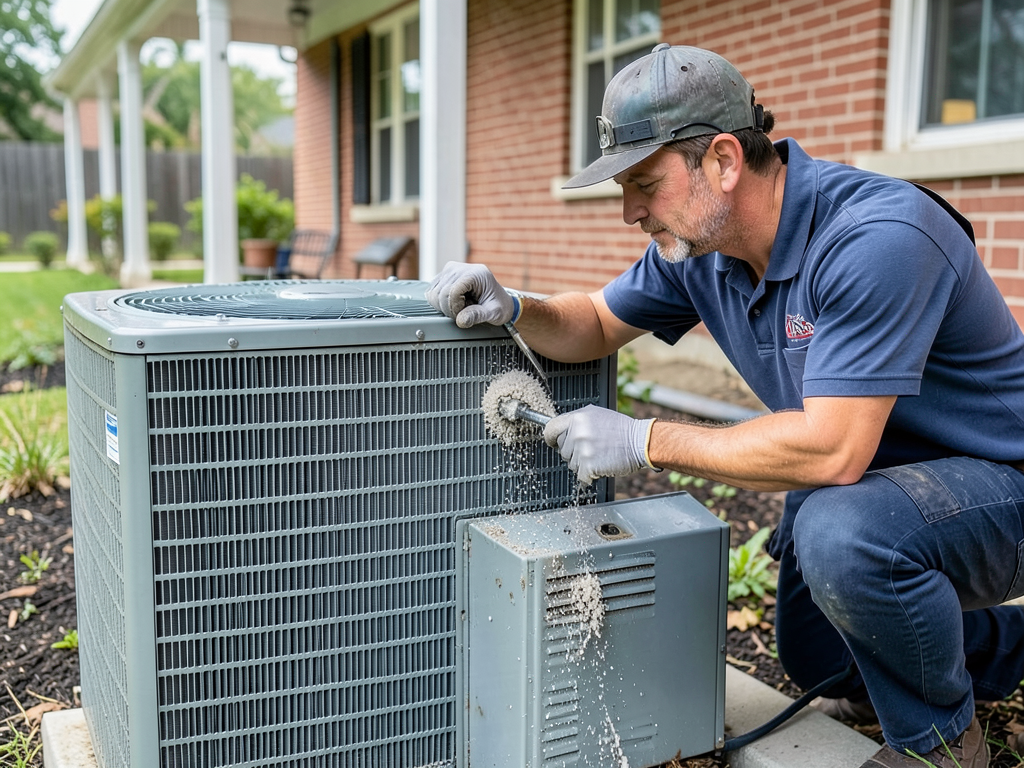





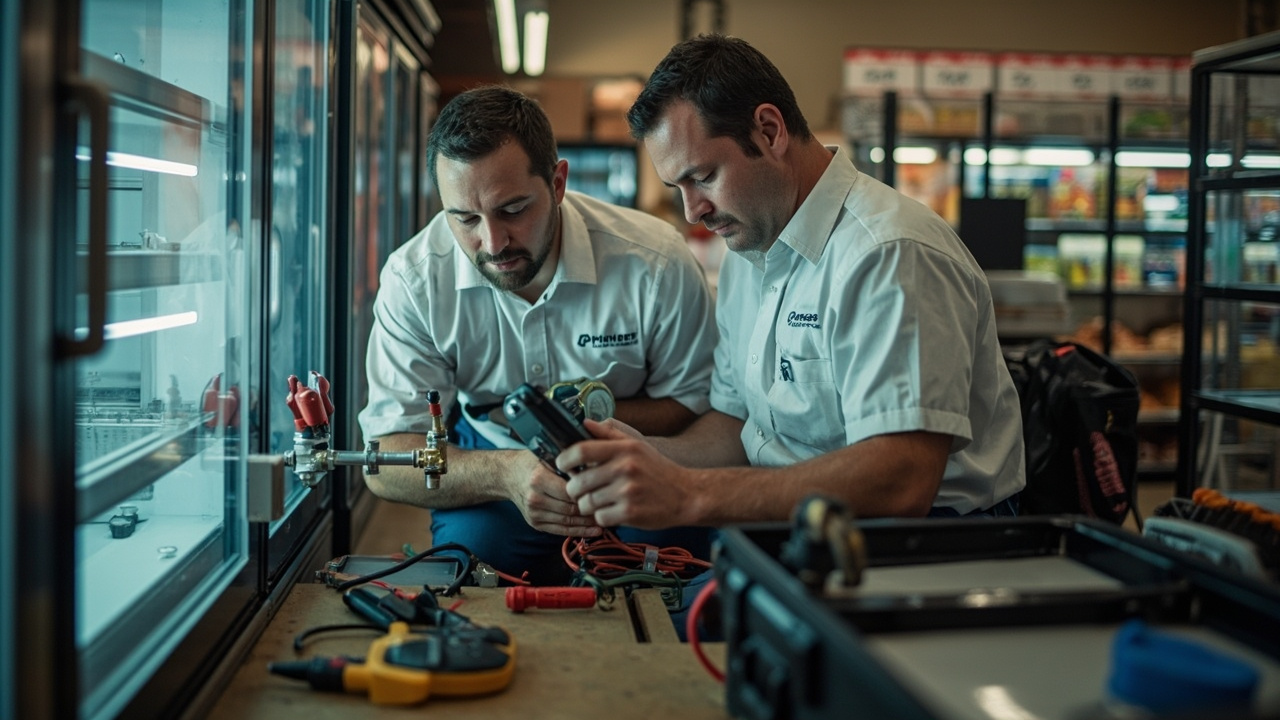
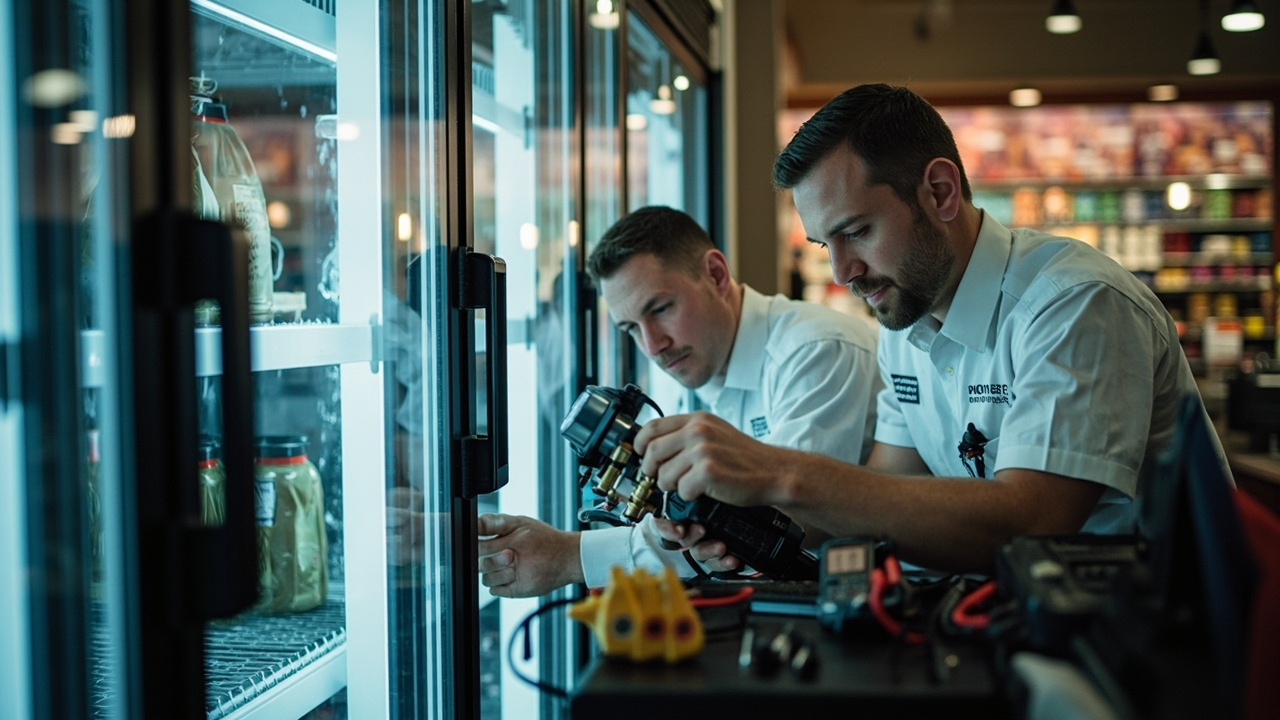
New Orleans presents unique challenges for commercial refrigeration systems that contractors from other markets often misunderstand. Year-round humidity averages 75 percent, which increases condensation on evaporator coils and accelerates corrosion on electrical connections. Ambient temperatures regularly exceed 90 degrees from May through September, forcing condensing units to run longer cycles and work harder to reject heat. Salt air from Lake Pontchartrain and the Mississippi River corrodes condenser coil fins and electrical terminals faster than in inland locations. Commercial kitchens in below-sea-level areas experience higher groundwater tables that can affect condensate drainage and cause standing water issues in drain pans. These factors combine to reduce equipment lifespan and increase maintenance requirements compared to national averages for similar installations.
Orleans Parish health department regulations require specific temperature monitoring and documentation for commercial food storage. Inspectors expect written temperature logs and functional monitoring systems during routine inspections. Commercial refrigeration contractors working in New Orleans must understand these local compliance requirements, not just general food safety guidelines. Buildings in historic districts face additional constraints on exterior equipment placement and refrigerant line routing that affect installation options. Pioneer HVAC New Orleans works daily with these local regulations and building restrictions. We design commercial refrigeration installations that meet health code requirements while respecting architectural preservation standards in the French Quarter, Garden District, and other protected areas.