Fighting New Orleans Humidity with a Professional Whole-Home Dehumidifier Installation
New Orleans homes face a unique battle against humidity. With average relative humidity levels hovering around 75% and often climbing above 90% during summer months, standard air conditioning systems struggle to keep indoor air comfortable. The moisture-laden air from the Gulf of Mexico creates a persistent problem that affects everything from your comfort to your home’s structural integrity.
Whole-home dehumidifiers work alongside your existing HVAC system to remove excess moisture before it causes damage. These systems pull between 70 and 135 pints of water from the air daily, depending on your home’s size and the severity of humidity problems. Unlike portable units that work in single rooms, whole-home systems connect directly to your ductwork and drain automatically, providing consistent protection throughout your entire house.
The science is simple. When air holds more moisture than it can contain at a given temperature, condensation forms on cooler surfaces. In New Orleans homes, this means water droplets forming on windows, inside walls, and even on air conditioning vents. Over time, this moisture creates perfect conditions for mold growth, wood rot, and attracts pests that thrive in damp environments.
Professional installation ensures your system is properly sized for your home’s square footage and existing HVAC capacity. A technician will calculate the exact moisture removal needed based on your home’s construction, insulation levels, and local climate data. This precision prevents the system from running too frequently and wasting energy or from being undersized and failing to control humidity effectively. ENERGY STAR certified dehumidifiers.
Why New Orleans Homes Require Whole-House Dehumidification
The subtropical climate of New Orleans creates conditions that overwhelm standard air conditioning systems. While your AC cools air, it only removes moisture as a byproduct of the cooling process. In our high-humidity environment, this incidental dehumidification proves insufficient.. Read more about Professional Heating and Cooling Services Ready to Serve You in Algiers.
During the cooling season, which stretches from March through November in New Orleans, your air conditioner runs almost constantly. This continuous operation prevents the system from cycling through its natural defrost mode, which helps remove moisture from the evaporator coil. The result is air that feels clammy and sticky despite being technically cool.
Historic New Orleans architecture compounds the problem. Many homes feature plaster walls, hardwood floors, and wooden structural elements that absorb moisture like sponges. Once these materials reach their moisture capacity, they release water vapor back into the air, creating a vicious cycle that standard HVAC systems cannot break.
The financial impact extends beyond comfort. High humidity forces your air conditioner to work harder, increasing energy consumption by up to 15%. The added strain also shortens equipment lifespan, leading to more frequent repairs and earlier replacement needs. A whole-home dehumidifier can reduce cooling costs while extending the life of your existing HVAC equipment. EPA mold prevention guidelines.
Health concerns provide another compelling reason for dehumidification. Dust mites, a common allergen, thrive in humid environments. Mold spores, which can trigger asthma and other respiratory issues, grow rapidly when relative humidity exceeds 60%. By maintaining indoor humidity between 45% and 55%, whole-home systems create an environment that discourages these biological contaminants.
Benefits of a Whole-Home System vs. Portable Units
| Feature | Whole-Home System | Portable Unit |
|---|---|---|
| Coverage Area | Entire home (up to 5,000 sq ft) | Single room (300-500 sq ft) |
| Noise Level | Virtually silent (installed in attic/dedicated space) | Noticeable humming |
| Water Removal | 70-135 pints/day automatic drainage | 20-70 pints/day manual emptying |
| Maintenance | Annual professional service | Weekly cleaning and emptying |
| Energy Efficiency | Integrated with HVAC for optimal performance | Stand-alone, higher per-unit cost |
The drainage system represents one of the biggest advantages of whole-home installation. Portable units require manual emptying of collection buckets, often daily during peak humidity. Whole-home systems connect directly to your home’s plumbing, automatically draining collected water without any intervention required.
Coverage consistency proves equally important. Portable units create humidity gradients within your home, with treated areas feeling comfortable while untreated spaces remain damp. Whole-home systems maintain uniform humidity levels throughout every room, eliminating cold spots and preventing moisture migration between areas.
Long-term reliability separates these options dramatically. Portable units typically last 3-5 years with heavy use, while whole-home systems installed by professionals often function effectively for 8-12 years. The investment in professional installation pays dividends through reduced replacement frequency and superior performance.
Aesthetic considerations matter too. Portable units occupy valuable floor space and create tripping hazards with their power cords. Whole-home systems remain hidden from view, preserving your home’s appearance while delivering superior performance.
Our Installation Process and Integrated HVAC Solutions
- Comprehensive Home Assessment
Our technicians measure your home’s cubic footage, evaluate existing ductwork, and assess current humidity levels using precision hygrometers. We document problem areas like musty basements or condensation-prone rooms to customize your system’s capacity.
- System Sizing and Selection
Based on our assessment, we calculate the exact pints-per-day capacity needed. A 2,500 square foot home in New Orleans typically requires a 90-100 pint system, but factors like ceiling height and insulation quality affect this calculation.
- Ductwork Integration
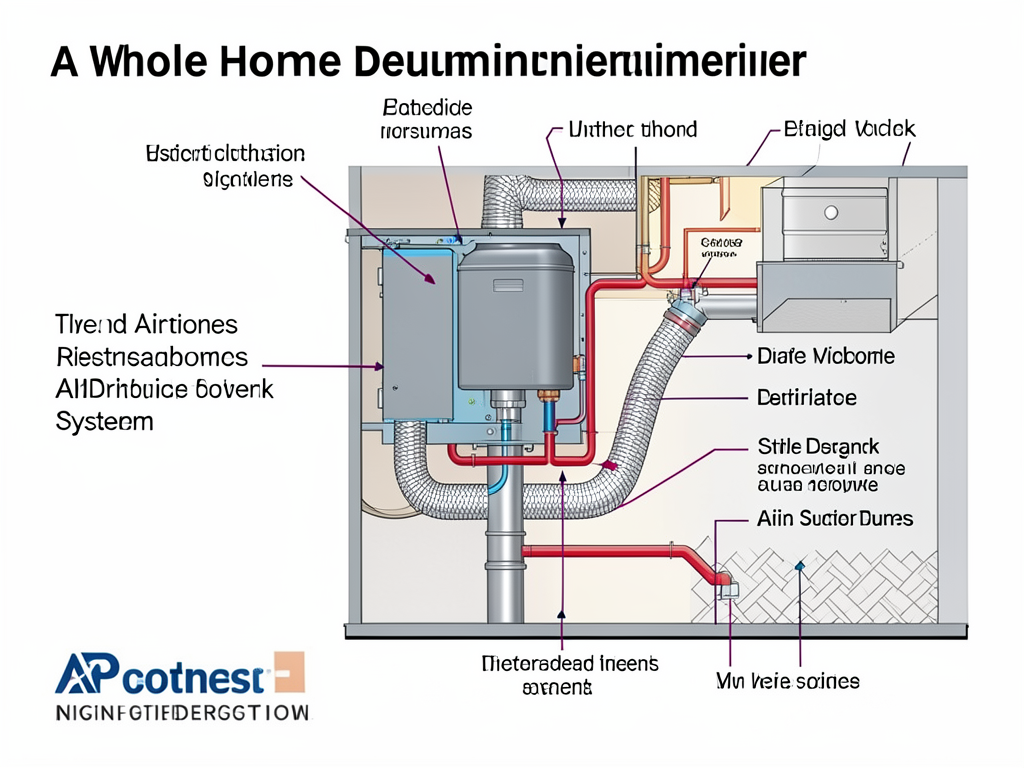
We connect the dehumidifier to your existing HVAC system’s return ductwork, allowing it to treat all air circulating through your home. This integration ensures the dehumidifier works in harmony with your air conditioner rather than competing against it.
- Humidistat Installation
A dedicated humidistat monitors indoor humidity levels and automatically activates the dehumidifier when moisture exceeds your set point, typically 50%. This automation eliminates manual adjustments and ensures consistent comfort.
- Condensate Drainage Setup
We install proper drainage connections to your home’s plumbing system or a dedicated condensate pump if gravity drainage isn’t possible. This setup prevents water damage and eliminates the need for manual emptying.
- System Testing and Calibration
After installation, we verify proper operation, check for air leaks, and calibrate the humidistat for optimal performance. We also educate you on system features and maintenance requirements.
The installation typically requires one day for most homes. Our technicians work efficiently while maintaining clean work areas and protecting your home’s finishes throughout the process.
Integration with your existing HVAC system proves crucial for optimal performance. The dehumidifier must work in coordination with your air conditioner, not against it. During cooling cycles, the AC provides some dehumidification, so the dedicated system should reduce its activity to prevent over-drying the air.
Smart thermostat compatibility represents another integration benefit. Many whole-home dehumidifiers connect to modern smart thermostats, allowing you to monitor humidity levels remotely and adjust settings from your smartphone. This connectivity also enables energy-saving features that reduce operation during unoccupied hours.. Read more about Installing Modern AC in Garden District Historic Homes Without Ruining Your Architecture.
Proper sizing prevents common problems. An oversized dehumidifier cycles on and off too frequently, reducing efficiency and lifespan. An undersized unit runs constantly without achieving target humidity levels. Our precise calculations based on Manual J standards ensure your system operates at peak efficiency.
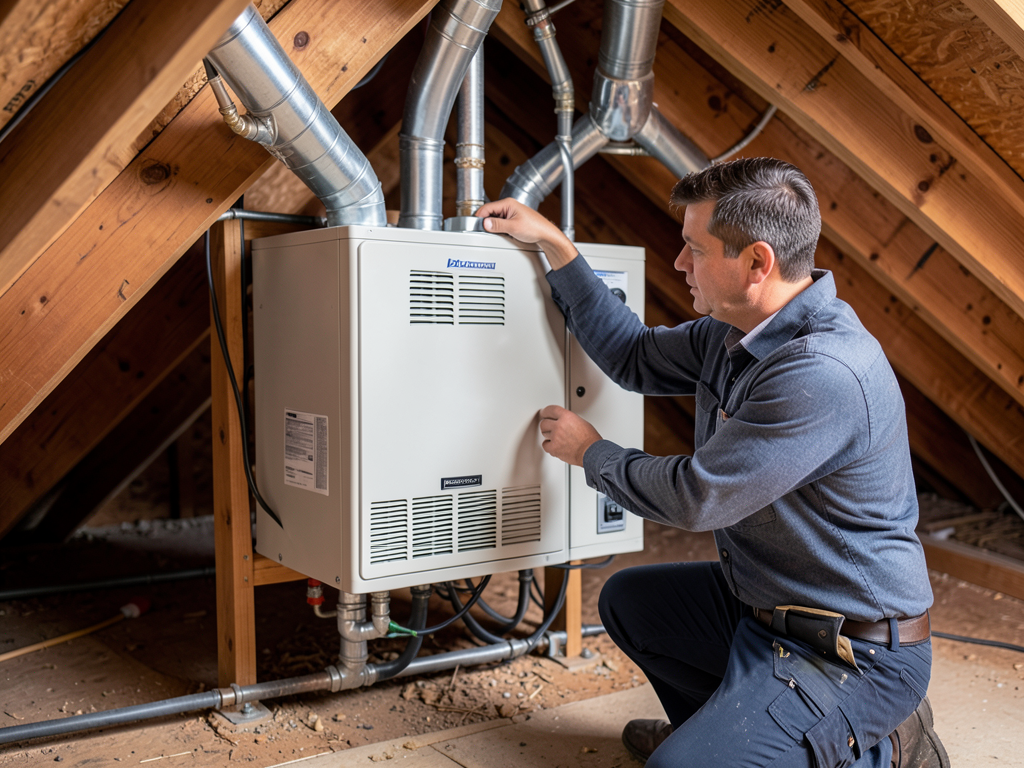
Noise considerations influence placement decisions. While whole-home systems operate more quietly than portables, strategic installation in utility closets or attics minimizes any sound transmission to living spaces. We evaluate your home’s layout to determine optimal equipment location.
Recommended Dehumidifier Brands for the Gulf Coast
Coastal environments demand equipment specifically engineered to handle salt air and high humidity. Standard dehumidifiers often fail prematurely when exposed to these conditions, making brand selection critical for long-term reliability.
Aprilaire whole-home dehumidifiers excel in New Orleans applications due to their corrosion-resistant components and high-capacity options. Their 1850F model removes up to 95 pints per day and features a MERV 8 filter that captures airborne particles while dehumidifying. The unit’s aluminum coils resist the corrosive effects of salt air better than standard copper alternatives.
Santa Fe dehumidifiers specialize in high-efficiency performance for challenging environments. Their compact designs work well in homes with limited mechanical space, while their Energy Star certification ensures lower operating costs. The Santa Fe Compact70 model removes 70 pints daily while using less electricity than many competitors.. Read more about Why Your Lakeview Home Needs a High-Efficiency AC Unit to Combat Swampy Humidity.
Honeywell offers reliable whole-home solutions with user-friendly controls and robust construction. Their TrueDRY DR90 model features automatic restart after power outages and a washable filter that reduces maintenance costs. The unit’s horizontal or vertical installation options accommodate various mechanical room configurations.
Ultra-Aire dehumidifiers provide commercial-grade performance for larger homes or particularly challenging humidity problems. Their XT105H model removes 105 pints daily and includes a built-in pump for installations where gravity drainage proves difficult. The unit’s epoxy-coated coils withstand harsh coastal conditions.
All these brands meet or exceed ENERGY STAR efficiency standards, ensuring your investment reduces rather than increases utility costs. We help you select the optimal brand based on your home’s specific requirements, budget constraints, and performance expectations.
Local Case Studies: Keeping New Orleans Homes Dry
A Garden District homeowner contacted us during a particularly humid July when indoor humidity levels reached 82%. Their 3,200 square foot historic home featured plaster walls and original hardwood floors that were absorbing moisture and beginning to warp. We installed an Aprilaire 1850F system integrated with their existing ductwork. Within 48 hours, humidity dropped to 52%, eliminating condensation on windows and improving overall comfort. The homeowner reported a 12% reduction in cooling costs during the following month.
In Metairie, a family struggled with persistent mold growth in their 2,800 square foot home built on a crawl space. The combination of poor ventilation and high water table moisture created ideal conditions for mold. We installed a Santa Fe Compact70 with dedicated ductwork to the crawl space and main living areas. The system maintains 48% relative humidity, eliminating new mold growth and improving indoor air quality for the family’s allergy sufferers.
A Lakeview homeowner with a 4,000 square foot contemporary home experienced condensation forming on their air conditioning vents during summer months. The visible moisture indicated humidity levels exceeding 70% throughout the house. We installed an Ultra-Aire XT105H with smart thermostat integration. The system automatically adjusts operation based on both temperature and humidity, maintaining optimal comfort while minimizing energy consumption.
Each installation demonstrates how whole-home dehumidification solves specific problems unique to New Orleans’ climate and architecture. The solutions vary based on home size, construction type, and existing HVAC configuration, but the results consistently improve comfort, protect property, and reduce energy costs.
Frequently Asked Questions about Dehumidification in NOLA
How much does whole-home dehumidifier installation cost in New Orleans?
Installation costs typically range from $3,500 to $6,500 depending on home size, system capacity, and installation complexity. This investment often pays for itself within 3-5 years through reduced energy costs and prevented moisture damage.
Will a dehumidifier work with my existing air conditioner?
Yes. Whole-home dehumidifiers integrate seamlessly with existing HVAC systems. The units work together, with the dehumidifier handling moisture removal while your air conditioner focuses on temperature control. This partnership improves overall system efficiency.
How often should I maintain my whole-home dehumidifier?
Annual professional maintenance ensures optimal performance. This service includes cleaning coils, checking refrigerant levels, inspecting drainage systems, and replacing air filters. Some filters are washable, extending replacement intervals to 6-12 months.
Can dehumidification help with my allergies?
Absolutely. Dust mites and mold thrive in humid environments. By maintaining relative humidity between 45-55%, dehumidifiers create conditions that discourage these allergens. Many customers report significant allergy symptom reduction after installation.
What size dehumidifier do I need for my home?
System sizing depends on square footage, ceiling height, insulation quality, and local climate conditions. A professional assessment using Manual J calculations determines the exact capacity needed, typically ranging from 70-135 pints per day for New Orleans homes.
Does dehumidification reduce my cooling costs?
Yes. When air contains less moisture, it feels cooler at higher temperatures. Many homeowners raise their thermostat settings by 2-3 degrees after installation while maintaining the same comfort level, directly reducing cooling costs by 10-15%.
Understanding New Orleans’ Unique Humidity Challenges
New Orleans sits in a subtropical climate zone where the Gulf of Mexico provides a constant source of moisture-laden air. The city’s average dew point during summer months ranges from 70°F to 75°F, creating conditions where air holds maximum moisture content. This high dew point means that even mildly cool surfaces trigger condensation, explaining why air conditioning vents often sweat during operation.
The Mississippi River floodplain location adds another layer of complexity. The high water table means moisture constantly migrates upward through soil and concrete foundations. This ground moisture enters homes through slab foundations or crawl spaces, creating humidity problems that originate from below rather than from outdoor air infiltration.
Historic preservation requirements in many New Orleans neighborhoods limit modifications that could improve natural ventilation. Homes in the French Quarter and Garden District often cannot add modern ventilation systems without special permits, making mechanical dehumidification the only viable solution for moisture control.
Local building codes now recognize humidity control as essential for indoor air quality. The 2021 Louisiana Residential Code added requirements for mechanical ventilation in new construction, acknowledging that airtight building envelopes require active moisture management to prevent indoor air quality problems.
Energy efficiency improvements in newer homes create another humidity challenge. Better insulation and tighter building envelopes reduce air exchange with the outdoors, trapping moisture inside. While these improvements reduce heating and cooling costs, they necessitate mechanical dehumidification to maintain healthy indoor environments.
Energy Efficiency and Long-Term Savings
Whole-home dehumidifiers contribute to energy efficiency in multiple ways. First, they allow your air conditioner to operate more efficiently by handling the moisture removal task separately. Air conditioners dehumidify as a byproduct of cooling, but this process forces the system to cool air below comfortable temperatures to achieve adequate moisture removal.
Second, drier air feels cooler than humid air at the same temperature. This psychrometric principle means you can raise your thermostat setting by several degrees without sacrificing comfort, directly reducing cooling energy consumption. Each degree of thermostat adjustment typically saves 3-5% on cooling costs.
Third, whole-home systems operate more efficiently than multiple portable units. A single 90-pint whole-home system uses less electricity than three or four portable units running continuously to treat the same square footage. The centralized approach also eliminates the energy waste of treating air in one room while adjacent areas remain humid.
Maintenance requirements for energy efficiency include annual coil cleaning and filter replacement. Dirty coils reduce heat transfer efficiency by up to 30%, forcing the system to run longer to achieve the same results. Clean filters maintain proper airflow, preventing the system from working harder than necessary.
Smart controls further enhance efficiency by adjusting operation based on occupancy patterns and outdoor humidity levels. These systems can reduce dehumidification during unoccupied hours or when outdoor humidity drops temporarily, minimizing unnecessary energy consumption.
Protecting Your Home Investment
Moisture damage represents one of the most costly threats to New Orleans homes. Wood rot, a direct result of sustained high humidity, can compromise structural elements including floor joists, wall studs, and roof decking. Repairs often require extensive demolition and replacement, costing thousands of dollars.. Read more about Expert Furnace Repair in Gretna to Keep Your Family Warm on Chilly Delta Nights.
Mold growth creates both health hazards and property damage. Once established, mold colonies spread rapidly through damp areas, requiring professional remediation that can cost $5,000 to $15,000 for extensive infestations. Whole-home dehumidification prevents the moisture conditions that allow mold to establish and spread.
Termite infestations increase in humid environments. These wood-destroying insects thrive in damp conditions and are attracted to moisture-damaged wood. By maintaining proper humidity levels, dehumidification makes your home less attractive to termites and helps prevent the wood decay that makes structures more vulnerable to infestation.
Indoor air quality improvements protect both health and property. High humidity promotes the growth of dust mites, bacteria, and other biological contaminants that can damage furnishings, books, and electronic equipment. Maintaining optimal humidity levels extends the life of these valuable possessions.
Insurance considerations matter too. Some insurance companies offer premium discounts for homes with whole-home dehumidification systems, recognizing the reduced risk of moisture-related claims. The systems also provide documentation of proactive moisture management, which can prove valuable if moisture damage claims arise.
Call (504) 355-2955 Today to Schedule Your Inspection
Don’t let New Orleans humidity damage your home and compromise your comfort. Our experienced technicians understand the unique challenges of our subtropical climate and can recommend the perfect whole-home dehumidification solution for your specific situation. We serve homeowners throughout the greater New Orleans area with prompt, professional service.
During your inspection, we’ll measure current humidity levels, evaluate your existing HVAC system, and calculate the exact capacity needed to maintain optimal indoor conditions. We’ll explain all options clearly, with no high-pressure sales tactics, just honest recommendations based on your home’s specific needs.
Pick up the phone and call (504) 355-2955 before the next heat wave hits. Our team is ready to help you achieve the comfortable, healthy indoor environment you deserve. Don’t wait until moisture damage becomes expensive to repair – take action now to protect your home and improve your quality of life.
With proper whole-home dehumidification, you can finally say goodbye to that sticky, uncomfortable feeling that makes New Orleans summers so challenging. Call today and take the first step toward a drier, more comfortable home environment.
{
“@context”: “https://schema.org”,
“@type”: “BlogPosting”,
“headline”: “Fighting New Orleans Humidity with a Professional Whole-Home Dehumidifier Installation”,
“description”: “Stop battling New Orleans humidity. Learn how whole-home dehumidifiers protect your home, improve comfort, and reduce energy costs. Call (504) 355-2955 for expert installation.”,
“wordCount”: 2795,
“datePublished”: “2026-02-21T13:54:00.000Z”,
“dateModified”: “2026-02-21T13:54:00.000Z”,
“inLanguage”: “en-US”,
“mainEntityOfPage”: {
“@type”: “WebPage”,
“@id”: “https://pioneerhvacneworleans.com”
},
“publisher”: {
“@type”: “LocalBusiness”,
“name”: “Pioneer HVAC New Orleans”,
“url”: “https://pioneerhvacneworleans.com”
},
“author”: {
“@type”: “Organization”,
“name”: “Pioneer HVAC New Orleans”,
“url”: “https://pioneerhvacneworleans.com”
},
“image”: {
“@type”: “ImageObject”,
“url”: “https://pioneerhvacneworleans.com/wp-content/uploads/2026/03/fighting-new-orleans-humidity-with-a-professional-1.png”
}
}
{
“@context”: “https://schema.org”,
“@type”: “HVACBusiness”,
“name”: “Pioneer HVAC New Orleans”,
“url”: “https://pioneerhvacneworleans.com”,
“address”: {
“@type”: “PostalAddress”,
“addressLocality”: “New Orleans”
},
“areaServed”: {
“@type”: “City”,
“name”: “New Orleans”
}
}
{
“@context”: “https://schema.org”,
“@type”: “FAQPage”,
“mainEntity”: [
{
“@type”: “Question”,
“name”: “How much does whole-home dehumidifier installation cost in New Orleans?”,
“acceptedAnswer”: {
“@type”: “Answer”,
“text”: “Installation costs typically range from $3,500 to $6,500 depending on home size, system capacity, and installation complexity. This investment often pays for itself within 3-5 years through reduced energy costs and prevented moisture damage.”
}
},
{
“@type”: “Question”,
“name”: “Will a dehumidifier work with my existing air conditioner?”,
“acceptedAnswer”: {
“@type”: “Answer”,
“text”: “Yes. Whole-home dehumidifiers integrate seamlessly with existing HVAC systems. The units work together, with the dehumidifier handling moisture removal while your air conditioner focuses on temperature control. This partnership improves overall system efficiency.”
}
},
{
“@type”: “Question”,
“name”: “How often should I maintain my whole-home dehumidifier?”,
“acceptedAnswer”: {
“@type”: “Answer”,
“text”: “Annual professional maintenance ensures optimal performance. This service includes cleaning coils, checking refrigerant levels, inspecting drainage systems, and replacing air filters. Some filters are washable, extending replacement intervals to 6-12 months.”
}
},
{
“@type”: “Question”,
“name”: “Can dehumidification help with my allergies?”,
“acceptedAnswer”: {
“@type”: “Answer”,
“text”: “Absolutely. Dust mites and mold thrive in humid environments. By maintaining relative humidity between 45-55%, dehumidifiers create conditions that discourage these allergens. Many customers report significant allergy symptom reduction after installation.”
}
},
{
“@type”: “Question”,
“name”: “What size dehumidifier do I need for my home?”,
“acceptedAnswer”: {
“@type”: “Answer”,
“text”: “System sizing depends on square footage, ceiling height, insulation quality, and local climate conditions. A professional assessment using Manual J calculations determines the exact capacity needed, typically ranging from 70-135 pints per day for New Orleans homes.”
}
},
{
“@type”: “Question”,
“name”: “Does dehumidification reduce my cooling costs?”,
“acceptedAnswer”: {
“@type”: “Answer”,
“text”: “Yes. When air contains less moisture, it feels cooler at higher temperatures. Many homeowners raise their thermostat settings by 2-3 degrees after installation while maintaining the same comfort level, directly reducing cooling costs by 10-15%.”
}
}
]
}
{
“@context”: “https://schema.org”,
“@type”: “HowTo”,
“name”: “Professional Dehumidifier Installation Process”,
“step”: [
{
“@type”: “HowToStep”,
“position”: 1,
“name”: “Comprehensive Home Assessment”,
“text”: “Our technicians measure your home’s cubic footage, evaluate existing ductwork, and assess current humidity levels using precision hygrometers. We document problem areas like musty basements or condensation-prone rooms to customize your system’s capacity.”
},
{
“@type”: “HowToStep”,
“position”: 2,
“name”: “System Sizing and Selection”,
“text”: “Based on our assessment, we calculate the exact pints-per-day capacity needed. A 2,500 square foot home in New Orleans typically requires a 90-100 pint system, but factors like ceiling height and insulation quality affect this calculation.”
},
{
“@type”: “HowToStep”,
“position”: 3,
“name”: “Ductwork Integration”,
“text”: “We connect the dehumidifier to your existing HVAC system’s return ductwork, allowing it to treat all air circulating through your home. This integration ensures the dehumidifier works in harmony with your air conditioner rather than competing against it.”
},
{
“@type”: “HowToStep”,
“position”: 4,
“name”: “Humidistat Installation”,
“text”: “A dedicated humidistat monitors indoor humidity levels and automatically activates the dehumidifier when moisture exceeds your set point, typically 50%. This automation eliminates manual adjustments and ensures consistent comfort.”
},
{
“@type”: “HowToStep”,
“position”: 5,
“name”: “Condensate Drainage Setup”,
“text”: “We install proper drainage connections to your home’s plumbing system or a dedicated condensate pump if gravity drainage isn’t possible. This setup prevents water damage and eliminates the need for manual emptying.”
},
{
“@type”: “HowToStep”,
“position”: 6,
“name”: “System Testing and Calibration”,
“text”: “After installation, we verify proper operation, check for air leaks, and calibrate the humidistat for optimal performance. We also educate you on system features and maintenance requirements.”
}
],
“image”: “https://pioneerhvacneworleans.com/wp-content/uploads/2026/03/fighting-new-orleans-humidity-with-a-professional-1.png”
}
{
“@context”: “https://schema.org”,
“@type”: “BreadcrumbList”,
“itemListElement”: [
{
“@type”: “ListItem”,
“position”: 1,
“name”: “Home”,
“item”: “https://pioneerhvacneworleans.com”
},
{
“@type”: “ListItem”,
“position”: 2,
“name”: “Blog”,
“item”: “https://pioneerhvacneworleans.com/blog”
},
{
“@type”: “ListItem”,
“position”: 3,
“name”: “Fighting New Orleans Humidity with a Professional Whole-Home Dehumidifier Installation”
}
]
}
{
“@context”: “https://schema.org”,
“@type”: “Service”,
“serviceType”: “HVAC”,
“provider”: {
“@type”: “LocalBusiness”,
“name”: “Pioneer HVAC New Orleans”,
“url”: “https://pioneerhvacneworleans.com”
},
“areaServed”: {
“@type”: “City”,
“name”: “New Orleans”
},
“description”: “Stop battling New Orleans humidity. Learn how whole-home dehumidifiers protect your home, improve comfort, and reduce energy costs. Call (504) 355-2955 for expert installation.”
}