




menu

Excess Dust in Home in New Orleans – Expert HVAC Diagnosis and Permanent Solutions

When you constantly battle dusty surfaces despite cleaning daily, your HVAC system is usually the culprit. We diagnose the root cause of excess dust in home environments and fix the underlying filtration, ductwork, or airflow problems permanently.

Slider Image 1
Slider Image 2
Slider Image 3
Slider Image 4
Slider Image 5
Slider Image 7
Slider Image 8
Slider Image 9
Slider Image 10
Slider Image 11

Why New Orleans Homes Accumulate Excessive House Dust Year-Round

You wipe down your coffee table in the morning, and by evening, a visible layer of dust has already settled. You vacuum twice a week, yet heavy dust buildup reappears on baseboards, ceiling fans, and furniture within days. This constant dust in house environments frustrates homeowners across New Orleans, but the problem is rarely just poor cleaning habits.

New Orleans sits in a humid subtropical zone where moisture levels hover between 70 and 90 percent for most of the year. High humidity causes airborne particulates to clump together and settle faster on surfaces. Add in the fine sediment from nearby waterways like Lake Pontchartrain and the Mississippi River, and outdoor air becomes loaded with dust even before it enters your home. When your HVAC system pulls in unconditioned air through leaky ductwork or operates with clogged filters, it distributes this particulate matter throughout every room.

Too much dust in home spaces also signals poor filtration or inadequate air circulation. Many older homes in neighborhoods like the Garden District or Mid-City were built before modern duct sealing standards existed. Gaps in ductwork allow unfiltered attic dust, insulation fibers, and construction debris to enter your air supply. If your system runs constantly to combat humidity but lacks proper filtration, it becomes a dust distribution machine.

Unusually dusty home conditions also worsen during spring and fall when pollen counts spike and wind carries debris from nearby construction or green spaces like Audubon Park. If your HVAC system cannot handle the load, you will notice excessive house dust on every horizontal surface within hours of cleaning.

Why New Orleans Homes Accumulate Excessive House Dust Year-Round
How We Identify and Eliminate the Source of Heavy Dust Buildup

How We Identify and Eliminate the Source of Heavy Dust Buildup

Most homeowners try swapping air filters or cleaning vents themselves, but these surface fixes ignore the underlying mechanical failures causing the problem. We perform a full-system airflow analysis to pinpoint where dust originates and how it circulates through your home.

First, we inspect your return air pathways. If return grilles are undersized, blocked, or located in dusty areas like garages or attics, your system will pull in contaminated air and distribute it. We measure static pressure across the system to detect restrictions that force the blower motor to work harder and stir up settled dust inside ductwork.

Next, we examine duct integrity using a blower door test or visual inspection with a camera scope. Leaky ducts in unconditioned spaces like attics or crawlspaces pull in fiberglass particles, rodent droppings, and accumulated grime. We seal these leaks with mastic or metal-backed tape, not the flimsy duct tape that peels off in New Orleans humidity.

We also evaluate your filtration system. Standard 1-inch pleated filters trap large particles but allow fine dust to pass through. If you have a compatible system, we recommend upgrading to a 4-inch media filter or installing a whole-home air cleaner with MERV 13 or higher ratings. These capture particles down to 0.3 microns, including mold spores, pollen, and fine sediment common in Gulf Coast air.

Finally, we check your blower motor speed and fan settings. If your system only runs when heating or cooling, air stagnates between cycles and allows dust to settle. We can program your thermostat to run the fan continuously at low speed, providing constant filtration without spiking energy bills.

How We Restore Clean Air to Your Home

Excess Dust in Home in New Orleans – Expert HVAC Diagnosis and Permanent Solutions
01

Comprehensive System Assessment

We start by inspecting your entire HVAC system, including ductwork, filtration, and return air pathways. Using diagnostic tools like manometers and airflow meters, we measure static pressure, detect leaks, and identify where unfiltered air enters your system. This data-driven approach reveals the exact source of excessive house dust in your home.
02

Targeted Repairs and Upgrades

Once we identify the root cause, we seal duct leaks, upgrade filtration systems, and correct airflow imbalances. We use professional-grade mastic sealant and insulated duct wrap to prevent contaminated air from entering your supply lines. If your system requires a better filter, we install high-efficiency media filters or electronic air cleaners designed for New Orleans humidity.
03

Verification and Ongoing Monitoring

After repairs, we retest airflow and static pressure to confirm the system operates within manufacturer specifications. We show you the before-and-after data so you can see measurable improvement. We also recommend a maintenance schedule to keep filters clean and ducts sealed, preventing dust from accumulating again as humidity and outdoor conditions fluctuate throughout the year.

Why New Orleans Homeowners Trust Pioneer HVAC for Dust Control Solutions

Fixing constant dust in house environments requires more than generic advice pulled from a national checklist. You need a technician who understands how New Orleans humidity, outdated housing stock, and Gulf Coast air quality create unique filtration challenges.

Many homes in neighborhoods like Gentilly, Lakeview, and Algiers were built before modern duct sealing became standard practice. Older systems often have flex duct sagging in attics, disconnected joints, or return plenums that pull air directly from unconditioned crawlspaces. We have worked in these homes for years and know exactly where to look for hidden leaks that generic HVAC companies miss.

We also understand local building methods. Many New Orleans homes sit on pier-and-beam foundations with ventilated crawlspaces. If your return ducts pull air from these spaces, you are cycling moisture, mildew, and soil particulates through your living areas. We can reroute ducts or install sealed return pathways to stop this problem at the source.

Pioneer HVAC New Orleans uses commercial-grade diagnostic equipment, not guesswork. We measure airflow in cubic feet per minute, calculate total external static pressure, and compare your system performance to ACCA Manual D standards. This level of precision separates us from companies that simply replace filters and hope for improvement.

We also offer solutions tailored to New Orleans conditions. Standard fiberglass filters clog quickly in humid climates and restrict airflow. We install pleated media filters or electrostatic air cleaners that handle moisture without collapsing. If your home has severe dust issues, we can integrate standalone air scrubbers or UV light systems to neutralize biological contaminants before they circulate.

You will not get a sales pitch for unnecessary equipment. If your problem stems from a simple duct leak or incorrect blower speed, we fix that and move on. If you need a system upgrade, we explain why and show you the data that supports the recommendation.

What to Expect When We Solve Your Dust Problem

Fast Scheduling and Transparent Timelines

We know unusually dusty home conditions affect your comfort and health daily. We offer same-week diagnostic appointments for most service areas in New Orleans, including Uptown, the French Quarter, and Metairie. The initial assessment typically takes 60 to 90 minutes, depending on your system size and ductwork accessibility. If we find straightforward issues like clogged filters or loose duct connections, we can often resolve them during the same visit. More complex repairs, such as duct sealing in attics or installing whole-home air cleaners, may require a follow-up appointment with specialized equipment.

Thorough Diagnostic Process with Data-Backed Results

We begin every service call with a detailed evaluation of your HVAC system. This includes inspecting visible ductwork, testing static pressure at the air handler, measuring airflow at each supply register, and examining filter condition. We also ask about your cleaning frequency and which rooms accumulate the most dust. If your home has accessible ductwork, we use a camera scope to inspect interior surfaces for debris or microbial growth. We document findings with photos and pressure readings, then explain exactly what is causing too much dust in home environments and which repairs will deliver the biggest improvement.

Cleaner Air and Measurable Improvement

After we complete repairs, you should notice a significant reduction in dust accumulation within the first week. Surfaces stay cleaner longer, and you spend less time vacuuming and wiping down furniture. If we sealed ductwork or upgraded your filtration system, you may also notice improved airflow to rooms that previously felt stuffy or under-conditioned. We retest static pressure and airflow after major repairs to confirm your system operates efficiently. You receive documentation showing the before-and-after measurements, so you can see exactly how the work improved system performance and air quality.

Ongoing Support and Preventive Maintenance

Dust control requires consistent maintenance, especially in New Orleans where humidity and outdoor air quality fluctuate seasonally. We offer customized maintenance plans that include filter changes, duct inspections, and blower motor cleaning on a schedule tailored to your system and household conditions. If you have pets, live near construction zones, or run your HVAC system year-round, we recommend more frequent filter swaps to prevent heavy dust buildup. We also provide guidance on thermostat settings and ventilation practices that minimize dust circulation without compromising comfort or energy efficiency.

Frequently Asked Questions

You Have Questions,
We Have Answers

Why do I get so much dust in my house? +

Excess dust in New Orleans homes comes from leaky ductwork, poor filtration, and high humidity that brings in pollen and mold spores. The city's oak trees and year-round plant growth dump organic matter into the air. Your HVAC system recirculates this debris if filters are clogged or improperly sized. Gaps around windows and doors let in dust from construction, traffic, and industrial activity near the port. Old homes with settling foundations create entry points. If your air handler runs constantly without proper maintenance, it spreads dust instead of filtering it. Check your ductwork for leaks and upgrade your filter.

Do air purifiers actually reduce dust? +

Air purifiers reduce airborne dust particles when sized correctly for your room. They capture fine particulates that your HVAC filter misses. In New Orleans, where humidity breeds mold spores and outdoor allergens are constant, a HEPA-rated purifier helps. It does not fix the source of dust like leaky ducts or poor ventilation. You need adequate airflow and proper placement away from walls. Change filters monthly during pollen season. A purifier works best alongside a clean HVAC system with a high MERV filter. It supplements your system but does not replace professional duct sealing or air handler maintenance.

Is it unhealthy to live in a dusty house? +

Living in a dusty house triggers respiratory problems, allergies, and asthma attacks. Dust contains dust mites, mold spores, pollen, and particulate matter that inflame your airways. In New Orleans, high humidity makes dust mites thrive in bedding and upholstery. Long-term exposure worsens chronic conditions and reduces indoor air quality. Children and elderly residents face higher risks. Dust buildup on surfaces signals poor ventilation and failing HVAC filtration. You breathe recirculated contaminants every time your system runs. Persistent coughing, sneezing, or sinus congestion means you need duct cleaning and better air filtration to protect your health.

What is grandmas' simple trick to eliminate dust? +

The old trick is to dampen your cleaning cloth with water or a mix of water and white vinegar. Dry dusting spreads particles into the air where they resettle on other surfaces. A damp cloth traps dust instead of moving it around. In New Orleans homes with high humidity, this method prevents dust from becoming airborne and recirculating through your HVAC system. Microfiber cloths work best because they grab particles instead of pushing them. Wipe from top to bottom so dust falls to the floor where you vacuum it. This method costs nothing and reduces airborne contaminants between professional cleanings.

How do I stop my house from getting so dusty? +

Stop dust by sealing duct leaks, upgrading to a MERV 11 or higher filter, and improving home weatherization. In New Orleans, gaps around doors and windows let in pollen, vehicle exhaust, and construction dust. Install door sweeps and weatherstripping. Schedule biannual HVAC maintenance to clean coils and check airflow. Vacuum weekly with a HEPA-filtered vacuum to trap particles instead of releasing them. Wash bedding in hot water to kill dust mites that thrive in Gulf Coast humidity. Change your HVAC filter monthly during high pollen months. Professional duct cleaning removes buildup your system recirculates.

What are the signs of too much dust? +

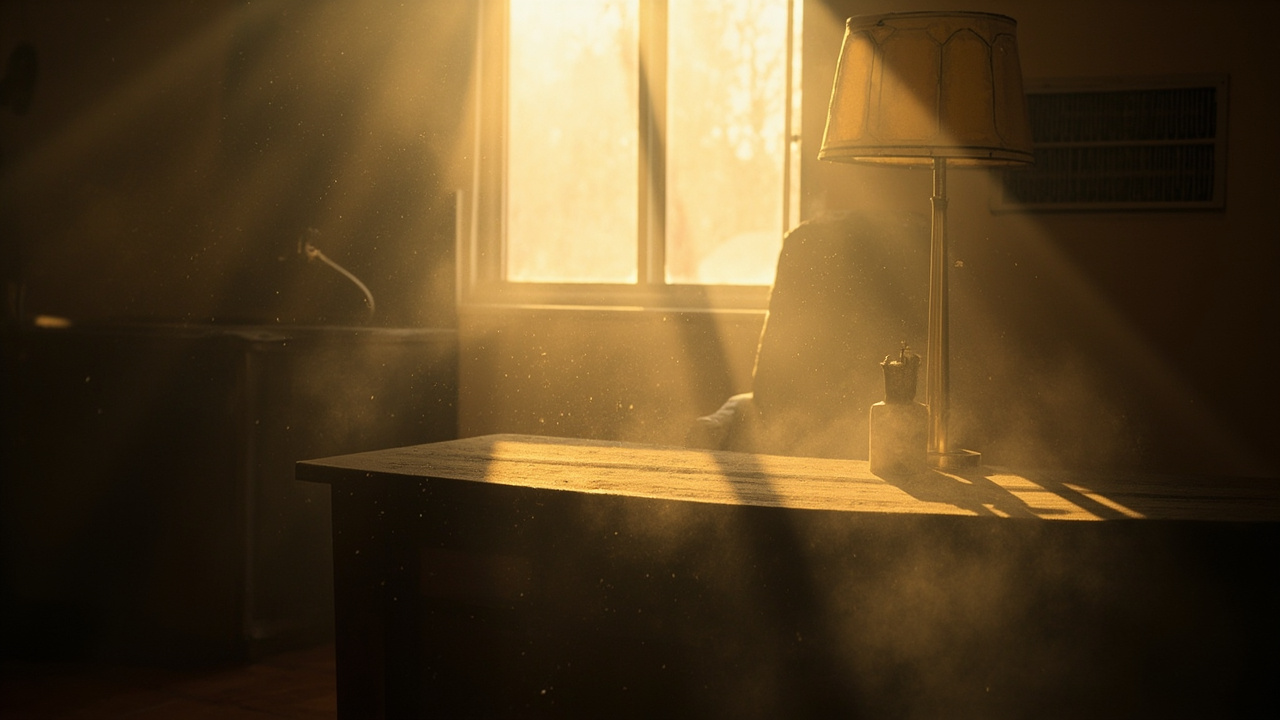
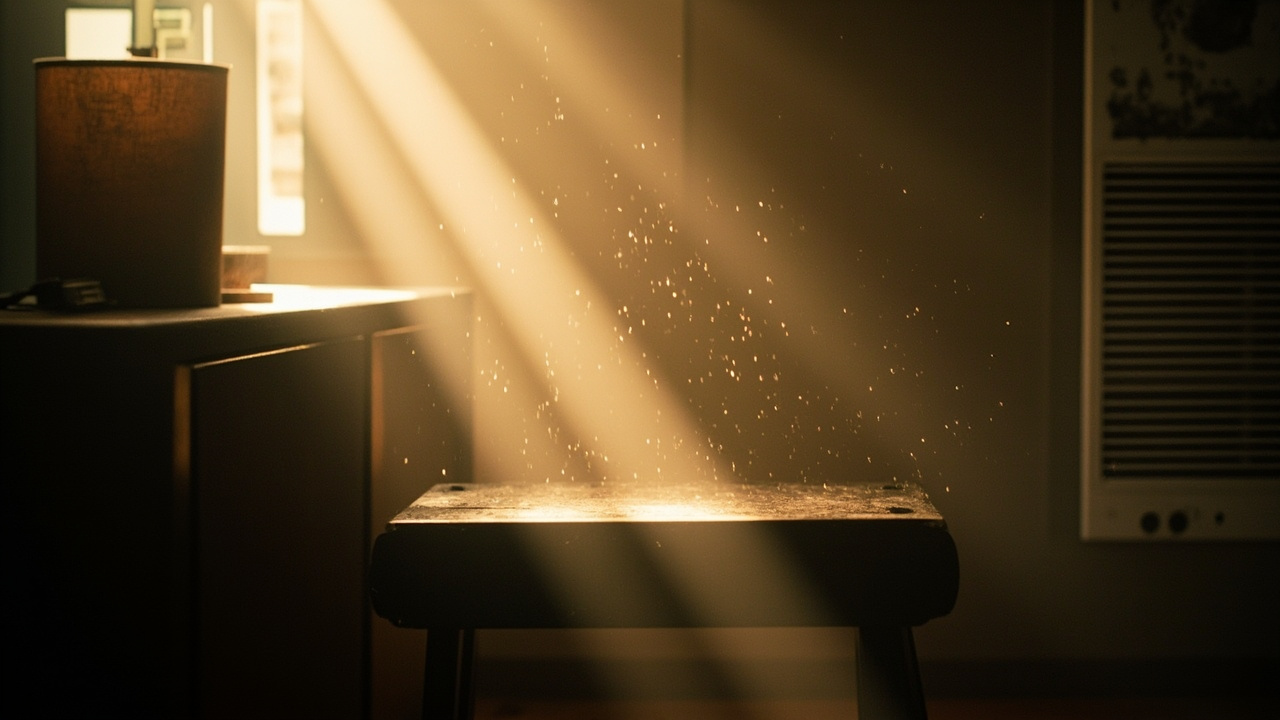
Signs of too much dust include visible buildup on surfaces within days of cleaning, persistent sneezing or coughing indoors, and dusty air vents. You see particles floating in sunlight streaming through windows. Your HVAC filter clogs in under 30 days. Black streaks appear around supply registers from recirculated dirt. In New Orleans, mold-like smells alongside dust indicate humidity problems breeding spores in your ductwork. Frequent headaches or sinus pressure worsen indoors. Your home feels stuffy even with the AC running. These signs mean your HVAC system fails to filter air properly and needs professional inspection.

What is the best device to get rid of dust? +

A whole-home air cleaner integrated with your HVAC system removes the most dust. These units filter all air passing through your ductwork using HEPA or electrostatic technology. Standalone HEPA purifiers work for single rooms but do not address system-wide issues. In New Orleans, where humidity and outdoor allergens challenge air quality, a whole-home solution paired with proper ventilation wins. Upgrade your HVAC filter to MERV 13 or higher as a budget option. Portable purifiers help bedrooms but leave common areas unprotected. Professional duct sealing stops dust from entering your system at the source.

Why is my room still dusty with air purifier? +

Your room stays dusty because the air purifier does not address the dust source. Leaky ducts, gaps around windows, or an old HVAC filter still introduce particles faster than the purifier removes them. In New Orleans, outdoor dust from construction or port activity enters through poor weatherization. Your purifier may be undersized for the room or placed incorrectly with blocked airflow. Dirty filters reduce efficiency. Dust on surfaces requires physical removal. The purifier only cleans airborne particles. You need duct sealing, better HVAC filtration, and regular vacuuming alongside the purifier to see real improvement.

Is there a downside to air purifiers? +

Air purifiers produce ozone if they use ionization or UV technology, which irritates lungs and worsens asthma. Cheap models create more problems than they solve. Filter replacement costs add up over time. Running a purifier constantly increases your electric bill. In New Orleans humidity, some units grow mold inside if not maintained properly. Purifiers do not remove dust already settled on surfaces. They create white noise that bothers light sleepers. If you rely only on a purifier without fixing duct leaks or upgrading HVAC filters, you waste money treating symptoms instead of solving the root problem.

Does vacuuming every day reduce dust? +

Daily vacuuming with a HEPA-filtered vacuum reduces settled dust and prevents it from becoming airborne. You remove particles before your HVAC system recirculates them. In New Orleans homes with pets or high foot traffic from outside, daily vacuuming helps manage pollen, dirt, and organic debris. Focus on high-traffic areas and around air vents. Empty the canister outside to avoid releasing dust back indoors. Vacuuming alone does not fix leaky ducts or poor filtration. Pair it with monthly filter changes and professional duct cleaning. Daily effort controls surface dust but does not solve airflow problems.

How New Orleans Humidity and River Silt Amplify Excess Dust in Home Environments

New Orleans sits below sea level in a river delta surrounded by wetlands, which creates a constant influx of airborne particulates. Wind carries fine silt from the Mississippi River and Lake Pontchartrain, depositing it on rooftops, windows, and outdoor HVAC units. When your air conditioner pulls in outdoor air through gaps in ductwork or open windows, it brings this sediment indoors. High humidity causes these particles to clump together and settle quickly on furniture, baseboards, and electronics. If your system lacks proper filtration or runs with leaky ducts, it distributes this river-borne dust throughout your home faster than you can clean it.

Many New Orleans homes were built before modern duct sealing standards became common practice, leaving gaps that allow unconditioned air from attics, crawlspaces, and garages to enter your HVAC system. Local building codes now emphasize sealed duct systems, but older homes in historic neighborhoods often lack these upgrades. Pioneer HVAC New Orleans understands the construction methods used in Mid-City bungalows, Creole cottages, and raised shotgun houses. We know where ducts typically fail and how to retrofit older systems to meet current air quality standards without disrupting your home's historic character.

HVAC Services in The New Orleans Area

Pioneer HVAC New Orleans is proud to serve the entire New Orleans metropolitan area and surrounding parishes. Our central location allows our technicians to rapidly reach you, minimizing your wait time and ensuring quick service response for your heating and cooling needs. Invite us to your location by checking our service area map online or simply giving us a call today to confirm service availability at your specific address.

Address:
Pioneer HVAC New Orleans, 612 Andrew Higgins Dr, New Orleans, LA, 70130

Additional Services We Offer

Our news updates

Latest Articles & News from The Blogs

Expert High-Velocity HVAC Installation & Repair in New Orleans\n\nTraditional ductwork can destroy the character of historic New Orleans homes. High-velocity…

Why High-Velocity HVAC is the Secret to Cooling Historic Homes with No Closet Space

Expert High-Velocity HVAC Installation & Repair in New Orleans\n\nTraditional ductwork can destroy the character of historic New Orleans homes. High-velocity…

Why Magnolia Leaves and Crepe Myrtle Blooms are Secretly Killing Your Metairie AC Unit

Why Magnolia Leaves and Crepe Myrtle Blooms are Secretly Killing Your Metairie AC Unit Your Metairie air conditioner is under…

Keeping Parade Dust and Debris Out of Your Uptown Home HVAC System

Keeping Parade Dust and Debris Out of Your Uptown Home HVAC System Uptown New Orleans homes face unique challenges during…

Contact Us

You have tried cleaning more often, but the dust keeps coming back. Call Pioneer HVAC New Orleans at (504) 355-2955 to schedule a diagnostic appointment. We will find the source of your dust problem and fix it permanently.