




menu

Weird Smells from Vents in New Orleans – Fast Diagnosis and Permanent Odor Elimination

When strange odors from air ducts disrupt your home, you need expert diagnostics that identify the root cause and eliminate weird smells from vents completely, not just mask the problem temporarily.

Slider Image 1
Slider Image 2
Slider Image 3
Slider Image 4
Slider Image 5
Slider Image 7
Slider Image 8
Slider Image 9
Slider Image 10
Slider Image 11

Why Your New Orleans Home Has Strange Odors Coming from Air Ducts

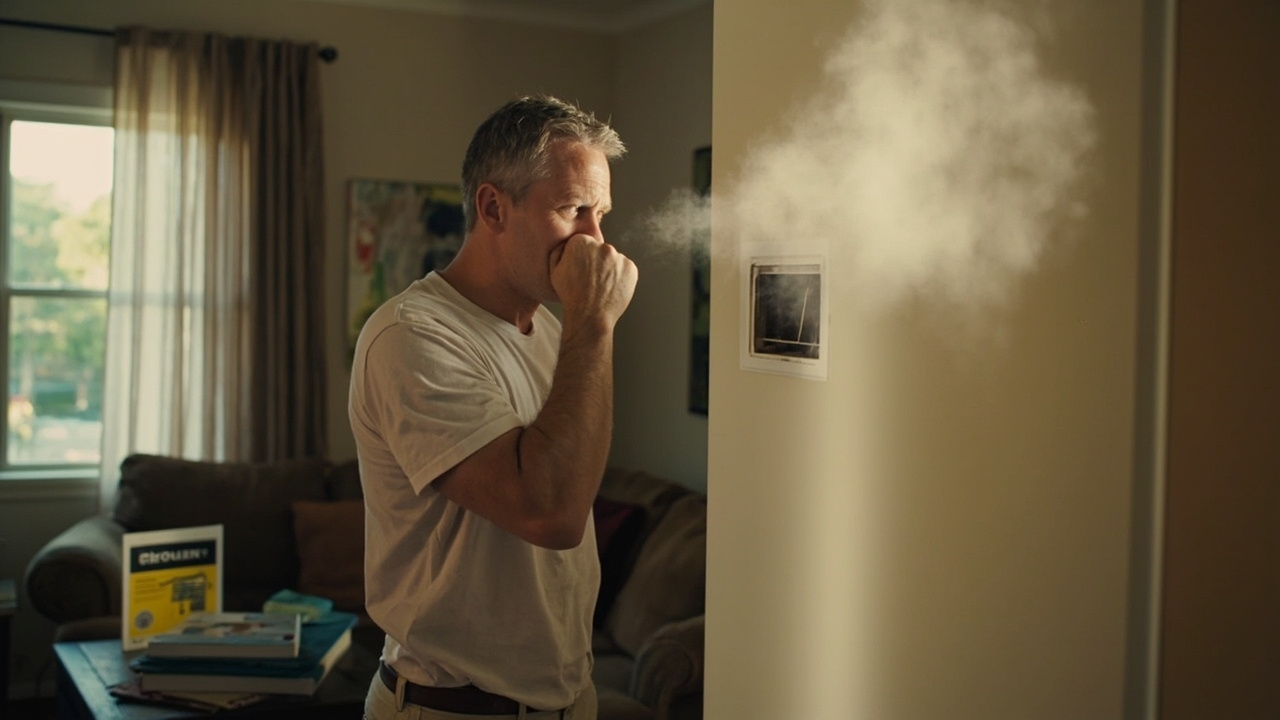
You walk into your living room and smell something off. It is not trash, not food, not the laundry. The bad smell coming from vents hits you when the system kicks on. You are not imagining it, and you are not alone.

New Orleans homes face unique conditions that amplify odd smells from HVAC systems. The near-constant humidity creates perfect breeding grounds for mold and mildew inside ductwork and evaporator coils. When moisture sits in dark, enclosed spaces, biological growth releases musty, earthy odors every time conditioned air flows through the system. The city's below-sea-level location and frequent flooding events compound this problem. Water infiltration after heavy rains can leave residual moisture in crawl spaces and attic ductwork, creating persistent foul air conditioner odors.

Pest activity is another culprit. Rodents and insects enter through small gaps in older duct systems common in historic New Orleans neighborhoods. When pests nest or die inside ducts, decomposition creates unmistakable funny smells from heating systems that worsen over time.

Gas leaks present a serious safety concern. If you smell sulfur or rotten eggs, that additive signals natural gas escaping somewhere in the system. Electrical issues like overheating motors or burning dust on heat strips produce acrid, burning plastic odors. Clogged condensate drains allow standing water to stagnate, producing sewer-like smells.

The source matters because the fix changes completely based on the cause. Masking odors with air fresheners does nothing to address contamination, safety risks, or system damage.

Why Your New Orleans Home Has Strange Odors Coming from Air Ducts
How We Diagnose and Eliminate Foul HVAC System Odors

How We Diagnose and Eliminate Foul HVAC System Odors

We do not guess. Effective odor elimination requires systematic diagnostics that isolate the exact source. Our technicians begin with a blower door test and visual inspection of all supply and return registers. We check for visible mold growth, water staining, and biological debris at each grille.

Next, we inspect the air handler cabinet and evaporator coil. The coil sits in a cold, wet environment during cooling season, making it the most common site for microbial contamination. We pull the coil access panel and use a borescope camera to examine fin surfaces and drain pans. If we find biofilm or standing water, we know the evaporator is the odor source.

Ductwork inspection follows. In New Orleans, many homes have flex duct in attics or crawl spaces. We inspect for compression, disconnection, and moisture intrusion. We also check hard duct seams and joints for gaps where unconditioned air or pests enter. If you have old fiber-lined metal ducts, those porous surfaces absorb moisture and odors over time.

We test condensate drainage with dye tracers to confirm proper flow and check for clogs in the P-trap. A dry P-trap allows sewer gas to backflow into the air handler and distribute through the house.

For gas odors, we use combustible gas detectors around the furnace heat exchanger, gas valve, and all connections. Any positive reading triggers immediate shutdown and repair.

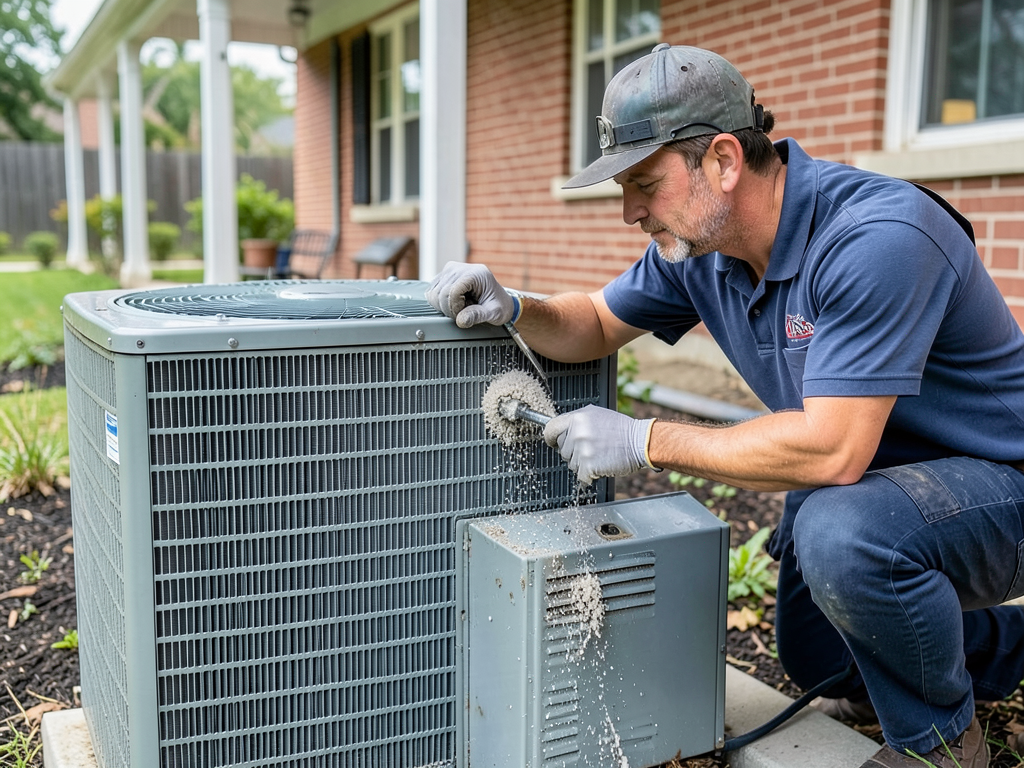
Once we identify the source, we execute targeted remediation. Coil cleaning uses EPA-registered biocides and high-pressure rinses. Duct cleaning involves HEPA-filtered negative air machines and mechanical agitation. Contaminated insulation gets removed and replaced. We seal all gaps with mastic and perform post-cleaning air quality verification.

What Happens During Your Odor Diagnosis Appointment

Weird Smells from Vents in New Orleans – Fast Diagnosis and Permanent Odor Elimination
01

System Shutdown and Inspection

We turn off your HVAC system and begin methodical inspection of all accessible components. This includes removing air handler panels, checking drain pans, examining coil surfaces, and inspecting ductwork at multiple access points. We document findings with photos and notes. If you smell the odor only during heating or cooling, we isolate which mode triggers the problem to narrow the source location.
02

Source Identification Testing

We use diagnostic tools to confirm the exact contamination source. Borescope cameras reveal hidden mold growth inside ducts and coils. Moisture meters detect wet insulation or standing water. Gas detectors identify combustion leaks. Airflow testing shows whether poor circulation contributes to stagnation. We explain what we find in plain language and show you the evidence before recommending any corrective action.
03

Remediation and Verification

After approval, we execute the appropriate fix. This might involve coil cleaning, duct sanitization, drain line clearing, or component replacement. We run the system through multiple cycles to ensure the odor is gone, not just reduced. Before we leave, we verify proper airflow, drainage, and air quality. You receive documentation of all work performed and recommendations for preventing recurrence through maintenance scheduling.

Why New Orleans Homeowners Choose Pioneer HVAC for Odor Problems

Weird smells from vents require technical expertise that goes beyond basic HVAC service. You need someone who understands how New Orleans climate and building construction create unique contamination risks.

Pioneer HVAC New Orleans technicians receive ongoing training in indoor air quality diagnostics and remediation protocols. We understand how the city's elevation, groundwater levels, and humidity patterns affect residential HVAC systems. We have diagnosed odor problems in everything from 1850s Creole cottages in the French Quarter to post-Katrina rebuilds in Lakeview. That breadth of experience means we recognize patterns faster and solve problems other companies miss.

We carry specialized equipment most residential HVAC companies do not stock. Our borescope cameras inspect areas you cannot see without demolition. Our HEPA-filtered negative air machines contain contamination during duct cleaning. Our antimicrobial treatments meet EPA standards for occupied spaces and actually kill mold at the source rather than just deodorizing over it.

We also understand New Orleans building codes and permit requirements for major duct modifications. If your system needs more than cleaning, we handle the paperwork and inspections correctly the first time.

You get transparent pricing before work begins. We explain what needs to happen, why it matters, and what it costs. No surprise charges after the fact.

Local expertise matters because generic solutions fail in this climate. A company from elsewhere will treat your New Orleans home the same as a house in Phoenix. That approach does not work. Humidity is not optional here. Mold is not rare. You need someone who accounts for these realities in every diagnosis and repair plan.

What to Expect When You Schedule Odor Diagnostics

Same-Day or Next-Day Availability

We know living with bad smells from vents is unpleasant. It affects your comfort and raises health concerns, especially if mold is involved. We schedule diagnostic appointments quickly, with most service calls happening within 24 hours of your call. Emergency situations like suspected gas leaks receive immediate response. Our dispatchers provide accurate arrival windows and call ahead so you are not waiting around all day.

Thorough Multi-Point Diagnostics

Our technicians spend the time required to find the actual source. That means inspecting the entire air distribution system, not just looking at the air handler and calling it done. We check attic ductwork, crawl space sections, drain lines, and all mechanical components. You receive a written report detailing what we found, what caused it, and what needs to happen next. If the problem is simple, we fix it on the spot. If it requires specialized cleaning or parts, we provide a detailed estimate before proceeding.

Complete Odor Elimination

We do not stop at reducing the smell. The goal is complete elimination. That means addressing contamination at the source, not covering it with deodorizers. If coils need cleaning, we remove biofilm completely. If ducts need sanitizing, we use antimicrobial agents that kill mold spores. If components are too contaminated to clean, we recommend replacement. After remediation, we test airflow and run the system to verify the odor is gone. You get confirmation before we pack up.

Prevention Plans and Follow-Up

Once the immediate problem is resolved, we discuss prevention. In New Orleans humidity, regular maintenance is not optional. We recommend filter change schedules, coil cleaning intervals, and drain line treatments that prevent recurrence. If your system needs better humidity control or ventilation improvements, we explain those options. You also receive follow-up support. If the odor returns within the specified period after our work, we come back and make it right at no additional diagnostic charge.

Frequently Asked Questions

You Have Questions,
We Have Answers

Why is there a bad smell coming from my vents? +

Bad smells from vents signal problems inside your HVAC system. In New Orleans, high humidity fuels mold and mildew growth in ductwork, creating musty odors. Dead rodents or insects trapped in ducts produce foul smells that worsen over time. Dirty air filters clogged with dust and organic matter emit stale odors when air pushes through. Electrical issues create burning smells from overheating wires or components. Gas leaks produce a rotten egg odor and require immediate attention. Blocked condensate drains cause standing water that breeds bacteria. Schedule a professional inspection to pinpoint the source before air quality worsens or the problem spreads through your home.

What does an electrical fire smell like before it starts? +

An electrical fire smells like burning plastic, rubber, or fish before flames appear. You might detect a sharp, acrid odor that stings your nose. Overheating wires melt their plastic insulation, releasing toxic fumes. Faulty connections or damaged circuits produce this distinct smell. In New Orleans homes with older wiring, high summer cooling loads stress electrical systems and increase fire risk. If you smell burning plastic near vents or outlets, shut off power at the breaker and call an HVAC technician immediately. Do not ignore this warning sign. The smell indicates your electrical system is failing and poses a serious fire hazard to your family.

What does mold in air vents smell like? +

Mold in air vents smells musty, earthy, and damp. The odor resembles wet socks, rotting wood, or a basement after flooding. In New Orleans, where humidity stays above 70 percent year-round, mold thrives inside dark ductwork with condensation buildup. Black mold produces a stronger, more pungent smell than other varieties. The odor intensifies when your HVAC system runs and pushes spores through your home. You might notice the smell worsens in specific rooms or after rain. Mold exposure causes respiratory problems and allergic reactions. Professional duct cleaning and dehumidification prevent regrowth in our subtropical climate where moisture control is critical.

Is strange smell coming from a vent a chemical hazard? +

Yes, strange smells from vents can indicate chemical hazards. Refrigerant leaks produce a sweet, ether-like odor and release harmful chemicals into your air. Carbon monoxide from cracked heat exchangers is odorless but often accompanied by other combustion smells. Formaldehyde from building materials creates a sharp, pickled smell that worsens in heat. Pesticides or cleaning products pulled into your return vents circulate toxic fumes. Gas leaks smell like rotten eggs and pose explosion risks. If you experience headaches, dizziness, or nausea with unusual vent odors, evacuate immediately and call emergency services. Have a certified HVAC technician inspect your system before operating it again.

How to sanitize air ducts yourself? +

You cannot effectively sanitize air ducts yourself. Professional duct cleaning requires specialized equipment like negative air machines, rotary brushes, and HEPA vacuums that homeowners do not own. DIY attempts with shop vacs or household cleaners miss contaminants deep inside ductwork and can damage insulation or seals. In New Orleans, where humidity promotes biological growth, improper cleaning spreads mold spores throughout your home. You might dislodge debris that blocks airflow or tears duct lining. Change your air filter monthly and keep vents clear, but leave duct sanitization to licensed professionals with proper tools. They inspect for hidden damage, treat mold correctly, and seal leaks that waste energy.

What does an HVAC refrigerant leak smell like? +

An HVAC refrigerant leak smells sweet and chemical, similar to chloroform or ether. Some describe it as a fruity or nail polish remover odor. Older R-22 refrigerant produces a stronger smell than newer R-410A. You might notice the odor near your outdoor unit or indoor evaporator coil. Refrigerant is heavier than air, so smells concentrate near floor vents. In New Orleans heat, leaking systems lose cooling capacity fast. Refrigerant exposure causes dizziness, headaches, and breathing difficulty. If you smell this chemical odor, turn off your system and call a licensed HVAC technician immediately. Refrigerant requires certified handling and cannot be refilled without repairing the leak first.

Are there warning signs before an electrical fire? +

Yes, electrical fires show warning signs before ignition. You smell burning plastic or see discolored outlets. Circuit breakers trip repeatedly without explanation. Lights flicker or dim when you run appliances. Outlets feel hot to touch or show scorch marks. You hear buzzing, crackling, or popping sounds from walls or electrical panels. Sparks occur when plugging in devices. In New Orleans homes built before 1980, aluminum wiring and outdated panels increase fire risk. High cooling loads during summer stress aging electrical systems. If you notice any warning signs near HVAC equipment or throughout your home, shut off power at the breaker and call an electrician immediately.

What does bad wiring smell like? +

Bad wiring smells like burning plastic, rubber, or fish. The odor comes from melting wire insulation as electrical current overheats damaged conductors. You might smell it near outlets, switches, or inside walls where wires run. Overloaded circuits produce this smell before tripping breakers. Loose connections create arcing that burns surrounding materials. In New Orleans, older homes often have cloth-insulated wiring or undersized electrical panels that cannot handle modern HVAC loads. The smell intensifies when you run air conditioning. This odor means your wiring is failing and poses a fire hazard. Call a licensed electrician immediately to inspect and repair the problem before damage worsens.

What are signs of faulty wiring? +

Faulty wiring shows clear signs you should not ignore. Circuit breakers trip frequently when running HVAC equipment. Lights dim or flicker when your air conditioner starts. Outlets feel warm or show discoloration and scorch marks. You smell burning plastic near electrical panels or switches. Sparks occur when plugging in devices. Buzzing or sizzling sounds come from walls. Aluminum wiring common in 1960s-1970s New Orleans homes corrodes at connections. GFCI outlets trip without reason. Your electric bills spike without explanation. If your home is over 40 years old and you notice these signs, have a licensed electrician inspect your system before electrical failure causes fires or damages your HVAC equipment.

What are the 10 warning signs of mold toxicity? +

Mold toxicity produces 10 key warning signs you should recognize. You experience persistent fatigue that rest does not fix. Brain fog and difficulty concentrating interfere with daily tasks. Headaches and migraines occur frequently. Respiratory problems include coughing, wheezing, and shortness of breath. Sinus congestion and postnasal drip persist year-round. Skin rashes or itching appear without other causes. Joint pain and muscle aches worsen over time. Digestive issues like nausea or diarrhea develop. Mood changes include anxiety and depression. You feel worse at home but better when away. In New Orleans, where mold thrives in humid conditions, these symptoms warrant professional duct inspection and air quality testing.

How New Orleans Humidity Makes Strange Odors from Air Ducts a Persistent Problem

New Orleans averages over 75% relative humidity year-round, with summer months frequently reaching saturation levels. When outdoor air infiltrates your duct system through leaks or poor sealing, that moisture condenses on cold duct surfaces during cooling season. The result is standing water and biological growth that produces musty, moldy smells every time your AC runs. Homes near Lake Pontchartrain or in low-lying neighborhoods like Gentilly face even higher moisture loads. Below-grade crawl spaces stay damp constantly, allowing mold to colonize ductwork from below. Without proper vapor barriers and sealed ducts, odd smells from HVAC systems become chronic issues that return shortly after basic cleaning attempts.

Choosing a local HVAC provider who understands these regional challenges makes the difference between temporary fixes and lasting solutions. National chains follow standardized procedures that do not account for New Orleans construction methods or climate realities. Pioneer HVAC New Orleans technicians work exclusively in this area and see these problems daily. We know which historic neighborhood homes have outdated duct systems prone to pest infiltration, which post-Katrina rebuilds have improperly sealed crawl spaces, and which HVAC configurations create condensation problems in this humidity. That local knowledge translates to faster, more accurate diagnostics and repairs that actually hold up in the Gulf Coast climate.

HVAC Services in The New Orleans Area

Pioneer HVAC New Orleans is proud to serve the entire New Orleans metropolitan area and surrounding parishes. Our central location allows our technicians to rapidly reach you, minimizing your wait time and ensuring quick service response for your heating and cooling needs. Invite us to your location by checking our service area map online or simply giving us a call today to confirm service availability at your specific address.

Address:
Pioneer HVAC New Orleans, 612 Andrew Higgins Dr, New Orleans, LA, 70130

Additional Services We Offer

Our news updates

Latest Articles & News from The Blogs

Expert High-Velocity HVAC Installation & Repair in New Orleans\n\nTraditional ductwork can destroy the character of historic New Orleans homes. High-velocity…

Why High-Velocity HVAC is the Secret to Cooling Historic Homes with No Closet Space

Expert High-Velocity HVAC Installation & Repair in New Orleans\n\nTraditional ductwork can destroy the character of historic New Orleans homes. High-velocity…

Why Magnolia Leaves and Crepe Myrtle Blooms are Secretly Killing Your Metairie AC Unit

Why Magnolia Leaves and Crepe Myrtle Blooms are Secretly Killing Your Metairie AC Unit Your Metairie air conditioner is under…

Keeping Parade Dust and Debris Out of Your Uptown Home HVAC System

Keeping Parade Dust and Debris Out of Your Uptown Home HVAC System Uptown New Orleans homes face unique challenges during…

Contact Us

You should not have to live with foul air conditioner odors in your own home. Call Pioneer HVAC New Orleans at (504) 355-2955 right now to schedule your diagnostic appointment. We will find the source, fix it right, and get your indoor air quality back to normal.