




menu

Short Cycling in New Orleans – Stop the Constant On-Off Before It Destroys Your Compressor

When your air conditioner or furnace keeps turning on and off repeatedly, you're not just dealing with discomfort. You're watching expensive components burn out with every rapid cycle. We diagnose the root cause of short cycling fast and fix it right.

Slider Image 1
Slider Image 2
Slider Image 3
Slider Image 4
Slider Image 5
Slider Image 7
Slider Image 8
Slider Image 9
Slider Image 10
Slider Image 11

Why Your HVAC System Kicks On and Off in the New Orleans Climate

You hear it again. The system fires up, runs for two minutes, shuts down, then starts back up. That's HVAC rapid cycling, and it's costing you money with every repetition.

Short cycling happens when your system completes its startup sequence but shuts down before finishing a proper cooling or heating cycle. The compressor never reaches equilibrium. The blower never distributes air evenly through your home. Then the whole process starts over.

In New Orleans, the extreme humidity and near-constant cooling demand make AC short cycling particularly destructive. When your air conditioner turns on and off repeatedly, the compressor experiences a voltage surge with each startup. That's the most energy-intensive moment in the entire cycle. Do that 40 times an hour instead of four, and you're looking at catastrophic wear.

Furnace short cycling works the same way during our brief but damp winter months. The heat exchanger never reaches proper operating temperature. Condensation forms. Metal corrodes faster.

The causes range from simple to complex. An oversized system will always short cycle because it satisfies the thermostat too quickly. A refrigerant leak creates pressure imbalances that confuse the compressor. Clogged filters restrict airflow until the system overheats and shuts down for safety. Faulty pressure switches, bad capacitors, corroded flame sensors, frozen evaporator coils, the list goes on.

The humid air in the Garden District and Lakeview adds another layer. When moisture infiltrates electrical components, you get intermittent failures that trigger rapid cycling. The system works fine until it doesn't, then it's on and off like a strobe light.

You need someone who understands how New Orleans weather accelerates these failures.

Why Your HVAC System Kicks On and Off in the New Orleans Climate
How We Diagnose and Stop System Rapid Cycling

How We Diagnose and Stop System Rapid Cycling

We don't guess. We don't swap parts until something works. We use systematic diagnostics to find the actual cause of your air conditioner short cycle problem.

First, we measure runtime. How long does the system run before it shuts down? Under 10 minutes is definitive short cycling. We also track how long it stays off between cycles. A system that restarts in under three minutes is being triggered by something other than thermostat demand.

Next, we check refrigerant pressures on both the low and high sides. Low refrigerant causes low suction pressure, which trips the low-pressure switch and shuts the system down. The pressure equalizes, the switch resets, the system restarts. That cycle continues until you have no refrigerant left and a burned-out compressor.

We inspect the evaporator coil for ice buildup. A frozen coil blocks airflow, causes the compressor to overheat, and triggers the safety limit. The ice melts while the system is off, airflow resumes, the system restarts, and the whole problem repeats. We trace that back to the root cause, usually a dirty filter, blocked return, or low refrigerant.

We test capacitors under load. A weak run capacitor can't keep the compressor motor running efficiently. The motor pulls excessive amperage, overheats, and the overload protection kicks in. Once it cools, the system tries again.

For furnaces, we check flame sensors, gas pressure, and heat exchanger temperatures. A dirty flame sensor fails to detect ignition, so the system shuts down for safety. It tries to relight 30 seconds later. Do that all night, and you'll wake up cold and frustrated.

We also evaluate system sizing. If someone installed a four-ton unit in a house that needs two and a half tons, short cycling is baked into the design. That requires a bigger conversation about replacement.

Pioneer HVAC New Orleans approaches every short cycling call with the same rigor. Find the cause, fix it correctly, verify the repair.

What Happens When We Fix Your Short Cycling Problem

Short Cycling in New Orleans – Stop the Constant On-Off Before It Destroys Your Compressor
01

System Performance Analysis

We start by observing your system through multiple on-off cycles while measuring temperatures, pressures, and electrical draws. We time each cycle, check for error codes, and listen for abnormal sounds from the compressor or blower. This tells us whether the problem is mechanical, electrical, or related to airflow restriction. We also inspect your thermostat settings and placement to rule out false readings from heat sources or drafts.
02

Component Testing and Repair

Once we identify the failing component, we test it in isolation to confirm the diagnosis. A weak capacitor gets replaced. A refrigerant leak gets located, repaired, and the system gets recharged to manufacturer specifications. A clogged evaporator coil gets cleaned. A faulty pressure switch gets swapped. We address the root cause, not just the symptom. If your system is oversized, we discuss long-term solutions including zoning or replacement with properly sized equipment.
03

Validation and Prevention

After repairs, we run the system through several full cycles to verify normal operation. We confirm proper runtime, check that temperatures reach setpoint, and measure amp draws to ensure everything is within spec. We also provide guidance on preventing future short cycling through regular filter changes, annual maintenance, and signs to watch for. You get a system that runs the way it was designed to, with long, efficient cycles that actually cool or heat your home.

Why New Orleans Homeowners Trust Us With Short Cycling Repairs

Short cycling isn't a problem you can ignore. Every time that compressor starts up, it draws five to seven times its normal operating amperage. The motor windings heat up. The bearings wear down. The contactor arcs. Eventually, something fails catastrophically, and you're looking at a compressor replacement that costs more than your car payment.

We've worked in every neighborhood from Mid-City to Algiers Point. We know how the older homes in the French Quarter handle humidity differently than new construction in New Iberia. We understand that many systems here were installed after Hurricane Katrina, which means they're reaching the age where capacitors fail and refrigerant leaks develop.

The local climate makes proper diagnosis critical. A system that short cycles in Phoenix might have a completely different root cause than one doing the same thing in New Orleans. The constant moisture, the saltwater air near the lakefront, the temperature swings during shoulder seasons, all of it affects how HVAC systems fail.

We also know the local code requirements for refrigerant handling and disposal. Louisiana has specific rules about recovering refrigerants, and we follow them. When we add refrigerant to your system, we're not just topping it off and hoping for the best. We find the leak, fix it, pull a vacuum to remove moisture and contaminants, then charge the system to the exact specifications on the data plate.

Pioneer HVAC New Orleans has seen every version of this problem. The homeowner who ignored it for months and now needs a new compressor. The landlord whose tenant calls every week because the system won't stay on. The new buyer who just discovered their home inspection missed a severely oversized AC unit.

We fix it right the first time because we understand the stakes. Your comfort, your energy bills, and the lifespan of your equipment all depend on getting this repair done correctly.

You don't need a parts-changer. You need a diagnostic technician who knows what short cycling actually means and how to stop it.

What You Can Expect From Our Short Cycling Service

Response Time and Availability

Short cycling is urgent because the problem accelerates compressor failure with every cycle. We prioritize these calls because waiting can turn a minor repair into a major replacement. Most short cycling diagnostics happen the same day or next day, depending on our schedule and your availability. We understand that a system running on and off constantly isn't just annoying, it's actively damaging itself. During peak summer months when cooling demand is critical, we expand availability to handle the increased call volume. You won't wait a week while your energy bill doubles and your compressor burns out.

The Diagnostic Process

We spend the time necessary to identify the actual problem, not just the obvious symptom. That means watching your system operate, testing components with calibrated instruments, and checking things most technicians skip. We measure superheat and subcooling on the refrigerant lines. We check voltage and amperage at the compressor. We inspect drain lines for clogs that could cause float switch activation. We test your thermostat for accuracy and proper cycling. The diagnostic fee covers this comprehensive evaluation, and it gets applied to the repair if you move forward. You get a clear explanation of what's wrong, why it happened, and what it takes to fix it permanently.

The Quality of the Repair

We use OEM or equivalent-quality replacement parts. Capacitors get replaced with the correct microfarad rating, not whatever is on the truck. Refrigerant gets charged by weight or superheat method, not by guessing. Pressure switches get calibrated. Contacts get cleaned or replaced if they show arcing damage. If your evaporator coil needs cleaning, we use the proper foaming cleaner and rinse procedure, not a quick brush-off that pushes debris deeper into the fins. The repair gets tested under operating conditions before we leave. You get a system that completes full cycles, maintains temperature, and runs efficiently. No callbacks, no half-measures, no temporary fixes that fail in two weeks.

Ongoing Maintenance and Prevention

After we fix your short cycling issue, we provide guidance on preventing recurrence. That includes recommended filter change intervals based on your home's dust load and occupancy. We explain warning signs to watch for, like gradual decreases in runtime or increases in cycle frequency. If your system is prone to certain failures because of age or design, we'll tell you. Many short cycling problems can be prevented with annual maintenance that catches small issues before they cascade into failures. We offer maintenance plans that include priority scheduling, discounted repairs, and the kind of proactive care that keeps systems running properly for years.

Frequently Asked Questions

You Have Questions,
We Have Answers

What is the most common cause of short cycling? +

A dirty air filter is the most common culprit. When the filter clogs with New Orleans dust, pet dander, and humidity-borne particles, airflow drops. Your system overheats and shuts down early to protect itself. Other frequent causes include refrigerant leaks, oversized equipment for your home, and faulty thermostats. In high-humidity areas like New Orleans, evaporator coils can freeze from restricted airflow, triggering the same problem. Regular filter changes every 30 days during cooling season prevent most short cycling issues. If you replace the filter and the problem persists, you need a technician to check refrigerant levels and electrical components.

How do you fix short cycling? +

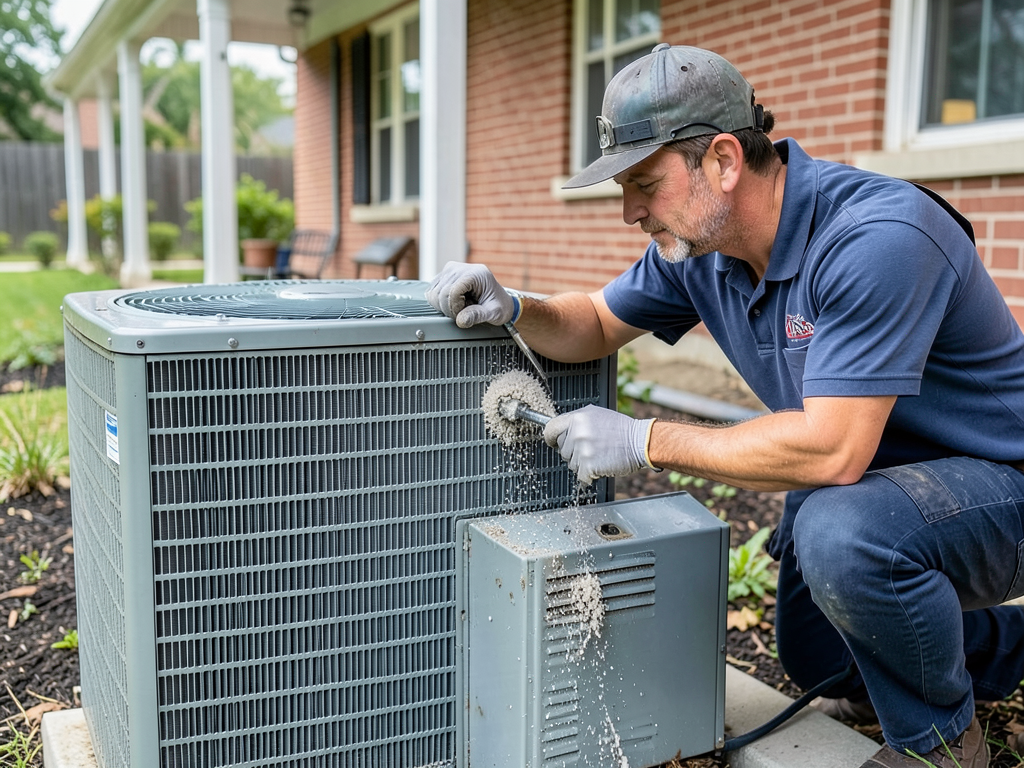
Start by replacing your air filter. If short cycling continues, turn off the system and check your outdoor condenser unit for debris blocking airflow. Clear leaves, grass clippings, and dirt from the fins. Check your thermostat batteries and settings. If these simple fixes don't work, you need professional help. A technician will test refrigerant charge, inspect electrical connections, verify proper system sizing, and check the compressor. In New Orleans homes, frozen coils from excess humidity often require cleaning and refrigerant adjustment. Never ignore short cycling. It damages your compressor and drives up energy bills fast.

How many minutes is considered short cycling? +

Your AC should run for 10 to 15 minutes per cycle under normal conditions. Anything under 7 to 8 minutes is considered short cycling. You'll notice the system turning on, running briefly, shutting off, then repeating the pattern quickly. During extreme heat in New Orleans summers, cycles may run longer, sometimes 20 minutes, which is normal. The issue is when your system fires up every 3 to 5 minutes without reaching the thermostat setting. This constant starting and stopping wastes energy, increases wear on the compressor, and fails to remove humidity properly.

Should I turn my AC off if it's short cycling? +

Yes, turn it off immediately. Short cycling puts extreme stress on your compressor, the most expensive component in your system. Each startup draws heavy electrical current. Constant cycling can burn out the compressor within weeks, turning a simple repair into a full system replacement. Turn off your AC at the thermostat and the breaker panel. Check your air filter first. If it's clean and your outdoor unit isn't blocked, call a technician before restarting. Running a short cycling system in New Orleans heat is tempting, but the compressor damage will cost you thousands more than a service call.

Can a thermostat cause short cycling? +

Yes. A malfunctioning thermostat sends incorrect signals to your system. If the temperature sensor is faulty or positioned poorly near a heat source, draft, or direct sunlight, it reads the wrong temperature. Your AC turns on, cools the area near the thermostat quickly, then shuts off while the rest of your home stays warm. Loose wiring connections inside the thermostat can also cause erratic signals. In older New Orleans homes with original thermostats, corrosion from humidity damages internal components. Try replacing the batteries first. If short cycling continues, test with a new programmable thermostat before paying for compressor diagnostics.

How to unclog an expansion valve in a car? +

This question involves automotive AC systems, not home HVAC. For home air conditioning short cycling issues in New Orleans, focus on cleaning air filters, checking refrigerant levels, and ensuring proper airflow. If you're experiencing car AC problems, consult an automotive technician. Home HVAC expansion valves operate differently from automotive systems. They rarely clog but can malfunction from refrigerant contamination. If your home AC is short cycling and you suspect an expansion valve issue, a licensed technician must recover the refrigerant, replace the valve, evacuate the system, and recharge it properly. This requires specialized equipment and EPA certification.

How to tell if HVAC is short cycling? +

You'll hear your system turn on, run for under 7 minutes, shut off, then repeat the pattern quickly. Your home never reaches the temperature you set on the thermostat. Energy bills spike because startup cycles use the most power. You'll notice poor humidity control, a major issue in New Orleans where dehumidification matters as much as cooling. The outdoor condenser fan runs briefly, stops, then restarts within minutes. Some systems make clicking sounds as relays engage repeatedly. Check your smartphone if you have a smart thermostat. The run time data will show dozens of short cycles instead of normal 10 to 15 minute runs.

What is the $5000 AC rule? +

The $5,000 AC rule is a guideline for replacement decisions. If your system is over 10 years old and repair costs exceed $5,000, or if the repair cost multiplied by the system's age exceeds $5,000, replacement makes more financial sense than fixing it. For example, a $1,000 repair on a 6-year-old unit equals $6,000, suggesting replacement. In New Orleans, factor in efficiency gains from modern systems designed for high humidity. Newer units with proper sizing prevent short cycling and cut energy costs by 20 to 40 percent. Get multiple quotes before deciding. Sometimes a simple fix stops short cycling without major investment.

What does short cycling look like? +

Short cycling looks like your AC turning on every few minutes without running a full cooling cycle. The thermostat calls for cooling, the outdoor condenser starts, cold air blows briefly, then everything shuts down. Within 3 to 5 minutes, the cycle repeats. Your home stays warm and humid because the system never runs long enough to remove moisture from the air, a critical function in New Orleans climate. You might see frost on refrigerant lines near the outdoor unit if the problem involves refrigerant issues. Energy meter dials spin faster from constant startups. Rooms farthest from the unit never cool properly.

What is the 75% rule in cycling? +

The 75 percent rule applies to bicycle training, not HVAC systems. For air conditioning, think about the 75 to 80 degree temperature differential rule. Your AC removes heat effectively when the difference between indoor and outdoor temperatures stays reasonable. During extreme New Orleans heat above 95 degrees, your system works harder. If you set your thermostat below 68 degrees when it's 95 outside, you create a 27-degree differential that causes freezing coils and short cycling. Keep your thermostat at 72 to 74 degrees during peak heat. This prevents strain on your system and stops short cycling from frozen evaporator coils.

How New Orleans Humidity Accelerates Short Cycling Failures

The average relative humidity in New Orleans hovers around 75 percent year-round, spiking higher during summer mornings and after afternoon thunderstorms. That moisture infiltrates electrical components, corrodes contacts, and promotes mold growth on evaporator coils. When your AC turns on and off repeatedly, it never runs long enough to remove humidity from the air or from the coil itself. The coil stays damp, mold forms, airflow gets restricted, and the cycle worsens. The salt air near Lake Pontchartrain adds another layer of corrosion to outdoor condenser units. Contactors that would last 10 years in Phoenix fail in five here. Capacitors rated for 50,000 hours might give you 30,000 in this climate. The environment is hostile to HVAC equipment, which makes proper diagnosis and quality repairs essential.

We work with the local building codes and understand how New Orleans homes are constructed. Many older homes in neighborhoods like Broadmoor and Gentilly have undersized return air systems because they were originally designed for window units or gas heating. When central air gets retrofitted, short cycling becomes inevitable unless the ductwork is modified. We also know which contractors cut corners during the post-Katrina rebuilding boom, when demand was high and quality control was inconsistent. If your system was installed between 2006 and 2010, there's a good chance it was oversized, poorly charged, or installed without proper airflow balancing. Pioneer HVAC New Orleans has spent years correcting those installations and preventing the short cycling problems they cause.

HVAC Services in The New Orleans Area

Pioneer HVAC New Orleans is proud to serve the entire New Orleans metropolitan area and surrounding parishes. Our central location allows our technicians to rapidly reach you, minimizing your wait time and ensuring quick service response for your heating and cooling needs. Invite us to your location by checking our service area map online or simply giving us a call today to confirm service availability at your specific address.

Address:
Pioneer HVAC New Orleans, 612 Andrew Higgins Dr, New Orleans, LA, 70130

Additional Services We Offer

Our news updates

Latest Articles & News from The Blogs

Expert High-Velocity HVAC Installation & Repair in New Orleans\n\nTraditional ductwork can destroy the character of historic New Orleans homes. High-velocity…

Why High-Velocity HVAC is the Secret to Cooling Historic Homes with No Closet Space

Expert High-Velocity HVAC Installation & Repair in New Orleans\n\nTraditional ductwork can destroy the character of historic New Orleans homes. High-velocity…

Why Magnolia Leaves and Crepe Myrtle Blooms are Secretly Killing Your Metairie AC Unit

Why Magnolia Leaves and Crepe Myrtle Blooms are Secretly Killing Your Metairie AC Unit Your Metairie air conditioner is under…

Keeping Parade Dust and Debris Out of Your Uptown Home HVAC System

Keeping Parade Dust and Debris Out of Your Uptown Home HVAC System Uptown New Orleans homes face unique challenges during…

Contact Us

Short cycling gets worse, not better. Call Pioneer HVAC New Orleans at (504) 355-2955 right now. We'll diagnose the problem, explain what's wrong, and fix it before your compressor burns out. Don't wait until a repair becomes a replacement.