




menu

Iced Up Evaporator Coil in New Orleans – Fast Diagnosis and Permanent Repair by Local Experts

When your evaporator coil freezes over, you need more than a quick thaw. Pioneer HVAC New Orleans identifies the root cause, fixes the underlying airflow or refrigerant issue, and restores proper cooling before humidity damage spreads through your home.

Slider Image 1
Slider Image 2
Slider Image 3
Slider Image 4
Slider Image 5
Slider Image 7
Slider Image 8
Slider Image 9
Slider Image 10
Slider Image 11

Why Evaporator Coils Freeze in New Orleans Homes

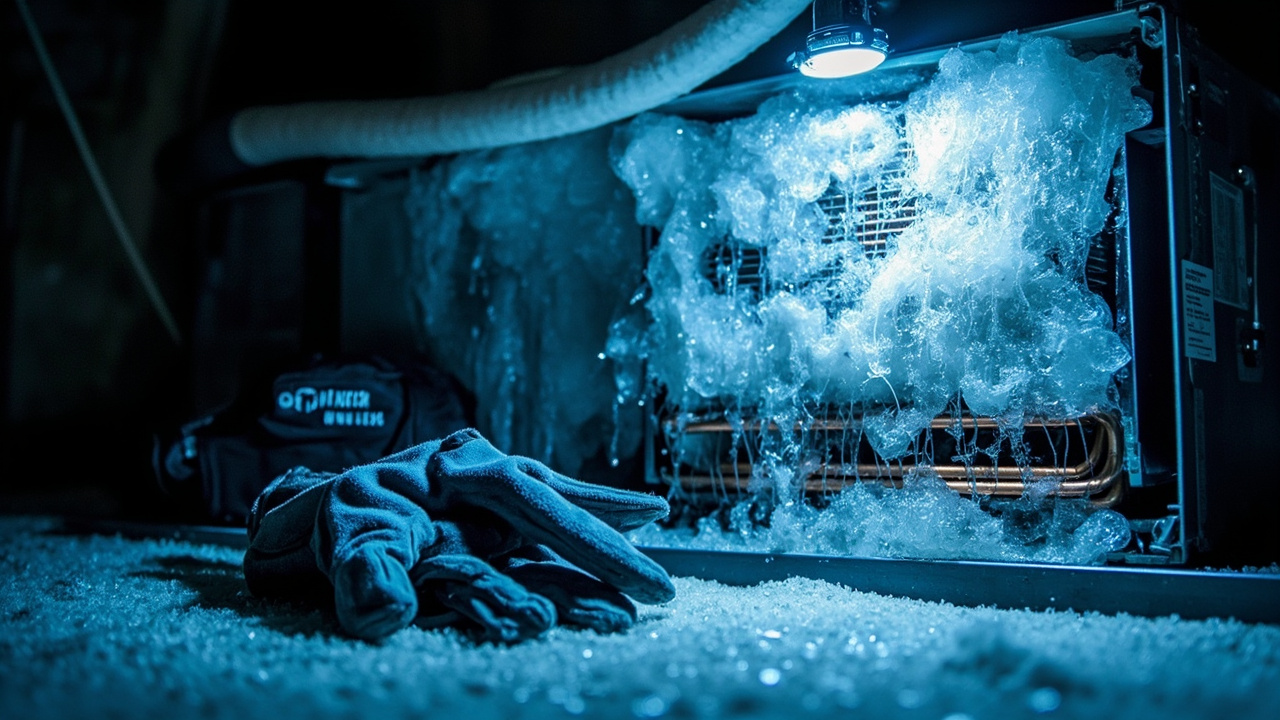
You walk to your thermostat and notice the temperature climbing. The air coming from your vents feels weak and warm. When you check the indoor unit, you see ice coating the evaporator coil. This is not just a minor glitch. It signals a breakdown in the refrigeration cycle, and in New Orleans, where humidity hovers above 70 percent for most of the year, a frozen ac evaporator coil creates a cascading problem.

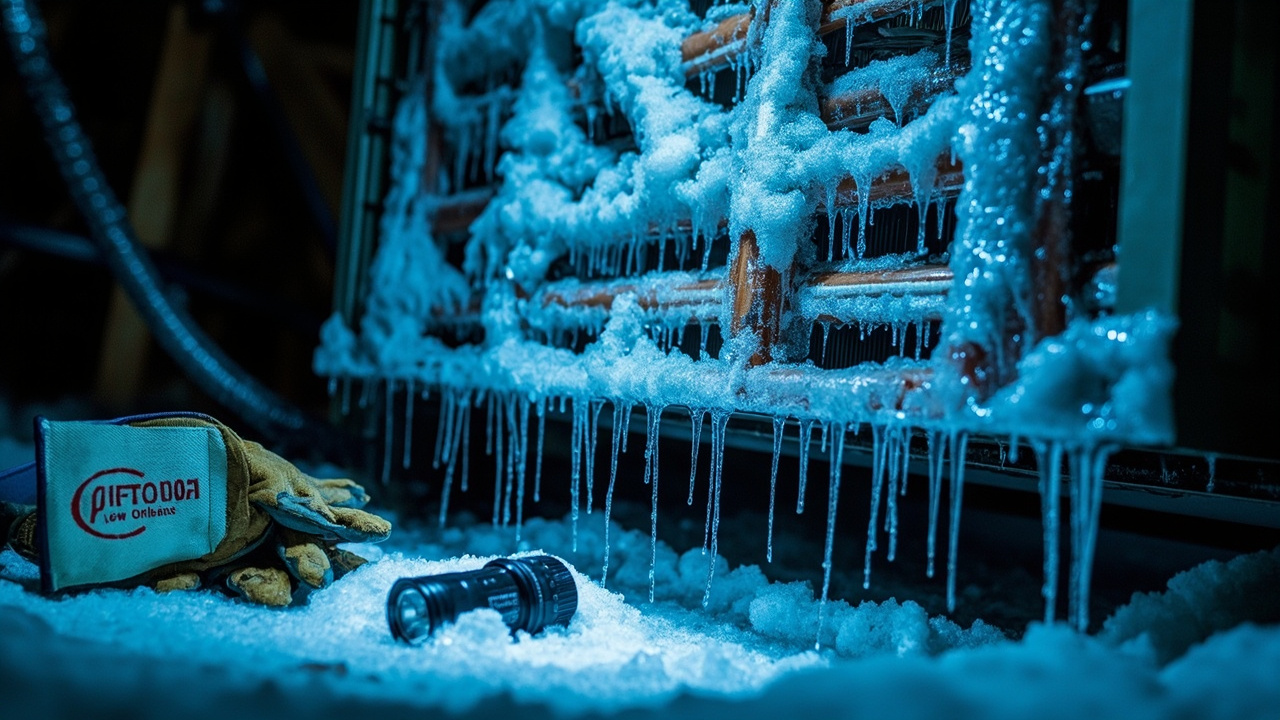
Ice formation on the evaporator coil happens when the coil temperature drops below freezing while airflow across the coil is restricted or refrigerant pressure is incorrect. Restricted airflow is the most common culprit. Clogged filters, closed supply registers, or dirty coil fins prevent warm, humid air from reaching the coil surface. Without that heat exchange, the refrigerant inside the coil stays too cold, and condensation on the coil surface freezes into thick ice sheets.

Refrigerant leaks also cause frozen cooling coils. When refrigerant levels drop, the remaining refrigerant expands too much, dropping the coil temperature below the freezing point. This is a mechanical failure, not a maintenance oversight. You may also see ice on evaporator coil if the blower motor is failing, the ductwork is undersized, or the system is oversized for the home.

In neighborhoods like the Garden District or Lakeview, older ductwork and HVAC systems are common. Many of these systems were installed decades ago and were never resized after renovations or additions. Undersized return ducts choke airflow, and the evaporator coil ices over as a result. High indoor humidity compounds the issue, because moisture clings to the frozen coil, creating a thicker ice layer that blocks airflow entirely. When air conditioner coil freezing up happens, your system is no longer cooling your home. It is just running, wasting energy, and risking compressor failure.

Why Evaporator Coils Freeze in New Orleans Homes
How We Diagnose and Fix Frozen Evaporator Coils

How We Diagnose and Fix Frozen Evaporator Coils

We do not just thaw the ice and call it done. That approach ignores the root cause and guarantees the problem will return. Pioneer HVAC New Orleans follows a diagnostic protocol that identifies the underlying failure, whether it is mechanical, airflow-related, or refrigerant-based.

First, we shut down the system and inspect the evaporator coil. We check for visible ice buildup, but we also measure the coil temperature, suction line pressure, and airflow velocity across the coil. These measurements tell us whether the issue is a restriction, a refrigerant charge problem, or a faulty component. We inspect the air filter, the blower assembly, and the ductwork for obstructions or leaks. If the filter is clean and the blower is functioning, we move to the refrigerant side.

We use a manifold gauge set to measure suction and discharge pressures. If the suction pressure is too low, the refrigerant is undercharged or the metering device is failing. If the suction pressure is normal but the superheat reading is incorrect, the expansion valve or the capillary tube is restricted. We also check for refrigerant leaks using electronic leak detectors and UV dye. A frozen ac evaporator coil caused by low refrigerant requires leak repair, evacuation, and recharge to the manufacturer's specifications.

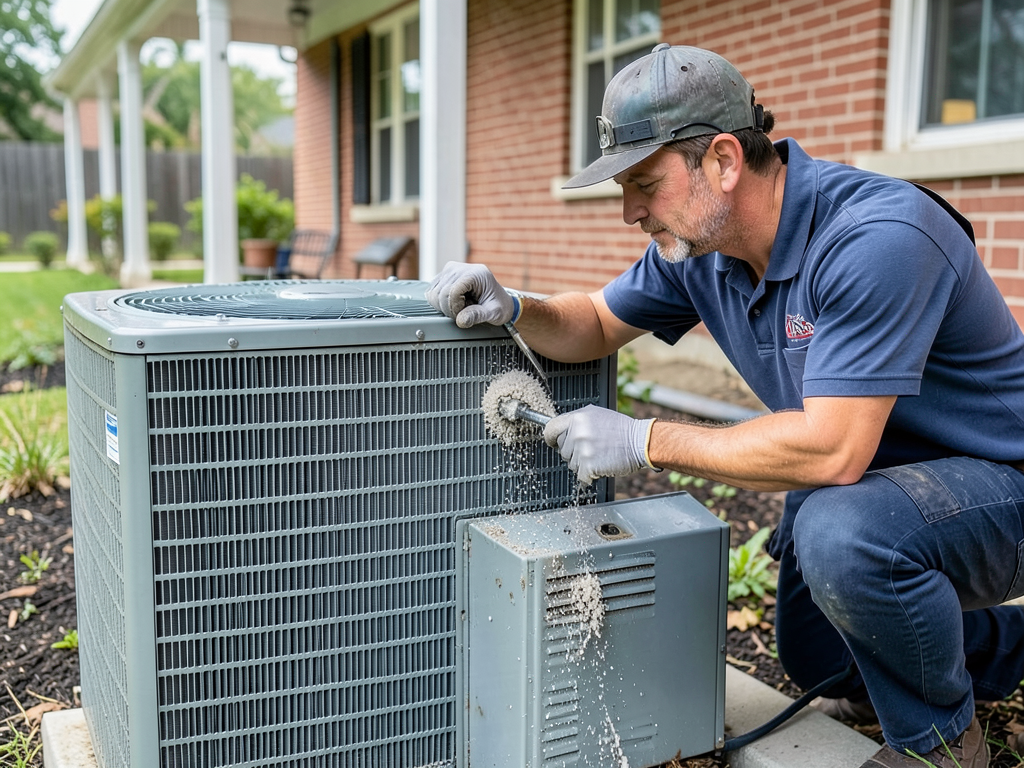
If airflow is the problem, we clean the evaporator coil using a no-rinse foaming coil cleaner that dissolves dirt and organic buildup without water damage. We also inspect the blower wheel for dust accumulation and the blower motor capacitor for signs of failure. A weak capacitor reduces motor speed, which reduces airflow, which leads to a frozen evaporator iced over.

Once we identify and correct the failure, we monitor the system through a full cooling cycle to confirm proper operation. We measure the temperature split across the coil, the refrigerant pressures, and the airflow at the supply registers. Only when all parameters are within spec do we sign off on the repair.

What Happens During Your Evaporator Coil Repair

Iced Up Evaporator Coil in New Orleans – Fast Diagnosis and Permanent Repair by Local Experts
01

System Shutdown and Inspection

We turn off the system to allow the ice to melt safely, then remove the access panel to inspect the evaporator coil. We check for ice buildup patterns, coil cleanliness, and any visible damage to the fins or tubing. We also inspect the drain pan and condensate line for blockages that could contribute to ice formation. This visual inspection gives us the first clues about whether the issue is airflow or refrigerant-related.
02

Diagnostic Testing and Measurement

We connect refrigerant gauges to the service ports and measure suction pressure, discharge pressure, subcooling, and superheat. We also measure static pressure in the ductwork to check for airflow restrictions. If the blower motor is running, we measure amp draw to confirm it is operating within spec. These measurements tell us whether the frozen cooling coils are caused by low refrigerant, a clogged filter, a failing blower, or a metering device failure.
03

Repair and System Verification

We correct the identified failure, whether that means cleaning the coil, replacing the filter, repairing a refrigerant leak, or replacing a failing component. After the repair, we restart the system and monitor it through a complete cooling cycle. We verify that the evaporator coil stays dry, the temperature split is correct, and the refrigerant pressures are stable. We also check the condensate drain to ensure proper water removal.

Why New Orleans Homeowners Trust Pioneer HVAC for Evaporator Coil Issues

New Orleans is not a forgiving environment for HVAC systems. The humidity is constant, the heat is relentless, and the soil shifts enough to stress ductwork and cause disconnections. A frozen ac evaporator coil in this climate is not just an inconvenience. It is a sign that your system is failing under conditions that demand peak performance.

We have spent years working in homes from the French Quarter to Algiers Point, and we understand how local conditions stress cooling systems. Older homes with plaster walls and minimal insulation create high indoor humidity, which accelerates coil icing when airflow is even slightly restricted. Newer homes with sealed envelopes and undersized return ducts choke the system, leading to the same result. We have also seen countless homes where previous contractors installed the wrong size system or failed to calculate the correct refrigerant charge. These errors guarantee frozen cooling coils, and they require a technician who knows how to diagnose and correct them.

Pioneer HVAC New Orleans does not rely on guesswork. We use calibrated tools, manufacturer specifications, and a methodical diagnostic process. When we tell you the cause of your frozen evaporator coil, you can trust that diagnosis. When we repair it, you can trust that the repair will last.

We also know the local code requirements, the common ductwork layouts in different neighborhoods, and the typical failure modes of systems installed by the large volume contractors who dominate this market. That local knowledge matters when you are trying to fix a problem that other companies either misdiagnosed or ignored.

You will not get a sales pitch from us. You will get a clear explanation of what failed, why it failed, and what it will take to fix it correctly. If your system is undersized or if your ductwork is inadequate, we will tell you. If the fix is simple, we will tell you that too.

What to Expect When You Call Us for a Frozen Evaporator Coil

Response Time and Scheduling

We typically schedule evaporator coil diagnostics within 24 hours of your call. If your system is completely frozen and you have no cooling, we prioritize your appointment. During the cooling season, we extend our service hours to accommodate urgent repairs. When you call, you will speak with someone who understands HVAC systems and can answer basic questions about what you are seeing. We will confirm the appointment time, provide an arrival window, and send you a text when the technician is on the way.

Diagnostic Process and Transparency

When we arrive, we explain what we are going to test and why. We show you the frozen coil, the refrigerant pressures, and the airflow measurements. We explain what each measurement means and how it points to the underlying failure. If we find a clogged filter, we show you the filter. If we find a refrigerant leak, we show you the leak detector reading and the location of the leak. You will never be left guessing about what we found or why we are recommending a specific repair.

Repair Quality and Component Selection

We use OEM parts when available, and we follow manufacturer torque specs, brazing procedures, and evacuation protocols. If we are repairing a refrigerant leak, we braze the joint, pressure test the system, pull a deep vacuum, and recharge to the exact weight specified on the data plate. If we are replacing a blower motor or capacitor, we match the original specifications. We do not cut corners, and we do not use aftermarket parts that will fail prematurely. The repair is done correctly the first time.

Follow-Up and Maintenance Recommendations

After the repair, we provide written documentation of what we found, what we fixed, and what you should monitor going forward. If your system is old or if we identified other issues during the diagnostic, we will explain those issues and provide recommendations. We do not push unnecessary services, but we also will not ignore problems that will cause future failures. If your evaporator coil froze due to poor airflow, we will recommend a filter replacement schedule and explain why it matters in New Orleans's dusty, humid environment.

Frequently Asked Questions

You Have Questions,
We Have Answers

What causes ice on the evaporator coil? +

Ice forms on your evaporator coil when airflow drops or refrigerant pressure changes. Restricted airflow is the main culprit. A clogged filter, blocked return vents, or dirty coil prevents warm air from reaching the coil surface. The coil temperature drops below freezing, and condensation turns to ice. Low refrigerant also causes ice buildup because reduced pressure lowers the evaporation temperature. In New Orleans, high humidity accelerates ice formation once airflow restriction begins. Closed supply registers, faulty blower motors, and ductwork issues also contribute. The ice layer grows thicker over time, further blocking airflow and creating a feedback loop.

What is the best way to thaw out an iced up evaporator coil? +

Turn off your AC at the thermostat and switch the fan to ON. This circulates warm air across the coil to speed thawing. Do not chip or scrape ice manually, as you risk puncturing refrigerant lines. Place towels under the unit to catch meltwater. Complete thawing takes two to eight hours depending on ice thickness. In New Orleans humidity, expect condensation beyond normal levels. After thawing, replace your filter and check that all vents are open. If ice returns after restart, you have an underlying problem requiring professional diagnosis. Never run the system until the coil is fully thawed.

Will low refrigerant cause an evaporator to ice up? +

Yes. Low refrigerant directly causes evaporator coil icing. When refrigerant charge drops, pressure inside the coil decreases. This lowers the boiling point of the refrigerant below normal operating temperature. The coil surface temperature falls below 32 degrees, freezing condensation on contact. Refrigerant does not deplete through normal use. A leak is present if your system is low. In New Orleans, vibration from frequent cycling during cooling season can loosen connections. A technician must locate the leak, repair it, and recharge the system to manufacturer specifications. Simply adding refrigerant without fixing the leak wastes money and damages the environment.

What would cause a coil to freeze up? +

Coil freeze-up stems from six primary causes. Restricted airflow from dirty filters or blocked vents is most common. Low refrigerant from leaks drops coil temperature below freezing. A malfunctioning blower motor reduces air volume across the coil. Dirty evaporator coils act as insulation, preventing heat exchange. Closed or blocked supply registers starve the system of return air. Faulty thermostats that run the system during mild weather cause freezing. In New Orleans, humid conditions mean even minor airflow issues produce ice quickly. Ductwork problems like disconnected returns or crushed flex duct also restrict airflow enough to freeze coils.

Can I turn my AC back on after it thaws? +

Wait. Before restarting, identify why the coil froze. If you only thawed it without fixing the root cause, ice will return within hours. Replace the air filter first. Check that all supply and return vents are open and unblocked. Inspect the condensate drain to confirm it flows freely. Turn the system to cool and monitor it for 30 minutes. If the supply air feels weak or ice reappears, shut down immediately. The underlying issue requires professional repair. Running a system with recurring ice damages the compressor. In New Orleans, compressor replacement costs exceed simple coil cleaning or refrigerant adjustment.

What are the six common causes of evaporator freezing? +

The six common causes are dirty air filters, low refrigerant charge, blocked or closed vents, dirty evaporator coils, blower motor failure, and thermostat issues. Dirty filters restrict airflow, starving the coil of warm air. Low refrigerant drops coil temperature below freezing. Closed supply registers reduce return air volume. Dirt accumulation on coil fins acts as insulation. A failing blower moves insufficient air volume. Thermostats that short-cycle or fail to sense temperature accurately cause freeze-ups. In New Orleans, high indoor humidity increases condensation rates, which accelerates ice formation once any of these six issues begin. Regular maintenance prevents most causes.

Can a frozen evaporator coil be fixed? +

Yes, but fixing a frozen coil means addressing the cause, not just thawing ice. The coil itself rarely sustains damage from freezing unless you chip ice off manually. A technician must diagnose why it froze. Solutions include replacing filters, cleaning coils, repairing refrigerant leaks, replacing blower motors, or clearing ductwork blockages. In New Orleans, coil cleaning is often needed because humidity accelerates dirt and biological growth on fins. The fix is usually straightforward if caught early. Ignoring a frozen coil leads to compressor failure, which requires expensive replacement. Thawing the coil is just step one in the repair process.

What is the 3 minute rule for AC? +

The 3 minute rule prevents compressor damage during restart. After shutting off your AC, wait three full minutes before turning it back on. This allows refrigerant pressures to equalize between the high and low sides of the system. Restarting too quickly forces the compressor to start against high pressure, which strains internal components and can trip the breaker. The rule applies after any shutdown, whether planned or from a power outage. In New Orleans, frequent summer storms cause power interruptions. Respecting the 3 minute rule extends compressor life and prevents nuisance breaker trips during restoration.

How long should I leave my AC off if it's frozen? +

Leave your AC off for two to eight hours depending on ice thickness. Switch the thermostat fan to ON to circulate warm air and accelerate thawing. Thin frost layers may clear in two hours. Thick ice encasing the entire coil takes six to eight hours. Do not restart until all ice melts completely. Starting the compressor with ice still present risks immediate refreezing and compressor damage. In New Orleans humidity, expect significant condensation and water drainage during thawing. Place towels or pans under the unit. After thawing, address the root cause before restarting to prevent recurring freeze-ups.

What is the $5000 AC rule? +

The $5000 AC rule is informal guidance for replacement decisions. If your air conditioner is over 10 years old and repair costs exceed $5000, replacement often makes better financial sense. The calculation multiplies the system age by repair cost. If the result exceeds $5000, consider replacement. For example, a 12 year old unit needing a $600 repair equals $7200, suggesting replacement. In New Orleans, high humidity and near year-round use shorten AC lifespan. Newer systems offer better efficiency and lower operating costs. Factor in energy savings and remaining equipment life when deciding between repair and replacement.

How New Orleans Humidity Accelerates Evaporator Coil Icing

New Orleans averages over 200 days per year with relative humidity above 70 percent. When your evaporator coil temperature drops below the dew point, moisture in the air condenses on the coil surface. If airflow is restricted, that condensation freezes instead of draining away. The ice layer blocks airflow, which drops the coil temperature further, which creates more ice. In a typical desert climate, a dirty filter might reduce efficiency. In New Orleans, it creates an ice dam that shuts down your cooling system entirely. The problem compounds in older homes near the river or in low-lying areas like Broadmoor, where indoor humidity stays elevated even when the AC is running.

Local building codes in New Orleans now require proper duct sealing and insulation for new installations, but most existing homes were built before these standards existed. Leaky ductwork in unconditioned attics reduces airflow and creates negative pressure that pulls humid air into the system. This is why evaporator coil issues are so common in the historic neighborhoods where ductwork was retrofitted into homes that were originally built without central air. Pioneer HVAC New Orleans understands these local conditions and knows how to diagnose issues that stem from outdated installations or climate-specific stress on cooling systems.

HVAC Services in The New Orleans Area

Pioneer HVAC New Orleans is proud to serve the entire New Orleans metropolitan area and surrounding parishes. Our central location allows our technicians to rapidly reach you, minimizing your wait time and ensuring quick service response for your heating and cooling needs. Invite us to your location by checking our service area map online or simply giving us a call today to confirm service availability at your specific address.

Address:
Pioneer HVAC New Orleans, 612 Andrew Higgins Dr, New Orleans, LA, 70130

Additional Services We Offer

Our news updates

Latest Articles & News from The Blogs

Expert High-Velocity HVAC Installation & Repair in New Orleans\n\nTraditional ductwork can destroy the character of historic New Orleans homes. High-velocity…

Why High-Velocity HVAC is the Secret to Cooling Historic Homes with No Closet Space

Expert High-Velocity HVAC Installation & Repair in New Orleans\n\nTraditional ductwork can destroy the character of historic New Orleans homes. High-velocity…

Why Magnolia Leaves and Crepe Myrtle Blooms are Secretly Killing Your Metairie AC Unit

Why Magnolia Leaves and Crepe Myrtle Blooms are Secretly Killing Your Metairie AC Unit Your Metairie air conditioner is under…

Keeping Parade Dust and Debris Out of Your Uptown Home HVAC System

Keeping Parade Dust and Debris Out of Your Uptown Home HVAC System Uptown New Orleans homes face unique challenges during…

Contact Us

A frozen evaporator coil will not fix itself. The longer you wait, the more risk you take with compressor damage and water intrusion. Call Pioneer HVAC New Orleans at (504) 355-2955 right now. We will diagnose the root cause, repair it correctly, and get your system back to full cooling capacity.