Does Closing Your Hurricane Shutters Make Your AC Work Harder?
When hurricane season hits New Orleans, homeowners rush to secure their properties with shutters. But many worry: does sealing up your house make your air conditioner struggle more? The short answer is yes, but understanding why can help you prepare your system for the storm without sacrificing comfort or efficiency. Get Your New Orleans AC Running Again with Our 24-Hour Emergency Repair Service.
Closing shutters blocks natural ventilation and sunlight, trapping heat inside your home. Your AC must work harder to maintain the same temperature, especially during New Orleans’ sweltering August afternoons when heat indexes regularly exceed 105°F. The combination of reduced airflow and increased heat load can push your system to its limits. Fighting New Orleans Humidity with a Professional Whole-Home Dehumidifier Installation.
Let’s break down what happens when you button up your house and how to keep your AC running efficiently through the storm.. Read more about Preparing Your Madisonville Boat House for the 2026 Hurricane Season.
How Shutters Affect Your AC’s Workload
Think of your home like a refrigerator. When you close the door, the insulation keeps cold air in and hot air out. But if you block all the vents and add extra insulation, the compressor has to work overtime to maintain temperature.
Shutters create a similar effect. They reduce heat gain from sunlight by up to 90%, which sounds great. However, they also eliminate natural cross-ventilation that normally helps cool your home. This means your AC must remove all the heat generated from:
- People and pets inside the home
- Cooking appliances and electronics
- Heat seeping through walls and roof
- Humidity from breathing and daily activities
In New Orleans’ high humidity environment, your AC also works harder to remove moisture from the air. When shutters are closed, the air becomes more stagnant, making dehumidification more challenging.
The Efficiency Trade-Off: Protection vs. Performance
During a hurricane threat, the protection shutters provide far outweighs the temporary efficiency loss. But you can minimize the impact with smart preparation.
Pre-cooling your home before the storm arrives can make a significant difference. Lower your thermostat by 2-3 degrees several hours before closing up. This creates a thermal buffer that helps your home stay comfortable longer once the shutters are in place.
Consider this: a well-maintained AC unit in New Orleans typically runs about 2,500 hours per cooling season. During a hurricane event, you might add another 24-48 hours of runtime. The key is ensuring your system can handle the extra load without breaking down.
Pre-Storm AC Preparation Steps
- Clean or Replace Air Filters
Dirty filters restrict airflow by up to 15%, forcing your AC to work harder. Replace filters 24-48 hours before a storm for optimal performance.
- Clear Condenser Unit Area
Remove debris, leaves, and any objects within 2 feet of your outdoor unit. This ensures maximum airflow when your system is under stress.
- Check Refrigerant Lines
Look for oil stains or frost buildup on lines, which indicate leaks. A system low on refrigerant works 30-40% harder to cool your home.
- Test Thermostat Operation
Verify your thermostat responds correctly and maintains accurate temperature readings. A malfunctioning thermostat can cause short cycling and increased energy use.
- Inspect Drain Lines
Clogged condensate drains can cause water backup and system shutdown. Clear lines prevent mid-storm failures.
Understanding Your Home’s Heat Load
New Orleans homes face unique challenges during hurricane season. The combination of high humidity, salt air, and aging infrastructure creates a perfect storm for AC inefficiency.
A typical 2,000-square-foot home in Metairie or Kenner generates approximately 40,000 BTUs of heat per hour from normal activities. Your AC must remove this heat continuously, and shutters can increase this load by 10-15% due to reduced natural cooling.
Consider these factors specific to our area:
- Humidity levels: New Orleans averages 75% relative humidity, requiring your AC to work harder than in drier climates
- Age of construction: Many homes built before 2000 lack modern insulation standards
- Roof color: Dark roofs common in our area absorb more heat, increasing attic temperatures by 20-30°F
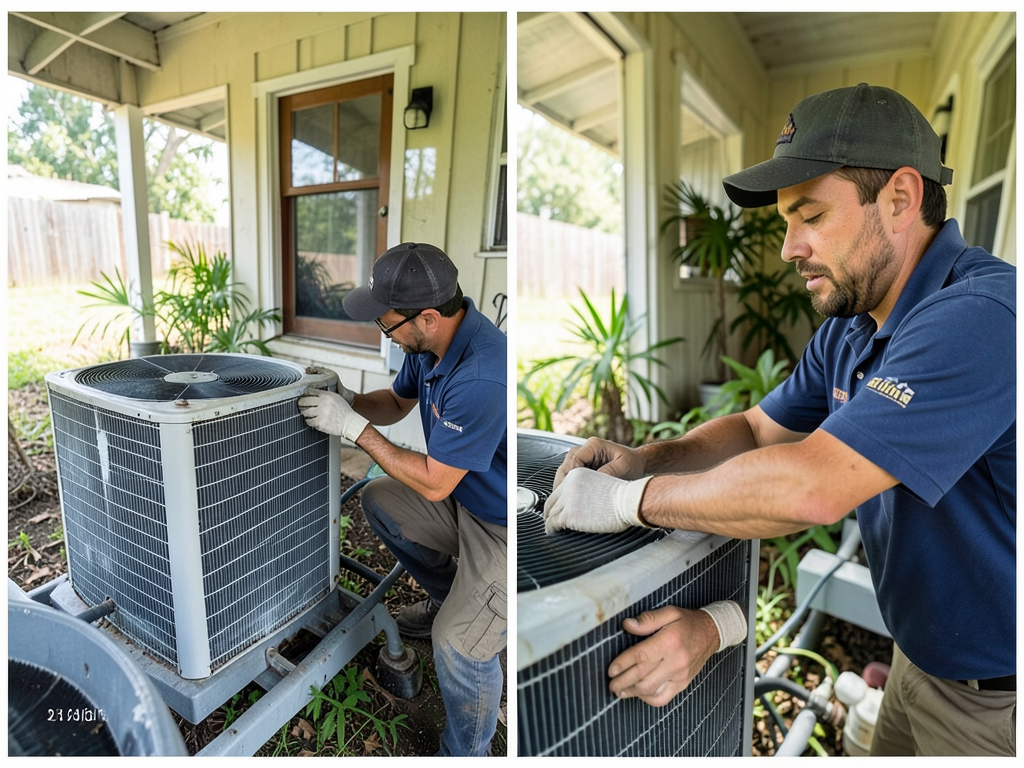
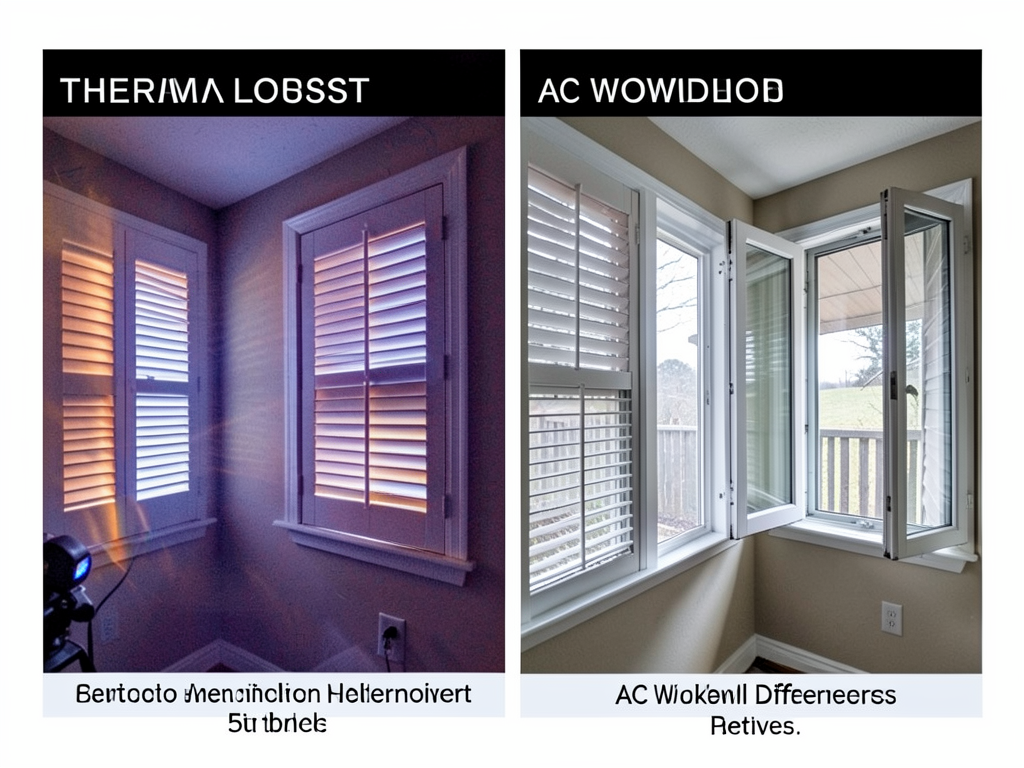
Diagram showing heat flow in a sealed home versus a naturally ventilated home during hurricane conditions.
Power Considerations During Storms
Entergy New Orleans often experiences power fluctuations during hurricane events. These voltage drops can cause your AC to draw more current, potentially tripping breakers or damaging components.
A whole-house surge protector can prevent $1,000+ in damage to your AC’s control board and compressor. The investment typically pays for itself within 2-3 storm seasons.
If you’re using a portable generator, remember that most cannot power central AC units. A typical 3-ton AC requires 3,500-5,000 watts to start and 1,500-2,000 watts to run continuously.. Read more about How to Use a Soft Starter to Run Your AC on a Portable Generator.
Post-Storm Recovery and Efficiency Restoration
After the storm passes, your AC needs attention before returning to normal operation. Salt air, debris, and power surges can all impact efficiency. Why Your Lakeview Home Needs a High-Efficiency AC Unit to Combat Swampy Humidity.
Start by inspecting your outdoor unit. Salt spray can corrode aluminum fins within 48 hours, reducing efficiency by up to 30%. A professional cleaning with a coil cleaner can restore performance.
Check for these common post-storm issues:
- Debris in condenser coils: Even small twigs can block 5-10% of airflow
- Damaged wiring: Wind and debris can cause exposed wires, creating safety hazards
- Refrigerant leaks: Vibration from high winds can loosen connections
- Control board failures: Power surges often damage electronic components
Technician using a fin comb to straighten bent condenser coils after a hurricane event.
Local Building Code Requirements
Orleans Parish requires specific hurricane protection measures that directly impact HVAC efficiency. According to the New Orleans Department of Safety and Permits, outdoor condenser units must be:
- Secured with hurricane straps rated for 150+ mph winds
- Elevated at least 12 inches above the base flood elevation
- Located at least 3 feet from any property line
These requirements ensure your system survives the storm but can affect its efficiency if not properly installed. Poor placement can reduce airflow or cause the unit to work harder than necessary.
Cost-Effective Efficiency Solutions
Improving your AC’s efficiency doesn’t always require expensive upgrades. Here are cost-effective strategies that can reduce your energy consumption by 15-25%:
| Solution | Cost Range | Efficiency Gain | Payback Period |
|---|---|---|---|
| Smart Thermostat Installation | $200-400 | 10-15% | 1-2 years |
| Attic Insulation Upgrade | $1,500-3,000 | 20-30% | 3-5 years |
| High-Efficiency Air Filters | $80-150/year | 5-10% | Immediate |
| Condenser Coil Cleaning | $150-300 | 5-15% | 1 year |
Regular maintenance is crucial. A system operating at peak efficiency uses 20-30% less energy than a neglected unit. During hurricane season, this efficiency difference can mean the difference between your AC keeping up or failing when you need it most.
Emergency Cooling Strategies
If your AC struggles during a storm, these emergency strategies can help maintain comfort without overworking your system: Emergency Ductwork Repair.
- Close interior doors to create smaller cooling zones
- Use ceiling fans to improve air circulation and create a wind-chill effect
- Minimize heat-generating activities like cooking or using the oven
- Place bowls of ice in front of fans for localized cooling
- Sleep in the coolest room of your home, often on the lowest level
Remember that your AC is designed to cool your home by about 20°F below the outdoor temperature. During a 95°F day with 90% humidity, don’t expect your home to feel like 68°F.
When to Call a Professional
Certain signs indicate your AC needs professional attention, especially during or after a storm:
- Unusual noises: Grinding, squealing, or banging sounds suggest mechanical problems
- Ice on coils: This indicates airflow restrictions or refrigerant issues
- Warm air from vents: Could signal compressor failure or refrigerant leaks
- Frequent cycling: Short cycling wastes energy and indicates control problems
- Water leaks: Clogged drains or frozen coils can cause water damage
Don’t wait until your system fails completely. A $100 service call can prevent a $3,000 emergency replacement.
Long-Term Efficiency Improvements
For homeowners planning to stay in New Orleans long-term, consider these efficiency investments that pay dividends during every hurricane season:
- Variable-speed AC units: These adjust output based on demand, using 30-50% less energy than single-stage units
- Dehumidification systems: Removing moisture more efficiently allows higher thermostat settings
- Smart zoning systems: Cool only occupied areas of your home
- Solar-ready AC units: Prepare for future solar panel installation
The average New Orleans home spends $2,500-3,500 annually on cooling. Improving efficiency by just 20% saves $500-700 per year, which can fund system upgrades over time.
Before and after thermal imaging showing heat loss reduction after efficiency improvements.
Frequently Asked Questions
Should I turn off my AC during a hurricane?
Yes, if you’re evacuating or if winds exceed 40 mph. Running your AC during extreme conditions risks damage from power surges and debris. Turn it off at the thermostat and circuit breaker for maximum protection.
How long can my house stay cool with shutters closed?
A well-insulated home can maintain comfortable temperatures for 8-12 hours after the AC cycles off. Factors include outdoor temperature, home size, insulation quality, and how cool you set the temperature before closing up.
Will closing shutters increase my electric bill?
During normal operation, shutters may slightly increase AC runtime by 5-10%. However, they also reduce heat gain from sunlight, which can offset some of this increase. The net effect varies by home design and local conditions.
Can I run my AC on a generator during a power outage?
Most portable generators cannot start central AC units due to high starting wattage requirements. You need either a whole-house standby generator or a window unit designed for generator use. Always follow manufacturer guidelines for generator connections.
Take Action Before the Next Storm
Understanding how hurricane shutters affect your AC’s efficiency is just the first step. The real key to surviving storm season comfortably is preparation. A well-maintained system can handle the extra workload when shutters are closed, while a neglected unit may fail at the worst possible time.
Don’t wait until the last minute. Schedule your pre-storm AC inspection now. Our technicians will check all critical components, clean your system, and ensure it’s ready for whatever this hurricane season brings.
Call (504) 355-2955 today to schedule your inspection. Our rapid response team serves Metairie, Kenner, Gretna, and all of Greater New Orleans. We’ll make sure your AC is prepared to keep you cool and comfortable, even when the shutters are closed and the storm is raging outside. HVAC Gretna.
Remember, a little preparation now can prevent a major breakdown later. Pick up the phone and call (504) 355-2955 before the next storm hits. Your comfort and peace of mind are worth it. For more information, visit U.S. Department of Energy – Air Sealing Your Home.
{
“@context”: “https://schema.org”,
“@type”: “BlogPosting”,
“headline”: “Does Closing Your Hurricane Shutters Make Your AC Work Harder?”,
“description”: “Learn how hurricane shutters affect your AC’s efficiency in New Orleans’ humid climate. Expert tips to protect your system during storm season.”,
“wordCount”: 1772,
“datePublished”: “2026-05-12T11:38:00.000Z”,
“dateModified”: “2026-05-12T11:38:00.000Z”,
“inLanguage”: “en-US”,
“mainEntityOfPage”: {
“@type”: “WebPage”,
“@id”: “https://pioneerhvacneworleans.com”
},
“publisher”: {
“@type”: “LocalBusiness”,
“name”: “Pioneer HVAC New Orleans”,
“url”: “https://pioneerhvacneworleans.com”
},
“author”: {
“@type”: “Organization”,
“name”: “Pioneer HVAC New Orleans”,
“url”: “https://pioneerhvacneworleans.com”
},
“image”: {
“@type”: “ImageObject”,
“url”: “https://pioneerhvacneworleans.com/wp-content/uploads/2026/03/does-closing-your-hurricane-shutters-make-your-ac-1.png”
}
}
{
“@context”: “https://schema.org”,
“@type”: “HVACBusiness”,
“name”: “Pioneer HVAC New Orleans”,
“url”: “https://pioneerhvacneworleans.com”,
“address”: {
“@type”: “PostalAddress”,
“addressLocality”: “New Orleans”
},
“areaServed”: {
“@type”: “City”,
“name”: “New Orleans”
}
}
{
“@context”: “https://schema.org”,
“@type”: “FAQPage”,
“mainEntity”: [
{
“@type”: “Question”,
“name”: “Should I turn off my AC during a hurricane?”,
“acceptedAnswer”: {
“@type”: “Answer”,
“text”: “Yes, if you’re evacuating or if winds exceed 40 mph. Running your AC during extreme conditions risks damage from power surges and debris. Turn it off at the thermostat and circuit breaker for maximum protection.”
}
},
{
“@type”: “Question”,
“name”: “How long can my house stay cool with shutters closed?”,
“acceptedAnswer”: {
“@type”: “Answer”,
“text”: “A well-insulated home can maintain comfortable temperatures for 8-12 hours after the AC cycles off. Factors include outdoor temperature, home size, insulation quality, and how cool you set the temperature before closing up.”
}
},
{
“@type”: “Question”,
“name”: “Will closing shutters increase my electric bill?”,
“acceptedAnswer”: {
“@type”: “Answer”,
“text”: “During normal operation, shutters may slightly increase AC runtime by 5-10%. However, they also reduce heat gain from sunlight, which can offset some of this increase. The net effect varies by home design and local conditions.”
}
},
{
“@type”: “Question”,
“name”: “Can I run my AC on a generator during a power outage?”,
“acceptedAnswer”: {
“@type”: “Answer”,
“text”: “Most portable generators cannot start central AC units due to high starting wattage requirements. You need either a whole-house standby generator or a window unit designed for generator use. Always follow manufacturer guidelines for generator connections.”
}
}
]
}
{
“@context”: “https://schema.org”,
“@type”: “HowTo”,
“name”: “Hurricane AC Preparation”,
“step”: [
{
“@type”: “HowToStep”,
“position”: 1,
“name”: “Clean or Replace Air Filters”,
“text”: “Dirty filters restrict airflow by up to 15%, forcing your AC to work harder. Replace filters 24-48 hours before a storm for optimal performance.”
},
{
“@type”: “HowToStep”,
“position”: 2,
“name”: “Clear Condenser Unit Area”,
“text”: “Remove debris, leaves, and any objects within 2 feet of your outdoor unit. This ensures maximum airflow when your system is under stress.”
},
{
“@type”: “HowToStep”,
“position”: 3,
“name”: “Check Refrigerant Lines”,
“text”: “Look for oil stains or frost buildup on lines, which indicate leaks. A system low on refrigerant works 30-40% harder to cool your home.”
},
{
“@type”: “HowToStep”,
“position”: 4,
“name”: “Test Thermostat Operation”,
“text”: “Verify your thermostat responds correctly and maintains accurate temperature readings. A malfunctioning thermostat can cause short cycling and increased energy use.”
},
{
“@type”: “HowToStep”,
“position”: 5,
“name”: “Inspect Drain Lines”,
“text”: “Clogged condensate drains can cause water backup and system shutdown. Clear lines prevent mid-storm failures.”
}
],
“image”: “https://pioneerhvacneworleans.com/wp-content/uploads/2026/03/does-closing-your-hurricane-shutters-make-your-ac-1.png”
}
{
“@context”: “https://schema.org”,
“@type”: “BreadcrumbList”,
“itemListElement”: [
{
“@type”: “ListItem”,
“position”: 1,
“name”: “Home”,
“item”: “https://pioneerhvacneworleans.com”
},
{
“@type”: “ListItem”,
“position”: 2,
“name”: “Blog”,
“item”: “https://pioneerhvacneworleans.com/blog”
},
{
“@type”: “ListItem”,
“position”: 3,
“name”: “Does Closing Your Hurricane Shutters Make Your AC Work Harder?”
}
]
}
{
“@context”: “https://schema.org”,
“@type”: “Service”,
“serviceType”: “HVAC”,
“provider”: {
“@type”: “LocalBusiness”,
“name”: “Pioneer HVAC New Orleans”,
“url”: “https://pioneerhvacneworleans.com”
},
“areaServed”: {
“@type”: “City”,
“name”: “New Orleans”
},
“description”: “Learn how hurricane shutters affect your AC’s efficiency in New Orleans’ humid climate. Expert tips to protect your system during storm season.”
}