
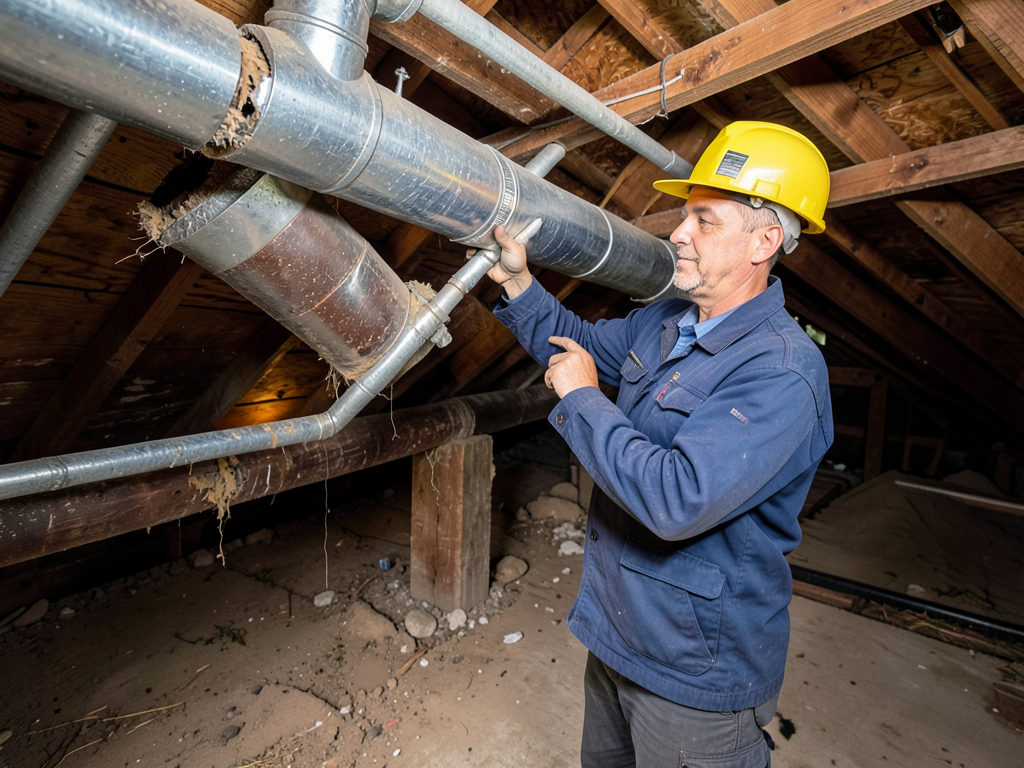
Why Your New Orleans Home is Settling and Pulling Your Ductwork Apart
New Orleans homes face a unique challenge that many other cities never see. The combination of soft alluvial soil, high water table, and frequent humidity shifts causes foundations to move more than anywhere else in the country. When your house settles even slightly, it pulls apart the seams in your ductwork, creating gaps that leak conditioned air into your attic or crawlspace. This settling isn’t just an inconvenience. It directly impacts your comfort, energy bills, and indoor air quality. Get Your New Orleans AC Running Again with Our 24-Hour Emergency Repair Service.
The problem starts with our soil. New Orleans sits on a foundation of Mississippi River sediment that expands when wet and contracts when dry. Over time, this constant movement causes concrete slabs to crack and pier-and-beam foundations to shift. Your ductwork, whether flexible or rigid, gets stretched or compressed with every movement. Joints separate, connections loosen, and before you know it, you’re paying to cool your attic instead of your living room. Fighting New Orleans Humidity with a Professional Whole-Home Dehumidifier Installation.
The signs are often subtle at first. You might notice one room stays warmer than others, or your energy bills creep up without explanation. Sometimes you’ll hear rattling in your vents when the system kicks on, or feel weak airflow from certain registers. These are your first warnings that your ductwork has been compromised by foundation movement. Emergency Ductwork Repair.
Understanding this connection between soil movement and duct failure is crucial for New Orleans homeowners. Unlike other cities where ductwork failures come from age or poor installation, here the primary culprit is often the ground beneath your feet. The solution requires more than just sealing leaks. It demands addressing the root cause of why those leaks keep happening in the first place.
5 Signs Your Foundation Shift Has Damaged Your HVAC System
Recognizing the early warning signs can save you thousands in wasted energy and prevent complete system failure. Here are the five most common indicators that your foundation settling has compromised your ductwork.
Uneven cooling or heating across rooms is often the first noticeable symptom. When foundation movement pulls ductwork apart, some rooms lose their supply of conditioned air while others maintain normal flow. You might find yourself constantly adjusting the thermostat, trying to compensate for these temperature differences.
Sudden spikes in energy bills without changes in usage patterns point directly to duct leakage. When conditioned air escapes through gaps in your ductwork, your HVAC system works harder to maintain the set temperature. This increased runtime shows up immediately on your Entergy New Orleans bill.
Rattling or whistling sounds from vents indicate loose connections or separated joints. As air rushes through gaps, it creates turbulence that produces these distinctive noises. The sounds often get louder when the system first starts up and may change with different fan speeds.
Dust accumulation near vents suggests your system is pulling unfiltered air through gaps in the ductwork. When joints separate, they create pathways for attic dust, insulation particles, or crawlspace debris to enter your supply ducts. This contaminated air then gets distributed throughout your home.
Visible gaps or sagging in exposed ductwork in your attic or crawlspace confirms the damage. Look for sections where flex duct appears stretched, metal seams that have pulled apart, or connections that no longer align properly. These visible problems usually indicate hidden issues throughout your system.
The Science of Soil: Why NOLA Homes Move More Than Most
New Orleans sits on some of the most unstable soil in North America. Our foundation problems aren’t just bad luck. They’re the direct result of millions of years of geological processes that created our current landscape.
The Mississippi River deposited layer after layer of silt, clay, and organic material across southeast Louisiana. This alluvial soil contains high percentages of clay that expand dramatically when wet and contract severely when dry. During our rainy season, the soil can gain 10-15% in volume. During dry spells, it loses just as much.
According to the USDA Natural Resources Conservation Service, much of Orleans Parish contains Hydric soils classified as having poor load-bearing capacity. These soils can support only 1,500-2,000 pounds per square foot when dry, compared to 4,000-6,000 pounds for more stable soils found in other regions.
Water table fluctuations compound the problem. New Orleans’ high water table means our foundations are constantly exposed to moisture changes. When the water rises, it saturates the soil from below. When it drops, the soil dries and shrinks from above. This creates a sandwich effect that pushes and pulls foundations in multiple directions simultaneously.
Local construction practices also contribute to the problem. Many New Orleans homes built before modern building codes used shallow foundations or pier-and-beam construction that’s particularly vulnerable to soil movement. Even newer slab-on-grade homes face challenges because our building codes allow for less stringent foundation requirements than areas with more stable soil.
How Ground Contraction Affects Under-Floor and Attic Ductwork
The type of foundation your home has determines exactly how soil movement damages your ductwork. Understanding these mechanisms helps explain why some neighborhoods face more severe problems than others.
Pier-and-beam foundations create the most dramatic ductwork failures. When soil beneath a pier settles, the entire section of floor above it drops. This stretches the ductwork running underneath, pulling joints apart and creating large gaps. The problem worsens when multiple piers settle at different rates, causing the floor to become uneven and the ducts to twist and kink.
Slab-on-grade foundations face a different but equally destructive pattern. Soil expansion pushes upward on the slab, while contraction creates voids underneath. This up-and-down movement causes supply and return ducts to separate from their connections to the air handler or plenums. The constant flexing also weakens duct material over time, especially in older flex duct installations.
Attic ductwork experiences movement transmitted through the building structure. When foundation problems cause walls to shift or floors to become uneven, this movement travels upward through the framing. Attic ducts get stretched, compressed, or twisted as the house moves. Temperature fluctuations in the attic compound the problem by causing metal ducts to expand and contract at different rates than the wooden framing.
The severity of damage often correlates with your home’s age and the specific soil conditions in your neighborhood. Areas near the Mississippi River or in low-lying sections of the city typically experience more extreme soil movement than higher ground in neighborhoods like Lakeview or Gentilly. Why Your Lakeview Home Needs a High-Efficiency AC Unit to Combat Swampy Humidity.
Risks of Ignored Duct Leaks: Humidity, Mold, and High Entergy Bills
Leaking ductwork creates a cascade of problems that go far beyond simple energy waste. In New Orleans’ humid climate, these issues can escalate quickly into serious health and structural concerns.
Indoor air quality degradation happens immediately when duct leaks form. Your HVAC system pulls in unfiltered air through gaps, bringing with it dust, pollen, mold spores, and other contaminants. This contaminated air gets distributed throughout your home, potentially triggering allergies and respiratory issues.
Humidity infiltration represents one of the biggest threats in our climate. When supply ducts leak into unconditioned spaces, they create negative pressure that pulls humid outdoor air into your home through every available crack. This moisture-laden air overwhelms your air conditioner’s dehumidification capacity, leading to that characteristic sticky feeling even when the temperature reads comfortable.
Mold growth accelerates dramatically when duct leaks combine with our high humidity. Cool air escaping into warm attic spaces creates condensation on duct surfaces. This moisture, combined with dust and organic material trapped in the system, provides perfect conditions for mold colonies to establish themselves. Once mold starts in your ductwork, it spreads quickly through your entire HVAC system.
Energy waste becomes substantial as leaks worsen. The Department of Energy estimates that the average home loses 20-30% of its conditioned air through duct leaks. In New Orleans’ long cooling season, this translates to hundreds of dollars in wasted energy costs annually. Your system runs longer, works harder, and wears out faster while failing to maintain comfortable temperatures.
System strain and premature failure occur when your HVAC equipment compensates for duct leaks. The constant operation to overcome pressure imbalances causes compressors to overheat, motors to fail, and refrigerant levels to drop. What starts as a simple duct problem can escalate into a complete system replacement if left unaddressed.
Professional Solutions: From Mastic Sealing to Duct Realignment
Fixing settling-induced duct damage requires more than just slapping on some tape. Professional HVAC contractors use a systematic approach that addresses both the immediate leaks and the underlying movement issues.
Comprehensive duct testing starts every professional repair. Technicians use specialized equipment like duct blasters to measure exactly how much air your system is losing. This testing identifies not just the obvious leaks but also hidden gaps that homeowners might miss. The process creates a roadmap for targeted repairs rather than random sealing attempts.
Professional sealing materials make a huge difference in repair longevity. Mastic sealant, a thick paste that cures into a flexible coating, outperforms standard duct tape by a wide margin. Unlike tape that can peel away as ducts move, mastic remains flexible and maintains its seal even when joints separate slightly. For critical connections, technicians often combine mastic with mechanical fasteners for maximum durability.
Duct realignment and support correction addresses the root cause of recurring leaks. When foundation settling stretches or compresses ductwork, simply sealing the gaps won’t prevent new ones from forming. Professional repairs include adjusting duct hangers, adding support where needed, and sometimes even repositioning entire duct runs to accommodate the new foundation geometry.
Material upgrades for vulnerable sections can prevent future problems. In areas prone to movement, contractors might replace standard flex duct with more durable materials or add protective sleeves around vulnerable connections. Some homeowners opt for hard pipe transitions in problem areas, accepting the higher upfront cost for reduced maintenance needs.
Integration with foundation repair provides the most comprehensive solution. When severe settling causes repeated duct failures, coordinating HVAC repairs with foundation stabilization ensures the problem doesn’t return. This might involve working with structural engineers to understand the full scope of movement before planning duct repairs.
When to Call a Foundation Expert vs. an HVAC Contractor
Determining which professional to call first can be confusing when you’re dealing with settling-related duct problems. Understanding the severity and nature of your specific situation helps you make the right choice.
Call an HVAC contractor first if you’re experiencing comfort issues, high energy bills, or visible duct damage without obvious structural problems. Most duct leaks from minor settling can be repaired without addressing the foundation itself. A qualified HVAC technician can seal leaks, improve airflow, and restore system efficiency while monitoring for signs that foundation issues might need separate attention.
Call a foundation expert first if you notice significant structural symptoms like large cracks in walls, doors that no longer close properly, or visible foundation movement. These signs indicate the settling has progressed beyond what simple duct repairs can address. Foundation problems require stabilization before HVAC work can be effective long-term.
Consider both professionals when you have severe duct damage combined with structural symptoms, or when duct repairs have failed repeatedly in the same areas. This coordinated approach ensures neither system works against the other. Some foundation repair companies partner with HVAC contractors to provide integrated solutions.
Watch for these warning signs that foundation issues need immediate attention: diagonal cracks in drywall that widen over time, windows or doors that stick or won’t close, sloping floors, or visible gaps between walls and ceilings. These symptoms suggest foundation movement severe enough to continuously damage your ductwork regardless of how well it’s sealed.
Timing matters for both types of repairs. Foundation work often requires access to areas where ductwork runs, so coordinating schedules prevents costly rework. Similarly, HVAC contractors need to know about planned foundation repairs to avoid damaging newly sealed ducts during construction work.
Protecting Your Investment: Long-Term Strategies for New Orleans Homes
Living in New Orleans means accepting that some foundation movement is inevitable. However, you can take steps to minimize damage and extend the life of your HVAC system.
Regular professional inspections catch problems while they’re still manageable. Annual HVAC checkups should include duct inspection, especially if your home is over 10 years old or located in an area known for soil movement. Early detection prevents minor leaks from becoming major system failures.
Moisture management around your foundation reduces soil movement severity. Ensure your yard slopes away from your home, keep gutters clean and functional, and consider French drains if you have persistent drainage issues. While you can’t stop soil movement entirely, you can reduce the extremes that cause the most damage.
Upgrade to more durable duct materials when replacement becomes necessary. Modern duct systems offer significantly better resistance to movement than older installations. Options include reinforced flex duct, hard pipe with flexible connections, or even ductless mini-split systems that eliminate ductwork entirely in problem areas.
Consider HVAC zoning systems for homes with significant temperature variations due to duct leaks. These systems allow you to control different areas independently, compensating for uneven airflow caused by settling-related damage. While not a fix for the underlying problem, zoning can restore comfort while you plan more permanent solutions.
Monitor your energy usage patterns using smart thermostats or utility monitoring tools. Sudden unexplained increases often indicate developing duct leaks before you notice comfort issues. This early warning system helps you address problems before they impact your comfort or cause system damage.
Living in New Orleans requires understanding and working with our unique environmental challenges. By recognizing the connection between foundation settling and duct damage, you can take proactive steps to protect your home’s comfort and efficiency. Whether you need simple sealing or comprehensive system redesign, addressing these issues promptly prevents the cascade of problems that come from ignored duct leaks.
Don’t wait until your energy bills double or your system fails completely. If you’re noticing any of the symptoms described in this article, your ductwork may already be suffering from foundation-related damage. Professional assessment can determine the extent of the problem and recommend solutions that fit your specific situation and budget.
Call (504) 355-2955 today to schedule your comprehensive duct inspection. Our experienced technicians understand the unique challenges New Orleans homes face and can provide lasting solutions that protect your investment for years to come.
Frequently Asked Questions
How much does it cost to repair settling-damaged ductwork in New Orleans?
Repair costs vary widely based on damage extent and home configuration. Simple sealing might cost $500-1,500, while comprehensive repairs including realignment can range from $2,000-5,000. Severe cases requiring foundation coordination may cost more. Most homeowners find that addressing the problem early prevents much higher costs from energy waste and system damage.
Can I seal duct leaks myself with duct tape?
Standard duct tape isn’t designed for the temperature and movement conditions in your HVAC system. It typically fails within months, especially in New Orleans’ humid climate. Professional mastic sealant remains flexible and durable for years. While you might temporarily reduce some leaks with tape, professional sealing provides lasting results and often includes testing to verify effectiveness.
Will foundation repair fix my duct problems automatically?
Foundation repair stabilizes your home’s structure but doesn’t automatically fix existing duct damage. Once the foundation stops moving, your ducts may still have separated joints, stretched sections, or damaged connections that need repair. Many homeowners coordinate both services to ensure lasting results, but expect to address duct damage even after foundation work completes.
How long does duct sealing take and will I need to leave my home?
Most duct sealing projects take 4-8 hours depending on your home’s size and damage extent. You typically don’t need to leave, though technicians may need access to all rooms and the attic or crawlspace. Some sealing methods require system shutdown for brief periods. Your contractor will explain the specific timeline for your situation during the initial assessment.
Should I replace my entire duct system if it has multiple leaks?
Complete replacement isn’t always necessary. Many systems with multiple leaks can be successfully repaired through targeted sealing and realignment. Replacement becomes more cost-effective when your ducts are very old, made with outdated materials, or when foundation issues make repeated repairs impractical. A professional assessment can help you weigh repair versus replacement costs for your specific situation.
- Visual Inspection
Look for visible gaps, sagging sections, or disconnected joints in exposed ductwork. Check attic spaces and crawlspaces where damage often occurs.
- Temperature Testing
Hold a tissue or light piece of paper near supply vents. Weak airflow or drafts around the vent may indicate leaks in the duct run.
- Listen for Unusual Sounds
Turn your system on and listen near vents and exposed duct runs. Whistling, rattling, or hissing sounds often indicate air escaping through gaps.
Remember that while these checks can identify obvious problems, professional testing with specialized equipment provides the most accurate assessment of your system’s condition. If you discover any signs of damage, don’t wait for the problem to worsen.
Your New Orleans home faces unique challenges from our soil and climate. Understanding how foundation settling affects your ductwork empowers you to take action before minor issues become major expenses. Whether you need simple sealing or comprehensive system redesign, professional help ensures your repairs address both current damage and future prevention.
Don’t let foundation settling destroy your home’s comfort and efficiency. Call (504) 355-2955 now to schedule your professional duct inspection. Our experienced team knows exactly what to look for in New Orleans homes and can provide solutions that last in our challenging environment.
Pick up the phone and call (504) 355-2955 before the next humidity spike makes your existing duct problems unbearable. Your comfort and your wallet will thank you. For more information, visit USDA Natural Resources Conservation Service. For more information, visit Department of Energy duct sealing information.
You may also find this helpful. The Hidden Reason Your Meraux Home is Always Dusty Even with New Windows.
{
“@context”: “https://schema.org”,
“@type”: “BlogPosting”,
“headline”: “Why Your New Orleans Home is Settling and Pulling Your Ductwork Apart”,
“description”: “Foundation settling in New Orleans can disconnect your ductwork, causing high bills and poor airflow. Learn the signs, causes, and local solutions to protect your HVAC system.”,
“wordCount”: 2997,
“datePublished”: “2026-05-16T06:08:00.000Z”,
“dateModified”: “2026-05-16T06:08:00.000Z”,
“inLanguage”: “en-US”,
“mainEntityOfPage”: {
“@type”: “WebPage”,
“@id”: “https://pioneerhvacneworleans.com”
},
“publisher”: {
“@type”: “LocalBusiness”,
“name”: “Pioneer HVAC New Orleans”,
“url”: “https://pioneerhvacneworleans.com”
},
“author”: {
“@type”: “Organization”,
“name”: “Pioneer HVAC New Orleans”,
“url”: “https://pioneerhvacneworleans.com”
},
“image”: {
“@type”: “ImageObject”,
“url”: “https://pioneerhvacneworleans.com/wp-content/uploads/2026/03/why-your-new-orleans-home-is-settling-and-pulling-1.png”
}
}
{
“@context”: “https://schema.org”,
“@type”: “HVACBusiness”,
“name”: “Pioneer HVAC New Orleans”,
“url”: “https://pioneerhvacneworleans.com”,
“address”: {
“@type”: “PostalAddress”,
“addressLocality”: “New Orleans”
},
“areaServed”: {
“@type”: “City”,
“name”: “New Orleans”
}
}
{
“@context”: “https://schema.org”,
“@type”: “FAQPage”,
“mainEntity”: [
{
“@type”: “Question”,
“name”: “How much does it cost to repair settling-damaged ductwork in New Orleans?”,
“acceptedAnswer”: {
“@type”: “Answer”,
“text”: “Repair costs vary widely based on damage extent and home configuration. Simple sealing might cost $500-1,500, while comprehensive repairs including realignment can range from $2,000-5,000. Severe cases requiring foundation coordination may cost more. Most homeowners find that addressing the problem early prevents much higher costs from energy waste and system damage.”
}
},
{
“@type”: “Question”,
“name”: “Can I seal duct leaks myself with duct tape?”,
“acceptedAnswer”: {
“@type”: “Answer”,
“text”: “Standard duct tape isn’t designed for the temperature and movement conditions in your HVAC system. It typically fails within months, especially in New Orleans’ humid climate. Professional mastic sealant remains flexible and durable for years. While you might temporarily reduce some leaks with tape, professional sealing provides lasting results and often includes testing to verify effectiveness.”
}
},
{
“@type”: “Question”,
“name”: “Will foundation repair fix my duct problems automatically?”,
“acceptedAnswer”: {
“@type”: “Answer”,
“text”: “Foundation repair stabilizes your home’s structure but doesn’t automatically fix existing duct damage. Once the foundation stops moving, your ducts may still have separated joints, stretched sections, or damaged connections that need repair. Many homeowners coordinate both services to ensure lasting results, but expect to address duct damage even after foundation work completes.”
}
},
{
“@type”: “Question”,
“name”: “How long does duct sealing take and will I need to leave my home?”,
“acceptedAnswer”: {
“@type”: “Answer”,
“text”: “Most duct sealing projects take 4-8 hours depending on your home’s size and damage extent. You typically don’t need to leave, though technicians may need access to all rooms and the attic or crawlspace. Some sealing methods require system shutdown for brief periods. Your contractor will explain the specific timeline for your situation during the initial assessment.”
}
},
{
“@type”: “Question”,
“name”: “Should I replace my entire duct system if it has multiple leaks?”,
“acceptedAnswer”: {
“@type”: “Answer”,
“text”: “Complete replacement isn’t always necessary. Many systems with multiple leaks can be successfully repaired through targeted sealing and realignment. Replacement becomes more cost-effective when your ducts are very old, made with outdated materials, or when foundation issues make repeated repairs impractical. A professional assessment can help you weigh repair versus replacement costs for your specific situation.”
}
}
]
}
{
“@context”: “https://schema.org”,
“@type”: “HowTo”,
“name”: “How to Check for Duct Leaks”,
“step”: [
{
“@type”: “HowToStep”,
“position”: 1,
“name”: “Visual Inspection”,
“text”: “Look for visible gaps, sagging sections, or disconnected joints in exposed ductwork. Check attic spaces and crawlspaces where damage often occurs.”
},
{
“@type”: “HowToStep”,
“position”: 2,
“name”: “Temperature Testing”,
“text”: “Hold a tissue or light piece of paper near supply vents. Weak airflow or drafts around the vent may indicate leaks in the duct run.”
},
{
“@type”: “HowToStep”,
“position”: 3,
“name”: “Listen for Unusual Sounds”,
“text”: “Turn your system on and listen near vents and exposed duct runs. Whistling, rattling, or hissing sounds often indicate air escaping through gaps.”
}
],
“image”: “https://pioneerhvacneworleans.com/wp-content/uploads/2026/03/why-your-new-orleans-home-is-settling-and-pulling-1.png”
}
{
“@context”: “https://schema.org”,
“@type”: “BreadcrumbList”,
“itemListElement”: [
{
“@type”: “ListItem”,
“position”: 1,
“name”: “Home”,
“item”: “https://pioneerhvacneworleans.com”
},
{
“@type”: “ListItem”,
“position”: 2,
“name”: “Blog”,
“item”: “https://pioneerhvacneworleans.com/blog”
},
{
“@type”: “ListItem”,
“position”: 3,
“name”: “Why Your New Orleans Home is Settling and Pulling Your Ductwork Apart”
}
]
}
{
“@context”: “https://schema.org”,
“@type”: “Service”,
“serviceType”: “HVAC”,
“provider”: {
“@type”: “LocalBusiness”,
“name”: “Pioneer HVAC New Orleans”,
“url”: “https://pioneerhvacneworleans.com”
},
“areaServed”: {
“@type”: “City”,
“name”: “New Orleans”
},
“description”: “Foundation settling in New Orleans can disconnect your ductwork, causing high bills and poor airflow. Learn the signs, causes, and local solutions to protect your HVAC system.”
}