Why You Should Never Pressure Wash Your AC Condenser Coils
Pressure washing your AC condenser coils might seem like a quick way to clean them but this shortcut can cause thousands of dollars in damage. In New Orleans’ humid climate, the wrong cleaning method can bend aluminum fins, push debris deeper into the system, and even damage electrical components. The intense heat and salt air along Lake Pontchartrain make proper coil maintenance critical for system efficiency and longevity. Get Your New Orleans AC Running Again with Our 24-Hour Emergency Repair Service.
The Hidden Dangers of Pressure Washing AC Coils
Pressure washing forces water at high velocity through the delicate aluminum fins of your condenser coils. These fins are only about 0.006 inches thick and are designed to dissipate heat efficiently. When high-pressure water hits them, they bend easily creating a blockage that reduces airflow by up to 30%. In New Orleans’ 90%+ humidity, this reduction means your system works harder and your energy bills climb higher. Fighting New Orleans Humidity with a Professional Whole-Home Dehumidifier Installation.
Beyond bent fins, pressure washing can force water past the protective casing into electrical connections and control boards. Entergy’s unreliable power grid already stresses these components. Adding moisture damage from improper cleaning can cause short circuits that require complete board replacement. The cost of a new control board often exceeds the price of professional coil cleaning by three times. Reliable Commercial AC Repair and Maintenance for Businesses in Kenner.
Another risk involves pushing debris deeper into the coil. What starts as surface dirt becomes embedded contaminants that are nearly impossible to remove. This creates perfect conditions for microbial growth in our humid environment. The combination of trapped moisture and organic matter leads to mold colonies that release spores into your home’s air supply.
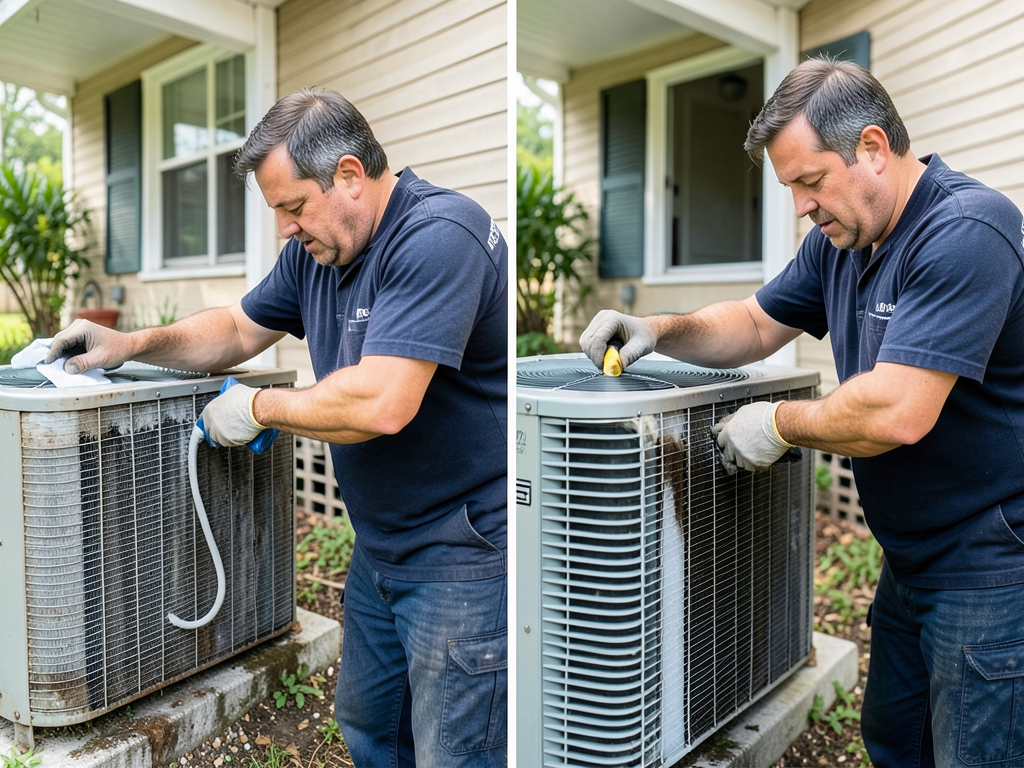
Proper coil cleaning requires specific tools and techniques that protect your investment. Professional HVAC technicians use specialized foaming coil cleaners that break down dirt without damaging fins. These cleaners are formulated for the Gulf South climate where salt air and high humidity create unique cleaning challenges. The foaming action lifts contaminants while the chemical composition prevents corrosion on aluminum surfaces.
Understanding Your AC System’s Coil Components
Your air conditioning system has two types of coils that serve different functions. The condenser coils sit in the outdoor unit and release heat absorbed from your home. The evaporator coils are inside your air handler and absorb heat from indoor air. Both require different cleaning approaches based on their location and function.
Condenser coils face constant exposure to outdoor elements. In New Orleans, they deal with pollen, cottonwood seeds, construction dust, and salt spray from Lake Pontchartrain. This combination creates a sticky residue that pressure washing only spreads around. Professional cleaning uses low-pressure rinsing after chemical treatment to remove contaminants without damaging the system.. Read more about How to Hide Your AC Unit with Landscaping Without Killing the Compressor.
Evaporator coils operate in a different environment. Located inside your air handler, they deal with indoor air quality issues and condensation. The constant moisture in New Orleans homes creates ideal conditions for mold growth on evaporator coils. These coils require no-rinse cleaners that kill mold and prevent regrowth without adding moisture that could damage electrical components.
The Science Behind Proper Coil Cleaning
Professional coil cleaning follows specific chemical principles. Acidic cleaners work well for mineral deposits but can corrode aluminum if left too long. Alkaline cleaners break down organic matter but require thorough rinsing. The foaming action in modern coil cleaners provides dwell time for chemicals to work without manual scrubbing that damages fins.
The dwell time for coil cleaners typically ranges from 5 to 15 minutes depending on contamination level. During this time, the chemical reaction breaks the bond between dirt and the coil surface. In New Orleans’ climate, technicians often use extended dwell times because the combination of salt and organic matter creates stronger adhesion than in drier climates.
Temperature also affects cleaning effectiveness. Professional cleaning in early morning or late evening when outdoor temperatures are lower allows chemicals to work more effectively. The cooler metal absorbs the cleaning solution better and prevents rapid evaporation that reduces cleaning power. This timing consideration is especially important during New Orleans’ summer months when afternoon temperatures exceed 95 degrees.
Common Coil Contamination in South Louisiana
New Orleans’ unique environment creates specific contamination patterns. The combination of high humidity, salt air, and warm temperatures produces a perfect breeding ground for algae and mold. These microorganisms form a biofilm on coil surfaces that reduces heat transfer efficiency by up to 40%.
Salt air from Lake Pontchartrain accelerates corrosion on aluminum fins. The chloride ions in salt water create pitting corrosion that starts as small white spots and grows into larger areas of material loss. Once corrosion begins, it spreads rapidly in our humid conditions, reducing the coil’s ability to dissipate heat effectively.. Read more about Expert AC Maintenance for Large Family Homes in Destrehan and Luling.
Pollen seasons in South Louisiana create additional challenges. Oak, pine, and cypress trees release pollen that combines with moisture to form a sticky paste on coil surfaces. This paste traps dust and other particulates, creating layers of contamination that pressure washing cannot remove. Professional cleaning requires specific chemical treatments to break down this organic buildup.
DIY Coil Cleaning Methods That Actually Work
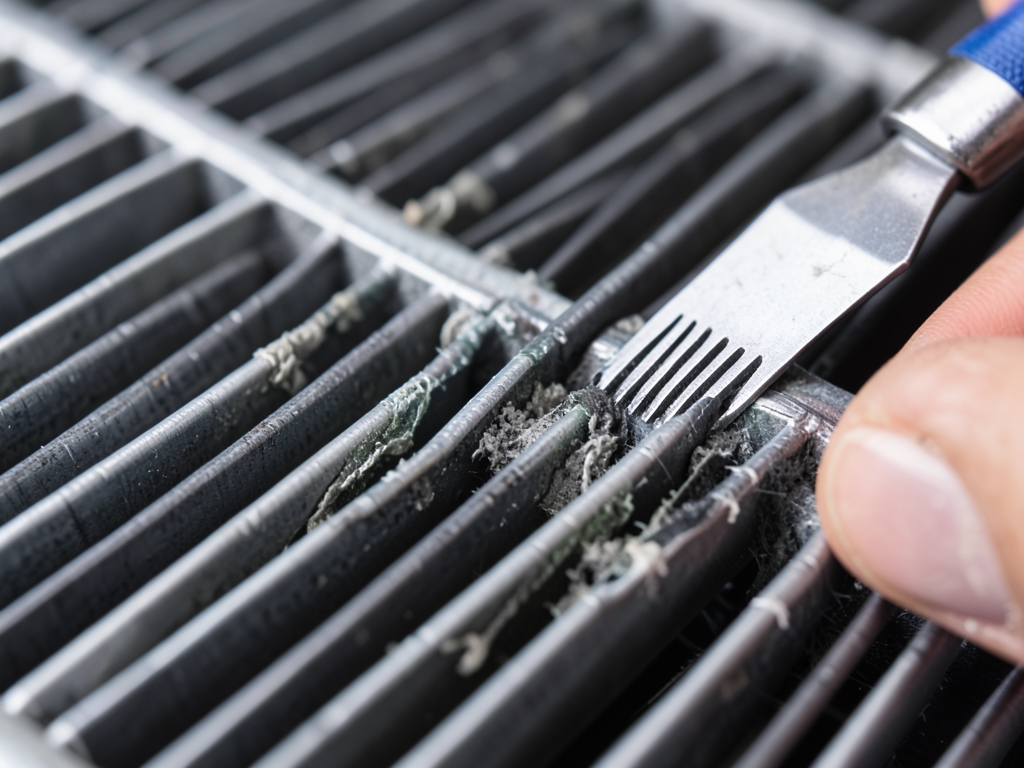
Safe DIY coil cleaning starts with the right tools. A garden hose with a gentle spray nozzle works better than pressure washers. Use a fin comb to straighten any bent fins before cleaning. These plastic combs come in different sizes to match your coil’s fin spacing, typically 14 to 18 fins per inch for residential units.
Commercial coil cleaning products specifically designed for DIY use provide the right chemical balance. Look for products labeled as safe for aluminum and containing no harsh acids. These cleaners typically cost between $15 and $30 and include application instructions. Always wear gloves and eye protection when handling coil cleaning chemicals.
The cleaning process involves removing the top grille, vacuuming loose debris with a shop vac, applying the cleaning solution, waiting the recommended dwell time, and rinsing with low-pressure water. Never use a pressure washer even on the lowest setting. The focused spray can still damage fins and push water into electrical components.
When Professional Cleaning Becomes Necessary
Certain signs indicate your coils need professional attention. If your system runs constantly but struggles to cool below 78 degrees, contaminated coils are likely the cause. Energy bills that spike 30% or more during summer months often point to dirty coils reducing system efficiency. Ice formation on refrigerant lines indicates restricted airflow from dirty evaporator coils. NATE certification standards.
Professional cleaning becomes essential when DIY methods fail to restore efficiency. If you’ve cleaned your coils twice in one season and still experience poor performance, deeper contamination requires professional-grade chemicals and equipment. This situation commonly occurs in New Orleans where salt air and humidity create persistent contamination that household cleaners cannot fully remove.
Older systems benefit most from professional cleaning. Units over 10 years old often have corrosion that requires specialized treatments to prevent further damage. The aluminum fins on aging systems become more brittle and susceptible to damage from improper cleaning techniques. Professional technicians understand how to clean these systems without causing additional harm.
The Cost of Neglect vs Professional Maintenance
Neglecting coil maintenance leads to cascading system failures. Restricted airflow causes the compressor to work harder, generating excess heat that shortens its lifespan. In New Orleans’ climate, compressor replacement costs range from $1,500 to $2,500. Regular professional cleaning extends compressor life by preventing the overheating that causes premature failure.
Energy efficiency losses from dirty coils compound over time. A system operating at 70% efficiency instead of 95% increases monthly cooling costs by 25% to 35%. Over a five-year period, this inefficiency can cost $2,000 to $3,000 more than professional cleaning services that typically cost $150 to $300 per visit.
Refrigerant leaks often result from corroded coils. When fins deteriorate from salt air and neglect, the copper refrigerant lines beneath become exposed. Small leaks develop that allow refrigerant to escape, reducing cooling capacity and potentially damaging the compressor. Professional coil cleaning includes inspection for early signs of corrosion that could lead to leaks.
Preventive Maintenance for New Orleans Homes
New Orleans’ climate requires more frequent maintenance than other regions. The extended cooling season from March through November means your system operates 3 to 4 months longer than in northern climates. This increased runtime creates more opportunities for contamination buildup, requiring cleaning twice yearly instead of the standard once yearly schedule.
Seasonal timing matters for coil cleaning. Schedule professional cleaning in early spring before the cooling season begins. This timing removes winter debris and prepares your system for summer heat. A second cleaning in late summer removes pollen and organic buildup that accumulates during peak cooling months. EPA HVAC maintenance guidelines.
Between professional cleanings, monitor your system’s performance. If you notice reduced cooling capacity, unusual noises, or ice formation on refrigerant lines, contact a professional immediately. These symptoms often indicate coil contamination that requires professional attention before causing more expensive damage to other system components.
Choosing the Right HVAC Professional
Selecting an HVAC contractor requires verifying specific qualifications. Look for NATE certification, which indicates technicians have passed rigorous testing on system components and proper maintenance procedures. Ask about experience with New Orleans’ specific climate challenges, including salt air corrosion and high humidity issues that affect coil performance.
Professional cleaning should include a complete system inspection. Technicians should check refrigerant levels, electrical connections, and condensate drain lines in addition to cleaning coils. This comprehensive approach identifies potential problems before they cause system failure during the hottest months of the year.
Request before and after photos of your coil cleaning. Professional technicians document their work and can show you the difference their cleaning makes. This documentation also helps track system condition over time, allowing you to anticipate when replacement might become more cost-effective than continued repairs.
Environmental Considerations for Coil Cleaning
Professional coil cleaning products must comply with EPA regulations regarding chemical disposal and environmental impact. Modern coil cleaners are biodegradable and designed to break down safely after use. However, runoff from cleaning should never enter storm drains or natural waterways where it could harm aquatic life.
Some cleaning products contain phosphates that contribute to algae blooms in local water bodies. Choose technicians who use phosphate-free products and proper containment methods for cleaning runoff. This consideration becomes especially important near Lake Pontchartrain where water quality affects both recreation and local ecosystems.
Energy efficiency improvements from clean coils provide environmental benefits beyond your immediate property. A system operating at peak efficiency uses less electricity, reducing demand on Entergy’s power generation. This decreased demand means fewer fossil fuels burned for electricity production, lowering your carbon footprint while saving money.
Frequently Asked Questions
Can I use household cleaners on my AC coils?
Household cleaners damage AC coils. Products like bleach, ammonia, or vinegar can corrode aluminum fins and damage the protective coatings on coils. These cleaners also leave residues that attract more dirt. Always use products specifically designed for HVAC coil cleaning that are pH balanced for aluminum surfaces.
How often should AC coils be cleaned in New Orleans?
AC coils in New Orleans need cleaning twice yearly due to our extended cooling season and high humidity. Schedule professional cleaning in early spring and late summer. Between professional cleanings, monitor your system for reduced cooling capacity or ice formation, which indicate coils need attention.
What’s the difference between condenser and evaporator coil cleaning?
Condenser coils are outside and face dirt, pollen, and salt air. They require foaming cleaners and gentle rinsing. Evaporator coils are inside and deal with indoor air quality and condensation. They need no-rinse cleaners that kill mold without adding moisture. Each type requires specific cleaning methods and chemicals.
Will dirty coils void my AC warranty?
Neglecting coil maintenance can void manufacturer warranties. Most AC warranties require regular professional maintenance, including coil cleaning. Documented neglect of maintenance requirements gives manufacturers grounds to deny warranty claims for compressor or other component failures caused by dirty coils restricting airflow.
How can I tell if my coils need cleaning?
Signs your coils need cleaning include reduced cooling capacity, longer run times, ice formation on refrigerant lines, unusual noises from the outdoor unit, and increased energy bills. If your system runs constantly but cannot maintain comfortable temperatures, dirty coils are likely restricting airflow and heat transfer.
- Gather Proper Tools
Collect a garden hose with gentle spray nozzle, fin comb, shop vac, coil cleaning solution, gloves, and eye protection. Never use a pressure washer even on low setting.
- Power Down System
Turn off power at both the thermostat and outdoor disconnect box. Wait 5 minutes for capacitors to discharge before beginning work.
- Remove Access Panels
Carefully remove the top grille and side panels from the outdoor unit. Keep track of screws and hardware for reassembly.
- Vacuum Loose Debris
Use a shop vac to remove leaves, grass clippings, and other loose debris from the coil surfaces and interior of the unit.
- Apply Coil Cleaner
Spray the coil cleaning solution evenly across all coil surfaces. Allow the recommended dwell time for the chemical to break down contaminants.
- Rinse Gently
Rinse coils with low-pressure water from a garden hose, spraying from inside to outside to push debris away from the unit.
- Straighten Bent Fins
Use a fin comb to carefully straighten any bent fins, working in the direction of the fin orientation.
- Reassemble and Test
Reinstall all panels and grilles, restore power, and test the system to ensure proper operation after cleaning.
Protecting your AC system from damage starts with understanding what not to do. Pressure washing your condenser coils creates more problems than it solves, especially in New Orleans’ challenging climate. The combination of salt air, high humidity, and extended cooling seasons requires specific maintenance approaches that preserve system efficiency and longevity.
Professional coil cleaning provides the expertise and proper equipment to maintain your system without causing damage. The investment in twice-yearly professional cleaning pays for itself through lower energy bills, extended system life, and prevention of costly emergency repairs during summer heat waves. Expert Furnace Repair in Gretna to Keep Your Family Warm on Chilly Delta Nights.
Don’t risk damaging your AC system with improper cleaning methods. Call (504) 355-2955 today to schedule your professional coil cleaning before the next heat wave hits. Our NATE-certified technicians understand New Orleans’ unique climate challenges and use the right techniques to keep your system running efficiently all summer long.
Pick up the phone and call (504) 355-2955 before the next storm hits. Clean coils mean lower energy bills, better cooling performance, and a system that can handle whatever South Louisiana’s weather throws at it. Your comfort and your wallet will thank you.
{
“@context”: “https://schema.org”,
“@type”: “BlogPosting”,
“headline”: “Why You Should Never Pressure Wash Your AC Condenser Coils”,
“description”: “Pressure washing your AC condenser coils can cause permanent damage. Learn why this DIY shortcut fails in New Orleans’ humid climate and what to do instead.”,
“wordCount”: 2449,
“datePublished”: “2026-05-05T12:47:00.000Z”,
“dateModified”: “2026-05-05T12:47:00.000Z”,
“inLanguage”: “en-US”,
“mainEntityOfPage”: {
“@type”: “WebPage”,
“@id”: “https://pioneerhvacneworleans.com”
},
“publisher”: {
“@type”: “LocalBusiness”,
“name”: “Pioneer HVAC New Orleans”,
“url”: “https://pioneerhvacneworleans.com”
},
“author”: {
“@type”: “Organization”,
“name”: “Pioneer HVAC New Orleans”,
“url”: “https://pioneerhvacneworleans.com”
},
“image”: {
“@type”: “ImageObject”,
“url”: “https://pioneerhvacneworleans.com/wp-content/uploads/2026/03/why-you-should-never-pressure-wash-your-ac-condens-1.png”
}
}
{
“@context”: “https://schema.org”,
“@type”: “HVACBusiness”,
“name”: “Pioneer HVAC New Orleans”,
“url”: “https://pioneerhvacneworleans.com”,
“address”: {
“@type”: “PostalAddress”,
“addressLocality”: “New Orleans”
},
“areaServed”: {
“@type”: “City”,
“name”: “New Orleans”
}
}
{
“@context”: “https://schema.org”,
“@type”: “FAQPage”,
“mainEntity”: [
{
“@type”: “Question”,
“name”: “Can I use household cleaners on my AC coils?”,
“acceptedAnswer”: {
“@type”: “Answer”,
“text”: “Household cleaners damage AC coils. Products like bleach, ammonia, or vinegar can corrode aluminum fins and damage the protective coatings on coils. These cleaners also leave residues that attract more dirt. Always use products specifically designed for HVAC coil cleaning that are pH balanced for aluminum surfaces.”
}
},
{
“@type”: “Question”,
“name”: “How often should AC coils be cleaned in New Orleans?”,
“acceptedAnswer”: {
“@type”: “Answer”,
“text”: “AC coils in New Orleans need cleaning twice yearly due to our extended cooling season and high humidity. Schedule professional cleaning in early spring and late summer. Between professional cleanings, monitor your system for reduced cooling capacity or ice formation, which indicate coils need attention.”
}
},
{
“@type”: “Question”,
“name”: “What’s the difference between condenser and evaporator coil cleaning?”,
“acceptedAnswer”: {
“@type”: “Answer”,
“text”: “Condenser coils are outside and face dirt, pollen, and salt air. They require foaming cleaners and gentle rinsing. Evaporator coils are inside and deal with indoor air quality and condensation. They need no-rinse cleaners that kill mold without adding moisture. Each type requires specific cleaning methods and chemicals.”
}
},
{
“@type”: “Question”,
“name”: “Will dirty coils void my AC warranty?”,
“acceptedAnswer”: {
“@type”: “Answer”,
“text”: “Neglecting coil maintenance can void manufacturer warranties. Most AC warranties require regular professional maintenance, including coil cleaning. Documented neglect of maintenance requirements gives manufacturers grounds to deny warranty claims for compressor or other component failures caused by dirty coils restricting airflow.”
}
},
{
“@type”: “Question”,
“name”: “How can I tell if my coils need cleaning?”,
“acceptedAnswer”: {
“@type”: “Answer”,
“text”: “Signs your coils need cleaning include reduced cooling capacity, longer run times, ice formation on refrigerant lines, unusual noises from the outdoor unit, and increased energy bills. If your system runs constantly but cannot maintain comfortable temperatures, dirty coils are likely restricting airflow and heat transfer.”
}
}
]
}
{
“@context”: “https://schema.org”,
“@type”: “HowTo”,
“name”: “How to Safely Clean AC Coils”,
“step”: [
{
“@type”: “HowToStep”,
“position”: 1,
“name”: “Gather Proper Tools”,
“text”: “Collect a garden hose with gentle spray nozzle, fin comb, shop vac, coil cleaning solution, gloves, and eye protection. Never use a pressure washer even on low setting.”
},
{
“@type”: “HowToStep”,
“position”: 2,
“name”: “Power Down System”,
“text”: “Turn off power at both the thermostat and outdoor disconnect box. Wait 5 minutes for capacitors to discharge before beginning work.”
},
{
“@type”: “HowToStep”,
“position”: 3,
“name”: “Remove Access Panels”,
“text”: “Carefully remove the top grille and side panels from the outdoor unit. Keep track of screws and hardware for reassembly.”
},
{
“@type”: “HowToStep”,
“position”: 4,
“name”: “Vacuum Loose Debris”,
“text”: “Use a shop vac to remove leaves, grass clippings, and other loose debris from the coil surfaces and interior of the unit.”
},
{
“@type”: “HowToStep”,
“position”: 5,
“name”: “Apply Coil Cleaner”,
“text”: “Spray the coil cleaning solution evenly across all coil surfaces. Allow the recommended dwell time for the chemical to break down contaminants.”
},
{
“@type”: “HowToStep”,
“position”: 6,
“name”: “Rinse Gently”,
“text”: “Rinse coils with low-pressure water from a garden hose, spraying from inside to outside to push debris away from the unit.”
},
{
“@type”: “HowToStep”,
“position”: 7,
“name”: “Straighten Bent Fins”,
“text”: “Use a fin comb to carefully straighten any bent fins, working in the direction of the fin orientation.”
},
{
“@type”: “HowToStep”,
“position”: 8,
“name”: “Reassemble and Test”,
“text”: “Reinstall all panels and grilles, restore power, and test the system to ensure proper operation after cleaning.”
}
],
“image”: “https://pioneerhvacneworleans.com/wp-content/uploads/2026/03/why-you-should-never-pressure-wash-your-ac-condens-1.png”
}
{
“@context”: “https://schema.org”,
“@type”: “BreadcrumbList”,
“itemListElement”: [
{
“@type”: “ListItem”,
“position”: 1,
“name”: “Home”,
“item”: “https://pioneerhvacneworleans.com”
},
{
“@type”: “ListItem”,
“position”: 2,
“name”: “Blog”,
“item”: “https://pioneerhvacneworleans.com/blog”
},
{
“@type”: “ListItem”,
“position”: 3,
“name”: “Why You Should Never Pressure Wash Your AC Condenser Coils”
}
]
}
{
“@context”: “https://schema.org”,
“@type”: “Service”,
“serviceType”: “HVAC”,
“provider”: {
“@type”: “LocalBusiness”,
“name”: “Pioneer HVAC New Orleans”,
“url”: “https://pioneerhvacneworleans.com”
},
“areaServed”: {
“@type”: “City”,
“name”: “New Orleans”
},
“description”: “Pressure washing your AC condenser coils can cause permanent damage. Learn why this DIY shortcut fails in New Orleans’ humid climate and what to do instead.”
}