The Hidden Cost of Closing Your AC Vents in New Orleans Homes
Closing air vents to save money on your electric bill seems like a smart move. But here in New Orleans, this common practice actually costs you more in the long run. When you close vents in unused rooms, you’re not saving energy—you’re creating problems that can damage your HVAC system and drive up repair costs. EPA Indoor Air Quality.
Your air conditioner works by moving a specific amount of air through your home’s ductwork. When you close a vent, you’re not reducing the air your system produces. Instead, you’re forcing that air to find other paths, creating pressure imbalances that strain your equipment and waste energy. Emergency Ductwork Repair.
How Static Pressure Destroys Your HVAC System
Static pressure is the resistance to airflow in your ductwork. Your HVAC system is designed to operate at a specific static pressure level. When you close vents, you increase that pressure throughout the entire system.. Read more about How to Read Your Entergy Bill to See if Your HVAC System is Failing You.
Think of it like trying to breathe through a straw while someone pinches the end. Your blower motor has to work harder to push air through the restricted system. This extra strain causes several problems:
- Blower motor overheating and premature failure
- Increased energy consumption by 10-20%
- Reduced cooling capacity throughout your home
- Potential compressor damage from operating under stress
According to the Department of Energy, closing vents can increase your energy bills rather than reduce them. The system works harder but moves less air, creating a perfect storm for mechanical failure. Department of Energy.
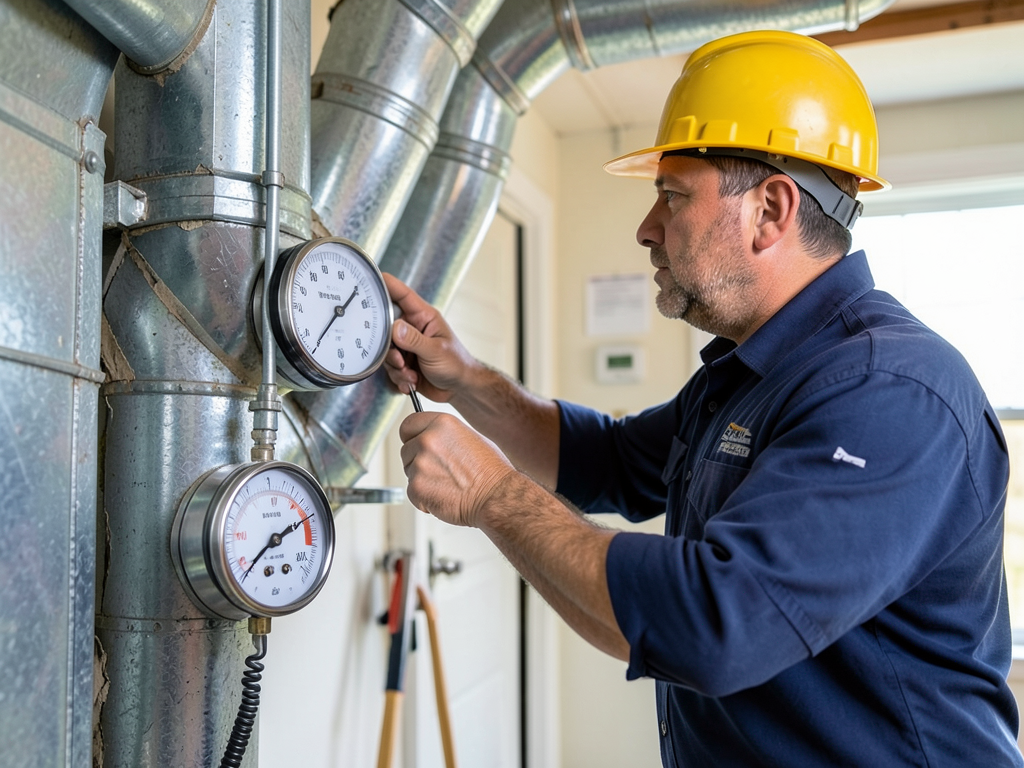
Image description: Technical diagram showing how static pressure builds up in ductwork when vents are closed, with arrows indicating restricted airflow and pressure zones.
The New Orleans Humidity Factor: A Perfect Storm for Mold
Here in New Orleans, our extreme humidity creates unique problems when you close vents. Our average relative humidity stays above 75% for most of the year, and closed-off rooms become breeding grounds for mold and mildew. Get Your New Orleans AC Running Again with Our 24-Hour Emergency Repair Service.
When you close a vent, the room’s air becomes stagnant. Without conditioned air circulating, humidity levels rise rapidly. This creates condensation on walls, windows, and even inside your ductwork. The result? Mold growth that can spread throughout your home’s ventilation system.
Louisiana building codes require specific ventilation standards for a reason. The International Residential Code Section M1601.4 mandates that HVAC systems be designed to provide adequate ventilation to all areas of a home. When you bypass these requirements by closing vents, you’re creating code violations that can affect your home’s safety and air quality.
Real Damage to Your HVAC Equipment
Closing vents doesn’t just waste energy—it can destroy your HVAC system. Here’s what happens when you restrict airflow:
Evaporator Coil Freezing
Your evaporator coil needs constant airflow to absorb heat from your home. When airflow drops due to closed vents, the coil temperature falls below freezing. Ice builds up, eventually blocking all airflow. This can cause your compressor to fail—a repair that costs thousands of dollars. Why Your Lakeview Home Needs a High-Efficiency AC Unit to Combat Swampy Humidity.
Cracked Heat Exchangers
During winter, restricted airflow can cause your furnace’s heat exchanger to overheat. The metal expands and contracts beyond its design limits, leading to cracks. A cracked heat exchanger can leak carbon monoxide into your home—a serious safety hazard that requires immediate attention. Expert Furnace Repair in Gretna to Keep Your Family Warm on Chilly Delta Nights.
Blower Motor Burnout
Your blower motor isn’t designed to push against increased resistance. The extra strain causes bearings to wear prematurely and electrical components to overheat. Many homeowners find themselves replacing blower motors years before they should need replacement.
The Money Myth: Why You’re Not Saving Anything
Let’s break down the math. A typical New Orleans home uses about 1,200 kWh per month for cooling. If you close vents in three rooms, you might save 10-15 kWh per month—roughly $1.50 to $2.25 on your Entergy bill. Fighting New Orleans Humidity with a Professional Whole-Home Dehumidifier Installation.
However, the damage you’re causing costs much more:
| Problem | Potential Cost | Frequency |
|---|---|---|
| Blower Motor Replacement | $400-800 | Every 5-7 years instead of 10-15 |
| Evaporator Coil Cleaning/Freezing | $200-400 | Annually instead of every 2-3 years |
| Compressor Replacement | $1,500-2,500 | Every 8-10 years instead of 15-20 |
| Mold Remediation | $500-3,000 | Every 2-3 years in humid areas |
As you can see, the pennies you save monthly pale compared to the thousands you’ll spend on premature repairs and replacements.
Smart Alternatives to Save Energy in Your New Orleans Home
Instead of closing vents, try these proven methods to reduce your energy bills:
Install a Programmable or Smart Thermostat
A smart thermostat can save you 10-15% on heating and cooling costs by automatically adjusting temperatures when you’re asleep or away. Entergy New Orleans offers rebates up to $100 for qualifying smart thermostats.. Read more about How to Sleep Better During a New Orleans Summer by Adjusting Your Nighttime Humidity.
Seal Your Ductwork
Leaky ducts waste 20-30% of your conditioned air. Professional duct sealing can improve your system’s efficiency and reduce your bills by up to 25%. Look for technicians certified by ENERGY STAR for duct sealing services.
Regular Maintenance
Annual HVAC maintenance keeps your system running at peak efficiency. A clean system uses 5-10% less energy than a dirty one. Plus, technicians can catch small problems before they become expensive repairs.
Consider Zoning Systems
If you really want different temperatures in different areas, invest in a proper zoning system. These systems use dampers in your ductwork to direct air where it’s needed, controlled by multiple thermostats. While the upfront cost is higher, zoning can provide real energy savings without damaging your equipment.
When You Should Call a New Orleans HVAC Expert
Sometimes the urge to close vents indicates a bigger problem. If you’re closing vents because certain rooms are too hot or cold, your system may be improperly sized or your ductwork may need balancing.
Signs you need professional help:
- Rooms that are consistently too hot or cold
- Uneven airflow throughout your home
- High energy bills despite normal usage
- Strange noises from your HVAC system
- Musty odors when your AC runs
A professional HVAC technician can perform a Manual J load calculation to determine if your system is properly sized for your home. They can also use airflow meters to identify restrictions and balance your system correctly.
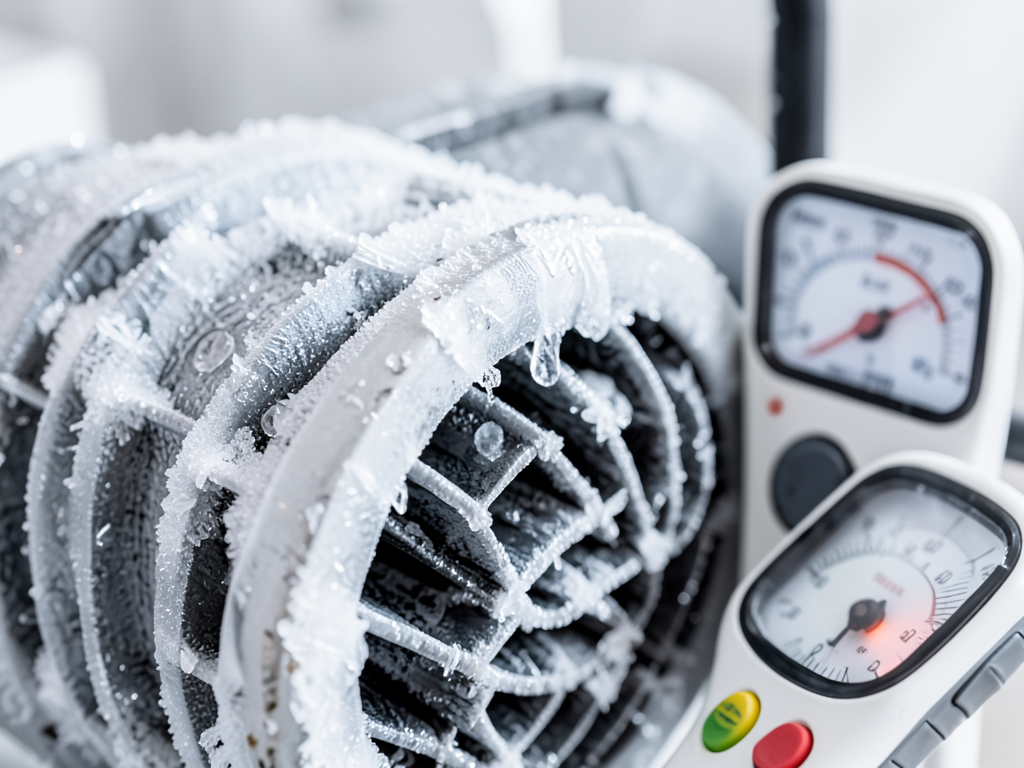
Image description: Technician using airflow meter to test duct pressure and identify restrictions, demonstrating proper diagnostic procedures for HVAC system balancing.
Protecting Your Home’s Air Quality
Beyond energy costs and equipment damage, closing vents affects your indoor air quality. Your HVAC system doesn’t just heat and cool—it filters and circulates air throughout your home.
When you close vents, you reduce the amount of air passing through your filters. This means:
- Dust and allergens build up in stagnant rooms
- Humidity levels become unbalanced throughout your home
- Airborne contaminants aren’t properly filtered
- Carbon dioxide levels can rise in closed-off spaces
In New Orleans’ humid climate, poor indoor air quality can trigger allergies, asthma, and other respiratory issues. The EPA recommends maintaining proper ventilation in all areas of your home to ensure healthy indoor air.
The Bottom Line for New Orleans Homeowners
Closing your AC vents might seem like a quick fix for high energy bills, but it’s actually creating a cascade of problems. From increased energy costs and equipment damage to mold growth and poor air quality, the risks far outweigh any perceived benefits.
Your HVAC system is designed to heat and cool your entire home evenly. When you interfere with that design by closing vents, you’re setting yourself up for expensive repairs and uncomfortable living conditions.
Instead of closing vents, invest in proper maintenance, consider a smart thermostat, and if you really need different temperatures in different areas, explore professional zoning solutions. Your wallet, your HVAC system, and your health will thank you.
Call (504) 355-2955 today to schedule your inspection. Our NATE-certified technicians can evaluate your system and recommend energy-saving solutions that won’t damage your equipment or create humidity problems in your New Orleans home.
Image description: Before and after comparison showing proper vent configuration versus closed vents, with energy usage data and system efficiency metrics displayed.
Frequently Asked Questions
Can I close vents in rooms I rarely use during summer?
No. Closing vents in any season creates the same pressure problems and can lead to frozen coils in summer. The humidity risks are actually higher during our long cooling season.
How many vents can I safely close without damaging my system?
Ideally, none. If you must close some for renovation work, limit it to 10% of your total vents and only for short periods. Even this can cause problems in our humid climate.
Will closing vents help my AC cool the house faster?
No. Your AC cools at the same rate regardless of how many vents are open. Closing vents just creates pressure problems and can actually make your home less comfortable overall.
What’s the difference between closing vents and using a zoning system?
Zoning systems use motorized dampers and multiple thermostats to control airflow properly. They’re designed by engineers to work with your specific system. Simply closing vents bypasses all these safety features.
How can I tell if my vents are causing problems?
Signs include higher energy bills, rooms that are too hot or cold, strange noises from your HVAC system, or ice on refrigerant lines. If you notice any of these, call a professional immediately.
You may also find this helpful. Why Your Second Story Camelback Rooms Stay Hot While Your Downstairs Freezes.
{
“@context”: “https://schema.org”,
“@type”: “BlogPosting”,
“headline”: “Why You Should Never Block Your AC Vents Even in Rooms You Don’t Use”,
“description”: “Discover why closing AC vents wastes energy and damages your system. Learn the truth about airflow and humidity in New Orleans homes from local HVAC experts.”,
“wordCount”: 1570,
“datePublished”: “2026-05-27T12:19:00.000Z”,
“dateModified”: “2026-05-27T12:19:00.000Z”,
“inLanguage”: “en-US”,
“mainEntityOfPage”: {
“@type”: “WebPage”,
“@id”: “https://pioneerhvacneworleans.com”
},
“publisher”: {
“@type”: “LocalBusiness”,
“name”: “Pioneer HVAC New Orleans”,
“url”: “https://pioneerhvacneworleans.com”
},
“author”: {
“@type”: “Organization”,
“name”: “Pioneer HVAC New Orleans”,
“url”: “https://pioneerhvacneworleans.com”
},
“image”: {
“@type”: “ImageObject”,
“url”: “https://pioneerhvacneworleans.com/wp-content/uploads/2026/03/why-you-should-never-block-your-ac-vents-even-in-r-1.png”
}
}
{
“@context”: “https://schema.org”,
“@type”: “HVACBusiness”,
“name”: “Pioneer HVAC New Orleans”,
“url”: “https://pioneerhvacneworleans.com”,
“address”: {
“@type”: “PostalAddress”,
“addressLocality”: “New Orleans”
},
“areaServed”: {
“@type”: “City”,
“name”: “New Orleans”
}
}
{
“@context”: “https://schema.org”,
“@type”: “FAQPage”,
“mainEntity”: [
{
“@type”: “Question”,
“name”: “Can I close vents in rooms I rarely use during summer?”,
“acceptedAnswer”: {
“@type”: “Answer”,
“text”: “No. Closing vents in any season creates the same pressure problems and can lead to frozen coils in summer. The humidity risks are actually higher during our long cooling season.”
}
},
{
“@type”: “Question”,
“name”: “How many vents can I safely close without damaging my system?”,
“acceptedAnswer”: {
“@type”: “Answer”,
“text”: “Ideally, none. If you must close some for renovation work, limit it to 10% of your total vents and only for short periods. Even this can cause problems in our humid climate.”
}
},
{
“@type”: “Question”,
“name”: “Will closing vents help my AC cool the house faster?”,
“acceptedAnswer”: {
“@type”: “Answer”,
“text”: “No. Your AC cools at the same rate regardless of how many vents are open. Closing vents just creates pressure problems and can actually make your home less comfortable overall.”
}
},
{
“@type”: “Question”,
“name”: “What’s the difference between closing vents and using a zoning system?”,
“acceptedAnswer”: {
“@type”: “Answer”,
“text”: “Zoning systems use motorized dampers and multiple thermostats to control airflow properly. They’re designed by engineers to work with your specific system. Simply closing vents bypasses all these safety features.”
}
},
{
“@type”: “Question”,
“name”: “How can I tell if my vents are causing problems?”,
“acceptedAnswer”: {
“@type”: “Answer”,
“text”: “Signs include higher energy bills, rooms that are too hot or cold, strange noises from your HVAC system, or ice on refrigerant lines. If you notice any of these, call a professional immediately.”
}
}
]
}
{
“@context”: “https://schema.org”,
“@type”: “BreadcrumbList”,
“itemListElement”: [
{
“@type”: “ListItem”,
“position”: 1,
“name”: “Home”,
“item”: “https://pioneerhvacneworleans.com”
},
{
“@type”: “ListItem”,
“position”: 2,
“name”: “Blog”,
“item”: “https://pioneerhvacneworleans.com/blog”
},
{
“@type”: “ListItem”,
“position”: 3,
“name”: “Why You Should Never Block Your AC Vents Even in Rooms You Don’t Use”
}
]
}
{
“@context”: “https://schema.org”,
“@type”: “Service”,
“serviceType”: “HVAC”,
“provider”: {
“@type”: “LocalBusiness”,
“name”: “Pioneer HVAC New Orleans”,
“url”: “https://pioneerhvacneworleans.com”
},
“areaServed”: {
“@type”: “City”,
“name”: “New Orleans”
},
“description”: “Discover why closing AC vents wastes energy and damages your system. Learn the truth about airflow and humidity in New Orleans homes from local HVAC experts.”
}