Why Mold Keeps Growing on Your AC Supply Vents (And How to Stop It Permanently)
If you’re seeing black spots or fuzzy growth around your AC supply vents in New Orleans, you’re not alone. Our city’s relentless humidity creates the perfect breeding ground for mold on HVAC registers. This isn’t just an eyesore—it’s a sign of deeper moisture problems that can affect your indoor air quality and your family’s health. New Orleans Climate Data.
The combination of New Orleans’ 80%+ relative humidity and the cool air flowing through your vents creates condensation on the metal surfaces. When that moisture meets airborne mold spores, you get visible growth within days. The good news? Once you understand why it’s happening, you can take concrete steps to eliminate it permanently. Get Your New Orleans AC Running Again with Our 24-Hour Emergency Repair Service.
Call (504) 355-2955 today to schedule your inspection. Our licensed technicians will identify the root cause and provide a permanent solution.
How New Orleans Humidity Creates the Perfect Mold Storm
New Orleans sits in a humid subtropical climate where dew points often hover in the 70s during summer months. When your AC blows 55-degree air through supply vents into a 90-degree room, the temperature differential causes water vapor to condense on the vent surfaces. Fighting New Orleans Humidity with a Professional Whole-Home Dehumidifier Installation.
Think of it like a cold drink sweating on a hot day. The metal vent acts as a cold surface, and the moisture in our thick Gulf air turns to liquid. This condensation provides exactly what mold needs to thrive: moisture, organic material (dust), and darkness inside the vent cavity. Why Your Lakeview Home Needs a High-Efficiency AC Unit to Combat Swampy Humidity.
Our specific conditions make this worse than in drier climates. The National Weather Service reports New Orleans averages 64.7 inches of annual rainfall, and our proximity to Lake Pontchartrain means constant moisture in the air. Homes in Lakeview and Gentilly often experience this problem more severely due to their proximity to water bodies.. Read more about Why New Homes in Lake Terrace Need an Energy Recovery Ventilator to Breathe.

Is It Actually Mold or Just Dust and Dirt?
Not every black spot on your vent is mold. Many homeowners mistake dust accumulation, soot from candles, or even insect debris for fungal growth. Here’s how to tell the difference:
Mold typically appears as fuzzy, raised spots that might be black, green, or even pink. It often has a musty, earthy smell that lingers near the vent. When you touch it (with gloves), mold feels slightly slimy or powdery, not gritty like dust.
Dust and dirt appear flat and uniform, often gray or brown. They don’t have that characteristic musty odor. A simple test: if the spots wipe away easily with a damp cloth and don’t return within a week, it was likely just surface dirt.
However, if you’re seeing recurring spots that grow back quickly, you’re dealing with active mold growth. This requires addressing the moisture source, not just cleaning the surface.. Read more about Dealing with Oak and Cypress Pollen in Your Gentilly HVAC Vents.
The Top 5 Causes of Vent Mold in South Louisiana Homes
Understanding the root cause is essential for permanent elimination. Here are the five most common culprits we see in New Orleans homes:. Read more about Why Your Thermostat Says 72 Degrees but Your New Orleans Home Still Feels Hot.
- Oversized AC Units: Many New Orleans homes have AC systems that are too large for their square footage. These units cool the air too quickly without running long enough to remove humidity, leaving your home damp.
- Dirty Evaporator Coils: When coils get coated with dust and grime, they can’t efficiently remove moisture from the air. This excess humidity circulates through your ducts and condenses on vents.
- Ductwork Leaks in Hot Attics: In our sweltering attics, any gaps in ductwork allow hot, humid air to mix with the cold air stream. This creates condensation throughout the duct system.
- Poor Insulation: Vents in uninsulated ceilings or walls become cold surfaces that attract condensation. This is especially problematic in older Uptown homes with plaster walls.
- Clogged Secondary Drain Lines: When the main condensate drain clogs, water backs up and can overflow into the air handler, sending moisture through your vents.
Each of these issues requires a different solution. That’s why a professional inspection is crucial before attempting any remediation.
Health Risks and EPA Guidelines for Indoor Mold
The EPA classifies mold as a potential health hazard, particularly for people with allergies, asthma, or compromised immune systems. While most mold in homes isn’t toxic black mold (Stachybotrys), any mold growth indicates excessive moisture that could harbor other allergens. EPA Mold Resources.
According to EPA guidelines, homeowners should address mold when it covers more than 10 square feet or when it’s in your HVAC system. Mold spores from vents get distributed throughout your home every time the system runs, potentially causing respiratory irritation, headaches, and allergic reactions.. Read more about Why You Should Never Block Your AC Vents Even in Rooms You Don’t Use.
The EPA specifically warns against using bleach on porous surfaces like drywall near vents, as it can actually promote mold growth by adding moisture. Instead, they recommend addressing the moisture source first, then cleaning affected areas with appropriate antimicrobial solutions.
Professional Remediation vs. DIY: When to Call the Experts
Small amounts of surface mold on easily accessible vents might be manageable with DIY cleaning, but most vent mold requires professional attention. Here’s when to call us:
If you’re seeing mold on multiple vents, if the spots return within days of cleaning, or if you notice a musty smell throughout your home, you need professional remediation. DIY cleaning only addresses the symptom, not the underlying moisture problem.
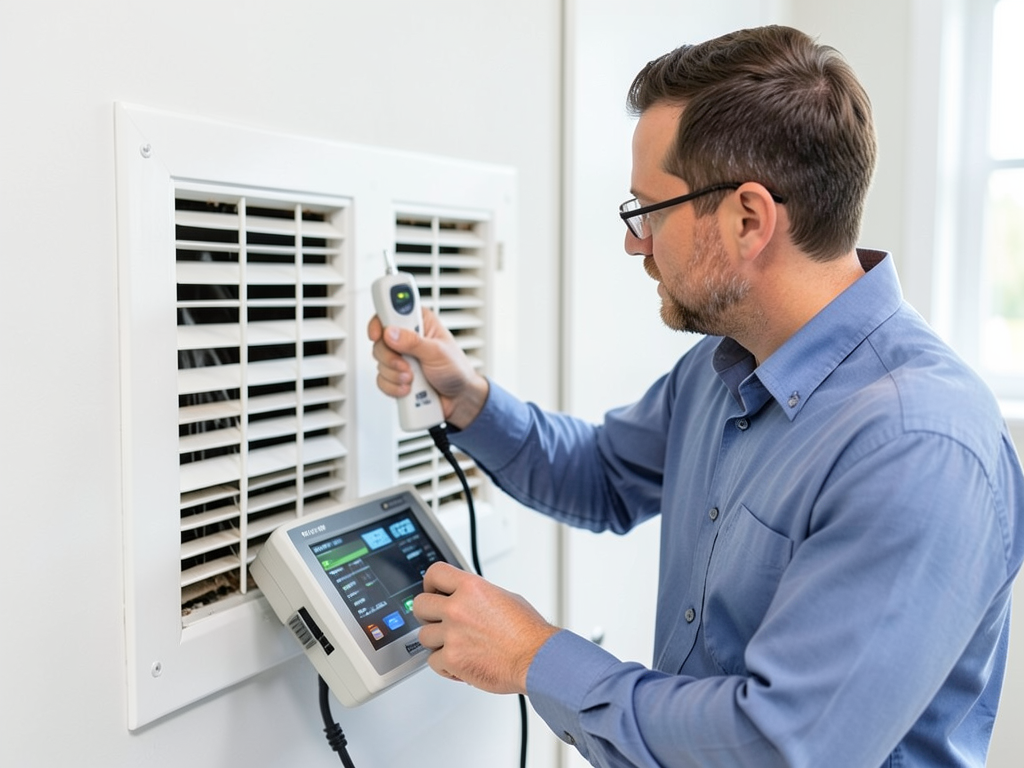
Professional remediation involves more than wiping down vents. We use specialized equipment to test humidity levels, inspect ductwork for leaks, check evaporator coil condition, and measure air quality. We then implement solutions like sealing duct leaks, cleaning coils, or installing whole-home dehumidifiers. Emergency Ductwork Repair.
Attempting DIY remediation on mold in your HVAC system can actually spread spores throughout your home if not done properly. Our technicians follow IICRC S520 standards for mold remediation to ensure safe, effective treatment.
Prevention Strategies for the Gulf Coast Climate
Stopping mold permanently requires addressing our unique Gulf Coast conditions. Here are proven strategies that work in New Orleans:
Whole-Home Dehumidification: Standard AC units remove some humidity, but in our climate, they often can’t keep up. A whole-home dehumidifier works alongside your AC to maintain 45-50% relative humidity year-round.
UV Light Installation: Ultraviolet lights installed in your air handler kill mold spores and bacteria before they enter your ductwork. This is particularly effective in our humid climate where spores are constantly present.
Regular Professional Maintenance: Annual maintenance includes coil cleaning, drain line clearing, and system testing to ensure your AC is removing moisture efficiently. This prevents the conditions that lead to vent mold.
Proper Insulation Upgrades: Adding insulation to unconditioned spaces prevents cold surfaces where condensation forms. This is especially important in raised homes common in Gentilly and Lakeview.
Smart Thermostat Programming: Running your fan continuously can actually increase humidity by not allowing the evaporator coil to dry between cycles. Smart thermostats optimize this automatically.
The Science Behind Condensation and Psychrometrics
Understanding the psychrometrics of humid air helps explain why vent mold is so common here. Psychrometrics is the study of the physical and thermodynamic properties of gas-vapor mixtures—in our case, air and water vapor.
The dew point is the temperature at which water vapor in the air condenses into liquid. In New Orleans, our summer dew points often reach 75-80°F. When your vent surface temperature drops below this dew point, condensation forms instantly.
For example, if your room is 80°F with 70% relative humidity, the dew point is approximately 69°F. Your AC vent at 55°F is 14 degrees below the dew point, guaranteeing condensation. This is why vent mold is rare in Phoenix but common in New Orleans.
Professional HVAC technicians use psychrometric charts to calculate these relationships and design systems that minimize condensation while maintaining comfort.
Common Mistakes That Make Vent Mold Worse
Many well-intentioned homeowners actually worsen their mold problem through common mistakes:
Using bleach on vent surfaces seems logical but can damage the vent finish and add moisture that feeds mold growth. Setting your thermostat to “ON” instead of “AUTO” keeps the fan running constantly, preventing the coil from drying and increasing humidity.
Blocking vents with furniture might seem like it would reduce airflow and condensation, but it actually causes the system to work harder and can create cold spots where condensation forms. Ignoring the problem and just wiping it away repeatedly allows the underlying moisture issue to worsen.
Another mistake is assuming that because your AC is cooling well, it’s removing humidity effectively. Many systems cool efficiently while still leaving humidity levels above 60%, the threshold where mold thrives.
When to Schedule Professional Help
Don’t wait until mold spreads throughout your home. Call (504) 355-2955 if you notice:
- Recurring spots on multiple vents
- A persistent musty odor when your AC runs
- Visible moisture or water stains near vents
- Increased allergy symptoms when indoors
- High indoor humidity readings (above 60%)
Our team serves all New Orleans neighborhoods including Uptown, Mid-City, Lakeview, Gentilly, and the West Bank. We provide same-day inspections for urgent cases and comprehensive solutions tailored to our unique Gulf Coast climate.
Remember, mold on your vents isn’t just a cleaning issue—it’s a symptom of moisture problems that will worsen over time. Professional intervention addresses the root cause, not just the visible signs.
Frequently Asked Questions
Can I just clean the mold off my vents myself?
Surface cleaning only provides temporary relief. Without addressing the underlying moisture problem, mold will return within days. Professional remediation identifies and fixes the root cause.
How much does professional mold remediation cost?
Costs vary based on the extent of the problem and required solutions. Simple cases might cost $300-500, while comprehensive system overhauls can range $2,000-5,000. We provide free inspections to give you accurate quotes.
Will a whole-home dehumidifier eliminate vent mold completely?
A dehumidifier is often the most effective single solution for our climate, but the best approach depends on your specific situation. Many cases require a combination of solutions for permanent elimination.
How long does professional remediation take?
Most inspections take 1-2 hours. Simple solutions might be completed the same day, while complex issues requiring equipment installation typically take 1-3 days.
Is mold on AC vents dangerous to my health?
While not all mold is toxic, any mold indicates excessive moisture that can harbor allergens and irritants. People with respiratory issues, allergies, or compromised immune systems are most at risk.
Ready to eliminate vent mold permanently? Call (504) 355-2955 now to schedule your professional inspection. Don’t let another humid New Orleans summer make your mold problem worse.
You may also find this helpful. Why Your Laplace Kitchen Cabinets Are Warping Because of Poor Airflow.
{
“@context”: “https://schema.org”,
“@type”: “BlogPosting”,
“headline”: “Why Mold Keeps Growing on Your AC Supply Vents (And How to Stop It Permanently)”,
“description”: “Mold on AC vents is a common problem in New Orleans due to high humidity. Learn why it happens, how to identify it, and the professional solutions to stop it for good.”,
“wordCount”: 1775,
“datePublished”: “2026-05-04T06:26:00.000Z”,
“dateModified”: “2026-05-04T06:26:00.000Z”,
“inLanguage”: “en-US”,
“mainEntityOfPage”: {
“@type”: “WebPage”,
“@id”: “https://pioneerhvacneworleans.com”
},
“publisher”: {
“@type”: “LocalBusiness”,
“name”: “Pioneer HVAC New Orleans”,
“url”: “https://pioneerhvacneworleans.com”
},
“author”: {
“@type”: “Organization”,
“name”: “Pioneer HVAC New Orleans”,
“url”: “https://pioneerhvacneworleans.com”
},
“image”: {
“@type”: “ImageObject”,
“url”: “https://pioneerhvacneworleans.com/wp-content/uploads/2026/03/why-mold-keeps-growing-on-your-ac-supply-vents-and-1.png”
}
}
{
“@context”: “https://schema.org”,
“@type”: “HVACBusiness”,
“name”: “Pioneer HVAC New Orleans”,
“url”: “https://pioneerhvacneworleans.com”,
“address”: {
“@type”: “PostalAddress”,
“addressLocality”: “New Orleans”
},
“areaServed”: {
“@type”: “City”,
“name”: “New Orleans”
}
}
{
“@context”: “https://schema.org”,
“@type”: “FAQPage”,
“mainEntity”: [
{
“@type”: “Question”,
“name”: “Is It Actually Mold or Just Dust and Dirt?”,
“acceptedAnswer”: {
“@type”: “Answer”,
“text”: “Not every black spot on your vent is mold. Many homeowners mistake dust accumulation, soot from candles, or even insect debris for fungal growth. Here’s how to tell the difference:”
}
},
{
“@type”: “Question”,
“name”: “Can I just clean the mold off my vents myself?”,
“acceptedAnswer”: {
“@type”: “Answer”,
“text”: “Surface cleaning only provides temporary relief. Without addressing the underlying moisture problem, mold will return within days. Professional remediation identifies and fixes the root cause.”
}
},
{
“@type”: “Question”,
“name”: “How much does professional mold remediation cost?”,
“acceptedAnswer”: {
“@type”: “Answer”,
“text”: “Costs vary based on the extent of the problem and required solutions. Simple cases might cost $300-500, while comprehensive system overhauls can range $2,000-5,000. We provide free inspections to give you accurate quotes.”
}
},
{
“@type”: “Question”,
“name”: “Will a whole-home dehumidifier eliminate vent mold completely?”,
“acceptedAnswer”: {
“@type”: “Answer”,
“text”: “A dehumidifier is often the most effective single solution for our climate, but the best approach depends on your specific situation. Many cases require a combination of solutions for permanent elimination.”
}
},
{
“@type”: “Question”,
“name”: “How long does professional remediation take?”,
“acceptedAnswer”: {
“@type”: “Answer”,
“text”: “Most inspections take 1-2 hours. Simple solutions might be completed the same day, while complex issues requiring equipment installation typically take 1-3 days.”
}
},
{
“@type”: “Question”,
“name”: “Is mold on AC vents dangerous to my health?”,
“acceptedAnswer”: {
“@type”: “Answer”,
“text”: “While not all mold is toxic, any mold indicates excessive moisture that can harbor allergens and irritants. People with respiratory issues, allergies, or compromised immune systems are most at risk.”
}
}
]
}
{
“@context”: “https://schema.org”,
“@type”: “BreadcrumbList”,
“itemListElement”: [
{
“@type”: “ListItem”,
“position”: 1,
“name”: “Home”,
“item”: “https://pioneerhvacneworleans.com”
},
{
“@type”: “ListItem”,
“position”: 2,
“name”: “Blog”,
“item”: “https://pioneerhvacneworleans.com/blog”
},
{
“@type”: “ListItem”,
“position”: 3,
“name”: “Why Mold Keeps Growing on Your AC Supply Vents (And How to Stop It Permanently)”
}
]
}
{
“@context”: “https://schema.org”,
“@type”: “Service”,
“serviceType”: “HVAC”,
“provider”: {
“@type”: “LocalBusiness”,
“name”: “Pioneer HVAC New Orleans”,
“url”: “https://pioneerhvacneworleans.com”
},
“areaServed”: {
“@type”: “City”,
“name”: “New Orleans”
},
“description”: “Mold on AC vents is a common problem in New Orleans due to high humidity. Learn why it happens, how to identify it, and the professional solutions to stop it for good.”
}