
Why Magnolia Leaves and Crepe Myrtle Blooms are Secretly Killing Your Metairie AC Unit
Your Metairie air conditioner is under constant attack from the very trees that make your neighborhood beautiful. Magnolia leaves and crepe myrtle blooms might look harmless floating through your yard but they are silently choking the life out of your AC condenser. These local plants create a perfect storm of debris that blocks airflow and forces your system to work overtime. When your AC struggles to keep up with New Orleans humidity it’s often because debris has turned your outdoor unit into a clogged mess. Get Your New Orleans AC Running Again with Our 24-Hour Emergency Repair Service.
The problem is worse in Metairie than in drier climates because our 90 percent humidity turns dry dust into a sticky sludge that binds to condenser coils. Combine that with falling leaves and flower petals and you have a recipe for disaster. Your AC unit needs unrestricted airflow to release heat. When debris blocks the fins it acts like insulation keeping heat trapped inside. This forces your compressor to run longer and hotter which leads to premature failure. Why Your Lakeview Home Needs a High-Efficiency AC Unit to Combat Swampy Humidity.
Magnolia trees are particularly problematic. Their large waxy leaves do not break down quickly and tend to pile up around the base of your condenser. Crepe myrtles drop thousands of tiny flower petals that slip through the top grille and stick to the coils. Add in Spanish moss oak tassels and cottonwood seeds and you have a year round debris problem unique to South Louisiana.
The good news is that regular maintenance can prevent most of this damage. A quick rinse with a garden hose every few weeks during growing season can keep your system running efficiently. For tougher buildup you need professional coil cleaning with specialized chemicals that dissolve the sticky residue without damaging the aluminum fins. Ignoring the problem will cost you more in higher energy bills and expensive repairs. EPA factsheet on ozone depletion and HVAC systems.
Call (504) 355-2955 today to schedule your inspection before the next storm hits.
How Debris Turns Your AC into an Energy Hog
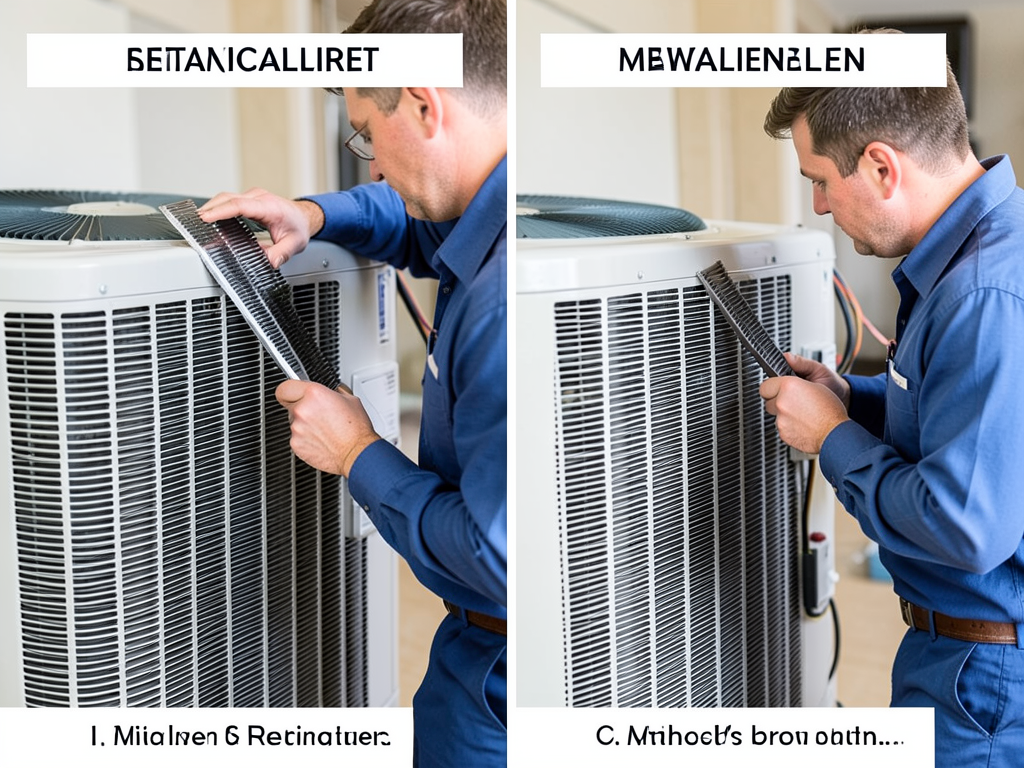
When debris coats your condenser coils it creates a blanket that prevents heat from escaping. Your AC must run longer cycles to achieve the same cooling effect which drives up your Entergy bill. A dirty condenser can increase energy consumption by 5 to 15 percent according to industry studies. In Metairie where we run our AC nearly year round those extra costs add up quickly.
The physics are simple. Your condenser releases heat absorbed from inside your home. When airflow is restricted the refrigerant cannot cool properly. This causes higher head pressure which makes the compressor work harder. Over time this strain leads to motor failure. The domino effect starts with a few leaves and ends with a $3000 compressor replacement.
Humidity makes everything worse. When moisture in the air combines with dust and plant debris it creates a mud-like coating on the coils. This sludge is much harder to remove than dry debris and requires chemical cleaners. Power washing might seem like a good idea but it can bend the delicate aluminum fins and cause more harm than good.
Regular cleaning restores proper airflow and protects your investment. Professional maintenance includes coil inspection fin straightening and chemical treatment. This service typically costs $150 to $300 but can save you thousands in premature system replacement. Think of it as changing the oil in your car. Small investment now prevents big problems later.
Common Debris Found in New Orleans AC Units
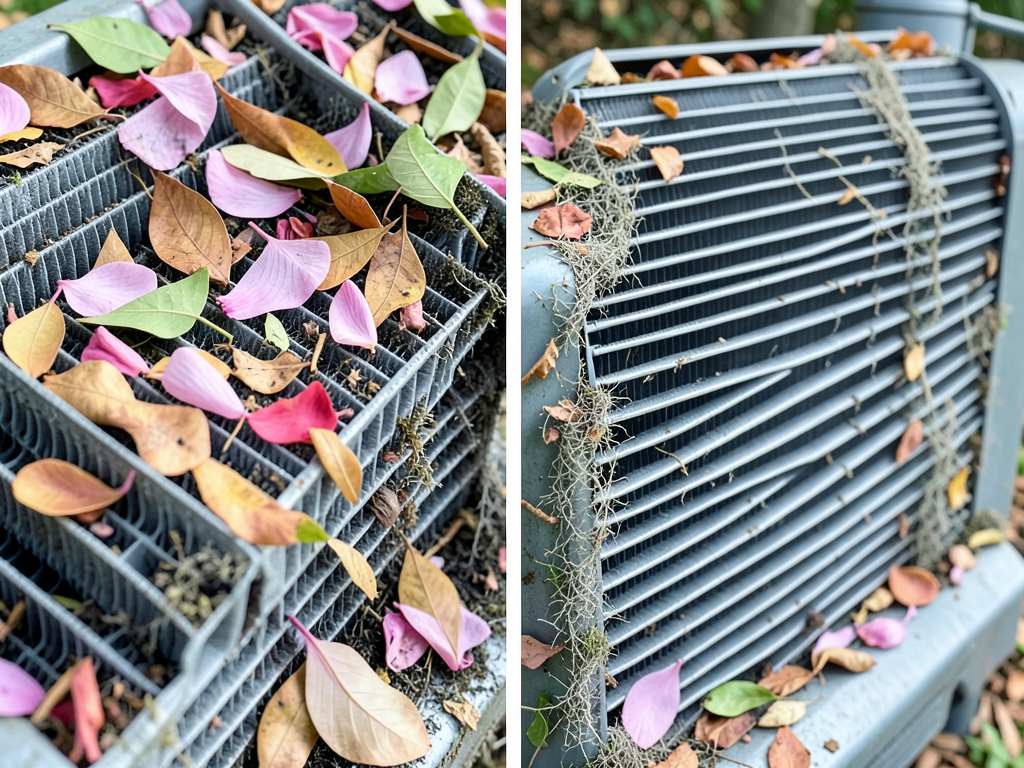
New Orleans homes face unique debris challenges. Our subtropical climate and diverse tree canopy create a constant bombardment of material that ends up in your condenser. Understanding what you are dealing with helps you develop an effective cleaning strategy. Fighting New Orleans Humidity with a Professional Whole-Home Dehumidifier Installation.
Magnolia leaves are the biggest offenders. They are large thick and waxy which means they do not decompose quickly. When they pile up around your unit they create a dam that traps smaller debris. The leaves also hold moisture which accelerates corrosion on metal components.
Crepe myrtle blooms create a different problem. These tiny flower petals are small enough to slip through the top grille and get stuck between the fins. Once lodged they trap dust and turn into a concrete-like substance that requires chemical removal. A single crepe myrtle tree can drop enough debris to clog multiple units.
Spanish moss is another local specialty. This air plant breaks apart easily and the small strands weave through the condenser fins like a net. It holds moisture against the metal which speeds up corrosion. After a rainstorm you might find your entire unit draped in soggy moss.
Oak tassels or catkins fall in massive quantities each spring. These stringy yellow blooms pack into the condenser like a bird building a nest. They are so fine they slip past most protective screens. Cottonwood seeds create a similar problem floating in on the wind and sticking to wet coils.
Storm debris adds another layer of trouble. After a tropical system you might find leaves sand and even small branches lodged in your unit. The high winds drive debris deep into the condenser where it would not normally reach. Post storm cleaning is essential for preventing corrosion from saltwater carried inland.
DIY Cleaning vs Professional Maintenance
Knowing when to clean your AC yourself and when to call a professional can save you money and prevent damage. Light debris like grass clippings and loose leaves can be handled with simple tools. Tougher problems require specialized equipment and expertise. Expert Furnace Repair in Gretna to Keep Your Family Warm on Chilly Delta Nights.
For basic maintenance start by turning off power at the disconnect switch near the unit. This is usually a gray box mounted to the wall. Remove any visible debris by hand. Use a garden hose with a spray nozzle to rinse the coils from the inside out. Never use a pressure washer as it will bend the fins and reduce efficiency.
2
If you notice bent fins you can straighten them with a fin comb. These inexpensive tools have teeth that match the spacing of condenser fins. Work slowly and carefully to avoid breaking the delicate metal. Straight fins improve airflow and cooling efficiency.
Chemical cleaning is where DIY hits its limits. The sticky residue left by magnolia leaves and crepe myrtle blooms requires specific coil cleaners that dissolve the buildup without damaging the metal. These chemicals need proper dilution and dwell time to work effectively. Professional technicians also have access to fin straightening tools that can repair damage from hail or debris impact.
Electrical safety is another consideration. Your condenser contains high voltage components that can cause serious injury. Professional technicians use lockout tagout procedures to ensure the system cannot start accidentally during service. They also check electrical connections and refrigerant levels as part of routine maintenance.
Professional cleaning typically includes coil inspection chemical treatment fin straightening and system performance testing. This service costs $150 to $300 but includes benefits you cannot get from a garden hose. Technicians can spot developing problems like refrigerant leaks or failing capacitors before they cause system failure.
How Often Should You Clear Your Outdoor Unit
The frequency of cleaning depends on your location and surrounding vegetation. Metairie homes near mature trees need more frequent service than properties in newer developments. A good rule of thumb is to inspect your unit monthly during growing season and clean as needed.
Spring requires the most attention. Oak tassels fall in March and April while crepe myrtles bloom in May and June. Check your unit weekly during these months. Remove debris by hand before it gets wet and sticks to the coils. A quick rinse with a hose can prevent buildup.
Summer brings different challenges. Afternoon thunderstorms drive debris into the condenser and high humidity accelerates corrosion. Check your unit after every major storm. Look for standing water around the base which can indicate drainage problems that need professional attention.
Fall might seem like cleanup season but it brings its own debris. Deciduous trees drop leaves that can pile up quickly. Even evergreen magnolias shed leaves throughout the year. Keep the area around your condenser clear of vegetation and debris year round.
Winter in New Orleans is mild but debris continues to accumulate. Remove any leaves or branches that gather around the unit. Check for rodent nests which sometimes build in the warm confines of the condenser. A clean unit runs more efficiently and lasts longer.
Professional maintenance should be scheduled annually. The best time is early spring before cooling season begins. This ensures your system is clean and ready for the summer workload. Some homeowners prefer fall service to address summer buildup and prepare for next year.
Call (504) 355-2955 to schedule your seasonal maintenance and keep your AC running at peak efficiency.
Landscaping Best Practices for AC Efficiency
Smart landscaping can reduce debris problems and improve AC efficiency. The area around your condenser needs careful planning to balance shade benefits with debris control. A two foot clearance on all sides provides adequate airflow while keeping vegetation manageable.
Choose plants that do not drop excessive debris. Avoid trees with small leaves or flowers that can slip through the top grille. Large leaf plants like elephant ears can actually help by creating a barrier that catches smaller debris before it reaches the unit.
Ground cover is better than mulch near the condenser. Mulch can wash into the unit during heavy rain and create a sludge that sticks to the coils. Gravel or decorative stone provides a clean barrier that prevents weed growth without creating debris problems.
Install a small fence or screen around the unit if you need to hide it from view. Make sure the screen allows at least 80 percent open area for airflow. Hinged panels provide easy access for maintenance while keeping the unit protected from blowing debris.
Consider the prevailing wind direction when planning your landscape. If your property gets strong westerly winds during storms position larger plants on that side to block debris. Just make sure they are far enough away not to restrict airflow.
Regular trimming keeps plants from growing into the clearance zone. Set a calendar reminder to check vegetation monthly. Overgrown plants reduce efficiency and create hiding spots for rodents and insects that can damage electrical components.
Proper drainage prevents standing water which accelerates corrosion and creates mosquito breeding grounds. Make sure the ground slopes away from the unit on all sides. French drains or gravel beds can help manage water in low spots.
Cost Benefits of Regular Condenser Cleaning
Investing in regular condenser cleaning pays for itself through lower energy bills and extended equipment life. A clean AC unit can reduce your monthly electric bill by $20 to $50 depending on usage patterns. Over a five year period that adds up to $1200 to $3000 in savings.
The math is simple. A dirty condenser forces your system to run longer to achieve the same cooling. If your AC runs two extra hours per day at $0.15 per kilowatt hour you are spending an additional $27 per month. That is $324 per year wasted on inefficiency.
Equipment longevity is another major factor. The compressor is the most expensive component in your AC system. Replacing it costs $2000 to $3000. Regular cleaning can extend compressor life by five to seven years which means you delay that replacement cost significantly.
Emergency repairs are also more likely with dirty equipment. When your AC struggles to cool your home it puts stress on every component. Capacitors fail more often under high load. Refrigerant leaks develop from vibration and heat stress. These repairs typically cost $200 to $600 each.
Professional cleaning costs $150 to $300 annually. Even if you only get the minimum benefit of $20 per month in energy savings you break even in less than two years. The remaining years of service provide pure savings while your neighbors with dirty units face expensive repairs.
Consider the cost of discomfort. When your AC fails on a 95 degree July afternoon you face emergency service fees of $150 to $250 plus the repair cost. You also endure hours or days without cooling while waiting for parts and service. Regular maintenance eliminates most of these emergency situations.
Call (504) 355-2955 to schedule your cleaning and start saving money today.
Warning Signs Your Condenser Needs Immediate Attention
Learning to recognize the early warning signs of condenser problems can prevent costly damage. Your AC will show specific symptoms when debris buildup reaches critical levels. Acting quickly when you notice these signs can save your compressor from failure.
Reduced cooling capacity is the most obvious sign. If your home feels warmer than usual or your AC runs constantly without reaching the set temperature debris might be the culprit. The system cannot release heat effectively so it cannot absorb heat from inside your home.
Short cycling is another red flag. When the condenser cannot dissipate heat properly the system shuts down to prevent damage. It then restarts when temperatures drop creating a rapid on off pattern. This cycling wastes energy and stresses electrical components.
Higher than normal energy bills often indicate condenser problems. If your usage patterns have not changed but your bill increases significantly your AC might be working overtime to compensate for restricted airflow. Compare current bills to the same month last year to spot trends.
Unusual noises from the outdoor unit signal trouble. Clicking or buzzing sounds can indicate a failing capacitor struggling with high head pressure. Grinding noises might mean debris has entered the fan motor. Any new sound warrants immediate inspection.
Warm air from vents when the AC is running suggests the condenser cannot reject heat properly. Feel the air coming from registers. It should be significantly cooler than room temperature. If it feels lukewarm or even warm the problem is often outside.
Visible ice on refrigerant lines or the evaporator coil inside your home can result from condenser problems. When the outdoor unit cannot release heat the refrigerant stays too cold causing condensation to freeze on indoor components. This ice blocks airflow and creates a cascading failure.
High humidity inside your home even when the AC runs constantly indicates the system cannot remove moisture effectively. Proper cooling requires both temperature and humidity control. When the condenser is dirty it cannot handle the latent heat load from humid air.
If you notice any of these signs call (504) 355-2955 for professional diagnosis before minor issues become major repairs.
Protecting Your Investment During Storm Season
Hurricane season brings unique challenges for AC units in Metairie. High winds drive debris deep into condensers while saltwater carried inland accelerates corrosion. Preparing your system before storms and inspecting it afterward can prevent costly damage.
Before a storm arrives clear all debris from around your unit. Remove loose items from your yard that could become projectiles. Consider covering the top of the condenser with a tarp but never wrap the sides. The unit needs ventilation to prevent condensation and corrosion.
After the storm passes inspect your unit carefully. Look for visible damage to the housing or bent fins. Remove any debris that accumulated during the high winds. Check for standing water around the base which can indicate drainage problems.
Flooding is a major concern in low lying areas of Metairie. If your condenser was underwater do not attempt to start it. Water in electrical components creates shock hazards and can damage the compressor. Have a professional inspect and test the system before restoring power.
Saltwater exposure requires immediate attention. Even if your unit appears undamaged salt residue accelerates corrosion on aluminum fins and copper tubing. A professional cleaning with fresh water and corrosion inhibitors can save your equipment.
Power surges during storms can damage control boards and capacitors. If your power flickered or went out completely have your system checked even if it seems to run normally. Some damage only shows up after the unit has been running for a while.
Insurance claims for storm damage require documentation. Take photos of your unit before and after major storms. This creates a baseline for comparison if you need to file a claim. Keep receipts for any professional cleaning or repairs as proof of mitigation efforts.
Emergency service availability becomes limited after major storms. Schedule your post storm inspection early to avoid long wait times. Many homeowners discover problems only when they try to use their AC for the first time after a storm.
Call (504) 355-2955 for storm damage assessment and restoration services.
Frequently Asked Questions
How often should I clean my AC condenser coils?
Monthly inspections during growing season with cleaning as needed. Professional deep cleaning annually before cooling season starts.
Can I use a pressure washer to clean my AC condenser?
No. Pressure washers can bend the delicate aluminum fins and damage the coils. Use a garden hose with moderate pressure only.
What is the best way to remove crepe myrtle debris from my AC?
Remove by hand first then use a fin comb to clear debris from between the fins. Chemical coil cleaner may be needed for sticky residue.
How much does professional AC condenser cleaning cost?
Professional cleaning typically costs $150 to $300 depending on the level of buildup and any additional repairs needed.
Will cleaning my condenser really save money on my electric bill?
Yes. A clean condenser can reduce energy consumption by 5 to 15 percent which translates to $20 to $50 per month savings in our climate.
How do I know if my AC condenser is damaged?
Signs include reduced cooling warm air from vents unusual noises short cycling and higher than normal energy bills.
Should I cover my AC unit during a hurricane?
Cover only the top with a tarp to keep out large debris. Never wrap the sides as the unit needs ventilation to prevent condensation.
How long does professional condenser cleaning take?
Most professional cleanings take 1 to 2 hours including inspection chemical treatment and testing.
Take Action Before Your AC Suffers Irreversible Damage
Your Metairie air conditioner is under constant attack from local vegetation but you do not have to let debris win. Simple maintenance habits can extend your system life by years and save you thousands in repair costs. The key is consistency and knowing when to call for professional help.
Start with monthly visual inspections. Look for leaves branches and flower petals accumulating around your unit. Remove debris by hand before it gets wet and sticky. A quick rinse with a garden hose prevents most buildup problems.
Pay attention to performance changes. If your home feels warmer than usual or your AC runs constantly it is time for professional service. These symptoms indicate restricted airflow that simple cleaning cannot fix. The longer you wait the more damage occurs to expensive components.
Schedule annual professional maintenance even if you clean the unit yourself. Technicians have specialized tools and chemicals that remove stubborn buildup without damaging the coils. They also check electrical components and refrigerant levels to catch problems early.
Do not wait for emergency failure. When your AC stops working on a hot July afternoon you face premium service charges and long wait times. Regular maintenance prevents most emergency situations and keeps your home comfortable year round.
Call (504) 355-2955 today to schedule your inspection and cleaning. Our experienced technicians know the unique challenges of New Orleans AC systems and can keep your unit running efficiently through our long cooling season. Do not let beautiful trees become expensive problems. Take action now and protect your investment.
Your comfort depends on a system that can handle our humidity and heat. Keep your condenser clean and your AC will keep you cool when you need it most.
Pick up the phone and call (504) 355-2955 before the next storm hits. Your AC will thank you with years of reliable service and lower energy bills. Reliable Commercial AC Repair and Maintenance for Businesses in Kenner.
Regular maintenance is not an expense. It is an investment in comfort reliability and peace of mind. Make the call today and breathe easier tomorrow. For more information, visit Energy.gov air conditioner maintenance guide.
{
“@context”: “https://schema.org”,
“@type”: “BlogPosting”,
“headline”: “Why Magnolia Leaves and Crepe Myrtle Blooms are Secretly Killing Your Metairie AC Unit”,
“description”: “Learn how New Orleans’ iconic magnolia leaves and crepe myrtle blooms clog your Metairie AC condenser, reduce efficiency, and lead to costly repairs. Expert tips from Pioneer HVAC.”,
“wordCount”: 3396,
“datePublished”: “2026-06-11T10:33:00.000Z”,
“dateModified”: “2026-06-11T10:33:00.000Z”,
“inLanguage”: “en-US”,
“mainEntityOfPage”: {
“@type”: “WebPage”,
“@id”: “https://pioneerhvacneworleans.com”
},
“publisher”: {
“@type”: “LocalBusiness”,
“name”: “Pioneer HVAC New Orleans”,
“url”: “https://pioneerhvacneworleans.com”
},
“author”: {
“@type”: “Organization”,
“name”: “Pioneer HVAC New Orleans”,
“url”: “https://pioneerhvacneworleans.com”
},
“image”: {
“@type”: “ImageObject”,
“url”: “https://pioneerhvacneworleans.com/wp-content/uploads/2026/03/why-magnolia-leaves-and-crepe-myrtle-blooms-are-se-1.png”
}
}
{
“@context”: “https://schema.org”,
“@type”: “HVACBusiness”,
“name”: “Pioneer HVAC New Orleans”,
“url”: “https://pioneerhvacneworleans.com”,
“address”: {
“@type”: “PostalAddress”,
“addressLocality”: “New Orleans”
},
“areaServed”: {
“@type”: “City”,
“name”: “New Orleans”
}
}
{
“@context”: “https://schema.org”,
“@type”: “FAQPage”,
“mainEntity”: [
{
“@type”: “Question”,
“name”: “How often should I clean my AC condenser coils?”,
“acceptedAnswer”: {
“@type”: “Answer”,
“text”: “Monthly inspections during growing season with cleaning as needed. Professional deep cleaning annually before cooling season starts.”
}
},
{
“@type”: “Question”,
“name”: “Can I use a pressure washer to clean my AC condenser?”,
“acceptedAnswer”: {
“@type”: “Answer”,
“text”: “No. Pressure washers can bend the delicate aluminum fins and damage the coils. Use a garden hose with moderate pressure only.”
}
},
{
“@type”: “Question”,
“name”: “What is the best way to remove crepe myrtle debris from my AC?”,
“acceptedAnswer”: {
“@type”: “Answer”,
“text”: “Remove by hand first then use a fin comb to clear debris from between the fins. Chemical coil cleaner may be needed for sticky residue.”
}
},
{
“@type”: “Question”,
“name”: “How much does professional AC condenser cleaning cost?”,
“acceptedAnswer”: {
“@type”: “Answer”,
“text”: “Professional cleaning typically costs $150 to $300 depending on the level of buildup and any additional repairs needed.”
}
},
{
“@type”: “Question”,
“name”: “Will cleaning my condenser really save money on my electric bill?”,
“acceptedAnswer”: {
“@type”: “Answer”,
“text”: “Yes. A clean condenser can reduce energy consumption by 5 to 15 percent which translates to $20 to $50 per month savings in our climate.”
}
},
{
“@type”: “Question”,
“name”: “How do I know if my AC condenser is damaged?”,
“acceptedAnswer”: {
“@type”: “Answer”,
“text”: “Signs include reduced cooling warm air from vents unusual noises short cycling and higher than normal energy bills.”
}
},
{
“@type”: “Question”,
“name”: “Should I cover my AC unit during a hurricane?”,
“acceptedAnswer”: {
“@type”: “Answer”,
“text”: “Cover only the top with a tarp to keep out large debris. Never wrap the sides as the unit needs ventilation to prevent condensation.”
}
},
{
“@type”: “Question”,
“name”: “How long does professional condenser cleaning take?”,
“acceptedAnswer”: {
“@type”: “Answer”,
“text”: “Most professional cleanings take 1 to 2 hours including inspection chemical treatment and testing.”
}
}
]
}
{
“@context”: “https://schema.org”,
“@type”: “BreadcrumbList”,
“itemListElement”: [
{
“@type”: “ListItem”,
“position”: 1,
“name”: “Home”,
“item”: “https://pioneerhvacneworleans.com”
},
{
“@type”: “ListItem”,
“position”: 2,
“name”: “Blog”,
“item”: “https://pioneerhvacneworleans.com/blog”
},
{
“@type”: “ListItem”,
“position”: 3,
“name”: “Why Magnolia Leaves and Crepe Myrtle Blooms are Secretly Killing Your Metairie AC Unit”
}
]
}
{
“@context”: “https://schema.org”,
“@type”: “Service”,
“serviceType”: “HVAC”,
“provider”: {
“@type”: “LocalBusiness”,
“name”: “Pioneer HVAC New Orleans”,
“url”: “https://pioneerhvacneworleans.com”
},
“areaServed”: {
“@type”: “City”,
“name”: “New Orleans”
},
“description”: “Learn how New Orleans’ iconic magnolia leaves and crepe myrtle blooms clog your Metairie AC condenser, reduce efficiency, and lead to costly repairs. Expert tips from Pioneer HVAC.”
}