
The Pros and Cons of Moving Your HVAC Unit into a Hot Carrollton Attic
Carrollton homeowners face a critical decision when upgrading their HVAC systems: keep the air handler in a closet or move it to the attic. The attic option offers space savings and improved airflow but introduces unique challenges in New Orleans’ extreme climate. Before making this choice, you need to understand how 140-degree summer attic temperatures and 90% humidity affect system performance, energy bills, and your ceiling’s integrity. Get Your New Orleans AC Running Again with Our 24-Hour Emergency Repair Service.
Space Savings and Layout Benefits for Carrollton Homes
Carrollton’s historic shotgun houses and raised cottages often lack dedicated utility closets. Moving the HVAC unit to the attic frees up valuable floor space for storage, laundry, or additional living areas. The attic location also allows for shorter, more direct duct runs to second-story rooms, improving airflow efficiency in multi-level homes common throughout the neighborhood.
The noise reduction benefit cannot be overstated. A humming air handler in a bedroom closet disturbs sleep patterns and daily activities. In the attic, the unit operates quietly out of earshot, letting you enjoy peaceful evenings without the constant white noise of cycling equipment.
The Heat Factor: How Attic Temperatures Impact Efficiency
New Orleans attics routinely reach 140-150 degrees Fahrenheit during July and August. This extreme heat forces your air handler to work harder, reducing SEER2 efficiency ratings by 10-15%. The system must overcome a 70-degree temperature differential instead of the typical 30-degree difference found in conditioned spaces. SEER2 efficiency standards.
Heat transfer through the unit’s cabinet increases energy consumption significantly. The compressor and electrical components operate less efficiently when surrounded by superheated air. This translates to higher monthly utility bills from Entergy and potentially shorter equipment lifespan due to constant thermal stress.
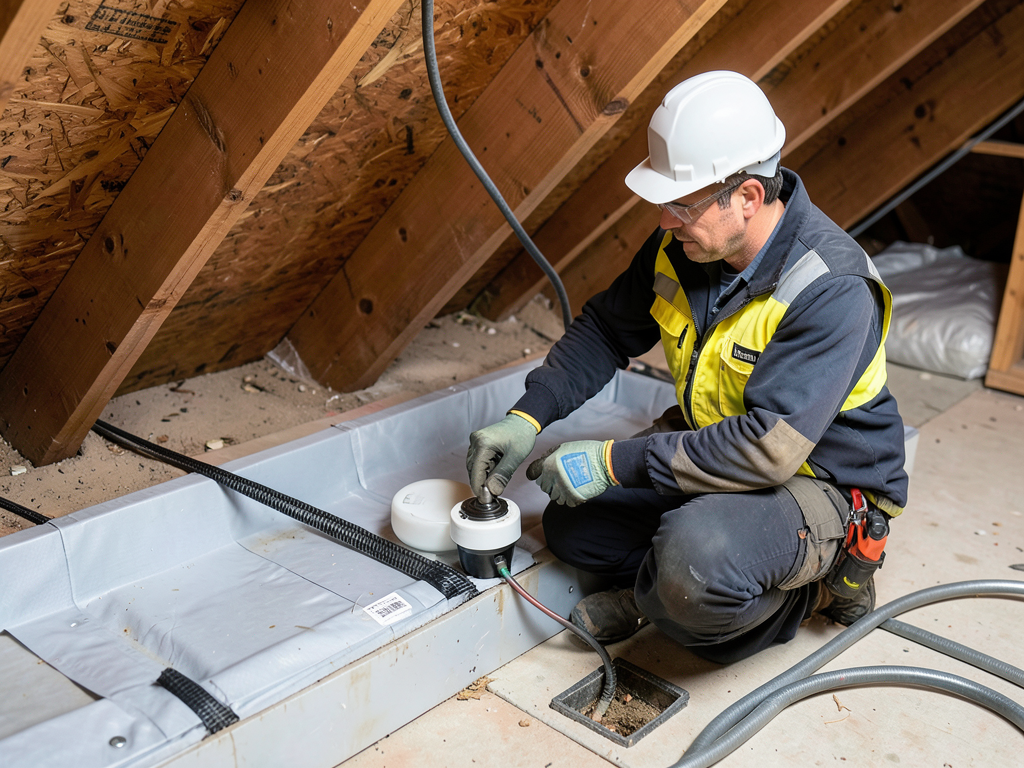
– Diagram showing temperature differential between attic and living space during peak summer months, illustrating heat transfer impact on HVAC efficiency.
Condensation Risks: The Humidity Nightmare
New Orleans’ 90%+ relative humidity creates a perfect storm for attic HVAC installations. When cold refrigerant lines pass through hot, humid attic air, condensation forms on the exterior of ducts and the air handler cabinet. This sweating can drip onto insulation, ceiling joists, and eventually your living room ceiling below. Fighting New Orleans Humidity with a Professional Whole-Home Dehumidifier Installation.
Without proper secondary drain pans and float switches, a single condensate overflow can cause thousands in water damage. The Louisiana State Uniform Construction Code mandates secondary drain pans for attic installations, but many older Carrollton homes lack this critical protection. The cost of water damage far exceeds the initial installation savings.
Maintenance Challenges in Tight Attic Spaces
Accessing an attic air handler requires climbing through ceiling openings, often in cramped spaces with low clearance. This makes routine maintenance like filter changes, coil cleaning, and electrical inspections more difficult and time-consuming. Many Carrollton attics have limited walking space, forcing technicians to work in awkward positions.
The humidity also accelerates corrosion on electrical connections and metal components. Terminals that would last 15 years in a conditioned space may fail in 7-10 years in an attic environment. This increased wear means more frequent service calls and higher lifetime maintenance costs.
Building Code Requirements for Attic Installations
The Orleans Parish Building Code Section 1101.3 requires secondary drain pans with minimum 3/4-inch depth for attic HVAC installations. These pans must have a separate drain line discharging to an observable location outside the structure. Additionally, float switches must automatically shut off the system when water reaches critical levels.
Section 1102.3 mandates minimum access openings of 22 inches by 30 inches for equipment larger than 3 tons. Smaller units require at least 20-inch by 24-inch openings. These requirements ensure technicians can safely service equipment without damaging ceilings or personal injury.
Insulation Strategies for Attic HVAC Systems
Traditional fiberglass insulation often fails in New Orleans attics due to moisture absorption. Spray foam insulation provides superior thermal resistance and moisture barrier properties, but costs 40-60% more than fiberglass. The investment pays off through improved energy efficiency and reduced condensation on cold surfaces.
Radiant barriers installed beneath roof decking can reduce attic temperatures by 20-30 degrees. This temperature reduction improves HVAC efficiency and reduces the thermal load on your air conditioning system. Many Carrollton homes built before 1980 lack any radiant barrier protection.
Cost Comparison: Attic vs. Closet Installation
| Installation Type | Initial Cost | Expected Lifespan | Maintenance Difficulty |
|---|---|---|---|
| Attic Installation | $4,500-6,500 | 12-15 years | Difficult |
| Closet Installation | $5,000-7,000 | 15-18 years | Easy |
| Garage Installation | $4,800-6,200 | 13-16 years | Moderate |
Flood Protection Benefits for Carrollton Homes
Carrollton’s proximity to the Carrollton Drainage Canal makes flood protection a significant consideration. Elevating your HVAC unit to the attic keeps critical equipment above potential flood levels, reducing insurance premiums and preventing catastrophic system failure during heavy rains or canal overflows.
The Federal Emergency Management Agency (FEMA) recommends elevating all mechanical equipment above the Base Flood Elevation (BFE) in flood-prone areas. Attic installations naturally meet this requirement without expensive platform construction or wall-mounted brackets required for ground-level units. FEMA flood protection recommendations.
Energy Efficiency Considerations
SEER2 ratings assume optimal operating conditions that rarely exist in hot attics. A 16 SEER unit might perform closer to 13-14 SEER when installed in an unconditioned attic space. This efficiency loss increases energy consumption by 15-20% during peak cooling months.
Proper duct insulation becomes critical for attic installations. R-8 insulation on supply ducts and R-6 on return ducts minimizes heat gain and prevents condensation. Without adequate insulation, you lose 30-40% of your cooling capacity before air reaches living spaces.
Noise Considerations for Historic Carrollton Homes
Carrollton’s historic district includes many homes with thin plaster ceilings and wood framing. These materials transmit vibration and noise more readily than modern construction. An attic air handler can create rumbling sounds that travel through floor joists and into living spaces below.
Sound-dampening platforms and vibration isolation mounts reduce noise transmission by 50-70%. These accessories add $300-500 to installation costs but significantly improve comfort in homes where quiet operation matters.
Professional Installation Requirements
Attic HVAC installations require specialized skills beyond standard equipment replacement. Technicians must calculate static pressure changes, design proper condensate drainage, and ensure adequate airflow in confined spaces. Not all HVAC companies have experience with the unique challenges of New Orleans attic installations.
Proper sizing becomes even more critical for attic units. An oversized system cycles on and off frequently, causing temperature swings and increased humidity levels. A Manual J load calculation ensures your system matches your home’s specific cooling requirements.
Emergency Access and Repair Considerations
When your attic air handler fails during a heatwave, emergency repairs become more complicated. Technicians need additional time to set up ladders, navigate tight spaces, and transport replacement parts through your home. This complexity often results in higher emergency service fees. Emergency Ductwork Repair.
Parts availability can also be affected. Specialty components for attic-specific installations may require longer lead times than standard closet units. Having a relationship with a local HVAC company that stocks common replacement parts becomes crucial for minimizing downtime.
Making the Right Choice for Your Carrollton Home
The decision ultimately depends on your specific home layout, budget, and priorities. If space is your primary concern and you’re willing to invest in proper insulation and moisture protection, an attic installation can work well. However, if you prioritize energy efficiency and easy maintenance, a closet location might be better despite the space sacrifice.
Consider your home’s age and construction type. Newer homes with engineered trusses and proper ventilation handle attic installations better than historic homes with balloon framing and limited attic access. A professional assessment of your specific situation is essential before making this significant investment.
Call (504) 355-2955 today to schedule your inspection. Our Carrollton HVAC specialists will evaluate your home’s unique characteristics and recommend the optimal system location for your needs and budget. Why Your Lakeview Home Needs a High-Efficiency AC Unit to Combat Swampy Humidity.
Frequently Asked Questions
How much does attic HVAC installation cost in New Orleans?
Attic installations typically cost $4,500-6,500, including necessary modifications like secondary drain pans and access improvements. This compares to $5,000-7,000 for closet installations. The price difference reflects the additional labor and materials required for proper attic setup.
Does a hot attic make my AC work harder?
Yes, attic temperatures of 140-150 degrees force your system to work 10-15% harder than in conditioned spaces. This reduces SEER2 efficiency and increases energy consumption during peak cooling months. Proper insulation and radiant barriers can mitigate but not eliminate this effect.
How do I prevent ceiling water damage from attic units?
Install secondary drain pans with separate drain lines and float switches that shut off the system when water levels rise. The Orleans Parish code requires these safety features. Regular maintenance to clean condensate lines and check float switch operation prevents most water damage incidents.
How often should attic HVAC units be serviced?
Attic units need biannual professional maintenance minimum, with monthly filter checks. The extreme heat and humidity accelerate wear on electrical components and refrigerant lines. Annual inspections catch corrosion and drainage issues before they cause system failures or water damage.
Can I install a mini-split system in my attic instead?
Mini-split systems work well in attics but require different considerations. The indoor head units mount on walls or ceilings rather than in the attic space itself. This eliminates many condensation risks while providing zoned cooling. However, proper condensate drainage still requires careful planning.
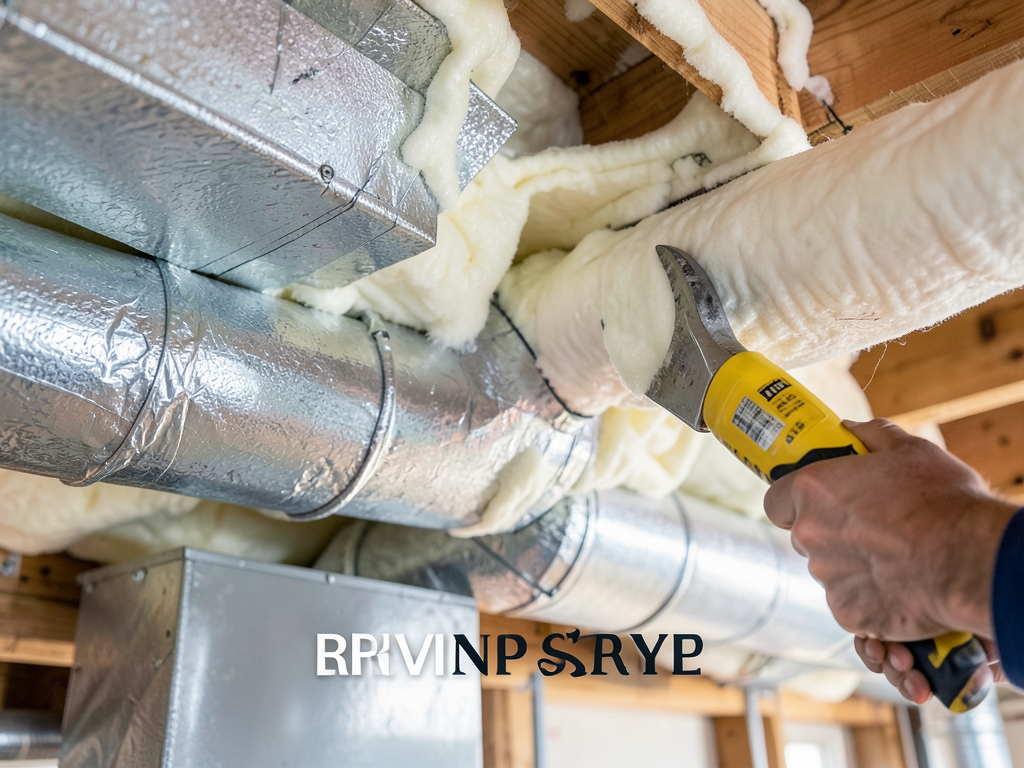
– Photo showing proper secondary drain pan installation with float switch and separate drain line in a New Orleans attic installation.
– Before and after comparison of attic insulation upgrade from fiberglass to spray foam, showing temperature reduction and improved system efficiency.
Don’t let humidity and heat compromise your home’s comfort. Call (504) 355-2955 before the next storm hits. Our Carrollton HVAC experts provide free assessments to help you make the right choice for your home’s unique needs. Expert Furnace Repair in Gretna to Keep Your Family Warm on Chilly Delta Nights.
{
“@context”: “https://schema.org”,
“@type”: “BlogPosting”,
“headline”: “The Pros and Cons of Moving Your HVAC Unit into a Hot Carrollton Attic”,
“description”: “Discover the truth about attic HVAC installations in Carrollton homes. Learn about efficiency, condensation risks, and local building codes from New Orleans experts.”,
“wordCount”: 1667,
“datePublished”: “2026-03-19T14:37:00.000Z”,
“dateModified”: “2026-03-19T14:37:00.000Z”,
“inLanguage”: “en-US”,
“mainEntityOfPage”: {
“@type”: “WebPage”,
“@id”: “https://pioneerhvacneworleans.com”
},
“publisher”: {
“@type”: “LocalBusiness”,
“name”: “Pioneer HVAC New Orleans”,
“url”: “https://pioneerhvacneworleans.com”
},
“author”: {
“@type”: “Organization”,
“name”: “Pioneer HVAC New Orleans”,
“url”: “https://pioneerhvacneworleans.com”
},
“image”: {
“@type”: “ImageObject”,
“url”: “https://pioneerhvacneworleans.com/wp-content/uploads/2026/03/the-pros-and-cons-of-moving-your-hvac-unit-into-a-1.png”
}
}
{
“@context”: “https://schema.org”,
“@type”: “HVACBusiness”,
“name”: “Pioneer HVAC New Orleans”,
“url”: “https://pioneerhvacneworleans.com”,
“address”: {
“@type”: “PostalAddress”,
“addressLocality”: “New Orleans”
},
“areaServed”: {
“@type”: “City”,
“name”: “New Orleans”
}
}
{
“@context”: “https://schema.org”,
“@type”: “FAQPage”,
“mainEntity”: [
{
“@type”: “Question”,
“name”: “How much does attic HVAC installation cost in New Orleans?”,
“acceptedAnswer”: {
“@type”: “Answer”,
“text”: “Attic installations typically cost $4,500-6,500, including necessary modifications like secondary drain pans and access improvements. This compares to $5,000-7,000 for closet installations. The price difference reflects the additional labor and materials required for proper attic setup.”
}
},
{
“@type”: “Question”,
“name”: “Does a hot attic make my AC work harder?”,
“acceptedAnswer”: {
“@type”: “Answer”,
“text”: “Yes, attic temperatures of 140-150 degrees force your system to work 10-15% harder than in conditioned spaces. This reduces SEER2 efficiency and increases energy consumption during peak cooling months. Proper insulation and radiant barriers can mitigate but not eliminate this effect.”
}
},
{
“@type”: “Question”,
“name”: “How do I prevent ceiling water damage from attic units?”,
“acceptedAnswer”: {
“@type”: “Answer”,
“text”: “Install secondary drain pans with separate drain lines and float switches that shut off the system when water levels rise. The Orleans Parish code requires these safety features. Regular maintenance to clean condensate lines and check float switch operation prevents most water damage incidents.”
}
},
{
“@type”: “Question”,
“name”: “How often should attic HVAC units be serviced?”,
“acceptedAnswer”: {
“@type”: “Answer”,
“text”: “Attic units need biannual professional maintenance minimum, with monthly filter checks. The extreme heat and humidity accelerate wear on electrical components and refrigerant lines. Annual inspections catch corrosion and drainage issues before they cause system failures or water damage.”
}
},
{
“@type”: “Question”,
“name”: “Can I install a mini-split system in my attic instead?”,
“acceptedAnswer”: {
“@type”: “Answer”,
“text”: “Mini-split systems work well in attics but require different considerations. The indoor head units mount on walls or ceilings rather than in the attic space itself. This eliminates many condensation risks while providing zoned cooling. However, proper condensate drainage still requires careful planning.”
}
}
]
}
{
“@context”: “https://schema.org”,
“@type”: “BreadcrumbList”,
“itemListElement”: [
{
“@type”: “ListItem”,
“position”: 1,
“name”: “Home”,
“item”: “https://pioneerhvacneworleans.com”
},
{
“@type”: “ListItem”,
“position”: 2,
“name”: “Blog”,
“item”: “https://pioneerhvacneworleans.com/blog”
},
{
“@type”: “ListItem”,
“position”: 3,
“name”: “The Pros and Cons of Moving Your HVAC Unit into a Hot Carrollton Attic”
}
]
}
{
“@context”: “https://schema.org”,
“@type”: “Service”,
“serviceType”: “HVAC”,
“provider”: {
“@type”: “LocalBusiness”,
“name”: “Pioneer HVAC New Orleans”,
“url”: “https://pioneerhvacneworleans.com”
},
“areaServed”: {
“@type”: “City”,
“name”: “New Orleans”
},
“description”: “Discover the truth about attic HVAC installations in Carrollton homes. Learn about efficiency, condensation risks, and local building codes from New Orleans experts.”
}