
Quiet AC Options for Narrow Lots and Shared Alleys in the Marigny
Living in the Marigny means dealing with narrow side yards and shared alleys where outdoor AC units can create tension with neighbors. The right quiet AC system keeps your home cool while respecting the close quarters of this historic New Orleans neighborhood. Understanding decibel ratings and installation techniques makes all the difference when your unit sits just feet from someone else’s bedroom window. Get Your New Orleans AC Running Again with Our 24-Hour Emergency Repair Service.
The Marigny’s shotgun-style homes and tight property lines create unique challenges for outdoor HVAC equipment. Sound travels differently between these closely packed structures, especially when units run during evening hours when neighbors are relaxing on their porches or trying to sleep. Choosing equipment with proper sound dampening and strategic placement prevents complaints while maintaining comfort.
How Decibel Ratings Affect Your Marigny Neighbors
AC units typically operate between 60 to 80 decibels, with older single-stage models often hitting the higher end. For comparison, normal conversation registers around 60 dB while city traffic noise reaches about 70 dB. In the Marigny’s narrow alleys, sound bounces off brick walls and concrete surfaces, amplifying noise levels by several decibels compared to open areas.
Modern variable-speed compressors can operate as quietly as 50-55 dB, barely louder than a refrigerator. These units adjust their output based on cooling demand rather than cycling on and off at full power. The continuous, lower-speed operation produces less vibration and eliminates the loud startup noise that disturbs neighbors in historic districts.
Sound Technology That Works in Tight Spaces
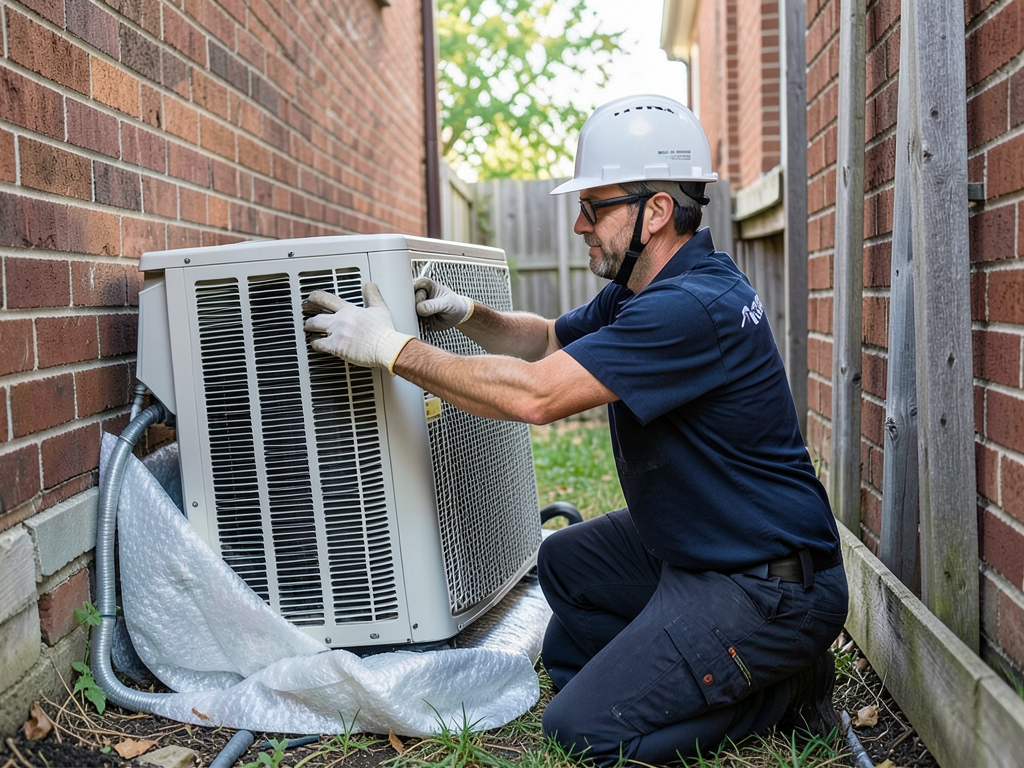
Sound blankets wrap around compressor housings to absorb vibration and reduce noise transmission through metal surfaces. These specialized covers can lower operating noise by 2-4 decibels, which makes a noticeable difference in close quarters. The blankets also protect equipment from the Marigny’s salt air and humidity, extending unit life in this coastal environment.
Fan blade design plays a major role in noise reduction. Serrated or swept-wing blades move air more efficiently while generating less turbulence and vibration. When combined with insulated compressor compartments and vibration isolation pads, these design features can reduce noise output by up to 30% compared to standard units.
Installation Considerations for Marigny Properties
Proper placement makes a significant difference in noise levels. Units should sit on vibration-absorbing pads rather than directly on concrete, which transmits sound waves through the ground. Maintaining level positioning prevents refrigerant line stress that causes rattling and vibration. The New Orleans building code requires specific setbacks from property lines, typically 3 feet minimum for equipment placement. Fighting New Orleans Humidity with a Professional Whole-Home Dehumidifier Installation.
Airflow direction matters in narrow spaces. Positioning the discharge away from neighboring windows and living areas reduces noise impact. Some Marigny homes benefit from ductless mini-split systems where the noisy compressor sits farther from living spaces, connected by refrigerant lines through small wall penetrations. Ductless Mini-Split Systems.
Variable-Speed Technology Benefits
Variable-speed AC systems operate continuously at low speeds rather than cycling on and off. This technology maintains consistent temperatures while using 30-50% less energy than single-stage units. The gradual speed adjustments eliminate the loud startup sounds that disturb neighbors and create less wear on internal components.
These systems also handle Marigny’s high humidity better than traditional units. By running longer at lower speeds, they remove more moisture from the air without overcooling spaces. This prevents the short-cycling that creates temperature swings and increases noise levels in tight residential areas.
Comparing Quiet AC Models for Marigny Homes
Modern quiet AC units use inverter-driven compressors that adjust speed continuously rather than switching between on and off. These systems typically operate between 50-65 dB, making them ideal for historic districts where noise control matters. The initial investment runs 15-20% higher than standard units but pays off through lower energy bills and better neighbor relations.
Sound power levels measure how much noise a unit generates rather than how loud it sounds at a distance. Units with lower sound power ratings perform better in confined spaces where sound bounces off walls. Look for ratings below 70 dB for optimal performance in Marigny’s narrow lots.
Local Climate Impact on AC Noise
New Orleans humidity affects AC noise levels over time. Moisture causes bearing wear in fan motors, increasing operational noise by several decibels as units age. Salt air from Lake Pontchartrain accelerates corrosion on metal components, creating rattling sounds that travel through narrow spaces. Regular maintenance prevents these issues from becoming neighborhood problems.
The extended cooling season in South Louisiana means units run more hours annually than in other regions. This increased operation accelerates wear on moving parts, making initial quiet technology even more important. Units that start quiet will maintain lower noise levels longer when built with sound-dampening features.
Cost Considerations for Quiet Systems
Quiet AC technology typically adds $800-$1,500 to equipment costs compared to standard units. However, the energy savings from variable-speed operation often offset this difference within 3-5 years. Many Marigny homeowners find the investment worthwhile to maintain good relationships with neighbors in this close-knit community.
Installation costs vary based on home layout and existing infrastructure. Homes with limited outdoor space may require specialized mounting solutions or ductless systems that increase labor time. The narrow alleys and historic preservation requirements in the Marigny can add complexity to installations, affecting overall project costs.
Maintenance for Long-Term Quiet Operation
Regular coil cleaning prevents the efficiency loss that causes units to work harder and generate more noise. Dirty coils can increase operating noise by 3-5 decibels as the system struggles to move heat. Annual professional maintenance includes checking refrigerant levels, which affect compressor workload and noise output.
Loose components create rattling sounds that travel through narrow spaces. Technicians check and tighten all mounting hardware, electrical connections, and refrigerant line supports during routine service calls. These simple adjustments prevent the gradual loosening that turns a quiet unit into a neighborhood nuisance.
Noise Ordinance Compliance in New Orleans
New Orleans Municipal Code Section 54-5 establishes noise limits for residential areas, typically 70 dB during daytime hours and 60 dB at night within 100 feet of a residence. AC units operating near property lines must comply with these standards to avoid violations. The code provides specific exemptions for necessary equipment operation but encourages reasonable noise reduction measures.
Historic district guidelines in the Marigny often include additional noise considerations to preserve the neighborhood’s character. Some homeowners associations have established voluntary standards that exceed city requirements. Understanding these local regulations helps select equipment that meets both legal requirements and community expectations.
Energy Efficiency and Noise Correlation
Higher SEER2 ratings often correlate with quieter operation. Premium efficiency units use advanced compressor technology and better sound insulation as standard features. A unit with SEER2 ratings above 18 typically operates more quietly than basic models while providing superior energy savings.
The relationship between efficiency and noise makes sense when considering how these systems work. Variable-speed compressors that adjust output based on demand run more quietly than units that switch between full power and off. This same technology enables the high efficiency that reduces monthly utility bills.
Choosing the Right System for Your Marigny Home
Consider your specific property layout when selecting quiet AC equipment. Homes with extremely narrow side yards may benefit from wall-mounted ductless systems where the compressor sits farther from living areas. Properties with more outdoor space can accommodate traditional split systems with sound-dampening features.
Talk with neighbors before making decisions if you share common walls or alleys. Understanding their schedules and noise sensitivities helps select equipment that works for everyone. Some Marigny residents coordinate AC installations to minimize collective noise impact in particularly tight areas.
Professional Installation Benefits
Proper installation affects noise levels as much as equipment selection. Experienced technicians understand how to position units for minimal noise impact in narrow spaces. They use specialized tools to ensure level mounting and proper refrigerant charge, both critical for quiet operation.
Professional installation includes vibration isolation mounting and proper electrical connections that prevent buzzing sounds. Technicians also verify that condensate drains function correctly, preventing the gurgling sounds that occur when water backs up in improperly installed systems.
Future-Proofing Your AC Investment
Technology continues advancing in quiet AC systems. Units purchased today may seem adequate but become noticeably louder as neighborhood standards evolve. Selecting equipment with room for sound upgrades, like additional sound blankets or upgraded fan assemblies, extends the useful life of your investment.
Consider how your cooling needs might change over the next decade. Adding a home office or converting attic space affects where noise matters most. Units with smart controls allow scheduling that reduces operation during evening hours when neighbors are most likely to notice noise. Why Your Lakeview Home Needs a High-Efficiency AC Unit to Combat Swampy Humidity.
Emergency Repair Considerations
When AC systems fail in Marigny’s summer heat, temporary noise becomes less important than restoring cooling. However, understanding your options helps make informed decisions during stressful situations. Some emergency repairs can be completed with minimal noise impact, while others require louder work that temporarily affects neighbors. Emergency Ductwork Repair.
Having a relationship with a local HVAC company familiar with Marigny’s unique requirements speeds up emergency response. Technicians who understand the neighborhood’s noise concerns can often suggest solutions that minimize disruption while addressing urgent cooling needs.
Smart Technology Integration
Modern AC systems offer smartphone control that enables noise management. Scheduling features allow reducing operation during evening hours or when neighbors typically use their outdoor spaces. Some systems include noise monitoring that alerts homeowners when units exceed predetermined sound levels.
Integration with home automation systems enables automatic adjustments based on outdoor temperature, humidity, or even neighborhood noise patterns. These features help maintain comfort while respecting the close quarters of Marigny living.
Comparing Traditional vs. Ductless Options
Traditional split systems concentrate all noisy components outdoors but require more space for proper installation. Ductless mini-splits distribute the system, with quiet indoor units and a single outdoor compressor. This configuration often works better in Marigny’s tight spaces where outdoor placement options are limited.
Ductless systems also offer room-by-room temperature control, allowing cooling only occupied spaces. This targeted approach reduces overall system runtime and associated noise. The indoor units operate at whisper-quiet levels, making them ideal for bedrooms and home offices in historic homes.
Making the Right Choice for Your Home
Selecting quiet AC equipment involves balancing multiple factors: initial cost, energy efficiency, noise levels, and installation requirements. For Marigny homes, noise considerations often rise to the top due to the neighborhood’s close quarters and community character.
Visiting neighbors who have installed quiet systems provides real-world insight into performance. Hearing units operate during different times of day helps understand how sound travels through your specific property layout. Local HVAC contractors familiar with Marigny’s unique requirements can offer tailored recommendations based on your home’s characteristics.
Getting Professional Help
Professional assessment ensures your quiet AC system meets both your cooling needs and neighborhood requirements. Technicians measure your space, evaluate existing infrastructure, and recommend specific equipment based on Marigny’s climate and building characteristics.
Call (504) 355-2955 today to schedule your quiet AC consultation. Our team understands the unique challenges of keeping Marigny homes cool without disturbing the historic neighborhood’s peaceful atmosphere. We’ll help you select and install the perfect system for your specific property layout and noise concerns.
Frequently Asked Questions
How quiet should my AC be for Marigny living?
Look for units operating below 60 decibels for optimal performance in narrow spaces. Variable-speed systems typically achieve this level while providing better humidity control for New Orleans’ climate.
Will a quiet AC cost more to operate?
Quiet AC units often use variable-speed technology that actually reduces energy consumption by 30-50% compared to standard units, lowering monthly utility bills despite the higher initial investment.
How long does installation take in tight Marigny spaces?
Most quiet AC installations in the Marigny require 1-2 days depending on system complexity and existing infrastructure. Historic homes may need additional time for specialized mounting solutions.
Can I add sound dampening to my existing unit?
Yes, sound blankets and vibration isolation pads can reduce noise from older units by 2-4 decibels. However, units over 10 years old may benefit more from complete replacement with modern quiet technology.
What maintenance keeps my AC quiet long-term?
Annual professional maintenance including coil cleaning, refrigerant level checks, and component tightening prevents the gradual noise increase that occurs as units age in humid environments.
Are there noise restrictions in the Marigny?
New Orleans Municipal Code Section 54-5 establishes noise limits for residential areas. AC units near property lines must comply with these standards, typically 70 dB during daytime and 60 dB at night within 100 feet of residences. For more information, visit U.S. Department of Energy AC efficiency guide. For more information, visit ASHRAE HVAC standards and guidelines.
{
“@context”: “https://schema.org”,
“@type”: “BlogPosting”,
“headline”: “Quiet AC Options for Narrow Lots and Shared Alleys in the Marigny”,
“description”: “Find the quietest AC units for Marigny’s narrow lots. Learn decibel ratings, sound blankets, and installation tips to keep your historic home cool without bothering neighbors.”,
“wordCount”: 2135,
“datePublished”: “2026-03-12T13:44:00.000Z”,
“dateModified”: “2026-03-12T13:44:00.000Z”,
“inLanguage”: “en-US”,
“mainEntityOfPage”: {
“@type”: “WebPage”,
“@id”: “https://pioneerhvacneworleans.com”
},
“publisher”: {
“@type”: “LocalBusiness”,
“name”: “Pioneer HVAC New Orleans”,
“url”: “https://pioneerhvacneworleans.com”
},
“author”: {
“@type”: “Organization”,
“name”: “Pioneer HVAC New Orleans”,
“url”: “https://pioneerhvacneworleans.com”
},
“image”: {
“@type”: “ImageObject”,
“url”: “https://pioneerhvacneworleans.com/wp-content/uploads/2026/03/quiet-ac-options-for-narrow-lots-and-shared-alleys-1.png”
}
}
{
“@context”: “https://schema.org”,
“@type”: “HVACBusiness”,
“name”: “Pioneer HVAC New Orleans”,
“url”: “https://pioneerhvacneworleans.com”,
“address”: {
“@type”: “PostalAddress”,
“addressLocality”: “New Orleans”
},
“areaServed”: {
“@type”: “City”,
“name”: “New Orleans”
}
}
{
“@context”: “https://schema.org”,
“@type”: “FAQPage”,
“mainEntity”: [
{
“@type”: “Question”,
“name”: “How quiet should my AC be for Marigny living?”,
“acceptedAnswer”: {
“@type”: “Answer”,
“text”: “Look for units operating below 60 decibels for optimal performance in narrow spaces. Variable-speed systems typically achieve this level while providing better humidity control for New Orleans’ climate.”
}
},
{
“@type”: “Question”,
“name”: “Will a quiet AC cost more to operate?”,
“acceptedAnswer”: {
“@type”: “Answer”,
“text”: “Quiet AC units often use variable-speed technology that actually reduces energy consumption by 30-50% compared to standard units, lowering monthly utility bills despite the higher initial investment.”
}
},
{
“@type”: “Question”,
“name”: “How long does installation take in tight Marigny spaces?”,
“acceptedAnswer”: {
“@type”: “Answer”,
“text”: “Most quiet AC installations in the Marigny require 1-2 days depending on system complexity and existing infrastructure. Historic homes may need additional time for specialized mounting solutions.”
}
},
{
“@type”: “Question”,
“name”: “Can I add sound dampening to my existing unit?”,
“acceptedAnswer”: {
“@type”: “Answer”,
“text”: “Yes, sound blankets and vibration isolation pads can reduce noise from older units by 2-4 decibels. However, units over 10 years old may benefit more from complete replacement with modern quiet technology.”
}
},
{
“@type”: “Question”,
“name”: “What maintenance keeps my AC quiet long-term?”,
“acceptedAnswer”: {
“@type”: “Answer”,
“text”: “Annual professional maintenance including coil cleaning, refrigerant level checks, and component tightening prevents the gradual noise increase that occurs as units age in humid environments.”
}
}
]
}
{
“@context”: “https://schema.org”,
“@type”: “BreadcrumbList”,
“itemListElement”: [
{
“@type”: “ListItem”,
“position”: 1,
“name”: “Home”,
“item”: “https://pioneerhvacneworleans.com”
},
{
“@type”: “ListItem”,
“position”: 2,
“name”: “Blog”,
“item”: “https://pioneerhvacneworleans.com/blog”
},
{
“@type”: “ListItem”,
“position”: 3,
“name”: “Quiet AC Options for Narrow Lots and Shared Alleys in the Marigny”
}
]
}
{
“@context”: “https://schema.org”,
“@type”: “Service”,
“serviceType”: “HVAC”,
“provider”: {
“@type”: “LocalBusiness”,
“name”: “Pioneer HVAC New Orleans”,
“url”: “https://pioneerhvacneworleans.com”
},
“areaServed”: {
“@type”: “City”,
“name”: “New Orleans”
},
“description”: “Find the quietest AC units for Marigny’s narrow lots. Learn decibel ratings, sound blankets, and installation tips to keep your historic home cool without bothering neighbors.”
}