
St. Claude Home Renovations and HVAC Relocation: What You Need to Know
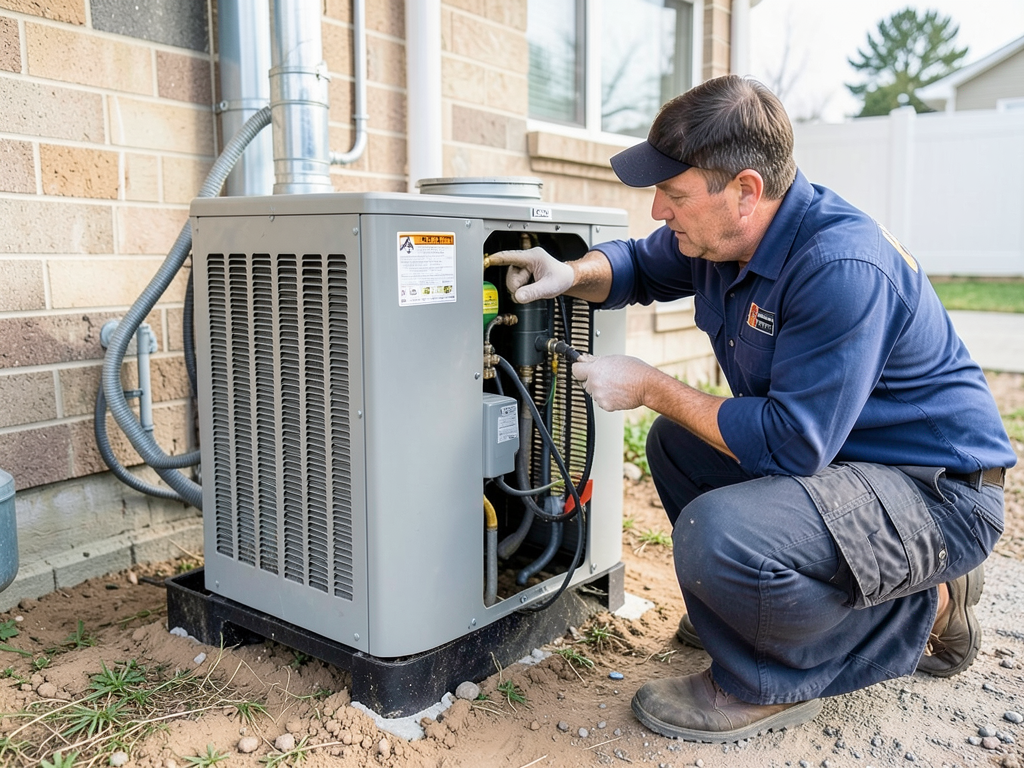
Moving your air conditioning system during a St. Claude home renovation is more than just a convenience decision. It involves navigating Orleans Parish mechanical permits, historic district guidelines, and flood-zone elevation requirements. Whether you’re adding a second story to your raised shotgun home or installing a new deck where your condenser currently sits, understanding the technical and regulatory landscape is critical before demolition begins. Get Your New Orleans AC Running Again with Our 24-Hour Emergency Repair Service.
Why Homeowners Move HVAC Units During Renovations
Common renovation scenarios that require HVAC relocation include adding square footage, changing the home’s footprint, or improving outdoor living spaces. In St. Claude’s mix of historic and mid-century homes, these changes often mean the existing condenser placement no longer works with the new design. Moving the unit also presents an opportunity to upgrade to a more efficient system that meets current SEER2 standards.
Before any work starts, homeowners should know that relocating an HVAC system isn’t a weekend DIY project. It requires licensed professionals to handle refrigerant recovery, electrical disconnects, line set extensions, and pressure testing. The process typically takes one full day and involves coordination with both the HVAC contractor and the city’s Safety and Permits office.
Orleans Parish Permit Requirements for HVAC Relocation
Moving an outdoor condenser unit in St. Claude requires a mechanical permit from the City of New Orleans. The application must include a site plan showing the new location, equipment specifications, and compliance with local building codes. For homes in the Historic District Landmarks Commission (HDLC) area, additional approval may be needed to ensure the new placement doesn’t alter the home’s historic character. Fighting New Orleans Humidity with a Professional Whole-Home Dehumidifier Installation.
According to the Orleans Parish Mechanical Code, outdoor units must maintain minimum clearances from property lines, windows, and adjacent structures. In flood zones like much of St. Claude, the unit must also be elevated to meet FEMA requirements. This often means installing the condenser on a raised platform or relocating it to a second-story balcony.
Step-by-Step: The HVAC Relocation Process
The relocation process follows a specific sequence to ensure safety and system integrity. First, the technician recovers all refrigerant into a recovery tank to prevent atmospheric release. Next, they disconnect electrical power and disconnect the copper line set from both the indoor and outdoor units. If the new location is more than 50 feet away, the line set must be extended using proper brazing techniques and pressure-tested for leaks.
After the unit is moved, the system is evacuated with a vacuum pump to remove moisture and non-condensables. The technician then charges the system with the correct refrigerant weight based on line set length. Finally, they test the system’s operation, check for proper airflow, and verify that condensate drainage works correctly in the new location.
Cost Factors for Moving an HVAC System in St. Claude
Several variables affect the total cost of relocating an HVAC system. Labor typically accounts for 40-50% of the total, with refrigerant recovery and recharge adding $300-500. Copper line set extensions cost $15-25 per foot, while electrical work may require a new circuit if the existing panel lacks capacity. Permit fees in Orleans Parish range from $150-300, and HDLC review can add $200-400 if applicable.
Hidden costs often catch homeowners by surprise. If the new location requires concrete pads or elevated platforms for flood compliance, budget an additional $500-1,500. Older systems using R-22 refrigerant face higher recovery costs due to EPA phase-out regulations. Homes with limited attic access may need additional labor for line set routing through walls or floors. EPA refrigerant recovery regulations.
Strategic Placement: Elevating for Flood Protection
St. Claude’s flood zone classification (typically AE or X) directly impacts where and how high your condenser can be placed. FEMA elevation requirements mandate that equipment in flood zones be installed above the base flood elevation (BFE). This often means raising the unit on a platform or relocating it to an upper floor.
Elevated placement offers additional benefits beyond code compliance. It protects the unit from street flooding during heavy rains, reduces the risk of corrosion from standing water, and can improve airflow around the condenser. However, elevation also means longer line sets, which can reduce system efficiency if not properly sized. A Manual J load calculation becomes essential when changing the system’s configuration.
Checklist: Questions to Ask Your HVAC Contractor
Before signing a contract, ask your contractor these critical questions. Will the relocation affect your system’s warranty? Some manufacturers void warranties if units are moved without factory certification. Does the new location meet the manufacturer’s clearance requirements for proper airflow and maintenance access? Have you performed a Manual J calculation to ensure the system can handle the new configuration?
Also inquire about electrical capacity. Moving the unit might require a new dedicated circuit or even a sub-panel upgrade. Ask if the contractor will handle permit acquisition and whether they’re familiar with HDLC requirements for historic properties. Finally, confirm they’ll perform a full system performance test after installation to verify proper operation.
Impact on System Efficiency and Home Comfort
Relocating your HVAC system can affect both efficiency and comfort if not planned carefully. Longer line sets increase the system’s refrigerant charge and can reduce efficiency if the lines aren’t properly insulated. The new location should maintain adequate clearance from walls and other obstructions to ensure proper heat rejection from the condenser.
Consider how the move affects indoor air distribution. If you’re adding square footage, the existing system might need resizing or additional ductwork. In St. Claude’s raised homes, routing new ducts through pier-and-beam foundations requires careful planning to avoid moisture issues. The contractor should perform a duct leakage test after any modifications to ensure the system operates at peak efficiency. Emergency Ductwork Repair.
Timeline Integration: When to Call the HVAC Tech
Timing your HVAC relocation within the renovation schedule is crucial. The ideal sequence is to complete major demolition and framing, then call the HVAC contractor for rough-in work. This allows them to see the new layout and plan line set routing before walls are closed up. Electrical and plumbing rough-ins should be complete before the HVAC final installation.
Schedule the final HVAC installation after drywall is hung but before finish work begins. This timing prevents damage to the new system during construction while allowing the contractor to test operation in the finished space. Plan for at least one week between the final HVAC installation and move-in to address any adjustments or issues that arise.
Common Mistakes to Avoid
One frequent error is underestimating the impact of line set length on system performance. Every additional foot of copper line reduces efficiency and increases the risk of refrigerant leaks. Another mistake is failing to account for condensate drainage in the new location. In St. Claude’s high humidity, proper condensate removal is essential to prevent mold growth.
Don’t forget about noise considerations. Condensers can be noisy, and placing them near bedrooms or outdoor living areas without proper sound barriers can create problems. Also, avoid locations that block emergency access or violate local setback requirements. Finally, never skip the permit process. Unpermitted work can cause issues when selling your home or making insurance claims.
Upgrading While You Move: When to Replace vs. Relocate
Sometimes moving your existing unit doesn’t make financial sense. If your system is over 10 years old or uses R-22 refrigerant, replacement might be more cost-effective. New systems offer significant efficiency improvements, often 30-50% better than units installed a decade ago. This can offset the higher upfront cost through reduced utility bills.
Consider the renovation as an opportunity to right-size your system. If you’re adding square footage, your existing unit might be undersized for the new configuration. A Manual J calculation will determine the correct capacity. Also, evaluate whether a heat pump might be more suitable than a traditional AC system, especially if you’re adding insulation or improving the home’s envelope.
St. Claude-Specific Considerations
St. Claude’s unique architectural character affects HVAC planning. Many homes feature raised foundations with limited crawl space access, making line set routing challenging. The neighborhood’s proximity to the Industrial Canal means some properties face additional flood zone restrictions. Historic shotgun doubles often have shared walls, limiting outdoor unit placement options.
The area’s high water table can also affect condenser pad stability. Concrete pads may sink over time, stressing line sets and causing leaks. Some contractors recommend helical piers or elevated platforms to prevent settling. Also, consider the neighborhood’s power reliability. Entergy’s grid in St. Claude can be unstable during storms, making surge protection for your new system a wise investment.
Final Planning Steps Before Demolition
Before any demolition begins, create a detailed HVAC relocation plan. This should include the new unit location, line set routing, electrical requirements, and condensate drainage solutions. Share this plan with your general contractor to ensure it aligns with other trades’ work. Also, verify that your chosen location meets all local codes and manufacturer requirements.
Obtain quotes from at least two licensed HVAC contractors familiar with St. Claude’s specific requirements. Ask for references from similar renovation projects and verify their Orleans Parish licensing. Finally, build a contingency into your budget for unexpected issues like discovering asbestos-wrapped ducts or outdated electrical that needs upgrading. Why Your Lakeview Home Needs a High-Efficiency AC Unit to Combat Swampy Humidity.
Ready to Move Forward with Your Renovation?
Moving your HVAC system during a St. Claude renovation requires careful planning, proper permitting, and experienced professionals. The process involves more than just picking up a unit and setting it down elsewhere. It requires understanding local codes, flood zone requirements, and the technical aspects of system performance.
Don’t let HVAC relocation become the bottleneck in your renovation timeline. Start planning early, get the right permits, and work with contractors who understand St. Claude’s unique challenges. Your comfort, safety, and code compliance depend on getting this right the first time.
Call (504) 355-2955 today to schedule your HVAC relocation consultation. Our licensed technicians understand St. Claude’s specific requirements and can help you navigate the process from permit application to final system testing.
Frequently Asked Questions
How long does it take to move an HVAC unit during a renovation?
Most HVAC relocations take one full day for the actual move, but the entire process from planning to final testing typically spans 2-3 weeks when you include permit acquisition and scheduling. Rush permits may be available for an additional fee if your renovation timeline is tight.
Will moving my AC void the manufacturer’s warranty?
Moving an HVAC unit can void the manufacturer’s warranty if not done properly. Many manufacturers require factory-certified technicians to perform relocations. Always check your warranty terms and have the work done by a licensed contractor who can provide documentation of proper handling and refrigerant recovery.
Do I need a permit to move my outdoor condenser unit in St. Claude?
Yes, you need a mechanical permit from the City of New Orleans for any outdoor condenser relocation. If your home is in the HDLC district, you may need additional approval. The permit ensures the new location meets clearance requirements, flood zone elevation rules, and other local codes.
How much does it cost to move an HVAC system in New Orleans?
Moving an HVAC system in New Orleans typically costs between $800-2,500, depending on factors like line set length, electrical requirements, and permit fees. Additional costs may include concrete pads, elevated platforms for flood compliance, or system upgrades if your existing unit is outdated.
{
“@context”: “https://schema.org”,
“@type”: “BlogPosting”,
“headline”: “Planning a Home Renovation in St. Claude? Read This Before You Move Your AC”,
“description”: “Moving your AC during a St. Claude renovation requires permits, code compliance, and expert HVAC planning. Learn costs, regulations, and flood-zone elevation rules.”,
“wordCount”: 1927,
“datePublished”: “2026-03-23T07:09:00.000Z”,
“dateModified”: “2026-03-23T07:09:00.000Z”,
“inLanguage”: “en-US”,
“mainEntityOfPage”: {
“@type”: “WebPage”,
“@id”: “https://pioneerhvacneworleans.com”
},
“publisher”: {
“@type”: “LocalBusiness”,
“name”: “Pioneer HVAC New Orleans”,
“url”: “https://pioneerhvacneworleans.com”
},
“author”: {
“@type”: “Organization”,
“name”: “Pioneer HVAC New Orleans”,
“url”: “https://pioneerhvacneworleans.com”
},
“image”: {
“@type”: “ImageObject”,
“url”: “https://pioneerhvacneworleans.com/wp-content/uploads/2026/03/planning-a-home-renovation-in-st-claude-read-this-1.png”
}
}
{
“@context”: “https://schema.org”,
“@type”: “HVACBusiness”,
“name”: “Pioneer HVAC New Orleans”,
“url”: “https://pioneerhvacneworleans.com”,
“address”: {
“@type”: “PostalAddress”,
“addressLocality”: “New Orleans”
},
“areaServed”: {
“@type”: “City”,
“name”: “New Orleans”
}
}
{
“@context”: “https://schema.org”,
“@type”: “FAQPage”,
“mainEntity”: [
{
“@type”: “Question”,
“name”: “Ready to Move Forward with Your Renovation?”,
“acceptedAnswer”: {
“@type”: “Answer”,
“text”: “Moving your HVAC system during a St. Claude renovation requires careful planning, proper permitting, and experienced professionals. The process involves more than just picking up a unit and setting it down elsewhere. It requires understanding local codes, flood zone requirements, and the technical aspects of system performance.”
}
},
{
“@type”: “Question”,
“name”: “How long does it take to move an HVAC unit during a renovation?”,
“acceptedAnswer”: {
“@type”: “Answer”,
“text”: “Most HVAC relocations take one full day for the actual move, but the entire process from planning to final testing typically spans 2-3 weeks when you include permit acquisition and scheduling. Rush permits may be available for an additional fee if your renovation timeline is tight.”
}
},
{
“@type”: “Question”,
“name”: “Will moving my AC void the manufacturer’s warranty?”,
“acceptedAnswer”: {
“@type”: “Answer”,
“text”: “Moving an HVAC unit can void the manufacturer’s warranty if not done properly. Many manufacturers require factory-certified technicians to perform relocations. Always check your warranty terms and have the work done by a licensed contractor who can provide documentation of proper handling and refrigerant recovery.”
}
},
{
“@type”: “Question”,
“name”: “Do I need a permit to move my outdoor condenser unit in St. Claude?”,
“acceptedAnswer”: {
“@type”: “Answer”,
“text”: “Yes, you need a mechanical permit from the City of New Orleans for any outdoor condenser relocation. If your home is in the HDLC district, you may need additional approval. The permit ensures the new location meets clearance requirements, flood zone elevation rules, and other local codes.”
}
},
{
“@type”: “Question”,
“name”: “How much does it cost to move an HVAC system in New Orleans?”,
“acceptedAnswer”: {
“@type”: “Answer”,
“text”: “Moving an HVAC system in New Orleans typically costs between $800-2,500, depending on factors like line set length, electrical requirements, and permit fees. Additional costs may include concrete pads, elevated platforms for flood compliance, or system upgrades if your existing unit is outdated.”
}
}
]
}
{
“@context”: “https://schema.org”,
“@type”: “BreadcrumbList”,
“itemListElement”: [
{
“@type”: “ListItem”,
“position”: 1,
“name”: “Home”,
“item”: “https://pioneerhvacneworleans.com”
},
{
“@type”: “ListItem”,
“position”: 2,
“name”: “Blog”,
“item”: “https://pioneerhvacneworleans.com/blog”
},
{
“@type”: “ListItem”,
“position”: 3,
“name”: “Planning a Home Renovation in St. Claude? Read This Before You Move Your AC”
}
]
}
{
“@context”: “https://schema.org”,
“@type”: “Service”,
“serviceType”: “HVAC”,
“provider”: {
“@type”: “LocalBusiness”,
“name”: “Pioneer HVAC New Orleans”,
“url”: “https://pioneerhvacneworleans.com”
},
“areaServed”: {
“@type”: “City”,
“name”: “New Orleans”
},
“description”: “Moving your AC during a St. Claude renovation requires permits, code compliance, and expert HVAC planning. Learn costs, regulations, and flood-zone elevation rules.”
}