
How to Stop Your Attic Air Ducts from Sweating and Causing Mold
Your attic ductwork should carry cool air to your rooms, not drip water all over your insulation. If you notice water stains on your ceiling, musty odors, or actual dripping from your vents, you’re dealing with condensation on your air ducts. This is a common problem in New Orleans homes where our summer humidity regularly hits 90% or higher. The good news is that once you understand why it happens, you can stop it before it causes serious mold damage or structural problems. Get Your New Orleans AC Running Again with Our 24-Hour Emergency Repair Service.
Condensation forms when warm, humid attic air contacts cold ductwork. The cold surface causes moisture in the air to condense into liquid water, just like a cold drink sweats on a hot day. In New Orleans, where attic temperatures can reach 130°F and outdoor humidity stays high for months, this problem becomes much worse than in drier climates. Left untreated, sweating ducts create perfect conditions for mold growth, ceiling damage, and even rotting your roof decking. Fighting New Orleans Humidity with a Professional Whole-Home Dehumidifier Installation.
Why New Orleans Attics Make Ducts Sweat More Than Other Places
The science behind duct sweating starts with dew point. When the temperature of your duct surface drops below the dew point of the surrounding air, water vapor turns to liquid. In New Orleans, our dew point often stays above 75°F for months during summer. If your AC is running and your ducts are at 55°F, you have a 20°F temperature difference that guarantees condensation.
Local building practices make this worse. Many New Orleans homes have vented attics where hot, humid air circulates freely. Traditional vented attics can reach 130-140°F on sunny summer days. When that hot air contacts your cold supply ducts, condensation forms rapidly. The problem compounds if your attic lacks proper vapor barriers or if your duct insulation has degraded over time.. Read more about Why Mold Keeps Growing on Your AC Supply Vents (And How to Stop It Permanently).
New Orleans’ extended cooling season means ducts sweat for 7-8 months per year instead of just summer. This constant moisture exposure breaks down insulation faster and gives mold more time to establish colonies. Homes near Lake Pontchartrain or the Mississippi River face even higher humidity levels that intensify the problem.
Four Main Causes of Sweating Ducts in Southern Louisiana Homes
Understanding what causes your ducts to sweat helps you target the right solution. Here are the four most common culprits we see in New Orleans homes:
1. Insufficient or Damaged Insulation
Most residential ductwork needs R-8 insulation in hot, humid climates like ours. Many New Orleans homes were built with R-6 or even R-4 insulation that can’t handle our humidity levels. Over time, insulation compresses, gets torn during maintenance, or becomes water-damaged, reducing its effectiveness. When insulation fails, the cold duct surface becomes exposed to humid air. Why Your Lakeview Home Needs a High-Efficiency AC Unit to Combat Swampy Humidity.
According to Louisiana State Uniform Construction Code, ductwork in unconditioned spaces must meet minimum R-value requirements based on climate zone. In our humid subtropical zone, R-8 is the standard for supply ducts. If your home predates current codes or had DIY work done, you might be operating with inadequate insulation. Emergency Ductwork Repair.
2. Restricted Airflow and Dirty Filters
When airflow through your system drops, the evaporator coil gets colder than normal. This super-cools your supply ducts, dropping their surface temperature well below the dew point. Dirty air filters, undersized return ducts, or closed vents all restrict airflow. The result is colder ducts that sweat more profusely.
Restricted airflow also makes your AC work harder, increasing energy costs and shortening equipment life. In New Orleans’ heat, a system struggling with airflow can ice up completely, shutting down your cooling when you need it most. Energy Department duct sealing guide.
3. High Indoor Humidity Levels
Your AC doesn’t just cool air; it also dehumidifies. When indoor humidity climbs above 60%, your system can’t remove moisture fast enough. This excess humidity finds its way into your attic through ceiling penetrations, light fixtures, and poorly sealed attic access points. Once in the attic, it contacts your cold ducts and condenses.
Common sources of indoor humidity include showering without exhaust fans, cooking without proper ventilation, and using unvented gas appliances. In New Orleans, even normal breathing and perspiration add to indoor moisture loads during our long cooling season.
4. Unsealed Duct Joints and Leaks
Leaky duct joints allow humid attic air to enter your duct system. When this humid air mixes with the cold supply air inside the duct, condensation forms on the inner duct surfaces. This moisture can collect and drip out of joints, creating wet spots in your attic insulation.
Supply duct leaks also pull in dust and allergens from your attic, reducing indoor air quality. In New Orleans homes with raised foundations or pier-and-beam construction, duct leaks can be even more problematic due to the additional moisture sources from crawl spaces.. Read more about Finding Hidden Space for Ductwork in Historic Creole Cottages.
The Hidden Dangers: Why Sweating Ducts Lead to Major Repairs
Many homeowners think duct sweating is just an annoyance, but it can cause serious structural and health problems. Here’s what happens when you ignore the dripping:
Mold and Mildew Growth: Constant moisture creates ideal conditions for mold spores to multiply. Within 24-48 hours of moisture exposure, mold can begin growing in your attic insulation and on wood surfaces. In New Orleans’ humid climate, mold spreads faster and colonizes more aggressively than in drier regions.
Structural Damage: Water dripping onto ceiling joists and roof decking causes wood rot over time. The constant moisture weakens structural members, potentially leading to sagging ceilings or even roof collapse in severe cases. New Orleans homes with historic plaster ceilings face additional risks as water stains and causes the plaster to deteriorate.
Reduced Insulation Effectiveness: Wet insulation loses most of its R-value. Fiberglass insulation can lose 40% or more of its insulating ability when damp. This means your AC works harder, energy bills increase, and your home becomes less comfortable.
Indoor Air Quality Problems: Mold spores and musty odors from your attic can circulate through your home via duct leaks or pressure imbalances. This creates health issues for occupants, especially those with allergies or respiratory conditions.
Increased Energy Costs: Sweating ducts often indicate your entire HVAC system isn’t operating efficiently. You might be paying 20-30% more on cooling costs while your home still feels uncomfortable.
How to Stop the Drip: Short-Term and Long-Term Fixes
Stopping duct condensation requires a systematic approach. Here are proven solutions that work in New Orleans’ challenging climate:
Immediate DIY Fixes You Can Try Today
Replace Your Air Filter: Start with the simplest fix. A clean filter ensures proper airflow, preventing your system from overcooling and causing excessive condensation. In New Orleans’ dusty summer months, replace filters every 30-45 days instead of the standard 90 days.
Seal Visible Duct Leaks: Use UL-181 approved mastic sealant to close gaps at duct joints. This prevents humid air from entering your duct system. Focus on the main supply trunk and any accessible joints. Avoid using duct tape; it fails quickly in our heat and humidity.
Check and Improve Attic Ventilation: Proper attic ventilation helps remove humid air before it contacts your ducts. Ensure soffit vents aren’t blocked by insulation and that your ridge or gable vents are clear. In New Orleans, powered attic ventilators can help during extreme heat, but they must be properly sized and installed.
Reduce Indoor Humidity: Run bathroom exhaust fans during and after showers, use kitchen range hoods when cooking, and consider a portable dehumidifier for problem areas. Keep indoor humidity between 45-55% for optimal comfort and to reduce attic moisture migration.
Professional Solutions for Lasting Results
Upgrade to R-8 Duct Insulation: Professional insulation contractors can remove old, damaged insulation and install proper R-8 duct wrap. This thicker insulation provides a better thermal barrier, keeping duct surfaces above the dew point even in extreme conditions. The investment typically pays for itself through energy savings within 2-3 years.
Complete Duct Sealing with Aeroseal: Professional duct sealing technology can find and seal leaks throughout your entire duct system, including those hidden behind walls or in tight spaces. This process can improve system efficiency by 20% or more while eliminating moisture infiltration points.
Install a Whole-Home Dehumidification System: For New Orleans homes struggling with high indoor humidity, a whole-home dehumidifier works with your existing HVAC system to maintain optimal moisture levels. These systems can remove 70-100 pints of water per day, dramatically reducing the moisture that reaches your attic.
Consider Attic Encapsulation: In severe cases, converting your vented attic to an encapsulated, conditioned space eliminates the temperature differential that causes condensation. This involves spray foam insulation on the roof deck, sealing all vents, and conditioning the attic space. While expensive, it solves multiple problems including duct sweating, energy loss, and ice dam formation in winter.
Upgrade to Variable-Speed Equipment: Modern variable-speed air handlers maintain more consistent temperatures and remove moisture more effectively than single-speed units. They run longer at lower speeds, providing better dehumidification and preventing the cold-surge conditions that cause duct sweating.
When to Call a New Orleans HVAC Specialist
Some duct condensation problems require professional diagnosis and repair. Here are signs that you need expert help: EPA moisture control guidelines.
Visible Water Damage: If you see water stains on your ceiling, warped drywall, or actual dripping from vents, the problem has progressed beyond simple condensation. You likely have mold growth and structural damage that needs immediate attention.
System Performance Issues: If some rooms are too hot while others are too cold, or if your AC runs constantly without cooling properly, you might have duct leaks, airflow restrictions, or refrigerant problems contributing to the condensation issue.
Musty Odors: Persistent musty smells, especially when your AC first starts, indicate mold growth in your ductwork or attic. This requires professional cleaning and remediation to prevent health problems.
High Energy Bills: If your cooling costs have increased significantly without explanation, duct leaks or poor insulation might be causing both energy waste and condensation problems.
Old or Damaged Ductwork: If your home is over 15 years old and has never had duct work inspected, the insulation may have degraded beyond simple repair. Professional assessment can determine if replacement is more cost-effective than ongoing repairs.
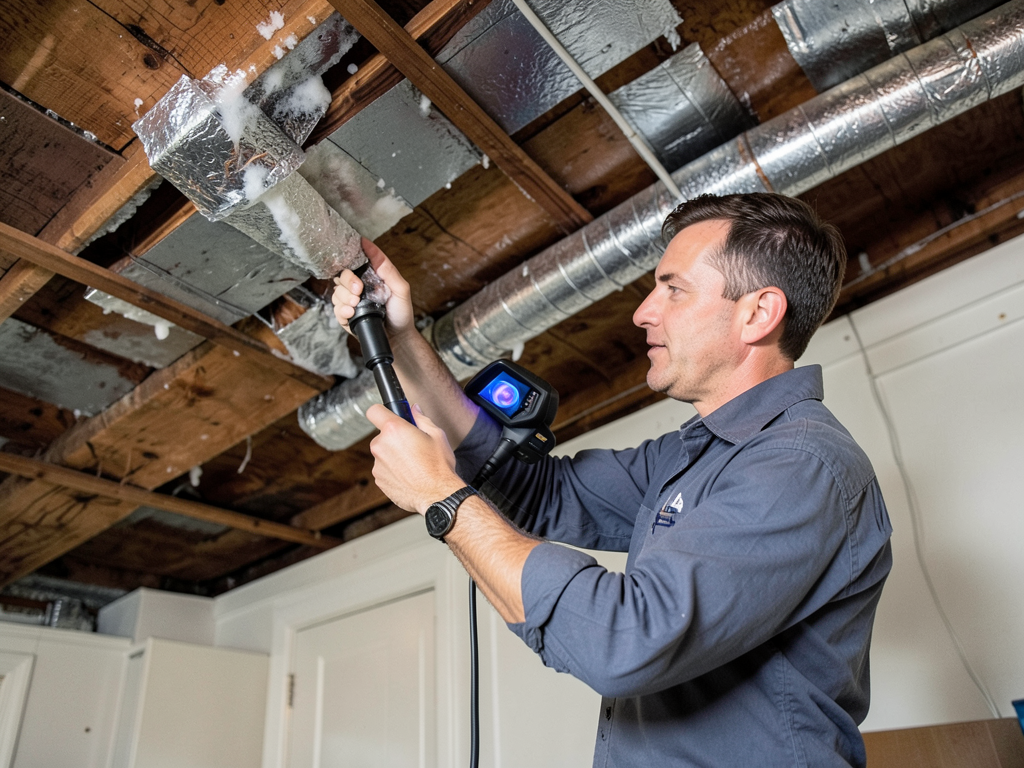
A qualified New Orleans HVAC contractor will use diagnostic tools like thermal imaging cameras to locate hidden leaks, moisture meters to assess water damage, and airflow meters to check system performance. They can also test your indoor air quality and recommend solutions specific to your home’s construction and our local climate challenges.
Preventing Future Problems: Maintenance Schedule for New Orleans Homes
Once you’ve solved your duct condensation problem, regular maintenance prevents it from returning. Here’s a seasonal schedule for New Orleans homeowners:
Spring (March-April): Schedule professional HVAC maintenance before cooling season. Have ducts inspected for damage, replace insulation if needed, and check for leaks. Clean or replace all air filters.
Early Summer (May-June): Test your attic ventilation system. Clear any debris from soffit vents and ensure ridge vents are unobstructed. Consider installing radiant barrier if your attic gets extremely hot.
Mid-Summer (July-August): Monitor your system closely during peak heat. If you notice increased condensation or reduced cooling, call for service immediately. Check indoor humidity levels regularly.
Fall (September-October): After cooling season ends, inspect your attic for any new moisture problems. Address any mold growth immediately before it spreads during winter months.
Winter (November-February): While New Orleans winters are mild, occasional cold snaps can cause different condensation issues. Ensure your home is properly sealed against moisture infiltration from any source.
Cost Considerations for New Orleans Homeowners
The cost to fix duct condensation varies widely based on your specific situation. Simple DIY fixes like replacing filters and sealing accessible leaks might cost under $100. Professional duct sealing typically runs $1,500-$3,000 for an average home. Upgrading to R-8 insulation adds $2,000-$4,000. Complete attic encapsulation can cost $8,000-$15,000 but solves multiple problems simultaneously.
Consider these factors when budgeting: The age and condition of your existing ductwork, accessibility of your attic space, local building code requirements, and whether you’re dealing with existing water damage that needs repair. Many New Orleans homeowners find that addressing duct condensation as part of a broader energy efficiency upgrade provides the best return on investment.
Energy efficiency rebates and tax credits may be available for certain upgrades. Check with your utility provider and the Database of State Incentives for Renewables & Efficiency (DSIRE) for current programs in Louisiana.
Protecting Your Home Investment
Duct condensation might seem like a minor inconvenience, but in New Orleans’ humid climate, it can quickly escalate into major structural and health problems. The combination of our long cooling season, high humidity levels, and many older homes with outdated duct systems creates perfect conditions for moisture damage.
By understanding the causes and implementing the right solutions, you can protect your home from mold, structural damage, and unnecessary energy costs. Whether you choose DIY fixes or professional solutions, addressing duct condensation early prevents much more expensive repairs down the road.
Remember that every home is different. What works for your neighbor might not be the best solution for your specific situation. Consider your home’s age, construction type, attic configuration, and your family’s comfort needs when choosing how to address your duct condensation problems.
The key is taking action before minor condensation becomes major water damage. Your attic ductwork should work silently and efficiently to keep your home comfortable, not drip water and create mold problems. With the right approach, you can eliminate duct sweating and enjoy a healthier, more comfortable home throughout our long Louisiana cooling season.
- Identify the Problem
Check for water stains, musty odors, or visible dripping. Use a moisture meter to confirm condensation locations.
- Check Basic Causes
Replace air filters, seal visible duct leaks with mastic, and ensure proper attic ventilation.
- Test Indoor Humidity
Use a hygrometer to measure indoor humidity. Keep levels between 45-55% to reduce moisture migration to your attic.
- Upgrade Insulation
Install R-8 duct insulation if your current insulation is inadequate or damaged.
- Professional Assessment
Have an HVAC specialist inspect your system, check for hidden leaks, and recommend comprehensive solutions.
Frequently Asked Questions
Is duct sweating dangerous for my home?
Yes, duct sweating can cause serious problems including mold growth, structural wood rot, ceiling damage, and reduced indoor air quality. In New Orleans’ humid climate, these issues develop faster than in drier regions.
How much does it cost to fix sweating ducts?
Costs range from under $100 for DIY fixes to $15,000+ for complete attic encapsulation. Most homeowners spend $2,000-$5,000 for professional solutions that include duct sealing and insulation upgrades.
Can I fix duct sweating myself?
You can address simple causes like dirty filters and accessible duct leaks. However, hidden leaks, insulation replacement, and mold remediation require professional equipment and expertise, especially in New Orleans’ challenging climate. Expert Furnace Repair in Gretna to Keep Your Family Warm on Chilly Delta Nights.
How long does it take to fix duct condensation?
DIY fixes take a few hours. Professional duct sealing typically requires one day. Complete insulation replacement might take 2-3 days. Results are immediate once the underlying causes are addressed.
Will new insulation alone solve my problem?
Not always. While proper R-8 insulation is crucial, you might also need to address duct leaks, airflow restrictions, indoor humidity, or attic ventilation issues for a complete solution.
Don’t let duct condensation damage your New Orleans home. Call (504) 355-2955 today to schedule your inspection and get a customized solution for your specific situation. Our experienced technicians understand the unique challenges of our local climate and can recommend the most effective fixes to protect your home and family.
Pick up the phone and call (504) 355-2955 before the next heat wave hits. We’ll diagnose your duct condensation problem, explain your options in plain English, and provide a written estimate with no pressure. Your home deserves professional care from technicians who understand New Orleans humidity and how to solve it permanently.
{
“@context”: “https://schema.org”,
“@type”: “BlogPosting”,
“headline”: “How to Stop Your Attic Air Ducts from Sweating and Causing Mold”,
“description”: “Stop attic duct condensation in New Orleans’ humid climate. Learn causes, dangers, and proven fixes to prevent mold and water damage to your home.”,
“wordCount”: 2677,
“datePublished”: “2026-04-04T09:44:00.000Z”,
“dateModified”: “2026-04-04T09:44:00.000Z”,
“inLanguage”: “en-US”,
“mainEntityOfPage”: {
“@type”: “WebPage”,
“@id”: “https://pioneerhvacneworleans.com”
},
“publisher”: {
“@type”: “LocalBusiness”,
“name”: “Pioneer HVAC New Orleans”,
“url”: “https://pioneerhvacneworleans.com”
},
“author”: {
“@type”: “Organization”,
“name”: “Pioneer HVAC New Orleans”,
“url”: “https://pioneerhvacneworleans.com”
},
“image”: {
“@type”: “ImageObject”,
“url”: “https://pioneerhvacneworleans.com/wp-content/uploads/2026/03/how-to-stop-your-attic-air-ducts-from-sweating-and-1.png”
}
}
{
“@context”: “https://schema.org”,
“@type”: “HVACBusiness”,
“name”: “Pioneer HVAC New Orleans”,
“url”: “https://pioneerhvacneworleans.com”,
“address”: {
“@type”: “PostalAddress”,
“addressLocality”: “New Orleans”
},
“areaServed”: {
“@type”: “City”,
“name”: “New Orleans”
}
}
{
“@context”: “https://schema.org”,
“@type”: “FAQPage”,
“mainEntity”: [
{
“@type”: “Question”,
“name”: “Is duct sweating dangerous for my home?”,
“acceptedAnswer”: {
“@type”: “Answer”,
“text”: “Yes, duct sweating can cause serious problems including mold growth, structural wood rot, ceiling damage, and reduced indoor air quality. In New Orleans’ humid climate, these issues develop faster than in drier regions.”
}
},
{
“@type”: “Question”,
“name”: “How much does it cost to fix sweating ducts?”,
“acceptedAnswer”: {
“@type”: “Answer”,
“text”: “Costs range from under $100 for DIY fixes to $15,000+ for complete attic encapsulation. Most homeowners spend $2,000-$5,000 for professional solutions that include duct sealing and insulation upgrades.”
}
},
{
“@type”: “Question”,
“name”: “Can I fix duct sweating myself?”,
“acceptedAnswer”: {
“@type”: “Answer”,
“text”: “You can address simple causes like dirty filters and accessible duct leaks. However, hidden leaks, insulation replacement, and mold remediation require professional equipment and expertise, especially in New Orleans’ challenging climate. Expert Furnace Repair in Gretna to Keep Your Family Warm on Chilly Delta Nights.”
}
},
{
“@type”: “Question”,
“name”: “How long does it take to fix duct condensation?”,
“acceptedAnswer”: {
“@type”: “Answer”,
“text”: “DIY fixes take a few hours. Professional duct sealing typically requires one day. Complete insulation replacement might take 2-3 days. Results are immediate once the underlying causes are addressed.”
}
},
{
“@type”: “Question”,
“name”: “Will new insulation alone solve my problem?”,
“acceptedAnswer”: {
“@type”: “Answer”,
“text”: “Not always. While proper R-8 insulation is crucial, you might also need to address duct leaks, airflow restrictions, indoor humidity, or attic ventilation issues for a complete solution.”
}
}
]
}
{
“@context”: “https://schema.org”,
“@type”: “HowTo”,
“name”: “How to Stop Attic Duct Condensation”,
“step”: [
{
“@type”: “HowToStep”,
“position”: 1,
“name”: “Identify the Problem”,
“text”: “Check for water stains, musty odors, or visible dripping. Use a moisture meter to confirm condensation locations.”
},
{
“@type”: “HowToStep”,
“position”: 2,
“name”: “Check Basic Causes”,
“text”: “Replace air filters, seal visible duct leaks with mastic, and ensure proper attic ventilation.”
},
{
“@type”: “HowToStep”,
“position”: 3,
“name”: “Test Indoor Humidity”,
“text”: “Use a hygrometer to measure indoor humidity. Keep levels between 45-55% to reduce moisture migration to your attic.”
},
{
“@type”: “HowToStep”,
“position”: 4,
“name”: “Upgrade Insulation”,
“text”: “Install R-8 duct insulation if your current insulation is inadequate or damaged.”
},
{
“@type”: “HowToStep”,
“position”: 5,
“name”: “Professional Assessment”,
“text”: “Have an HVAC specialist inspect your system, check for hidden leaks, and recommend comprehensive solutions.”
}
],
“image”: “https://pioneerhvacneworleans.com/wp-content/uploads/2026/03/how-to-stop-your-attic-air-ducts-from-sweating-and-1.png”
}
{
“@context”: “https://schema.org”,
“@type”: “BreadcrumbList”,
“itemListElement”: [
{
“@type”: “ListItem”,
“position”: 1,
“name”: “Home”,
“item”: “https://pioneerhvacneworleans.com”
},
{
“@type”: “ListItem”,
“position”: 2,
“name”: “Blog”,
“item”: “https://pioneerhvacneworleans.com/blog”
},
{
“@type”: “ListItem”,
“position”: 3,
“name”: “How to Stop Your Attic Air Ducts from Sweating and Causing Mold”
}
]
}
{
“@context”: “https://schema.org”,
“@type”: “Service”,
“serviceType”: “HVAC”,
“provider”: {
“@type”: “LocalBusiness”,
“name”: “Pioneer HVAC New Orleans”,
“url”: “https://pioneerhvacneworleans.com”
},
“areaServed”: {
“@type”: “City”,
“name”: “New Orleans”
},
“description”: “Stop attic duct condensation in New Orleans’ humid climate. Learn causes, dangers, and proven fixes to prevent mold and water damage to your home.”
}