How Salt Air from Lake Pontchartrain Destroys AC Coils in Bucktown
If you live in Bucktown you know the air feels different near Lake Pontchartrain. That salty breeze might feel refreshing on a hot summer day but it is quietly destroying your air conditioner’s condenser coils. The combination of brackish water from the lake and New Orleans’ extreme humidity creates the perfect storm for galvanic corrosion which can cut your AC’s lifespan in half. Get Your New Orleans AC Running Again with Our 24-Hour Emergency Repair Service.
Most homeowners don’t realize their units are under attack until they hear the hum of a failing compressor or see sky-high energy bills. The corrosion process starts with microscopic pits in the aluminum fins. Salt particles in the air act like tiny batteries pulling electrons from the copper tubing and aluminum fins. Over time those pits grow into holes and your system loses its ability to transfer heat efficiently.
Understanding this process is the first step to protecting your investment. This guide explains exactly how salt air damages AC coils in Bucktown the warning signs to watch for and the local solutions that can extend your system’s life by years.
The Science Behind Salt Air Corrosion in New Orleans
Corrosion happens when metal meets moisture and an electrolyte. In Bucktown that electrolyte is salt. Lake Pontchartrain’s brackish water contains dissolved minerals that become airborne through wave action and wind. When those salt particles land on your AC’s aluminum fins they create an electrochemical reaction.
Aluminum and copper are common in AC coils. Aluminum fins provide surface area for heat exchange while copper tubing carries refrigerant. When salt water sits on these metals it creates a galvanic cell. The aluminum acts as the anode and begins to dissolve while the copper remains relatively protected. This process accelerates in high humidity because water acts as a conductor.
According to the International Association of Certified Home Inspectors galvanic corrosion can eat through aluminum at a rate of 0.001 inches per year in coastal environments. In Bucktown where humidity often exceeds 90 percent that rate can double. International Mechanical Code.
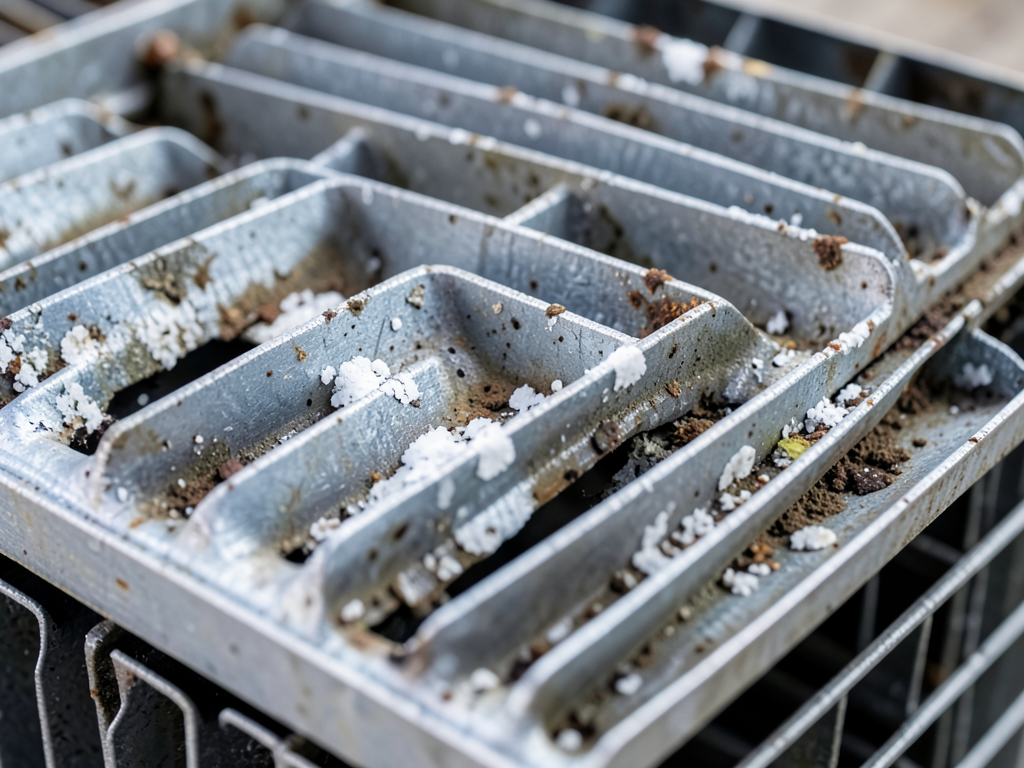
Photo of corroded AC coils showing pitting and white rust
5 Warning Signs Your AC is Under Attack
Most corrosion damage happens gradually so homeowners rarely notice until it’s too late. Watch for these five signs that your AC is suffering from salt damage.
- White powdery residue on the condenser coils. This is aluminum oxide forming as the metal breaks down.
- Decreased cooling performance. Your system runs longer to achieve the same temperature because corroded fins can’t transfer heat effectively.
- Higher energy bills. A struggling system uses more electricity to maintain comfort.
- Unusual noises. As corrosion progresses you might hear hissing or bubbling sounds from refrigerant leaks.
- Visible pitting. Small holes or depressions in the aluminum fins indicate advanced corrosion.
If you notice any of these signs call a NATE-certified technician immediately. Early intervention can prevent a complete system failure.
How Bucktown’s Location Makes It Worse
Not all New Orleans neighborhoods face the same corrosion risk. Bucktown sits directly on Lake Pontchartrain’s shoreline making it ground zero for salt air damage. The prevailing southeast winds carry lake moisture and salt particles directly into your condenser unit. Fighting New Orleans Humidity with a Professional Whole-Home Dehumidifier Installation.
According to the Louisiana Department of Environmental Quality areas within five miles of brackish water experience salt concentrations 10 times higher than inland neighborhoods. Bucktown falls well within this zone. The problem compounds during summer when high temperatures increase evaporation rates from the lake. EPA.
Local soil conditions add another layer of risk. Bucktown’s sandy soil drains quickly but also allows salt to percolate deeper into the ground. During heavy rains that salt can splash back onto your unit creating a continuous corrosion cycle.
Prevention Strategies That Actually Work
Once corrosion starts it cannot be reversed but you can slow it down significantly with the right protection. Here are three strategies that work in Bucktown’s harsh environment.
Factory-Applied Protective Coatings
Many manufacturers now offer coastal-grade units with factory-applied epoxy coatings. These coatings create a barrier between the metal and salt air. Look for units with Heresite or Blygold coatings which are specifically designed for marine environments.
The coating process involves cleaning the coils then applying multiple layers of protective material. This adds about 15 percent to the unit’s cost but can double its lifespan in coastal areas.
After-Market Coil Protection
If your current unit lacks factory protection you can apply aftermarket coatings. These spray-on solutions create a clear protective layer over the coils. The application requires professional equipment to ensure even coverage and proper curing.
Professional application costs between $300 and $500 and needs reapplication every three to five years depending on exposure levels. Why Your Lakeview Home Needs a High-Efficiency AC Unit to Combat Swampy Humidity.
Regular Maintenance Schedule
Even with protective coatings regular maintenance is essential. A professional cleaning removes salt buildup before it can cause damage. The cleaning process involves:
- Shutting off power to the unit
- Applying a specialized coil cleaner that neutralizes salt
- Rinsing with filtered water to prevent mineral deposits
- Inspecting for early signs of corrosion
In Bucktown this maintenance should happen twice yearly. Once in spring before the cooling season and again in fall after heavy use.
Cost Comparison: Standard vs. Coastal Units
Investing in corrosion protection requires understanding the long-term costs. Here’s how standard and coastal units compare over 15 years in Bucktown.
| Unit Type | Initial Cost | Lifespan | Total Replacement Cost | Maintenance Cost |
|---|---|---|---|---|
| Standard Unit | $3,800 | 7-9 years | $7,600 | $800 |
| Coastal Unit | $4,400 | 15+ years | $4,400 | $1,200 |
The coastal unit costs $600 more upfront but saves $3,200 in replacement costs over 15 years. Add in fewer repair calls and the savings become even more significant.
Professional Solutions for Bucktown Homeowners
When corrosion damage becomes severe replacement is often the most cost-effective solution. Modern coastal units offer features that standard models lack.
Look for units with:
- Copper tubing with tin plating for extra corrosion resistance
- Aluminum fins with factory-applied epoxy coating
- Galvanized steel cabinets with powder coating
- Enhanced condensate drainage to prevent standing water
Installation matters as much as the unit itself. In Bucktown proper placement can reduce salt exposure by up to 30 percent. Units should sit on elevated pads at least six inches above ground level to prevent salt splash during heavy rains.
Professional installation also includes proper electrical connections and refrigerant charging. These factors affect efficiency and longevity as much as corrosion resistance.
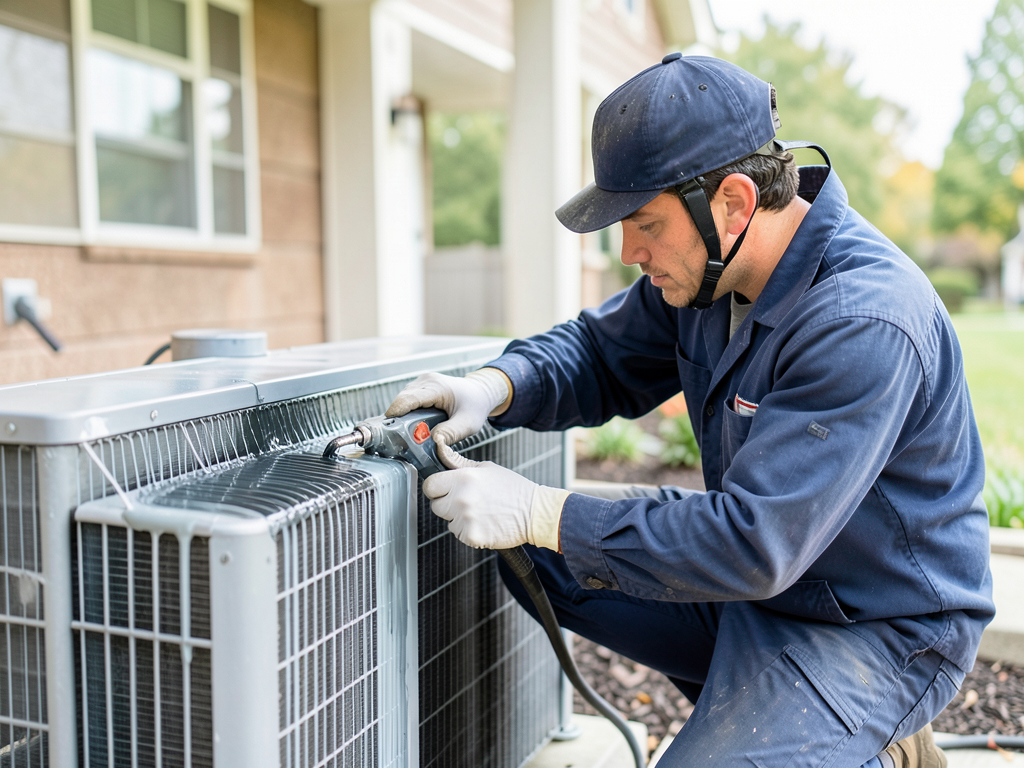
Technician applying protective coating to AC coils
The Financial Impact of Ignoring Corrosion
Many Bucktown homeowners try to save money by ignoring early corrosion signs. This decision often backfires. A unit that should last 15 years might fail in seven due to salt damage. That means replacing your system twice as often.
Beyond replacement costs consider these hidden expenses:
- Higher energy bills from reduced efficiency
- Emergency repair costs which average 30 percent more than scheduled service
- Potential water damage from refrigerant leaks
- Decreased home value if buyers discover neglected HVAC systems
The EPA estimates that a 10 percent reduction in AC efficiency increases annual cooling costs by $150 to $300 depending on home size. In Bucktown’s long cooling season those costs add up quickly.
Local Building Codes and Warranties
New Orleans has specific requirements for HVAC installations in coastal areas. The city’s building code references the International Mechanical Code which requires corrosion protection for units within one mile of brackish water.
Louisiana’s state energy code also mandates minimum SEER2 ratings for new installations. In coastal zones that minimum is 15 SEER2 compared to 14 SEER2 inland. Higher efficiency units often include better corrosion protection as a side benefit.
Warranty considerations matter too. Many manufacturers void warranties if units aren’t properly maintained in coastal environments. That means skipping annual maintenance could cost you coverage when you need it most.
Diagram showing proper AC unit placement to minimize salt exposure
Frequently Asked Questions
How far inland does salt air damage reach?
Salt damage typically affects areas within five miles of brackish water. In New Orleans that includes most of the East Bank from Lakeview to Algiers Point.
Can I rinse my AC coils myself?
You can rinse coils with a garden hose on low pressure but avoid high-pressure washers which can bend fins. Professional cleaning uses specialized solutions that neutralize salt rather than just washing it away.
How much does a coastal AC unit cost?
Coastal units cost $400 to $800 more than standard units but can last twice as long in Bucktown’s environment. The investment typically pays for itself within five to seven years.
Should I cover my AC in winter?
Covers trap moisture which can accelerate corrosion. Instead focus on keeping the area around your unit clear of debris and scheduling regular maintenance.
How do I know if my unit has protective coating?
Look for labels indicating Heresite, Blygold, or similar coatings. If unsure ask a NATE-certified technician to inspect your system. They can identify coating types and recommend additional protection if needed.
Take Action Before Corrosion Costs You Thousands
Salt air corrosion is a slow but expensive problem that affects every AC unit in Bucktown. The signs start small but the damage compounds quickly once it begins. By understanding the science behind corrosion you can take steps to protect your system and your wallet.
Regular maintenance with a NATE-certified technician can extend your AC’s life by years. Professional cleaning removes salt buildup before it causes permanent damage. If your unit is already showing signs of corrosion consider upgrading to a coastal-grade system with factory-applied protection.
Don’t wait until your system fails on the hottest day of summer. Call (504) 355-2955 today to schedule your inspection. Our technicians understand Bucktown’s unique challenges and can recommend the right protection for your home.
Pick up the phone and call (504) 355-2955 before the next storm hits. Your AC works hard to keep you comfortable. Make sure it gets the protection it needs to keep working for years to come.
{
“@context”: “https://schema.org”,
“@type”: “BlogPosting”,
“headline”: “How Salt Air from Lake Pontchartrain Destroys AC Coils in Bucktown”,
“description”: “Learn how Lake Pontchartrain’s salt air corrodes AC coils in Bucktown. Discover prevention strategies and local solutions from NATE-certified technicians.”,
“wordCount”: 1677,
“datePublished”: “2026-03-17T16:57:00.000Z”,
“dateModified”: “2026-03-17T16:57:00.000Z”,
“inLanguage”: “en-US”,
“mainEntityOfPage”: {
“@type”: “WebPage”,
“@id”: “https://pioneerhvacneworleans.com”
},
“publisher”: {
“@type”: “LocalBusiness”,
“name”: “Pioneer HVAC New Orleans”,
“url”: “https://pioneerhvacneworleans.com”
},
“author”: {
“@type”: “Organization”,
“name”: “Pioneer HVAC New Orleans”,
“url”: “https://pioneerhvacneworleans.com”
},
“image”: {
“@type”: “ImageObject”,
“url”: “https://pioneerhvacneworleans.com/wp-content/uploads/2026/03/how-salt-air-from-lake-pontchartrain-destroys-ac-c-1.png”
}
}
{
“@context”: “https://schema.org”,
“@type”: “HVACBusiness”,
“name”: “Pioneer HVAC New Orleans”,
“url”: “https://pioneerhvacneworleans.com”,
“address”: {
“@type”: “PostalAddress”,
“addressLocality”: “New Orleans”
},
“areaServed”: {
“@type”: “City”,
“name”: “New Orleans”
}
}
{
“@context”: “https://schema.org”,
“@type”: “FAQPage”,
“mainEntity”: [
{
“@type”: “Question”,
“name”: “How far inland does salt air damage reach?”,
“acceptedAnswer”: {
“@type”: “Answer”,
“text”: “Salt damage typically affects areas within five miles of brackish water. In New Orleans that includes most of the East Bank from Lakeview to Algiers Point.”
}
},
{
“@type”: “Question”,
“name”: “Can I rinse my AC coils myself?”,
“acceptedAnswer”: {
“@type”: “Answer”,
“text”: “You can rinse coils with a garden hose on low pressure but avoid high-pressure washers which can bend fins. Professional cleaning uses specialized solutions that neutralize salt rather than just washing it away.”
}
},
{
“@type”: “Question”,
“name”: “How much does a coastal AC unit cost?”,
“acceptedAnswer”: {
“@type”: “Answer”,
“text”: “Coastal units cost $400 to $800 more than standard units but can last twice as long in Bucktown’s environment. The investment typically pays for itself within five to seven years.”
}
},
{
“@type”: “Question”,
“name”: “Should I cover my AC in winter?”,
“acceptedAnswer”: {
“@type”: “Answer”,
“text”: “Covers trap moisture which can accelerate corrosion. Instead focus on keeping the area around your unit clear of debris and scheduling regular maintenance.”
}
}
]
}
{
“@context”: “https://schema.org”,
“@type”: “BreadcrumbList”,
“itemListElement”: [
{
“@type”: “ListItem”,
“position”: 1,
“name”: “Home”,
“item”: “https://pioneerhvacneworleans.com”
},
{
“@type”: “ListItem”,
“position”: 2,
“name”: “Blog”,
“item”: “https://pioneerhvacneworleans.com/blog”
},
{
“@type”: “ListItem”,
“position”: 3,
“name”: “How Salt Air from Lake Pontchartrain Destroys AC Coils in Bucktown”
}
]
}
{
“@context”: “https://schema.org”,
“@type”: “Service”,
“serviceType”: “HVAC”,
“provider”: {
“@type”: “LocalBusiness”,
“name”: “Pioneer HVAC New Orleans”,
“url”: “https://pioneerhvacneworleans.com”
},
“areaServed”: {
“@type”: “City”,
“name”: “New Orleans”
},
“description”: “Learn how Lake Pontchartrain’s salt air corrodes AC coils in Bucktown. Discover prevention strategies and local solutions from NATE-certified technicians.”
}