Elevating Your HVAC System in Broadmoor to Stay Safe from Future Street Flooding
Living in Broadmoor means dealing with New Orleans’ unique flood risks every hurricane season. Your outdoor HVAC condenser sits vulnerable to street flooding that can destroy expensive equipment and leave you without cooling when you need it most. Elevating your AC unit above the Base Flood Elevation protects your investment and can lower your flood insurance premiums. This guide covers everything Broadmoor homeowners need to know about safely raising their HVAC systems to meet FEMA requirements and withstand our city’s flooding challenges. Get Your New Orleans AC Running Again with Our 24-Hour Emergency Repair Service.
Why New Orleans Homeowners Must Elevate Their Condensers
Broadmoor sits in a low-lying area where street flooding happens regularly during heavy rains and storm surges. When water reaches your condenser unit it can short out electrical components corrode metal parts and cause refrigerant leaks that total your system. The National Flood Insurance Program offers premium discounts for homes that elevate mechanical equipment above the BFE. In Broadmoor many properties sit at or below the 100-year flood level making elevation not just smart but often required by local building codes. The humid New Orleans climate already stresses outdoor units with corrosion from salt air and constant moisture. Adding flood exposure accelerates wear and tear cutting your equipment’s lifespan in half. Fighting New Orleans Humidity with a Professional Whole-Home Dehumidifier Installation.
Understanding New Orleans Building Codes and BFE Requirements
The City of New Orleans enforces strict elevation requirements for mechanical equipment in flood zones. According to the International Building Code adopted by Orleans Parish all HVAC condensers in AE flood zones must be installed at least one foot above the Base Flood Elevation. For Broadmoor homes this typically means raising units 3 to 5 feet above ground level depending on your specific flood zone designation. The Louisiana State Licensing Board for Contractors requires that all elevation work be performed by licensed HVAC technicians who understand proper refrigerant line handling and electrical safety. FEMA’s flood maps show Broadmoor primarily in AE zones with BFE values ranging from 3 to 6 feet above sea level. Your elevation certificate will specify the exact requirement for your property.
Methods for Elevating Your AC Unit
Several elevation methods work for Broadmoor’s conditions each with different advantages. Pressure-treated wood platforms offer the most economical solution starting around $800 for a basic setup. These platforms need proper drainage holes and should use galvanized fasteners to resist corrosion. Hurricane-rated wall brackets provide a more permanent solution anchoring the unit to your home’s structure. These brackets must meet Louisiana’s wind load requirements of 130 mph for the New Orleans area. Composite risers made from recycled plastic lumber resist rot and insects making them ideal for our humid climate. For maximum protection masonry piers with concrete caps can elevate units 6 feet or higher while providing stable footing on our shifting soil.
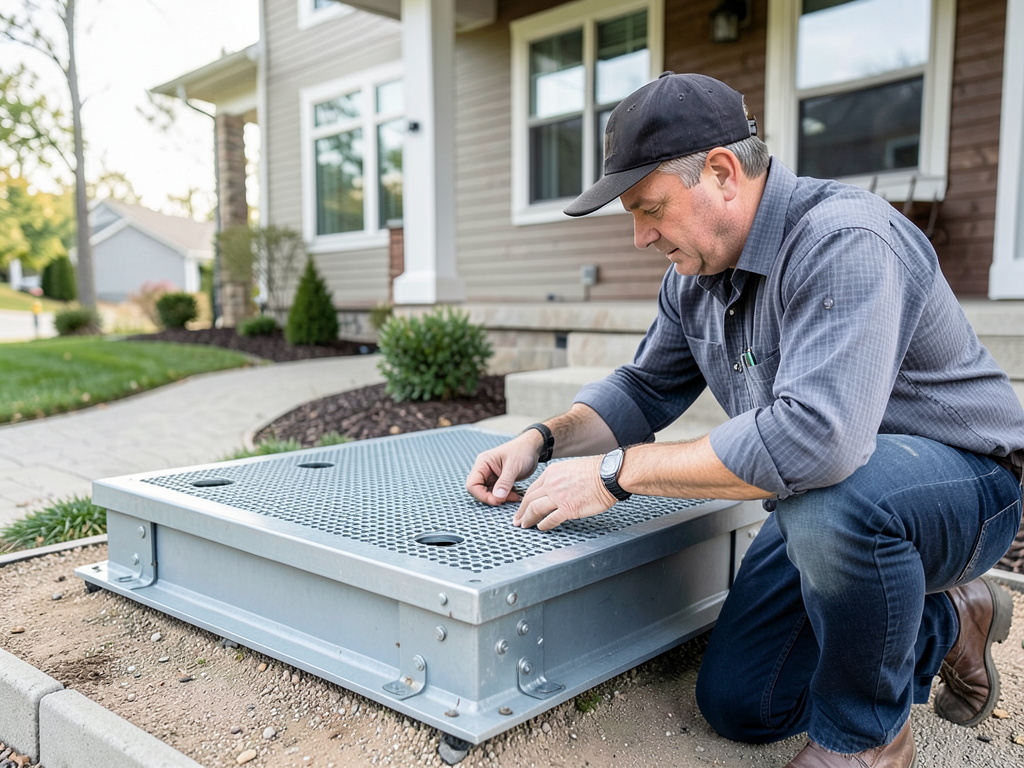
A technician inspects a raised HVAC platform showing proper drainage holes and corrosion-resistant fasteners installed on a Broadmoor home.
The Step-by-Step Professional Elevation Process
Elevating an HVAC unit requires precision to avoid damaging the system. First the technician performs a pump-down procedure to capture the refrigerant in the condenser. This prevents loss and allows safe disconnection. Next they disconnect the electrical service and label all wiring for proper reconnection. The existing pad gets removed and the new elevation structure gets installed with proper footings extending below the frost line. For Broadmoor’s soil conditions this means digging 24 to 30 inches deep to reach stable ground. The technician then extends the refrigerant lines using proper brazing techniques and pressure tests the connections. Finally they reconnect the electrical service ensuring all connections meet NEC Article 440 requirements for HVAC equipment.
- Refrigerant Pump Down
Capture all refrigerant in the condenser using proper recovery equipment to prevent loss and environmental damage.
- Electrical Disconnection
Turn off power at the disconnect box and label all wires before removal to ensure correct reconnection.
- Platform Installation
Construct elevation platform with proper footings extending below unstable soil layers common in Broadmoor.
- Line Set Extension
Extend copper refrigerant lines using silver brazing and pressure test to 300 psi to check for leaks.
- System Recommissioning
Recharge refrigerant to manufacturer specifications and test all electrical connections for proper operation.
Cost Factors and ROI for New Orleans Residents
The cost to elevate an HVAC unit in Broadmoor ranges from $1,200 to $3,500 depending on the elevation height and platform type. Wood platforms cost less upfront but may need replacement every 10 to 15 years in our humid climate. Composite and masonry options cost more initially but last 25 years or longer. Your flood insurance premium can drop $200 to $500 annually when you elevate mechanical equipment. The investment typically pays for itself in 3 to 5 years through insurance savings and prevented equipment damage. Many Broadmoor homeowners also qualify for FEMA mitigation grants that can cover up to 75 percent of elevation costs in high-risk areas.
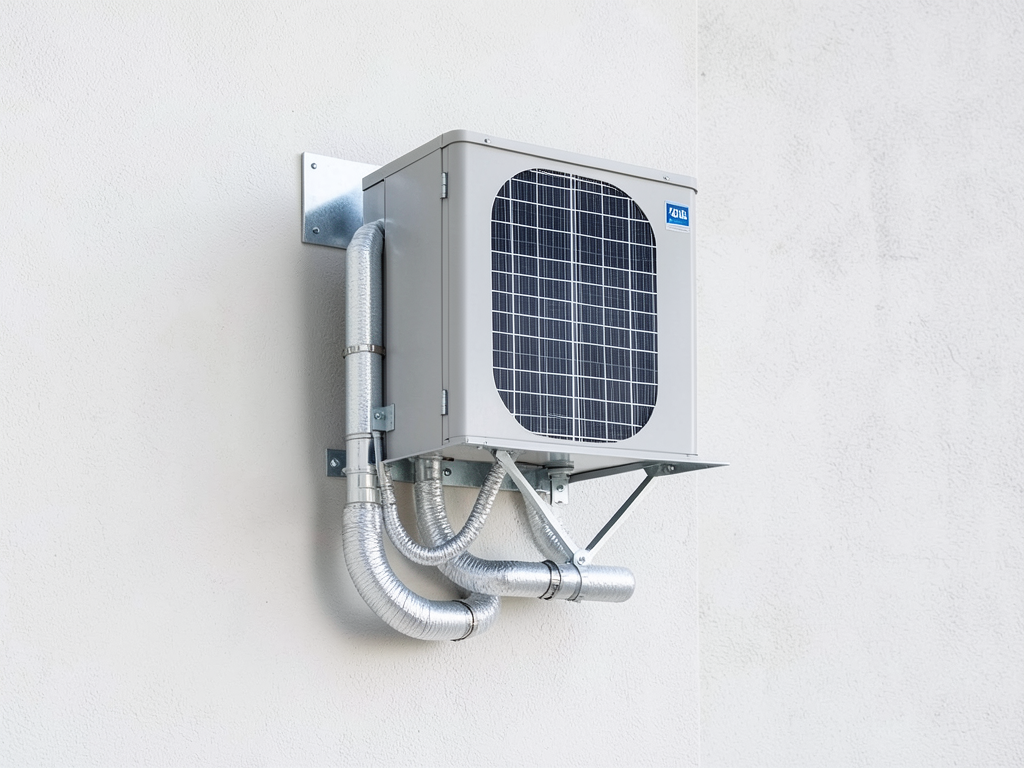
A completed HVAC elevation showing a condenser mounted on a hurricane-rated wall bracket with extended refrigerant lines properly insulated and supported.
Cost Comparison by Elevation Method
| Elevation Method | Initial Cost | Lifespan | Best For |
|---|---|---|---|
| Pressure-Treated Wood | $800 – $1,200 | 10-15 years | Budget-conscious homeowners |
| Composite Riser | $1,500 – $2,000 | 20-25 years | Long-term durability |
| Hurricane Wall Bracket | $2,000 – $2,800 | 25+ years | Highest wind zones |
| Masonry Pier | $2,500 – $3,500 | 30+ years | Maximum elevation needs |
Permit Requirements and Timeline
Elevating an HVAC unit in Broadmoor requires permits from the City of New Orleans Department of Safety and Permits. The process takes 2 to 3 weeks for plan review and approval. Your contractor must submit elevation drawings showing the proposed height and structural details. Orleans Parish requires that all mechanical work be performed by licensed contractors with Louisiana State Licensing Board credentials. The permit fee ranges from $150 to $300 depending on the project scope. After completion you need a final inspection before covering the work. Most Broadmoor homeowners complete their elevation projects in 3 to 5 days once permits are approved.
Common Mistakes to Avoid
DIY elevation attempts often cause more problems than they solve. Cutting refrigerant lines without proper brazing creates leaks that lose all your system’s coolant. Using untreated wood for platforms leads to rot within 2 to 3 years in our humid climate. Failing to extend electrical wiring properly can create fire hazards. Many Broadmoor homes have settled over time creating uneven surfaces that stress the new elevation structure. Always hire a licensed HVAC contractor who understands local soil conditions and building codes. The cost savings from DIY work disappears when you factor in potential equipment damage and code violations.
Insurance Benefits and Documentation
Documenting your elevation project properly ensures you get all available insurance benefits. After completion request an updated elevation certificate from your surveyor showing the new equipment height. Submit this to your flood insurance provider to qualify for premium reductions. Keep all receipts and permits in a flood-safe location. Many Broadmoor homeowners find their premiums drop 15 to 25 percent after elevation. Some insurance companies offer additional credits for using hurricane-rated mounting hardware. The documentation also proves compliance if you sell your home, as buyers often request elevation certificates during inspections.
Maintenance After Elevation
Elevated units require different maintenance than ground-mounted systems. The increased height makes debris accumulation more likely in the platform structure. Check under the unit quarterly for signs of animal nesting or water pooling. The extended refrigerant lines need inspection for UV damage to insulation every year. Vibration from the elevated unit can loosen electrical connections over time. Schedule professional maintenance twice yearly instead of once to catch these issues early. Many Broadmoor homeowners find that elevated units actually run more efficiently due to better airflow underneath, potentially lowering your cooling costs by 5 to 10 percent.
A technician performs maintenance on an elevated HVAC unit checking electrical connections and inspecting extended refrigerant lines for wear.
Frequently Asked Questions
How long does the elevation process take?
The actual work takes 2 to 3 days but the full process including permits takes 3 to 4 weeks total. Weather delays can extend this timeline during hurricane season.
Will elevating my unit void my warranty?
No, if performed by a licensed HVAC contractor using manufacturer-approved methods. Improper DIY work could void warranties, which is why professional installation matters.
Can I elevate my unit myself to save money?
We strongly advise against DIY elevation. It requires specialized tools, knowledge of refrigerant handling, and understanding of local codes. Mistakes can destroy your system and create safety hazards.
What if my home has already flooded?
Even if your home has flooded before, elevation still provides protection. Many Broadmoor homes that flooded in previous storms have successfully elevated their equipment to prevent future damage.
How do I know if my unit needs elevation?
Check your flood zone designation and BFE requirements. If your current unit sits below the required height or in an area prone to street flooding, elevation is recommended.
Protect Your Broadmoor Home Before the Next Storm
Street flooding in Broadmoor happens every rainy season putting your HVAC investment at risk. Professional elevation not only protects your equipment but also lowers insurance costs and extends system life. The process requires proper permits, licensed contractors, and understanding of local building codes. Don’t wait until water surrounds your condenser to take action. Call (504) 355-2955 today to schedule your elevation consultation and get your home ready for whatever weather comes next.
Pick up the phone and call (504) 355-2955 before the next storm hits. Our licensed technicians understand Broadmoor’s unique flood risks and can have your system elevated quickly and correctly. Your comfort and safety are worth the investment.
External Links:
– FEMA Flood Map Service Center – Official flood zone information and BFE data
– City of New Orleans Permits – Information on mechanical equipment permits and requirements
– National Flood Insurance Program – Details on premium reductions for elevated equipment
Category: HVAC Protection
Suggested Image Prompts:
1. A technician inspects a raised HVAC platform showing proper drainage holes and corrosion-resistant fasteners installed on a Broadmoor home.
2. A completed HVAC elevation showing a condenser mounted on a hurricane-rated wall bracket with extended refrigerant lines properly insulated and supported.
3. A technician performs maintenance on an elevated HVAC unit checking electrical connections and inspecting extended refrigerant lines for wear.
{
“@context”: “https://schema.org”,
“@type”: “BlogPosting”,
“headline”: “Elevating Your HVAC System in Broadmoor to Stay Safe from Future Street Flooding”,
“description”: “Protect your Broadmoor home from flood damage with professional HVAC elevation. Learn FEMA requirements, local codes, and the step-by-step process to safeguard your system.”,
“wordCount”: 1732,
“datePublished”: “2026-03-29T14:24:00.000Z”,
“dateModified”: “2026-03-29T14:24:00.000Z”,
“inLanguage”: “en-US”,
“mainEntityOfPage”: {
“@type”: “WebPage”,
“@id”: “https://pioneerhvacneworleans.com”
},
“publisher”: {
“@type”: “LocalBusiness”,
“name”: “Pioneer HVAC New Orleans”,
“url”: “https://pioneerhvacneworleans.com”
},
“author”: {
“@type”: “Organization”,
“name”: “Pioneer HVAC New Orleans”,
“url”: “https://pioneerhvacneworleans.com”
},
“image”: {
“@type”: “ImageObject”,
“url”: “https://pioneerhvacneworleans.com/wp-content/uploads/2026/03/elevating-your-hvac-system-in-broadmoor-to-stay-sa-1.png”
}
}
{
“@context”: “https://schema.org”,
“@type”: “HVACBusiness”,
“name”: “Pioneer HVAC New Orleans”,
“url”: “https://pioneerhvacneworleans.com”,
“address”: {
“@type”: “PostalAddress”,
“addressLocality”: “New Orleans”
},
“areaServed”: {
“@type”: “City”,
“name”: “New Orleans”
}
}
{
“@context”: “https://schema.org”,
“@type”: “FAQPage”,
“mainEntity”: [
{
“@type”: “Question”,
“name”: “How long does the elevation process take?”,
“acceptedAnswer”: {
“@type”: “Answer”,
“text”: “The actual work takes 2 to 3 days but the full process including permits takes 3 to 4 weeks total. Weather delays can extend this timeline during hurricane season.”
}
},
{
“@type”: “Question”,
“name”: “Will elevating my unit void my warranty?”,
“acceptedAnswer”: {
“@type”: “Answer”,
“text”: “No, if performed by a licensed HVAC contractor using manufacturer-approved methods. Improper DIY work could void warranties, which is why professional installation matters.”
}
},
{
“@type”: “Question”,
“name”: “Can I elevate my unit myself to save money?”,
“acceptedAnswer”: {
“@type”: “Answer”,
“text”: “We strongly advise against DIY elevation. It requires specialized tools, knowledge of refrigerant handling, and understanding of local codes. Mistakes can destroy your system and create safety hazards.”
}
},
{
“@type”: “Question”,
“name”: “What if my home has already flooded?”,
“acceptedAnswer”: {
“@type”: “Answer”,
“text”: “Even if your home has flooded before, elevation still provides protection. Many Broadmoor homes that flooded in previous storms have successfully elevated their equipment to prevent future damage.”
}
},
{
“@type”: “Question”,
“name”: “How do I know if my unit needs elevation?”,
“acceptedAnswer”: {
“@type”: “Answer”,
“text”: “Check your flood zone designation and BFE requirements. If your current unit sits below the required height or in an area prone to street flooding, elevation is recommended.”
}
}
]
}
{
“@context”: “https://schema.org”,
“@type”: “HowTo”,
“name”: “How to Elevate an HVAC Unit”,
“step”: [
{
“@type”: “HowToStep”,
“position”: 1,
“name”: “Refrigerant Pump Down”,
“text”: “Capture all refrigerant in the condenser using proper recovery equipment to prevent loss and environmental damage.”
},
{
“@type”: “HowToStep”,
“position”: 2,
“name”: “Electrical Disconnection”,
“text”: “Turn off power at the disconnect box and label all wires before removal to ensure correct reconnection.”
},
{
“@type”: “HowToStep”,
“position”: 3,
“name”: “Platform Installation”,
“text”: “Construct elevation platform with proper footings extending below unstable soil layers common in Broadmoor.”
},
{
“@type”: “HowToStep”,
“position”: 4,
“name”: “Line Set Extension”,
“text”: “Extend copper refrigerant lines using silver brazing and pressure test to 300 psi to check for leaks.”
},
{
“@type”: “HowToStep”,
“position”: 5,
“name”: “System Recommissioning”,
“text”: “Recharge refrigerant to manufacturer specifications and test all electrical connections for proper operation.”
}
],
“image”: “https://pioneerhvacneworleans.com/wp-content/uploads/2026/03/elevating-your-hvac-system-in-broadmoor-to-stay-sa-1.png”
}
{
“@context”: “https://schema.org”,
“@type”: “BreadcrumbList”,
“itemListElement”: [
{
“@type”: “ListItem”,
“position”: 1,
“name”: “Home”,
“item”: “https://pioneerhvacneworleans.com”
},
{
“@type”: “ListItem”,
“position”: 2,
“name”: “Blog”,
“item”: “https://pioneerhvacneworleans.com/blog”
},
{
“@type”: “ListItem”,
“position”: 3,
“name”: “Elevating Your HVAC System in Broadmoor to Stay Safe from Future Street Flooding”
}
]
}
{
“@context”: “https://schema.org”,
“@type”: “Service”,
“serviceType”: “HVAC”,
“provider”: {
“@type”: “LocalBusiness”,
“name”: “Pioneer HVAC New Orleans”,
“url”: “https://pioneerhvacneworleans.com”
},
“areaServed”: {
“@type”: “City”,
“name”: “New Orleans”
},
“description”: “Protect your Broadmoor home from flood damage with professional HVAC elevation. Learn FEMA requirements, local codes, and the step-by-step process to safeguard your system.”
}