
Preventing Construction Dust from Ruining Your AC During New Orleans Street Maintenance Projects
Construction dust in New Orleans creates a serious threat to your air conditioning system. When street maintenance crews tear up pavement or repair drainage systems microscopic particles fill the air and find their way into your AC unit. These particles clog coils damage motors and reduce efficiency. The humid New Orleans climate makes this problem worse because moisture combines with dust to create a sticky sludge that coats internal components. New Orleans Municipal Code Section 24:45-3.
The good news is you can protect your system with proper preparation. Simple steps like sealing vents upgrading filters and scheduling professional cleaning can save you thousands in repairs. This guide shows you exactly how to shield your AC from construction dust damage during New Orleans street projects. Get Your New Orleans AC Running Again with Our 24-Hour Emergency Repair Service.
Why New Orleans Construction Dust is Different
New Orleans construction dust contains unique particles that standard AC filters struggle to capture. Street maintenance projects in the city often disturb century-old infrastructure releasing fine silica particles asphalt fragments and roadbed debris. These particles measure between 0.5 and 10 microns small enough to pass through basic filters and lodge deep inside your system. Fighting New Orleans Humidity with a Professional Whole-Home Dehumidifier Installation.
The city’s high humidity which averages 75% year-round causes these particles to absorb moisture and clump together. This creates a cement-like coating on evaporator coils that reduces heat transfer by up to 30%. The combination of fine particles and moisture also promotes mold growth inside ductwork creating health hazards beyond just mechanical damage. Emergency Ductwork Repair.
Local soil composition adds another challenge. New Orleans sits on silt and clay that becomes airborne during excavation work. These particles are electrostatically charged causing them to stick to metal surfaces inside your AC unit like magnets. Once attached they resist airflow and force your system to work harder increasing energy costs by 15-20%.
Construction Dust Impact on AC Components
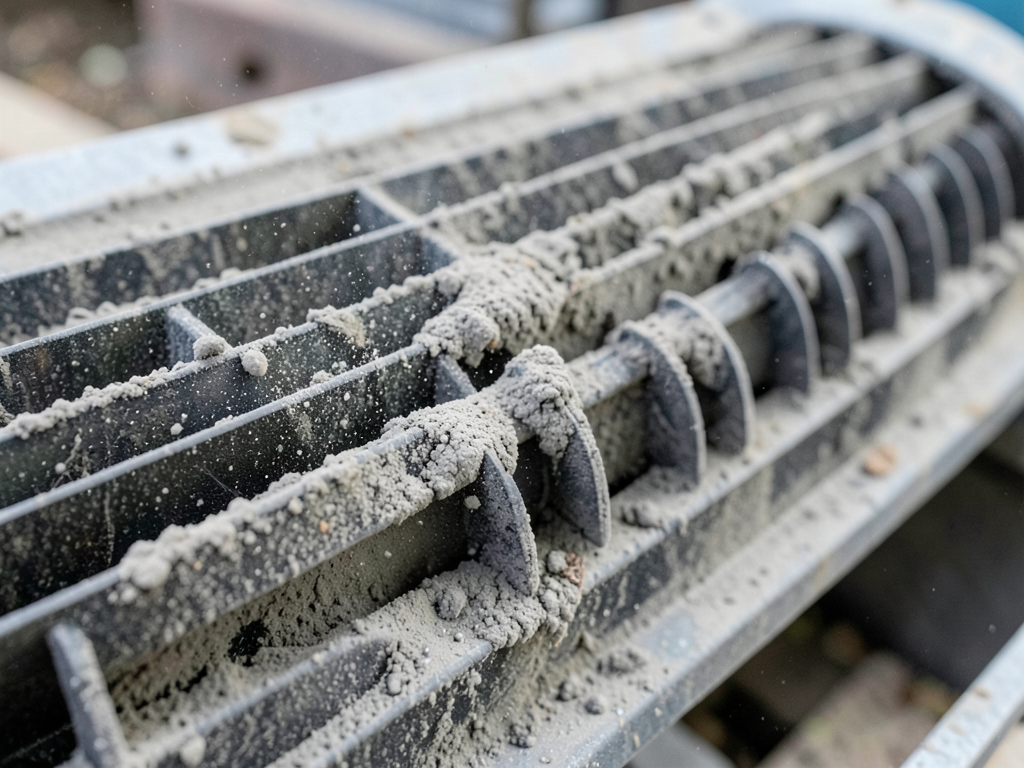
Evaporator coils bear the brunt of construction dust damage. When dust accumulates on these coils it creates an insulating layer that prevents proper heat absorption. A thin layer of dust can reduce cooling capacity by 21% according to ASHRAE standards. In New Orleans’ humid climate this reduction means your system runs longer cycles increasing wear on all components. ASHRAE standards.
Blower motors face another serious threat. Construction dust contains abrasive particles that act like sandpaper on motor bearings. Within 30 days of heavy exposure you might hear a grinding noise when the blower starts a clear sign of bearing wear. This noise often precedes motor failure which typically occurs 60-90 days after initial exposure.
Condenser coils outside your home also suffer. Street construction sends dust upward through foundation vents and wall cavities where it exits through attic spaces and settles on outdoor units. This external dust combines with pollen and debris to create a thick blanket that reduces heat rejection efficiency by up to 25%.
Step-by-Step Protection Strategy
- Seal All Return Air Vents
Cover return air grilles with plastic sheeting and painter’s tape. Construction dust entering through returns is the primary cause of internal contamination. Use at least two layers of plastic for maximum protection.
- Install High-Efficiency Filters
Replace standard filters with MERV 13+ pleated filters rated for construction environments. These capture particles as small as 0.3 microns small enough to trap most construction dust. Change them every 30 days during active construction.
- Create Negative Pressure Zones
Place box fans in windows facing away from the construction site to create outward airflow. This prevents dust from being drawn into your home through small gaps around doors and windows.
- Protect Outdoor Units
Cover condenser units with breathable mesh covers designed for construction protection. These allow airflow while blocking dust. Remove covers during rain to prevent moisture accumulation.
- Schedule Professional Inspection
Have a licensed HVAC technician inspect your system before and after construction. They can identify early signs of dust infiltration and recommend specific protective measures for your home’s layout.
Technical Specs: MERV Ratings vs. Construction Dust
| Filter Type | MERV Rating | Dust Capture Efficiency | Best For |
|---|---|---|---|
| Standard Residential | MERV 6-8 | 20-35% | Normal household dust |
| Enhanced Residential | MERV 11 | 60-85% | Pollen mold spores |
| Construction Grade | MERV 13+ | 90%+ | Fine construction dust |
MERV 13 filters capture particles as small as 0.3 microns with 90% efficiency. This rating exceeds the 0.5-10 micron range of most construction dust particles. Higher MERV ratings also restrict airflow so ensure your system can handle the increased resistance before upgrading.
Post-Construction Recovery Checklist
After construction ends your AC needs thorough cleaning to restore efficiency. Start with the air filter replace it immediately even if it looks clean. Construction dust often accumulates in the filter media without visible signs. Why Your Lakeview Home Needs a High-Efficiency AC Unit to Combat Swampy Humidity.
Next inspect the evaporator coils through the access panel. If you see a gray coating your system needs professional coil cleaning. This process uses specialized chemicals that dissolve the cement-like dust-mold mixture without damaging the coil fins.
Check the blower wheel for dust accumulation. A dusty blower wheel can reduce airflow by 40% forcing your system to run longer cycles. Technicians use compressed air and soft brushes to clean these components without bending the delicate fins.
Finally examine the condensate drain line. Construction dust often clogs this narrow pipe causing water to back up and potentially damage your system. Clear any blockages and pour a cup of white vinegar through the line to kill mold growth.
Professional Protection Services in New Orleans
Professional HVAC protection during construction goes beyond basic DIY measures. Certified technicians can install temporary negative pressure systems that create a dust-free zone around your AC equipment. These systems use HEPA-filtered air scrubbers to maintain clean air pressure differentials.
Local contractors familiar with New Orleans construction patterns understand specific risks. For example work near the Lakefront often disturbs sandy soil that creates finer dust than projects in the Central Business District. This knowledge helps technicians recommend appropriate filter upgrades and sealing techniques.
Professional services also include pre-construction system testing. Technicians measure baseline efficiency document existing conditions and create a protection plan tailored to your home’s construction and AC configuration. This documentation proves valuable if dust damage occurs and warranty claims become necessary.
Cost-Benefit Analysis: Protection vs. System Replacement
| Protection Strategy | Initial Cost | Potential Savings | ROI Timeline |
|---|---|---|---|
| DIY Sealing Package | $75-150 | $2,000-5,000 | 1-2 years |
| Professional Shielding | $300-600 | $3,000-8,000 | 6-12 months |
| Post-Construction Cleaning | $200-400 | $1,500-3,000 | Immediate |
Professional protection services cost more upfront but provide superior results. DIY methods might miss critical sealing points while professionals use thermal imaging to identify air leaks and pressure testing to verify system integrity. The investment typically pays for itself within one construction season through prevented repairs and improved efficiency.
Emergency Steps if System Was Run During Dusty Phase
If you accidentally ran your AC during heavy construction immediate action can minimize damage. Turn off the system immediately to prevent further dust circulation. Remove and replace all filters don’t try to clean them as construction dust embeds deeply in filter media.
Check for unusual noises when you restart the system. Grinding or rattling sounds indicate dust in the blower motor or compressor. These symptoms require professional attention within 24-48 hours to prevent catastrophic failure.
Monitor your energy bills for the next month. A 15-20% increase in cooling costs often signals dust-related efficiency loss. This spike typically appears 2-3 weeks after dust exposure as particles accumulate and restrict airflow.
Schedule professional duct cleaning if you notice dust blowing from vents or experience increased allergy symptoms. Construction dust in ductwork creates ongoing air quality issues that persist long after visible dust settles.
Historic Home Considerations in New Orleans
Historic New Orleans homes face unique challenges during construction projects. Many feature plaster walls that create extremely fine dust when disturbed particles as small as 0.1 microns that penetrate standard filters. This dust settles in electrical components and creates fire hazards beyond just HVAC issues.
Older homes often have undersized ductwork that cannot accommodate high-efficiency filters without reducing airflow. In these cases technicians might recommend zoned filtration systems that clean air at multiple points rather than relying on a single central filter.
Historic districts like the Garden District have specific regulations about exterior modifications. Temporary AC protection measures must comply with preservation guidelines often requiring custom solutions that blend with historic architecture while providing modern protection.
Long-Term Protection Strategies
Beyond individual construction projects consider permanent upgrades for ongoing protection. Whole-house air purification systems with HEPA filtration remove 99.97% of particles including construction dust. These systems cost $1,500-3,000 but provide year-round air quality improvement.
Smart thermostats with air quality sensors can alert you to dust infiltration before damage occurs. These devices monitor particulate levels and can automatically adjust fan speed or trigger alerts when dust levels spike during neighborhood construction projects.
Regular professional maintenance becomes even more critical in construction-heavy areas. Biannual inspections can catch dust-related issues early preventing the cascade of problems that occurs when dust accumulates unchecked for multiple seasons.
Local Building Code Compliance
New Orleans Municipal Code Section 24:45-3 requires contractors to implement dust control measures during street maintenance. This includes water spraying wind barriers and proper debris containment. However these measures often prove insufficient for protecting nearby HVAC systems.
The code also mandates minimum distances between construction zones and occupied buildings typically 10 feet for active excavation. This buffer helps but doesn’t eliminate dust migration through air currents and building envelope gaps.
Homeowners should document any construction-related HVAC damage with photos and professional assessments. This documentation supports insurance claims and potential recovery from responsible parties if dust control measures fail.
Call (504) 355-2955 Today to Schedule Your Inspection
Don’t wait until construction dust damages your AC system. Our NATE-certified technicians understand New Orleans’ unique construction challenges and can implement effective protection strategies before the next street maintenance project begins. We serve all neighborhoods including the French Quarter Uptown and Metairie.
Pick up the phone and call (504) 355-2955 before the next storm hits. Construction dust won’t wait and neither should you. Our rapid response team can typically schedule inspections within 24 hours often with same-day service for emergency situations.
Frequently Asked Questions
How long should I keep my AC sealed during construction?
Seal your system at least 48 hours before construction begins and keep it sealed until 24 hours after work ends. This buffer accounts for dust settling and ensures complete protection during the most active phases.
Can construction dust void my AC warranty?
Yes manufacturers often void warranties for damage caused by environmental factors like construction dust. Document all protective measures and professional inspections to support any warranty claims related to dust exposure.
What’s the difference between construction dust and normal household dust?
Construction dust contains much finer particles often under 10 microns while household dust averages 20-50 microns. Construction dust also includes abrasive materials like silica and asphalt that damage HVAC components more severely than organic household dust.
How often should I change filters during active construction?
Change filters every 30 days during active construction even if they appear clean. Construction dust accumulates in the filter media without visible signs and saturated filters reduce airflow and system efficiency.
You may also find this helpful. Why Magnolia Leaves and Crepe Myrtle Blooms are Secretly Killing Your Metairie AC Unit.
{
“@context”: “https://schema.org”,
“@type”: “BlogPosting”,
“headline”: “Preventing Construction Dust from Ruining Your AC During New Orleans Street Maintenance Projects”,
“description”: “Protect your AC from construction dust damage during New Orleans street projects. Learn expert HVAC protection strategies for the unique challenges of New Orleans’ climate and soil.”,
“wordCount”: 1878,
“datePublished”: “2026-06-08T14:53:00.000Z”,
“dateModified”: “2026-06-08T14:53:00.000Z”,
“inLanguage”: “en-US”,
“mainEntityOfPage”: {
“@type”: “WebPage”,
“@id”: “https://pioneerhvacneworleans.com”
},
“publisher”: {
“@type”: “LocalBusiness”,
“name”: “Pioneer HVAC New Orleans”,
“url”: “https://pioneerhvacneworleans.com”
},
“author”: {
“@type”: “Organization”,
“name”: “Pioneer HVAC New Orleans”,
“url”: “https://pioneerhvacneworleans.com”
},
“image”: {
“@type”: “ImageObject”,
“url”: “https://pioneerhvacneworleans.com/wp-content/uploads/2026/03/preventing-construction-dust-from-ruining-your-ac-1.png”
}
}
{
“@context”: “https://schema.org”,
“@type”: “HVACBusiness”,
“name”: “Pioneer HVAC New Orleans”,
“url”: “https://pioneerhvacneworleans.com”,
“address”: {
“@type”: “PostalAddress”,
“addressLocality”: “New Orleans”
},
“areaServed”: {
“@type”: “City”,
“name”: “New Orleans”
}
}
{
“@context”: “https://schema.org”,
“@type”: “FAQPage”,
“mainEntity”: [
{
“@type”: “Question”,
“name”: “How long should I keep my AC sealed during construction?”,
“acceptedAnswer”: {
“@type”: “Answer”,
“text”: “Seal your system at least 48 hours before construction begins and keep it sealed until 24 hours after work ends. This buffer accounts for dust settling and ensures complete protection during the most active phases.”
}
},
{
“@type”: “Question”,
“name”: “Can construction dust void my AC warranty?”,
“acceptedAnswer”: {
“@type”: “Answer”,
“text”: “Yes manufacturers often void warranties for damage caused by environmental factors like construction dust. Document all protective measures and professional inspections to support any warranty claims related to dust exposure.”
}
},
{
“@type”: “Question”,
“name”: “What’s the difference between construction dust and normal household dust?”,
“acceptedAnswer”: {
“@type”: “Answer”,
“text”: “Construction dust contains much finer particles often under 10 microns while household dust averages 20-50 microns. Construction dust also includes abrasive materials like silica and asphalt that damage HVAC components more severely than organic household dust.”
}
},
{
“@type”: “Question”,
“name”: “How often should I change filters during active construction?”,
“acceptedAnswer”: {
“@type”: “Answer”,
“text”: “Change filters every 30 days during active construction even if they appear clean. Construction dust accumulates in the filter media without visible signs and saturated filters reduce airflow and system efficiency.”
}
}
]
}
{
“@context”: “https://schema.org”,
“@type”: “HowTo”,
“name”: “Protect Your AC from Construction Dust”,
“step”: [
{
“@type”: “HowToStep”,
“position”: 1,
“name”: “Seal All Return Air Vents”,
“text”: “Cover return air grilles with plastic sheeting and painter’s tape. Construction dust entering through returns is the primary cause of internal contamination. Use at least two layers of plastic for maximum protection.”
},
{
“@type”: “HowToStep”,
“position”: 2,
“name”: “Install High-Efficiency Filters”,
“text”: “Replace standard filters with MERV 13+ pleated filters rated for construction environments. These capture particles as small as 0.3 microns small enough to trap most construction dust. Change them every 30 days during active construction.”
},
{
“@type”: “HowToStep”,
“position”: 3,
“name”: “Create Negative Pressure Zones”,
“text”: “Place box fans in windows facing away from the construction site to create outward airflow. This prevents dust from being drawn into your home through small gaps around doors and windows.”
},
{
“@type”: “HowToStep”,
“position”: 4,
“name”: “Protect Outdoor Units”,
“text”: “Cover condenser units with breathable mesh covers designed for construction protection. These allow airflow while blocking dust. Remove covers during rain to prevent moisture accumulation.”
},
{
“@type”: “HowToStep”,
“position”: 5,
“name”: “Schedule Professional Inspection”,
“text”: “Have a licensed HVAC technician inspect your system before and after construction. They can identify early signs of dust infiltration and recommend specific protective measures for your home’s layout.”
}
],
“image”: “https://pioneerhvacneworleans.com/wp-content/uploads/2026/03/preventing-construction-dust-from-ruining-your-ac-1.png”
}
{
“@context”: “https://schema.org”,
“@type”: “BreadcrumbList”,
“itemListElement”: [
{
“@type”: “ListItem”,
“position”: 1,
“name”: “Home”,
“item”: “https://pioneerhvacneworleans.com”
},
{
“@type”: “ListItem”,
“position”: 2,
“name”: “Blog”,
“item”: “https://pioneerhvacneworleans.com/blog”
},
{
“@type”: “ListItem”,
“position”: 3,
“name”: “Preventing Construction Dust from Ruining Your AC During New Orleans Street Maintenance Projects”
}
]
}
{
“@context”: “https://schema.org”,
“@type”: “Service”,
“serviceType”: “HVAC”,
“provider”: {
“@type”: “LocalBusiness”,
“name”: “Pioneer HVAC New Orleans”,
“url”: “https://pioneerhvacneworleans.com”
},
“areaServed”: {
“@type”: “City”,
“name”: “New Orleans”
},
“description”: “Protect your AC from construction dust damage during New Orleans street projects. Learn expert HVAC protection strategies for the unique challenges of New Orleans’ climate and soil.”
}