Solving Comfort Issues in Raised Basement Homes in the Lower Garden District
Raised basement homes in the Lower Garden District face unique comfort challenges that generic HVAC solutions cannot fix. The combination of New Orleans’ extreme humidity, historic pier-and-beam construction, and flood zone regulations creates a perfect storm of temperature swings and moisture problems. These homes need specialized systems that account for high ceilings, limited crawl space access, and the constant battle against mold growth. New Orleans Safety and Permits Department.
The first step to solving comfort issues is understanding why these basements feel so different. Standard split systems often fail because the ductwork runs through unconditioned crawl spaces where temperatures can exceed 100 degrees in summer. This causes the cool air to heat up before it reaches living areas. The high humidity also makes the air feel warmer than it actually is creating that sticky uncomfortable feeling even when the thermostat reads 72 degrees. Emergency Ductwork Repair.
The Unique Challenges of Cooling NOLA Raised Basements
Lower Garden District homes built before 1950 typically feature raised foundations with 18 to 24 inches of crawl space underneath. This design helped homes survive flooding but creates major HVAC headaches. The air handler must be elevated above the Base Flood Elevation which often means installing it in a closet or attic far from the basement living space. This distance causes significant energy loss through long duct runs.
Humidity control becomes critical in these spaces. New Orleans averages 75 percent relative humidity year-round with summer peaks above 90 percent. Standard air conditioners remove some moisture but are primarily designed for temperature control. In raised basements the cooling load often gets satisfied before adequate dehumidification occurs leaving the space damp and uncomfortable. Get Your New Orleans AC Running Again with Our 24-Hour Emergency Repair Service.
Moisture problems compound quickly in these environments. When warm humid air contacts cold ductwork in the crawl space condensation forms. This sweating ductwork can drip water onto insulation and wood framing creating ideal conditions for mold growth. Many Lower Garden District homeowners discover black mold in their crawl spaces during routine inspections a problem that standard AC maintenance does not address.
Air stratification presents another challenge. The high ceilings common in historic homes allow warm air to rise and collect near the top. Standard ceiling registers push cool air down but the effect diminishes with height. Some basements feel drafty near the floor but stuffy near the ceiling creating comfort complaints even when the system runs constantly.. Read more about Protecting Your Harvey HVAC System from Destructive Formosan Termites.
Best HVAC Systems for Raised Foundations
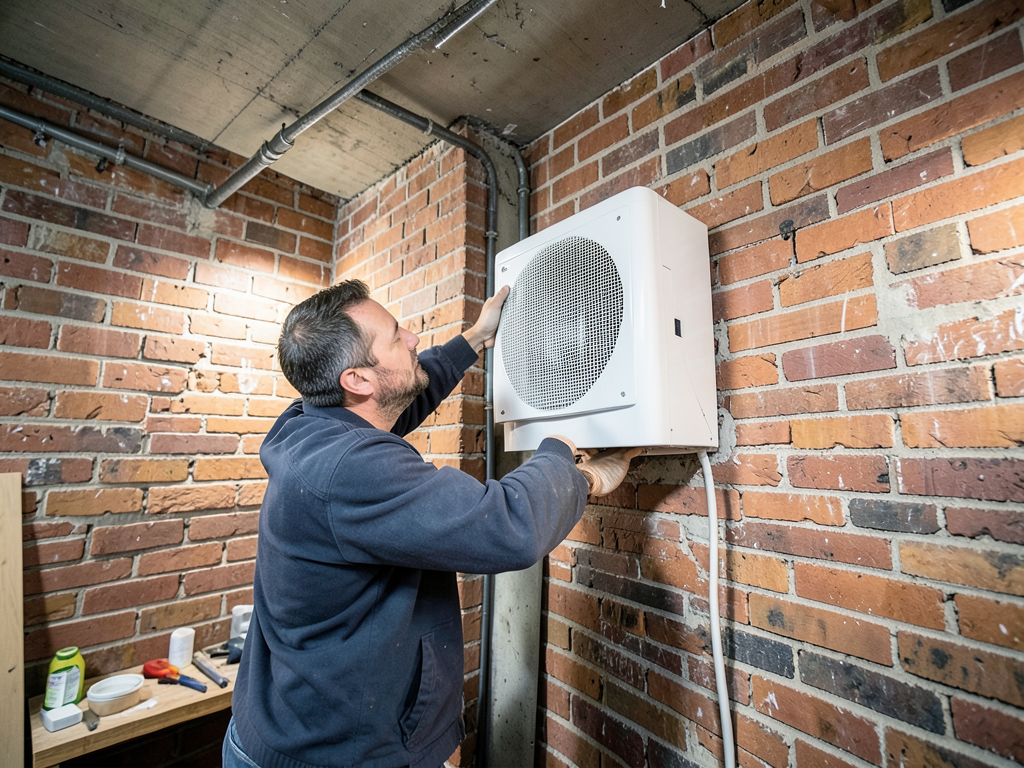
Ductless mini-split systems offer the most effective solution for raised basement comfort issues. These systems eliminate ductwork entirely placing the air handler directly in the basement living space. The indoor unit mounts high on a wall where it can distribute air evenly throughout the tall room. Mitsubishi and Daikin mini-splits achieve SEER2 ratings above 20 making them highly efficient for our long cooling season. Ductless Mini-Split Systems.
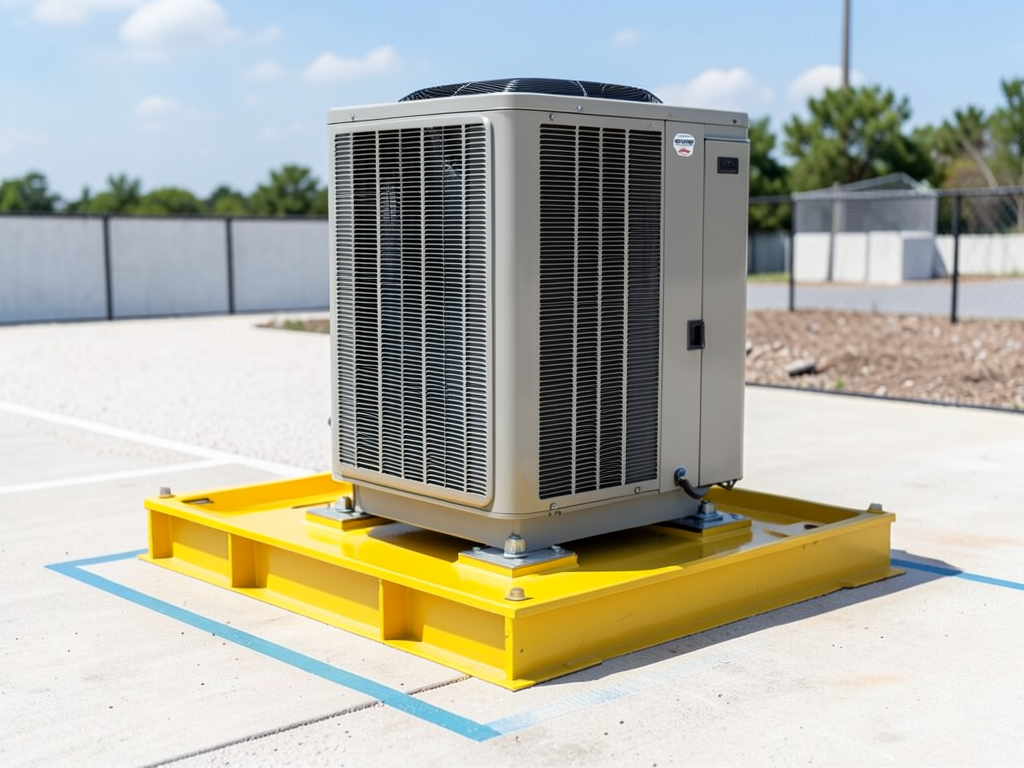
The installation process for mini-splits in historic homes requires careful planning. The outdoor condenser must be elevated at least one foot above the Base Flood Elevation per New Orleans Municipal Code Section 28-4-112. This often means mounting the unit on a platform or wall bracket rather than a concrete pad. The refrigerant lines run through small holes in the wall making the installation less invasive than traditional ducted systems. Fighting New Orleans Humidity with a Professional Whole-Home Dehumidifier Installation.
High-velocity HVAC systems provide another excellent option for raised basements. Systems from Unico or SpacePak use small two-inch flexible ducts that fit in tight ceiling cavities. These ducts operate at higher pressures allowing them to deliver conditioned air to the farthest corners of the basement. The outlets are small round or slotted grilles that blend with historic millwork better than standard registers. EPA Indoor Air Quality Basics.
Traditional split systems can work but require significant modifications. The air handler must be relocated from the crawl space to an interior closet or attic. New supply ducts run through interior walls rather than exterior ones preserving the historic facade. This approach costs 30 to 50 percent more than standard installation but provides the best long-term comfort and energy efficiency.. Read more about Why Variable Speed HVAC Systems are the Quietest Choice for Historic St. Charles Avenue Estates.
Heat pump water heaters deserve consideration for these applications. These units extract heat from the basement air to heat water while simultaneously dehumidifying the space. A 50-gallon heat pump water heater can remove two to three pints of water per hour from the basement air providing free dehumidification during cooling season.
Flood-Ready HVAC Installations
Flood protection drives many HVAC decisions in the Lower Garden District. The area falls within FEMA Flood Zone X where base flood elevation ranges from three to five feet above ground. This elevation requirement affects every component of the HVAC system. Outdoor condensers must sit on platforms at least one foot above the flood elevation with breakaway connections to prevent equipment damage during storm surge.
Indoor equipment placement becomes critical. Air handlers cannot sit on basement floors where they would be vulnerable to flooding. Wall-mounted units offer the best protection sitting five to six feet above grade. For homes with finished basements ceiling-mounted cassette units provide another elevated option. These units install flush with the ceiling and distribute air in four directions for even coverage.
Electrical connections require special attention in flood zones. All low-voltage control wiring must run in conduit above the flood elevation. Condensate drain lines need check valves to prevent backflow during flooding. The main electrical disconnect should mount at least five feet above grade with a clearly marked shutoff for emergency responders.. Read more about Climate Control Options for Custom Wine Cellars in New Orleans Luxury Homes.
Emergency power considerations matter in our hurricane-prone region. Many raised basement homes benefit from whole-house generators sized to run critical HVAC components. A 10-kilowatt generator can power a single mini-split head and refrigerator providing basic comfort during extended outages. Transfer switches must be installed by licensed electricians following National Electrical Code Article 702 requirements for emergency systems.
Dehumidification: The Secret to Basement Comfort
Standalone air conditioning cannot control the moisture levels in raised basement homes. The latent cooling load the amount of energy needed to remove moisture often equals or exceeds the sensible cooling load for temperature control. This means the AC must run longer to remove adequate moisture but long run times waste energy and cause temperature swings.
Whole-home dehumidifiers solve this problem by removing moisture independently of cooling. Units from Aprilaire or Ultra-Aire can extract 70 to 100 pints of water per day while using less electricity than a standard AC. These systems connect to the existing ductwork and include dedicated condensate pumps to drain water outside the home.
The ideal humidity level for raised basement comfort ranges from 45 to 55 percent relative humidity. Below 45 percent wood floors and furniture can crack. Above 60 percent mold growth accelerates and the air feels clammy. Many homeowners use inexpensive hygrometers to monitor basement humidity levels and adjust their systems accordingly.
Ventilation plays a crucial role in moisture control. Energy recovery ventilators or ERVs exchange stale indoor air with fresh outdoor air while transferring heat and moisture between the streams. This process removes indoor pollutants and excess humidity without wasting energy. In our humid climate ERVs work better than heat recovery ventilators which can introduce too much moisture during summer months.. Read more about How to Keep Your Bayou St. John Sunroom Cool All Summer Long.
Smart controls optimize both temperature and humidity. Modern thermostats like the Ecobee or Honeywell T9 include remote sensors that monitor temperature and humidity in multiple rooms. These systems can activate the dehumidifier independently of the AC based on humidity setpoints rather than temperature. Some models integrate with whole-home dehumidifiers for fully automated moisture control.
Cost Considerations and Energy Efficiency
The upfront cost of specialized HVAC systems for raised basements runs 40 to 60 percent higher than standard installations. A mini-split system for a 1,000 square foot basement typically costs $6,000 to $9,000 installed including the elevated condenser platform. High-velocity systems range from $8,000 to $12,000 for the same space. These costs reflect the specialized equipment and flood-compliant installation methods required.
Energy efficiency provides long-term savings that offset the higher initial investment. Mini-splits with SEER2 ratings above 20 use 30 to 40 percent less electricity than standard 14 SEER units. In New Orleans where cooling season runs nine months per year these savings add up quickly. A typical 1,500 square foot home can save $400 to $600 annually on utility bills with high-efficiency equipment.
Entergy New Orleans offers rebates for high-efficiency HVAC equipment. Current programs provide $200 to $400 rebates for systems with SEER2 ratings above 16 and $50 to $100 for smart thermostats. These rebates reduce the payback period for efficiency upgrades from seven years to four or five years. The utility also offers free energy audits that identify specific comfort and efficiency improvements for individual homes.
Maintenance costs run higher for specialized systems but prevent expensive repairs. Annual maintenance for mini-splits costs $150 to $250 compared to $75 to $125 for standard systems. However the specialized maintenance includes cleaning indoor coils and checking refrigerant charge more thoroughly preventing the compressor failures that often plague neglected systems. Many homeowners find that the additional maintenance cost saves money by extending equipment life from 12 to 18 years.
Choosing the Right Contractor for Your Raised Basement
Not all HVAC contractors have experience with raised basement installations. Look for companies that employ NATE-certified technicians with specific training in high-velocity and ductless systems. Ask potential contractors about their experience with FEMA flood zone requirements and their familiarity with Lower Garden District architecture. A qualified contractor should be able to explain the differences between installation methods and recommend the best solution for your specific home.
Permitting requirements add another layer of complexity. New Orleans requires building permits for all HVAC replacements and installations. The permit process includes review by the Safety and Permits Department to ensure compliance with flood zone regulations. A reputable contractor handles the permitting process including submitting detailed plans showing equipment elevations and electrical connections.
Insurance considerations matter when selecting equipment. Some homeowners insurance policies exclude flood damage to HVAC equipment. Adding equipment to an existing policy or purchasing a separate flood endorsement may be necessary. The cost typically runs $200 to $500 annually but provides crucial protection for the significant investment in specialized HVAC systems.
References from similar homes provide valuable insight into contractor quality. Ask potential contractors for references from raised basement homes in the Lower Garden District or similar historic neighborhoods. Contact these references to ask about system performance, energy savings, and contractor responsiveness to warranty issues. A contractor with multiple successful installations in your neighborhood likely understands the specific challenges of your home type.
Maintenance Tips for Raised Basement HVAC Systems
Regular maintenance prevents the comfort issues that plague many raised basement homes. For mini-split systems clean the indoor unit filters monthly during cooling season. The filters trap dust and pollen but can restrict airflow when dirty causing the system to ice up. Most indoor units have washable filters that simply rinse under running water and air dry.
Outdoor condenser maintenance requires elevation-specific attention. The elevated platform must remain level to prevent refrigerant line stress. Check the platform bolts quarterly and tighten any that have loosened. Clear debris from around the condenser ensuring at least two feet of clearance for proper airflow. In our area falling leaves and trash can accumulate quickly around elevated units.
Drain line maintenance prevents water damage and mold growth. The condensate drain line from your air handler should include a cleanout port for easy maintenance. Pour a cup of white vinegar through the cleanout every three months to kill algae growth that can clog the line. Many homeowners install secondary drain pans under air handlers as insurance against overflow damage.
Smart thermostat programming optimizes comfort and efficiency. Set the thermostat to maintain 74 to 76 degrees during occupied hours and allow it to drift to 78 degrees when the home is empty. This strategy removes adequate moisture without overcooling the space. Many smart thermostats include humidity sensors that can activate dehumidification mode when moisture levels rise above setpoints.
Professional maintenance visits should include several critical checks. The technician must measure superheat and subcooling to verify proper refrigerant charge. They should inspect the crawl space for moisture accumulation and check the integrity of any exposed ductwork. Electrical connections need tightening as vibration can loosen terminals over time. A thorough maintenance visit takes 60 to 90 minutes and should include a written report of findings and recommendations.
Future-Proofing Your Raised Basement Comfort
Climate change affects HVAC planning in New Orleans. Summer temperatures continue rising with more days above 95 degrees each year. Humidity levels also trend upward making moisture control even more critical. When selecting HVAC equipment consider oversizing capacity by 10 to 15 percent rather than exact load calculations to provide adequate cooling during extreme weather events.
Integration with home automation systems adds convenience and efficiency. Modern HVAC equipment communicates with smart home platforms through Wi-Fi or Z-Wave connections. This integration allows voice control through devices like Amazon Alexa or Google Home. More importantly it enables learning algorithms that optimize temperature and humidity based on occupancy patterns saving energy without sacrificing comfort.
Solar readiness prepares your home for renewable energy integration. Mini-split systems work excellently with solar panels because they operate on DC power and can run directly from solar arrays during daylight hours. When planning HVAC upgrades consider conduit pathways for future solar installations. The additional cost of solar-ready electrical panels and conduit routing typically runs $500 to $1,000 but provides flexibility for future energy independence.
Indoor air quality improvements benefit raised basement homes significantly. The elevated construction creates more air exchange with the outdoors than slab homes experience. Adding HEPA filtration to your HVAC system removes allergens and pollutants that enter through the crawl space. UV light systems installed in the air handler kill mold spores and bacteria preventing them from circulating through your home.
Water damage prevention protects your HVAC investment. Install water sensors near air handlers and condensate pumps to provide early warning of leaks. Many smart home systems can send alerts to your phone when moisture is detected. For raised basement homes with finished spaces this early warning can prevent thousands of dollars in water damage repairs.
Call (504) 355-2955 today to schedule your inspection. Our NATE-certified technicians understand the unique challenges of raised basement homes in the Lower Garden District. We provide free consultations to evaluate your specific comfort issues and recommend solutions that fit your home and budget.
Frequently Asked Questions
Why does my raised basement feel so humid even when the AC runs constantly?
Standard air conditioners remove moisture as a byproduct of cooling but often satisfy the temperature setpoint before adequate dehumidification occurs. In raised basements the cooling load gets satisfied quickly due to high ceilings and limited insulation. A whole-home dehumidifier removes moisture independently of temperature providing true comfort control.
Can I install a regular central AC system in my raised basement home?
Traditional central AC can work but requires significant modifications. The air handler must be elevated above flood level and relocated from the crawl space to an interior closet or attic. New supply ducts run through interior walls rather than exterior ones. These modifications typically add 40 to 50 percent to the installation cost compared to standard homes.
How much does it cost to install a mini-split system in a raised basement?
A complete mini-split installation for a 1,000 square foot raised basement typically costs $6,000 to $9,000 including the elevated outdoor condenser platform. This includes one outdoor unit and one to three indoor heads depending on the basement layout. High-efficiency units with SEER2 ratings above 20 cost more upfront but provide significant energy savings over time.
Do I need a permit to replace my HVAC system in the Lower Garden District?
Yes New Orleans requires building permits for all HVAC replacements and new installations. The permit process includes review by the Safety and Permits Department to ensure compliance with flood zone regulations and building codes. A qualified HVAC contractor handles the permitting process as part of the installation contract.
How often should I maintain my raised basement HVAC system?
Professional maintenance should occur annually with additional monthly filter cleaning for mini-split systems. The elevated construction and high humidity in the Lower Garden District create conditions that require more frequent attention than standard homes. Regular maintenance prevents the moisture problems and equipment failures common in these unique installations.
Don’t let another summer pass in discomfort. Pick up the phone and call (504) 355-2955 before the next storm hits. Our team specializes in solving the unique comfort challenges of raised basement homes throughout the Lower Garden District. We provide honest assessments and lasting solutions that keep your home comfortable year-round.
You may also find this helpful. Why Your Jefferson Ranch Home Has One Bedroom That Never Gets Cold.
{
“@context”: “https://schema.org”,
“@type”: “BlogPosting”,
“headline”: “Solving Comfort Issues in Raised Basement Homes in the Lower Garden District”,
“description”: “Discover why raised basement homes in the Lower Garden District struggle with comfort and how local HVAC experts solve humidity, airflow, and flood challenges.”,
“wordCount”: 2791,
“datePublished”: “2026-05-02T09:04:00.000Z”,
“dateModified”: “2026-05-02T09:04:00.000Z”,
“inLanguage”: “en-US”,
“mainEntityOfPage”: {
“@type”: “WebPage”,
“@id”: “https://pioneerhvacneworleans.com”
},
“publisher”: {
“@type”: “LocalBusiness”,
“name”: “Pioneer HVAC New Orleans”,
“url”: “https://pioneerhvacneworleans.com”
},
“author”: {
“@type”: “Organization”,
“name”: “Pioneer HVAC New Orleans”,
“url”: “https://pioneerhvacneworleans.com”
},
“image”: {
“@type”: “ImageObject”,
“url”: “https://pioneerhvacneworleans.com/wp-content/uploads/2026/03/solving-comfort-issues-in-raised-basement-homes-in-1.png”
}
}
{
“@context”: “https://schema.org”,
“@type”: “HVACBusiness”,
“name”: “Pioneer HVAC New Orleans”,
“url”: “https://pioneerhvacneworleans.com”,
“address”: {
“@type”: “PostalAddress”,
“addressLocality”: “New Orleans”
},
“areaServed”: {
“@type”: “City”,
“name”: “New Orleans”
}
}
{
“@context”: “https://schema.org”,
“@type”: “FAQPage”,
“mainEntity”: [
{
“@type”: “Question”,
“name”: “Why does my raised basement feel so humid even when the AC runs constantly?”,
“acceptedAnswer”: {
“@type”: “Answer”,
“text”: “Standard air conditioners remove moisture as a byproduct of cooling but often satisfy the temperature setpoint before adequate dehumidification occurs. In raised basements the cooling load gets satisfied quickly due to high ceilings and limited insulation. A whole-home dehumidifier removes moisture independently of temperature providing true comfort control.”
}
},
{
“@type”: “Question”,
“name”: “Can I install a regular central AC system in my raised basement home?”,
“acceptedAnswer”: {
“@type”: “Answer”,
“text”: “Traditional central AC can work but requires significant modifications. The air handler must be elevated above flood level and relocated from the crawl space to an interior closet or attic. New supply ducts run through interior walls rather than exterior ones. These modifications typically add 40 to 50 percent to the installation cost compared to standard homes.”
}
},
{
“@type”: “Question”,
“name”: “How much does it cost to install a mini-split system in a raised basement?”,
“acceptedAnswer”: {
“@type”: “Answer”,
“text”: “A complete mini-split installation for a 1,000 square foot raised basement typically costs $6,000 to $9,000 including the elevated outdoor condenser platform. This includes one outdoor unit and one to three indoor heads depending on the basement layout. High-efficiency units with SEER2 ratings above 20 cost more upfront but provide significant energy savings over time.”
}
},
{
“@type”: “Question”,
“name”: “Do I need a permit to replace my HVAC system in the Lower Garden District?”,
“acceptedAnswer”: {
“@type”: “Answer”,
“text”: “Yes New Orleans requires building permits for all HVAC replacements and new installations. The permit process includes review by the Safety and Permits Department to ensure compliance with flood zone regulations and building codes. A qualified HVAC contractor handles the permitting process as part of the installation contract.”
}
},
{
“@type”: “Question”,
“name”: “How often should I maintain my raised basement HVAC system?”,
“acceptedAnswer”: {
“@type”: “Answer”,
“text”: “Professional maintenance should occur annually with additional monthly filter cleaning for mini-split systems. The elevated construction and high humidity in the Lower Garden District create conditions that require more frequent attention than standard homes. Regular maintenance prevents the moisture problems and equipment failures common in these unique installations.”
}
}
]
}
{
“@context”: “https://schema.org”,
“@type”: “BreadcrumbList”,
“itemListElement”: [
{
“@type”: “ListItem”,
“position”: 1,
“name”: “Home”,
“item”: “https://pioneerhvacneworleans.com”
},
{
“@type”: “ListItem”,
“position”: 2,
“name”: “Blog”,
“item”: “https://pioneerhvacneworleans.com/blog”
},
{
“@type”: “ListItem”,
“position”: 3,
“name”: “Solving Comfort Issues in Raised Basement Homes in the Lower Garden District”
}
]
}
{
“@context”: “https://schema.org”,
“@type”: “Service”,
“serviceType”: “HVAC”,
“provider”: {
“@type”: “LocalBusiness”,
“name”: “Pioneer HVAC New Orleans”,
“url”: “https://pioneerhvacneworleans.com”
},
“areaServed”: {
“@type”: “City”,
“name”: “New Orleans”
},
“description”: “Discover why raised basement homes in the Lower Garden District struggle with comfort and how local HVAC experts solve humidity, airflow, and flood challenges.”
}