
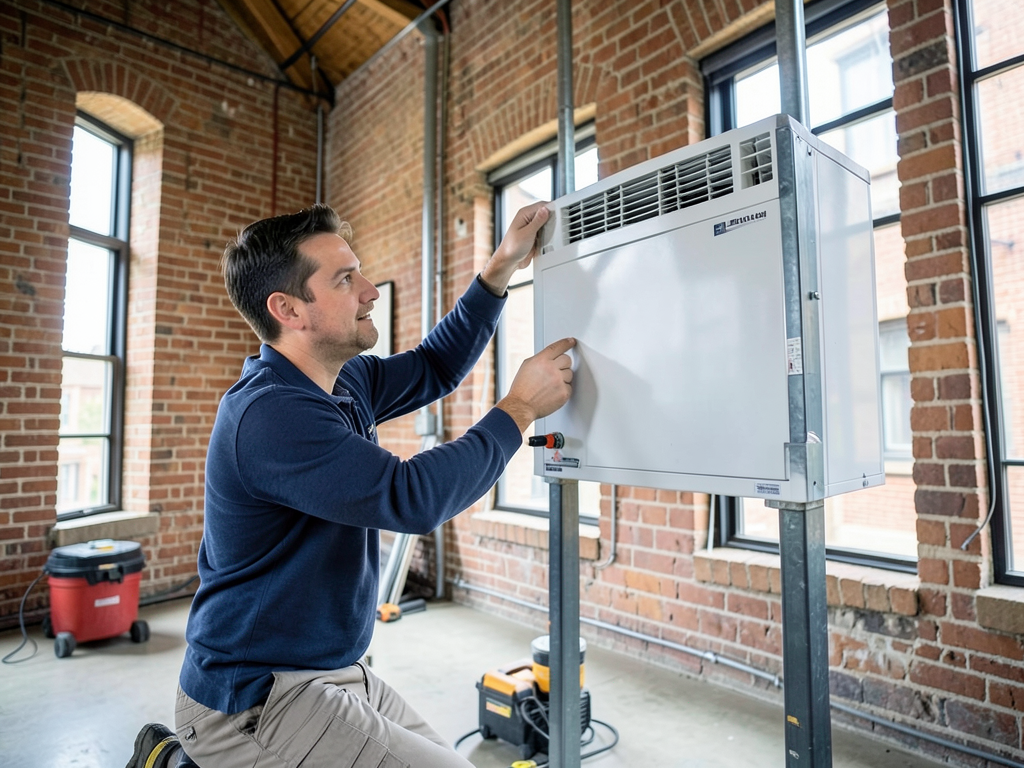
Challenges of Cooling High-Ceiling Lofts in the New Orleans CBD
High-ceiling lofts in New Orleans’ Central Business District present unique cooling challenges that standard residential HVAC systems simply cannot handle. The combination of 15-foot ceilings, large windows, and historic building constraints creates a perfect storm of thermal management issues. Understanding these challenges is the first step toward finding effective solutions that keep your loft comfortable year-round. New Orleans HDLC permitting requirements.
Why High-Ceiling Lofts Need Specialized HVAC Solutions
Traditional HVAC systems are designed for homes with standard 8-9 foot ceilings. When you double that height, you dramatically increase the cubic footage that needs cooling. A 1,500 square foot loft with 15-foot ceilings contains 22,500 cubic feet of air to cool, compared to just 12,500 cubic feet in a standard home of the same footprint. Why Your Lakeview Home Needs a High-Efficiency AC Unit to Combat Swampy Humidity.
This volume difference means your HVAC system needs to work 80% harder to achieve the same temperature. Add New Orleans’ notorious humidity and you have a system that’s constantly battling both heat and moisture. The physics of cooling high-ceiling spaces requires specialized equipment and strategic placement to be effective. Get Your New Orleans AC Running Again with Our 24-Hour Emergency Repair Service.
New Orleans’ climate makes these challenges even more severe. With average summer temperatures in the 90s and relative humidity often exceeding 90%, your loft’s cooling system must not only remove heat but also extract massive amounts of moisture from the air. Standard systems struggle with this dual task, leading to uncomfortable conditions and high energy bills. Fighting New Orleans Humidity with a Professional Whole-Home Dehumidifier Installation.
Unique Challenges of Climate Control in NOLA Lofts
Dealing with high humidity and 15-foot ceilings creates several specific problems that most homeowners don’t encounter. Heat stratification is the primary issue. In a loft with tall ceilings, hot air naturally rises and collects at the upper levels while cooler air settles near the floor. This creates temperature differences of 8-12 degrees between floor and ceiling levels.
Large windows, common in loft conversions, introduce significant solar heat gain. South-facing windows can add 200-400 BTU per hour of heat per square foot of glass during peak sun hours. In a loft with 200 square feet of windows, that’s an additional 60,000 BTU of heat that your system must remove.
Open floor plans, while aesthetically pleasing, make zoning nearly impossible with traditional systems. Without walls to contain conditioned air, your HVAC system must cool the entire space to the same temperature, even if you only use certain areas during the day.
Historic building constraints add another layer of complexity. Many CBD lofts are in buildings constructed before modern HVAC existed. This means limited space for ductwork, restrictions on exterior modifications, and the need to preserve architectural features. The Vieux Carré Commission and Historic District Landmarks Commission have strict guidelines that affect where and how you can install equipment. Emergency Ductwork Repair.
Top HVAC Systems for Modern Loft Living
Ductless mini-splits have become the go-to solution for loft cooling challenges. These systems offer several advantages specifically suited to high-ceiling spaces. The indoor units can be mounted on walls or ceilings, eliminating the need for extensive ductwork. This is crucial in historic buildings where running ducts would require major structural modifications. Ductless Mini-Split Systems.
Modern mini-splits offer variable-speed compressors that adjust output based on demand. This means they can maintain consistent temperatures without the energy waste of cycling on and off. For a loft, this translates to better humidity control and more even cooling throughout the space.. Read more about Climate Control Options for Custom Wine Cellars in New Orleans Luxury Homes.
High-velocity systems represent another excellent option for loft applications. These systems use small, flexible ducts that can be run through existing walls and ceiling cavities with minimal demolition. The high-velocity air distribution creates better mixing, reducing the temperature stratification problem common in tall spaces.
Variable Refrigerant Flow (VRF) systems offer the ultimate in zoning capability. These sophisticated systems can simultaneously heat and cool different zones, perfect for lofts where one area might receive direct sun while another remains shaded. While more expensive upfront, VRF systems provide superior comfort and energy efficiency for large, open spaces.
Ductless Mini-Splits: The Aesthetic Choice
Ductless mini-splits excel in loft environments for several reasons. The indoor units come in various styles, from wall-mounted to ceiling cassettes that sit flush with the ceiling. This allows you to maintain the clean, industrial aesthetic that many loft owners desire.
The outdoor units are compact and can be mounted on rooftops or exterior walls. In the CBD, where space is at a premium, this small footprint is essential. Modern units operate at sound levels as low as 19 decibels, quieter than a whisper, ensuring your loft remains peaceful.
Installation is minimally invasive. Instead of tearing out walls to run ductwork, technicians only need to create a small 3-inch hole for the refrigerant lines and control wiring. This preserves the integrity of historic plaster walls and reduces renovation costs significantly.
Energy efficiency is another major advantage. Most mini-splits achieve SEER2 ratings of 20-25, well above the minimum requirements for Louisiana’s climate. This translates to 30-40% lower cooling costs compared to older systems, a significant factor given New Orleans’ long cooling season.
High-Velocity Systems for Historic Loft Preservations
High-velocity systems use 2-inch flexible ducts that can snake through existing wall cavities, floor joists, and ceiling spaces. This makes them ideal for historic lofts where preserving original architecture is paramount. The small ducts can often be installed without disturbing plaster walls or decorative moldings.
These systems deliver air at velocities of 1,000-2,000 feet per minute, creating a gentle mixing effect that eliminates hot and cold spots. The high-velocity air jets penetrate the room and mix with existing air, preventing the stratification that plagues standard systems in tall spaces.
The supply outlets are small, typically 5×10 inches or round, and can be painted to match your décor. They can be installed in ceilings, walls, or even floors with minimal visual impact. This discrete installation maintains the open, industrial feel of your loft.
High-velocity systems also excel at humidity removal. The rapid air movement across the cooling coil allows for more effective moisture extraction, crucial in New Orleans’ climate. This means better comfort at higher thermostat settings, further reducing energy consumption.
Local Compliance: New Orleans Historic District Regulations
Installing HVAC in a historic CBD loft requires navigating complex regulatory requirements. The Vieux Carré Commission (VCC) and Historic District Landmarks Commission (HDLC) have specific guidelines for exterior modifications. Any visible equipment on rooftops or exterior walls must be screened from public view and approved through a formal review process.
Louisiana State Uniform Construction Code requires all new HVAC installations to meet current energy efficiency standards. For New Orleans, this means a minimum SEER2 rating of 15 for cooling equipment. Many historic buildings qualify for exceptions, but you must still demonstrate that your installation meets modern efficiency standards.
Building permits are required for all HVAC installations, and historic properties face additional scrutiny. You must submit detailed plans showing equipment locations, ductwork routes, and how you’ll preserve historic features. The review process typically takes 2-4 weeks for standard properties and up to 8 weeks for properties in the French Quarter.
Electrical service upgrades often accompany HVAC installations. Many historic lofts have 60-100 amp service that cannot support modern cooling equipment. Upgrading to 200 amp service requires coordination with Entergy New Orleans and may trigger additional historic preservation reviews.
Case Study: HVAC Modernization in the Warehouse District
A recent project in the Warehouse District demonstrates the challenges and solutions for loft cooling. The 2,000 square foot space had 16-foot ceilings, original exposed brick walls, and large factory windows. The owners wanted to preserve the industrial aesthetic while achieving modern comfort.
The solution involved a hybrid approach. A high-velocity system handled the main living area, with small ducts run through the existing ceiling structure. This preserved the exposed brick and beams while providing even cooling throughout the tall space.
For the bedroom areas, ductless mini-splits provided targeted cooling without the need for extensive ductwork. The outdoor units were mounted on the rooftop and screened by the existing parapet walls, satisfying historic district requirements.
The total project cost $28,000, about 30% more than a comparable installation in a standard home. However, the energy savings have been substantial. The owners report 25% lower cooling costs compared to their previous residence, despite the larger space and more extreme cooling requirements.
Most importantly, the system maintains consistent temperatures throughout the loft. The high-velocity component eliminates the hot air stratification, while the mini-splits provide precise control in individual rooms. Even on 95-degree days with 90% humidity, the loft stays comfortable at 72 degrees.
FAQ: Loft HVAC Costs and Efficiency
How much does loft HVAC installation cost in New Orleans?
Expect to pay $15,000-$35,000 for a complete loft HVAC system, depending on size, complexity, and equipment choice. Historic properties often cost 20-30% more due to permitting requirements and specialized installation techniques.
Can I use my existing ductwork for a loft conversion?
Probably not. Standard residential ductwork is sized for 8-9 foot ceilings. In a loft with 15-foot ceilings, your existing ducts will be undersized by 40-50%, leading to poor performance and high energy bills.
How long does loft HVAC installation take?
Most installations require 3-5 days for the mechanical work, plus 2-8 weeks for permitting and inspections. Historic properties may require additional time for commission reviews and approvals.
What SEER rating do I need for New Orleans’ climate?
Louisiana requires a minimum SEER2 of 15, but we recommend 18-21 for optimal efficiency in our humid climate. Higher SEER ratings provide better humidity control and lower operating costs.
Will a loft HVAC system qualify for tax credits?
Yes. High-efficiency systems with SEER2 ratings above 16 may qualify for federal tax credits up to $300. Some Louisiana utility companies also offer rebates for energy-efficient installations.
Frequently Asked Questions
What makes loft cooling different from standard home cooling?
Lofts have significantly more cubic volume due to high ceilings, creating heat stratification where warm air rises and collects at ceiling level. This requires specialized equipment and distribution methods to achieve even temperatures throughout the space.
How do I know if my loft needs a specialized HVAC system?
If your ceilings exceed 10 feet, you have large windows, or your space has an open floor plan, you likely need specialized cooling solutions. Most standard residential systems cannot effectively cool these challenging environments.
Are mini-splits effective in New Orleans’ humidity?
Yes, modern mini-splits with inverter technology excel at humidity control. Look for units with enhanced dehumidification modes and SEER2 ratings above 18 for optimal performance in our climate.
What’s the most energy-efficient option for a loft?
Variable Refrigerant Flow (VRF) systems offer the best efficiency for large lofts, achieving SEER2 ratings up to 25. However, mini-splits provide excellent efficiency at a lower initial cost for most applications.
How can I maintain consistent temperatures in my loft?
High-velocity systems or properly sized mini-splits with multiple indoor units provide the best temperature consistency. Avoid single large systems, as they cannot effectively distribute air throughout tall spaces.
Conclusion
Cooling high-ceiling lofts in New Orleans’ CBD requires specialized knowledge, proper equipment selection, and careful attention to historic preservation requirements. The challenges of heat stratification, solar gain, and humidity control demand solutions that go beyond standard residential HVAC systems.
Whether you choose ductless mini-splits for their aesthetic appeal and installation flexibility, high-velocity systems for their ability to preserve historic features, or VRF systems for ultimate efficiency, the key is working with a contractor who understands the unique requirements of loft cooling.
Don’t let your beautiful loft become an uncomfortable space during our long, humid summers. The right HVAC solution will not only keep you comfortable but also protect your investment and reduce energy costs. Modern systems can be installed with minimal impact on your loft’s character while providing the comfort you expect.
Ready to solve your loft cooling challenges? Call (504) 355-2955 today to schedule your inspection. Our specialists understand the unique requirements of New Orleans lofts and can design a system that keeps you comfortable while preserving your space’s character. Don’t wait until summer heat makes your loft unbearable.
Pick up the phone and call (504) 355-2955 before the next storm hits. We offer rapid response times and expert solutions for even the most challenging loft cooling problems. Your comfort is our priority. For more information, visit Department of Energy cooling efficiency guidelines.
{
“@context”: “https://schema.org”,
“@type”: “BlogPosting”,
“headline”: “Challenges of Cooling High-Ceiling Lofts in the New Orleans CBD”,
“description”: “Discover specialized HVAC solutions for high-ceiling lofts in New Orleans’ CBD. Learn about cooling challenges, historic district compliance, and expert installation options.”,
“wordCount”: 2081,
“datePublished”: “2026-04-11T07:20:00.000Z”,
“dateModified”: “2026-04-11T07:20:00.000Z”,
“inLanguage”: “en-US”,
“mainEntityOfPage”: {
“@type”: “WebPage”,
“@id”: “https://pioneerhvacneworleans.com”
},
“publisher”: {
“@type”: “LocalBusiness”,
“name”: “Pioneer HVAC New Orleans”,
“url”: “https://pioneerhvacneworleans.com”
},
“author”: {
“@type”: “Organization”,
“name”: “Pioneer HVAC New Orleans”,
“url”: “https://pioneerhvacneworleans.com”
},
“image”: {
“@type”: “ImageObject”,
“url”: “https://pioneerhvacneworleans.com/wp-content/uploads/2026/03/challenges-of-cooling-high-ceiling-lofts-in-the-ne-1.png”
}
}
{
“@context”: “https://schema.org”,
“@type”: “HVACBusiness”,
“name”: “Pioneer HVAC New Orleans”,
“url”: “https://pioneerhvacneworleans.com”,
“address”: {
“@type”: “PostalAddress”,
“addressLocality”: “New Orleans”
},
“areaServed”: {
“@type”: “City”,
“name”: “New Orleans”
}
}
{
“@context”: “https://schema.org”,
“@type”: “FAQPage”,
“mainEntity”: [
{
“@type”: “Question”,
“name”: “How much does loft HVAC installation cost in New Orleans?”,
“acceptedAnswer”: {
“@type”: “Answer”,
“text”: “Expect to pay $15,000-$35,000 for a complete loft HVAC system, depending on size, complexity, and equipment choice. Historic properties often cost 20-30% more due to permitting requirements and specialized installation techniques.”
}
},
{
“@type”: “Question”,
“name”: “Can I use my existing ductwork for a loft conversion?”,
“acceptedAnswer”: {
“@type”: “Answer”,
“text”: “Probably not. Standard residential ductwork is sized for 8-9 foot ceilings. In a loft with 15-foot ceilings, your existing ducts will be undersized by 40-50%, leading to poor performance and high energy bills.”
}
},
{
“@type”: “Question”,
“name”: “How long does loft HVAC installation take?”,
“acceptedAnswer”: {
“@type”: “Answer”,
“text”: “Most installations require 3-5 days for the mechanical work, plus 2-8 weeks for permitting and inspections. Historic properties may require additional time for commission reviews and approvals.”
}
},
{
“@type”: “Question”,
“name”: “What SEER rating do I need for New Orleans’ climate?”,
“acceptedAnswer”: {
“@type”: “Answer”,
“text”: “Louisiana requires a minimum SEER2 of 15, but we recommend 18-21 for optimal efficiency in our humid climate. Higher SEER ratings provide better humidity control and lower operating costs.”
}
},
{
“@type”: “Question”,
“name”: “Will a loft HVAC system qualify for tax credits?”,
“acceptedAnswer”: {
“@type”: “Answer”,
“text”: “Yes. High-efficiency systems with SEER2 ratings above 16 may qualify for federal tax credits up to $300. Some Louisiana utility companies also offer rebates for energy-efficient installations.”
}
},
{
“@type”: “Question”,
“name”: “What makes loft cooling different from standard home cooling?”,
“acceptedAnswer”: {
“@type”: “Answer”,
“text”: “Lofts have significantly more cubic volume due to high ceilings, creating heat stratification where warm air rises and collects at ceiling level. This requires specialized equipment and distribution methods to achieve even temperatures throughout the space.”
}
},
{
“@type”: “Question”,
“name”: “How do I know if my loft needs a specialized HVAC system?”,
“acceptedAnswer”: {
“@type”: “Answer”,
“text”: “If your ceilings exceed 10 feet, you have large windows, or your space has an open floor plan, you likely need specialized cooling solutions. Most standard residential systems cannot effectively cool these challenging environments.”
}
},
{
“@type”: “Question”,
“name”: “Are mini-splits effective in New Orleans’ humidity?”,
“acceptedAnswer”: {
“@type”: “Answer”,
“text”: “Yes, modern mini-splits with inverter technology excel at humidity control. Look for units with enhanced dehumidification modes and SEER2 ratings above 18 for optimal performance in our climate.”
}
},
{
“@type”: “Question”,
“name”: “What’s the most energy-efficient option for a loft?”,
“acceptedAnswer”: {
“@type”: “Answer”,
“text”: “Variable Refrigerant Flow (VRF) systems offer the best efficiency for large lofts, achieving SEER2 ratings up to 25. However, mini-splits provide excellent efficiency at a lower initial cost for most applications.”
}
},
{
“@type”: “Question”,
“name”: “How can I maintain consistent temperatures in my loft?”,
“acceptedAnswer”: {
“@type”: “Answer”,
“text”: “High-velocity systems or properly sized mini-splits with multiple indoor units provide the best temperature consistency. Avoid single large systems, as they cannot effectively distribute air throughout tall spaces.”
}
}
]
}
{
“@context”: “https://schema.org”,
“@type”: “BreadcrumbList”,
“itemListElement”: [
{
“@type”: “ListItem”,
“position”: 1,
“name”: “Home”,
“item”: “https://pioneerhvacneworleans.com”
},
{
“@type”: “ListItem”,
“position”: 2,
“name”: “Blog”,
“item”: “https://pioneerhvacneworleans.com/blog”
},
{
“@type”: “ListItem”,
“position”: 3,
“name”: “Challenges of Cooling High-Ceiling Lofts in the New Orleans CBD”
}
]
}
{
“@context”: “https://schema.org”,
“@type”: “Service”,
“serviceType”: “HVAC”,
“provider”: {
“@type”: “LocalBusiness”,
“name”: “Pioneer HVAC New Orleans”,
“url”: “https://pioneerhvacneworleans.com”
},
“areaServed”: {
“@type”: “City”,
“name”: “New Orleans”
},
“description”: “Discover specialized HVAC solutions for high-ceiling lofts in New Orleans’ CBD. Learn about cooling challenges, historic district compliance, and expert installation options.”
}