Why Your Mid-City Home Smells Musty When the AC Turns On
If your air conditioner smells like a damp basement every time it starts up you are not alone. This musty odor is one of the most common complaints from Mid-City homeowners especially during our long humid season. That smell is often the first sign of mold or bacteria growing inside your HVAC system. Left unchecked it can lead to poor indoor air quality and even health issues for your family.
In Mid-City the problem is worse than in drier climates. Our average relative humidity hovers around 75 percent and often spikes into the 90s during summer afternoons. That moisture combined with the dark enclosed spaces inside your AC creates the perfect breeding ground for microbial growth. The good news is that once you know what to look for you can stop the smell before it becomes a bigger problem.
What Causes That Musty AC Smell in Mid-City Homes
The most frequent culprit is something called Dirty Sock Syndrome. It sounds odd but it is a real technical term HVAC professionals use when evaporator coils develop a layer of biofilm that smells like dirty laundry when the system kicks on. In Mid-City the high humidity accelerates this growth far faster than in inland cities.
Another common source is a clogged condensate drain line. Your AC pulls moisture from the air and that water should flow out through a drain. When the line gets blocked the standing water becomes a petri dish for mold and mildew. You might also have a cracked or rusted drain pan that holds water instead of draining it away.
Older Mid-City homes with pier-and-beam foundations are especially vulnerable. The under-house space stays damp and if your ductwork runs through there it can pick up that earthy smell and spread it through your vents. Even newer homes in the area are not immune because our heat index often exceeds 100 degrees for weeks at a time stressing the system and creating condensation where you least expect it. Emergency Ductwork Repair.
Call (504) 355-2955 today to schedule your inspection.
How to Tell If Your AC Has Mold or Bacteria Growth
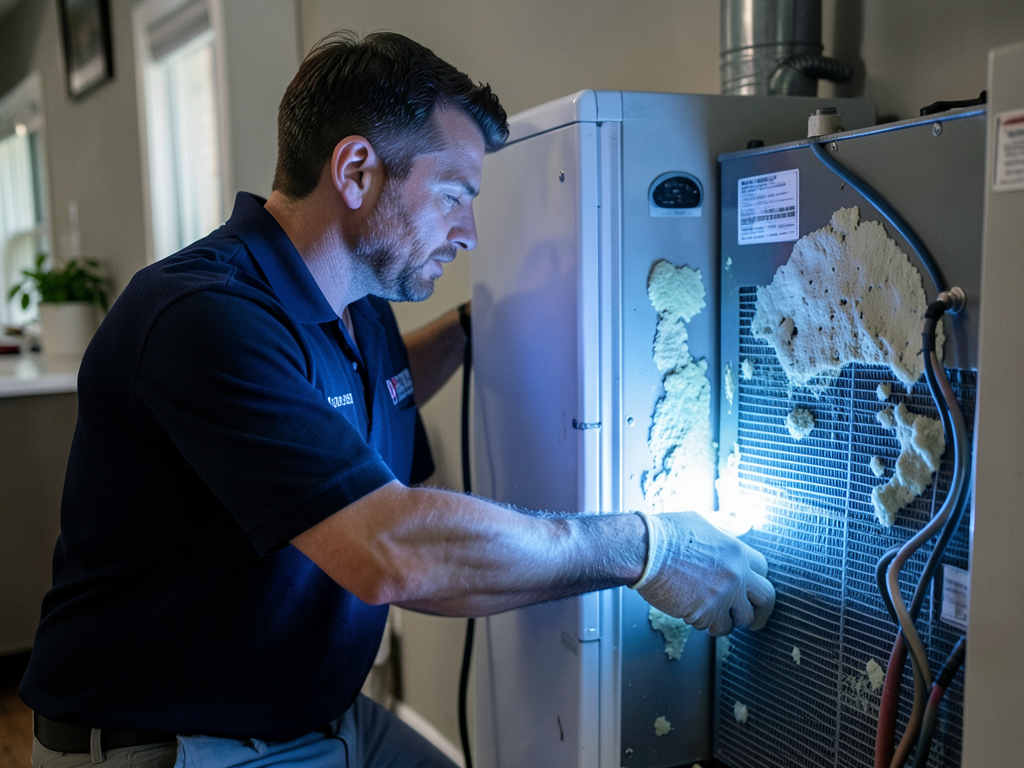
Before you call a professional there are a few simple checks you can do yourself. First turn off the AC and open the access panel near the air handler. Look for dark spots or fuzzy patches on the evaporator coils. That is visual proof of mold. Next sniff near the coils. If the smell is stronger there than in your living room you have found the source.
Another test is the paper towel check. After the system has run for ten minutes press a clean white paper towel against the supply vent. If it comes away with a yellow or brown stain that is often a sign of microbial growth being blown into your home. You can also check the condensate drain pan. If it is full of slimy water instead of clear draining liquid you have a clog that needs immediate attention. Why Your Lakeview Home Needs a High-Efficiency AC Unit to Combat Swampy Humidity.
Homeowners in the Navarre Avenue area often notice the smell is worst after a rainstorm. That is because the added humidity outside makes the indoor air even more saturated, giving mold more fuel to grow overnight. If you live near City Park you might also deal with extra organic debris getting pulled into your outdoor unit, adding to the problem.
Is AC Mold Dangerous for Your Family
While the smell itself is unpleasant the real concern is what you cannot see. Mold spores and bacteria from your AC can trigger asthma attacks, allergic reactions and respiratory infections especially in children and older adults. The EPA warns that indoor air can be two to five times more polluted than outdoor air when HVAC systems harbor microbial growth. EPA Indoor Air Quality.
In Louisiana the risk is higher because our climate keeps windows closed for much of the year trapping contaminants inside. If anyone in your home has a weakened immune system or chronic lung condition the musty AC smell is a red flag that should not be ignored. Even healthy adults can develop sinus headaches and fatigue from breathing in mold toxins over time.
Another hidden danger is mycotoxins. These are chemicals some molds release that can cause neurological symptoms like brain fog and memory issues. While severe reactions are rare they are completely preventable with proper HVAC maintenance. The Louisiana Department of Health recommends annual professional cleaning for homes in high-humidity zones to reduce these risks.
Professional Solutions for Mold and Mildew Remediation
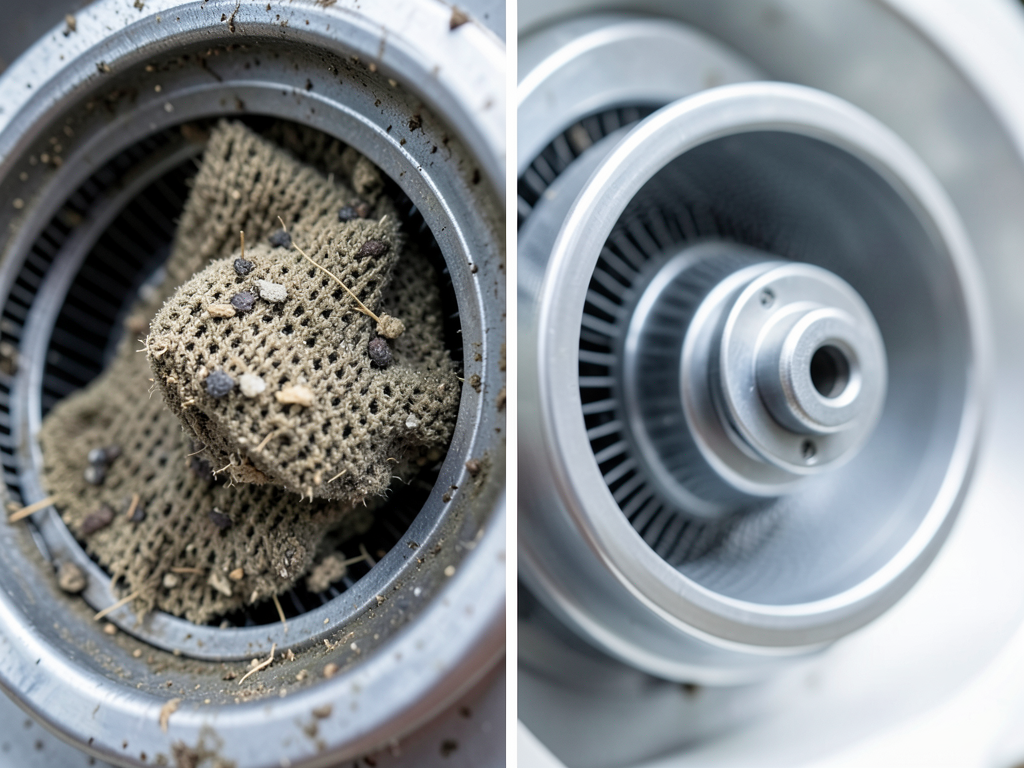
Once you confirm the problem the next step is deciding between a quick fix and a long-term solution. A surface cleaning with a household cleaner might mask the smell for a week but it will not kill the mold embedded in the coil fins. Professional HVAC technicians use EPA-registered biocides that penetrate the biofilm and stop regrowth for months.
One of the most effective upgrades is installing UV germicidal lights near the evaporator coil. These lights emit a specific wavelength that destroys the DNA of mold and bacteria on contact. In Mid-City homes they can reduce microbial growth by up to 99 percent and eliminate the need for frequent chemical cleanings. The initial cost is higher but most homeowners see a return through fewer service calls and better cooling efficiency.
Another option is a whole-home dehumidifier installed in your duct system. By keeping indoor relative humidity below 60 percent you starve mold of the moisture it needs to survive. This is especially useful in Mid-City where our average dew point stays above 70 degrees for half the year. Combined with proper drainage and sealed ductwork these solutions can keep your air fresh year round.
Preventing Future AC Odors in High-Humidity Environments
Prevention starts with a seasonal maintenance schedule. In New Orleans that means a professional tune up in early spring before the heavy cooling season and another check in late fall. During these visits technicians clean the coils, flush the condensate line and test for refrigerant leaks that can cause excess condensation. Get Your New Orleans AC Running Again with Our 24-Hour Emergency Repair Service.
Homeowners can help between visits by replacing air filters every one to three months. A clogged filter restricts airflow causing the evaporator coil to freeze and then thaw, creating the standing water mold loves. Also make sure your outdoor unit has at least two feet of clear space on all sides so it can exhaust heat properly.
If your home is near Bayou St. John you might consider a smart thermostat with humidity sensors. These devices can automatically adjust fan speed to reduce moisture when outdoor conditions are worst. In older Mid-City shotguns with limited attic space sealing duct leaks is critical because even a small gap can let humid air get pulled into the system and condense on cold surfaces.
Pick up the phone and call (504) 355-2955 before the next storm hits.
Why New Orleans Homeowners Trust Pioneer HVAC for Air Quality
Pioneer HVAC has been solving humidity driven HVAC problems in Mid-City and across New Orleans for over a decade. Our technicians are NATE certified and understand the unique challenges of our climate from the corrosive salt air near Lake Pontchartrain to the sinking soils that stress ductwork in the Lower Ninth Ward. Fighting New Orleans Humidity with a Professional Whole-Home Dehumidifier Installation.
We use state of the art diagnostic tools like thermal imaging to spot hidden moisture and electronic leak detectors to find tiny refrigerant leaks that cause condensation problems. Every job comes with a detailed report so you know exactly what was done and why. We also offer emergency service because we know in New Orleans a broken AC is not just an inconvenience it is a health risk.
Our maintenance plans include quarterly filter changes, annual coil cleaning and priority scheduling for repairs. Many of our Mid-City customers have seen their summer electric bills drop by 15 percent after we optimized their systems for our humid climate. When you choose Pioneer you are not just getting a repair you are getting a partner in keeping your home safe and comfortable year round.
Frequently Asked Questions
Why does my AC only smell when I first turn it on?
The odor is usually trapped in the coil and duct system overnight. When the system starts it blows that concentrated smell into your home. Cleaning the coil and improving drainage removes the source.
Can I clean the mold myself with bleach?
Household bleach can damage aluminum coils and may not reach mold deep in the fins. Professional biocides are formulated to kill mold without harming your equipment and are EPA approved for HVAC use.
How much does professional coil cleaning cost in New Orleans?
Prices vary by system size but most Mid-City homeowners pay between $150 and $300 for a complete cleaning and drain line flush. UV light installation starts around $600 and can pay for itself in fewer service calls.
Will a new air filter stop the smell?
A clean filter helps but it will not remove mold already growing on the coil. Think of it like changing your car air filter to fix an exhaust leak. The underlying problem needs direct treatment.
How often should I have my AC checked in New Orleans?
At least twice a year spring and fall. If you have allergies or respiratory issues consider quarterly maintenance to keep indoor air quality at its best.
- Turn Off Power
Switch off the breaker to the air handler for safety.
- Open Access Panel
Remove the panel near the evaporator coil to expose the interior.
- Inspect Coils
Look for dark spots, fuzzy patches or slimy residue on the fins.
- Check Drain Pan
Make sure water is draining clear not standing and slimy.
- Replace Filter
Install a fresh high quality filter before restoring power. For more information, visit CDC Mold Information.
{
“@context”: “https://schema.org”,
“@type”: “BlogPosting”,
“headline”: “Why Your Mid-City Home Smells Musty When the AC Turns On”,
“description”: “Discover why your Mid-City AC smells musty and what it means for your health. Learn about Dirty Sock Syndrome, mold risks, and professional solutions in New Orleans.”,
“wordCount”: 1668,
“datePublished”: “2026-03-08T08:10:00.000Z”,
“dateModified”: “2026-03-08T08:10:00.000Z”,
“inLanguage”: “en-US”,
“mainEntityOfPage”: {
“@type”: “WebPage”,
“@id”: “https://pioneerhvacneworleans.com”
},
“publisher”: {
“@type”: “LocalBusiness”,
“name”: “Pioneer HVAC New Orleans”,
“url”: “https://pioneerhvacneworleans.com”
},
“author”: {
“@type”: “Organization”,
“name”: “Pioneer HVAC New Orleans”,
“url”: “https://pioneerhvacneworleans.com”
},
“image”: {
“@type”: “ImageObject”,
“url”: “https://pioneerhvacneworleans.com/wp-content/uploads/2026/03/why-your-mid-city-home-smells-musty-when-the-ac-tu-1.png”
}
}
{
“@context”: “https://schema.org”,
“@type”: “HVACBusiness”,
“name”: “Pioneer HVAC New Orleans”,
“url”: “https://pioneerhvacneworleans.com”,
“address”: {
“@type”: “PostalAddress”,
“addressLocality”: “New Orleans”
},
“areaServed”: {
“@type”: “City”,
“name”: “New Orleans”
}
}
{
“@context”: “https://schema.org”,
“@type”: “FAQPage”,
“mainEntity”: [
{
“@type”: “Question”,
“name”: “Why does my AC only smell when I first turn it on?”,
“acceptedAnswer”: {
“@type”: “Answer”,
“text”: “The odor is usually trapped in the coil and duct system overnight. When the system starts it blows that concentrated smell into your home. Cleaning the coil and improving drainage removes the source.”
}
},
{
“@type”: “Question”,
“name”: “Can I clean the mold myself with bleach?”,
“acceptedAnswer”: {
“@type”: “Answer”,
“text”: “Household bleach can damage aluminum coils and may not reach mold deep in the fins. Professional biocides are formulated to kill mold without harming your equipment and are EPA approved for HVAC use.”
}
},
{
“@type”: “Question”,
“name”: “How much does professional coil cleaning cost in New Orleans?”,
“acceptedAnswer”: {
“@type”: “Answer”,
“text”: “Prices vary by system size but most Mid-City homeowners pay between $150 and $300 for a complete cleaning and drain line flush. UV light installation starts around $600 and can pay for itself in fewer service calls.”
}
},
{
“@type”: “Question”,
“name”: “Will a new air filter stop the smell?”,
“acceptedAnswer”: {
“@type”: “Answer”,
“text”: “A clean filter helps but it will not remove mold already growing on the coil. Think of it like changing your car air filter to fix an exhaust leak. The underlying problem needs direct treatment.”
}
},
{
“@type”: “Question”,
“name”: “How often should I have my AC checked in New Orleans?”,
“acceptedAnswer”: {
“@type”: “Answer”,
“text”: “At least twice a year spring and fall. If you have allergies or respiratory issues consider quarterly maintenance to keep indoor air quality at its best.”
}
}
]
}
{
“@context”: “https://schema.org”,
“@type”: “HowTo”,
“name”: “How to Check Your AC for Mold”,
“step”: [
{
“@type”: “HowToStep”,
“position”: 1,
“name”: “Turn Off Power”,
“text”: “Switch off the breaker to the air handler for safety.”
},
{
“@type”: “HowToStep”,
“position”: 2,
“name”: “Open Access Panel”,
“text”: “Remove the panel near the evaporator coil to expose the interior.”
},
{
“@type”: “HowToStep”,
“position”: 3,
“name”: “Inspect Coils”,
“text”: “Look for dark spots, fuzzy patches or slimy residue on the fins.”
},
{
“@type”: “HowToStep”,
“position”: 4,
“name”: “Check Drain Pan”,
“text”: “Make sure water is draining clear not standing and slimy.”
},
{
“@type”: “HowToStep”,
“position”: 5,
“name”: “Replace Filter”,
“text”: “Install a fresh high quality filter before restoring power. For more information, visit CDC Mold Information.”
}
],
“image”: “https://pioneerhvacneworleans.com/wp-content/uploads/2026/03/why-your-mid-city-home-smells-musty-when-the-ac-tu-1.png”
}
{
“@context”: “https://schema.org”,
“@type”: “BreadcrumbList”,
“itemListElement”: [
{
“@type”: “ListItem”,
“position”: 1,
“name”: “Home”,
“item”: “https://pioneerhvacneworleans.com”
},
{
“@type”: “ListItem”,
“position”: 2,
“name”: “Blog”,
“item”: “https://pioneerhvacneworleans.com/blog”
},
{
“@type”: “ListItem”,
“position”: 3,
“name”: “Why Your Mid-City Home Smells Musty When the AC Turns On”
}
]
}
{
“@context”: “https://schema.org”,
“@type”: “Service”,
“serviceType”: “HVAC”,
“provider”: {
“@type”: “LocalBusiness”,
“name”: “Pioneer HVAC New Orleans”,
“url”: “https://pioneerhvacneworleans.com”
},
“areaServed”: {
“@type”: “City”,
“name”: “New Orleans”
},
“description”: “Discover why your Mid-City AC smells musty and what it means for your health. Learn about Dirty Sock Syndrome, mold risks, and professional solutions in New Orleans.”
}