
Keeping the Back Rooms Cool in a Long Hollygrove Shotgun House
Living in a long Hollygrove shotgun house means dealing with unique cooling challenges. The linear layout with rooms flowing directly into one another creates airflow bottlenecks while high ceilings and historic transom windows add to the comfort puzzle. New Orleans’ extreme humidity makes these issues even more pronounced, often leaving back bedrooms several degrees warmer than the front living area. Get Your New Orleans AC Running Again with Our 24-Hour Emergency Repair Service.
The good news is modern HVAC technology offers several solutions that work with your home’s architecture rather than against it. From ductless mini-splits to high-velocity systems, you can achieve even cooling throughout your shotgun house without compromising its historic character or structural integrity.. Read more about Cooling a New Orleans Double — Should You Have One HVAC System or Two?.
The Unique Cooling Challenges of Hollygrove Shotgun Houses
Hollygrove’s shotgun houses face specific cooling obstacles that newer construction simply doesn’t encounter. The neighborhood’s mix of early 20th-century architecture means dealing with features that were designed for passive cooling but now conflict with modern comfort expectations.
The most significant issue is the linear room layout. Without hallways to act as air distribution channels, cool air from your main unit struggles to reach the back bedrooms. This creates a temperature gradient where the front living room stays comfortable while the back rooms become uncomfortably warm, especially during New Orleans’ summer months when temperatures regularly exceed 90°F with humidity levels above 85%. Fighting New Orleans Humidity with a Professional Whole-Home Dehumidifier Installation.
High ceilings, while architecturally beautiful and historically effective at allowing hot air to rise, now work against modern cooling systems. The increased cubic footage means your HVAC system must work harder to cool the same floor area compared to homes with standard 8-foot ceilings. Many Hollygrove homes have 10 to 12-foot ceilings, effectively increasing cooling load by 20-25%.
Historic transom windows above doorways, originally designed to promote airflow between rooms, can actually create pressure imbalances when central air conditioning is running. The small gaps around these windows allow conditioned air to escape, reducing efficiency and creating uneven temperatures throughout the home.
The pier-and-beam foundations common in Hollygrove add another layer of complexity. These raised foundations create crawl spaces that can trap moisture and affect indoor humidity levels. When humidity rises above 60%, even a cool room can feel uncomfortable, and the moisture can lead to mold growth in wall cavities and under flooring.. Read more about Finding Hidden Space for Ductwork in Historic Creole Cottages.
Top HVAC Solutions for Long Shotgun Houses
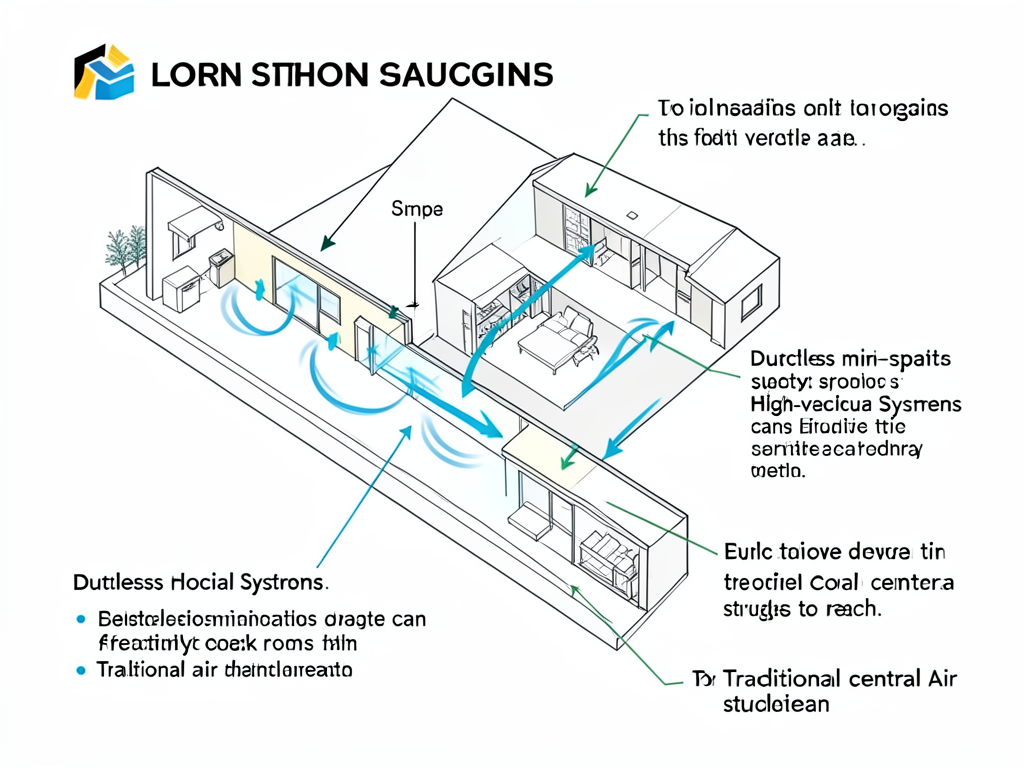
Modern HVAC technology offers several options specifically suited for the unique challenges of shotgun house cooling. Each solution addresses different aspects of the airflow and space utilization problems inherent in these historic homes.
Ductless Mini-Split Systems: The Gold Standard for Zoning
Ductless mini-split systems have become the preferred solution for shotgun houses because they eliminate the need for extensive ductwork while providing individual room control. These systems consist of an outdoor condenser unit connected to one or more indoor air handlers mounted on walls or ceilings. Emergency Ductwork Repair.
The zoning capability is particularly valuable for shotgun layouts. You can install a main unit in the front living area and additional units in the back bedrooms, allowing each room to maintain its own temperature. This eliminates the airflow bottleneck problem entirely while reducing energy waste by only cooling occupied spaces.
Modern mini-splits offer SEER2 ratings up to 26, making them significantly more efficient than older central systems. The inverter technology adjusts compressor speed based on cooling demand, reducing energy consumption by up to 30% compared to traditional single-speed units. This efficiency is crucial in New Orleans where cooling systems run for eight to nine months per year.
Installation is minimally invasive since no ductwork is required. The refrigerant lines run through small holes in exterior walls, preserving plaster walls and historic trim. Most installations can be completed in one to two days without major structural modifications.
High-Velocity HVAC Systems: Small Ducts Big Performance
High-velocity HVAC systems use small, flexible ducts that can be routed through existing wall cavities, making them ideal for shotgun houses where traditional ductwork would require extensive demolition. Systems from manufacturers like Unico and SpacePak use 2-inch flexible ducts instead of the 6-8 inch rigid ducts required by conventional systems. EPA mold information.
These systems deliver air at higher velocities through specialized outlets, creating better air circulation in long, narrow spaces. The increased air movement helps overcome the natural resistance to airflow in shotgun layouts, pushing cool air to the back rooms more effectively than standard systems.
High-velocity systems also excel at humidity removal, extracting up to 30% more moisture from the air than conventional systems. This is particularly important in New Orleans where relative humidity often exceeds 80%, making temperature alone an insufficient measure of comfort.
The outlets for high-velocity systems are much smaller than traditional vents, often resembling standard electrical outlets. This makes them less visually intrusive in historic homes where maintaining architectural integrity is important.
Central Air Retrofitting: Creative Ductwork Solutions
For homeowners who prefer traditional central air conditioning, retrofitting is possible but requires creative ductwork solutions. The key is working with your home’s existing structure rather than fighting against it.
One approach involves running ducts through the crawl space and up through floor registers. This preserves wall integrity while providing cooling from the floor level, which can be more effective in high-ceiling rooms. However, this method requires proper crawl space encapsulation to prevent moisture issues and maintain efficiency.
Another option is installing a compact air handler in a closet or attic space, then running small-diameter ducts through interior walls to each room. This minimizes exterior modifications while providing centralized control. The challenge is finding adequate space for the air handler in homes that often lack traditional utility spaces.
Some shotgun houses can accommodate ductwork in the attic space above the ceiling. This requires careful sealing and insulation to prevent energy loss, but can provide a clean installation that doesn’t affect interior aesthetics. The trade-off is reduced attic ventilation, which may require additional roof vents to prevent heat buildup.
Heat Pump Systems: Year-Round Comfort for Mild Winters
Heat pumps offer an efficient alternative to traditional AC systems, providing both cooling and heating from a single unit. In New Orleans’ mild climate, heat pumps can deliver heating at efficiencies up to 300% compared to electric resistance heating.
Modern cold-climate heat pumps can operate efficiently even when temperatures drop into the 30s, making them suitable for occasional winter heating needs. They also provide excellent dehumidification during the cooling season, addressing one of the biggest comfort issues in shotgun houses. Why Your Lakeview Home Needs a High-Efficiency AC Unit to Combat Swampy Humidity.
The reversible operation means you don’t need separate heating equipment, freeing up space in homes where every square foot counts. This is particularly valuable in shotgun houses where utility closets and mechanical rooms are often non-existent.
Efficiency Strategies for Historic Shotgun Architecture
Beyond the HVAC system itself, several strategies can improve cooling efficiency in your Hollygrove shotgun house while preserving its historic character.
Foundation and Crawl Space Management
The pier-and-beam foundations in most Hollygrove homes create crawl spaces that significantly impact indoor comfort. These areas often trap moisture, leading to higher indoor humidity and reduced cooling efficiency.
Proper crawl space encapsulation involves sealing vents, installing vapor barriers on the ground, and adding insulation to foundation walls. This creates a conditioned space that doesn’t contribute to indoor humidity problems. The EPA recommends maintaining crawl space humidity below 60% to prevent mold growth and improve overall home comfort.
Adding a dehumidifier to the crawl space can further improve conditions, especially during New Orleans’ wet seasons. These units automatically maintain optimal humidity levels, reducing the load on your main HVAC system and improving comfort throughout the house.
Transom Window Restoration and Modification
Rather than removing historic transom windows, consider modifying them to work with modern cooling systems. Installing operable transoms that can be opened during mild weather maintains the historic aesthetic while allowing natural ventilation when appropriate.
For cooling season, adding weatherstripping around transom frames can reduce air leakage while preserving the visual appearance. Some homeowners install small, hidden ductless return air pathways above transoms to improve air circulation without visible modifications.
Adding ceiling fans below transom windows can help circulate air between rooms, pushing cool air from the front of the house toward the back. This passive approach complements your HVAC system and can reduce cooling costs by allowing you to set thermostats a few degrees higher.
Window Treatment Optimization
Historic windows in shotgun houses often lack modern insulation properties, allowing significant heat gain during summer months. However, replacing these windows with modern units can compromise historic character and may violate HDLC regulations in historic districts.
Instead, consider interior storm windows that provide insulation without altering exterior appearance. These removable units can reduce heat gain by up to 50% while maintaining the look of original windows from the street.
Exterior shading options like operable awnings or planted trellises can block direct sunlight before it reaches windows. These solutions work with the architecture rather than against it, providing cooling benefits while enhancing curb appeal.
Ceiling Fan Integration
Ceiling fans are particularly effective in shotgun houses with high ceilings. They help destratify air, pushing cool air that naturally settles near the floor back up toward occupied spaces. This can make rooms feel 4-6 degrees cooler without additional cooling system operation.
For optimal performance, install fans with blade spans appropriate for room size and ceiling height. In rooms with 10-foot or higher ceilings, use fans with extended downrods to position blades 8-9 feet above the floor for maximum air movement.
Run ceiling fans counterclockwise during cooling season to create a wind-chill effect that enhances comfort. This allows you to raise thermostat settings by several degrees while maintaining the same comfort level, reducing energy consumption.
Navigating New Orleans Historic District Regulations
If your Hollygrove home is in a historic district, you’ll need to navigate HDLC (Historic District Landmarks Commission) regulations when installing or modifying HVAC systems. Understanding these requirements before beginning work can prevent costly delays and ensure compliance.
The HDLC has specific guidelines for exterior equipment placement. Condenser units must be positioned to minimize visual impact from public rights-of-way. This often means locating units in side yards rather than front yards, or screening equipment with landscaping or architectural features that match the home’s character.
For ductless mini-split systems, the HDLC generally approves indoor units since they don’t require exterior modifications. However, the outdoor condenser must still meet placement guidelines. Some homeowners successfully integrate condensers into existing structures like rear porches or use decorative screens that complement the home’s architecture.
High-velocity systems often receive favorable consideration because they require minimal exterior modifications. The small roof penetrations and compact outlets are less visually intrusive than traditional ductwork and large ceiling registers.
Before beginning any HVAC project in a historic district, submit a preliminary review application to the HDLC. This process typically takes 2-4 weeks and can identify potential issues before you invest in equipment or begin installation. Working with HVAC contractors experienced in historic home retrofits can streamline this process significantly.
Understanding Local Building Codes and Requirements
New Orleans building codes include specific requirements for HVAC installations that affect shotgun house retrofits. The 2021 International Mechanical Code, as adopted by the City of New Orleans, governs system sizing, installation practices, and ventilation requirements.
According to Section 1203 of the IMC, HVAC equipment must be sized according to Manual J calculations that account for heat gain, insulation levels, and local climate conditions. For shotgun houses, this means accounting for the increased cooling load from high ceilings and poor insulation in historic construction.
The code also requires proper condensate drainage to prevent water damage. In raised foundation homes, condensate lines must be routed to prevent moisture accumulation under the house. This often means extending drain lines to the exterior or connecting to existing perimeter drains.
Electrical requirements for HVAC equipment are covered under the National Electrical Code, Article 440. This includes dedicated circuits, proper grounding, and surge protection for sensitive electronic controls. Given New Orleans’ frequent thunderstorms and Entergy’s occasionally unstable power grid, surge protection is particularly important for protecting expensive HVAC equipment.
Permits are required for most HVAC installations in New Orleans. The Department of Safety and Permits typically processes residential HVAC permits within 3-5 business days. Work without permits can result in fines and complications when selling your home.
Maintenance Tips for Optimal Performance
Once your new HVAC system is installed, proper maintenance ensures optimal performance and longevity, especially important in New Orleans’ demanding climate.
Change air filters every 30-60 days during cooling season. The high humidity and pollen levels in New Orleans mean filters clog faster than in drier climates. Clean filters improve airflow, reduce system strain, and maintain indoor air quality.
Clean condenser coils annually to remove dirt, debris, and salt air residue that can reduce efficiency by up to 30%. In Hollygrove’s urban environment, condenser units often accumulate more debris than suburban installations. Consider professional coil cleaning every 2-3 years for optimal performance.
Check refrigerant levels annually. Low refrigerant not only reduces cooling capacity but can cause evaporator coils to freeze, leading to system shutdown. New Orleans’ long cooling season means systems operate for extended periods, making proper refrigerant charge crucial for reliability.
Inspect and clean condensate drains quarterly. The high humidity in New Orleans causes more condensation than drier climates, and algae growth in drain lines is common. Clogged drains can cause water damage and system shutdown.
Schedule professional maintenance twice yearly, ideally in spring before cooling season and fall before heating season. Professional technicians can identify developing issues before they cause system failures during peak demand periods.
Cost Considerations and Energy Efficiency
Investing in proper HVAC for your shotgun house involves balancing upfront costs against long-term energy savings and comfort improvements. While initial installation costs may seem high, the energy savings and comfort benefits often provide excellent return on investment.
Ductless mini-split systems typically cost $3,000-$8,000 per zone installed, depending on capacity and features. For a typical shotgun house requiring 2-3 zones, total costs range from $8,000-$20,000. However, these systems often reduce energy bills by 20-40% compared to older central systems, potentially saving $300-$600 annually.
High-velocity systems cost $10,000-$15,000 for whole-house installation. While more expensive upfront than mini-splits, they provide centralized control and may be preferred for whole-house automation systems. Energy savings are typically 15-25% compared to conventional systems.
Energy efficiency rebates can offset some costs. Entergy New Orleans offers rebates for high-efficiency HVAC equipment, typically $300-$500 for systems meeting specific SEER2 and EER requirements. These rebates can make higher-efficiency systems more affordable.
Consider the cost of not upgrading. Older systems often consume 30-50% more energy than modern high-efficiency units. Over a 10-year period, this can amount to $3,000-$6,000 in additional energy costs, not including repair expenses for aging equipment.
Financing options are available through many HVAC contractors and utility programs. Some offer 0% interest loans for energy-efficient upgrades, making it easier to invest in comfort improvements without large upfront payments.
Frequently Asked Questions
How long does it take to install a new HVAC system in a shotgun house?
Installation time varies by system type. Ductless mini-splits typically require 1-2 days for whole-house installation. High-velocity systems need 3-5 days due to more complex ductwork routing. Traditional central air retrofits can take 5-7 days, especially in historic homes where unexpected issues often arise.
Will a new HVAC system increase my home’s value?
Yes, modern HVAC systems can increase home value by $3,000-$8,000 while improving marketability. Energy-efficient systems are particularly attractive to buyers concerned about utility costs. In historic districts like Hollygrove, maintaining comfort without compromising architectural integrity is a significant selling point.
Can I install HVAC myself to save money?
HVAC installation requires specialized tools, EPA certification for refrigerant handling, and knowledge of building codes. DIY installation is illegal in Louisiana and can void equipment warranties. Improper installation can cause efficiency losses of 30% or more, water damage from condensate problems, and even carbon monoxide risks with combustion equipment.
What size HVAC system do I need for my shotgun house?
System sizing depends on square footage, ceiling height, insulation levels, and local climate. A typical Hollygrove shotgun house (1,000-1,500 sq ft with 10-foot ceilings) usually requires 18,000-24,000 BTU for cooling. Professional Manual J calculations are essential for proper sizing and efficiency.
How can I maintain my historic home’s character while upgrading HVAC?
Choose minimally invasive options like ductless mini-splits or high-velocity systems that don’t require major structural modifications. Work with contractors experienced in historic home retrofits who understand HDLC requirements. Focus on preserving exterior appearance while improving interior comfort through careful equipment placement and routing.
What’s the most energy-efficient option for a long, narrow house?
Ductless mini-split systems with multiple zones typically offer the best efficiency for shotgun houses. They eliminate duct losses (which can account for 30% of energy use in central systems) and allow you to only cool occupied rooms. High-velocity systems are second best, offering good efficiency with centralized control.
How do I handle humidity problems in my shotgun house?
Choose systems with excellent dehumidification capabilities, such as variable-speed air handlers or dedicated whole-home dehumidifiers. Maintain indoor humidity between 45-55% for optimal comfort. Address crawl space moisture through encapsulation and consider adding a standalone dehumidifier for particularly problematic areas.
Should I replace my old system or repair it?
If your system is over 10-15 years old, requires frequent repairs, or causes high energy bills, replacement is usually more cost-effective than continued repairs. Modern systems offer 30-50% better efficiency, improved comfort, and reliability that older units can’t match.
How do I know if my current system is properly sized?
Signs of improper sizing include short cycling (frequent on/off operation), inability to maintain set temperatures, high humidity levels, and excessive energy bills. A professional load calculation can determine if your system matches your home’s actual cooling requirements.
What maintenance can I do myself?
Homeowners can change air filters monthly, keep outdoor units clear of debris, and ensure condensate drains flow freely. More complex maintenance like coil cleaning, refrigerant level checks, and electrical inspections should be performed by licensed professionals to maintain warranties and ensure safety.
Get Professional Help for Your Hollygrove Shotgun House
Choosing the right HVAC solution for your long Hollygrove shotgun house requires understanding both the technical requirements and the historic preservation considerations unique to these homes. The linear layout, high ceilings, and pier-and-beam foundations create cooling challenges that standard HVAC approaches simply cannot address effectively.
Professional assessment is crucial for determining the optimal system type, sizing, and placement for your specific home. An experienced technician can evaluate your home’s unique characteristics, consider HDLC requirements if applicable, and recommend solutions that provide reliable comfort while preserving your home’s historic character. Reliable Commercial AC Repair and Maintenance for Businesses in Kenner.
Don’t let back rooms remain uncomfortably warm while front rooms freeze. Modern HVAC technology offers solutions specifically designed for the challenges of New Orleans shotgun houses. Whether you choose ductless mini-splits for their zoning flexibility, high-velocity systems for their minimal invasiveness, or a properly designed central system, professional installation ensures optimal performance and efficiency.
The investment in proper HVAC not only improves your daily comfort but can also reduce energy costs, prevent moisture-related damage, and increase your home’s value. In New Orleans’ demanding climate, reliable cooling isn’t a luxury—it’s essential for health, comfort, and home preservation.
Ready to solve your shotgun house cooling problems? Call (504) 355-2955 today to schedule your professional HVAC assessment. Our experienced technicians understand the unique challenges of Hollygrove homes and can recommend solutions that work with your home’s architecture while providing the comfort you deserve.
Don’t wait for another sweltering summer to make your back rooms unbearable. Pick up the phone and call (504) 355-2955 now to take the first step toward even, reliable cooling throughout your entire home. For more information, visit Energy.gov heat pump guide. For more information, visit NREL mini-split study.
{
“@context”: “https://schema.org”,
“@type”: “BlogPosting”,
“headline”: “Keeping the Back Rooms Cool in a Long Hollygrove Shotgun House”,
“description”: “Struggling with uneven cooling in your Hollygrove shotgun house? Discover modern HVAC solutions for long, narrow New Orleans homes with high ceilings and historic charm.”,
“wordCount”: 3329,
“datePublished”: “2026-04-08T06:03:00.000Z”,
“dateModified”: “2026-04-08T06:03:00.000Z”,
“inLanguage”: “en-US”,
“mainEntityOfPage”: {
“@type”: “WebPage”,
“@id”: “https://pioneerhvacneworleans.com”
},
“publisher”: {
“@type”: “LocalBusiness”,
“name”: “Pioneer HVAC New Orleans”,
“url”: “https://pioneerhvacneworleans.com”
},
“author”: {
“@type”: “Organization”,
“name”: “Pioneer HVAC New Orleans”,
“url”: “https://pioneerhvacneworleans.com”
},
“image”: {
“@type”: “ImageObject”,
“url”: “https://pioneerhvacneworleans.com/wp-content/uploads/2026/03/keeping-the-back-rooms-cool-in-a-long-hollygrove-s-1.png”
}
}
{
“@context”: “https://schema.org”,
“@type”: “HVACBusiness”,
“name”: “Pioneer HVAC New Orleans”,
“url”: “https://pioneerhvacneworleans.com”,
“address”: {
“@type”: “PostalAddress”,
“addressLocality”: “New Orleans”
},
“areaServed”: {
“@type”: “City”,
“name”: “New Orleans”
}
}
{
“@context”: “https://schema.org”,
“@type”: “FAQPage”,
“mainEntity”: [
{
“@type”: “Question”,
“name”: “How long does it take to install a new HVAC system in a shotgun house?”,
“acceptedAnswer”: {
“@type”: “Answer”,
“text”: “Installation time varies by system type. Ductless mini-splits typically require 1-2 days for whole-house installation. High-velocity systems need 3-5 days due to more complex ductwork routing. Traditional central air retrofits can take 5-7 days, especially in historic homes where unexpected issues often arise.”
}
},
{
“@type”: “Question”,
“name”: “Will a new HVAC system increase my home’s value?”,
“acceptedAnswer”: {
“@type”: “Answer”,
“text”: “Yes, modern HVAC systems can increase home value by $3,000-$8,000 while improving marketability. Energy-efficient systems are particularly attractive to buyers concerned about utility costs. In historic districts like Hollygrove, maintaining comfort without compromising architectural integrity is a significant selling point.”
}
},
{
“@type”: “Question”,
“name”: “Can I install HVAC myself to save money?”,
“acceptedAnswer”: {
“@type”: “Answer”,
“text”: “HVAC installation requires specialized tools, EPA certification for refrigerant handling, and knowledge of building codes. DIY installation is illegal in Louisiana and can void equipment warranties. Improper installation can cause efficiency losses of 30% or more, water damage from condensate problems, and even carbon monoxide risks with combustion equipment.”
}
},
{
“@type”: “Question”,
“name”: “What size HVAC system do I need for my shotgun house?”,
“acceptedAnswer”: {
“@type”: “Answer”,
“text”: “System sizing depends on square footage, ceiling height, insulation levels, and local climate. A typical Hollygrove shotgun house (1,000-1,500 sq ft with 10-foot ceilings) usually requires 18,000-24,000 BTU for cooling. Professional Manual J calculations are essential for proper sizing and efficiency.”
}
},
{
“@type”: “Question”,
“name”: “How can I maintain my historic home’s character while upgrading HVAC?”,
“acceptedAnswer”: {
“@type”: “Answer”,
“text”: “Choose minimally invasive options like ductless mini-splits or high-velocity systems that don’t require major structural modifications. Work with contractors experienced in historic home retrofits who understand HDLC requirements. Focus on preserving exterior appearance while improving interior comfort through careful equipment placement and routing.”
}
},
{
“@type”: “Question”,
“name”: “What’s the most energy-efficient option for a long, narrow house?”,
“acceptedAnswer”: {
“@type”: “Answer”,
“text”: “Ductless mini-split systems with multiple zones typically offer the best efficiency for shotgun houses. They eliminate duct losses (which can account for 30% of energy use in central systems) and allow you to only cool occupied rooms. High-velocity systems are second best, offering good efficiency with centralized control.”
}
},
{
“@type”: “Question”,
“name”: “How do I handle humidity problems in my shotgun house?”,
“acceptedAnswer”: {
“@type”: “Answer”,
“text”: “Choose systems with excellent dehumidification capabilities, such as variable-speed air handlers or dedicated whole-home dehumidifiers. Maintain indoor humidity between 45-55% for optimal comfort. Address crawl space moisture through encapsulation and consider adding a standalone dehumidifier for particularly problematic areas.”
}
},
{
“@type”: “Question”,
“name”: “Should I replace my old system or repair it?”,
“acceptedAnswer”: {
“@type”: “Answer”,
“text”: “If your system is over 10-15 years old, requires frequent repairs, or causes high energy bills, replacement is usually more cost-effective than continued repairs. Modern systems offer 30-50% better efficiency, improved comfort, and reliability that older units can’t match.”
}
},
{
“@type”: “Question”,
“name”: “What maintenance can I do myself?”,
“acceptedAnswer”: {
“@type”: “Answer”,
“text”: “Homeowners can change air filters monthly, keep outdoor units clear of debris, and ensure condensate drains flow freely. More complex maintenance like coil cleaning, refrigerant level checks, and electrical inspections should be performed by licensed professionals to maintain warranties and ensure safety.”
}
}
]
}
{
“@context”: “https://schema.org”,
“@type”: “BreadcrumbList”,
“itemListElement”: [
{
“@type”: “ListItem”,
“position”: 1,
“name”: “Home”,
“item”: “https://pioneerhvacneworleans.com”
},
{
“@type”: “ListItem”,
“position”: 2,
“name”: “Blog”,
“item”: “https://pioneerhvacneworleans.com/blog”
},
{
“@type”: “ListItem”,
“position”: 3,
“name”: “Keeping the Back Rooms Cool in a Long Hollygrove Shotgun House”
}
]
}
{
“@context”: “https://schema.org”,
“@type”: “Service”,
“serviceType”: “HVAC”,
“provider”: {
“@type”: “LocalBusiness”,
“name”: “Pioneer HVAC New Orleans”,
“url”: “https://pioneerhvacneworleans.com”
},
“areaServed”: {
“@type”: “City”,
“name”: “New Orleans”
},
“description”: “Struggling with uneven cooling in your Hollygrove shotgun house? Discover modern HVAC solutions for long, narrow New Orleans homes with high ceilings and historic charm.”
}