Why Your AC Unit is Covered in Ice Even When It’s 95 Degrees Outside
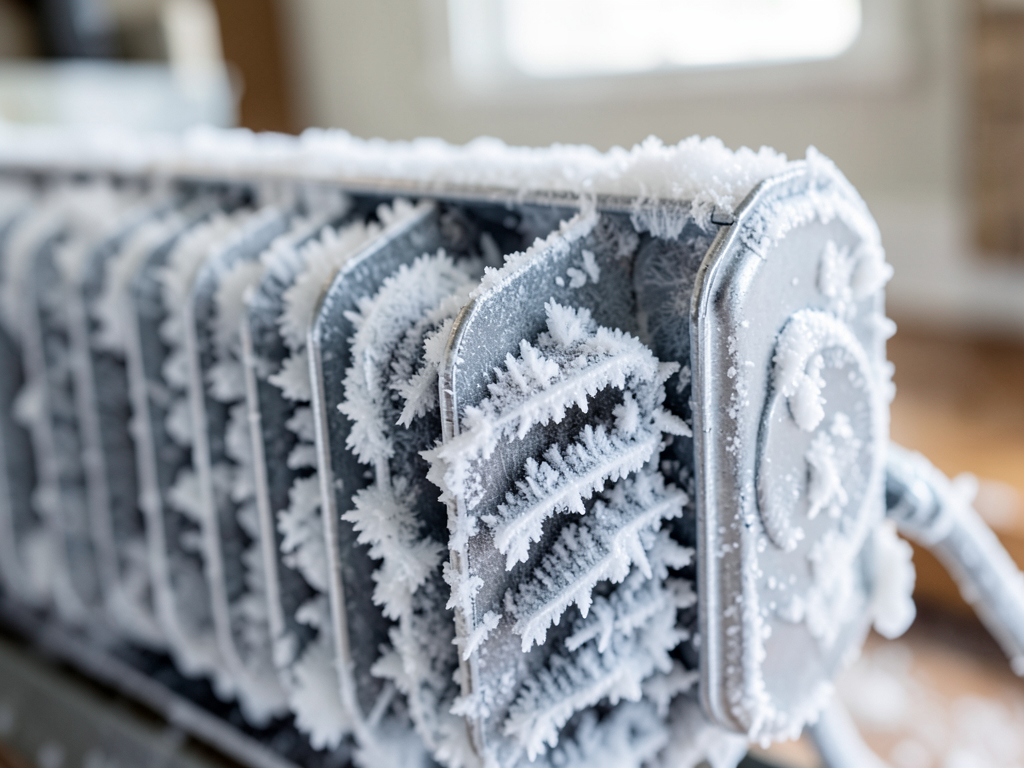
Your air conditioner should be cooling your home not creating an ice sculpture in your backyard. If you are seeing frost or ice on your AC unit when it is 95 degrees outside something is seriously wrong. This freezing happens when the evaporator coil inside your air handler gets so cold that moisture in the air freezes on contact. The result is a solid block of ice that blocks airflow and stops your system from working.. Read more about Cleaning Your AC System After a Major Home Renovation in Arabi.
In New Orleans the problem is worse because our humidity is already high. When moisture in the air hits a coil that is too cold it freezes faster than in drier climates. The ice builds up quickly and can cause permanent damage to your compressor if you do not act fast. Get Your New Orleans AC Running Again with Our 24-Hour Emergency Repair Service.
The most common causes of a frozen AC coil are restricted airflow low refrigerant and a failing blower motor. Before you call a professional you need to turn off your system immediately to prevent further damage. Running a frozen unit can destroy the compressor which costs far more to replace than fixing the original problem.
Keep reading to learn how to safely thaw your system what causes freezing and when you need to call a licensed Louisiana HVAC technician. Louisiana State Licensing Board for Contractors.
Immediate Action: What to Do the Moment You See Ice
Seeing ice on your AC unit means you need to act fast. The first thing to do is turn off your thermostat completely. Do not just set it to a higher temperature. Turn it off. This stops the refrigerant from flowing through the frozen coil and prevents damage to the compressor.
Next switch your thermostat fan setting from “Auto” to “On.” This runs the blower continuously and helps circulate warmer air over the ice to start the melting process. Keep the cooling off but let the fan run for several hours or until all ice is gone.
Do not try to break the ice off with a tool. This can damage the fragile aluminum fins on the coil. Let it melt naturally. The thawing process usually takes between 2 and 24 hours depending on how much ice has built up.
While waiting check your air filter. A dirty filter is the most common cause of restricted airflow and can be changed immediately. If the filter looks gray and clogged replace it with a new one. This might solve your problem once the ice melts.. Read more about How to Check if Your New Orleans AC Parts are Still Under Manufacturer Warranty.
Never run your AC while the coil is frozen. The compressor needs refrigerant to stay cool and a frozen coil blocks that flow. Running it in this state can cause the compressor to overheat and fail which costs $1,500 to $2,500 to replace. Why Your Lakeview Home Needs a High-Efficiency AC Unit to Combat Swampy Humidity.
Call (504) 355-2955 today to schedule your inspection if the ice returns after thawing or if you are unsure about any step. A NATE-certified technician can diagnose the real problem before it causes expensive damage.
Why Your AC Coil Froze (New Orleans Specific Factors)
Understanding why your coil froze helps prevent it from happening again. In New Orleans we have unique conditions that make AC freezing more common than in other parts of the country. Fighting New Orleans Humidity with a Professional Whole-Home Dehumidifier Installation.
1. Restricted Airflow (The #1 Culprit)
Airflow restriction is the leading cause of frozen coils nationwide and New Orleans homes are particularly vulnerable. Our older homes often have ductwork that is been crushed or disconnected over decades. The high humidity means more moisture in the air which turns to ice faster when airflow is restricted. Emergency Ductwork Repair.
Common airflow restrictions include dirty air filters, closed or blocked supply vents, collapsed ductwork, and dirty blower wheels. A MERV 13 filter might seem like a good idea for air quality but it can restrict airflow if your system is not designed for it. The filter gets dirty faster in our pollen-heavy spring and needs more frequent changes.
Check all your supply vents. Make sure they are open and not blocked by furniture curtains or rugs. Even closing too many vents can create pressure problems that reduce airflow through the coil.
2. Low Refrigerant Levels (The “Freon” Myth)
Low refrigerant is the second most common cause of frozen coils. Your AC system is sealed and should never need refrigerant added unless there is a leak. When refrigerant is low the pressure drops in the evaporator coil making it colder than it should be. This causes moisture to freeze on the coil surface.
New Orleans homes near Lake Pontchartrain face additional challenges. The salt air can accelerate corrosion on refrigerant lines and coil connections. A small leak that starts in summer can cause your system to freeze by the time peak heat arrives.
Symptoms of low refrigerant include the system running constantly but not cooling well ice on the larger copper line outside and a hissing sound from the indoor unit. Only a licensed Louisiana HVAC technician can legally add refrigerant and they must check for leaks first per EPA regulations under Section 608 of the Clean Air Act. EPA Section 608 Clean Air Act.
3. The Role of High Louisiana Humidity
New Orleans averages 75% relative humidity during summer months with frequent spikes above 90%. This moisture in the air is what freezes on your coil. The more humid it is the faster ice builds up when something goes wrong.
Our extended cooling season from March through November means your AC runs more months per year than systems in northern states. This constant operation increases wear on components that can fail and cause freezing. The latent heat from all that moisture also makes your system work harder which can stress weak components.
Older homes in neighborhoods like Mid-City and Gentilly often have ductwork in unconditioned spaces like crawlspaces or attics. These areas can get extremely hot and humid which affects system performance. Poor insulation on refrigerant lines can also cause condensation that freezes in the wrong places.
How to Safely Thaw Your Evaporator Coil
Thawing your frozen coil correctly is critical to prevent damage. Here is the step-by-step process to get your system back to normal safely.
First turn off the thermostat and switch the fan to “On” as mentioned earlier. This starts gentle airflow over the ice. Keep all vents open and unblocked to maximize airflow.
Check the condensate drain line. When ice melts it produces a lot of water. Make sure the drain line is clear and has a proper trap. A clogged drain can cause water damage when the ice melts. The drain line should have a P-trap and be trapped with water to prevent sewer gases from entering your home per Louisiana State Uniform Construction Code.
Place towels around the indoor unit to catch water. A large block of ice can produce several gallons of water as it melts. Do not let this water sit on wood floors or carpet.
Check the outdoor disconnect switch. If your system has a safety float switch in the drain pan it may have tripped during the freeze. Resetting this switch after thawing may be necessary.
Once all ice is melted wait at least 30 minutes before turning the system back on. This allows any remaining cold spots to warm up. When you restart set the thermostat to “Cool” and fan to “Auto.”
Listen for unusual noises when the system starts. A failing blower motor might sound like a humming or grinding noise. If you hear anything unusual turn the system off and call a professional.
The thawing process can take anywhere from 2 hours for a thin layer of ice to 24 hours for a solid block. Do not rush it by using heat guns or hair dryers. This can damage components and create dangerous pressure situations in the refrigerant lines.
DIY vs. Professional HVAC Repair: When to Call the Pros
Knowing what you can fix yourself and what needs a professional can save you time and money. Here is a clear breakdown of DIY tasks versus professional repairs.
| DIY Tasks | Professional Repairs | Why the Difference |
|---|---|---|
| Replace air filter | Refrigerant leak repair | Requires EPA certification and specialized tools |
| Clear blocked vents | Blower motor replacement | Involves electrical work and refrigerant handling |
| Check thermostat settings | Coil cleaning and repair | Requires system disassembly and coil inspection |
| Reset tripped breakers | Electrical control board repair | High voltage work requires licensed electrician |
| Clean around outdoor unit | Ductwork inspection and repair | Requires specialized cameras and pressure testing |
DIY tasks are limited to basic maintenance that any homeowner can do safely. These include changing filters monthly during peak season keeping vents clear and checking thermostat settings. These steps can prevent many freeze-ups before they start.
Professional repairs involve working with pressurized refrigerant electrical components and complex mechanical systems. In Louisiana only a licensed HVAC contractor can legally work on refrigeration systems. This is not just a suggestion it is state law under Louisiana State Licensing Board for Contractors regulations.
Signs you need a professional include ice that returns within 24 hours of thawing hissing sounds from refrigerant lines the system running constantly without cooling or visible damage to coils or lines. If you have already tried the basic DIY steps and the problem persists call a professional immediately.
Professional diagnosis includes checking refrigerant levels with a manifold gauge set testing electrical components and inspecting the entire system for underlying issues. A good technician will not just add refrigerant and leave. They will find and fix the leak that caused the problem.
Preventing Future Freeze-Ups in the Big Easy
Prevention is always cheaper than emergency repairs. Here are proven strategies to keep your AC from freezing up during our brutal Louisiana summers.
Schedule professional maintenance twice per year. In New Orleans we recommend spring maintenance before the heavy cooling season and fall maintenance to prepare for the occasional winter use. A professional tune-up includes cleaning coils checking refrigerant levels and testing all electrical components.
Change your air filter every 30 to 60 days during peak season. Our high humidity and pollen counts make filters dirty faster than in other climates. Consider using a smart thermostat that monitors airflow and can alert you when filters need changing.
Install a UV light in your air handler. New Orleans’ humid climate creates perfect conditions for mold growth inside ductwork and on coils. UV lights kill mold and bacteria keeping your coil clean and improving airflow. This is especially important in raised foundation homes where ductwork can be exposed to moisture.
Consider a whole-home dehumidifier. Removing excess moisture from your home makes your AC more efficient and reduces the risk of freezing. Dehumidifiers also make your home feel cooler at higher temperatures allowing you to set your thermostat higher and save energy.
Upgrade to a smart thermostat that monitors system performance. These devices can detect problems like restricted airflow or failing components before they cause a freeze-up. Some can even alert your HVAC company automatically when issues arise.
Check your ductwork every few years. New Orleans homes especially older ones often have ductwork that has settled or been damaged by humidity and pests. Professional duct cleaning and sealing can improve efficiency and prevent airflow restrictions.
Look into variable-speed equipment. These systems run at lower speeds more consistently which prevents the temperature swings that can cause freezing. They also handle humidity better which is crucial in our climate.
Pick up the phone and call (504) 355-2955 before the next storm hits if you want professional prevention services. Our maintenance plans include twice-yearly tune-ups and priority service for members.
Professional AC Maintenance in New Orleans
Professional maintenance is not just about preventing freezes. It is about extending the life of your system and keeping your energy bills low during our long cooling season.
A comprehensive maintenance visit includes checking and cleaning the evaporator and condenser coils. Dirty coils reduce efficiency by up to 30% and are a leading cause of freezing. The technician will also check refrigerant levels and test for leaks using electronic leak detectors or ultraviolet dye.
Electrical components get tested for proper amperage and voltage. Weak capacitors failing contactors and worn bearings can all cause system failures. These components are checked and replaced if they show signs of wear.
The condensate drain system gets flushed and treated with algaecide. Our humid climate means algae and mold grow rapidly in drain pans and lines. A clogged drain can cause water damage and even trigger system shutdowns.
Blower components get cleaned and balanced. A dirty blower wheel can reduce airflow by 50% which is enough to cause freezing. The technician will also check the blower motor’s amp draw to ensure it is operating efficiently.
Thermostat calibration ensures your system is reading temperatures correctly. An improperly calibrated thermostat can cause short cycling or continuous running both of which stress components.
Safety controls get tested including the condensate overflow switch and high-pressure switch. These safety devices prevent damage but only work if they are functioning properly.
Professional maintenance typically costs $150 to $250 per visit but can save you thousands in emergency repairs and extend your system life by 5 to 10 years. Many New Orleans homeowners find that maintenance pays for itself through lower energy bills and fewer breakdowns.
Ask about maintenance plans that include priority service and discounts on repairs. During our busy summer months having priority service can mean getting your system fixed the same day versus waiting several days.
Frequently Asked Questions
Why does my AC freeze up when it is so hot outside?
Your AC freezes when the evaporator coil gets too cold usually from restricted airflow low refrigerant or a failing blower motor. The ice forms because moisture in the humid New Orleans air freezes on the cold coil surface. High humidity makes this problem worse and more common.
How long does it take for a frozen AC coil to thaw?
Thawing typically takes 2 to 24 hours depending on how much ice has built up. A thin layer might thaw in a couple of hours while a solid block can take a full day. Keep the fan running and the cooling off to speed the process safely.
Can I pour hot water on my frozen AC unit to thaw it faster?
No. Pouring hot water can damage components and create dangerous pressure situations in refrigerant lines. Let the ice melt naturally with the fan running. This is safer for your system and prevents accidental damage.
How much does it cost to repair a frozen AC coil in New Orleans?
Repair costs vary widely. A simple filter change or vent clearing might be free. Refrigerant leak repair costs $200 to $1,500 depending on the leak location. Coil replacement can cost $1,000 to $2,500. Emergency service calls typically add $75 to $150 to these costs.
Should I turn off my AC if I see ice on it?
Yes immediately. Turn off the cooling function but turn the fan to “On” to help thaw the ice. Running a frozen system can destroy the compressor which costs far more to replace than fixing the original problem.
How can I prevent my AC from freezing up again?
Change filters every 30 to 60 days keep vents clear schedule professional maintenance twice per year and consider installing a whole-home dehumidifier. These steps address the most common causes of freezing and work especially well in New Orleans’ humid climate.
Is a frozen AC unit dangerous?
While not immediately dangerous to occupants a frozen unit can cause expensive damage if run in that state. The compressor can fail and water damage can occur when ice melts. Turn off the system and call a professional if ice persists after thawing.
What does it mean if my AC freezes up again right after thawing?
Recurring freezing usually indicates a bigger problem like a refrigerant leak failing blower motor or major airflow restriction. This requires professional diagnosis and repair. Do not keep thawing and restarting the system as this can cause permanent damage.
{
“@context”: “https://schema.org”,
“@type”: “BlogPosting”,
“headline”: “Why Your AC Unit is Covered in Ice Even When It’s 95 Degrees Outside”,
“description”: “Is your AC freezing up in New Orleans’ heat? Learn why ice forms on coils, how humidity accelerates the problem, and when to call for emergency repair.”,
“wordCount”: 2702,
“datePublished”: “2026-04-14T06:54:00.000Z”,
“dateModified”: “2026-04-14T06:54:00.000Z”,
“inLanguage”: “en-US”,
“mainEntityOfPage”: {
“@type”: “WebPage”,
“@id”: “https://pioneerhvacneworleans.com”
},
“publisher”: {
“@type”: “LocalBusiness”,
“name”: “Pioneer HVAC New Orleans”,
“url”: “https://pioneerhvacneworleans.com”
},
“author”: {
“@type”: “Organization”,
“name”: “Pioneer HVAC New Orleans”,
“url”: “https://pioneerhvacneworleans.com”
},
“image”: {
“@type”: “ImageObject”,
“url”: “https://pioneerhvacneworleans.com/wp-content/uploads/2026/03/why-your-ac-unit-is-covered-in-ice-even-when-it-s-1.png”
}
}
{
“@context”: “https://schema.org”,
“@type”: “HVACBusiness”,
“name”: “Pioneer HVAC New Orleans”,
“url”: “https://pioneerhvacneworleans.com”,
“address”: {
“@type”: “PostalAddress”,
“addressLocality”: “New Orleans”
},
“areaServed”: {
“@type”: “City”,
“name”: “New Orleans”
}
}
{
“@context”: “https://schema.org”,
“@type”: “FAQPage”,
“mainEntity”: [
{
“@type”: “Question”,
“name”: “Why does my AC freeze up when it is so hot outside?”,
“acceptedAnswer”: {
“@type”: “Answer”,
“text”: “Your AC freezes when the evaporator coil gets too cold usually from restricted airflow low refrigerant or a failing blower motor. The ice forms because moisture in the humid New Orleans air freezes on the cold coil surface. High humidity makes this problem worse and more common.”
}
},
{
“@type”: “Question”,
“name”: “How long does it take for a frozen AC coil to thaw?”,
“acceptedAnswer”: {
“@type”: “Answer”,
“text”: “Thawing typically takes 2 to 24 hours depending on how much ice has built up. A thin layer might thaw in a couple of hours while a solid block can take a full day. Keep the fan running and the cooling off to speed the process safely.”
}
},
{
“@type”: “Question”,
“name”: “Can I pour hot water on my frozen AC unit to thaw it faster?”,
“acceptedAnswer”: {
“@type”: “Answer”,
“text”: “No. Pouring hot water can damage components and create dangerous pressure situations in refrigerant lines. Let the ice melt naturally with the fan running. This is safer for your system and prevents accidental damage.”
}
},
{
“@type”: “Question”,
“name”: “How much does it cost to repair a frozen AC coil in New Orleans?”,
“acceptedAnswer”: {
“@type”: “Answer”,
“text”: “Repair costs vary widely. A simple filter change or vent clearing might be free. Refrigerant leak repair costs $200 to $1,500 depending on the leak location. Coil replacement can cost $1,000 to $2,500. Emergency service calls typically add $75 to $150 to these costs.”
}
},
{
“@type”: “Question”,
“name”: “Should I turn off my AC if I see ice on it?”,
“acceptedAnswer”: {
“@type”: “Answer”,
“text”: “Yes immediately. Turn off the cooling function but turn the fan to \”On\” to help thaw the ice. Running a frozen system can destroy the compressor which costs far more to replace than fixing the original problem.”
}
},
{
“@type”: “Question”,
“name”: “How can I prevent my AC from freezing up again?”,
“acceptedAnswer”: {
“@type”: “Answer”,
“text”: “Change filters every 30 to 60 days keep vents clear schedule professional maintenance twice per year and consider installing a whole-home dehumidifier. These steps address the most common causes of freezing and work especially well in New Orleans’ humid climate.”
}
},
{
“@type”: “Question”,
“name”: “Is a frozen AC unit dangerous?”,
“acceptedAnswer”: {
“@type”: “Answer”,
“text”: “While not immediately dangerous to occupants a frozen unit can cause expensive damage if run in that state. The compressor can fail and water damage can occur when ice melts. Turn off the system and call a professional if ice persists after thawing.”
}
},
{
“@type”: “Question”,
“name”: “What does it mean if my AC freezes up again right after thawing?”,
“acceptedAnswer”: {
“@type”: “Answer”,
“text”: “Recurring freezing usually indicates a bigger problem like a refrigerant leak failing blower motor or major airflow restriction. This requires professional diagnosis and repair. Do not keep thawing and restarting the system as this can cause permanent damage.”
}
}
]
}
{
“@context”: “https://schema.org”,
“@type”: “BreadcrumbList”,
“itemListElement”: [
{
“@type”: “ListItem”,
“position”: 1,
“name”: “Home”,
“item”: “https://pioneerhvacneworleans.com”
},
{
“@type”: “ListItem”,
“position”: 2,
“name”: “Blog”,
“item”: “https://pioneerhvacneworleans.com/blog”
},
{
“@type”: “ListItem”,
“position”: 3,
“name”: “Why Your AC Unit is Covered in Ice Even When It’s 95 Degrees Outside”
}
]
}
{
“@context”: “https://schema.org”,
“@type”: “Service”,
“serviceType”: “HVAC”,
“provider”: {
“@type”: “LocalBusiness”,
“name”: “Pioneer HVAC New Orleans”,
“url”: “https://pioneerhvacneworleans.com”
},
“areaServed”: {
“@type”: “City”,
“name”: “New Orleans”
},
“description”: “Is your AC freezing up in New Orleans’ heat? Learn why ice forms on coils, how humidity accelerates the problem, and when to call for emergency repair.”
}