What Those Squealing and Banging Noises from Your AC Unit Really Mean
Your air conditioner just started making a sound you have never heard before. A high-pitched squeal or a loud bang can turn a quiet afternoon into a moment of panic. In New Orleans’ humid climate, those sounds are not just annoying—they are warning signs. This guide breaks down what each noise means, when to shut the system off, and how to get fast local help before the heat wins. Get Your New Orleans AC Running Again with Our 24-Hour Emergency Repair Service.
Common AC Noises and What They Mean
Different sounds point to different problems. Here is a quick diagnostic guide to help you identify the issue before calling a technician.
| Sound | Likely Cause | Urgency Level |
|---|---|---|
| High-pitched squeal | Worn blower motor bearing or loose fan belt | Medium |
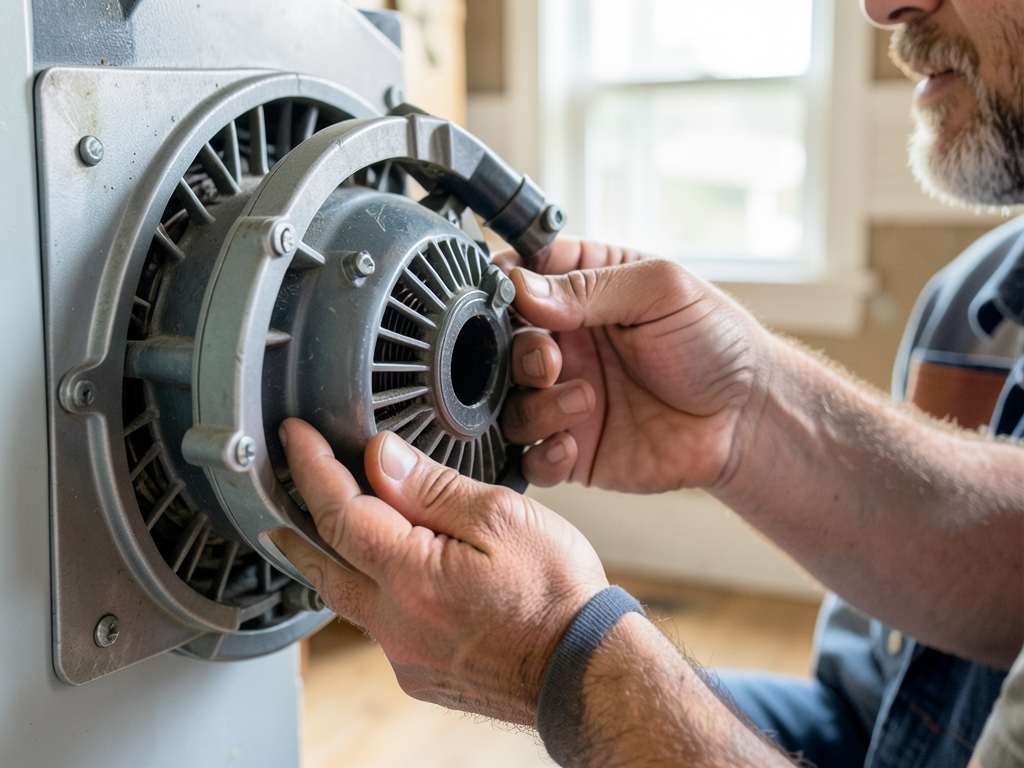
| Metal-on-metal bang | Loose fan blade hitting the housing | High |
| Hissing or bubbling | Refrigerant leak or pressure imbalance | High |
| Clicking | Electrical contactor or capacitor failure | Medium |
| Constant buzzing | Compressor hard-starting or failing | High |
Sound Test: Turn off the thermostat, wait 30 seconds, then turn it back on. If the noise starts immediately, that is a strong clue the problem is electrical or mechanical rather than debris-related.
Why New Orleans Humidity Makes AC Noises Worse
New Orleans averages 75 inches of rain per year and 90+ percent humidity in summer. That moisture accelerates corrosion on electrical contacts and fan motor windings. Salt air from Lake Pontchartrain eats away at aluminum components, especially in homes near the lakefront or in Old Metairie. When humidity combines with a failing capacitor, the compressor can struggle to start, producing a loud buzzing or clicking sound. Left unchecked, this can lead to a complete compressor failure—an expensive repair in any season. EPA Section 608 certification.
Local building codes under the Louisiana State Uniform Construction Code require outdoor condenser units in flood zones to be mounted at least 12 inches above the Base Flood Elevation. If your unit sits too low, rising groundwater can cause short cycling and banging noises as the system fights to stay primed. Louisiana State Uniform Construction Code.
When to Turn Off Your AC Immediately
Some sounds mean danger. If you hear any of these, shut the system off at the breaker and call for emergency service: Emergency Ductwork Repair.
- Grinding metal-on-metal: A fan blade hitting the housing can shatter and send pieces into the coil.
- Electrical popping or arcing: Indicates a failing contactor or exposed wiring.
- Continuous hissing with a chemical smell: A refrigerant leak can release harmful gases.
Continuing to run a system with these symptoms can destroy the compressor in under an hour. That is why we keep emergency trucks loaded and ready across Orleans Parish, including Metairie, Kenner, and the West Bank. Fighting New Orleans Humidity with a Professional Whole-Home Dehumidifier Installation.
Professional AC Repair vs. DIY
Some checks are safe for homeowners. Others require a licensed technician. Here is a quick decision tree:
- Check the air filter
A clogged filter can cause whistling and strain the blower motor.
- Inspect the outdoor unit
Remove leaves, grass clippings, and debris from the condenser coil.
- Listen for the source
Stand near the indoor air handler and outdoor unit to isolate the sound.
- Check thermostat settings
Incorrect fan mode can cause continuous running and clicking.
- Call for professional help
If the noise persists after these steps, schedule a diagnostic visit.
Homeowners can safely replace filters and clear debris. Anything involving refrigerant lines, electrical panels, or motor bearings should be left to a licensed HVAC contractor. In Louisiana, working on refrigeration systems without an EPA Section 608 certification is illegal.
Preventative Maintenance to Avoid Noisy Operation
Most AC noises are preventable with twice-yearly maintenance. A professional tune-up includes:
- Checking and tightening all electrical connections
- Lubricating blower motor bearings
- Testing capacitor and contactor health
- Cleaning the evaporator and condenser coils
- Measuring refrigerant charge and checking for leaks
Routine maintenance can extend the life of your system by 3 to 5 years and reduce emergency calls by up to 40 percent. We recommend scheduling service in early spring before the summer heat wave hits.
Local Service Areas and Response Times
We provide 24/7 emergency AC repair across the Greater New Orleans metro. Our average response time is under two hours for urgent calls in Metairie, Kenner, and the West Bank. For non-emergency diagnostics, we offer same-day appointments in most neighborhoods.
Whether you live in a raised pier-and-beam home in Algiers or a historic shotgun in the Irish Channel, our technicians understand the unique airflow and ductwork challenges of South Louisiana architecture.
Call (504) 355-2955 today to schedule your inspection. Do not wait for a small noise to become a major breakdown.
Frequently Asked Questions
Why is my AC making a high-pitched squeal?
A high-pitched squeal usually means a worn blower motor bearing or a loose fan belt. Both issues cause the motor to work harder, leading to overheating and eventual failure.
Can I keep running my AC if it is making a banging noise?
No. A banging noise often indicates a loose or broken part inside the unit. Continuing to run it can cause more damage and lead to a costly repair or replacement.
How much does emergency AC repair cost in New Orleans?
Emergency service calls typically range from $125 to $200, plus the cost of parts and labor. Exact pricing depends on the diagnosis and required repairs.
What should I do if I hear a hissing sound from my AC?
Turn off the system immediately. A hissing sound can indicate a refrigerant leak, which is both a performance issue and a potential health hazard. Call a licensed technician right away.
How can I prevent my AC from making noise in the future?
Schedule bi-annual maintenance, replace air filters every 1-3 months, and keep the outdoor unit clear of debris. These steps reduce strain on components and prevent most common noise issues.
{
“@context”: “https://schema.org”,
“@type”: “BlogPosting”,
“headline”: “What Those Squealing and Banging Noises from Your AC Unit Really Mean”,
“description”: “Is your AC making strange noises? Learn what squealing, banging, and hissing sounds mean for your New Orleans home. Get expert HVAC troubleshooting and 24/7 repair service.”,
“wordCount”: 991,
“datePublished”: “2026-03-26T15:35:00.000Z”,
“dateModified”: “2026-03-26T15:35:00.000Z”,
“inLanguage”: “en-US”,
“mainEntityOfPage”: {
“@type”: “WebPage”,
“@id”: “https://pioneerhvacneworleans.com”
},
“publisher”: {
“@type”: “LocalBusiness”,
“name”: “Pioneer HVAC New Orleans”,
“url”: “https://pioneerhvacneworleans.com”
},
“author”: {
“@type”: “Organization”,
“name”: “Pioneer HVAC New Orleans”,
“url”: “https://pioneerhvacneworleans.com”
},
“image”: {
“@type”: “ImageObject”,
“url”: “https://pioneerhvacneworleans.com/wp-content/uploads/2026/03/what-those-squealing-and-banging-noises-from-your-1.png”
}
}
{
“@context”: “https://schema.org”,
“@type”: “HVACBusiness”,
“name”: “Pioneer HVAC New Orleans”,
“url”: “https://pioneerhvacneworleans.com”,
“address”: {
“@type”: “PostalAddress”,
“addressLocality”: “New Orleans”
},
“areaServed”: {
“@type”: “City”,
“name”: “New Orleans”
}
}
{
“@context”: “https://schema.org”,
“@type”: “FAQPage”,
“mainEntity”: [
{
“@type”: “Question”,
“name”: “Why is my AC making a high-pitched squeal?”,
“acceptedAnswer”: {
“@type”: “Answer”,
“text”: “A high-pitched squeal usually means a worn blower motor bearing or a loose fan belt. Both issues cause the motor to work harder, leading to overheating and eventual failure.”
}
},
{
“@type”: “Question”,
“name”: “Can I keep running my AC if it is making a banging noise?”,
“acceptedAnswer”: {
“@type”: “Answer”,
“text”: “No. A banging noise often indicates a loose or broken part inside the unit. Continuing to run it can cause more damage and lead to a costly repair or replacement.”
}
},
{
“@type”: “Question”,
“name”: “How much does emergency AC repair cost in New Orleans?”,
“acceptedAnswer”: {
“@type”: “Answer”,
“text”: “Emergency service calls typically range from $125 to $200, plus the cost of parts and labor. Exact pricing depends on the diagnosis and required repairs.”
}
},
{
“@type”: “Question”,
“name”: “What should I do if I hear a hissing sound from my AC?”,
“acceptedAnswer”: {
“@type”: “Answer”,
“text”: “Turn off the system immediately. A hissing sound can indicate a refrigerant leak, which is both a performance issue and a potential health hazard. Call a licensed technician right away.”
}
},
{
“@type”: “Question”,
“name”: “How can I prevent my AC from making noise in the future?”,
“acceptedAnswer”: {
“@type”: “Answer”,
“text”: “Schedule bi-annual maintenance, replace air filters every 1-3 months, and keep the outdoor unit clear of debris. These steps reduce strain on components and prevent most common noise issues.”
}
}
]
}
{
“@context”: “https://schema.org”,
“@type”: “HowTo”,
“name”: “AC Noise Troubleshooting Steps”,
“step”: [
{
“@type”: “HowToStep”,
“position”: 1,
“name”: “Check the air filter”,
“text”: “A clogged filter can cause whistling and strain the blower motor.”
},
{
“@type”: “HowToStep”,
“position”: 2,
“name”: “Inspect the outdoor unit”,
“text”: “Remove leaves, grass clippings, and debris from the condenser coil.”
},
{
“@type”: “HowToStep”,
“position”: 3,
“name”: “Listen for the source”,
“text”: “Stand near the indoor air handler and outdoor unit to isolate the sound.”
},
{
“@type”: “HowToStep”,
“position”: 4,
“name”: “Check thermostat settings”,
“text”: “Incorrect fan mode can cause continuous running and clicking.”
},
{
“@type”: “HowToStep”,
“position”: 5,
“name”: “Call for professional help”,
“text”: “If the noise persists after these steps, schedule a diagnostic visit.”
}
],
“image”: “https://pioneerhvacneworleans.com/wp-content/uploads/2026/03/what-those-squealing-and-banging-noises-from-your-1.png”
}
{
“@context”: “https://schema.org”,
“@type”: “BreadcrumbList”,
“itemListElement”: [
{
“@type”: “ListItem”,
“position”: 1,
“name”: “Home”,
“item”: “https://pioneerhvacneworleans.com”
},
{
“@type”: “ListItem”,
“position”: 2,
“name”: “Blog”,
“item”: “https://pioneerhvacneworleans.com/blog”
},
{
“@type”: “ListItem”,
“position”: 3,
“name”: “What Those Squealing and Banging Noises from Your AC Unit Really Mean”
}
]
}
{
“@context”: “https://schema.org”,
“@type”: “Service”,
“serviceType”: “HVAC”,
“provider”: {
“@type”: “LocalBusiness”,
“name”: “Pioneer HVAC New Orleans”,
“url”: “https://pioneerhvacneworleans.com”
},
“areaServed”: {
“@type”: “City”,
“name”: “New Orleans”
},
“description”: “Is your AC making strange noises? Learn what squealing, banging, and hissing sounds mean for your New Orleans home. Get expert HVAC troubleshooting and 24/7 repair service.”
}