Is Your AC Actually Broken or is Your Nest Thermostat Just Acting Up?
Living in New Orleans means dealing with extreme humidity and frequent power fluctuations from Entergy’s aging grid. When your AC stops cooling suddenly, the problem might not be your compressor or refrigerant lines. Your smart thermostat could be the culprit. A Nest thermostat acting up can mimic major HVAC failures, leaving you sweating in the summer heat while the real issue is just a software glitch or connectivity problem. Before you call for emergency AC repair in Metairie or Algiers, run through these troubleshooting steps to determine if you need a technician or just a quick thermostat reset. Entergy New Orleans.
Quick Diagnostic Checklist Before You Call for Help
Smart thermostats like Nest, Ecobee, and Honeywell can create confusion when they malfunction. The symptoms often look identical to a broken AC system. Your first step should be systematic elimination of the most common thermostat issues before assuming the worst about your HVAC equipment.
- Check Power Status
Verify your thermostat has power by checking if the display is lit. If the screen is completely dark, your thermostat may have lost power due to a tripped breaker or dead batteries. This is the most common issue after Entergy power surges during summer thunderstorms.
- Verify Wi-Fi Connection
Smart thermostats need internet connectivity to function properly. Check if your Wi-Fi is working by testing other devices. A Nest thermostat without Wi-Fi may default to basic functions or stop communicating with your AC system entirely.
- Test Basic Functions
Try manually adjusting the temperature settings. If the thermostat responds but nothing happens, the issue might be with the signal to your AC unit rather than the thermostat itself.
- Listen for Clicks
When you adjust the temperature, you should hear a clicking sound from your thermostat. No click could indicate a dead battery, loose wiring, or internal failure.
- Check for Error Messages
Modern thermostats display specific error codes for different problems. Write down any error messages you see before attempting resets.
Common Smart Thermostat Problems in New Orleans
The unique climate and infrastructure of New Orleans creates specific challenges for smart thermostats. High humidity levels, salt air exposure, and frequent power fluctuations all contribute to thermostat failures that wouldn’t occur in other regions. Get Your New Orleans AC Running Again with Our 24-Hour Emergency Repair Service.
Power Surge Damage from Entergy Grid
New Orleans experiences more power surges than most cities due to Entergy’s aging electrical infrastructure. When lightning strikes or the grid experiences fluctuations, your smart thermostat’s internal circuitry can be damaged. This damage often appears as a completely dead display or random rebooting cycles. Fighting New Orleans Humidity with a Professional Whole-Home Dehumidifier Installation.
The Louisiana climate also means your AC runs for extended periods throughout the year. This constant cycling puts additional stress on thermostat wiring and connections, especially in older Metairie and Lakeview homes with original wiring from the 1960s and 1970s. Louisiana State Licensing Board for Contractors.
Humidity Interference with Sensors
New Orleans humidity regularly exceeds 90%, which can affect the accuracy of your thermostat’s temperature and humidity sensors. When sensors become miscalibrated, your AC may run constantly or shut off prematurely. This creates the illusion of a broken system when the real problem is just a confused thermostat.
Older homes in the Garden District and Uptown often have plaster walls that retain moisture. This can create microclimates within your home that confuse smart thermostats trying to maintain consistent temperatures across different rooms.
C-Wire Compatibility Issues
Many New Orleans homes, especially those built before 2000, lack a dedicated C-wire for smart thermostats. Without constant power, your Nest or Ecobee may experience battery drain, leading to unexpected shutdowns or erratic behavior. The C-wire provides continuous 24-volt power that modern smart thermostats require for their Wi-Fi and display functions.
Installing a C-wire often requires accessing your HVAC system’s control board, which is located in the attic or crawl space of most New Orleans homes. This can be challenging due to the city’s unique architectural features like raised pier-and-beam foundations and limited attic access points.
Brand-Specific Troubleshooting Steps
Each smart thermostat brand has unique failure patterns and reset procedures. Knowing the specific steps for your model can save you time and frustration.
Nest Thermostat Troubleshooting
Nest thermostats are popular in New Orleans for their learning capabilities, but they have specific failure modes. The most common issue is the “delayed” message that appears when the thermostat loses communication with your AC system.
To reset a Nest thermostat, press and hold the display for 10 seconds until it restarts. If this doesn’t work, you may need to perform a factory reset through the settings menu. However, this will erase all your learned schedules and preferences.
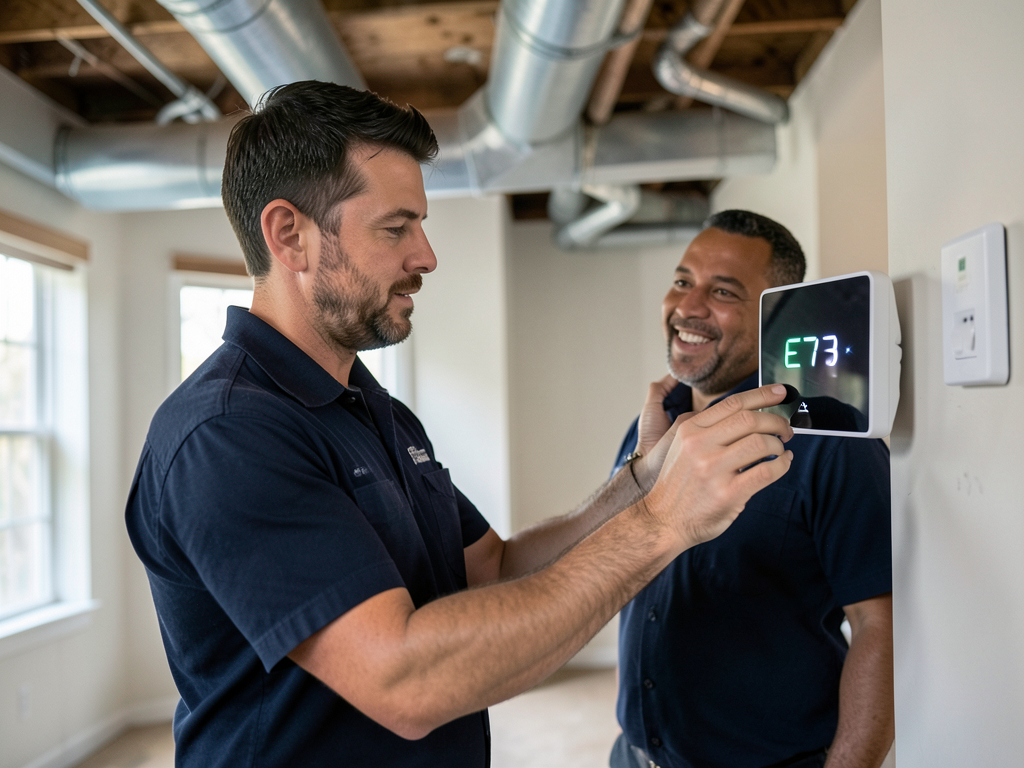
Nest error code E73 indicates a problem with the power sharing between your thermostat and AC system. This often occurs when your home lacks a proper C-wire installation. The error means your thermostat isn’t receiving enough consistent power to operate all its functions.
Ecobee Troubleshooting
Ecobee thermostats are known for their remote sensors, which can be particularly useful in New Orleans homes with multiple cooling zones. However, these sensors can also be a source of problems when they lose connection or provide inaccurate readings.
To restart an Ecobee, press the main button for five seconds until the device reboots. For more serious issues, you can perform a factory reset through the main menu. This will restore all factory settings but won’t affect your programmed schedules stored in the cloud.
Ecobee error code 01 indicates a wiring problem or communication failure with your HVAC system. This often occurs when there’s a break in the communication wire or when your system’s control board has failed.
Honeywell Home Troubleshooting
Honeywell Home thermostats offer reliability but can still experience issues specific to the New Orleans environment. Their simpler interface can actually make troubleshooting easier for homeowners who aren’t tech-savvy.
Most Honeywell models have a reset button located behind the front cover. Remove the cover and press the reset button for five seconds. Some models require you to remove the batteries for a hard reset.
Honeywell error code 89 typically indicates a problem with the outdoor AC unit’s communication with the thermostat. This could be a simple wiring issue or a more serious problem with your condenser’s control board.
The Entergy Factor: Power Surges and Your Thermostat
New Orleans’ electrical grid, managed by Entergy, experiences more power quality issues than most major cities. This creates unique challenges for smart home devices, particularly thermostats that rely on consistent power and internet connectivity.
During summer thunderstorms, voltage fluctuations can cause your smart thermostat to reboot or lose its programming. While brief outages might seem harmless, they can corrupt the thermostat’s internal memory, leading to erratic behavior or complete failure to communicate with your AC system.
Installing a whole-home surge protector can help protect your thermostat and other sensitive electronics. These devices, installed at your main electrical panel, can prevent the voltage spikes that often damage thermostat circuitry. For homes in flood-prone areas like Gentilly or the Lower Ninth Ward, this protection is especially important since electrical surges often accompany storm-related flooding.
Consider also using a UPS (uninterruptible power supply) for your thermostat if you experience frequent brief outages. This can maintain power during short interruptions and prevent the reboot cycle that often leads to thermostat confusion.
When to Call a Professional HVAC Technician
While many thermostat issues can be resolved with basic troubleshooting, some problems require professional diagnosis and repair. Understanding the difference can save you time and prevent unnecessary service calls.
If your thermostat appears to be functioning normally but your AC still isn’t cooling, the problem likely lies within your HVAC system itself. Common issues include a failed capacitor, a tripped float switch due to condensate drain problems, or a malfunctioning compressor.
According to Louisiana State Licensing Board for Contractors regulations, HVAC technicians must hold proper licensing for any repairs involving refrigerant handling or electrical work on HVAC equipment. This ensures your system is repaired safely and in compliance with local codes.
Signs that indicate you need professional help include burning smells from your AC unit, visible water leaks around your air handler, or the outdoor condenser unit not running at all despite the thermostat calling for cooling. These symptoms suggest problems beyond simple thermostat malfunction.
Professional technicians can also verify proper C-wire installation, check for voltage drops that might affect thermostat performance, and diagnose issues with your home’s overall electrical system that could be impacting your smart thermostat’s reliability.
Preventing Future Thermostat Problems
Once you’ve resolved your immediate thermostat issues, taking preventive measures can help avoid future problems, especially given New Orleans’ challenging climate conditions.
Regular maintenance of your HVAC system includes checking thermostat connections and ensuring proper power delivery. During annual maintenance visits, technicians can verify that your thermostat is receiving consistent voltage and that all wiring connections remain secure.
Consider upgrading older wiring in homes built before 2000, particularly if you’re experiencing frequent thermostat issues. The original wiring in many New Orleans homes wasn’t designed to support the power demands of modern smart thermostats.
For homes in areas prone to flooding or severe weather, installing a backup thermostat can provide peace of mind. These basic models can maintain essential cooling functions even when your primary smart thermostat experiences problems.
Finally, ensure your smart thermostat’s software remains updated. Manufacturers regularly release updates that improve performance and address known issues, particularly those related to power management and connectivity problems common in humid environments.
Cost Considerations for Thermostat Repairs
Understanding the potential costs involved can help you make informed decisions about whether to attempt DIY repairs or call for professional service.
Basic thermostat troubleshooting is typically free and can often resolve common issues like Wi-Fi connectivity problems or minor software glitches. More complex issues like C-wire installation or power supply problems may require professional service.
C-wire installation costs vary depending on your home’s construction and the accessibility of your HVAC equipment. In raised foundation homes common throughout New Orleans, accessing the control board may require additional labor, potentially increasing costs.
Complete thermostat replacement ranges from $150 to $500 for standard models, while high-end smart thermostats with advanced features can cost $300 to $600 or more. Professional installation adds $75 to $200 to these costs.
Emergency service calls for thermostat issues typically carry premium rates, especially during peak summer months when HVAC companies are busiest. Scheduling service during regular business hours can often save you 25-40% on service call fees. Emergency Ductwork Repair.
Local Building Codes and Thermostat Installation
Installing or replacing a thermostat in New Orleans must comply with local building codes and regulations. The City of New Orleans requires permits for any modifications to your home’s electrical system, including thermostat wiring changes.
Louisiana State Uniform Construction Code mandates specific requirements for low-voltage wiring installations. These codes ensure proper wire sizing, protection from physical damage, and appropriate separation from high-voltage circuits to prevent electrical hazards.
For homes in historic districts like the French Quarter or Garden District, additional restrictions may apply to any modifications visible from the exterior. While thermostats are typically interior installations, running new wiring might require approval from the Vieux Carré Commission.
Professional HVAC contractors familiar with local regulations can ensure your thermostat installation meets all code requirements and maintains your home’s compliance status, which is particularly important for insurance purposes and future property sales.
Frequently Asked Questions
Why does my Nest thermostat keep losing connection to my AC?
This usually indicates a power delivery problem, often caused by missing C-wire or voltage drops in your home’s electrical system. New Orleans’ aging infrastructure can contribute to these issues, particularly in older neighborhoods.
Can humidity really affect my smart thermostat?
Yes, extreme humidity can interfere with temperature sensors and cause condensation inside the thermostat, leading to erratic behavior or complete failure. This is particularly common in New Orleans during summer months.
How do I know if my thermostat or AC unit is actually broken?
If your thermostat display is working and responding to inputs but your AC doesn’t turn on, the problem is likely in your HVAC system rather than the thermostat. A professional diagnosis can determine the exact cause.
Should I upgrade to a smart thermostat in an older New Orleans home?
Smart thermostats can work well in older homes, but you may need C-wire installation or other modifications. Consider your home’s wiring condition and whether you’re prepared for potential installation challenges.
How often should I replace my thermostat?
Most thermostats last 10-15 years, but smart thermostats may need replacement sooner due to software obsolescence and changing technology standards. Consider replacement if you experience frequent issues or lack modern features.
Conclusion: Don’t Sweat the Small Stuff
Before you assume your AC has completely failed and start shopping for expensive replacements, remember that your smart thermostat could be the source of your cooling problems. New Orleans’ unique climate and infrastructure create specific challenges for these devices, but most issues can be resolved with basic troubleshooting.
The key is systematic diagnosis: check power, verify connections, and test basic functions before assuming the worst. Many homeowners in Metairie, Algiers, and across the New Orleans area have saved hundreds of dollars by identifying thermostat issues before calling for emergency AC repair.
If you’ve tried the troubleshooting steps outlined here and your AC still isn’t working properly, it’s time to call in the professionals. Our team understands the unique challenges that New Orleans homes face, from humidity-related sensor issues to power surge damage from Entergy’s grid. We can quickly diagnose whether you need a simple thermostat repair or more extensive HVAC service.
Call (504) 355-2955 today to schedule your inspection. Don’t let another hot New Orleans night pass without reliable cooling. Whether you need a quick thermostat reset or comprehensive AC repair, we’re here to help you stay comfortable in our challenging climate. Reliable Commercial AC Repair and Maintenance for Businesses in Kenner.
{
“@context”: “https://schema.org”,
“@type”: “BlogPosting”,
“headline”: “Is Your AC Actually Broken or is Your Nest Thermostat Just Acting Up?”,
“description”: “New Orleans homeowners struggle with Nest thermostat glitches caused by humidity, power surges, and C-wire issues. Learn how to troubleshoot before calling for repairs.”,
“wordCount”: 2333,
“datePublished”: “2026-03-20T09:06:00.000Z”,
“dateModified”: “2026-03-20T09:06:00.000Z”,
“inLanguage”: “en-US”,
“mainEntityOfPage”: {
“@type”: “WebPage”,
“@id”: “https://pioneerhvacneworleans.com”
},
“publisher”: {
“@type”: “LocalBusiness”,
“name”: “Pioneer HVAC New Orleans”,
“url”: “https://pioneerhvacneworleans.com”
},
“author”: {
“@type”: “Organization”,
“name”: “Pioneer HVAC New Orleans”,
“url”: “https://pioneerhvacneworleans.com”
},
“image”: {
“@type”: “ImageObject”,
“url”: “https://pioneerhvacneworleans.com/wp-content/uploads/2026/03/is-your-ac-actually-broken-or-is-your-nest-thermos-1.png”
}
}
{
“@context”: “https://schema.org”,
“@type”: “HVACBusiness”,
“name”: “Pioneer HVAC New Orleans”,
“url”: “https://pioneerhvacneworleans.com”,
“address”: {
“@type”: “PostalAddress”,
“addressLocality”: “New Orleans”
},
“areaServed”: {
“@type”: “City”,
“name”: “New Orleans”
}
}
{
“@context”: “https://schema.org”,
“@type”: “FAQPage”,
“mainEntity”: [
{
“@type”: “Question”,
“name”: “Why does my Nest thermostat keep losing connection to my AC?”,
“acceptedAnswer”: {
“@type”: “Answer”,
“text”: “This usually indicates a power delivery problem, often caused by missing C-wire or voltage drops in your home’s electrical system. New Orleans’ aging infrastructure can contribute to these issues, particularly in older neighborhoods.”
}
},
{
“@type”: “Question”,
“name”: “Can humidity really affect my smart thermostat?”,
“acceptedAnswer”: {
“@type”: “Answer”,
“text”: “Yes, extreme humidity can interfere with temperature sensors and cause condensation inside the thermostat, leading to erratic behavior or complete failure. This is particularly common in New Orleans during summer months.”
}
},
{
“@type”: “Question”,
“name”: “How do I know if my thermostat or AC unit is actually broken?”,
“acceptedAnswer”: {
“@type”: “Answer”,
“text”: “If your thermostat display is working and responding to inputs but your AC doesn’t turn on, the problem is likely in your HVAC system rather than the thermostat. A professional diagnosis can determine the exact cause.”
}
},
{
“@type”: “Question”,
“name”: “Should I upgrade to a smart thermostat in an older New Orleans home?”,
“acceptedAnswer”: {
“@type”: “Answer”,
“text”: “Smart thermostats can work well in older homes, but you may need C-wire installation or other modifications. Consider your home’s wiring condition and whether you’re prepared for potential installation challenges.”
}
},
{
“@type”: “Question”,
“name”: “How often should I replace my thermostat?”,
“acceptedAnswer”: {
“@type”: “Answer”,
“text”: “Most thermostats last 10-15 years, but smart thermostats may need replacement sooner due to software obsolescence and changing technology standards. Consider replacement if you experience frequent issues or lack modern features.”
}
}
]
}
{
“@context”: “https://schema.org”,
“@type”: “HowTo”,
“name”: “Quick Thermostat Diagnostic”,
“step”: [
{
“@type”: “HowToStep”,
“position”: 1,
“name”: “Check Power Status”,
“text”: “Verify your thermostat has power by checking if the display is lit. If the screen is completely dark, your thermostat may have lost power due to a tripped breaker or dead batteries. This is the most common issue after Entergy power surges during summer thunderstorms.”
},
{
“@type”: “HowToStep”,
“position”: 2,
“name”: “Verify Wi-Fi Connection”,
“text”: “Smart thermostats need internet connectivity to function properly. Check if your Wi-Fi is working by testing other devices. A Nest thermostat without Wi-Fi may default to basic functions or stop communicating with your AC system entirely.”
},
{
“@type”: “HowToStep”,
“position”: 3,
“name”: “Test Basic Functions”,
“text”: “Try manually adjusting the temperature settings. If the thermostat responds but nothing happens, the issue might be with the signal to your AC unit rather than the thermostat itself.”
},
{
“@type”: “HowToStep”,
“position”: 4,
“name”: “Listen for Clicks”,
“text”: “When you adjust the temperature, you should hear a clicking sound from your thermostat. No click could indicate a dead battery, loose wiring, or internal failure.”
},
{
“@type”: “HowToStep”,
“position”: 5,
“name”: “Check for Error Messages”,
“text”: “Modern thermostats display specific error codes for different problems. Write down any error messages you see before attempting resets.”
}
],
“image”: “https://pioneerhvacneworleans.com/wp-content/uploads/2026/03/is-your-ac-actually-broken-or-is-your-nest-thermos-1.png”
}
{
“@context”: “https://schema.org”,
“@type”: “BreadcrumbList”,
“itemListElement”: [
{
“@type”: “ListItem”,
“position”: 1,
“name”: “Home”,
“item”: “https://pioneerhvacneworleans.com”
},
{
“@type”: “ListItem”,
“position”: 2,
“name”: “Blog”,
“item”: “https://pioneerhvacneworleans.com/blog”
},
{
“@type”: “ListItem”,
“position”: 3,
“name”: “Is Your AC Actually Broken or is Your Nest Thermostat Just Acting Up?”
}
]
}
{
“@context”: “https://schema.org”,
“@type”: “Service”,
“serviceType”: “HVAC”,
“provider”: {
“@type”: “LocalBusiness”,
“name”: “Pioneer HVAC New Orleans”,
“url”: “https://pioneerhvacneworleans.com”
},
“areaServed”: {
“@type”: “City”,
“name”: “New Orleans”
},
“description”: “New Orleans homeowners struggle with Nest thermostat glitches caused by humidity, power surges, and C-wire issues. Learn how to troubleshoot before calling for repairs.”
}