




menu

Winterizing Your HVAC System in New Orleans – Protect Against Humid Cold Snaps and Avoid January Breakdowns

Get your heating system ready for New Orleans winter with proper winterizing your HVAC system. Our technicians prepare your equipment to handle the city's unique cold-weather patterns, preventing furnace failures when temperatures drop overnight.

Slider Image 1
Slider Image 2
Slider Image 3
Slider Image 4
Slider Image 5
Slider Image 7
Slider Image 8
Slider Image 9
Slider Image 10
Slider Image 11

Why New Orleans HVAC Systems Fail When Winter Arrives

New Orleans winters do not follow normal patterns. You get 70-degree days in December, then wake up to 35 degrees and fog rolling off Lake Pontchartrain. Your heating system sits idle for eight months, then you demand full output when a cold front pushes through from the north.

This stop-start climate creates specific problems. Condensation builds inside ductwork during humid fall months. Rodents nest in outdoor units during the long cooling season. Furnace ignitors corrode from moisture exposure. When you flip the thermostat to heat in mid-January, the system either fails completely or runs inefficiently.

Most homeowners in Lakeview, the Garden District, and Metairie do not think about heating system winterization until the first cold snap hits. That is when service calls spike and wait times extend to days. The families who prioritized hvac winter maintenance in November stay comfortable while neighbors scramble for emergency repairs.

Getting heating system ready for winter means addressing humidity damage before you need heat. The Gulf Coast climate requires different preparation than northern states. You face mold growth in air handlers, rust on heat exchangers, and outdoor unit components degraded by salt air. Winter hvac preparation here focuses on moisture control and verifying that dormant heating components still function after months of disuse.

Preparing hvac for winter in New Orleans is not about surviving blizzards. You are protecting against sudden temperature drops, high humidity transitions, and equipment that only runs intermittently. The goal is reliability when you need it, not constant operation through harsh conditions.

Why New Orleans HVAC Systems Fail When Winter Arrives
How Proper Winter Preparation Protects Your Heating System

How Proper Winter Preparation Protects Your Heating System

Professional winterizing your HVAC system starts with a comprehensive inspection of components that have been dormant since spring. Technicians check furnace heat exchangers for cracks that develop during idle periods. Small fractures in the heat exchanger allow carbon monoxide to mix with heated air, creating a dangerous situation when the system runs.

The ignition system requires specific attention. Hot surface ignitors and flame sensors corrode in high humidity. A weak ignitor may work for a few cycles, then fail on the coldest night. Technicians test ignition components under load conditions, replacing marginal parts before they fail in service.

Ductwork inspection reveals problems invisible to homeowners. Condensation in supply ducts promotes mold growth during fall humidity. Pests chew through duct insulation, creating air leaks that reduce efficiency. Technicians seal penetrations and verify that dampers move freely after months without use.

Refrigerant levels need verification even though you are preparing for heating season. Heat pumps use the same refrigerant loop for heating and cooling. Low refrigerant charge forces the system into auxiliary heat mode, tripling your electric bill. Technicians check pressures and adjust charge to manufacturer specifications.

The condensate system must drain freely. New Orleans humidity creates condensation year-round. Clogged drain lines cause water damage to ceilings and walls. Technicians clear drain lines, verify trap seal, and confirm that the safety switch activates if the line blocks.

Thermostat calibration ensures accurate temperature control. Mechanical thermostats drift over time. Smart thermostats lose Wi-Fi connection or develop software bugs. Technicians verify that the thermostat correctly cycles the system and that temperature readings match actual conditions. This prevents short-cycling that damages compressors and blower motors.

What Happens During Your Winter Readiness Service

Winterizing Your HVAC System in New Orleans – Protect Against Humid Cold Snaps and Avoid January Breakdowns
01

System Performance Testing

The technician runs your heating system through complete cycles, measuring temperature rise across the heat exchanger and verifying proper airflow. This identifies weak components before winter demand increases. Blower motor amperage, gas valve operation, and safety limit switches all get tested under actual operating conditions to confirm reliable performance.
02

Component Cleaning and Adjustment

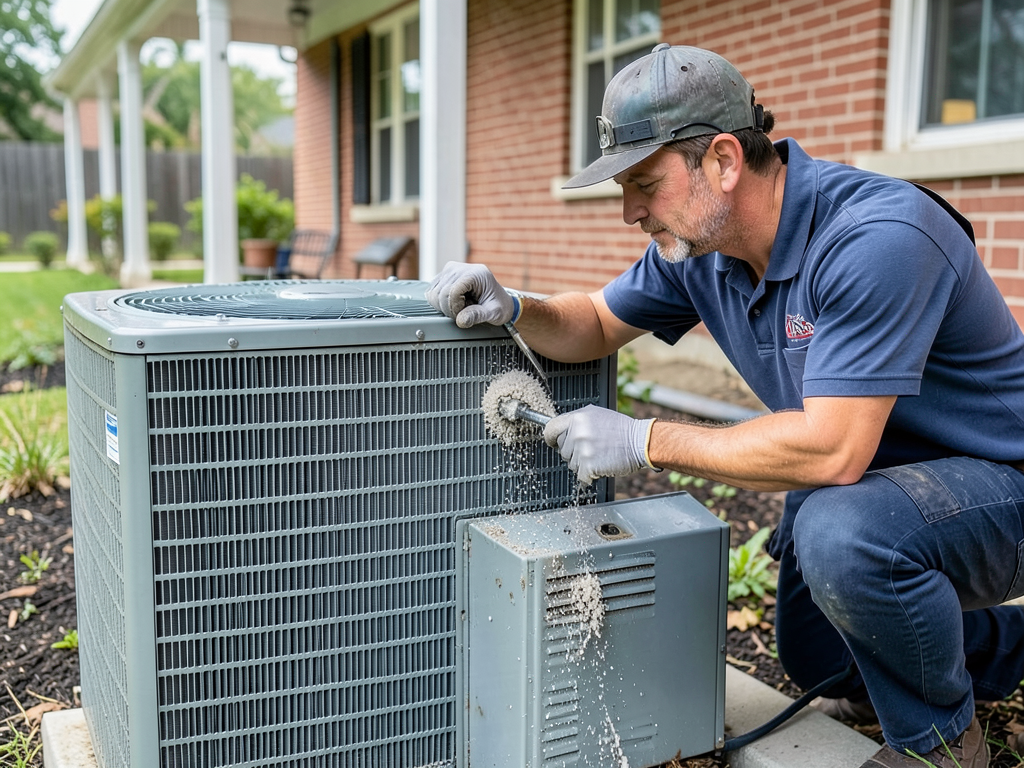
All accessible components get cleaned and adjusted. Flame sensors are polished to ensure proper flame detection. Blower wheels are cleared of debris that accumulated during cooling season. Outdoor coils are rinsed to remove salt residue from Gulf air. Burners are inspected for proper flame pattern and gas pressure is verified at the manifold.
03

Documentation and Recommendations

You receive a detailed report showing system performance metrics and any components approaching end of service life. The technician explains findings and provides cost estimates for recommended repairs. This allows you to plan maintenance spending rather than facing emergency repair decisions during a cold snap. You know exactly what condition your heating system is in.

Why Local Experience Matters for New Orleans HVAC Winterization

Pioneer HVAC New Orleans understands the specific challenges Gulf Coast climate creates for heating systems. We have seen how salt air corrodes outdoor unit components faster than inland locations. We know which furnace models handle high humidity better than others. We recognize the signs of moisture damage that technicians from other regions miss.

Our service history with New Orleans homes gives us insight into common failure patterns. Furnaces in raised homes near the river behave differently than ground-level units in Mid-City. Historic homes with original ductwork require different approaches than modern construction in Algiers. We adjust our inspection protocol based on building type and location.

The relationship with local supply houses means we stock parts that fail most often in this climate. When a heat exchanger cracks or a blower motor burns out, we have replacements ready. National companies ship parts from regional warehouses, adding days to repair timelines. Our local inventory keeps your system running.

Building code knowledge specific to Orleans Parish ensures all work meets current standards. Furnace installations and modifications require specific clearances and venting arrangements. The city has unique requirements for equipment in flood zones and historic districts. We handle permit applications and inspections without delays.

Storm preparation factors into our winterization approach. Hurricane season overlaps with early winter preparation schedules. We inspect outdoor units for damage from tropical systems and verify that elevated equipment mounts remain secure. This dual focus on storm resilience and winter reliability protects your investment year-round.

Customer relationships built over years create accountability. We service systems we installed and repaired previously. We know your equipment history and can predict maintenance needs based on past performance. This continuity prevents repeated diagnostics and builds a maintenance plan specific to your home.

What Winter Preparation Service Includes

Service Timeline and Scheduling

Winter preparation appointments take 90 minutes to two hours, depending on system complexity and findings. We schedule services from October through early December to avoid cold weather rushes. Same-week appointments are typically available during this window. If the inspection reveals needed repairs, we provide immediate estimates and can often complete work the same day. Emergency services remain available if your heating system fails before you schedule preventive maintenance, though wait times increase once cold fronts arrive.

Comprehensive System Assessment

The technician inspects every component that affects heating performance. This includes visual inspection of the heat exchanger for cracks, electrical testing of ignition systems and safety controls, airflow measurement across the blower assembly, and refrigerant charge verification for heat pumps. Ductwork gets inspected for leaks and proper insulation. The thermostat is tested for accurate temperature control and proper system staging. Carbon monoxide testing ensures safe operation. You receive documentation of all measurements and findings.

Performance Verification and Testing

After cleaning and adjustments, the technician runs multiple heating cycles to verify proper operation. Temperature rise is measured and compared to manufacturer specifications. Blower performance is confirmed across all fan speeds. Heat pump defrost cycles are tested if applicable. Safety controls are verified to shut down the system under fault conditions. You see the system operate correctly before the technician leaves. This testing phase confirms that your heating system will perform reliably when outdoor temperatures drop.

Ongoing Maintenance and Support

Winter preparation service identifies components that may need attention mid-season. We note parts showing wear and estimate remaining service life. You receive guidance on filter change intervals based on your home and usage patterns. Priority scheduling is available for maintenance plan members if mid-winter repairs become necessary. We maintain service records that track your system performance over time, allowing us to spot developing problems before they cause failures. Spring tune-ups are scheduled before cooling season to maintain year-round efficiency.

Frequently Asked Questions

You Have Questions,
We Have Answers

How to winterize a HVAC system? +

Start by changing your air filter and scheduling a professional inspection before cold weather arrives. Clean debris from around your outdoor unit and check that all vents inside remain unblocked. In New Orleans, our mild winters mean your system still runs for heating and cooling, so ensure your thermostat switches between modes properly. Inspect ductwork for leaks that waste energy and check refrigerant levels. Clear condensate drain lines to prevent backups during temperature swings. Test your heat strips or furnace to confirm they work before you need them on those occasional 30-degree nights we get.

What is the $5000 rule for HVAC? +

The $5000 rule helps you decide between repair and replacement. You multiply your system's age by the repair cost. If the result exceeds $5000, replacement makes more financial sense than fixing it. For example, a 12-year-old unit needing a $500 repair equals $6000, suggesting replacement. In New Orleans, high humidity accelerates wear on compressors and coils, so units often fail earlier than the national average of 15 years. This rule works as a guideline, but factor in efficiency gains from newer models that handle our subtropical climate better and lower monthly bills.

Should you cover your HVAC during an ice storm? +

You should not cover your HVAC unit during an ice storm in New Orleans. Modern outdoor units are engineered to withstand winter weather, including the rare ice events we experience. Covering traps moisture inside, which promotes rust and mold growth in our humid climate. It also creates shelter for rodents and insects. Your unit needs airflow even when idle. If you run heat during an ice storm, a cover blocks necessary ventilation and damages your system. Clear ice buildup from the top and sides after the storm passes, but leave the unit uncovered year-round.

What is the 3 minute rule for AC? +

The 3-minute rule protects your compressor from short cycling damage. After your AC shuts off, wait at least three minutes before restarting it. This allows refrigerant pressure to equalize throughout the system. Restarting too quickly forces the compressor to work against high pressure, which shortens its lifespan. In New Orleans, where AC units cycle frequently during our long cooling season, this rule matters even more. Most modern thermostats have built-in delay timers. If yours does not, avoid manually adjusting your thermostat up and down repeatedly within short periods.

Should you cover up your central air unit in the winter? +

You should not cover your central air unit during winter in New Orleans. Our mild winters mean you might use AC on warm February afternoons when temperatures hit 75 degrees. Covers trap moisture against metal components, accelerating corrosion in our high-humidity environment. They also provide nesting spots for rodents that chew wiring. Your outdoor unit is built to handle rain, cold, and occasional freezes without protection. Simply remove leaves and debris from around the unit periodically. If you want to protect the top from falling branches, use a piece of plywood weighted down, not a full cover.

Is it okay to spray water on your window air conditioner? +

Yes, you can spray water on your window air conditioner to clean it, but do it correctly. Turn off and unplug the unit first. Use a garden hose on low pressure to rinse the exterior coils and remove dust buildup. In New Orleans, pollen and humidity create sticky grime that reduces efficiency. Spray from inside out to push debris away from fins. Avoid high pressure that bends delicate aluminum fins. Let the unit dry completely for several hours before plugging it back in. Clean your window unit monthly during cooling season to maintain airflow and efficiency.

What is the average lifespan of an HVAC system? +

The average HVAC system lasts 15 to 20 years, but in New Orleans, expect closer to 12 to 15 years. Our subtropical climate forces AC units to run nearly year-round, accumulating more operating hours than systems in moderate climates. High humidity corrodes components faster. Salt air near Lake Pontchartrain accelerates deterioration. Poor maintenance shortens lifespan significantly. Regular filter changes, annual professional tune-ups, and keeping your outdoor unit clear of debris extend longevity. If your system approaches 12 years and needs major repairs, consider replacement for better efficiency and reliability.

How much is the federal tax credit for HVAC? +

The federal Energy Star tax credit offers up to $2000 for qualified HVAC systems installed through 2032. You can claim up to $600 for a central AC unit, $600 for a furnace or boiler, and $2000 for a heat pump that meets efficiency standards. In New Orleans, heat pumps make excellent sense for our mild winters and hot summers. You must install equipment by December 31st of the tax year you claim. Keep manufacturer certification statements and receipts. Check IRS Form 5695 for current requirements, as rules change. This credit reduces your tax bill dollar for dollar.

Does keeping the AC at 72 save money? +

Keeping your AC at 72 degrees does not save money in New Orleans. Our hot, humid climate means your system runs constantly trying to maintain that temperature. Each degree you raise your thermostat saves roughly 3 percent on cooling costs. Set your thermostat to 78 degrees when home and 82 degrees when away for optimal savings. Use ceiling fans to create wind chill that makes 78 feel cooler. In our climate, a programmable or smart thermostat pays for itself quickly by automatically adjusting temperatures based on your schedule and reducing runtime without sacrificing comfort.

At what temperature will an AC unit freeze? +

Your AC unit will freeze when the evaporator coil drops below 32 degrees, which happens when airflow is restricted or refrigerant is low. In New Orleans, dirty filters are the most common cause because dust and pollen accumulate quickly in our environment. Blocked return vents, closed registers, or failing blower motors also reduce airflow. Running your AC when outdoor temperatures fall below 60 degrees can cause freezing too. If you see ice on your indoor coil or outdoor lines, turn off your system immediately. Let it thaw completely, change your filter, then call for service if freezing returns.

How New Orleans Humidity and Temperature Swings Damage Idle Heating Systems

New Orleans heating systems face damage patterns uncommon in northern climates. Your furnace or heat pump sits unused from April through November while humidity levels stay above 70 percent. Moisture condenses inside the heat exchanger and air handler during this idle period. Metal components rust, electrical connections corrode, and mold grows in ductwork. When you activate heating in January, corroded ignitors fail and rusty burners produce incomplete combustion. Temperature swings from 75 degrees to 35 degrees in 12 hours force systems into emergency operation without the gradual ramp-up northern systems experience. This shock loading reveals every weakness that developed during the long idle season.

Local building codes in Orleans Parish require specific venting arrangements for gas furnaces in raised homes and historic structures. Many older homes have heating systems that predate current efficiency standards, requiring careful inspection to ensure safe operation. Pioneer HVAC New Orleans maintains relationships with city inspectors and understands permit requirements for equipment modifications. We stock parts specific to furnace models common in the area, including components for systems that serve both as heating and dehumidification equipment. This local knowledge prevents the delays and errors that occur when national service chains send technicians unfamiliar with Gulf Coast construction methods and climate challenges.

HVAC Services in The New Orleans Area

Pioneer HVAC New Orleans is proud to serve the entire New Orleans metropolitan area and surrounding parishes. Our central location allows our technicians to rapidly reach you, minimizing your wait time and ensuring quick service response for your heating and cooling needs. Invite us to your location by checking our service area map online or simply giving us a call today to confirm service availability at your specific address.

Address:
Pioneer HVAC New Orleans, 612 Andrew Higgins Dr, New Orleans, LA, 70130

Additional Services We Offer

Our news updates

Latest Articles & News from The Blogs

Understanding the 2026 Refrigerant Changes and What They Mean for Your Home Cooling Your air conditioning system runs on refrigerant,…

Understanding the 2026 Refrigerant Changes and What They Mean for Your Home Cooling

Understanding the 2026 Refrigerant Changes and What They Mean for Your Home Cooling Your air conditioning system runs on refrigerant,…

Why Your AC Keeps Turning On and Off Every Five Minutes (And How to Fix It)

Why Your AC Keeps Turning On and Off Every Five Minutes (And How to Fix It) Your AC should run…

Why Your New Orleans Home Still Feels Dusty Even After You Change the Air Filter

Why Your New Orleans Home Still Feels Dusty Even After You Change the Air Filter Persistent dust in New Orleans…

Contact Us

Do not wait for the first cold snap to discover your heating system needs repairs. Call Pioneer HVAC New Orleans at (504) 355-2955 to schedule winter preparation service. We are booking appointments now and can typically schedule service within the same week during fall months.