




menu

Heat Pump vs. Furnace Guide for New Orleans – Make the Right Choice for Your Climate

Understand the difference between heat pump and furnace systems in New Orleans's humid subtropical climate, where mild winters and high cooling demands change the economics and performance of your heating decision.

Slider Image 1
Slider Image 2
Slider Image 3
Slider Image 4
Slider Image 5
Slider Image 7
Slider Image 8
Slider Image 9
Slider Image 10
Slider Image 11

Why the Heat Pump vs Furnace Question Matters More in New Orleans

New Orleans sits in USDA Zone 9a, where January lows rarely drop below 32°F and cooling season stretches eight months. This changes everything about the heat pump vs furnace comparison you read on national sites.

A gas furnace delivers 95% AFUE efficiency and handles the coldest nights with ease. But you only need heating 60 days per year. The rest of the time, that furnace sits idle while your air conditioner runs. You paid for a single-purpose appliance that works three months and rests nine.

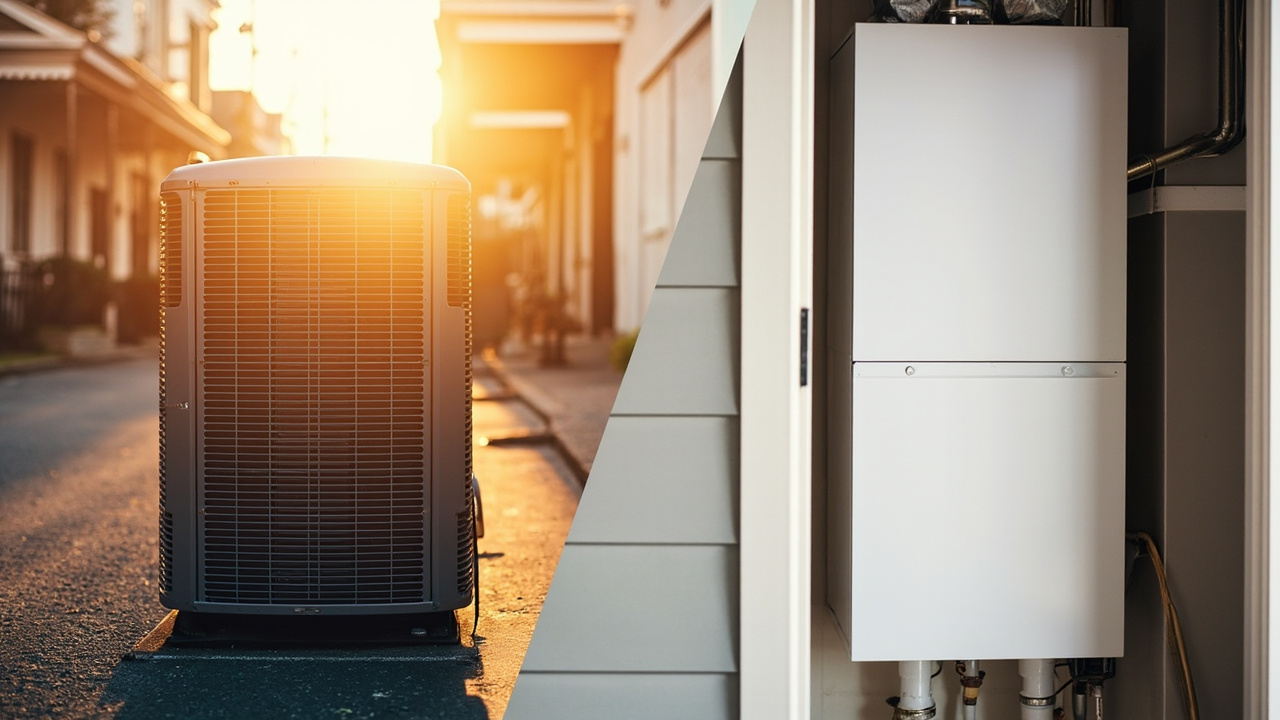
A heat pump runs year-round. It cools your Uptown shotgun home in July and reverses refrigerant flow to heat it in December. The heat pump vs gas furnace debate tilts heavily toward heat pumps here because you get dual functionality from one system. Your compressor works twelve months instead of sitting dormant.

The difference between heat pump and furnace economics shows up fast in our climate. Gas furnaces make sense in Minneapolis, where winter lasts six months and temperatures hit -20°F. New Orleans averages 1,465 cooling degree days and only 1,530 heating degree days. You need cooling capacity far more than heating capacity.

Humidity creates another variable. New Orleans averages 75% relative humidity year-round. Heat pumps dehumidify while cooling, pulling moisture out during shoulder seasons when you might not run a furnace but dampness creeps into your walls. That moisture control protects your investment in a city where mold remediation costs thousands.

The heat pump vs furnace pros and cons shift based on your ZIP code. What works in Metairie performs differently than systems in Lakeview, where elevation and water table depth affect ductwork placement and system sizing. Your equipment choice needs to match your microclimate, not a generic buying guide written for Ohio.

Why the Heat Pump vs Furnace Question Matters More in New Orleans
How We Evaluate Heat Pump or Furnace for Your Home

How We Evaluate Heat Pump or Furnace for Your Home

We start with a Manual J load calculation specific to your address. Generic online calculators fail in New Orleans because they miss critical inputs like your roof's solar heat gain from western exposure in Mid-City or wind load from Lake Pontchartrain in Lakeview. We measure window square footage, insulation R-values, and duct leakage rates. These numbers determine whether a 2-ton heat pump suffices or you need a 3-ton unit with auxiliary heat strips.

Next, we calculate your heating balance point. That's the outdoor temperature where a heat pump's output matches your home's heat loss. In New Orleans, balance points typically fall between 25°F and 35°F. Nights below your balance point require supplemental heat. If your home has poor insulation and single-pane windows, your balance point rises, meaning your heat pump needs backup heat more often. A furnace might make financial sense if your balance point sits above 40°F and you face frequent cold snaps.

We examine your existing ductwork. Heat pumps move more air at lower temperatures than furnaces. Your ducts might handle 400 CFM per ton from a furnace but struggle with 450 CFM per ton from a heat pump. Undersized ducts create velocity noise and reduce efficiency. We measure duct cross-sections and static pressure. If your ducts need modification, that cost factors into the heat pump vs furnace comparison.

Electrical capacity matters. Heat pumps require 240V circuits and draw 15-20 amps during heating mode plus another 15-20 amps for auxiliary strips. Older New Orleans homes with 100-amp panels sometimes lack capacity for heat pump upgrades without panel replacement. Gas furnaces need smaller circuits but require gas line modifications if you currently heat with electric resistance.

We factor in your cooling equipment's age. If your air conditioner runs fine but your furnace failed, installing a heat pump means replacing working equipment. That changes ROI calculations. We look at the total system lifecycle, not just the broken component.

How We Guide You Through the Heat Pump vs Furnace Decision

Heat Pump vs. Furnace Guide for New Orleans – Make the Right Choice for Your Climate
01

Home Energy Assessment

We walk your property with thermal imaging cameras and manometers, measuring heat loss through your building envelope. In New Orleans, attic insulation often settles below R-30 effectiveness, and crawl space vents introduce humid air that increases cooling loads. We document BTU requirements room by room, identifying whether your home favors heat pump efficiency or furnace simplicity. This assessment reveals upgrade priorities that improve performance regardless of which system you choose.
02

Cost Projection Modeling

We input your utility rates, home specifications, and local weather data into energy modeling software. You see projected annual operating costs for heat pump vs gas furnace scenarios side by side. We account for Entergy New Orleans electric rates, natural gas pricing, and seasonal efficiency variations. The model shows payback periods and 10-year total cost of ownership. These numbers remove guesswork from your decision.
03

Installation Planning

Once you choose a system, we map installation logistics specific to your property. New Orleans homes built on pier-and-beam foundations require different condenser pad preparations than slab foundations. We coordinate electrical upgrades, ductwork modifications, and refrigerant line routing. You receive a timeline that accounts for permitting through the City of New Orleans Safety and Permits office and inspection scheduling. We handle the paperwork and coordinate utility disconnects if required.

Why New Orleans Homeowners Trust Our System Recommendations

Pioneer HVAC New Orleans operates in a climate zone most national HVAC content ignores. We size equipment for 95°F design temperatures and 77°F wet-bulb conditions, not the generic 90°F assumptions you find in manufacturer spec sheets. Our technicians understand how afternoon thunderstorms drop outdoor temperatures 15 degrees in twenty minutes, creating rapid load swings that stress improperly sized systems.

We know the difference between heat pump and furnace performance in homes south of Claiborne versus north of I-10. Elevation changes affect drainage and humidity control. Homes near the Industrial Canal face different air quality concerns than properties in Audubon. These details change equipment selection and ductwork design.

Our recommendations account for New Orleans building stock. Many homes date to the 1920s with knob-and-tube wiring, plaster walls, and no attic access. Retrofit installations require creative solutions. We have installed mini-split heat pumps in shotgun doubles where ductwork was impossible and designed creative register placements in homes with 10-foot ceilings and crown molding worth preserving.

We present heat pump vs furnace pros and cons without steering you toward higher-ticket sales. Some situations genuinely favor gas furnaces. If you have cheap natural gas service, excellent insulation, and an aging air conditioner that still works well, replacing only the furnace makes sense. We show you the math and let you decide.

Our Manual J calculations follow ACCA standards and account for New Orleans variables like solar heat gain through south-facing windows and latent cooling loads from humidity infiltration. We have measured duct leakage in hundreds of local homes and know typical leakage rates in crawl spaces versus attic installations. That experience base prevents oversizing and undersizing errors that plague single-visit quotes.

We understand local code requirements. New Orleans requires separate disconnects for outdoor units, specific clearances from lot lines, and elevation requirements in flood zones. We pull permits and coordinate inspections. Your installation passes first inspection because we know what inspectors check.

What to Expect When Choosing Between Heat Pump and Furnace

Assessment Timeline

Your initial evaluation takes 90 minutes to two hours. We measure your home, photograph equipment, test ductwork, and review utility bills. You receive a written report within 48 hours showing load calculations, equipment recommendations, and cost projections. We include efficiency ratings, expected operating costs, and installation requirements. The assessment identifies whether you need electrical upgrades, duct modifications, or gas line work. You make your decision with complete information, not sales pressure during a home visit.

System Comparison Details

We explain SEER ratings, HSPF numbers, and AFUE percentages in terms that relate to your monthly bills. A 16 SEER heat pump costs less to run than a 14 SEER unit, but the efficiency gain might not justify the price premium in New Orleans's short heating season. We compare single-stage, two-stage, and variable-speed compressors. You learn how inverter-driven compressors maintain humidity control better during mild weather. We discuss auxiliary heat strip staging and balance point optimization. These details prevent buyer's remorse when you understand exactly what you purchased and why.

Installation Quality Standards

Your installation includes proper refrigerant charging using superheat and subcooling measurements, not just pressure gauges. We vacuum refrigerant lines to 500 microns and hold vacuum for leak testing. Ductwork connections get mastic sealant and foil tape, not cloth duct tape that fails in attic heat. Condensate drains receive proper trap installation and secondary drain routing per code. Outdoor units sit on composite pads that won't settle or crack. Electrical connections use proper gauge wire, weatherproof disconnects, and correctly sized breakers. You receive an installation that performs as designed.

Ongoing Support

We provide system-specific maintenance schedules based on your equipment type. Heat pumps need refrigerant checks twice yearly because they run year-round. Furnaces require annual combustion analysis and heat exchanger inspection. You receive reminders before maintenance windows and priority scheduling. Our maintenance includes coil cleaning, blower wheel inspection, capacitor testing, and thermostat calibration. We track refrigerant charge and airflow measurements over time, catching efficiency loss before it becomes equipment failure. Filter replacement schedules account for New Orleans pollen seasons and humidity levels that affect filter loading rates.

Frequently Asked Questions

You Have Questions,
We Have Answers

What is better, a heat pump or a furnace? +

For New Orleans, a heat pump wins most of the time. Our mild winters rarely dip below 40 degrees, which makes heat pumps highly efficient. They both heat and cool, saving you the cost of two separate systems. Gas furnaces provide faster heating in extreme cold, but you will still need AC for our brutal summers. If you have access to natural gas and prioritize quick warmth during occasional freezes, a furnace paired with AC works. Otherwise, a heat pump handles our climate perfectly and cuts energy costs year-round.

What is the major disadvantage of a heat pump? +

Heat pumps lose efficiency in extreme cold. When outdoor temperatures drop below 25-30 degrees, the system works harder to extract heat from frigid air. This forces the auxiliary electric heat strips to kick in, which spike your energy bill. In New Orleans, this rarely happens. Our average winter low stays around 45 degrees, so efficiency loss is minimal. The bigger issue locally is humidity control during cooling mode. Make sure your system is sized correctly to handle moisture removal during our sticky spring and fall months.

What is the 20 degree rule for heat pumps? +

The 20 degree rule refers to heat pump performance limits. Traditional heat pumps struggle when the outdoor temperature drops 20 degrees or more below the desired indoor temperature. For example, if you want 70 degrees inside and it is 50 degrees outside, the system works fine. But at 30 degrees outside, efficiency plummets. In New Orleans, temperatures rarely fall that low. Modern cold-climate heat pumps push this threshold even lower, operating efficiently down to 5 degrees. For our Gulf Coast winters, the 20 degree rule is not a concern.

Why is my electric bill so high with a heat pump? +

Your electric bill jumps when auxiliary heat strips activate. Heat pumps work efficiently in mild weather, but when temperatures drop suddenly or you crank the thermostat up fast, backup electric resistance heating kicks in. This backup heat uses three times more electricity than the compressor. In New Orleans, this often happens during rare cold snaps or if your thermostat is set to emergency heat by mistake. Check your thermostat setting. Also, dirty filters or low refrigerant force the system to work harder, driving up costs even in mild weather.

Why don't contractors like heat pumps? +

Some contractors avoid heat pumps because of outdated training or profit margins. Older techs learned on gas furnaces and feel more comfortable installing them. Heat pumps require precise refrigerant charging and airflow balancing, which takes more skill. Some contractors also push what they stock or what earns higher commissions. In New Orleans, where heat pumps excel, resistance to them makes little technical sense. A quality contractor evaluates your specific home, ductwork, and insulation before recommending equipment. Avoid anyone who dismisses heat pumps without assessing your needs first.

Can a heat pump cool a house in 100 degree weather? +

Yes. Heat pumps cool just as effectively as traditional air conditioners because they use the same refrigeration cycle. In 100 degree New Orleans heat, performance depends on proper sizing, refrigerant charge, and airflow. A correctly installed heat pump extracts indoor heat and dumps it outside, regardless of outdoor temperature. The real challenge is humidity control. Our thick Gulf Coast air requires a system that runs long enough to wring out moisture. Oversized units short-cycle and leave you clammy. Make sure your contractor performs a Manual J load calculation before installation.

What is the inconvenient truth about heat pumps? +

Heat pumps demand precise installation and maintenance. Refrigerant charge must be exact. Ductwork must be sealed. Airflow must match design specs. Shortcuts lead to high bills, short equipment life, and comfort complaints. In New Orleans, humidity control depends on proper runtime, so oversizing kills performance. Another truth is upfront cost. Quality heat pumps cost more than builder-grade AC units. But they pay back through lower energy bills and dual heating and cooling capability. Cheap installations fail fast. Invest in proper design and skilled labor from the start.

What is the $5000 rule for HVAC? +

The $5000 rule is a rough guideline for repair versus replacement. If your HVAC system needs a major repair and the cost exceeds $5000 or half the price of a new system, replacement often makes more financial sense. Factor in the age of your equipment. A 12 year old unit with a failed compressor will likely need more repairs soon. In New Orleans, humidity and salt air accelerate wear. A new system also qualifies for utility rebates and improved efficiency. Get multiple quotes and compare total ownership costs over five years before deciding.

Why is my house so cold with a heat pump? +

Your house feels cold because heat pumps deliver air around 95-100 degrees, which feels lukewarm compared to furnace air at 120-140 degrees. The system is working, but the sensation is different. Check your thermostat setting first. If it is on emergency heat, your backup strips should warm things up fast. Low refrigerant, dirty filters, or blocked outdoor coils reduce heating capacity. In New Orleans, cold indoor temps often trace back to poor insulation or air leaks. Heat pumps work best in tight, well-insulated homes. Seal gaps and add attic insulation if needed.

At what temperature should you not use a heat pump in winter? +

Most standard heat pumps lose efficiency below 25-30 degrees. Backup electric heat takes over, spiking your bill. Cold-climate models work down to 5 degrees or lower. In New Orleans, winter lows rarely drop below 40 degrees, so this threshold is not an issue. If temperatures fall into the low 30s during a rare freeze, your heat pump will still function but may run longer. Switching to emergency heat mode forces expensive backup strips on. Let the system run in normal heat mode unless you face prolonged sub-freezing conditions, which almost never happens here.

How New Orleans Humidity and Mild Winters Change Heat Pump Economics

New Orleans receives 62 inches of rain annually and maintains dew points above 65°F from May through September. Heat pumps handle latent cooling loads better than furnaces paired with standard air conditioners because variable-speed heat pump compressors run longer cycles at lower speeds. This extended runtime pulls more moisture from indoor air. Homes in Gentilly and Lakeview near the lake see higher humidity infiltration than Uptown properties on higher ground. The difference between heat pump and furnace performance includes humidity control, not just temperature management. A properly sized heat pump maintains 45-50% indoor humidity without a separate dehumidifier, protecting your home from mold growth that thrives above 60% relative humidity.

New Orleans experiences fewer than 10 days per year below 32°F, making heat pump vs gas furnace economics favor heat pumps in most installations. Local contractors familiar with Gulf Coast climate design systems differently than technicians trained in northern markets. We account for cooling-dominated loads and size equipment to prevent short-cycling during mild weather. The City of New Orleans Building Code requires HVAC permits for system replacements, and inspectors check refrigerant line sizing, electrical disconnects, and condensate drain routing specific to local flood risk. Choosing a contractor who navigates these local requirements prevents installation failures and permit delays that extend project timelines.

HVAC Services in The New Orleans Area

Pioneer HVAC New Orleans is proud to serve the entire New Orleans metropolitan area and surrounding parishes. Our central location allows our technicians to rapidly reach you, minimizing your wait time and ensuring quick service response for your heating and cooling needs. Invite us to your location by checking our service area map online or simply giving us a call today to confirm service availability at your specific address.

Address:
Pioneer HVAC New Orleans, 612 Andrew Higgins Dr, New Orleans, LA, 70130

Additional Services We Offer

Our news updates

Latest Articles & News from The Blogs

Expert High-Velocity HVAC Installation & Repair in New Orleans\n\nTraditional ductwork can destroy the character of historic New Orleans homes. High-velocity…

Why High-Velocity HVAC is the Secret to Cooling Historic Homes with No Closet Space

Expert High-Velocity HVAC Installation & Repair in New Orleans\n\nTraditional ductwork can destroy the character of historic New Orleans homes. High-velocity…

Why Magnolia Leaves and Crepe Myrtle Blooms are Secretly Killing Your Metairie AC Unit

Why Magnolia Leaves and Crepe Myrtle Blooms are Secretly Killing Your Metairie AC Unit Your Metairie air conditioner is under…

Keeping Parade Dust and Debris Out of Your Uptown Home HVAC System

Keeping Parade Dust and Debris Out of Your Uptown Home HVAC System Uptown New Orleans homes face unique challenges during…

Contact Us

Stop guessing which system fits your New Orleans home. Call (504) 355-2955 for a detailed assessment that accounts for your specific property, utility rates, and comfort needs. We provide clear recommendations backed by engineering calculations, not sales quotas.