




menu

Compressor Failure Repair in New Orleans – Same-Day Emergency Service Stops AC Breakdowns Fast

When your AC compressor fails in the New Orleans heat, you need more than fast service. You need technicians who diagnose the root cause, handle emergency compressor failure repair correctly the first time, and restore cool air before heat exhaustion becomes a real risk.

Slider Image 1
Slider Image 2
Slider Image 3
Slider Image 4
Slider Image 5
Slider Image 7
Slider Image 8
Slider Image 9
Slider Image 10
Slider Image 11

Why AC Compressor Failure Happens So Fast in New Orleans

Your air conditioner just quit. The outdoor unit is silent, or worse, making a grinding noise before it died completely. In New Orleans, this is not a minor inconvenience. This is a crisis.

The compressor is the heart of your AC system. When it fails, your entire system stops moving refrigerant. No refrigerant flow means no cooling. In a city where heat indices regularly climb past 105 degrees and humidity sits above 90 percent from May through September, a seized AC compressor can turn your home dangerous in hours.

New Orleans's combination of extreme heat, high humidity, and near-constant AC runtime creates the perfect storm for compressor burnout. Most systems here run 10 to 12 hours per day during summer. That nonstop demand wears down compressor windings, overheats motor bearings, and stresses electrical contactors. Add in voltage sags from aging grid infrastructure in older neighborhoods like the Bywater or Treme, and you get premature compressor failure.

Flooded evaporator coils, caused by clogged condensate drains common in our high-moisture climate, send liquid refrigerant back to the compressor. Compressors are designed to compress gas, not liquid. When liquid slugging occurs, internal pistons crack and the compressor seizes. You hear a loud clunk, then silence.

If your outdoor unit hums but the fan does not spin, or if your breaker trips repeatedly, your compressor has likely failed. These symptoms demand immediate air conditioner compressor repair. Waiting even a day risks heat-related illness, especially for elderly residents or young children.

Why AC Compressor Failure Happens So Fast in New Orleans
How We Execute Emergency Compressor Replacement the Right Way

How We Execute Emergency Compressor Replacement the Right Way

AC compressor replacement is not a swap-and-go job. A failed compressor contaminates the entire refrigerant circuit with metal shavings, burnt oil, and acid. If you do not flush the system completely, the new compressor fails within weeks.

We start every compressor failure repair with a compressor winding resistance test and a capacitor check. If the compressor is open, shorted, or grounded, replacement is the only option. We then pull a vacuum on the system and check for acid contamination using a refrigerant acid test kit. If acid is present, we install an oversized filter drier and flush the line set with nitrogen to remove debris.

Next, we replace the compressor with an exact-match OEM unit sized for New Orleans's cooling load. We never use refurbished compressors. We torque all flare fittings to manufacturer specs, braze with nitrogen purge to prevent oxidation, and pull a deep vacuum to 500 microns before charging refrigerant.

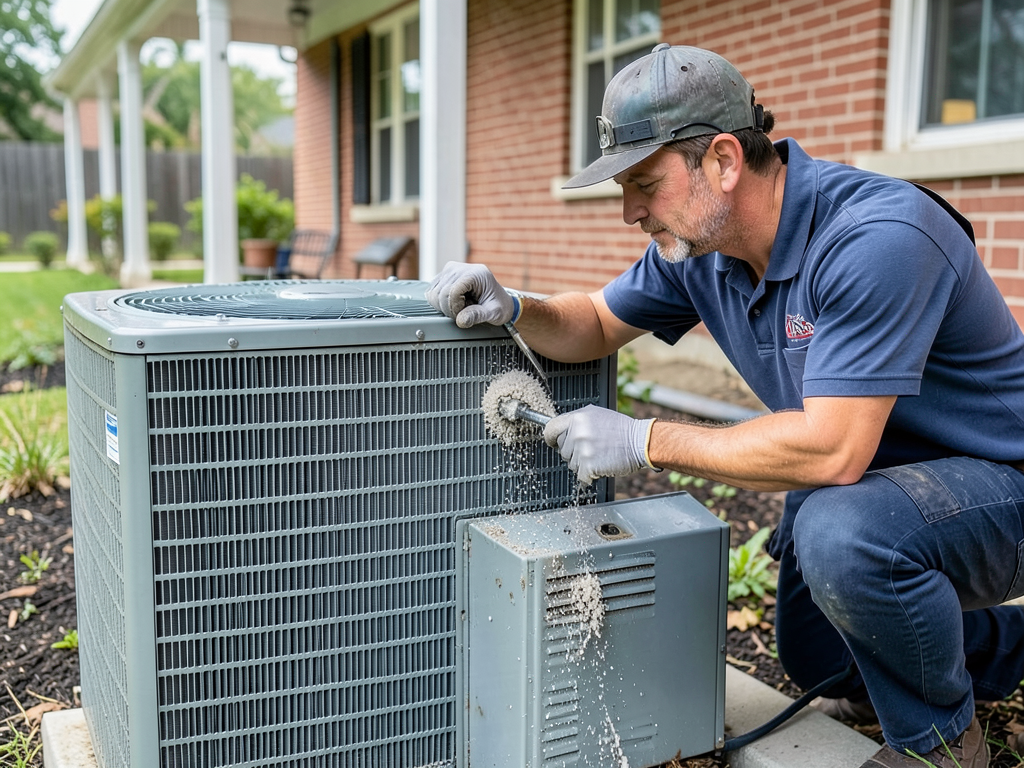
Once the new compressor is installed, we replace the contactor, the start capacitor, and the run capacitor. These components are electrically stressed during compressor failure and will cause the new compressor to fail if left in place. We also inspect the condenser fan motor and clean the coil. A dirty coil forces the new compressor to work harder and shortens its life.

Before we leave, we verify amperage draw on all three terminals, check subcooling and superheat, and monitor the system through a full cooling cycle. If refrigerant charge is off by even half a pound, the new compressor will overheat. We get it perfect.

What Happens During Your Emergency Compressor Repair Call

Compressor Failure Repair in New Orleans – Same-Day Emergency Service Stops AC Breakdowns Fast
01

Immediate Diagnostic Assessment

We arrive within two hours and test the compressor windings, capacitor, and contactor. We verify electrical supply voltage and check for refrigerant leaks. If the compressor is seized or electrically failed, we confirm whether repair or replacement is needed. You get a clear diagnosis and a fixed price before any work begins.
02

System Decontamination and Installation

We recover refrigerant, remove the failed compressor, and flush the line set to remove metal particles and acid. We install a new compressor, filter drier, and all electrical components. We braze connections with nitrogen purge, pull a deep vacuum, and charge the system to exact specifications. This step takes three to five hours depending on system size and contamination level.
03

Performance Verification and Restart

We measure suction and discharge pressures, verify amperage draw, and check superheat and subcooling. We run the system through a full cooling cycle and monitor for vibration or noise. You get a system that cools properly and runs efficiently. We walk you through what caused the failure and how to prevent it from happening again.

Why New Orleans Homeowners Trust Pioneer HVAC for Compressor Failure Repair

Compressor replacement is expensive. A bad repair job is even more expensive. You need a contractor who knows how to handle contaminated refrigerant systems and who stocks the right parts for same-day completion.

Pioneer HVAC New Orleans keeps OEM compressors, filter driers, contactors, and capacitors for Carrier, Trane, Lennox, Rheem, and Goodman systems on every truck. We do not leave your house to pick up parts. We do not install universal-fit compressors that fail early. We do not skip the acid test or the nitrogen flush because it saves time. We do the job correctly, even when it takes longer.

Our technicians are EPA 608 certified and trained on refrigerant handling, vacuum procedures, and electrical troubleshooting. They understand the specific challenges of HVAC systems in New Orleans, where salt air from Lake Pontchartrain corrodes electrical connections, where power surges from summer storms damage capacitors, and where high humidity overworks compressors year-round.

We also understand the urgency. A failed compressor in July is not something you can wait three days to fix. We run emergency service seven days a week, including weekends and holidays. When you call, you talk to a dispatcher who books your appointment immediately, not a voicemail system.

We have repaired compressors in every neighborhood in the greater New Orleans metro, from Lakeview to Algiers, from Mid-City to Metairie. We know the housing stock here. We know the ductwork problems, the undersized systems, and the electrical panels that need upgrading. That local knowledge means faster diagnosis and fewer surprises.

What You Can Expect During Compressor Failure Repair

Same-Day Emergency Response

We dispatch a technician within two hours of your call. In summer, we staff additional crews specifically for emergency compressor failures because we know how fast the heat becomes dangerous. If you call before noon, we complete most compressor replacements the same day. If the failure happens after hours, we still respond. You will have cool air restored before bedtime in most cases. We do not make you wait until the next business day while your house climbs past 90 degrees.

Thorough System Contamination Check

Before we install a new compressor, we test the refrigerant for acid and inspect the line set for debris. A failed compressor releases metal shavings and burnt oil into the refrigerant circuit. If we skip this step, the new compressor fails in weeks. We use an acid test kit, install an oversized filter drier, and flush the lines with dry nitrogen. This process takes extra time, but it protects your investment. You get a system that lasts, not a temporary fix that fails again in six months.

Precision Refrigerant Charging

After the new compressor is installed, we charge the system to exact specifications using digital scales and pressure gauges. We measure superheat and subcooling to verify the charge is perfect. An overcharged system causes high head pressure and compressor overheating. An undercharged system causes low suction pressure and inadequate cooling. We get the charge exact, not close. You get a system that cools efficiently and does not waste energy. We also verify airflow across the evaporator coil to prevent future compressor damage from low airflow conditions.

Electrical Component Replacement

When a compressor fails, the contactor, start capacitor, and run capacitor are electrically stressed. Leaving these components in place guarantees the new compressor will fail early. We replace all three as part of every compressor failure repair. We also inspect the disconnect box, check wire insulation for heat damage, and verify the breaker is sized correctly. If we find undersized wiring or a weak breaker, we tell you immediately. You get a complete repair that addresses every failure point, not just the compressor itself.

Frequently Asked Questions

You Have Questions,
We Have Answers

Can a faulty compressor be fixed? +

Yes, some faulty compressors can be fixed, but it depends on the failure type. Electrical issues like bad capacitors or contactors are repairable. However, internal mechanical failures like seized pistons, valve damage, or refrigerant leaks inside the compressor shell require full replacement. In New Orleans' high-humidity climate, corrosion and moisture intrusion accelerate compressor wear. A technician will test voltage, check refrigerant levels, and inspect the compressor windings. If the motor is burnt out or the shell is compromised, replacement is the only option. Quick diagnosis prevents further system damage and stops your AC from overheating.

What is the $5000 rule for AC? +

The $5000 rule is a simple decision tool. Multiply your AC unit's age by the repair cost estimate. If the result exceeds $5000, replace the system instead of repairing it. For example, a 10-year-old unit needing $600 in compressor repairs equals $6000, suggesting replacement. This rule accounts for diminishing returns on aging equipment. In New Orleans, where AC units work overtime against heat and humidity, older systems lose efficiency fast. Factor in energy savings and refrigerant phase-outs when deciding. If your compressor failed and the unit is past 12 years old, replacement often makes financial sense.

What is the most common cause of compressor failure? +

Refrigerant leaks cause most compressor failures. Low refrigerant forces the compressor to run hot and work harder, leading to motor burnout. In New Orleans, copper line corrosion from salty Gulf air accelerates leaks. Dirty condenser coils trap heat, preventing proper cooling and causing overheating. Electrical issues like capacitor failure or power surges damage compressor windings. Lack of maintenance compounds these problems. High humidity promotes mold growth on coils, blocking airflow. Oil loss from refrigerant leaks removes lubrication, grinding internal components. Addressing refrigerant leaks early prevents catastrophic compressor damage and extends system life.

How much does it cost to fix an AC compressor? +

Compressor replacement costs range from $1200 to $2800 in New Orleans, depending on tonnage, refrigerant type, and labor complexity. Older R-22 units cost more due to refrigerant scarcity. Newer R-410A compressors run cheaper. Labor adds $400 to $800, depending on accessibility. If your outdoor unit sits in tight spaces common in Historic Districts or under elevated homes, expect higher labor charges. Refrigerant recovery, disposal fees, and warranty coverage affect final price. Emergency service adds premium fees. Always get multiple estimates. If your unit is over 10 years old, compare compressor replacement cost against full system replacement for better value.

Is it worth it to repair a compressor? +

It depends on your system's age and condition. If your AC is under 7 years old and well-maintained, compressor repair saves money. Units over 12 years old with failing compressors should be replaced. New Orleans' brutal summers put extreme stress on AC systems, reducing lifespan compared to cooler climates. Factor in energy efficiency gains. New units use 30-40% less electricity. If your compressor failed due to neglect, replacing it won't fix underlying issues like dirty coils or duct leaks. Evaluate total system health. A skilled technician can assess whether repair extends life or just delays replacement.

What is the 3 minute rule for AC? +

The 3-minute rule prevents short cycling damage. After your AC shuts off, wait at least 3 minutes before restarting it. This allows refrigerant pressures to equalize throughout the system. Restarting too soon forces the compressor to start against high pressure, straining the motor and capacitor. In New Orleans, power fluctuations during summer storms trigger short cycling. Repeated rapid starts overheat compressor windings and cause premature failure. Modern thermostats enforce this delay automatically. If your system short cycles frequently, check for oversized equipment, refrigerant issues, or thermostat problems. Protecting the compressor from hard starts extends its lifespan significantly.

What is the average cost to replace a central AC unit? +

Central AC replacement costs $3500 to $7500 in New Orleans, depending on tonnage, efficiency rating, and installation complexity. A 3-ton unit for typical shotgun or Creole cottage homes runs $4000 to $5500 installed. Homes with attic ductwork or elevated foundations add labor costs. High-efficiency SEER2 models cost more upfront but save on brutal summer electric bills. Hurricane-rated condenser pads and anchors add $200 to $400. Permits and code compliance inspections run $100 to $300. Refrigerant line replacement, electrical upgrades, and ductwork modifications increase total cost. Get multiple bids from licensed contractors before deciding.

What AC units qualify for tax credit 2025? +

AC units with SEER2 ratings of 16 or higher qualify for 2025 federal tax credits under the Inflation Reduction Act. Heat pumps with 16 SEER2 and 8.8 HSPF2 qualify for up to $2000. Central AC units qualify for up to $600. Equipment must meet Energy Star certification. In New Orleans, high-efficiency heat pumps make sense due to mild winters and punishing summers. Tax credits apply to both equipment and installation costs. Keep receipts and manufacturer certifications for IRS filing. Combine federal credits with Entergy rebates for maximum savings. Check IRS Form 25C for current year eligibility before purchasing.

What is the average lifespan of an HVAC? +

HVAC systems last 12 to 17 years in New Orleans, shorter than the national 15 to 20-year average. High humidity, salt air from the Gulf, and constant summer runtime accelerate wear. Systems run 8 to 10 months yearly here compared to 4 to 6 months in temperate climates. Poor maintenance cuts lifespan by 30-40%. Dirty coils, refrigerant leaks, and clogged filters force components to work harder. Homes in flood-prone areas face corrosion from moisture exposure. Regular tune-ups, filter changes, and coil cleaning extend life. If your system exceeds 15 years and needs major repairs, replacement offers better efficiency and reliability.

What kills an AC compressor? +

Several factors kill compressors. Refrigerant leaks remove cooling and lubrication, causing overheating. Dirty condenser coils trap heat, preventing proper refrigerant condensation. Electrical issues like failed capacitors or voltage spikes damage motor windings. Restricted airflow from clogged filters forces the compressor to run longer cycles. In New Orleans, corrosion from humid salty air compromises electrical connections and refrigerant lines. Flooding from storms introduces moisture into refrigerant systems, contaminating oil. Lack of maintenance accelerates all these problems. Short cycling from oversized equipment or faulty thermostats wears out compressor contactors. Preventive maintenance catches most issues before they destroy the compressor.

How New Orleans Humidity and Heat Destroy AC Compressors Faster Than Other Cities

New Orleans sits in a subtropical climate zone with an average relative humidity above 75 percent year-round. This constant moisture creates two compressor-killing problems. First, high humidity increases the latent cooling load, forcing the compressor to run longer cycles to remove moisture from the air. Second, humidity accelerates corrosion of electrical contactors and capacitor terminals, causing voltage drops and hard starts that overheat compressor windings. Add in summer temperatures that regularly exceed 95 degrees, and you get compressor duty cycles that push systems past their design limits. Most compressors in New Orleans fail between year seven and year ten, compared to twelve to fifteen years in drier climates. The combination of heat and humidity is brutal on refrigerant compression equipment.

Pioneer HVAC New Orleans understands the specific failure modes common to Gulf Coast HVAC systems. We stock compressors rated for high ambient temperatures and high-humidity operation. We know the electrical code requirements in Orleans Parish and surrounding areas. We also understand the building construction common here, from raised shotgun houses with inadequate attic ventilation to slab-on-grade ranch homes with ductwork in unconditioned attics that reach 140 degrees in summer. That local knowledge means we diagnose problems faster and recommend solutions that work long-term in this climate. You get a contractor who understands why your compressor failed and how to prevent the next failure.

HVAC Services in The New Orleans Area

Pioneer HVAC New Orleans is proud to serve the entire New Orleans metropolitan area and surrounding parishes. Our central location allows our technicians to rapidly reach you, minimizing your wait time and ensuring quick service response for your heating and cooling needs. Invite us to your location by checking our service area map online or simply giving us a call today to confirm service availability at your specific address.

Address:
Pioneer HVAC New Orleans, 612 Andrew Higgins Dr, New Orleans, LA, 70130

Additional Services We Offer

Our news updates

Latest Articles & News from The Blogs

Understanding the 2026 Refrigerant Changes and What They Mean for Your Home Cooling Your air conditioning system runs on refrigerant,…

Understanding the 2026 Refrigerant Changes and What They Mean for Your Home Cooling

Understanding the 2026 Refrigerant Changes and What They Mean for Your Home Cooling Your air conditioning system runs on refrigerant,…

Why Your AC Keeps Turning On and Off Every Five Minutes (And How to Fix It)

Why Your AC Keeps Turning On and Off Every Five Minutes (And How to Fix It) Your AC should run…

Why Your New Orleans Home Still Feels Dusty Even After You Change the Air Filter

Why Your New Orleans Home Still Feels Dusty Even After You Change the Air Filter Persistent dust in New Orleans…

Contact Us

Your compressor will not fix itself. Every hour you wait, the heat builds and the risk grows. Call Pioneer HVAC New Orleans now at (504) 355-2955. We answer 24/7, dispatch immediately, and restore cool air fast.