



menu

Commercial Duct Cleaning in New Orleans | Minimizing Downtime for Business Operations

Professional commercial HVAC duct cleaning services engineered to keep your facility operational while removing contaminants that degrade indoor air quality and system performance across New Orleans.

Slider Image 1
Slider Image 2
Slider Image 3
Slider Image 4
Slider Image 5
Slider Image 7
Slider Image 8
Slider Image 9
Slider Image 10
Slider Image 11

Why Commercial Ductwork Contamination Is More Severe in New Orleans

New Orleans facilities face accelerated duct contamination due to three compounding factors. First, the subtropical climate maintains relative humidity above 75 percent year-round, creating ideal conditions for mold colonization inside commercial ductwork. Second, the city's proximity to the Mississippi River and Lake Pontchartrain introduces airborne particulates that standard filtration systems cannot capture. Third, many commercial buildings in the Central Business District and Warehouse District occupy structures built before modern ventilation standards, resulting in ductwork design that traps rather than expels contaminants.

Industrial air duct cleaning becomes necessary when these environmental factors combine with high occupancy loads. Office buildings, restaurants, and hospitality facilities in New Orleans cycle massive air volumes through aging ductwork daily. The result is biofilm accumulation on interior duct surfaces, particulate layering in return plenums, and microbial growth in condensate drain pans. These conditions degrade IAQ metrics, increase static pressure across the system, and force compressors to work harder to maintain setpoints.

Commercial air vent cleaning addresses more than cosmetic dust buildup. In food service facilities along Magazine Street and Tchoupitoulas Street, grease-laden vapor infiltrates supply ductwork, creating fire hazards and violating health codes. In medical facilities, biological contaminants in ductwork compromise infection control protocols. For logistics facilities near the Port of New Orleans, diesel particulates and salt air corrode ductwork from the inside while depositing combustible dust.

The question is not whether your commercial ductwork requires cleaning. The question is whether contamination has already compromised system efficiency, created liability exposure, or begun affecting occupant health. Most New Orleans commercial facilities operate with contaminated ductwork because the problem remains hidden until a catastrophic failure or failed inspection forces action.

Why Commercial Ductwork Contamination Is More Severe in New Orleans
How Commercial HVAC Duct Cleaning Restores System Performance

How Commercial HVAC Duct Cleaning Restores System Performance

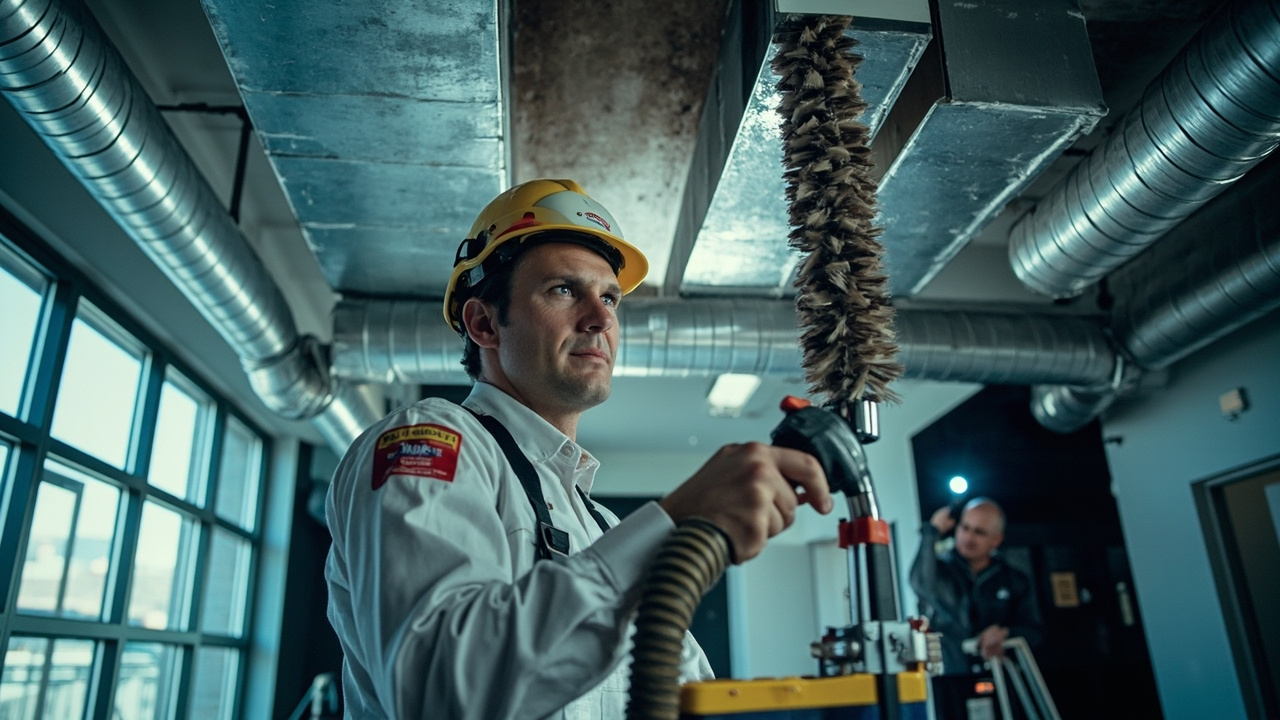
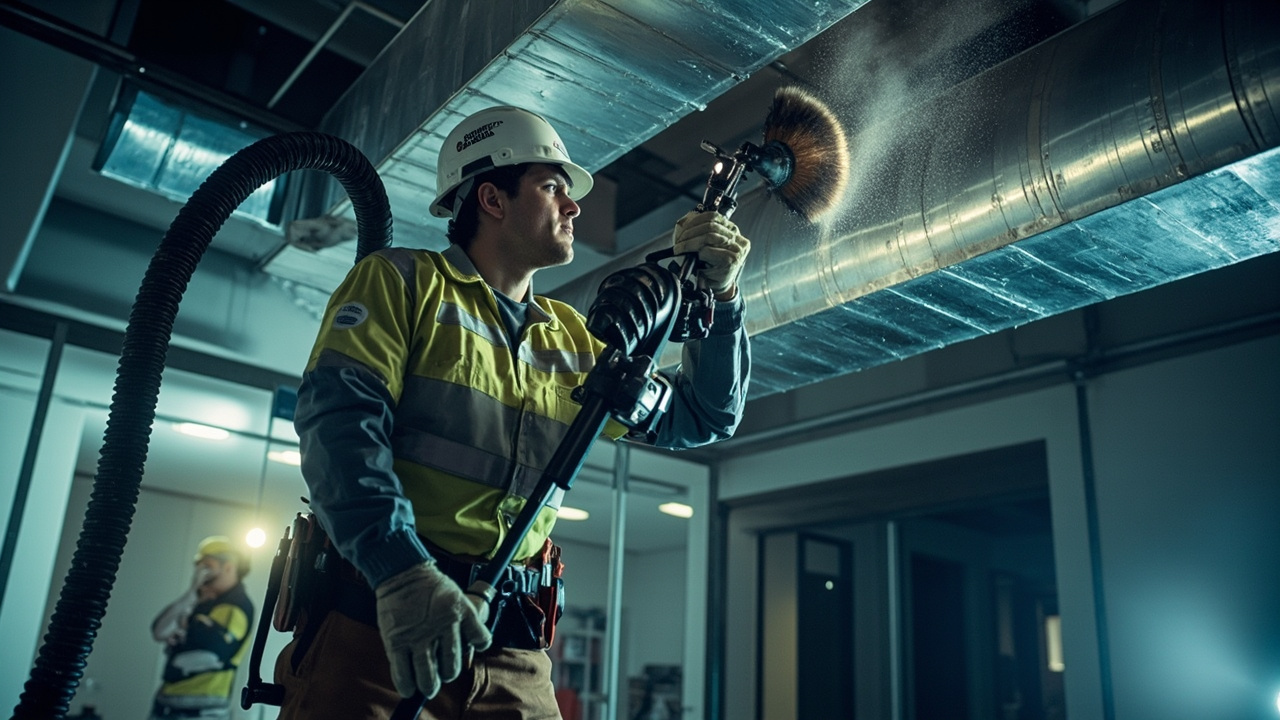
Commercial ductwork cleaning requires specialized equipment and methodology that residential systems do not. We deploy truck-mounted negative air machines rated at 10,000 CFM to create controlled negative pressure throughout the duct system. This prevents contaminated air from escaping into occupied spaces during cleaning. Portable HEPA filtration units isolate work zones in multi-story buildings where shutting down entire systems is not feasible.

The cleaning process begins with video inspection of accessible ductwork sections using push cameras. We document contamination levels, identify structural issues, and map duct layout before beginning physical cleaning. This diagnostic phase prevents damage to flexible ductwork, locates hidden access points, and identifies areas requiring extended dwell time for biocide application.

Mechanical agitation uses compressed air whips and rotary brush systems sized to duct dimensions. We clean supply ducts, return ducts, and vertical risers separately to prevent cross-contamination. In facilities with VAV boxes or complex zoning, we isolate and clean each zone independently. For industrial ductwork cleaning in manufacturing facilities, we coordinate cleaning around production schedules to minimize operational disruption.

After mechanical cleaning, we apply EPA-registered antimicrobial coatings to interior duct surfaces where mold remediation is required. This step is not standard practice but becomes necessary in New Orleans facilities where moisture intrusion has created active microbial growth. We also clean coil surfaces, drain pans, and blower assemblies as part of comprehensive commercial ductwork cleaning.

Post-cleaning verification includes particle count testing in critical environments and photographic documentation of cleaned surfaces. We provide written reports detailing contamination levels found, cleaning methods used, and recommendations for preventing future accumulation. This documentation satisfies insurance requirements and supports compliance with ASHRAE Standard 62.1 for commercial ventilation.

What Happens During Your Commercial Duct Cleaning Service

Commercial Duct Cleaning in New Orleans | Minimizing Downtime for Business Operations
01

Facility Assessment and Coordination

We meet with your facilities manager to review HVAC layouts, identify critical spaces that cannot be disrupted, and schedule work during low-occupancy periods. Our team inspects existing access points and determines whether temporary access panels are required. We coordinate with your security team for after-hours access and establish communication protocols to keep building management informed throughout the project. This planning phase prevents surprises and keeps your operations running smoothly.
02

System Isolation and Cleaning

We isolate the ductwork section being cleaned using containment barriers and negative air pressure. Mechanical cleaning begins at the furthest point from the air handler and works backward toward the equipment. Dislodged contaminants are captured by HEPA-filtered vacuum systems before they can reenter the airstream. In multi-zone systems, we clean one zone at a time so unaffected areas remain operational. We document contamination levels with before and after photography for your records and regulatory compliance files.
03

Verification and System Restart

After cleaning is complete, we conduct airflow testing to verify that system performance has improved. We inspect all access points to confirm proper sealing and check dampers for correct operation. Filter banks are replaced with new media matched to your system specifications. We restart the system under supervision to verify normal operation and address any unexpected issues immediately. You receive a detailed report documenting the work performed, contamination found, and recommendations for maintaining clean ductwork between professional cleanings.

Why New Orleans Facilities Trust Pioneer HVAC for Commercial Air Vent Cleaning

Commercial duct cleaning in New Orleans requires understanding how the local environment degrades HVAC systems differently than in drier climates. Pioneer HVAC New Orleans has cleaned ductwork in hospitality facilities in the French Quarter, medical offices in Metairie, and industrial facilities in the East Bank since the company's founding. We know which contaminants are common in which building types and how to address them without disrupting business operations.

Our technicians hold NADCA certification for commercial HVAC system cleaning. This matters because improper cleaning techniques can damage ductwork, spread contaminants into occupied spaces, or fail to remove embedded contamination. NADCA-certified technicians follow documented procedures for containment, cleaning, and verification that protect both your facility and its occupants.

We own our equipment rather than renting it for individual jobs. Our truck-mounted negative air machines, rotary brush systems, and HEPA filtration units are maintained on a scheduled basis and available immediately when you need service. This equipment investment allows us to handle projects ranging from small office buildings in Lakeview to large industrial facilities near the Almonaster Avenue corridor.

Insurance and bonding requirements for commercial work exceed residential standards. We carry general liability coverage appropriate for commercial projects and workers' compensation for all field personnel. You receive certificate of insurance documentation before work begins, satisfying your risk management requirements and protecting your organization from contractor-related liability.

Our familiarity with New Orleans building stock gives us an advantage in older structures. Many commercial buildings in the CBD and Warehouse District have ductwork configurations that do not match modern standards. We have experience accessing and cleaning ductwork in buildings with limited crawl space, unusual riser configurations, and equipment located in tight mechanical rooms. This experience prevents project delays and cost overruns caused by unexpected field conditions.

What to Expect from Commercial Duct Cleaning Service

Project Timeline and Scheduling Flexibility

Commercial ductwork cleaning timelines depend on system size and contamination severity. A 10,000 square foot office building typically requires two to three days for complete cleaning. Larger facilities or heavily contaminated systems require extended timelines. We provide detailed project schedules before work begins and coordinate around your operational needs. For 24-hour facilities like hotels or medical centers, we work in phases to keep critical areas operational. Weekend and after-hours scheduling is available to minimize disruption to business operations. We update you daily on progress and immediately communicate any timeline changes.

Pre-Cleaning Assessment Process

The assessment begins with document review of your existing HVAC drawings and maintenance records. We conduct a physical walkthrough to verify duct locations, identify access points, and assess contamination levels through visual inspection and video camera insertion. Air sampling may be recommended in facilities with indoor air quality complaints. We provide a written proposal detailing the scope of work, timeline, and project cost before any cleaning begins. This assessment identifies potential complications before they affect the project schedule. You receive photographic documentation of contamination levels found during inspection so you can make informed decisions about cleaning scope.

Post-Cleaning Performance Improvements

Properly cleaned commercial ductwork delivers measurable performance improvements. Static pressure across the system decreases because airflow obstruction is removed. This reduction allows fans to move design air volumes at lower energy consumption. Supply air temperatures reach setpoints faster because heat transfer efficiency improves at the coil. Indoor air quality metrics improve as particulate counts drop and biological contamination is eliminated. Many facilities see 10 to 15 percent reductions in HVAC energy consumption after thorough duct cleaning. These efficiency gains provide ongoing operational cost savings that offset the initial cleaning investment within months.

Maintenance Recommendations and Follow-Up

After cleaning, we provide specific maintenance recommendations based on your facility type and contamination patterns observed. This includes filter replacement schedules, coil cleaning frequency, and inspection intervals for drain pans. We document baseline conditions post-cleaning so future inspections can measure contamination rates accurately. Many commercial clients establish ongoing maintenance agreements for annual inspections and periodic cleaning. This proactive approach prevents contamination from reaching levels that affect system performance or create health concerns. We maintain service records for your facility and provide reminder notifications when inspections are due. This documentation supports your preventive maintenance program and satisfies regulatory inspection requirements.

Frequently Asked Questions

You Have Questions,
We Have Answers

How much does commercial duct cleaning cost? +

Commercial duct cleaning costs vary based on system size, ductwork complexity, and contamination level. Larger facilities with multi-zone systems cost more than small offices. In New Orleans, high humidity increases mold risk, which may require additional antimicrobial treatment. Expect pricing to reflect square footage, accessibility, and whether your system needs registers, coils, or blower cleaning. Request a site inspection before committing. Proper cleaning reduces energy waste and improves air quality, which minimizes employee sick days and liability. Compare itemized quotes from licensed contractors to avoid low-ball bids that skip critical steps.

How often should commercial HVAC ducts be cleaned? +

NADCA recommends commercial duct cleaning every three to five years, but New Orleans conditions demand more frequent service. High humidity accelerates mold growth and debris accumulation. Restaurants, hospitals, and manufacturing facilities need annual cleaning due to grease, particulates, or biological contaminants. Office buildings can extend intervals if filters are changed monthly and no water intrusion occurs. Schedule inspections after hurricanes or flooding events. Dirty ducts reduce airflow efficiency, increase HVAC strain, and circulate allergens. Track maintenance records to stay compliant with insurance requirements and protect indoor air quality for employees and customers.

How much is Servpro duct cleaning? +

Servpro provides restoration services including duct cleaning, but pricing varies by franchise location and job scope. They typically charge based on system size and contamination type. In New Orleans, storm damage or water intrusion jobs may bundle duct cleaning with mold remediation. Request a detailed estimate that separates duct cleaning from other restoration work. Compare their quote against HVAC-specialized contractors who focus exclusively on air system maintenance. Ensure any provider uses NADCA-certified methods and provides before-and-after documentation. Restoration companies may cost more than dedicated duct cleaning firms for routine maintenance.

What are the drawbacks of duct cleaning? +

Poorly executed duct cleaning damages systems and wastes money. Unqualified contractors may dislodge debris without proper containment, spreading contaminants throughout your facility. Aggressive brushing can puncture ductwork or dislodge insulation. Some companies upsell unnecessary antimicrobial treatments or sealants. In New Orleans, improper moisture handling during cleaning can worsen mold problems. Cleaning alone does not fix underlying issues like leaks, poor filtration, or inadequate ventilation. Choose NADCA-certified contractors who inspect first, use negative pressure systems, and document their process. Skip cleaning if ducts are already clean or if your HVAC system has structural problems requiring repair first.

How much does Stanley Steemer charge to clean air ducts? +

Stanley Steemer pricing varies by location and system complexity. They typically charge per vent or by square footage, with additional fees for accessibility issues or heavy contamination. In New Orleans, their rates reflect local labor costs and humidity-related challenges. Request an itemized quote that specifies what gets cleaned: supply ducts, return ducts, registers, coils, and blower assembly. Compare their estimate against HVAC-specialized contractors. Carpet cleaning companies entering the duct cleaning market may lack NADCA certification or proper equipment. Verify they use truck-mounted negative pressure systems, not portable shop vacuums. Proper commercial duct cleaning requires specialized training and equipment.

What time of year is best for duct cleaning? +

Schedule commercial duct cleaning during mild weather when HVAC demand is low. In New Orleans, late fall or early spring works best before cooling or heating season peaks. Avoid summer when downtime disrupts business operations and humidity complicates drying. Post-hurricane season inspections catch storm-related debris or moisture intrusion before mold establishes. Coordinate cleaning with planned HVAC maintenance or filter replacements to maximize efficiency. Budget permitting, cleaning before peak occupancy periods ensures optimal air quality when employees or customers are present. Facilities with 24/7 operations need phased cleaning to maintain climate control in critical areas.

What are the signs air ducts need cleaning? +

Visible mold around vents, musty odors when the system runs, and increased dust accumulation signal dirty ducts. Employees reporting respiratory issues or allergies may indicate poor air quality. Check for debris blowing from registers or uneven airflow between zones. In New Orleans, water stains near ductwork after storms suggest moisture intrusion and potential mold growth. Rising energy bills without increased usage indicate restricted airflow from buildup. Inspect access panels for dust caking, pest droppings, or insulation deterioration. If your facility has never had duct cleaning and systems are over five years old, schedule an inspection immediately.

Does homeowners insurance cover air duct cleaning? +

Homeowners insurance does not apply to commercial properties. Commercial policies rarely cover routine duct cleaning as preventive maintenance. Coverage may apply if duct contamination results from a covered peril like fire, storm damage, or burst pipes. In New Orleans, flood insurance through NFIP does not typically cover duct cleaning unless directly tied to documented flood damage. Review your policy's equipment breakdown or business interruption provisions. Document contamination with photos and air quality reports to support claims. Most businesses expense duct cleaning as operational maintenance. Consult your insurance agent and tax advisor to clarify coverage and deductibility.

Is duct cleaning worth the price? +

Commercial duct cleaning is worth the cost when executed properly. Clean ducts improve HVAC efficiency, reducing energy consumption by up to 20 percent. Better air quality decreases employee sick days and liability exposure from poor indoor environments. In New Orleans, removing mold and moisture prevents costly remediation later. Restaurants avoid grease fires, healthcare facilities maintain infection control, and offices improve productivity. Skip cleaning if ducts are already clean or if your system needs repair first. Poorly done cleaning wastes money and damages equipment. Invest in NADCA-certified contractors who provide verifiable results and maintain proper documentation for insurance and compliance purposes.

How much should you charge to clean a 2000 sq ft house? +

This question addresses residential square footage, not commercial properties. Commercial duct cleaning pricing differs completely from residential due to system complexity, zoning, and accessibility. Commercial facilities require per-ton HVAC calculations, not square footage estimates. A 2000 square foot office has different needs than a 2000 square foot restaurant or medical clinic. In New Orleans, commercial systems face humidity challenges requiring specialized treatment. Request commercial-specific quotes based on your HVAC tonnage, ductwork layout, and contamination level. Do not apply residential pricing models to commercial properties. Proper commercial duct cleaning requires industrial equipment and NADCA-certified technicians.

How New Orleans Humidity and Building Age Accelerate Commercial Duct Contamination

New Orleans maintains an average relative humidity of 76 percent year-round, the highest sustained humidity of any major U.S. city. This moisture saturates commercial HVAC systems, creating condensation inside ductwork during cooling cycles. When condensate contacts dust and organic material accumulated on duct surfaces, mold growth begins within 48 hours. Buildings in flood-prone areas near City Park, Gentilly, and Lakeview face additional risk from groundwater infiltration that introduces moisture into below-grade ductwork. Industrial ductwork cleaning becomes essential in these conditions because standard filtration and condensate management cannot prevent microbial colonization in persistently humid environments.

Many commercial buildings in New Orleans date to periods before modern ventilation codes. Structures in the French Quarter, Warehouse District, and CBD often contain ductwork installed in the 1950s through 1970s, before fiberglass duct board was replaced with antimicrobial materials. These older systems lack the access panels and cleanout ports required for effective maintenance. Pioneer HVAC New Orleans specializes in accessing and cleaning ductwork in these older buildings without causing structural damage. Our experience with New Orleans building stock means we anticipate field conditions that out-of-town contractors miss, preventing project delays and cost overruns.

HVAC Services in The New Orleans Area

Pioneer HVAC New Orleans is proud to serve the entire New Orleans metropolitan area and surrounding parishes. Our central location allows our technicians to rapidly reach you, minimizing your wait time and ensuring quick service response for your heating and cooling needs. Invite us to your location by checking our service area map online or simply giving us a call today to confirm service availability at your specific address.

Address:
Pioneer HVAC New Orleans, 612 Andrew Higgins Dr, New Orleans, LA, 70130

Additional Services We Offer

Our news updates

Latest Articles & News from The Blogs

Expert High-Velocity HVAC Installation & Repair in New Orleans\n\nTraditional ductwork can destroy the character of historic New Orleans homes. High-velocity…

Why High-Velocity HVAC is the Secret to Cooling Historic Homes with No Closet Space

Expert High-Velocity HVAC Installation & Repair in New Orleans\n\nTraditional ductwork can destroy the character of historic New Orleans homes. High-velocity…

Why Magnolia Leaves and Crepe Myrtle Blooms are Secretly Killing Your Metairie AC Unit

Why Magnolia Leaves and Crepe Myrtle Blooms are Secretly Killing Your Metairie AC Unit Your Metairie air conditioner is under…

Keeping Parade Dust and Debris Out of Your Uptown Home HVAC System

Keeping Parade Dust and Debris Out of Your Uptown Home HVAC System Uptown New Orleans homes face unique challenges during…

Contact Us

Contact Pioneer HVAC New Orleans at (504) 355-2955 to schedule a commercial ductwork assessment. We provide detailed proposals with project timelines and coordinate scheduling around your operational needs. Call now to improve system efficiency and indoor air quality.