



menu

Air Duct Cleaning in New Orleans – Protect Your Home from Mold, Allergens, and High Humidity Buildup

Professional HVAC duct cleaning removes years of accumulated dust, pollen, and moisture-driven mold growth that thrives in New Orleans's climate, helping you breathe cleaner air and improve system efficiency.

Slider Image 1
Slider Image 2
Slider Image 3
Slider Image 4
Slider Image 5
Slider Image 7
Slider Image 8
Slider Image 9
Slider Image 10
Slider Image 11

Why Air Duct Cleaning Matters More in New Orleans

New Orleans sits below sea level in a subtropical climate zone where humidity routinely exceeds 75 percent. Your HVAC system pulls that moisture-laden air through ductwork every time the compressor cycles. Over time, condensation builds inside air vents and ducts, creating the perfect environment for mold spores, dust mites, and bacterial colonies.

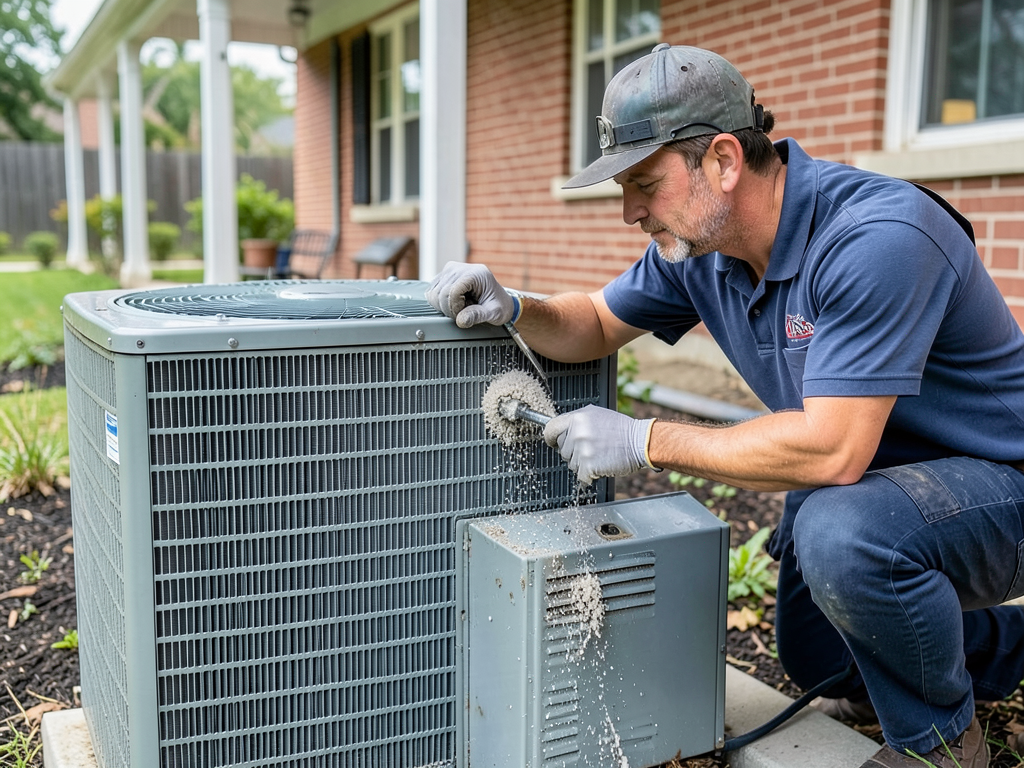
The city's dense oak canopy drops pollen bombs twice a year. Spring brings a yellow haze that coats cars, sidewalks, and your outdoor condenser unit. Fall delivers another wave when ragweed peaks. That pollen gets pulled into your return vents and circulates through every room. If you have noticed a musty smell when the AC kicks on or visible dust puffing from supply registers, you are seeing the result of contaminated ductwork.

Older homes in neighborhoods like the Garden District, Uptown, and Mid-City often have original metal ductwork from the 1960s and 1970s. These systems were never designed for sealed, conditioned air. Gaps at seams and poorly sealed joints allow attic insulation fibers, rodent droppings, and construction debris to enter the airstream. Newer builds in Lakeview and Algiers often use flexible duct that sags and traps debris at low points.

AC duct cleaning addresses the problem at its source. A thorough ductwork cleaning removes accumulated contaminants, reduces odors, and restores airflow capacity. You reduce the load on your blower motor, extend filter life, and stop recirculating the same particulates month after month.

Why Air Duct Cleaning Matters More in New Orleans
How Professional Duct Cleaning Works

How Professional Duct Cleaning Works

Air vent cleaning starts with a visual inspection using a bore scope camera fed into supply and return plenums. We document contamination levels, check for disconnected sections, and identify any standing water or biological growth. This diagnostic phase tells us whether you need a basic cleaning or a more intensive antimicrobial treatment.

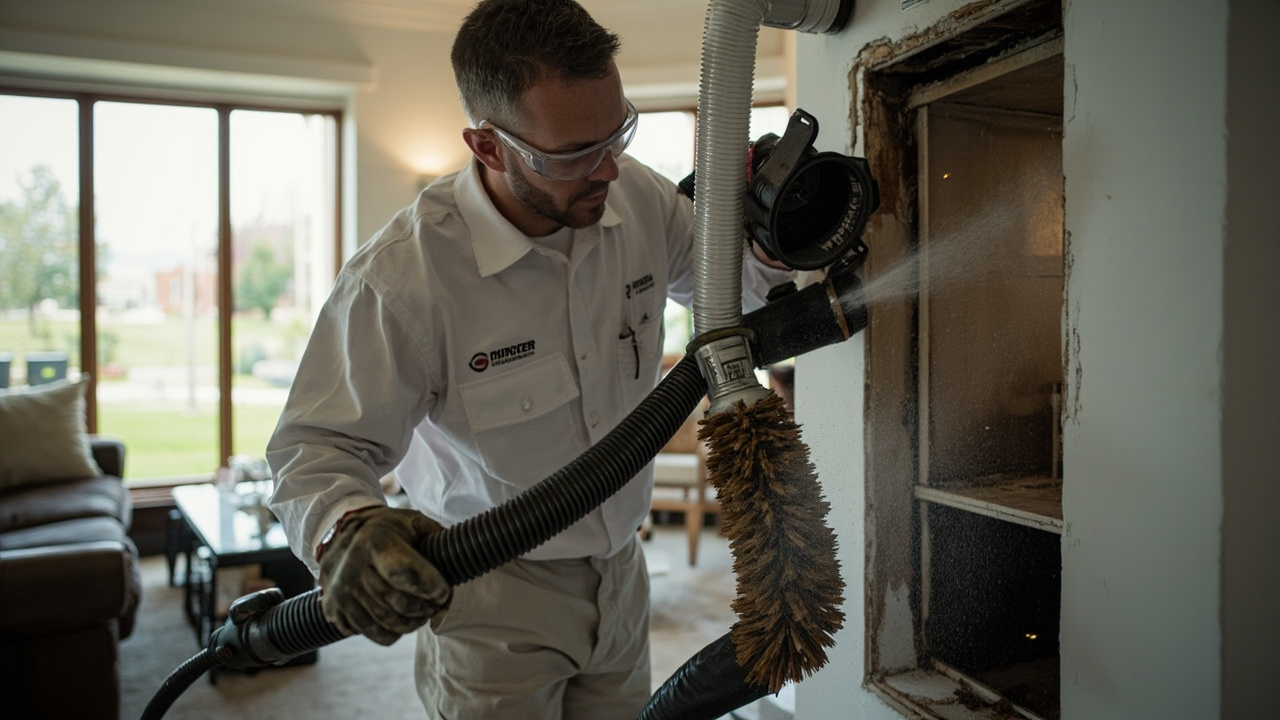
We seal all supply registers with adhesive covers, then connect a HEPA-filtered negative air machine to the main return plenum. This creates a controlled vacuum that pulls dislodged debris toward the collection unit instead of blowing it into living spaces. We use compressed air whips and rotating brush heads to agitate dust, pollen, and mold from duct walls. Each section gets methodical attention from the furnace plenum out to the farthest boot.

For homes with visible mold or persistent odors, we apply an EPA-registered antimicrobial fog after mechanical cleaning. This step kills remaining spores and prevents regrowth. We do not use generic disinfectants or masking agents. The products we apply are rated for occupied spaces and leave no residue that could affect indoor air quality.

Flex duct presents unique challenges. Sagging sections trap debris at bends and require careful repositioning to restore proper slope. Metal duct systems may need new mastic sealant at seams where decades of thermal cycling have caused separation. We flag these issues during the inspection so you can make informed decisions about repairs.

Pioneer HVAC New Orleans uses truck-mounted equipment with enough CFM capacity to handle large homes and multi-zone systems. Portable units lack the suction power needed for long duct runs or commercial applications. The difference shows in the final result.

What Happens During Your Duct Cleaning Appointment

Air Duct Cleaning in New Orleans – Protect Your Home from Mold, Allergens, and High Humidity Buildup
01

System Assessment and Staging

We start by mapping your duct layout and identifying all supply registers, return grilles, and access panels. The technician checks filter condition, measures static pressure at the blower cabinet, and uses the bore scope to document contamination levels. You receive photos showing exactly what we found inside your ductwork. This baseline helps you understand the scope of work and confirms the cleaning was necessary.
02

Mechanical Cleaning and Extraction

All registers get sealed to contain debris during agitation. The negative air machine connects to your return plenum and runs continuously throughout the process. Compressed air tools and rotary brushes dislodge buildup from duct walls while the vacuum system captures everything in HEPA filtration bags. We work section by section, ensuring complete coverage from the air handler to every register boot in your home.
03

Final Inspection and Restoration

After extraction, we run the bore scope camera through the system again to verify cleanliness. You see before-and-after images side by side. We remove register covers, wipe down grilles, and install a fresh filter rated for your system. The blower cabinet gets vacuumed, and we check drain pan condition. Your system restarts with unrestricted airflow and measurably improved static pressure readings.

Why New Orleans Homeowners Choose Pioneer HVAC

We have cleaned ductwork in shotgun doubles, raised Creole cottages, and modern Lakeview rebuilds. Each structure presents different challenges. Homes built before 1980 often have asbestos-wrapped duct joints that require specialized handling protocols. Post-Katrina construction used spray foam insulation that can delaminate into ducts if installation was rushed. We know how to work around these variables without creating new problems.

New Orleans operates under Orleans Parish mechanical codes that require licensed contractors to pull permits for major HVAC modifications. While duct cleaning itself does not trigger permit requirements, any duct replacement or sealing work does. We stay current on local code enforcement trends and ensure our work passes inspection if you later sell the property or file insurance claims.

The city's elevation challenges create unique moisture issues. Homes in Gentilly and Lakeview East sit in reclaimed marsh zones where groundwater is 18 inches below slab level. Condensation drains from air handlers must gravity-feed to exterior discharge points. If your ducts show water stains or biological growth, we trace the source instead of just cleaning the symptom. That might mean re-pitching drain lines, adding condensate pumps, or sealing attic penetrations where humid air infiltrates.

Pioneer HVAC New Orleans does not subcontract duct cleaning to third-party vendors. The technicians who answer your call are the same people who show up with the equipment. We own our trucks, maintain our tools, and train continuously on updated NADCA standards. You get consistency and accountability from first contact through final walk-through.

What to Expect From Your Duct Cleaning Service

Appointment Scheduling and Arrival Windows

Most residential duct cleaning appointments take three to five hours depending on system size and contamination levels. We schedule morning or afternoon windows to minimize disruption. You receive a confirmation call the day before with an estimated arrival time. Our trucks carry all necessary equipment, so we do not need to leave mid-job for supplies. For homes with severe mold contamination or extensive ductwork, we may recommend splitting the work across two visits to ensure thorough cleaning without rushing critical steps.

Pre-Cleaning Inspection and Documentation

The technician walks through your home identifying every register and return grille. We test airflow at multiple points and measure temperature differentials between supply and return. The bore scope inspection captures video footage showing dust accumulation, mold growth, or disconnected sections. You review this footage before work begins so you understand exactly what needs attention. We document duct materials, insulation condition, and any code violations that could affect system performance or indoor air quality.

Cleanliness Standards and Final Results

We follow NADCA ACR 2021 standards for mechanical cleaning of HVAC systems. That means using source removal methods, not just blowing dust around with compressed air. The negative air machine runs HEPA filtration rated to capture particles down to 0.3 microns. After cleaning, we provide side-by-side camera footage showing duct interiors before and after extraction. You should see bare metal or clean flex duct liner with no visible debris. Airflow measurements typically improve by 15 to 30 percent once restrictions are removed.

Maintenance Recommendations and Future Service

We recommend duct cleaning every three to five years for New Orleans homes depending on occupancy, pet ownership, and system runtime. Homes with smokers, multiple pets, or recent renovations need more frequent service. After your initial cleaning, we note your system details in our service database and send annual reminders when you are due for re-inspection. If we identified any duct damage, seal failures, or insulation issues during cleaning, we provide a written estimate for repairs with no obligation to proceed.

Frequently Asked Questions

You Have Questions,
We Have Answers

Is it worth having air ducts cleaned? +

Yes. New Orleans homes face high humidity, mold growth, and post-storm debris that accumulate in ductwork. Dirty ducts circulate allergens, mold spores, and dust throughout your home, reducing indoor air quality and forcing your HVAC system to work harder. This increases energy bills and shortens equipment lifespan. If you notice musty odors, visible mold around vents, or increased allergy symptoms, cleaning is worthwhile. Professional duct cleaning removes contaminants your filter cannot catch, improving airflow and system efficiency. For homes near the Mississippi River or in flood-prone areas, regular cleaning helps prevent moisture-related issues.

What does air duct cleaning typically cost? +

Air duct cleaning costs vary based on home size, ductwork accessibility, contamination level, and number of vents. Most New Orleans homes fall within a range influenced by factors like mold remediation needs, post-hurricane debris, or older ductwork in historic districts. Single-story homes typically cost less than multi-level properties. Additional services like sanitizing, mold treatment, or dryer vent cleaning increase the total. Square footage, HVAC system type, and whether you need return or supply vents cleaned all affect pricing. Get a detailed estimate based on your specific system and contamination level.

How much is Servpro duct cleaning? +

Servpro pricing depends on your location, home size, and specific contamination issues. They primarily focus on restoration after water damage, fire, or mold, so their duct cleaning is often bundled with remediation services. If you need standalone duct cleaning without restoration work, a dedicated HVAC contractor may offer better value and specialization. New Orleans homes often require mold-specific treatment due to humidity, which affects cost. For accurate pricing from Servpro, request an on-site inspection. Compare quotes from multiple providers who understand local climate challenges and ductwork configurations common in the area.

How frequently should air ducts be cleaned? +

The National Air Duct Cleaners Association recommends cleaning every three to five years. New Orleans requires more frequent cleaning due to high humidity, mold growth, and seasonal storm debris. If your home flooded, experienced water intrusion, or you see visible mold, clean ducts immediately. Homes with pets, smokers, or allergy sufferers benefit from cleaning every two to three years. After major renovations that create dust, schedule a cleaning. If you notice reduced airflow, musty smells, or dust around vents, do not wait. Moisture from the Gulf Coast accelerates contamination faster than drier climates.

What are the signs your ducts need cleaning? +

Watch for visible dust or debris blowing from vents when your system starts. Musty or moldy odors indicate biological growth inside ductwork, common in humid New Orleans homes. Increased allergy symptoms, unexplained respiratory issues, or worsening asthma suggest circulating contaminants. Check for visible mold around vent covers or on return grilles. Uneven airflow between rooms or rooms that stay warmer signal blockages. Excessive dust accumulation on furniture despite regular cleaning points to dirty ducts. After flooding or water damage, inspect ducts immediately. Pest droppings, insect debris, or rodent activity in your attic warrant professional inspection and cleaning.

What is the 2 foot rule for ductwork? +

The two-foot rule requires ductwork to extend at least two feet away from the air handler or furnace before making a turn or elbow. This allows proper airflow establishment and reduces turbulence that decreases system efficiency. Violating this rule creates pressure drops, uneven heating or cooling, and increased energy costs. In New Orleans homes with tight attic spaces or crawlspaces, contractors sometimes cut corners on duct runs. Improper duct configuration forces your HVAC system to work harder, shortening its lifespan. During duct cleaning or HVAC service, ask your technician to verify proper distances and duct sizing for optimal performance.

Does homeowners insurance cover duct cleaning? +

Standard homeowners insurance does not cover routine air duct cleaning as preventive maintenance. However, if contamination resulted from a covered peril like fire, smoke damage, or sudden water intrusion from a burst pipe, your policy may cover cleaning as part of restoration. New Orleans policies often exclude flood damage unless you carry separate flood insurance through NFIP. After hurricane wind damage allows water entry, your wind coverage may apply. Review your policy language and document the cause thoroughly. Submit photos and a detailed contractor estimate. Mold coverage is often limited, so verify your specific endorsements before filing a claim.

Can I clean my air ducts myself? +

No. DIY duct cleaning is ineffective and potentially harmful. Professional equipment includes high-powered vacuums, rotary brushes, and negative air machines that create containment. Without proper tools, you stir up contaminants without removing them, spreading mold spores and allergens throughout your home. New Orleans ductwork often contains hidden mold requiring antimicrobial treatment. You risk damaging duct seams, insulation, or flexible ductwork with improper techniques. Licensed technicians inspect for leaks, verify proper airflow, and identify moisture sources causing contamination. They follow NADCA standards for thoroughness. Save money elsewhere. Professional cleaning protects your investment and indoor air quality.

How much does it cost to clean air ducts with Stanley Steemer? +

Stanley Steemer pricing varies by location and home specifics. They primarily market carpet cleaning, with duct cleaning as an add-on service. Their technicians may lack specialized HVAC training compared to dedicated air quality contractors. New Orleans homes require mold expertise and humidity management knowledge. Request an in-home estimate and verify their process includes cleaning supply and return vents, the blower compartment, and evaporator coil access. Compare their proposal against HVAC specialists familiar with local ductwork challenges. Ask about antimicrobial treatments for mold prevention. Get multiple quotes from contractors who specialize in duct cleaning rather than primarily floor care.

What is the average cost to clean a 2000 sq ft house? +

A 2,000-square-foot home typically has 10 to 15 supply vents and four to six return vents. Cost factors include ductwork accessibility, contamination level, mold presence, and whether you need both supply and return cleaning. New Orleans homes with crawlspace ductwork or attic runs face different pricing than slab foundations. Add-ons like sanitizing, mold treatment, or dryer vent cleaning increase totals. Historic district homes with older duct systems may require extra care. Multi-story homes cost more than single-level properties. Request itemized estimates from licensed contractors who inspect your specific system before quoting. Avoid flat-rate pricing without inspection.

How New Orleans Humidity and Flood Risk Make Duct Cleaning Essential

New Orleans averages 62 inches of rainfall annually, concentrated in intense summer thunderstorms that dump two inches in 30 minutes. Flash flooding routinely backs up street drains and sends water into crawl spaces and slab perimeters. Even homes that did not flood during Katrina or Ida deal with chronic moisture infiltration. That water vapor migrates into duct systems through unsealed floor penetrations and poorly insulated plenums. Once inside, it condenses on cooled duct surfaces and creates mold colonies that spread spores every time the blower runs. Regular air vent cleaning removes these biological contaminants before they trigger respiratory issues or musty odors that permeate clothing and furniture.

Orleans Parish requires mechanical contractors to hold an active license issued by the Louisiana State Licensing Board for Contractors. We maintain bonding and liability coverage that meets local code enforcement standards. That matters when you file homeowner insurance claims or apply for property transfer inspections. Work performed by unlicensed vendors can void coverage or stall closings. Pioneer HVAC New Orleans operates transparently within the regulatory framework that protects you as a consumer. We pull permits when required, document our work with dated photos, and provide itemized invoices that satisfy underwriter requirements for IAQ remediation.

HVAC Services in The New Orleans Area

Pioneer HVAC New Orleans is proud to serve the entire New Orleans metropolitan area and surrounding parishes. Our central location allows our technicians to rapidly reach you, minimizing your wait time and ensuring quick service response for your heating and cooling needs. Invite us to your location by checking our service area map online or simply giving us a call today to confirm service availability at your specific address.

Address:
Pioneer HVAC New Orleans, 612 Andrew Higgins Dr, New Orleans, LA, 70130

Additional Services We Offer

Our news updates

Latest Articles & News from The Blogs

Expert High-Velocity HVAC Installation & Repair in New Orleans\n\nTraditional ductwork can destroy the character of historic New Orleans homes. High-velocity…

Why High-Velocity HVAC is the Secret to Cooling Historic Homes with No Closet Space

Expert High-Velocity HVAC Installation & Repair in New Orleans\n\nTraditional ductwork can destroy the character of historic New Orleans homes. High-velocity…

Why Magnolia Leaves and Crepe Myrtle Blooms are Secretly Killing Your Metairie AC Unit

Why Magnolia Leaves and Crepe Myrtle Blooms are Secretly Killing Your Metairie AC Unit Your Metairie air conditioner is under…

Keeping Parade Dust and Debris Out of Your Uptown Home HVAC System

Keeping Parade Dust and Debris Out of Your Uptown Home HVAC System Uptown New Orleans homes face unique challenges during…

Contact Us

Stop circulating mold spores and allergens through your home. Call Pioneer HVAC New Orleans at (504) 355-2955 to book your duct cleaning appointment. We provide upfront pricing, same-week service, and NADCA-certified cleaning that delivers measurable results.