





Estelle sits in Jefferson Parish where the Mississippi River shapes the land and climate creates unique challenges for cooling systems. Summer temperatures push past 95 degrees with humidity levels that make air conditioners work overtime. Your AC does not just cool air here. It removes moisture that would otherwise rot wood, fuel mold growth, and make your home unsafe.
The water table sits high across Estelle, from the neighborhoods near Bayou Barataria to homes closer to the Harvey Canal. Ground moisture rises through concrete slabs and creates constant humidity pressure. Your HVAC system fights this battle every single day. Systems that work fine in drier climates fail fast here because condensate drains clog, evaporator coils freeze from restricted airflow, and compressors burn out from running nonstop.
Louisiana building codes require proper sizing and installation to handle these conditions. Many homes in Estelle have systems installed by contractors who did not account for our climate. An oversized unit cycles on and off too quickly and never removes humidity. An undersized unit runs constantly and never catches up. Either way, your comfort suffers and your electric bills climb. Getting it right the first time requires understanding how Estelle homes interact with our climate.
Pioneer HVAC New Orleans built our reputation in the Greater New Orleans area by doing what we say we will do. We answer our phones. We show up on time. We fix the problem instead of selling you equipment you do not need. That approach matters in Estelle, where people remember how businesses treat them and tell their neighbors.
Our technicians grew up working on homes built on Louisiana soil. They understand how settling foundations stress ductwork, how live oaks drop debris that clogs condensers, and how afternoon thunderstorms knock out power and damage capacitors. This is not textbook knowledge. It comes from years of crawling under Estelle homes and climbing into attics where temperatures hit 140 degrees.
We stock our trucks with the parts that actually fail in this climate. You will not hear excuses about ordering parts or coming back next week. When your compressor burns out on a Saturday afternoon or your blower motor quits on Sunday morning, we have what we need to complete the repair. Our warehouse maintains inventory specifically for emergency calls because we refuse to leave families sweating while waiting on shipments.
Every technician on our team holds EPA certification and completes ongoing training on refrigerant handling, electrical diagnostics, and new equipment technologies. We invest in training because shortcuts cause callbacks, and callbacks waste your time and ours. When we repair your system, it stays repaired. That commitment to quality work keeps Estelle families calling us first when their AC quits working.

Air conditioners fail when you need them most. We run emergency service seven days a week because your comfort does not follow business hours. When you call with a broken AC, we dispatch a technician immediately and give you a real arrival window, not an all-day guess.

Our service vehicles carry the parts that fail most often in Louisiana climate. Capacitors, contactors, blower motors, and thermostats ride with every technician. We complete most repairs in one visit because making you wait days for parts is unacceptable when temperatures climb into the 90s.
We tell you what is actually wrong with your system and what it costs to fix it. If your AC needs replacement, we explain why and show you the failed components. If it just needs a repair, we do not push you toward new equipment. Your trust matters more than any single sale.
We know how Estelle homes respond to our climate. Your house sits on soil that shifts, faces humidity that never stops, and endures heat that tests every AC system. Our technicians account for these factors when diagnosing problems and recommending solutions that actually work long-term.
Pioneer HVAC New Orleans handles every aspect of residential climate control in Estelle. Your home needs more than just emergency repairs. It needs preventive maintenance that stops breakdowns before they happen, expert installation when systems reach end of life, and air quality solutions that protect your family from mold and allergens that thrive in Louisiana humidity.
We separate our services into three categories because different situations require different approaches. Emergency repairs demand immediate response and fast solutions. Planned replacements need careful load calculations and proper equipment selection. Ongoing maintenance requires scheduled attention and detailed inspections. Each category gets the focus it deserves, and you get service matched to your actual needs instead of one-size-fits-all solutions that leave problems unresolved.
Our technicians carry the diagnostic tools and technical knowledge to work on all residential HVAC equipment, from basic single-stage air conditioners to variable-speed heat pumps with zoned ductwork. We service what you have and recommend what you need based on how your home performs in Estelle's climate. The goal stays simple: keep your house comfortable without wasting your money on equipment or services that do not match your situation.
Your air conditioner quit working and your house is heating up fast. We dispatch a technician immediately to diagnose the failure and get your system running again. Most repairs complete the same day because our trucks stock the components that fail most often in Louisiana heat. Compressor failures, refrigerant leaks, electrical problems, and blower motor issues get fixed right the first time. We test the complete system before we leave to verify proper operation and cooling performance.
Old systems eventually cost more to repair than replace. We perform detailed load calculations to size new equipment correctly for your home's square footage, insulation levels, and sun exposure. Proper sizing matters more in Estelle than in drier climates because humidity removal requires adequate run time. We install the outdoor condenser, indoor air handler, refrigerant lines, condensate drainage, and thermostat controls. Every installation meets manufacturer specifications and Louisiana building codes for permit approval and warranty protection.
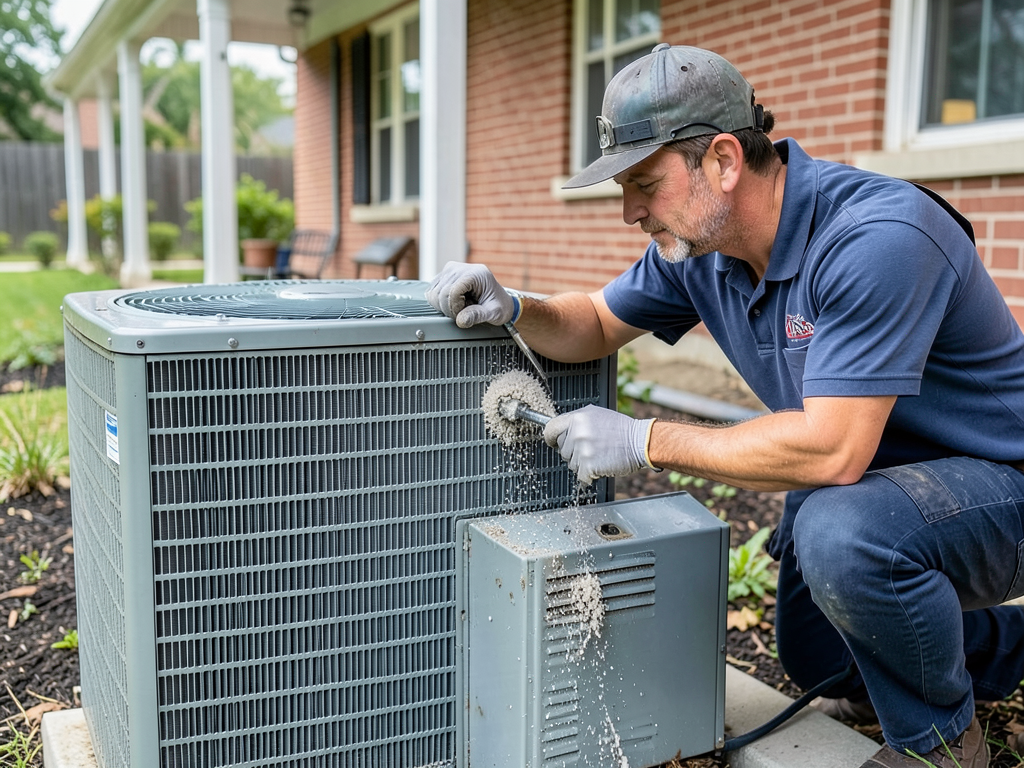
Regular maintenance catches small problems before they become expensive failures. We clean condenser coils that get clogged with cottonwood seeds and oak debris, check refrigerant charge and pressures, test capacitors and contactors that weaken from constant cycling, inspect ductwork for air leaks, and verify proper condensate drainage. Spring tune-ups prepare your system for summer heat. These inspections extend equipment life and reduce the emergency calls that happen on the hottest days when you can least afford downtime.
Estelle's location in Jefferson Parish creates specific challenges for home cooling systems. The combination of extreme heat, high humidity, frequent afternoon thunderstorms, and soil that holds moisture produces problems you will not find in other parts of the country. Your AC works harder here and fails in predictable patterns that come from our climate and construction methods.
Homes near Bayou Barataria and the Harvey Canal face additional moisture from standing water and saturated ground. Condensate drains clog faster when humidity stays high. Outdoor units sit closer to the water table and corrode from salt air that drifts inland from the Gulf. Ductwork in attics fights temperature extremes that stress seams and connections. Understanding these patterns helps us diagnose problems quickly and recommend solutions that address root causes instead of just symptoms. These four issues show up repeatedly across Estelle because they stem from conditions every home in this area faces.
Your AC removes gallons of water from indoor air every day. That water drains through PVC pipes that clog with algae growth in Louisiana humidity. When the drain backs up, water overflows the pan and damages ceilings. You see water stains or notice your system shutting off randomly. We clear the blockage and treat drains to prevent regrowth.
Electrical components fail fast when your AC runs nonstop through summer months. Capacitors store the electrical charge that starts your compressor and blower motor. When they weaken, your outdoor unit hums but will not start or your indoor blower runs slowly. Contactors pit and burn from thousands of cycles. Both failures happen suddenly and stop cooling completely.
Copper refrigerant lines corrode from the outside when moisture and salt air attack the metal. Small leaks reduce cooling capacity gradually. Your system runs longer to reach temperature settings and your electric bills climb. The outdoor unit might freeze up or the compressor might overheat. We locate leaks, repair the damaged section, and recharge the system to factory specifications.
Ductwork in Estelle attics faces brutal conditions. Temperature swings stress the connections and seams separate over time. Air leaks waste cooling and spike utility costs. Some homes have ducts sized too small for the airflow requirements, which restricts the system and reduces efficiency. We test airflow, seal leaks, and redesign duct runs when needed.
You deserve to know exactly what happens when you call for AC service in Estelle. We built our process around three principles: respond fast, communicate clearly, and fix it right the first time. You will not get vague arrival windows or surprise charges. You will not deal with technicians who show up unprepared or try to sell you services you do not need.
From the moment you call our office to the final system test after repair, every step follows a proven sequence that eliminates confusion and wasted time. Our dispatch team gives you accurate arrival information. Our technicians explain what they find and what it costs before starting work. Our quality checks ensure the repair actually solves your problem instead of creating a callback situation where we have to return days later. This consistency separates emergency service that helps from emergency service that adds stress to an already frustrating situation.
When you call with a broken AC, we dispatch a technician immediately and give you a specific arrival window. Our service vehicles carry GPS tracking so dispatch can update you if traffic or a previous job runs long. The technician calls 20 minutes before arrival so you know exactly when to expect them. No all-day waiting. No wondering if someone is coming. You get straight answers about timing because your schedule matters.
Our technician inspects your system, identifies the problem, and explains what failed and why. You see the damaged components. You get a written estimate before any repair work starts. The price includes parts, labor, and any warranty coverage. No hidden fees appear on the final invoice. If you choose not to proceed with the repair, you pay only the diagnostic fee. The decision stays yours, and we respect whatever you decide.
Once you approve the estimate, we complete the repair using quality parts that match or exceed OEM specifications. The technician tests the entire system under load to verify proper operation. You get documentation of the work performed, parts installed, and warranty information. We clean up the work area and remove all packaging and failed components. Your system runs correctly before we leave your property.
AC repairs should not be complicated or mysterious. We follow the same proven sequence on every service call to deliver consistent results and eliminate surprises.
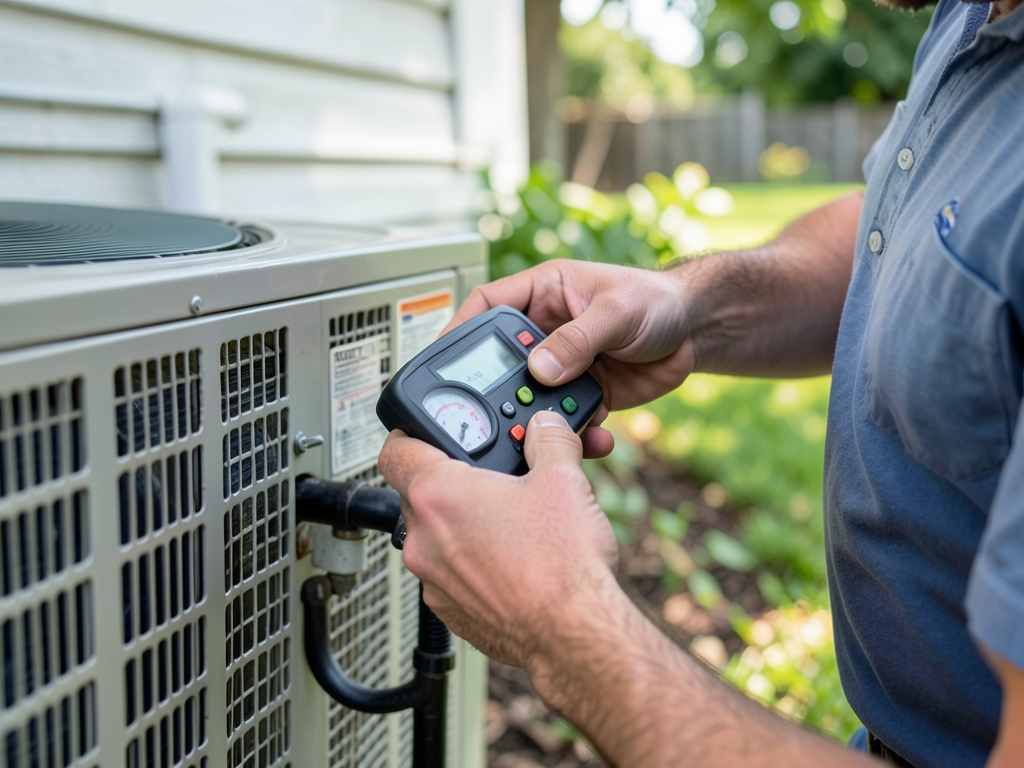
Your technician arrives with diagnostic tools and starts by listening to your description of the problem. When did the system quit working? What sounds or smells did you notice? This information guides the inspection. The technician checks electrical components, tests refrigerant pressures, inspects the condenser and evaporator coils, and examines ductwork connections. Most problems reveal themselves quickly when you know what to look for and have the right testing equipment.
After you approve the written estimate, the technician retrieves the necessary parts from the truck and completes the repair. Failed capacitors get replaced with components rated for our climate. Refrigerant leaks get properly repaired and the system gets recharged to manufacturer specifications. Electrical connections get tightened and tested. Every repair follows industry best practices and manufacturer procedures to ensure longevity and proper performance.
The repair is not complete until we verify the system works correctly. The technician runs the AC through a full cooling cycle, checks temperature differentials across the coil, verifies proper airflow at registers, and confirms the thermostat controls function as designed. You see the system operating normally before we leave. This final verification step prevents callbacks and ensures you get the cooling performance you paid for.
HVAC work in Louisiana operates under specific codes and standards that protect homeowners and ensure safe operation. The Louisiana State Uniform Construction Code adopts the International Mechanical Code with state amendments that address our climate and construction methods. Jefferson Parish enforces these codes through permit and inspection requirements for new installations and major system replacements.
Proper refrigerant handling follows EPA Section 608 regulations that require certified technicians and specific recovery procedures. R-22 refrigerant faced phaseout in 2020, which affects older systems that develop leaks. Repairs require reclaimed R-22 at premium prices, and eventually replacement becomes the only option. Newer R-410A systems require different pressures, tools, and handling procedures. Technician certification matters because improper refrigerant work creates safety hazards and environmental violations.
Load calculations determine proper system sizing using Manual J procedures that account for home square footage, insulation R-values, window orientation, occupancy levels, and internal heat gains. Louisiana's cooling-dominated climate requires careful attention to latent load from humidity removal. A system sized only for sensible cooling will maintain temperature but fail to control moisture. The result is a cold, clammy house that grows mold. Proper sizing requires understanding both temperature control and dehumidification needs specific to our climate.
Ductwork design follows Manual D standards for sizing supply and return runs based on airflow requirements and available static pressure. Undersized ducts restrict airflow and reduce efficiency. Oversized ducts increase installation costs without improving performance. Duct sealing requirements under current codes reduce energy waste from leakage that previously went unaddressed. Homes built before these standards often need duct modifications during system replacement to meet current efficiency targets and warranty requirements.
Systems installed before 2010 typically use R-22 refrigerant that is no longer manufactured. Leaks require expensive reclaimed refrigerant to recharge the system. Multiple leaks make replacement more economical than repeated repairs. Newer systems use R-410A refrigerant that operates at higher pressures and requires compatible components. Mixing refrigerant types damages equipment and voids warranties.
System replacement costs vary based on equipment efficiency ratings, capacity requirements, ductwork modifications, and electrical upgrades needed for new equipment. Higher SEER ratings reduce operating costs but increase upfront investment. Proper sizing requires load calculations, not just matching the tonnage of the old unit. Ductwork repairs or redesign add to project costs but improve long-term performance and comfort.
Most AC repairs complete in two to four hours depending on component accessibility and system complexity. Compressor replacements take longer because refrigerant recovery, vacuum procedures, and recharge processes cannot be rushed. Complete system replacements typically take one to two days for proper installation, duct modifications, electrical work, and startup procedures. Weather delays and permit inspections can extend timelines.
Louisiana requires mechanical contractors to hold state licenses for HVAC work. Technicians must maintain EPA certification for refrigerant handling. Major installations need permits from Jefferson Parish and pass inspection before the system can operate legally. Homeowners insurance may deny claims for work performed without proper permits and inspections. Always verify contractor licensing before approving work.
This video explains common air conditioner failures in Estelle, Louisiana, and their causes in Gulf Coast climate. Topics include condensate drain clogs from humidity, capacitor failure from constant operation, refrigerant leaks from corrosion, and ductwork problems in extreme attic temperatures. The presentation covers how Louisiana heat and moisture affect residential HVAC systems and what homeowners should watch for to prevent emergency breakdowns.
Pioneer HVAC New Orleans serves the complete Estelle community and surrounding Jefferson Parish neighborhoods where Louisiana heat tests every cooling system. Our service area extends from homes along Bayou Barataria where morning fog rolls in from wetlands to properties near the Harvey Canal where afternoon sun beats down without relief. We know these areas because our technicians live and work here. Your neighbors are our neighbors, and their AC problems match yours.
The subdivisions off 4th Street and Lapalco Boulevard see the same humidity-driven condensate issues that affect homes closer to Barataria Boulevard. Older properties in the established neighborhoods near Leo Kerner Park often have undersized ductwork that restricts airflow and reduces comfort. Newer construction toward Westbank Expressway tends to have better insulation but sometimes suffers from rushed installations that create long-term problems. Each area has distinct characteristics that affect how AC systems perform and fail.
Homes near the industrial corridor along the Mississippi River face additional challenges from salt air corrosion that attacks outdoor units and refrigerant lines. Properties closer to protected wetlands deal with cottonwood seeds and oak debris that clog condenser coils faster than inland locations. The soil throughout Estelle holds moisture year-round, which keeps humidity levels high even during brief cool spells. Your AC fights this constant moisture load regardless of which neighborhood you call home.
We respond to service calls throughout Jefferson Parish, including nearby communities like Harvey, Marrero, Westwego, and Gretna. The challenges might vary slightly by location, but the solutions require the same combination of technical knowledge and quality parts. Distance does not slow our response time. We dispatch from strategic locations to reach you quickly whether your home sits near Parc des Familles or closer to the parish line. Emergency service means actually showing up fast, not just promising to come eventually.
Understanding local geography helps us diagnose problems accurately. A home on a concrete slab near the water table faces different moisture challenges than a raised foundation farther inland. Roof orientation and tree coverage affect how hard your AC works during afternoon sun. We account for these variables when sizing replacement equipment or troubleshooting performance issues. Generic solutions fail because Estelle homes are not generic. They exist in a specific climate with specific soil conditions and specific challenges that require specific expertise.
The $5000 rule helps you decide between repair and replacement. If your system's repair cost multiplied by its age exceeds $5000, replacement makes more financial sense. For example, a $400 repair on a 15-year-old unit equals $6000, suggesting replacement. In Estelle's humid climate, older units lose efficiency fast due to constant moisture exposure and corrosion. Systems over 12 years old often face compounding failures. This rule guides smart investment decisions, preventing you from pouring money into aging equipment that will fail again soon.
HVAC jobs in Estelle vary widely based on scope. Simple repairs like capacitor replacements run $150 to $400. Refrigerant recharge costs range from $200 to $600. Ductwork modifications can span $1000 to $3000. Full system replacements start around several thousand and climb based on tonnage, efficiency rating, and ductwork condition. Estelle's moisture issues often require mold remediation or duct replacement, adding costs. Equipment size matters too. Most homes here need 2.5 to 4-ton units to handle summer humidity and heat loads properly.
HVAC professionals go by several titles depending on specialization. HVAC technicians handle repairs and maintenance. HVAC installers focus on new system placement. Refrigeration specialists work on cooling components. Some use the term HVAC mechanic or service technician. In Louisiana, proper EPA certification is required to handle refrigerants legally. When hiring in Estelle, look for technicians with experience in high-humidity climates. The correct terminology matters less than verified credentials and local expertise with moisture-related challenges common to our region.
The $5000 rule helps you decide between repair and replacement. If your system's repair cost multiplied by its age exceeds $5000, replacement makes more financial sense. For example, a $400 repair on a 15-year-old unit equals $6000, suggesting replacement. In Estelle's humid climate, older units lose efficiency fast due to constant moisture exposure and corrosion. Systems over 12 years old often face compounding failures. This rule guides smart investment decisions, preventing you from pouring money into aging equipment that will fail again soon.
HVAC jobs in Estelle vary widely based on scope. Simple repairs like capacitor replacements run $150 to $400. Refrigerant recharge costs range from $200 to $600. Ductwork modifications can span $1000 to $3000. Full system replacements start around several thousand and climb based on tonnage, efficiency rating, and ductwork condition. Estelle's moisture issues often require mold remediation or duct replacement, adding costs. Equipment size matters too. Most homes here need 2.5 to 4-ton units to handle summer humidity and heat loads properly.
HVAC professionals go by several titles depending on specialization. HVAC technicians handle repairs and maintenance. HVAC installers focus on new system placement. Refrigeration specialists work on cooling components. Some use the term HVAC mechanic or service technician. In Louisiana, proper EPA certification is required to handle refrigerants legally. When hiring in Estelle, look for technicians with experience in high-humidity climates. The correct terminology matters less than verified credentials and local expertise with moisture-related challenges common to our region.
Twenty years is beyond the expected lifespan for most HVAC systems. Average life expectancy runs 15 to 18 years with proper maintenance. In Estelle's climate, high humidity and constant use shorten this further. A 20-year-old system runs inefficiently, costs more monthly, and faces frequent breakdowns. Refrigerant in older units may be obsolete and expensive. Corrosion from moisture accelerates wear on coils and electrical components. Replace systems approaching 20 years before emergency failure occurs during peak summer heat when availability is limited.
New HVAC systems in Estelle typically range from mid-tier to premium pricing based on efficiency and size. A standard split system for an average home runs several thousand. High-efficiency models with better SEER ratings cost more upfront but save monthly in our long cooling season. Variables include tonnage needed, ductwork condition, thermostat upgrades, and warranty coverage. Estelle's humidity often requires dehumidification features. Installation complexity matters too. Homes with crawl spaces or attic access issues increase labor costs. Always get multiple quotes from local contractors.
The 2-foot rule requires maintaining two feet of clearance around outdoor condenser units. This space ensures proper airflow for heat exchange and prevents efficiency loss. In Estelle, homeowners often let vegetation creep too close due to fast growth in our humid climate. Shrubs, grass, and debris block airflow, making your compressor work harder and raising energy bills. Keep the area clear of leaves, especially after storms. This clearance also allows technicians access for maintenance and repairs without damaging landscaping or struggling to reach components.
For a 1200 square foot house in Estelle, expect to need a 2 to 2.5-ton system. Installation costs vary based on existing ductwork, insulation quality, and efficiency rating chosen. A builder-grade system runs lower, while high-efficiency models with humidity control cost more. Older homes may need duct sealing or insulation upgrades to perform efficiently. Single-story homes typically cost less than two-story installations. Get a proper load calculation done. Estelle's humidity and heat require accurate sizing to prevent short cycling and moisture problems.
The 3-minute rule protects your compressor from damage. After your AC shuts off, wait at least three minutes before restarting. This allows refrigerant pressure to equalize throughout the system. Immediate restart forces the compressor to start against high pressure, causing strain and potential failure. Many modern thermostats include built-in delay timers. In Estelle's climate where systems cycle frequently, this protection matters. Ignoring this rule shortens compressor life and leads to costly premature replacement. Power outages followed by quick restoration can also trigger this issue.
HVAC technicians in Louisiana earn wages that reflect experience and certification level. Entry-level techs make less per hour, while licensed professionals with EPA credentials and years of field experience earn significantly more. Commercial specialists typically earn higher rates than residential techs. Estelle-area wages align with regional Louisiana rates, adjusting for cost of living. Emergency and after-hours calls pay premium rates. Many techs work flat-rate instead of hourly, earning based on job completion. Benefits and company size also affect total compensation packages in our market.
Both HVAC and electrical trades offer strong earning potential in Louisiana. HVAC technicians often earn comparable or slightly higher wages due to specialized refrigeration certification and constant demand in our climate. Electricians benefit from diverse work opportunities including commercial and industrial projects. In Estelle specifically, HVAC demand stays high year-round due to humidity and heat. Master electricians with commercial licenses typically out-earn residential HVAC techs. Both trades require ongoing education and licensing. Career earnings depend more on specialization, business ownership, and commercial versus residential focus than the trade itself.
Twenty years is beyond the expected lifespan for most HVAC systems. Average life expectancy runs 15 to 18 years with proper maintenance. In Estelle's climate, high humidity and constant use shorten this further. A 20-year-old system runs inefficiently, costs more monthly, and faces frequent breakdowns. Refrigerant in older units may be obsolete and expensive. Corrosion from moisture accelerates wear on coils and electrical components. Replace systems approaching 20 years before emergency failure occurs during peak summer heat when availability is limited.
New HVAC systems in Estelle typically range from mid-tier to premium pricing based on efficiency and size. A standard split system for an average home runs several thousand. High-efficiency models with better SEER ratings cost more upfront but save monthly in our long cooling season. Variables include tonnage needed, ductwork condition, thermostat upgrades, and warranty coverage. Estelle's humidity often requires dehumidification features. Installation complexity matters too. Homes with crawl spaces or attic access issues increase labor costs. Always get multiple quotes from local contractors.
The 2-foot rule requires maintaining two feet of clearance around outdoor condenser units. This space ensures proper airflow for heat exchange and prevents efficiency loss. In Estelle, homeowners often let vegetation creep too close due to fast growth in our humid climate. Shrubs, grass, and debris block airflow, making your compressor work harder and raising energy bills. Keep the area clear of leaves, especially after storms. This clearance also allows technicians access for maintenance and repairs without damaging landscaping or struggling to reach components.
For a 1200 square foot house in Estelle, expect to need a 2 to 2.5-ton system. Installation costs vary based on existing ductwork, insulation quality, and efficiency rating chosen. A builder-grade system runs lower, while high-efficiency models with humidity control cost more. Older homes may need duct sealing or insulation upgrades to perform efficiently. Single-story homes typically cost less than two-story installations. Get a proper load calculation done. Estelle's humidity and heat require accurate sizing to prevent short cycling and moisture problems.
The 3-minute rule protects your compressor from damage. After your AC shuts off, wait at least three minutes before restarting. This allows refrigerant pressure to equalize throughout the system. Immediate restart forces the compressor to start against high pressure, causing strain and potential failure. Many modern thermostats include built-in delay timers. In Estelle's climate where systems cycle frequently, this protection matters. Ignoring this rule shortens compressor life and leads to costly premature replacement. Power outages followed by quick restoration can also trigger this issue.
HVAC technicians in Louisiana earn wages that reflect experience and certification level. Entry-level techs make less per hour, while licensed professionals with EPA credentials and years of field experience earn significantly more. Commercial specialists typically earn higher rates than residential techs. Estelle-area wages align with regional Louisiana rates, adjusting for cost of living. Emergency and after-hours calls pay premium rates. Many techs work flat-rate instead of hourly, earning based on job completion. Benefits and company size also affect total compensation packages in our market.
Both HVAC and electrical trades offer strong earning potential in Louisiana. HVAC technicians often earn comparable or slightly higher wages due to specialized refrigeration certification and constant demand in our climate. Electricians benefit from diverse work opportunities including commercial and industrial projects. In Estelle specifically, HVAC demand stays high year-round due to humidity and heat. Master electricians with commercial licenses typically out-earn residential HVAC techs. Both trades require ongoing education and licensing. Career earnings depend more on specialization, business ownership, and commercial versus residential focus than the trade itself.
Pioneer HVAC New Orleans is proud to serve the entire New Orleans metropolitan area and surrounding parishes. Our central location allows our technicians to rapidly reach you, minimizing your wait time and ensuring quick service response for your heating and cooling needs. Invite us to your location by checking our service area map online or simply giving us a call today to confirm service availability at your specific address.
Address:
Estelle, LA, 70072
How to Read Your Entergy Bill to See if Your HVAC System is Failing You Louisiana’s heat and humidity push HVAC systems to their limits and when your Entergy bill suddenly jumps you might wonder…

Expert High-Velocity HVAC Installation & Repair in New Orleans\n\nTraditional ductwork can destroy the character of…
Why Magnolia Leaves and Crepe Myrtle Blooms are Secretly Killing Your Metairie AC Unit Your…
Keeping Parade Dust and Debris Out of Your Uptown Home HVAC System Uptown New Orleans…
Your home is too hot and you need help now. Call Pioneer HVAC New Orleans at (504) 355-2955 for immediate dispatch and same-day AC repair. Our technicians are ready to restore your comfort.