



Waggaman sits in a climate zone that punishes HVAC equipment year-round. Summer humidity levels regularly exceed 90 percent, forcing air conditioners to work overtime removing moisture while cooling your home. The Mississippi River's proximity creates additional humidity load, and the combination of brackish groundwater and salt air from nearby wetlands accelerates corrosion on outdoor units and copper refrigerant lines.
Winter brings temperature swings that strain heating systems. A 40-degree morning can turn into a 75-degree afternoon, forcing your heat pump to cycle repeatedly. These freeze-thaw cycles stress components and reduce efficiency over time.
Waggaman's elevation near sea level means poor drainage in many areas. Ground-level condensate drains frequently clog with sediment, causing water backup and system shutdowns. Homes near the river or in lower-lying neighborhoods experience higher moisture intrusion through ductwork, creating mold concerns and air quality problems.
Local building stock includes many older homes built before modern insulation standards. Single-pane windows and minimal attic insulation force HVAC systems to work harder than they should. Adding central air to these older structures requires careful load calculations to prevent undersized equipment and comfort problems. The climate demands reliable cooling from April through October, making system failures more than an inconvenience.
We built our reputation in the greater New Orleans area by showing up when we say we will and fixing problems correctly the first time. Most HVAC companies send inexperienced techs who guess at diagnoses and push unnecessary replacements. We send seasoned technicians who understand how Louisiana's climate affects equipment performance and who carry diagnostic tools that identify the actual problem, not just the symptoms.
Our service vans stock parts for the most common failures we see in Waggaman homes. Capacitors, contactors, thermostats, and refrigerant for multiple system types. This means we complete most repairs during the initial visit instead of scheduling return trips. When we do need to order parts, we source them quickly through local suppliers, not distant warehouses.
We price our service honestly. You receive a clear diagnosis before any work begins, with repair costs explained in plain language. No hidden fees for after-hours service or weekend calls. No pressure tactics to replace equipment that can be repaired affordably. If your system truly needs replacement, we provide multiple options at different price points and explain the efficiency differences between them.
Our relationship with Waggaman goes beyond emergency repairs. We maintain hundreds of systems across Jefferson Parish through our preventive maintenance program, catching small problems before they become expensive failures. Customers who join our maintenance plan receive priority scheduling during peak season and discounted repair rates. We remember your system's history, which speeds up future service calls and helps us spot recurring issues that need permanent solutions.

When your AC or heater fails, we dispatch a technician to your Waggaman home within hours, not days. Our trucks carry the diagnostic equipment and common parts needed to complete most repairs on the first visit, restoring your comfort quickly without multiple return trips or long waits for parts orders.

We diagnose the actual problem using calibrated testing equipment, not guesswork. You receive a clear explanation of what failed and why, with repair costs provided before work begins. We repair systems when possible and only recommend replacement when repair costs approach new equipment value or safety concerns exist.
Our service team understands how Gulf Coast humidity and temperature swings affect HVAC performance. We account for local factors like corrosion from salt air, drainage problems from high water tables, and efficiency loss from poor insulation in older homes. This regional expertise leads to repairs that address root causes.
We service Waggaman neighborhoods daily and understand the housing stock, from older homes near the river to newer construction in developing areas. This familiarity with local building types helps us size replacement systems correctly and identify common problems specific to different parts of the community.
Pioneer HVAC New Orleans handles every aspect of residential climate control in Waggaman. We repair all major brands of air conditioners, heat pumps, gas furnaces, and electric heating systems. Our service range includes emergency breakdowns, routine maintenance, system replacements, and indoor air quality improvements.
Louisiana's long cooling season means air conditioning failures happen frequently. We stock parts for Carrier, Trane, Lennox, Goodman, Rheem, and American Standard systems. When repairs exceed the value of your current equipment, we provide replacement options matched to your home's cooling load and your budget. Proper sizing matters in this climate. Oversized units short-cycle and fail to remove humidity. Undersized systems run constantly and never reach comfortable temperatures.
Heating service becomes critical during winter cold snaps when temperatures drop into the 20s and stay there for days. Heat pumps lose efficiency below 40 degrees and need backup heat sources. Gas furnaces require annual inspection to prevent carbon monoxide hazards. We service both types and explain when repair makes sense versus replacement.
Indoor air quality affects health and comfort. We install whole-home dehumidifiers that work with your AC to control moisture, UV light systems that reduce mold and bacteria in ductwork, and advanced filtration that captures allergens and dust. These improvements matter in a humid climate where mold grows quickly and poor ventilation traps contaminants indoors.
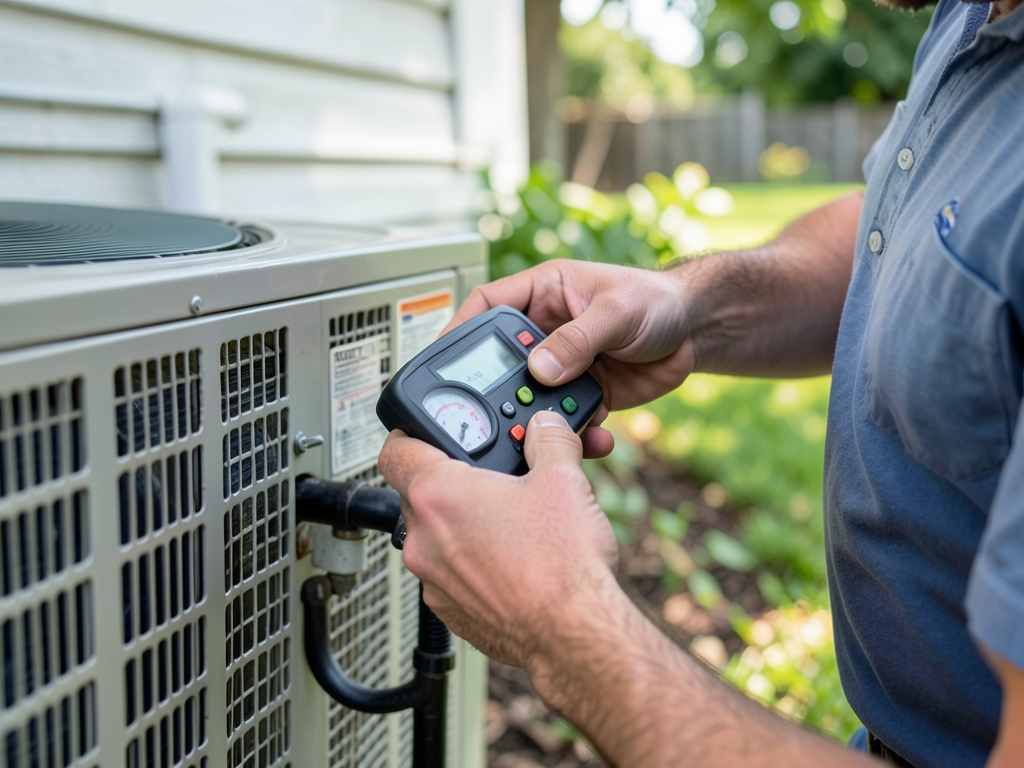
Your air conditioner stops working when you need it most, during the hottest part of summer. We respond quickly to diagnose compressor failures, refrigerant leaks, frozen evaporator coils, electrical problems, and blower motor issues. Our technicians carry refrigerant for R-22 and R-410A systems, replacement capacitors, contactors, and thermostats. We test airflow, check refrigerant charge with calibrated gauges, and measure temperature split to verify your system cools properly after repairs. Most service calls finish the same day.
Old equipment eventually costs more to repair than replace. We perform load calculations using Manual J methodology to size new systems correctly for your home's square footage, insulation levels, window area, and orientation. Proper sizing prevents short-cycling, humidity problems, and premature failure. We install energy-efficient heat pumps, two-stage air conditioners, variable-speed air handlers, and programmable thermostats that reduce operating costs. Installation includes new refrigerant lines, condensate drains, electrical disconnects, and thermostat wiring. We pull permits and coordinate inspections.
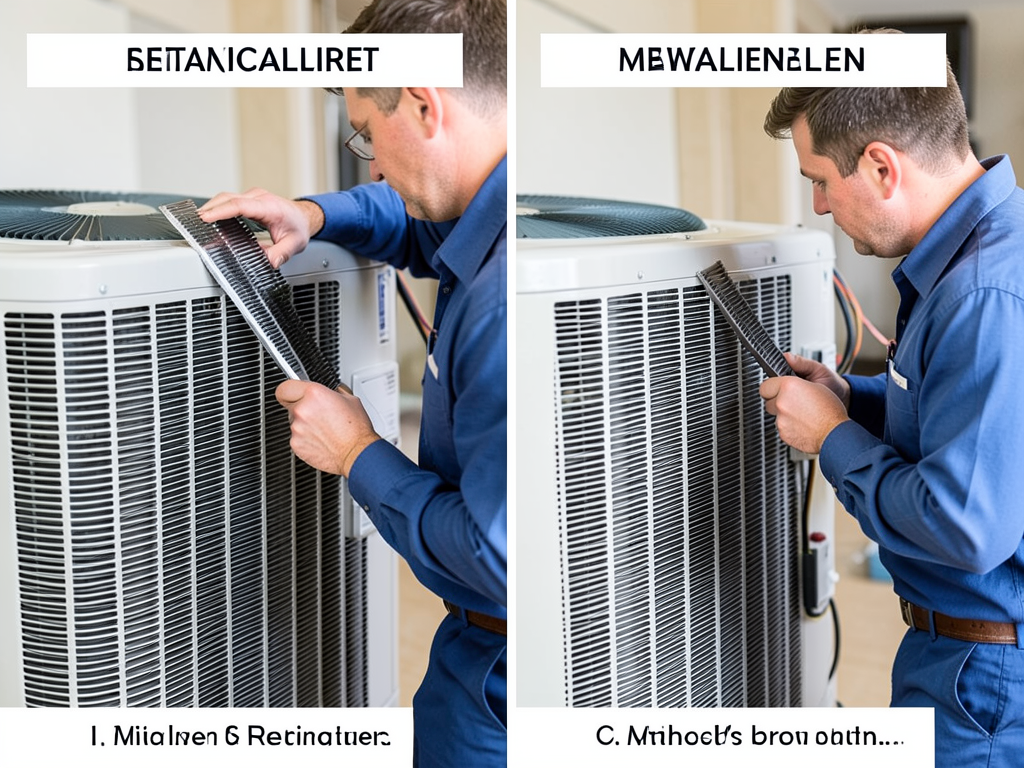
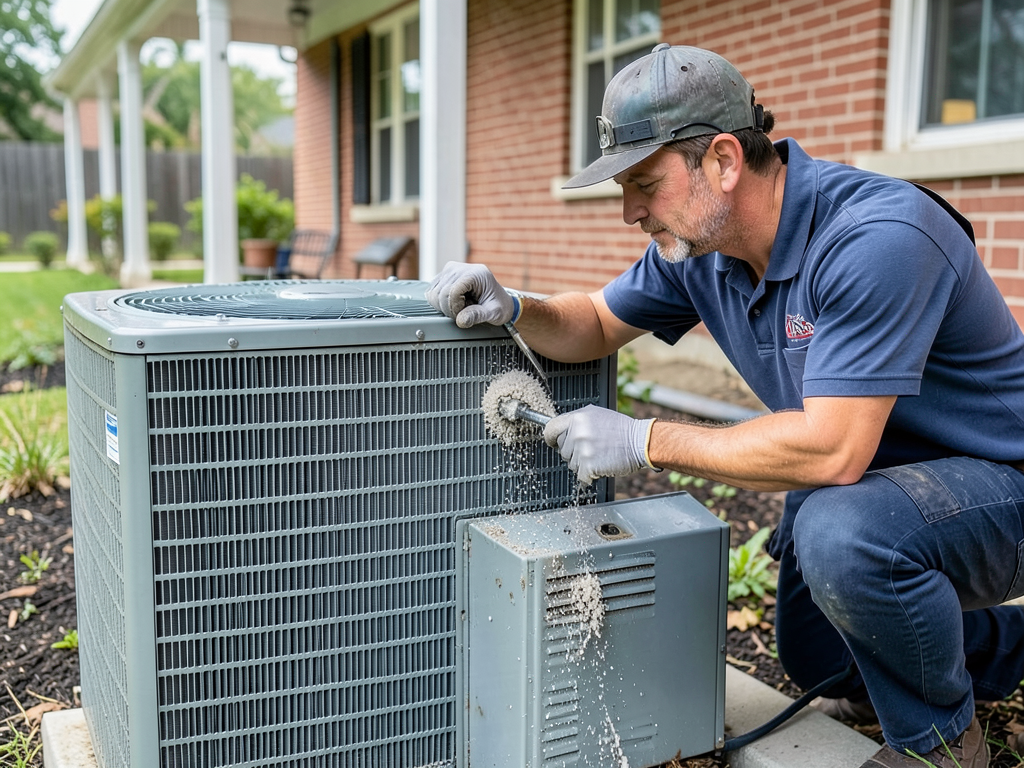
Regular maintenance prevents expensive breakdowns and extends equipment life. Our tune-up service includes cleaning condenser coils, checking refrigerant charge, testing capacitors and contactors, lubricating motors, inspecting ductwork for leaks, replacing filters, and verifying thermostat accuracy. We catch small problems like failing capacitors or low refrigerant before they damage compressors. Maintenance plan members receive priority scheduling during peak season, discounted repair rates, and no overtime charges for emergency calls. Two visits per year keep your system running efficiently through summer heat and winter cold.
We see the same problems repeatedly in Waggaman because local conditions stress HVAC equipment in predictable ways. High humidity causes specific failures that rarely occur in dry climates. Poor drainage clogs condensate lines. Salt air corrodes outdoor units faster than normal. Understanding these patterns helps us diagnose problems quickly and recommend preventive measures that reduce future failures.
Older neighborhoods near the river experience different problems than newer developments. Homes built before 1980 often lack proper ductwork for central air, leading homeowners to add undersized systems that struggle to cool effectively. Newer construction in developing areas sometimes uses minimum-code insulation that forces HVAC systems to work harder than necessary.
Equipment age plays a major role. Systems older than 15 years fail more frequently and cost more to operate. Refrigerant leaks, compressor failures, and blower motor problems increase as components wear out. Repair costs on old equipment often approach half the price of replacement, making upgrade decisions financially complicated. We help you understand when repair makes sense and when replacement provides better long-term value.
Your indoor coil freezes into a block of ice when airflow drops too low. Dirty filters cause most airflow restrictions, but closed supply vents, blocked return grilles, and failing blower motors also reduce air movement. The ice stops cooling and can damage the compressor. We thaw the coil, find the airflow restriction, and verify proper operation after repairs.
Your AC removes gallons of water from indoor air daily during summer. This water drains through PVC pipes that clog with algae, mold, and sediment. Waggaman's high water table means many condensate drains run underground where they collect mud and roots. Clogs cause water backup that trips the safety float switch and shuts down your system. We clear drains and install cleanout ports.
The compressor is the most expensive component in your AC system. Failed capacitors, bad contactors, and low refrigerant charge cause compressor damage. Power surges during thunderstorms can burn out compressor windings instantly. We test electrical components during maintenance visits to catch problems before they destroy the compressor. Compressor replacement often costs more than installing a complete new system.
Salt air and high humidity corrode copper refrigerant lines, creating pinhole leaks that allow refrigerant to escape. Your system loses cooling capacity and runs constantly without reaching the thermostat setting. Simply adding refrigerant wastes money because the leak continues. We find leaks using electronic detectors and UV dye, repair them properly, then recharge the system to manufacturer specifications.
We answer our phone during business hours with a real person, not a voicemail system. You speak directly with our dispatch team who gathers information about your problem and schedules a service window based on urgency. Emergency calls for no cooling or no heat receive same-day response when you call before noon. Routine maintenance and non-emergency repairs typically schedule within two to three days.
Our technician calls 30 minutes before arrival and shows up during the scheduled window. He introduces himself, asks about the problem, and explains what he needs to check. The diagnostic process takes 20 to 45 minutes depending on system complexity. We test components systematically to identify the actual failure, not just symptoms.
After diagnosis, you receive a clear explanation of what failed and why. The technician provides repair cost before starting work. No surprise charges appear on your invoice. If multiple repair options exist, we explain the differences and let you decide. For expensive repairs on old equipment, we discuss whether replacement makes better financial sense. The decision stays with you. We never pressure customers into upgrades they do not want.
You receive a call 30 minutes before the technician arrives, so you are not waiting around all day. During the diagnosis, he explains what he is testing and why. Technical problems get translated into plain language you can understand. After identifying the problem, he shows you the failed part when possible and explains repair options. You approve all work before it starts, and the final invoice matches the quoted price.
Our service team wears uniforms and carries identification. They use floor mats and shoe covers to protect your floors when moving equipment. Tools and parts stay organized on drop cloths, not scattered across your property. After completing repairs, the technician cleans the work area and removes all trash and packaging. We treat your home with the same care we expect in our own homes.
All repair work carries a warranty on parts and labor. If the same problem returns within the warranty period, we fix it at no charge. We stand behind our work because we diagnose problems correctly and use quality replacement parts. After major repairs or installations, we follow up within a week to verify your system operates properly. Questions after service? Call us anytime for support.
We keep the service process simple and transparent. Three basic steps take you from initial contact to a working HVAC system. No confusion, no runaround, no surprise charges.
Call (504) 355-2955 to reach our dispatch team. Describe your problem and we schedule a service window based on urgency. Emergency no-cooling or no-heating calls get same-day response when you contact us by noon. Non-emergency service typically schedules within two to three days. You receive a confirmation call with the technician's name and estimated arrival time. We call again 30 minutes before arrival.
The technician inspects your system and tests components to identify the failure. This diagnostic process takes 20 to 45 minutes. After finding the problem, he explains what failed and provides repair cost before starting work. You approve the repair and pricing, then work begins. Most repairs finish within two hours. The technician tests system operation after completing repairs to verify proper cooling or heating performance.
After repairs, the technician runs your system through a complete cycle to verify proper operation. He checks airflow, measures temperature split, and confirms the thermostat controls the system correctly. You receive an invoice that matches the approved estimate with no surprise additions. We accept cash, checks, and credit cards. All work carries a warranty on parts and labor. We follow up within a week to confirm continued operation.
HVAC installation and repair in Jefferson Parish follows Louisiana State Uniform Construction Code requirements. This code adopts the International Mechanical Code with state amendments specific to Louisiana's climate and building conditions. All HVAC work requires permits for new installations, system replacements, and major modifications to existing equipment. Permit requirements ensure installations meet minimum safety and efficiency standards.
Refrigerant handling follows EPA Section 608 regulations. Technicians must hold EPA certification to purchase refrigerant, recover it from systems being serviced, and charge systems after repairs. Venting refrigerant to atmosphere violates federal law and carries substantial fines. We recover and recycle all refrigerant during service and repairs, maintaining proper documentation for EPA compliance.
Equipment sizing follows Air Conditioning Contractors of America Manual J load calculation procedures. These calculations account for home square footage, insulation R-values, window area and orientation, occupancy, and internal heat gains from appliances and lighting. Louisiana's cooling-dominated climate requires careful attention to latent load from humidity removal. Oversized equipment short-cycles and fails to dehumidify properly. Undersized systems run constantly and never reach comfortable temperatures.
Ductwork design follows Manual D procedures that specify duct sizes based on airflow requirements and static pressure limits. Undersized ducts create high static pressure that reduces airflow and damages blower motors. Poorly sealed ducts waste energy by conditioning attic spaces instead of living areas. We test duct leakage using calibrated pressure measurement and seal connections with mastic, not standard duct tape which degrades quickly in hot attics.
Electrical installation must comply with National Electrical Code requirements. AC condensing units require dedicated circuits with proper wire gauge and overcurrent protection. Disconnect switches must install within sight of outdoor units. Thermostat wiring needs proper routing to prevent interference from electrical lines. Ground-fault protection applies to condensate pump circuits. We coordinate with licensed electricians when service panels need upgrades to support new equipment loads.
Proper HVAC sizing prevents comfort problems and premature equipment failure. Manual J calculations account for insulation levels, window area, air infiltration, and internal heat gains to determine actual cooling and heating loads. Rules of thumb like 400 square feet per ton fail in Louisiana's climate where humidity removal matters as much as temperature control. We perform room-by-room calculations for accurate sizing.
Refrigerant charge directly affects cooling capacity and efficiency. Undercharged systems provide insufficient cooling and can freeze evaporator coils. Overcharged systems increase head pressure and can damage compressors. We charge systems by weighing in the exact amount specified by the manufacturer, then verify proper operation by measuring superheat and subcooling temperatures. Charging by pressure gauge alone produces inaccurate results.
HVAC systems in Louisiana require maintenance twice per year due to long operating seasons and harsh conditions. Spring maintenance prepares cooling equipment for summer load. Fall maintenance checks heating components before winter. Neglected systems accumulate dirt on coils, develop refrigerant leaks, and suffer electrical failures. Regular maintenance extends equipment life from 12 years to 18 years and reduces emergency repair costs.
Jefferson Parish requires permits for HVAC replacements and new installations. Permit fees vary by equipment size and project scope. Inspections verify proper installation including refrigerant line connections, electrical service, condensate drainage, and combustion venting for gas furnaces. Unpermitted work creates liability issues and complicates home sales. We handle all permit applications and coordinate required inspections.
Professional HVAC technician explains common air conditioning and heating failures in Waggaman, Louisiana homes. Covers frozen evaporator coils, condensate drain clogs, compressor problems, and refrigerant leaks caused by Gulf Coast humidity and salt air. Discusses proper equipment sizing, refrigerant charging procedures, maintenance requirements, and Louisiana building code compliance for HVAC installation. Provides diagnostic tips and explains when to repair versus replace aging systems.
Pioneer HVAC New Orleans serves all of Waggaman and the greater Jefferson Parish area. We respond to service calls throughout the neighborhoods along River Road where older homes mix with newer construction. Properties near the Mississippi River face additional humidity from the water and faster corrosion on outdoor equipment from salt-laden air moving inland from coastal wetlands. These riverfront homes often feature older HVAC installations that need upgrading to handle modern cooling demands.
The residential areas south of LA Highway 18 include a mix of single-family homes and manufactured housing. These neighborhoods experience drainage challenges during heavy rain because of low elevation and high water tables. Condensate drains clog more frequently here, and ground-level equipment faces flooding risk during severe weather. We help homeowners in these areas maintain reliable climate control despite challenging site conditions.
Communities along Ames Boulevard and in the newer developments toward Avondale contain homes built within the past 20 years. These properties typically feature more modern HVAC installations, but rapid construction sometimes led to undersized ductwork and improper equipment selection. We correct these installation issues and help residents optimize system performance through proper maintenance and strategic upgrades.
The areas near Bridge City and between Waggaman and Marrero share similar climate challenges and housing types. We service equipment across this entire region daily, building familiarity with the specific problems each area faces. Our technicians know which neighborhoods have hard water that clogs humidifiers, where power quality issues damage electronics, and which subdivisions used particular builders whose HVAC installations need attention.
We maintain service relationships throughout Jefferson Parish, from Westwego to Harahan, giving us the ability to respond quickly regardless of where you live. Our central location and multiple service vehicles mean we reach most Waggaman addresses within an hour of your call during emergency situations. This rapid response matters when your AC fails during a heat wave or your heater stops working during a freeze.
Schedule professional AC service twice per year in Waggaman. The high humidity and extended cooling season put extra strain on your system. Book maintenance in early spring before peak summer heat and again in fall. During each visit, technicians clean coils, check refrigerant levels, inspect electrical connections, and test system performance. Regular service prevents breakdowns during hot months and extends equipment life. Change your air filter every 30 to 60 days between professional visits. Waggaman's moisture-heavy air clogs filters faster than drier climates.
A 1500 square foot home in Waggaman typically needs a 2.5 to 3-ton AC unit. The exact size depends on several factors beyond square footage. Your home's insulation quality, ceiling height, window count, sun exposure, and ductwork condition all affect sizing. Local humidity levels also increase cooling demands. An oversized unit cycles on and off too frequently and fails to remove humidity. An undersized unit runs nonstop and struggles to cool your space. Get a Manual J load calculation from a qualified technician for accurate sizing.
HVAC replacement pricing in Waggaman varies based on system size, efficiency rating, and installation complexity. Your home's size, existing ductwork condition, and chosen equipment brand affect the investment. High-efficiency systems have higher upfront expenses but lower monthly energy bills. Single-story homes typically have simpler installations than multi-level properties. Most replacements take one to three days to complete. Get multiple written estimates from licensed contractors. Ask about equipment specifications, labor scope, and manufacturer protection plans. Compare total value rather than choosing the lowest bid.
Schedule professional AC service twice per year in Waggaman. The high humidity and extended cooling season put extra strain on your system. Book maintenance in early spring before peak summer heat and again in fall. During each visit, technicians clean coils, check refrigerant levels, inspect electrical connections, and test system performance. Regular service prevents breakdowns during hot months and extends equipment life. Change your air filter every 30 to 60 days between professional visits. Waggaman's moisture-heavy air clogs filters faster than drier climates.
A 1500 square foot home in Waggaman typically needs a 2.5 to 3-ton AC unit. The exact size depends on several factors beyond square footage. Your home's insulation quality, ceiling height, window count, sun exposure, and ductwork condition all affect sizing. Local humidity levels also increase cooling demands. An oversized unit cycles on and off too frequently and fails to remove humidity. An undersized unit runs nonstop and struggles to cool your space. Get a Manual J load calculation from a qualified technician for accurate sizing.
HVAC replacement pricing in Waggaman varies based on system size, efficiency rating, and installation complexity. Your home's size, existing ductwork condition, and chosen equipment brand affect the investment. High-efficiency systems have higher upfront expenses but lower monthly energy bills. Single-story homes typically have simpler installations than multi-level properties. Most replacements take one to three days to complete. Get multiple written estimates from licensed contractors. Ask about equipment specifications, labor scope, and manufacturer protection plans. Compare total value rather than choosing the lowest bid.
AC units freeze when airflow gets restricted or refrigerant levels drop. Dirty air filters block airflow and cause coils to get too cold. Clogged condensate drains, closed supply vents, and failing blower motors also reduce air movement. Low refrigerant from leaks makes coils freeze even with proper airflow. Running your AC on cool nights below 60 degrees contributes to freezing. Turn off your system when you notice ice buildup. Let it thaw completely before restarting. Call a technician to identify and fix the root cause.
Most modern AC systems handle humidity removal adequately for Waggaman homes. Your air conditioner naturally reduces moisture while cooling. A separate dehumidifier becomes beneficial if indoor humidity stays above 60 percent despite AC operation. Homes with poor ventilation, multiple occupants, or frequent cooking need extra moisture control. Crawl spaces and basements often require dedicated dehumidifiers. Check indoor humidity with an inexpensive hygrometer. Target 40 to 50 percent relative humidity for comfort and mold prevention. A whole-home dehumidifier integrates with your HVAC system for consistent moisture management.
Standard HVAC installations in Waggaman take one to three days. Single-unit replacements with existing ductwork usually finish in one day. Complete system replacements with ductwork modifications need two to three days. Complex installations involving multiple zones, structural changes, or challenging access points take longer. Installation time depends on your home's layout, equipment location, and crew size. Most contractors work during business hours to minimize disruption. Weather rarely delays indoor work. Your technician will provide a specific timeline during the estimate. Plan to be home during installation for questions and final walkthrough.
Choose a SEER rating of 15 or higher for Waggaman installations. The humid climate and long cooling season make efficiency important for comfort and energy savings. Units rated 16 to 18 SEER offer excellent performance without excessive upfront investment. Higher SEER ratings reduce monthly electricity use during extended summer operation. Louisiana building codes require minimum 14 SEER for new installations. Your home's insulation, ductwork condition, and usage patterns affect actual efficiency. Balance equipment expense with long-term operating savings. Better insulation and sealed ducts maximize any SEER rating's performance.
High humidity accelerates HVAC system wear and creates multiple problems. Moisture promotes rust on metal components, outdoor units, and ductwork. Condensate drains clog more frequently from algae and mold growth. Indoor coils develop biological buildup affecting performance. Electrical connections corrode faster in humid conditions. Your system works harder to remove excess moisture, increasing energy use and component stress. Proper maintenance prevents humidity-related damage. Keep drain lines clear, change filters regularly, and inspect outdoor units for corrosion. Good attic ventilation and home sealing reduce moisture infiltration into your HVAC system.
Schedule furnace inspection if you notice weak airflow, strange odors, or unusual sounds. Yellow or flickering pilot light flames indicate combustion problems needing immediate attention. Increasing energy bills without usage changes suggest declining efficiency. Frequent cycling on and off signals thermostat or sensor issues. Visible rust, cracks, or soot around your furnace require professional evaluation. Test your system in early fall before cold weather arrives. Listen for grinding, squealing, or banging noises during operation. Check for adequate heat from all vents. Annual pre-season inspection prevents winter breakdowns and identifies problems early.
Low refrigerant causes several visible symptoms in your AC system. Ice buildup on refrigerant lines or indoor coils indicates insufficient charge. Your system runs constantly without reaching set temperature. Warm air flows from supply vents despite proper thermostat settings. Hissing or bubbling sounds near refrigerant lines suggest active leaks. Higher electric bills result from extended run times. Refrigerant does not deplete naturally. Low levels always indicate a leak needing repair. A technician must find and fix leaks before adding refrigerant. Regular maintenance catches refrigerant issues before they affect comfort.
AC units freeze when airflow gets restricted or refrigerant levels drop. Dirty air filters block airflow and cause coils to get too cold. Clogged condensate drains, closed supply vents, and failing blower motors also reduce air movement. Low refrigerant from leaks makes coils freeze even with proper airflow. Running your AC on cool nights below 60 degrees contributes to freezing. Turn off your system when you notice ice buildup. Let it thaw completely before restarting. Call a technician to identify and fix the root cause.
Most modern AC systems handle humidity removal adequately for Waggaman homes. Your air conditioner naturally reduces moisture while cooling. A separate dehumidifier becomes beneficial if indoor humidity stays above 60 percent despite AC operation. Homes with poor ventilation, multiple occupants, or frequent cooking need extra moisture control. Crawl spaces and basements often require dedicated dehumidifiers. Check indoor humidity with an inexpensive hygrometer. Target 40 to 50 percent relative humidity for comfort and mold prevention. A whole-home dehumidifier integrates with your HVAC system for consistent moisture management.
Standard HVAC installations in Waggaman take one to three days. Single-unit replacements with existing ductwork usually finish in one day. Complete system replacements with ductwork modifications need two to three days. Complex installations involving multiple zones, structural changes, or challenging access points take longer. Installation time depends on your home's layout, equipment location, and crew size. Most contractors work during business hours to minimize disruption. Weather rarely delays indoor work. Your technician will provide a specific timeline during the estimate. Plan to be home during installation for questions and final walkthrough.
Choose a SEER rating of 15 or higher for Waggaman installations. The humid climate and long cooling season make efficiency important for comfort and energy savings. Units rated 16 to 18 SEER offer excellent performance without excessive upfront investment. Higher SEER ratings reduce monthly electricity use during extended summer operation. Louisiana building codes require minimum 14 SEER for new installations. Your home's insulation, ductwork condition, and usage patterns affect actual efficiency. Balance equipment expense with long-term operating savings. Better insulation and sealed ducts maximize any SEER rating's performance.
High humidity accelerates HVAC system wear and creates multiple problems. Moisture promotes rust on metal components, outdoor units, and ductwork. Condensate drains clog more frequently from algae and mold growth. Indoor coils develop biological buildup affecting performance. Electrical connections corrode faster in humid conditions. Your system works harder to remove excess moisture, increasing energy use and component stress. Proper maintenance prevents humidity-related damage. Keep drain lines clear, change filters regularly, and inspect outdoor units for corrosion. Good attic ventilation and home sealing reduce moisture infiltration into your HVAC system.
Schedule furnace inspection if you notice weak airflow, strange odors, or unusual sounds. Yellow or flickering pilot light flames indicate combustion problems needing immediate attention. Increasing energy bills without usage changes suggest declining efficiency. Frequent cycling on and off signals thermostat or sensor issues. Visible rust, cracks, or soot around your furnace require professional evaluation. Test your system in early fall before cold weather arrives. Listen for grinding, squealing, or banging noises during operation. Check for adequate heat from all vents. Annual pre-season inspection prevents winter breakdowns and identifies problems early.
Low refrigerant causes several visible symptoms in your AC system. Ice buildup on refrigerant lines or indoor coils indicates insufficient charge. Your system runs constantly without reaching set temperature. Warm air flows from supply vents despite proper thermostat settings. Hissing or bubbling sounds near refrigerant lines suggest active leaks. Higher electric bills result from extended run times. Refrigerant does not deplete naturally. Low levels always indicate a leak needing repair. A technician must find and fix leaks before adding refrigerant. Regular maintenance catches refrigerant issues before they affect comfort.
Pioneer HVAC New Orleans is proud to serve the entire New Orleans metropolitan area and surrounding parishes. Our central location allows our technicians to rapidly reach you, minimizing your wait time and ensuring quick service response for your heating and cooling needs. Invite us to your location by checking our service area map online or simply giving us a call today to confirm service availability at your specific address.
Address:
Waggaman, LA, 70094
How to Read Your Entergy Bill to See if Your HVAC System is Failing You Louisiana’s heat and humidity push HVAC systems to their limits and when your Entergy bill suddenly jumps you might wonder…

Expert High-Velocity HVAC Installation & Repair in New Orleans\n\nTraditional ductwork can destroy the character of…
Why Magnolia Leaves and Crepe Myrtle Blooms are Secretly Killing Your Metairie AC Unit Your…
Keeping Parade Dust and Debris Out of Your Uptown Home HVAC System Uptown New Orleans…
Your comfort matters. Call Pioneer HVAC New Orleans at (504) 355-2955 right now for fast diagnosis and repair. We dispatch to Waggaman addresses quickly and fix most problems the same day. Stop suffering in the heat or cold and get your system working again.