Protecting Your Chalmette AC Unit from Industrial Corrosion and River Air
Your air conditioning system works hard in Chalmette’s hot, humid climate. But did you know that the Mississippi River air and nearby industrial activity create a perfect storm for corrosion that can destroy your AC unit years before its time?
The salty Gulf breeze mixes with industrial emissions from the nearby refineries along the river. This combination creates a corrosive mist that settles on your outdoor condenser coils and electrical components. Once corrosion starts, your system loses efficiency, runs longer cycles, and eventually fails completely.
St. Bernard Parish homeowners face unique challenges. The high humidity keeps moisture constantly present on metal surfaces. Combine that with salt air traveling up the river and chemical particles from industrial operations, and your AC unit becomes a corrosion magnet.
Understanding these local threats is the first step to protecting your investment. Let’s examine exactly what’s attacking your system and how you can fight back.
Why Chalmette AC Units Fail Faster Than Other Areas
Chalmette sits in a perfect storm of corrosive conditions. The Mississippi River carries salt-laden air from the Gulf of Mexico upstream. This salt air settles on everything along the river, including your AC unit’s aluminum fins and copper tubing.
Industrial activity in the area adds another layer of threat. The refineries and chemical plants along the river release sulfur compounds and other chemicals that mix with the salt air. When this mixture contacts your AC’s metal components, it accelerates corrosion dramatically.
Temperature fluctuations make things worse. During hot summer days, your AC runs constantly. The metal components heat up and expand. At night, they cool down and contract. This cycle creates microscopic cracks in protective coatings, allowing corrosive agents to penetrate deeper.
Flood zones add another challenge. Many Chalmette homes sit in flood-prone areas where water can rise quickly during storms. Floodwater carries debris and contaminants that can damage electrical connections and corrode internal components.
Local building codes address some of these issues. According to the International Building Code adopted by Louisiana, outdoor equipment in coastal areas must have enhanced corrosion protection. However, many existing units don’t meet these standards. International Residential Code mechanical equipment requirements.
Warning Signs Your AC Unit Is Under Attack
Corrosion often starts quietly. You might notice your AC running longer than usual to cool your home. This happens because corroded coils can’t transfer heat as efficiently. Your system works harder, using more electricity and wearing out faster. Get Your New Orleans AC Running Again with Our 24-Hour Emergency Repair Service.
Listen for unusual sounds. A healthy AC unit should run smoothly with minimal noise. If you hear grinding, rattling, or clicking sounds, corrosion might be affecting the fan motor bearings or electrical connections.
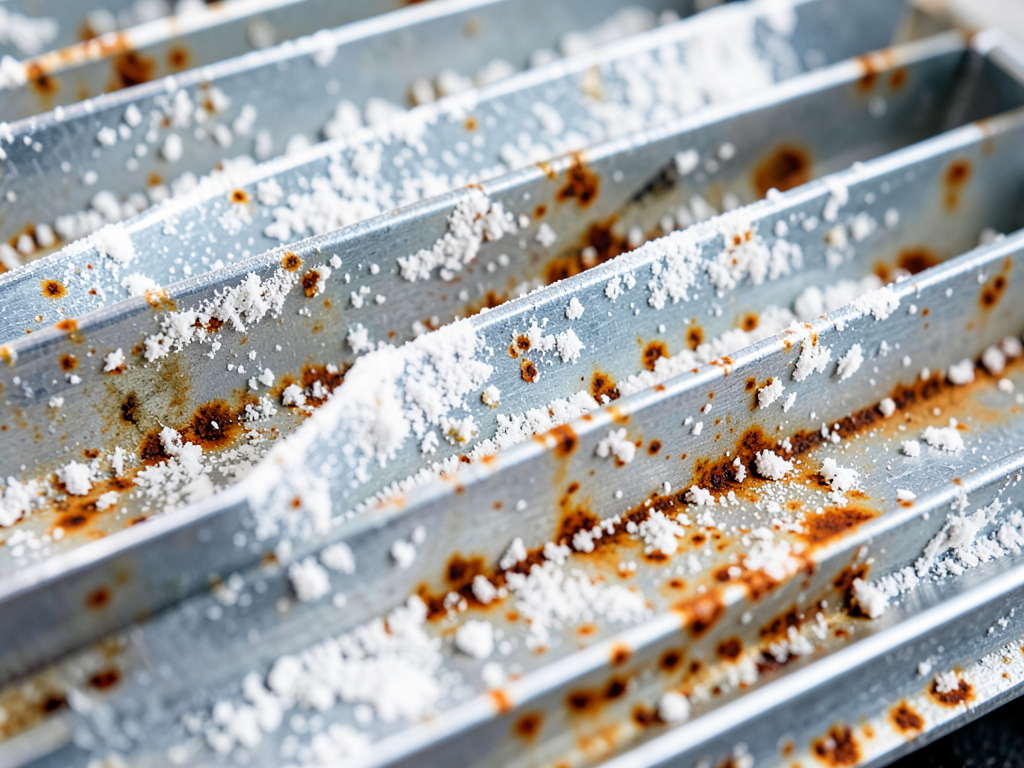
Check for visible signs of corrosion. Look at the outdoor unit’s metal fins. If you see white, powdery deposits or orange-brown spots, corrosion has already begun. These deposits are actually aluminum oxide forming as the metal breaks down.
Watch your energy bills. A sudden increase in cooling costs often indicates your system is working harder than it should. Corroded components reduce efficiency, forcing your AC to run longer cycles.
Pay attention to cooling performance. If some rooms feel warmer than others or your AC can’t keep up on moderately hot days, corrosion might be reducing your system’s capacity.
Essential Protection Strategies for Chalmette Homeowners
Start with proper installation location. Your outdoor unit should sit on a raised concrete pad at least 6 inches above ground level. This elevation protects against floodwater and allows air circulation underneath.
Install a corrosion-resistant coating. Specialized HVAC coatings create a barrier between metal components and the corrosive environment. These coatings typically last 3-5 years before needing reapplication.
Use a protective cover during off-season months. A breathable cover keeps debris and corrosive moisture off your unit while allowing air circulation to prevent condensation buildup.. Read more about The Best HVAC Security Cages to Prevent Copper Theft in East New Orleans.
Schedule regular maintenance. Professional cleaning removes corrosive deposits before they cause permanent damage. Technicians can also apply protective treatments and catch problems early.
Consider a whole-home surge protector. Power surges from the Entergy grid can damage electrical components, making them more vulnerable to corrosion. Surge protection adds an extra layer of defense.
Upgrade to corrosion-resistant materials. Modern AC units use enhanced coatings and materials designed specifically for coastal environments. While more expensive upfront, they save money long-term.
Professional Maintenance That Makes a Difference
Professional maintenance goes beyond simple cleaning. Technicians use specialized tools to measure coil efficiency, check electrical connections, and assess corrosion levels. They can identify problems before they become expensive failures.
Coil cleaning requires specific techniques. High-pressure washing can damage aluminum fins. Professional cleaning uses the right pressure and cleaning solutions to remove corrosive deposits without causing harm.
Electrical connections need special attention. Corrosion often starts at connection points where different metals meet. Technicians apply dielectric grease to prevent galvanic corrosion between dissimilar metals.
Refrigerant levels affect corrosion protection. Low refrigerant causes the system to run hotter, accelerating corrosion on metal components. Proper charging maintains optimal operating temperatures.
Fan motor maintenance prevents bearing failure. Corrosive environments cause bearings to wear faster. Regular lubrication and bearing inspection extends motor life significantly.
Condensate drain cleaning prevents moisture buildup. Standing water inside the unit creates ideal conditions for corrosion. Clean drains ensure proper water removal.
Comparison of Protection Methods
| Protection Method | Cost Range | Effectiveness | Maintenance Frequency |
|---|---|---|---|
| Corrosion-resistant coating | $150-300 | High | Every 3-5 years |
| Protective cover | $50-150 | Medium | Seasonal |
| Professional cleaning | $100-200 | High | Annually |
| Surge protection | $300-500 | Medium | Installed once |
| Material upgrade | $2,000-5,000 | Very High | N/A |
DIY Maintenance Steps You Can Take
Regular homeowner maintenance complements professional service. Start by keeping the area around your outdoor unit clear. Remove leaves, grass clippings, and other debris that trap moisture against metal surfaces.
Check the unit’s base monthly. Look for standing water, rust spots, or signs of animal nesting. These issues can accelerate corrosion if left unaddressed.
Clean the exterior gently. Use a garden hose with moderate pressure to rinse off dust and debris. Avoid high-pressure washers that can damage protective coatings.
Inspect electrical connections seasonally. Look for frayed wires, loose connections, or signs of overheating. If you notice problems, call a professional immediately.
Monitor your system’s performance. Keep track of cooling times, energy usage, and any unusual noises. Early detection of problems prevents costly repairs.
Replace air filters regularly. Dirty filters reduce airflow, causing the system to work harder and run hotter. This extra heat accelerates corrosion on internal components.
When to Replace vs. Repair
Corrosion damage follows a predictable pattern. Minor corrosion on coils might reduce efficiency by 10-15%. This level often responds well to professional cleaning and protective treatments.
Moderate corrosion affects 20-30% of coil surface area. At this stage, cleaning helps but won’t restore full efficiency. Replacement of affected components becomes cost-effective.
Severe corrosion covers more than 30% of metal surfaces. The unit struggles to cool effectively, runs constantly, and shows signs of structural weakness. Replacement is usually the best option.
Consider your unit’s age. If your AC is over 10 years old and shows significant corrosion, replacement with a modern, corrosion-resistant model often makes more sense than repairs.
Energy efficiency matters too. Older units operate at 8-10 SEER ratings. Modern units achieve 16-20 SEER or higher. The energy savings alone can justify replacement in many cases.
Local Building Code Requirements
St. Bernard Parish follows the 2021 International Residential Code with Louisiana amendments. Section M1301 covers mechanical equipment installation requirements specific to coastal areas.
Coastal zones require enhanced corrosion protection for outdoor equipment. Units must have factory-applied protective coatings or field-applied treatments meeting ASTM B117 standards for salt spray resistance. ASTM B117 salt spray resistance standards.
Elevation requirements affect installation. In flood zones, outdoor units must sit at least 12 inches above the Base Flood Elevation. Many Chalmette homes require even higher placement due to local flood patterns.
Electrical code requirements add protection. Article 440 of the National Electrical Code mandates specific grounding and surge protection for HVAC equipment in areas prone to electrical disturbances.
Permitting requirements ensure proper installation. Any replacement or major repair work requires permits from St. Bernard Parish Government, ensuring work meets current safety and efficiency standards.
Cost-Benefit Analysis of Protection Strategies
Let’s examine the financial impact of corrosion protection. A typical Chalmette AC unit costs $3,000-5,000 installed. Without protection, units often fail in 8-10 years due to corrosion.
Professional corrosion protection costs $300-500 initially, plus $100-200 annually for maintenance. This extends unit life to 15-20 years, potentially saving $2,000-4,000 in replacement costs.
Energy savings add up quickly. A corroded unit might use 20% more electricity. At $150 monthly cooling bills, that’s $360 annually in wasted energy. Protection strategies often pay for themselves through efficiency gains.
Emergency repair costs vary widely. A corroded fan motor might cost $400-600 to replace. Major coil replacement can exceed $1,500. Protection strategies prevent these expensive failures. Emergency Ductwork Repair.
Peace of mind has value too. Knowing your AC won’t fail during a July heat wave or hurricane evacuation provides security that’s hard to quantify but very real.
Choosing the Right Protection Strategy
Your protection strategy depends on several factors. Unit age matters significantly. Newer units benefit most from protective coatings and regular maintenance. Older units might need material upgrades or replacement.
Proximity to industrial areas affects your approach. Homes closer to refineries need more aggressive protection due to higher chemical exposure levels.
Flood zone location influences installation choices. Units in high-risk areas need elevated pads and additional moisture protection.
Budget considerations matter. While comprehensive protection costs more upfront, it typically saves money over the system’s lifetime through extended life and improved efficiency.
Personal priorities play a role. Some homeowners prioritize maximum protection regardless of cost. Others seek the best balance of protection and affordability.
Emergency Response to Corrosion Problems
Sometimes corrosion problems become emergencies. Your AC stops working on a 95-degree day. What should you do?
First, check the obvious. Make sure the thermostat is set correctly and the circuit breaker hasn’t tripped. Sometimes simple issues cause system shutdowns.
Look for visible damage. Check the outdoor unit for signs of severe corrosion, physical damage, or water intrusion. This information helps technicians diagnose problems faster.
Don’t attempt DIY repairs on corroded systems. Corroded electrical components can be dangerous. Let professionals handle repairs to ensure safety and proper fixes.
Document the problem. Take photos of visible corrosion or damage. This documentation helps with warranty claims or insurance if applicable.
Call for emergency service immediately. Corrosion-related failures often worsen quickly, especially in hot weather. Fast response prevents additional damage and gets your cooling back quickly.
Consider temporary cooling options. Box fans, portable AC units, or staying with friends might be necessary while waiting for repairs.
Future-Proofing Your AC Investment
Technology continues advancing in corrosion protection. New coating materials offer better protection with longer lifespans. Smart monitoring systems can detect corrosion early, before major damage occurs.
Material science improvements bring better options. Aluminum alloys with enhanced corrosion resistance are becoming standard in coastal areas. Some manufacturers now offer units specifically designed for Gulf Coast conditions.
Installation techniques evolve too. New mounting systems elevate units higher while providing better stability during storms. Improved drainage designs prevent water accumulation that accelerates corrosion.
Maintenance practices improve with technology. Thermal imaging can detect hot spots indicating corrosion problems. Electrical testing identifies connection issues before they cause failures.
Energy efficiency standards continue rising. Future units will likely achieve even higher SEER ratings while using materials that resist corrosion better than current options.
Climate change may increase corrosion challenges. More frequent flooding and stronger storms could make protection even more critical in coming years.
Frequently Asked Questions
How often should I have my AC unit professionally inspected for corrosion?
Professional inspection should occur annually, ideally in spring before heavy cooling season use. This timing allows technicians to identify and address corrosion issues before they cause system failures during peak demand.
Can I apply corrosion protection products myself?
Consumer-grade products exist, but professional application provides better results. Technicians use commercial-grade coatings and have the proper equipment to apply them evenly. DIY products might provide some protection but typically don’t last as long or work as effectively. Reliable Commercial AC Repair and Maintenance for Businesses in Kenner.
How much does professional corrosion protection cost?
Initial professional treatment costs $300-500, including cleaning and coating application. Annual maintenance visits cost $100-200 and include inspection, cleaning, and reapplication of protective treatments as needed.
Will my homeowner’s insurance cover corrosion damage?
Standard policies typically exclude corrosion damage, considering it a maintenance issue. However, damage from specific events like flooding might be covered under comprehensive policies. Check your specific coverage details with your insurance provider.
How long does corrosion protection last?
Professional coatings typically last 3-5 years in Chalmette’s harsh environment. Regular maintenance includes reapplication as needed. Factors like proximity to industrial areas and exposure to salt air affect longevity.
Should I replace my old unit with a corrosion-resistant model?
If your unit is over 10 years old or shows significant corrosion, replacement often makes sense. Modern units offer better efficiency and enhanced corrosion protection specifically designed for coastal environments like Chalmette.
What’s the most cost-effective protection strategy?
Annual professional maintenance combined with basic homeowner care provides the best value. This approach catches problems early, extends unit life, and improves efficiency without the higher upfront costs of comprehensive protection systems.
Take Action to Protect Your AC Investment
Your air conditioning system represents a significant investment in your home’s comfort and value. In Chalmette’s corrosive environment, that investment needs active protection to reach its full potential lifespan. Why Your Lakeview Home Needs a High-Efficiency AC Unit to Combat Swampy Humidity.
Don’t wait for corrosion to cause expensive failures. Schedule a professional inspection today to assess your unit’s current condition and develop a protection strategy tailored to your specific situation.
Call (504) 355-2955 to speak with our corrosion protection specialists. We’ll examine your system, identify existing issues, and recommend the most effective protection plan for your home and budget.
Remember, the cost of prevention is always less than the cost of emergency repairs or premature replacement. Protect your AC unit now, and enjoy reliable cooling for years to come.
Your comfort matters. Your investment matters. Take the first step toward comprehensive protection today.
Pick up the phone and call (504) 355-2955 before the next heat wave hits. Your future self will thank you for making the smart choice now.
You may also find this helpful. Installing High-Efficiency AC for Waterfront Homes in Slidell and Eden Isle.
{
“@context”: “https://schema.org”,
“@type”: “BlogPosting”,
“headline”: “Protecting Your Chalmette AC Unit from Industrial Corrosion and River Air”,
“description”: “Stop industrial corrosion and salt air damage to your Chalmette AC unit. Learn how St. Bernard Parish’s unique climate affects your system and what you can do about it.”,
“wordCount”: 2402,
“datePublished”: “2026-04-18T12:56:00.000Z”,
“dateModified”: “2026-04-18T12:56:00.000Z”,
“inLanguage”: “en-US”,
“mainEntityOfPage”: {
“@type”: “WebPage”,
“@id”: “https://pioneerhvacneworleans.com”
},
“publisher”: {
“@type”: “LocalBusiness”,
“name”: “Pioneer HVAC New Orleans”,
“url”: “https://pioneerhvacneworleans.com”
},
“author”: {
“@type”: “Organization”,
“name”: “Pioneer HVAC New Orleans”,
“url”: “https://pioneerhvacneworleans.com”
},
“image”: {
“@type”: “ImageObject”,
“url”: “https://pioneerhvacneworleans.com/wp-content/uploads/2026/03/protecting-your-chalmette-ac-unit-from-industrial-1.png”
}
}
{
“@context”: “https://schema.org”,
“@type”: “HVACBusiness”,
“name”: “Pioneer HVAC New Orleans”,
“url”: “https://pioneerhvacneworleans.com”,
“address”: {
“@type”: “PostalAddress”,
“addressLocality”: “New Orleans”
},
“areaServed”: {
“@type”: “City”,
“name”: “New Orleans”
}
}
{
“@context”: “https://schema.org”,
“@type”: “FAQPage”,
“mainEntity”: [
{
“@type”: “Question”,
“name”: “How often should I have my AC unit professionally inspected for corrosion?”,
“acceptedAnswer”: {
“@type”: “Answer”,
“text”: “Professional inspection should occur annually, ideally in spring before heavy cooling season use. This timing allows technicians to identify and address corrosion issues before they cause system failures during peak demand.”
}
},
{
“@type”: “Question”,
“name”: “Can I apply corrosion protection products myself?”,
“acceptedAnswer”: {
“@type”: “Answer”,
“text”: “Consumer-grade products exist, but professional application provides better results. Technicians use commercial-grade coatings and have the proper equipment to apply them evenly. DIY products might provide some protection but typically don’t last as long or work as effectively. Reliable Commercial AC Repair and Maintenance for Businesses in Kenner.”
}
},
{
“@type”: “Question”,
“name”: “How much does professional corrosion protection cost?”,
“acceptedAnswer”: {
“@type”: “Answer”,
“text”: “Initial professional treatment costs $300-500, including cleaning and coating application. Annual maintenance visits cost $100-200 and include inspection, cleaning, and reapplication of protective treatments as needed.”
}
},
{
“@type”: “Question”,
“name”: “Will my homeowner’s insurance cover corrosion damage?”,
“acceptedAnswer”: {
“@type”: “Answer”,
“text”: “Standard policies typically exclude corrosion damage, considering it a maintenance issue. However, damage from specific events like flooding might be covered under comprehensive policies. Check your specific coverage details with your insurance provider.”
}
},
{
“@type”: “Question”,
“name”: “How long does corrosion protection last?”,
“acceptedAnswer”: {
“@type”: “Answer”,
“text”: “Professional coatings typically last 3-5 years in Chalmette’s harsh environment. Regular maintenance includes reapplication as needed. Factors like proximity to industrial areas and exposure to salt air affect longevity.”
}
},
{
“@type”: “Question”,
“name”: “Should I replace my old unit with a corrosion-resistant model?”,
“acceptedAnswer”: {
“@type”: “Answer”,
“text”: “If your unit is over 10 years old or shows significant corrosion, replacement often makes sense. Modern units offer better efficiency and enhanced corrosion protection specifically designed for coastal environments like Chalmette.”
}
},
{
“@type”: “Question”,
“name”: “What’s the most cost-effective protection strategy?”,
“acceptedAnswer”: {
“@type”: “Answer”,
“text”: “Annual professional maintenance combined with basic homeowner care provides the best value. This approach catches problems early, extends unit life, and improves efficiency without the higher upfront costs of comprehensive protection systems.”
}
}
]
}
{
“@context”: “https://schema.org”,
“@type”: “BreadcrumbList”,
“itemListElement”: [
{
“@type”: “ListItem”,
“position”: 1,
“name”: “Home”,
“item”: “https://pioneerhvacneworleans.com”
},
{
“@type”: “ListItem”,
“position”: 2,
“name”: “Blog”,
“item”: “https://pioneerhvacneworleans.com/blog”
},
{
“@type”: “ListItem”,
“position”: 3,
“name”: “Protecting Your Chalmette AC Unit from Industrial Corrosion and River Air”
}
]
}
{
“@context”: “https://schema.org”,
“@type”: “Service”,
“serviceType”: “HVAC”,
“provider”: {
“@type”: “LocalBusiness”,
“name”: “Pioneer HVAC New Orleans”,
“url”: “https://pioneerhvacneworleans.com”
},
“areaServed”: {
“@type”: “City”,
“name”: “New Orleans”
},
“description”: “Stop industrial corrosion and salt air damage to your Chalmette AC unit. Learn how St. Bernard Parish’s unique climate affects your system and what you can do about it.”
}