Dealing with Pine Needles and Debris in Your Covington AC Condenser
Living in Covington means enjoying the beauty of towering pines and lush greenery, but those same trees can wreak havoc on your AC condenser. Pine needles, leaves, and other debris clog your system’s airflow, reduce efficiency, and can even cause premature failure. In the humid Northshore climate, where your AC runs nearly year-round, keeping your condenser clean isn’t just maintenance—it’s essential protection for your investment.
Northshore homeowners face unique challenges that urban areas don’t experience. The combination of pine pollen season, falling needles, and constant humidity creates a perfect storm for condenser problems. When debris builds up on your coils, your system works harder, energy bills climb, and you risk expensive repairs. Understanding these local conditions helps you take the right steps to protect your cooling system. EPA Indoor Air Quality.
Why Covington’s Pine Trees Are Your AC’s Biggest Enemy
Covington sits in the heart of St. Tammany Parish’s pine forest region, where loblolly and longleaf pines dominate the landscape. These trees produce thousands of tiny needles that fall year-round, with heavy drops in spring and fall. Unlike deciduous leaves that fall in batches, pine needles accumulate gradually, creating a persistent problem that many homeowners don’t notice until efficiency drops.
The real damage happens when needles work their way into your condenser’s coil fins. These thin metal surfaces need unobstructed airflow to release heat from your home. When clogged with organic debris, airflow drops by 30-50%, forcing your compressor to run longer cycles. In Covington’s 90%+ humidity, this inefficiency compounds quickly, leading to frozen coils, tripped breakers, and system shutdowns during peak summer heat.
Local soil conditions add another layer of complexity. Covington’s sandy loam soil, common throughout the Northshore, doesn’t hold moisture well. This causes condenser pads to settle unevenly over time, creating gaps where debris accumulates. Combined with the area’s frequent afternoon thunderstorms, you get a cycle of debris collection that accelerates coil corrosion and reduces system lifespan.
The Hidden Cost of a Dirty Condenser
Most Covington homeowners don’t realize their condenser is struggling until they notice higher utility bills or warm air blowing from vents. By then, the damage is already done. A condenser working at 70% efficiency due to debris buildup can increase your monthly cooling costs by $50-100 during peak season. Over a five-year period, that’s $3,000-6,000 in wasted energy—enough to cover a complete system replacement.
Beyond energy waste, dirty condensers create ideal conditions for biological growth. The Northshore’s humidity means moisture constantly condenses on coil surfaces. When combined with trapped organic debris, this creates a breeding ground for algae, mold, and bacteria. These microorganisms not only reduce efficiency further but can spread through your ductwork, affecting your home’s indoor air quality and potentially triggering allergies or respiratory issues. Emergency Ductwork Repair.
The most expensive consequence is compressor failure. Your AC’s compressor is the heart of the system, and it’s designed to operate within specific temperature ranges. When debris restricts airflow, the compressor runs hotter than designed. In Covington’s summer heat, where outdoor temperatures regularly exceed 95°F with high humidity, an overworked compressor can fail in as little as 3-5 years instead of the expected 10-15 year lifespan.
Professional vs. DIY Cleaning: What Covington Homeowners Need to Know
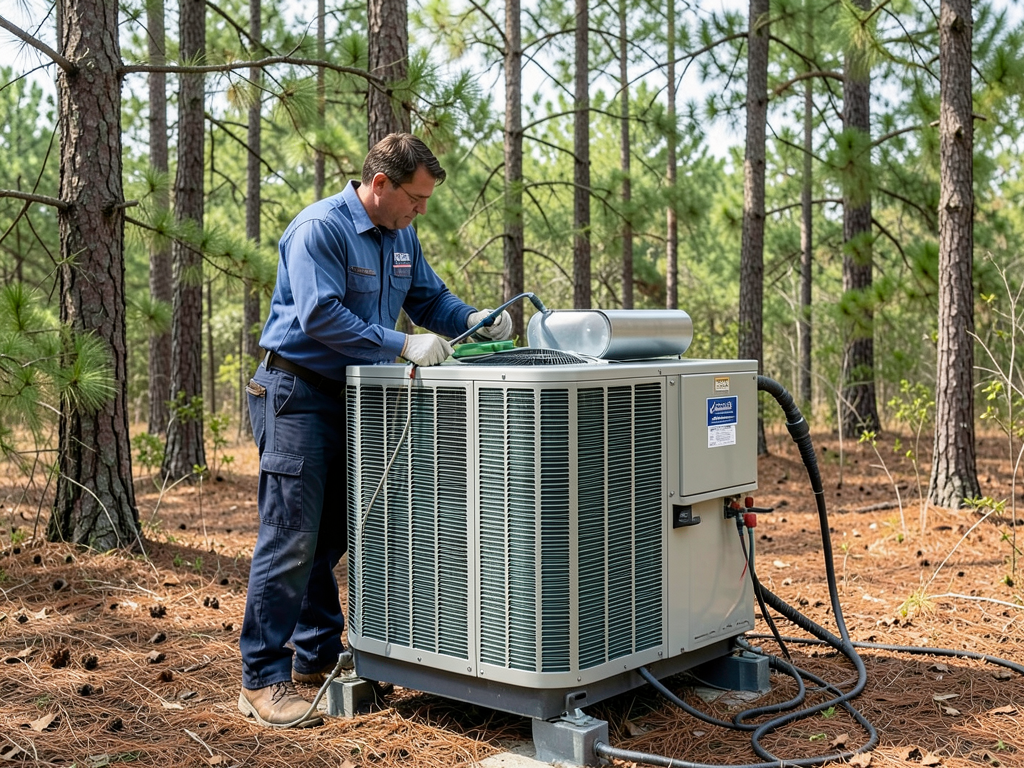
Many homeowners attempt DIY condenser cleaning with garden hoses and coil cleaners from hardware stores. While this helps with surface debris, it often misses the deeper problems that affect Covington systems specifically. Professional cleaning involves specialized equipment and techniques that address the unique challenges of pine needle accumulation and Northshore humidity.
Professional technicians use high-pressure coil cleaning systems that can remove debris from between tightly spaced fins where garden hoses can’t reach. They also apply antimicrobial treatments specifically formulated for Louisiana’s climate, which inhibit mold and algae growth for 6-12 months. Most importantly, they inspect for damage that DIY cleaning might miss, such as bent fins, refrigerant leaks, or electrical connection corrosion caused by Covington’s salt-laden air from nearby Lake Pontchartrain.
The cost difference between DIY and professional cleaning is minimal when you consider long-term benefits. A professional cleaning service in Covington typically costs $150-250, while DIY supplies run $30-50. However, professional cleaning includes a comprehensive system inspection, refrigerant level check, and electrical safety assessment—services that could save you thousands in prevented repairs. For homes surrounded by mature pines, professional cleaning twice yearly is often more cost-effective than dealing with emergency repairs during a July heatwave.
Seasonal Maintenance Schedule for Covington AC Systems
Timing your condenser maintenance around Covington’s seasonal patterns maximizes effectiveness and prevents problems. The Northshore’s climate creates specific windows when cleaning is most beneficial. Following a structured schedule helps you stay ahead of debris accumulation and humidity-related issues.
Early spring (March-April) is ideal for your first cleaning. This timing removes winter debris accumulation and prepares your system for the heavy cooling season ahead. Covington’s pine pollen season peaks in April, so cleaning before this helps prevent pollen from bonding with existing debris and creating a sticky, airflow-restricting mess on your coils.
Late summer (August-September) represents the second critical cleaning window. By this time, your condenser has processed months of pine needles, grass clippings, and storm debris. The Northshore’s frequent summer thunderstorms stir up additional debris, and the system is working hardest during this period. A mid-season cleaning restores efficiency when you need it most.
Additional spot cleaning may be necessary after major storms or during heavy pollen periods. Covington’s location means it often experiences the outer bands of Gulf tropical systems, which can deposit leaves and debris from miles away. After any storm with winds over 40 mph, visually inspect your condenser and remove any visible debris by hand to prevent it from washing into the coil during the next rain.
Common AC Problems Specific to Covington Homes
Covington’s unique environmental conditions create AC problems that homeowners in other Louisiana areas rarely experience. Understanding these local failure patterns helps you recognize issues early and prevent costly damage. The combination of pine debris, high humidity, and specific soil conditions creates a perfect storm for certain AC problems.
Refrigerant line corrosion represents one of the most common issues in Covington. The area’s proximity to Lake Pontchartrain means salt air penetrates several miles inland, accelerating corrosion on copper refrigerant lines. When combined with acidic pine needle debris, this corrosion can create pinhole leaks within 5-7 years instead of the typical 15-20 year lifespan. These leaks cause cooling loss and can damage your compressor if not addressed quickly.
Condensate drain line clogs occur more frequently in Covington than in urban areas. The high humidity means your indoor coil produces more condensation, and when this moisture mixes with pine pollen and organic debris from your condenser, it creates a thick, algae-promoting sludge. This sludge can completely block drain lines, causing water overflow that damages ceilings, walls, and flooring. Homes in older Covington neighborhoods with original drain lines are particularly vulnerable to this problem.
Electrical connection corrosion affects outdoor units more severely in Covington than in other Louisiana regions. The combination of salt air, high humidity, and temperature fluctuations causes terminal connections to corrode faster. During our diagnostic testing, we often find loose or corroded connections that create voltage drops, causing motors to run hotter and fail prematurely. This is especially problematic for condensers installed before 2010, when manufacturers began using more corrosion-resistant materials.
DIY Maintenance Tips for Between Professional Cleanings
While professional cleaning is essential, homeowners can take several steps to maintain their condenser between service visits. These simple maintenance tasks help prevent debris buildup and extend the time between professional cleanings. However, always prioritize safety and know your limits—some tasks require professional expertise and specialized equipment. Expert Furnace Repair in Gretna to Keep Your Family Warm on Chilly Delta Nights.
Visual inspection should be your first line of defense. Once a month during cooling season, examine your condenser from all sides. Look for visible debris accumulation, especially in the corners where pine needles tend to collect. Check for bent fins, which can restrict airflow even when debris is removed. Also inspect the concrete pad for cracks or settling, as an uneven pad causes water pooling that accelerates debris accumulation.
Safe debris removal requires the right approach. Never use a pressure washer on your condenser, as the high pressure can bend delicate coil fins and force debris deeper into the system. Instead, use a soft brush or leaf blower on a low setting to remove loose debris from the exterior. For stubborn debris caught in the top grille, use a wet-dry vacuum with a brush attachment. Always disconnect power at the breaker before attempting any cleaning to prevent electrical shock.
Landscaping around your condenser significantly impacts debris accumulation. Maintain at least 2 feet of clearance on all sides of your unit. If you have pine trees within 20 feet, consider installing a decorative screen that blocks falling needles while allowing airflow. Choose plants that don’t produce excessive debris—ornamental grasses and certain shrubs create less maintenance than flowering plants that drop petals and seeds. Mulch beds around your condenser should be gravel rather than organic mulch, which can wash into the unit during heavy rains.
When to Call a Professional: Warning Signs Covington Homeowners Should Know
Recognizing when your AC needs professional attention can prevent minor issues from becoming major repairs. Covington’s specific climate conditions create certain warning signs that shouldn’t be ignored. Understanding these indicators helps you make timely decisions about when to call for service. Why Your Lakeview Home Needs a High-Efficiency AC Unit to Combat Swampy Humidity.
Unusual noises from your condenser often indicate developing problems. A hissing sound might indicate a refrigerant leak, while clicking or buzzing could signal electrical issues. In Covington’s humid climate, a squealing noise often indicates a failing fan motor bearing that’s struggling with the additional load from debris-restricted airflow. These sounds typically start subtle and gradually worsen, so early detection is crucial.
Performance changes that affect comfort signal system stress. If your home takes longer to cool than it used to, or if some rooms feel warmer than others, your condenser may be struggling with debris buildup or other efficiency issues. In Covington’s climate, where AC systems run frequently, even small performance drops can significantly impact comfort and energy costs. A system that runs constantly but barely maintains temperature needs immediate professional attention.
Visual indicators provide clear signals for professional service. Ice formation on refrigerant lines or the evaporator coil inside your home indicates restricted airflow, often caused by dirty condenser coils. Water pooling around your indoor unit suggests a clogged condensate drain, common in Covington due to algae growth in the high-humidity environment. If you notice any of these signs, especially during peak cooling season, professional service can prevent system damage and restore efficiency.
Energy Efficiency Improvements for Covington AC Systems
Beyond basic cleaning, several upgrades can improve your AC system’s efficiency specifically for Covington’s climate conditions. These improvements address the unique challenges of pine debris, high humidity, and temperature extremes that Northshore homeowners face. Investing in efficiency upgrades often pays for itself through energy savings and extended system life.
High-efficiency condenser coils with enhanced fin design significantly reduce debris retention. Modern coils feature wider fin spacing and corrosion-resistant coatings that prevent pine needles and organic matter from sticking. When combined with professional cleaning, these coils maintain efficiency longer between service visits. For Covington homes surrounded by mature pines, upgrading to these advanced coils can reduce cleaning frequency and improve year-round performance.
Smart thermostats with outdoor temperature sensors optimize system operation based on actual conditions. In Covington’s variable climate, where afternoon thunderstorms can cause rapid temperature drops, these thermostats prevent unnecessary cycling and reduce wear on your condenser. They also provide energy usage data that helps you identify when efficiency drops, often signaling the need for maintenance before problems become severe.
Whole-house dehumidification systems address Covington’s humidity challenges more effectively than standard AC units alone. While your AC does remove some moisture, dedicated dehumidification reduces the cooling load on your condenser, allowing it to operate more efficiently. This is particularly beneficial for Covington homes with open floor plans or high ceilings, where humidity tends to accumulate. Lower humidity also means you can set your thermostat higher while maintaining comfort, reducing energy consumption and extending your AC system’s life.
Local Building Codes and Regulations Affecting AC Installation in Covington
Covington and St. Tammany Parish have specific building codes that affect AC condenser installation and maintenance. Understanding these requirements helps ensure your system complies with local regulations and operates safely. The area’s hurricane exposure and flood zone classifications create additional considerations for outdoor equipment placement and protection.
St. Tammany Parish requires minimum setback distances for outdoor condensers, typically 5 feet from property lines and 3 feet from any structure. These requirements ensure proper airflow and prevent noise issues with neighbors. In flood zone areas (common throughout Covington), condensers must be installed above the Base Flood Elevation (BFE), which varies by location but often requires platforms 2-4 feet above ground level. This elevation protects equipment from storm surge and heavy rainfall events.
Hurricane tie-down requirements affect condenser installation in Covington. The Louisiana State Uniform Construction Code mandates that outdoor units in hurricane-prone areas be secured against uplift forces. This typically involves concrete mounting pads with rebar reinforcement and hurricane straps connecting the unit to the pad. These requirements became more stringent after Hurricane Katrina, and compliance is verified during building inspections for new installations or replacements.
Electrical code requirements for outdoor units include specific GFCI protection and weatherproof disconnect switches. Covington’s electrical inspections verify that all outdoor AC equipment meets National Electrical Code standards for wet locations. This includes proper conduit sealing, corrosion-resistant hardware, and adequate clearance around electrical panels. DIY electrical work on outdoor units is prohibited and can result in failed inspections and safety hazards. National Association of Certified Home Inspectors.
Frequently Asked Questions
How often should I have my AC condenser cleaned in Covington?
For most Covington homes, professional cleaning twice yearly provides optimal protection—once in early spring before cooling season and again in late summer after months of heavy use. Homes surrounded by mature pines or located in particularly humid areas may benefit from quarterly cleaning to prevent debris-related efficiency losses.
Can pine needles really damage my AC condenser?
Yes, pine needles can cause significant damage when they accumulate on condenser coils. They restrict airflow, causing the system to work harder and run hotter. Over time, this leads to compressor strain, frozen coils, and premature failure. In Covington’s climate, where AC systems run nearly year-round, this damage can occur much faster than in areas with shorter cooling seasons.
What’s the difference between a tune-up and a professional cleaning?
A tune-up focuses on system calibration and safety checks, while professional cleaning specifically addresses debris removal and coil maintenance. In Covington, where pine needles and humidity create unique challenges, comprehensive cleaning includes specialized coil treatment, drain line clearing, and corrosion prevention that goes beyond standard tune-up procedures.
How can I tell if my condenser is clogged with debris?
Signs of debris buildup include reduced cooling efficiency, longer run times, higher energy bills, and unusual noises from the outdoor unit. You may also notice warm air blowing from vents or ice formation on refrigerant lines. If your system struggles during hot, humid afternoons—common in Covington—debris is often the culprit.
Is it safe to use a pressure washer on my AC condenser?
No, pressure washers should never be used on AC condensers. The high pressure can bend delicate coil fins, force debris deeper into the system, and damage electrical components. In Covington’s humid climate, this damage can lead to corrosion and premature failure. Always use gentle cleaning methods or hire professionals with proper equipment.
- Schedule Professional Cleaning
Arrange for professional AC cleaning twice yearly—early spring and late summer—to address Covington’s unique pine needle and humidity challenges. Professional service includes specialized coil treatment and system inspection that DIY methods cannot match.
- Perform Monthly Visual Inspections
Check your condenser monthly during cooling season for visible debris, bent fins, or signs of settling. Look for water pooling around the base, which indicates drainage problems common in Covington’s high-humidity environment. Early detection prevents costly repairs.
- Maintain Proper Clearance
Keep at least 2 feet of clearance around your condenser by trimming vegetation and removing fallen debris. For homes surrounded by pines, consider installing a decorative screen that blocks falling needles while allowing proper airflow to the unit.
- Address Warning Signs Promptly
Call for professional service if you notice reduced cooling, unusual noises, ice formation, or water leaks. In Covington’s climate, these symptoms often indicate debris-related problems that worsen quickly during peak summer heat. Early intervention prevents compressor damage.
Your AC condenser works hard to keep your Covington home comfortable through our long, humid summers. Pine needles and debris might seem like minor nuisances, but they can cause major problems when left unchecked. By understanding the unique challenges of our Northshore environment and following a consistent maintenance schedule, you can protect your system, reduce energy costs, and avoid unexpected breakdowns.
Professional cleaning and maintenance isn’t just about fixing problems—it’s about preventing them. Our team understands the specific needs of Covington homeowners, from the impact of pine pollen to the challenges of hurricane season. We use specialized equipment and techniques designed for Louisiana’s climate, ensuring your system operates at peak efficiency when you need it most.
Don’t wait until your AC fails on the hottest day of the year. Pick up the phone and call (504) 355-2955 today to schedule your professional condenser cleaning and inspection. Whether you need routine maintenance or suspect your system is struggling with debris buildup, we’re here to help Covington homeowners stay cool and comfortable all year long.
Remember, a clean condenser isn’t a luxury—it’s essential protection for your home comfort and your wallet. Call (504) 355-2955 now and let our experienced technicians handle the pine needles while you enjoy worry-free cooling all summer long.
You may also find this helpful. Protecting Your Chalmette AC Unit from Industrial Corrosion and River Air.
{
“@context”: “https://schema.org”,
“@type”: “BlogPosting”,
“headline”: “Dealing with Pine Needles and Debris in Your Covington AC Condenser”,
“description”: “Protect your Covington AC from pine needles and debris with expert cleaning and maintenance. Learn how Northshore humidity affects your system and when to call for service.”,
“wordCount”: 2996,
“datePublished”: “2026-04-24T15:46:00.000Z”,
“dateModified”: “2026-04-24T15:46:00.000Z”,
“inLanguage”: “en-US”,
“mainEntityOfPage”: {
“@type”: “WebPage”,
“@id”: “https://pioneerhvacneworleans.com”
},
“publisher”: {
“@type”: “LocalBusiness”,
“name”: “Pioneer HVAC New Orleans”,
“url”: “https://pioneerhvacneworleans.com”
},
“author”: {
“@type”: “Organization”,
“name”: “Pioneer HVAC New Orleans”,
“url”: “https://pioneerhvacneworleans.com”
},
“image”: {
“@type”: “ImageObject”,
“url”: “https://pioneerhvacneworleans.com/wp-content/uploads/2026/03/dealing-with-pine-needles-and-debris-in-your-covin-1.png”
}
}
{
“@context”: “https://schema.org”,
“@type”: “HVACBusiness”,
“name”: “Pioneer HVAC New Orleans”,
“url”: “https://pioneerhvacneworleans.com”,
“address”: {
“@type”: “PostalAddress”,
“addressLocality”: “New Orleans”
},
“areaServed”: {
“@type”: “City”,
“name”: “New Orleans”
}
}
{
“@context”: “https://schema.org”,
“@type”: “FAQPage”,
“mainEntity”: [
{
“@type”: “Question”,
“name”: “How often should I have my AC condenser cleaned in Covington?”,
“acceptedAnswer”: {
“@type”: “Answer”,
“text”: “For most Covington homes, professional cleaning twice yearly provides optimal protection—once in early spring before cooling season and again in late summer after months of heavy use. Homes surrounded by mature pines or located in particularly humid areas may benefit from quarterly cleaning to prevent debris-related efficiency losses.”
}
},
{
“@type”: “Question”,
“name”: “Can pine needles really damage my AC condenser?”,
“acceptedAnswer”: {
“@type”: “Answer”,
“text”: “Yes, pine needles can cause significant damage when they accumulate on condenser coils. They restrict airflow, causing the system to work harder and run hotter. Over time, this leads to compressor strain, frozen coils, and premature failure. In Covington’s climate, where AC systems run nearly year-round, this damage can occur much faster than in areas with shorter cooling seasons.”
}
},
{
“@type”: “Question”,
“name”: “What’s the difference between a tune-up and a professional cleaning?”,
“acceptedAnswer”: {
“@type”: “Answer”,
“text”: “A tune-up focuses on system calibration and safety checks, while professional cleaning specifically addresses debris removal and coil maintenance. In Covington, where pine needles and humidity create unique challenges, comprehensive cleaning includes specialized coil treatment, drain line clearing, and corrosion prevention that goes beyond standard tune-up procedures.”
}
},
{
“@type”: “Question”,
“name”: “How can I tell if my condenser is clogged with debris?”,
“acceptedAnswer”: {
“@type”: “Answer”,
“text”: “Signs of debris buildup include reduced cooling efficiency, longer run times, higher energy bills, and unusual noises from the outdoor unit. You may also notice warm air blowing from vents or ice formation on refrigerant lines. If your system struggles during hot, humid afternoons—common in Covington—debris is often the culprit.”
}
},
{
“@type”: “Question”,
“name”: “Is it safe to use a pressure washer on my AC condenser?”,
“acceptedAnswer”: {
“@type”: “Answer”,
“text”: “No, pressure washers should never be used on AC condensers. The high pressure can bend delicate coil fins, force debris deeper into the system, and damage electrical components. In Covington’s humid climate, this damage can lead to corrosion and premature failure. Always use gentle cleaning methods or hire professionals with proper equipment.”
}
}
]
}
{
“@context”: “https://schema.org”,
“@type”: “HowTo”,
“name”: “How to Maintain Your AC Condenser”,
“step”: [
{
“@type”: “HowToStep”,
“position”: 1,
“name”: “Schedule Professional Cleaning”,
“text”: “Arrange for professional AC cleaning twice yearly—early spring and late summer—to address Covington’s unique pine needle and humidity challenges. Professional service includes specialized coil treatment and system inspection that DIY methods cannot match.”
},
{
“@type”: “HowToStep”,
“position”: 2,
“name”: “Perform Monthly Visual Inspections”,
“text”: “Check your condenser monthly during cooling season for visible debris, bent fins, or signs of settling. Look for water pooling around the base, which indicates drainage problems common in Covington’s high-humidity environment. Early detection prevents costly repairs.”
},
{
“@type”: “HowToStep”,
“position”: 3,
“name”: “Maintain Proper Clearance”,
“text”: “Keep at least 2 feet of clearance around your condenser by trimming vegetation and removing fallen debris. For homes surrounded by pines, consider installing a decorative screen that blocks falling needles while allowing proper airflow to the unit.”
},
{
“@type”: “HowToStep”,
“position”: 4,
“name”: “Address Warning Signs Promptly”,
“text”: “Call for professional service if you notice reduced cooling, unusual noises, ice formation, or water leaks. In Covington’s climate, these symptoms often indicate debris-related problems that worsen quickly during peak summer heat. Early intervention prevents compressor damage.”
}
],
“image”: “https://pioneerhvacneworleans.com/wp-content/uploads/2026/03/dealing-with-pine-needles-and-debris-in-your-covin-1.png”
}
{
“@context”: “https://schema.org”,
“@type”: “BreadcrumbList”,
“itemListElement”: [
{
“@type”: “ListItem”,
“position”: 1,
“name”: “Home”,
“item”: “https://pioneerhvacneworleans.com”
},
{
“@type”: “ListItem”,
“position”: 2,
“name”: “Blog”,
“item”: “https://pioneerhvacneworleans.com/blog”
},
{
“@type”: “ListItem”,
“position”: 3,
“name”: “Dealing with Pine Needles and Debris in Your Covington AC Condenser”
}
]
}
{
“@context”: “https://schema.org”,
“@type”: “Service”,
“serviceType”: “HVAC”,
“provider”: {
“@type”: “LocalBusiness”,
“name”: “Pioneer HVAC New Orleans”,
“url”: “https://pioneerhvacneworleans.com”
},
“areaServed”: {
“@type”: “City”,
“name”: “New Orleans”
},
“description”: “Protect your Covington AC from pine needles and debris with expert cleaning and maintenance. Learn how Northshore humidity affects your system and when to call for service.”
}