Protecting Your AC System from Sawdust and Debris During a St. Roch Fixer-Upper Project
Renovating a historic St. Roch home requires careful planning to protect your HVAC system from construction debris. Sawdust, drywall dust, and plaster particles can severely damage your AC unit reducing efficiency and causing expensive repairs. This guide covers everything you need to know about safeguarding your air conditioning system during your renovation project. EPA indoor air quality guidelines.
Why Renovation Dust is the #1 Enemy of Your AC System
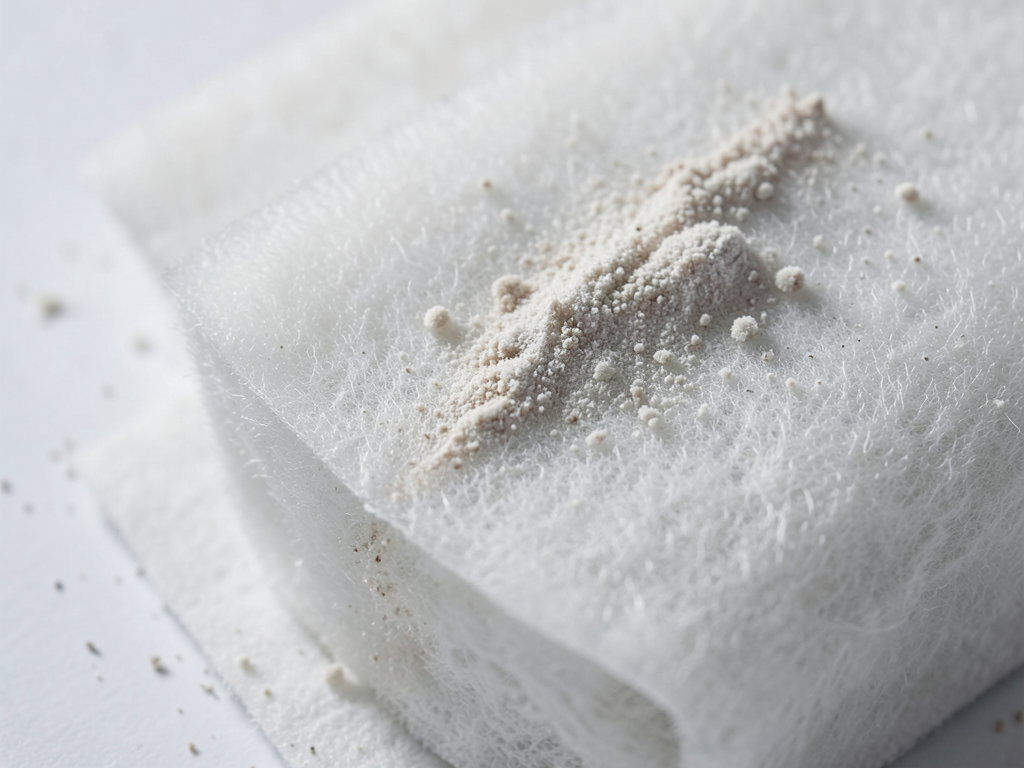
Construction dust particles are much smaller than typical household dust. These microscopic particles can bypass standard filters and accumulate on evaporator coils, blower motors, and inside ductwork. In St. Roch’s humid climate, this dust combines with moisture to create a paste-like substance that insulates coils and reduces cooling efficiency by up to 30%. Emergency Ductwork Repair.
The EPA reports that indoor air quality during construction can be 100 times worse than normal conditions. For New Orleans homes, this means your AC system works harder consumes more energy, and experiences premature wear. The combination of construction dust and our 90%+ humidity creates perfect conditions for mold growth inside your system. EPA Energy Star HVAC maintenance.
Pre-Renovation Prep: 5 Steps to Seal Your HVAC
- Install High-MERV Filters
Replace standard filters with MERV-13 pleated filters. These capture 90% of construction particles between 1-10 microns compared to 20% for standard MERV-8 filters. The higher resistance requires running your system on “Fan Only” mode during heavy construction. Get Your New Orleans AC Running Again with Our 24-Hour Emergency Repair Service.
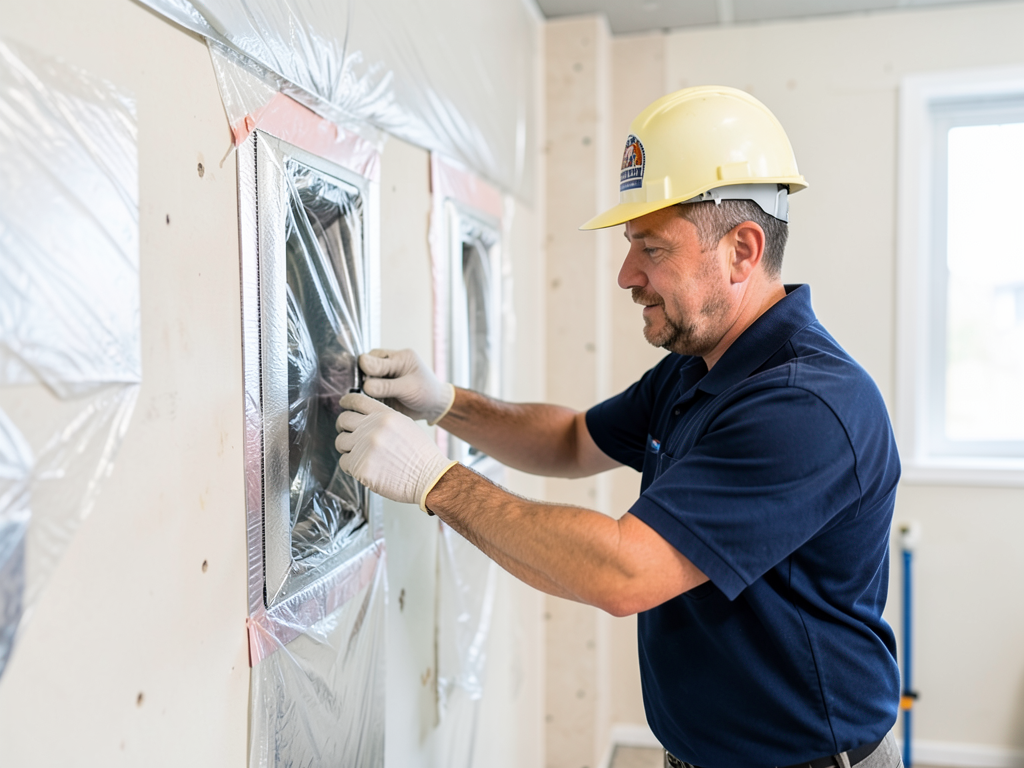
- Seal All Registers and Returns
Use plastic sheeting and painter’s tape to cover every supply and return vent. This prevents debris from entering ductwork. Press tape firmly around edges to create an airtight seal. Remove tape slowly to avoid tearing drywall paper.
- Install Temporary Return Air Block
Cover the main return air grille with a pre-cut plywood panel sealed with weather stripping. This creates a positive pressure environment that forces air out through construction barriers rather than pulling dust in.
- Protect Outdoor Unit
Cover the condenser coil with a breathable mesh tarp secured with bungee cords. This prevents debris from clogging fins while allowing airflow. Never use plastic sheeting as it traps moisture and promotes corrosion.
- Document System Status
Take photos of your clean system before work begins. Document filter condition, coil cleanliness, and any existing issues. This provides baseline comparison for post-renovation inspection.. Read more about Cleaning Your AC System After a Major Home Renovation in Arabi.
During Construction: To Run or Not to Run the AC?
The decision to run your AC during construction depends on humidity levels and dust control measures. In St. Roch’s summer months, completely shutting down your system risks condensation on cool surfaces and mold growth. However, running the system without protection draws debris directly into your equipment.
The optimal approach uses a “Fan Only” setting with MERV-13 filters. This circulates air without cooling, preventing humidity buildup while the high-efficiency filter captures most particles. Run the fan for 30 minutes every 4-6 hours to maintain air movement and prevent stagnant conditions.. Read more about Cooling a New Orleans Double — Should You Have One HVAC System or Two?.
For plaster demolition or extensive drywall work, completely shut down the system and use standalone HEPA air scrubbers with negative air pressure. This contains dust at the source rather than allowing it to migrate through your home.
Managing New Orleans Humidity During a Teardown
St. Roch’s proximity to the Industrial Canal and high water table create unique humidity challenges during renovations. When outdoor humidity exceeds 85%, turning off your AC system can cause indoor humidity to reach 75-80% within 24 hours.
Monitor humidity with a digital hygrometer. Keep indoor levels below 60% to prevent mold growth. Use portable dehumidifiers in work areas, emptying them daily. For extensive projects lasting more than a week, consider temporary humidity control systems that maintain 50-55% relative humidity.
The Louisiana State Uniform Construction Code (Section 302.4) requires humidity control during renovations to prevent moisture-related damage. This is especially critical in St. Roch’s older homes where plaster walls can absorb moisture and warp over time.
Post-Renovation Recovery: Ensuring Air Quality and System Longevity
After construction ends, your AC system needs thorough cleaning before returning to normal operation. Start by removing all protective coverings and replacing MERV-13 filters with new ones. Run the system on “Fan Only” for 24 hours with windows open to flush remaining particles. Why Your Lakeview Home Needs a High-Efficiency AC Unit to Combat Swampy Humidity.
Professional duct cleaning becomes essential after major renovations. The National Air Duct Cleaners Association recommends inspection if construction dust was present. Look for visible dust buildup around vents or reduced airflow as signs your ducts need cleaning. National Air Duct Cleaners Association.
Schedule a comprehensive HVAC inspection that includes coil cleaning, blower motor check, and condensate drain line clearing. Construction dust often accumulates in the drain pan, creating clogs that cause water damage and system shutdown.
When to Call a Professional: Post-Construction HVAC Inspection
Certain signs indicate your system needs professional attention after renovation. Unusual noises from the blower motor suggest debris accumulation. Musty odors when the AC runs indicate mold growth in the evaporator coil. Reduced cooling capacity often results from dirty coils restricting heat transfer.
Professional inspection should include thermal imaging of ductwork to identify dust accumulation patterns. A technician can measure static pressure across coils to quantify efficiency loss. The cost of inspection typically ranges from $150-300, far less than the $800-1,500 for emergency repairs caused by neglected debris damage.
The EPA’s Energy Star program recommends annual professional maintenance, but construction projects create an immediate need for inspection regardless of timing. This is especially true in St. Roch where older homes often have compromised duct seals that allow debris infiltration.
Contractor Accountability: Protecting Your Investment
Include specific HVAC protection language in your renovation contract. Require contractors to use dust containment barriers with HEPA filtration. Specify MERV-13 filter installation before work begins. Include penalties for system damage caused by negligence.
Request documentation of dust control measures, including photos of sealed registers and protected outdoor units. Professional contractors familiar with St. Roch renovations understand local humidity challenges and implement appropriate protection strategies.
Consider requiring a post-construction IAQ test to verify that particle counts return to normal levels. This typically costs $200-400 but provides documented proof of air quality restoration.
Protecting Your AC System: The Bottom Line
Protecting your AC system during a St. Roch fixer-upper requires proactive measures and ongoing monitoring. The cost of prevention is minimal compared to the expense of repairing or replacing damaged components. By following these guidelines, you can complete your renovation without compromising your home’s comfort or your HVAC system’s longevity.
Remember that St. Roch’s unique climate and historic housing stock create specific challenges. The combination of high humidity, salt air from nearby waterways, and aging infrastructure requires extra vigilance. Your efforts to protect your system will pay dividends in improved efficiency, better air quality, and extended equipment life.
For professional HVAC inspection or cleaning after your renovation, call (504) 355-2955 today to schedule your appointment. Our technicians understand St. Roch’s unique challenges and can ensure your system is ready for Louisiana’s demanding climate.
Frequently Asked Questions
How long should I wait to run my AC normally after construction ends?
Wait at least 48-72 hours after completing dust-generating work. Replace filters twice during this period and run the system on “Fan Only” mode. Only switch to normal cooling operation after professional inspection confirms clean coils and ducts.
Can construction dust void my AC warranty?
Yes. Most manufacturer warranties exclude damage from environmental contamination. Documented neglect of dust protection measures can void coverage. Keep records of all protective steps taken and professional inspections performed.
What’s the difference between MERV-13 and HEPA filters for construction dust?
MERV-13 filters capture 90% of particles 1-10 microns suitable for most construction dust. HEPA filters capture 99.97% of particles 0.3 microns and smaller but restrict airflow significantly. Use MERV-13 during construction, switching to HEPA only for final cleanup phases.
How do I know if my ducts need cleaning after renovation?
Signs include visible dust around vents, musty odors when AC runs, reduced airflow, and increased allergy symptoms. Professional inspection with a camera scope can reveal dust levels inside ducts. Most post-renovation cleanings cost $300-600 depending on home size.
| Filter Type | Particle Size Captured | Efficiency Rating | Best Use Case |
|---|---|---|---|
| MERV-8 | 3-10 microns | 20% | Standard residential use |
| MERV-11 | 1-10 microns | 60% | Light construction dust |
| MERV-13 | 0.3-10 microns | 90% | Heavy construction dust |
| HEPA | 0.3 microns and smaller | 99.97% | Final cleanup, IAQ testing |
St. Roch Landmarks for Context: Your renovation project likely involves homes near St. Roch Market, the historic St. Roch Cemetery No. 1, or along St. Claude Avenue. Many properties in the 70117 and 70126 zip codes feature shotgun houses with shared walls that require extra dust containment measures. The Industrial Canal’s proximity creates higher humidity levels that affect dust behavior and mold growth rates.
You may also find this helpful. Finding Hidden Space for Ductwork in Historic Creole Cottages.
You may also find this helpful. HVAC Financing Options for New Orleans Homeowners with Less Than Perfect Credit.
You may also find this helpful. Dealing with Oak and Cypress Pollen in Your Gentilly HVAC Vents.
{
“@context”: “https://schema.org”,
“@type”: “BlogPosting”,
“headline”: “Protecting Your AC System from Sawdust and Debris During a St. Roch Fixer-Upper Project”,
“description”: “Protect your AC system during St. Roch renovations with expert HVAC safeguards. Learn how to prevent sawdust damage in New Orleans’ humid climate.”,
“wordCount”: 1473,
“datePublished”: “2026-04-13T09:18:00.000Z”,
“dateModified”: “2026-04-13T09:18:00.000Z”,
“inLanguage”: “en-US”,
“mainEntityOfPage”: {
“@type”: “WebPage”,
“@id”: “https://pioneerhvacneworleans.com”
},
“publisher”: {
“@type”: “LocalBusiness”,
“name”: “Pioneer HVAC New Orleans”,
“url”: “https://pioneerhvacneworleans.com”
},
“author”: {
“@type”: “Organization”,
“name”: “Pioneer HVAC New Orleans”,
“url”: “https://pioneerhvacneworleans.com”
},
“image”: {
“@type”: “ImageObject”,
“url”: “https://pioneerhvacneworleans.com/wp-content/uploads/2026/03/protecting-your-ac-system-from-sawdust-and-debris-1.png”
}
}
{
“@context”: “https://schema.org”,
“@type”: “HVACBusiness”,
“name”: “Pioneer HVAC New Orleans”,
“url”: “https://pioneerhvacneworleans.com”,
“address”: {
“@type”: “PostalAddress”,
“addressLocality”: “New Orleans”
},
“areaServed”: {
“@type”: “City”,
“name”: “New Orleans”
}
}
{
“@context”: “https://schema.org”,
“@type”: “FAQPage”,
“mainEntity”: [
{
“@type”: “Question”,
“name”: “During Construction: To Run or Not to Run the AC?”,
“acceptedAnswer”: {
“@type”: “Answer”,
“text”: “The decision to run your AC during construction depends on humidity levels and dust control measures. In St. Roch’s summer months, completely shutting down your system risks condensation on cool surfaces and mold growth. However, running the system without protection draws debris directly into your equipment.”
}
},
{
“@type”: “Question”,
“name”: “How long should I wait to run my AC normally after construction ends?”,
“acceptedAnswer”: {
“@type”: “Answer”,
“text”: “Wait at least 48-72 hours after completing dust-generating work. Replace filters twice during this period and run the system on \”Fan Only\” mode. Only switch to normal cooling operation after professional inspection confirms clean coils and ducts.”
}
},
{
“@type”: “Question”,
“name”: “Can construction dust void my AC warranty?”,
“acceptedAnswer”: {
“@type”: “Answer”,
“text”: “Yes. Most manufacturer warranties exclude damage from environmental contamination. Documented neglect of dust protection measures can void coverage. Keep records of all protective steps taken and professional inspections performed.”
}
},
{
“@type”: “Question”,
“name”: “What’s the difference between MERV-13 and HEPA filters for construction dust?”,
“acceptedAnswer”: {
“@type”: “Answer”,
“text”: “MERV-13 filters capture 90% of particles 1-10 microns suitable for most construction dust. HEPA filters capture 99.97% of particles 0.3 microns and smaller but restrict airflow significantly. Use MERV-13 during construction, switching to HEPA only for final cleanup phases.”
}
},
{
“@type”: “Question”,
“name”: “How do I know if my ducts need cleaning after renovation?”,
“acceptedAnswer”: {
“@type”: “Answer”,
“text”: “Signs include visible dust around vents, musty odors when AC runs, reduced airflow, and increased allergy symptoms. Professional inspection with a camera scope can reveal dust levels inside ducts. Most post-renovation cleanings cost $300-600 depending on home size.”
}
}
]
}
{
“@context”: “https://schema.org”,
“@type”: “HowTo”,
“name”: “Pre-Renovation HVAC Protection Steps”,
“step”: [
{
“@type”: “HowToStep”,
“position”: 1,
“name”: “Install High-MERV Filters”,
“text”: “Replace standard filters with MERV-13 pleated filters. These capture 90% of construction particles between 1-10 microns compared to 20% for standard MERV-8 filters. The higher resistance requires running your system on \”Fan Only\” mode during heavy construction. Get Your New Orleans AC Running Again with Our 24-Hour Emergency Repair Service.”
},
{
“@type”: “HowToStep”,
“position”: 2,
“name”: “Seal All Registers and Returns”,
“text”: “Use plastic sheeting and painter’s tape to cover every supply and return vent. This prevents debris from entering ductwork. Press tape firmly around edges to create an airtight seal. Remove tape slowly to avoid tearing drywall paper.”
},
{
“@type”: “HowToStep”,
“position”: 3,
“name”: “Install Temporary Return Air Block”,
“text”: “Cover the main return air grille with a pre-cut plywood panel sealed with weather stripping. This creates a positive pressure environment that forces air out through construction barriers rather than pulling dust in.”
},
{
“@type”: “HowToStep”,
“position”: 4,
“name”: “Protect Outdoor Unit”,
“text”: “Cover the condenser coil with a breathable mesh tarp secured with bungee cords. This prevents debris from clogging fins while allowing airflow. Never use plastic sheeting as it traps moisture and promotes corrosion.”
},
{
“@type”: “HowToStep”,
“position”: 5,
“name”: “Document System Status”,
“text”: “Take photos of your clean system before work begins. Document filter condition, coil cleanliness, and any existing issues. This provides baseline comparison for post-renovation inspection.”
}
],
“image”: “https://pioneerhvacneworleans.com/wp-content/uploads/2026/03/protecting-your-ac-system-from-sawdust-and-debris-1.png”
}
{
“@context”: “https://schema.org”,
“@type”: “BreadcrumbList”,
“itemListElement”: [
{
“@type”: “ListItem”,
“position”: 1,
“name”: “Home”,
“item”: “https://pioneerhvacneworleans.com”
},
{
“@type”: “ListItem”,
“position”: 2,
“name”: “Blog”,
“item”: “https://pioneerhvacneworleans.com/blog”
},
{
“@type”: “ListItem”,
“position”: 3,
“name”: “Protecting Your AC System from Sawdust and Debris During a St. Roch Fixer-Upper Project”
}
]
}
{
“@context”: “https://schema.org”,
“@type”: “Service”,
“serviceType”: “HVAC”,
“provider”: {
“@type”: “LocalBusiness”,
“name”: “Pioneer HVAC New Orleans”,
“url”: “https://pioneerhvacneworleans.com”
},
“areaServed”: {
“@type”: “City”,
“name”: “New Orleans”
},
“description”: “Protect your AC system during St. Roch renovations with expert HVAC safeguards. Learn how to prevent sawdust damage in New Orleans’ humid climate.”
}